
奈雪的茶

Search documents
外卖核战,没有赢家
Sou Hu Cai Jing· 2025-07-14 07:51
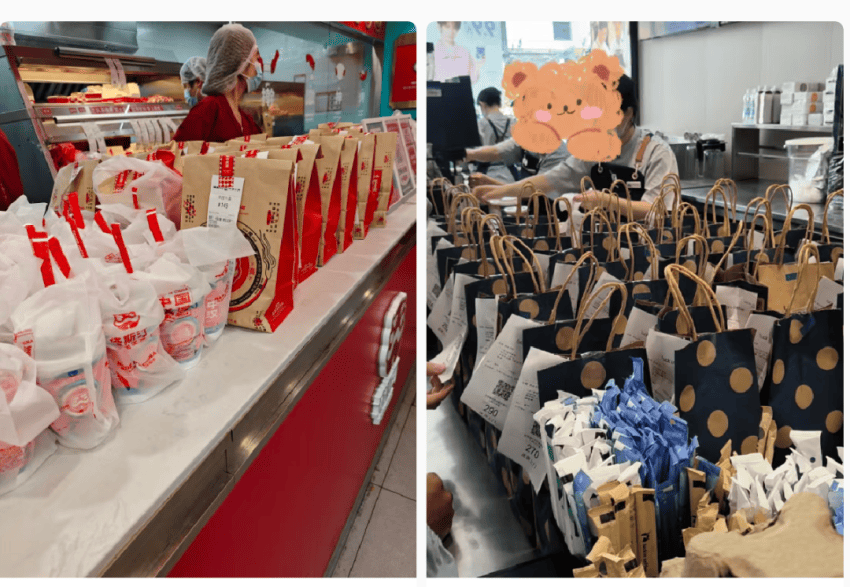
Core Insights - The recent surge in food delivery subsidies has led to a consumer frenzy, with many taking advantage of "zero-cost" offers, but the long-term implications for businesses remain uncertain [5][12]. Group 1: Consumer Behavior - Consumers are actively participating in the subsidy-driven promotions, with reports of individuals receiving significant discounts on food items, leading to increased stockpiling of goods [5][6]. - The frequency of food delivery orders among young consumers has notably increased, shifting their consumption habits towards online ordering rather than dining out [12][14]. Group 2: Business Impact - Many restaurants have experienced a dramatic increase in order volume, with some reporting up to a 50% rise in orders during the subsidy period [6][11]. - Despite the apparent increase in sales, many businesses are struggling to maintain profitability due to high operational costs, with some reporting lower net earnings compared to regular business days [7][11]. - The intense competition and reliance on subsidies are pushing restaurants into a difficult position, where participation may lead to losses while non-participation risks losing customer traffic [11][12]. Group 3: Market Dynamics - The ongoing subsidy war is reshaping consumer price expectations, with many consumers now unwilling to pay prices above a certain threshold for food items [14]. - The shift in consumer behavior and price sensitivity may lead to long-term challenges for traditional dining establishments, as they compete with the convenience and low prices of food delivery services [12][14]. - The current market dynamics suggest that the food and beverage industry may face a cycle of price wars that could harm the overall ecosystem, with smaller businesses at greater risk of failure [11][14].

今年涨价最猛的水果,快吃不起了
36氪· 2025-07-13 23:52
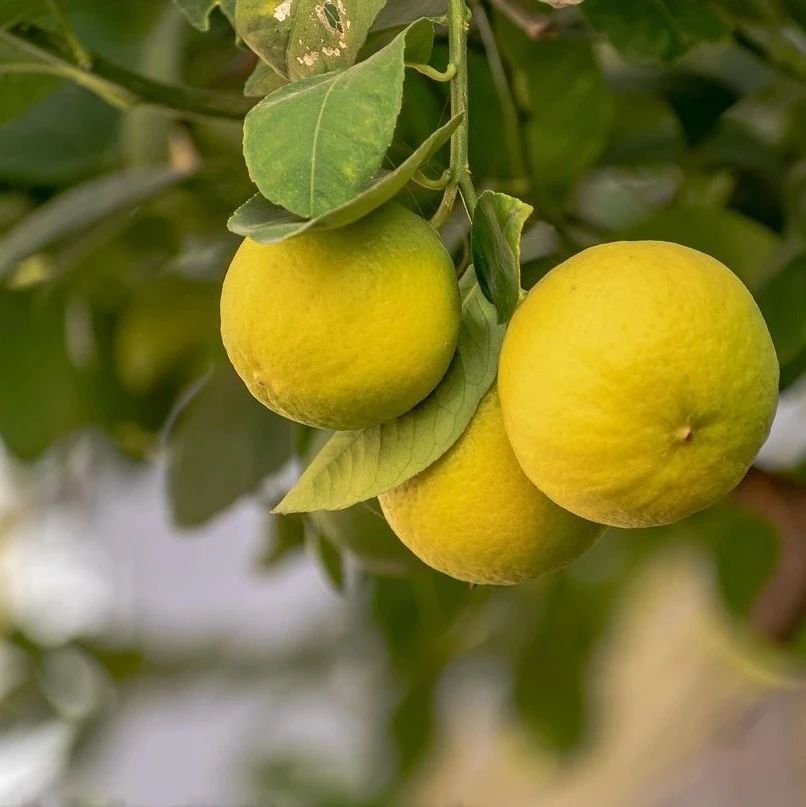
Core Viewpoint - The significant price increase of lemons in China is attributed to various factors including climate conditions, supply chain vulnerabilities, and global market dynamics [4][10][22]. Group 1: Price Trends - The price of yellow lemons has surged dramatically, with retail prices reaching 10 to 15 yuan per pound, and premium A-grade lemons priced at 29.9 yuan per pound [4][12]. - Compared to last year, the price of lemons has increased threefold, with wholesale prices rising from 9.5 yuan per kilogram at the beginning of the year to 14.02 yuan per kilogram by the end of June [7][10][20]. Group 2: Supply Chain and Production Issues - The primary production area for lemons in China is concentrated in regions south of the Yangtze River, particularly in Sichuan's Anyue County, which accounts for over 70% of the national lemon output [13][15]. - Extreme weather conditions, including high temperatures and drought, have significantly impacted lemon production, leading to a 40% decrease in yield compared to last year [15][21]. - Global lemon supply has also been affected, with major producing countries like Turkey and Argentina facing adverse weather, resulting in a projected 6% reduction in global lemon production by 2025 [20]. Group 3: Impact on Beverage Industry - The rising cost of lemons raises concerns about potential price increases for lemon-based beverages, which are crucial for many tea brands [5][24]. - Major tea brands like Mixue Ice City have established stable supply chains to mitigate the impact of rising lemon prices, securing a significant portion of their lemon supply from local producers [27][30]. - Many tea brands are currently using lower-cost alternatives like Guangdong fragrant lemons, which are priced at 1 to 2 yuan per pound, to maintain competitive pricing [29][30].
成都11家门店突然歇业!网红面包店电话不通、退款无门
21世纪经济报道· 2025-07-13 00:32
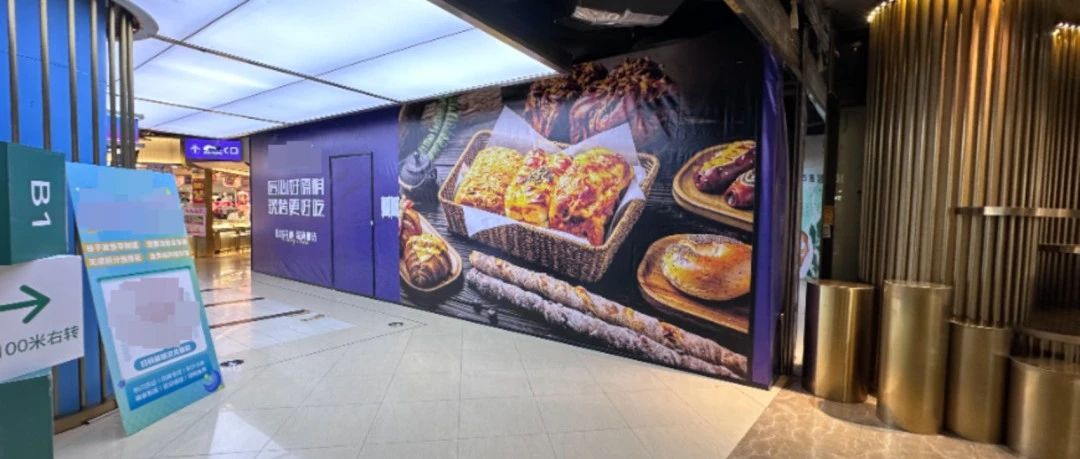
Core Viewpoint - The sudden closure of all BreadTalk stores in Chengdu raises concerns about the company's operational stability and customer service practices, particularly regarding the handling of prepaid card refunds during the announced upgrades [1][3][10]. Company Summary - BreadTalk, founded in Singapore in 2000, operates a franchise model in lower-tier cities while maintaining direct control in first-tier cities. The company has expanded to 477 stores across 13 countries and regions [15]. - The Sichuan branch, established in 2005 with a registered capital of 3 million RMB, is currently in a state of operation but has faced financial difficulties, including being listed as a high-consumption restriction enterprise due to loan disputes [15][17]. - The company has recently experienced a collective closure of 11 stores in Chengdu, with reports indicating that the closures were not communicated effectively to customers, particularly those with prepaid cards [2][10]. Industry Context - The bakery industry is undergoing significant restructuring, with many established brands exiting the market while new entrants, such as tea and coffee brands, are diversifying into baked goods [19][20]. - Competitors like Sam's Club and Hema are gaining traction with their own bakery products, indicating a shift in consumer preferences and market dynamics [21]. - The industry has seen notable failures, including brands like Tiger Head and Christine, which have faced severe operational challenges and financial losses [24].
中国茶饮加码东南亚:霸王茶姬让出泰国公司51%股权,当地三大巨头1.42亿泰铢入局
凤凰网财经· 2025-07-12 11:16
Core Viewpoint - Bawang Chaji (CHA.US) is expanding its overseas operations by entering into a joint venture in Thailand, acquiring a 51% stake in its local subsidiary, which reflects a strategic move to enhance its market presence in Southeast Asia [2][3]. Group 1: Investment and Partnership - Thailand President Foods Co., Ltd. has invested over 142 million THB (approximately 31.19 million RMB) to acquire a 51% stake in Bawang Chaji Thailand, changing the shareholder structure [2][3]. - The partnership includes key local players from food production, logistics, and real estate, providing essential resources for the brand's expansion [3]. - Bawang Chaji previously established a joint venture in Malaysia with Magma Chain Management, indicating a trend of collaboration with local firms to facilitate market entry [4]. Group 2: Market Trends and Strategy - Analysts suggest that the joint venture model will become a crucial pathway for many restaurant brands looking to expand internationally, particularly in Southeast Asia [5]. - The Southeast Asian market is seen as a primary growth area for Chinese tea brands due to geographical advantages and cultural similarities [5]. - A report indicates that the next five years will be pivotal for the global competition of Chinese tea brands, with Southeast Asia being the preferred destination for expansion [5]. Group 3: Company Performance and Future Outlook - As of March 31, 2025, Bawang Chaji operates 6,681 tea houses globally, with 169 located overseas [7]. - The average monthly GMV for tea houses in Greater China has decreased to approximately 432,000 RMB, down from 549,400 RMB in the same period last year [7]. - The company is transitioning from a rapid growth strategy to a same-store sales growth strategy, focusing on quality and key performance indicators rather than just expansion speed [8].
瑞幸最大股东或竞购星巴克中国股权;Manus官网显示“地区不可用”,社交账号清空;月之暗面Kimi K2发布并开源丨邦早报
创业邦· 2025-07-12 00:53
Group 1 - Manus has laid off part of its domestic workforce and moved core technical staff to its Singapore headquarters, with around 120 employees remaining in China [3] - Luckin Coffee's largest shareholder, Dazhong Capital, is among over 30 bidders for Starbucks' China business, indicating a potential shift in ownership while Starbucks aims to retain a 30% stake [4] - Zhipu is preparing for both Hong Kong and A-share IPOs, with a higher probability for the A-share listing following a recent strategic financing round of 1 billion yuan [5] Group 2 - Xiaopeng Motors has surpassed 800,000 cumulative vehicle deliveries, reflecting its growth in the electric vehicle market [5] - LeEco has been executed for over 10 million yuan, highlighting ongoing financial difficulties [8] - Huawei's new car model, Shangjie, is expected to launch this fall with advanced driving capabilities [11] Group 3 - Nvidia's CEO Jensen Huang's net worth has surpassed Warren Buffett's, reaching 144 billion USD, as Nvidia's market capitalization stands at 4.02 trillion USD [13] - Xiaopeng Motors has committed to a 60-day payment cycle for suppliers, marking a significant operational change in the automotive industry [13] - Volkswagen is reportedly planning to close its Nanjing factory by the end of the year, although local management claims operations are normal [13] Group 4 - Intel's CEO admits the company has fallen out of the top ten semiconductor firms and is lagging in AI technology compared to Nvidia [24] - Panasonic has delayed its US battery factory production plans due to slowing sales from Tesla, with a new target date for full production yet to be determined [26] - Amazon AWS is set to launch an AI agent marketplace on July 15, allowing startups to offer AI services directly to customers [26] Group 5 - Shanjisi Semiconductor has completed a multi-hundred million yuan C round financing to enhance R&D and production capacity [27] - Time Drive Technology has secured a multi-hundred million yuan A round financing to develop intelligent suspension control systems [27] - Yingmu Technology has raised over 150 million yuan in B2 round financing to advance its next-generation smart glasses [27]



大河南“下沉市场” ,托起千亿“蜜雪冰城”
21世纪经济报道· 2025-07-12 00:10
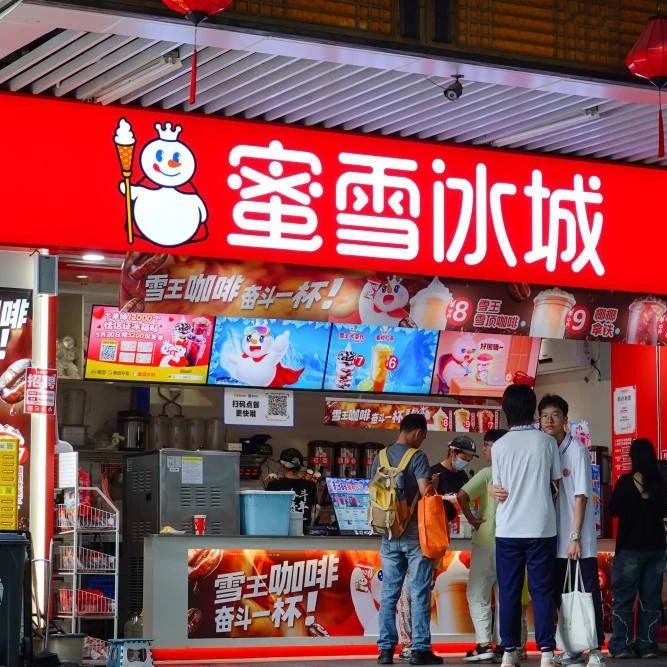
Core Viewpoint - Mixue Ice City, a tea beverage brand originating from Henan, has successfully expanded its market presence by leveraging its local roots and focusing on the lower-tier markets, achieving a market capitalization of 195.3 billion HKD as of July 11, 2025 [5][6]. Group 1: Company Background and Development - The founders of Mixue Ice City, Zhang Hongchao and Zhang Hongfu, are brothers from a rural background in Shangqiu, Henan, with Zhang Hongchao starting his entrepreneurial journey by selling shaved ice in 1997 [1][2]. - The brand officially launched in 1999 with its first physical store, initially offering shaved ice, Chinese, and Western cuisine, before focusing on ice cream in 2005, which became a hit product [3][4]. Group 2: Market Expansion and Strategy - Mixue Ice City has expanded significantly, with a notable presence in lower-tier cities, where over half of its 41,584 stores are located [26]. - The company’s headquarters in Zhengzhou serves as a strategic hub, benefiting from the city's transportation network and high foot traffic, with daily customer flow exceeding 350,000 at the nearby Zhengzhou East Station [12][19]. Group 3: Production and Infrastructure - The company has invested heavily in its production base in Henan, which spans approximately 342,000 square meters and has an annual production capacity of 1.21 million tons [13][14]. - Mixue Ice City is also developing a new training campus in Henan, which will enhance its operational capabilities and employee training [15][16]. Group 4: Market Position and Consumer Engagement - The brand's success is attributed to its focus on affordability and value, particularly in lower-income regions, where it has established a strong market presence [22][27]. - Mixue Ice City has effectively engaged local talent, with a significant percentage of potential employees expressing interest in working for the company, indicating a positive perception of job opportunities [26].
“外卖大战”为何卷土重来,即时零售将走向何方?
Xin Lang Cai Jing· 2025-07-12 00:09
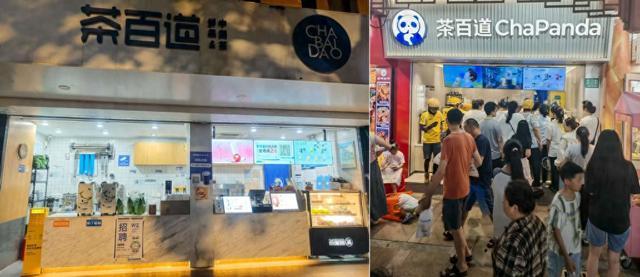
Core Insights - The recent surge in food delivery orders is attributed to a sudden increase in subsidies from platforms like Alibaba and JD, leading to a chaotic situation for restaurants and delivery personnel [1][3][4] - The competition among major platforms, including Alibaba, JD, and Meituan, has intensified, resulting in significant fluctuations in order volumes and delivery rider earnings [3][11][15] Group 1: Market Dynamics - The weekend's order spike was not coincidental; all three major food delivery platforms have been investing resources since Q1, expanding market capacity and increasing consumer engagement [4][10] - The introduction of a promotional event called "Super Saturday" by Alibaba aims to create a new consumer holiday, offering substantial cash redemptions for food delivery [3][12] Group 2: Financial Implications - Following the weekend's subsidy battle, stocks of various food and beverage companies surged, with Cha Bai Dao rising by 15% and Nayuki Tea by over 10% [5] - Despite the apparent increase in order volume, many merchants express concerns about the sustainability of profits due to high fixed costs and the potential for reduced orders once subsidies diminish [5][6] Group 3: Delivery Riders' Perspective - Delivery riders have experienced a temporary boost in earnings due to subsidies, but they face uncertainty as the platforms' subsidy policies fluctuate unpredictably [7][9] - The influx of new riders attracted by high subsidies may lead to increased competition and pressure on earnings once the promotional activities cease [9][10] Group 4: Competitive Landscape - The competition is not limited to food delivery; it extends to the broader instant retail market, with platforms vying for consumer attention and market share [11][15] - New entrants like Pinduoduo are also testing the waters in the instant delivery space, indicating that the battle for market dominance is far from over [15]



新茶饮新表达
Jing Ji Ri Bao· 2025-07-11 22:26
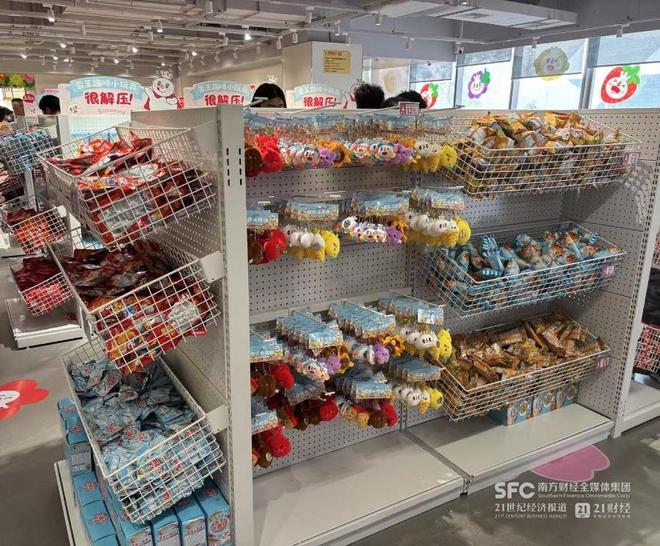
Core Insights - The new tea beverage industry is innovating by exploring and promoting niche fruits, which is a typical path driven by consumer upgrades forcing supply-side innovation, positively impacting rural revitalization, increasing farmers' income, and enhancing the innovation capacity of new tea beverage companies [1][6] - The market for new-style tea beverages in China is projected to reach approximately 354.7 billion yuan in 2024, with a year-on-year growth of 6.4%, and is expected to exceed 400 billion yuan by 2028 [1] Industry Development - The new tea beverage trend began over a decade ago, with brands like Heytea and Nayuki leading the charge, and the market has seen rapid expansion, with over 304,000 related companies in China as of now, and an expected addition of over 15,000 by 2025 [3] - Consumer loyalty to new-style tea beverages is high, with 87.9% of consumers purchasing them at least twice a week, and 26% planning to increase their consumption frequency in 2024 [3] Consumer Preferences - There is a significant shift in consumer preferences towards healthier options, with many opting for low-calorie, sugar-free, and fresh fruit-based tea drinks, reflecting a growing awareness of nutrition and health [5][6] - The introduction of products like the "Kale Slimming Bottle" by Heytea, which combines kale with various fruits and green tea, highlights the trend towards health-conscious beverage choices [5] Cultural Impact - New tea beverages serve as a modern expression of tea culture, appealing to younger consumers and enhancing their understanding of traditional Chinese tea [7][9] - The integration of traditional cultural elements into product design, such as the "Famous Paintings Milk Tea Cup" series by Tea Yan Yue Se, aims to attract younger consumers and promote Chinese culture [8][9] Innovation and Sustainability - Companies are focusing on sourcing high-quality, sustainable raw materials, with Heytea selecting over 12,000 acres of premium tea gardens and collaborating with farmers for fruit production [6] - Initiatives like Nayuki's "No Sugar Natural Nutrition+" plan aim to promote healthier beverage options while supporting local agriculture [6]
大河南下沉市场,托起千亿蜜雪丨消费新势力
2 1 Shi Ji Jing Ji Bao Dao· 2025-07-11 12:51
Core Insights - The article highlights the growth and strategic significance of Mixue Ice City, a tea beverage brand originating from Henan, China, emphasizing its successful expansion and market positioning in lower-tier cities [5][23]. Company Background - Mixue Ice City was founded by brothers Zhang Hongchao and Zhang Hongfu, who started with a small shaved ice stall in 1997 before officially launching the brand in 1999 [1][2][3]. - The company gained popularity with its 1 yuan ice cream in 2005, leading to rapid expansion and the establishment of independent stores [3][4]. Strategic Importance of Henan - Henan serves as a crucial hub for Mixue, with its headquarters located in Zhengzhou, which is strategically positioned near major transportation routes [6][13]. - The company has invested significantly in its headquarters and production facilities in Henan, with a production base capable of producing 1.21 million tons of food materials annually [9][10][14]. Market Positioning - Mixue has successfully tapped into the lower-tier market, with over half of its 41,584 stores located in third-tier cities and below, reflecting its strategy of offering affordable products [22][23]. - The brand's growth is supported by a strong local workforce, with many employees returning from larger cities to work at Mixue, indicating its appeal as an employer in the region [21][22]. Financial Performance - In 2024, Mixue reported revenue of 24.829 billion yuan, marking a year-on-year growth of 22.3%, driven largely by its presence in lower-tier markets [22].
茶咖日报|特朗普对巴西加征关税反噬自身,美国人喝咖啡或变贵
Guan Cha Zhe Wang· 2025-07-11 11:17
Group 1: Coffee Industry Impact - The Trump administration announced a 50% tariff on Brazilian goods starting August 1, significantly affecting coffee prices in the U.S. [1] - Brazil, the world's largest coffee exporter, may halt coffee supplies to the U.S., potentially driving coffee prices to historical highs [1] - The U.S. imports approximately 8.14 million bags of coffee from Brazil annually, which constitutes one-third of its total coffee consumption [1] Group 2: New Store Openings - Yao Coffee, a brand under Beijing Jinxiang Fosun Pharmaceutical Co., has opened two new stores in Beijing, located at Fuxing Hospital and Guangwai Hospital [3] - The new stores feature a blend of white and wood color schemes, providing a pleasant environment for customers [3] - With the addition of these two stores, Yao Coffee now operates a total of five locations in Beijing [3] Group 3: New Product Launches - Cha Yan Yue Se has launched a new brand "Cha Yan Bing Fang," entering the new Chinese-style baking market with a variety of baked goods [4] - The new product line includes over 20 types of baked items, with member prices ranging from 3.3 to 9.9 yuan each, offering competitive pricing [4] - Currently, the new brand is only available at the Changsha Wanjiali store, indicating a limited initial rollout [4] Group 4: Expansion of Beverage Chains - Mixue Ice City has opened its 8th store in Hong Kong at Blue Bay Plaza, continuing its expansion in the region [5][6] - Since entering the Hong Kong market in late 2023, the brand has rapidly established a presence in key areas, including Mong Kok and Causeway Bay [6] Group 5: Incident Response - A vehicle incident occurred at a Nayuki Tea store in Wuhan, but no injuries were reported, and the store continued operations without dine-in services [7] - The incident took place during non-business hours, and the company is currently assessing damages [7]
