LG

Search documents
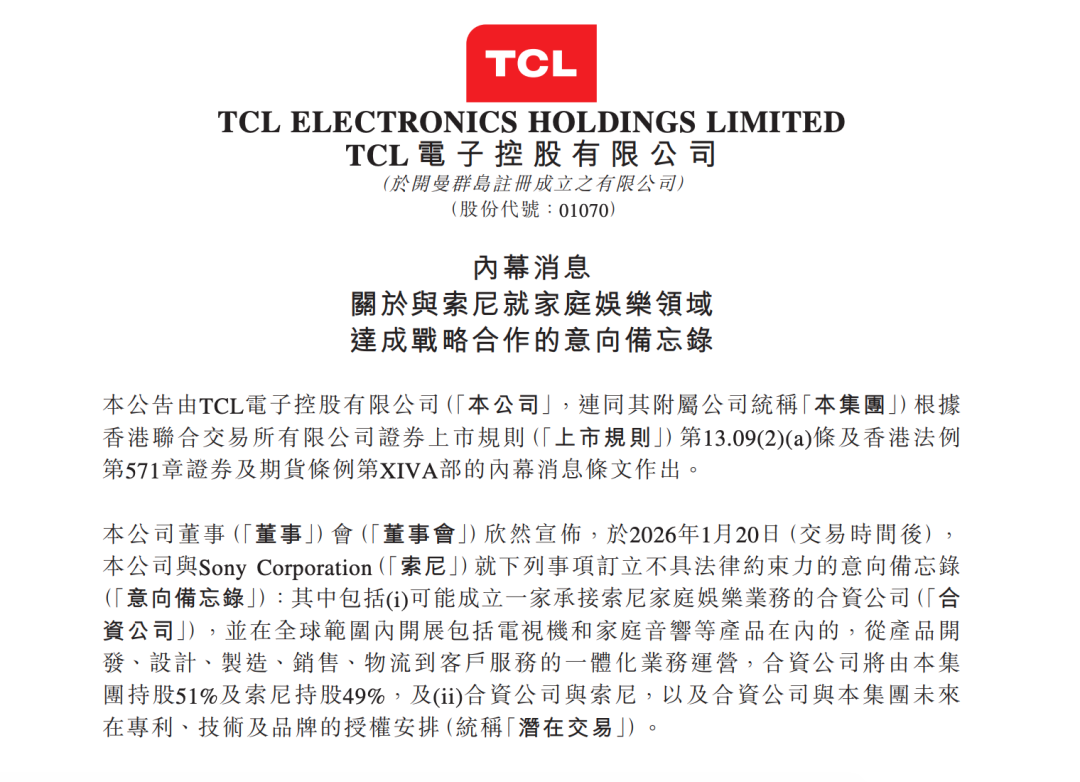
TCL电子拟以合资形式承接索尼家庭娱乐业务51%控股 盘中大涨18%
Zhong Guo Jing Ying Bao· 2026-01-21 06:59
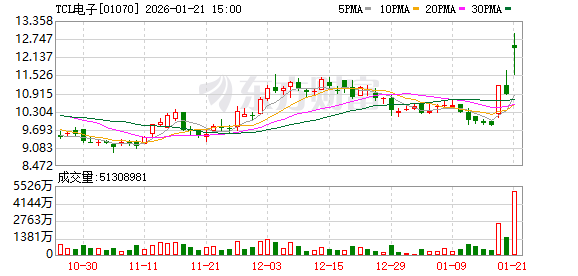
TCL电子在公告中表示,未来,合资公司将融合索尼在音视频技术、品牌价值与供应链管理方面的积 累,结合TCL在显示技术、全球产业布局、成本效率及垂直供应链等方面的优势,共同提升全球竞争 力。此外,合资公司将继续使用索尼旗下全球的"Sony"和"BRAVIA"品牌。 2026年1月21日上午,TCL电子控股有限公司(以下简称"TCL",1070.HK)股价盘中最高涨幅18.64%, 报12.92港元,创2004年9月以来新高。截至午盘,涨幅为17.08%,报12.750港元。 消息面上,一则重磅消息震动了全球消费电子行业。此前的1月20日晚间,TCL电子发布公告,宣布与 索尼公司(Sony Corporation)就家庭娱乐领域达成战略合作意向,并签署了一份不具法律约束力的意 向备忘录。 根据备忘录,双方拟成立一家合资公司,承接索尼的家庭娱乐业务,在全球范围内开展包括电视、家庭 音响等产品的研发、设计、制造、销售、物流及客户服务一体化运营业务。合资公司股权结构为TCL持 股51%,索尼持股49%。此外,双方还计划在专利、技术和品牌授权方面展开进一步合作。 有业内人士在接受《中国经营报》记者采访时表示,这意味着索尼 ...

CES Asia 2026:以“新质生产力”为核,驱动全球消费电子产业新跃迁
Sou Hu Cai Jing· 2026-01-21 02:44
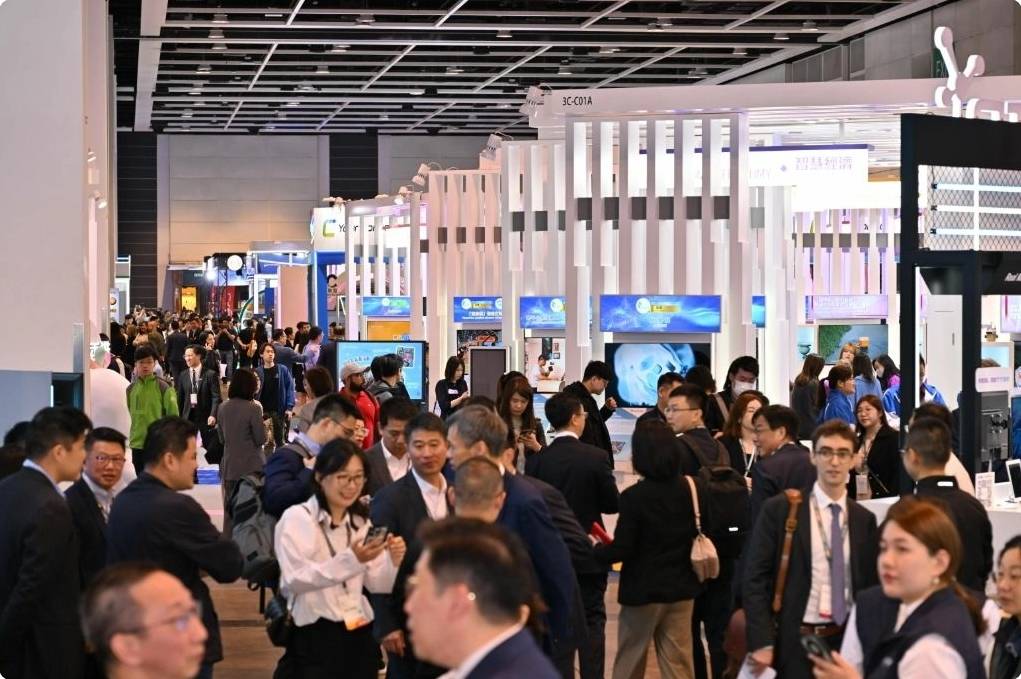
依托京津冀与长三角产业协同优势,展会将构建"研发+制造+市场"的跨区域赋能网络:北京聚焦前沿技术创新,廊坊北三县承接中试孵化,长三 角提供完善制造配套,形成科创要素与产业资源的高效流动。这种生态协同效应,让参展企业既能链接全球顶尖技术理念,又能快速对接本土化 产能与市场渠道,实现"全球技术+中国产能+亚洲市场"的闭环布局。 专业平台价值凸显,企业参展迎来黄金机遇 ——2026年6月北京启幕,打造国家战略对接与全球创新展示核心平台 当新质生产力成为重塑全球产业格局的核心引擎,消费电子作为技术创新与市场应用的前沿阵地,正迎来从"规模增长"向"质效跃迁"的关键转 折。2026年6月10日至12日,亚洲顶级消费电子盛会CES Asia将落地北京亦创国际会展中心,以"新质生产力"为核心锚点,汇聚人工智能 (AI)、具身智能、绿色科技等关键要素,构建链接国家战略、全球资源与市场需求的顶级生态平台,为全球消费电子企业提供定义未来、卡位 赛道的战略机遇。 新质生产力要素聚合,构建产业创新生态闭环 作为全球消费电子产业的"创新风向标",CES Asia 2026深度契合新质生产力发展内核,将前沿技术、产业需求与可持续发展目标深 ...
赢家通吃格局突变,日本制造业跌落,谁将主宰中美欧新战局
Sou Hu Cai Jing· 2026-01-20 18:06
Core Viewpoint - The decline of Japanese manufacturing, once a symbol of quality and technology, is attributed to a combination of historical missteps, internal stagnation, and external pressures, leading to a significant loss of market share to competitors from China, the US, and Europe [1][20]. Group 1: Historical Context - The decline of Japanese manufacturing can be traced back to events like the Toshiba incident in the 1980s, which led to severe sanctions and a loss of international standing in high-end industrial equipment and electronics [3][4]. - Japanese companies such as Hitachi and Panasonic faced fierce competition from South Korean firms like Samsung and LG, ultimately leading to their exit from key markets like televisions and semiconductors [4][8]. Group 2: Internal Challenges - The internal promotion system and reliance on traditional advantages have made Japanese companies slow to respond to global competition, resulting in management rigidity and a lack of innovation [6][9]. - The economic bubble burst in the 1990s led to a prolonged period of stagnation, with reduced R&D investment and a shift in talent away from engineering to finance and services, further eroding innovation capabilities [11][13]. Group 3: External Pressures - The US-Japan semiconductor agreement in the 1980s significantly hampered Japan's semiconductor industry, allowing South Korea's Samsung to rise as a dominant player in the global market [8][9]. - The current global manufacturing landscape is characterized by a push for reshoring in the US and Europe, which is attracting investments away from Japan, exacerbating its industrial hollowing [15][16]. Group 4: Competitive Landscape - Chinese companies, such as BYD, are rapidly advancing in sectors like electric vehicles, effectively outpacing traditional Japanese automakers like Toyota and Honda [6][18]. - Japanese brands are losing ground in both emerging and developed markets, as Chinese firms leverage lessons from Japanese manufacturing while being more responsive to local market demands [18][20].
索尼委身TCL,日企时代终落幕了
Feng Huang Wang· 2026-01-20 13:07
Core Viewpoint - The collaboration between Sony and TCL marks a significant shift in the consumer electronics industry, highlighting the transition from traditional Japanese brands to Chinese manufacturers as key players in the market [1][21]. Group 1: Partnership Details - TCL announced a memorandum of understanding with Sony to establish a joint venture focused on Sony's home entertainment business, which will operate globally in an integrated manner [2][11]. - The joint venture will have TCL holding a 51% stake and Sony holding 49%, indicating that a Chinese company will lead the future of Sony's once-iconic television brand [5][12]. - The partnership aims to combine Sony's high-quality audio-visual technology and brand value with TCL's advanced display technology and cost efficiency [11][12]. Group 2: Historical Context - Sony was once a dominant player in the television market, with its Trinitron technology setting quality standards in the 1980s and 1990s, but has since faced challenges from emerging Chinese brands [6][9]. - The rise of Chinese brands like TCL and Hisense began in the early 2000s, leveraging lower costs and innovative technologies to capture market share from Japanese manufacturers [6][18]. - By 2025, Sony's television shipments had significantly declined, ranking tenth globally, while TCL and other Chinese brands surged ahead in market share [15][19]. Group 3: Industry Transformation - The collaboration reflects a broader trend in the consumer electronics industry, where traditional vertical integration models are being replaced by more flexible cooperative networks [12][16]. - As Chinese brands evolve from being price competitors to technology innovators, the dynamics of global competition are shifting, with a focus on collaboration rather than direct competition [16][20]. - The partnership symbolizes a strategic pivot for Sony, allowing it to concentrate on higher-margin businesses while leveraging TCL's manufacturing capabilities to sustain its legacy in the consumer electronics space [15][16].

动力电池产销跟踪
数说新能源· 2026-01-19 03:36
Domestic Overview - In December, the production of domestic power and other batteries reached 201.7 GWh, representing a year-on-year increase of 62.1% and a month-on-month increase of 14.4%. The production of ternary and lithium iron phosphate batteries was 40.6 GWh and 160.5 GWh, accounting for 20.1% and 79.5% respectively [1] - The installed capacity of domestic power batteries in December was 98.1 GWh, showing a year-on-year increase of 35.1% and a month-on-month increase of 4.9%. The installed capacity for ternary and lithium iron phosphate batteries was 18.2 GWh and 79.8 GWh, making up 18.6% and 81.3% respectively [2] - The top three companies in terms of installed capacity for domestic power batteries in December were CATL with 45.71 GWh (46.6%), BYD with 17.63 GWh (18.0%), and Zhongxin Innovation with 7 GWh (7.1%) [3] Annual Overview - From January to December, the cumulative production of domestic power and other batteries reached 1755.6 GWh, a year-on-year increase of 60.1%. The cumulative production of ternary and lithium iron phosphate batteries was 347.6 GWh and 1405.1 GWh, accounting for 19.8% and 80.0% respectively [4] - The cumulative installed capacity of domestic power batteries from January to December was 769.7 GWh, reflecting a year-on-year increase of 40.4%. The cumulative installed capacity for ternary and lithium iron phosphate batteries was 144.1 GWh and 625.3 GWh, representing 18.7% and 81.2% respectively [4] - The top three companies for cumulative installed capacity of domestic power batteries from January to December were CATL with 333.57 GWh (43.3%), BYD with 165.77 GWh (21.5%), and Zhongxin Innovation with 53.61 GWh (7.0%) [4] Global Overview - In November, the global installed capacity of power batteries was 112.5 GWh, showing a year-on-year increase of 13.8% but a month-on-month decrease of 7.6% [5] - The top three companies in global installed capacity for November were CATL with 44.8 GWh (39.8%), BYD with 17.3 GWh (15.4%), and LG with 10.4 GWh (9.2%) [6] - From January to November, the cumulative global installed capacity of power batteries reached 1046.0 GWh, a year-on-year increase of 32.6% [7] - The top three companies for cumulative global installed capacity from January to November were CATL with 400.0 GWh (38.2%), BYD with 175.2 GWh (16.7%), and LG with 96.9 GWh (9.3%) [8]



固态电池量产了?谨防上当
远川研究所· 2026-01-18 13:10
Core Viewpoint - The article discusses the emergence of Donut Lab, a Finnish company that has developed the world's first mass-producible all-solid-state battery, which has raised skepticism due to the company's lack of experience in battery manufacturing and the ambitious specifications of their product [6][20][29]. Group 1: Donut Lab's Battery Technology - Donut Lab claims its all-solid-state battery has an energy density of 400Wh/kg, which is considered competitive compared to the theoretical limit of liquid lithium batteries at 350Wh/kg [6][21]. - The battery can be charged to full capacity in just 5 minutes and has a cycle life of up to 100,000 times, which challenges existing battery swap models [6][20]. - The battery maintains a capacity retention rate of over 99% at extreme temperatures ranging from -30°C to 100°C, outperforming established companies like CATL [6][20]. Group 2: Company Background and Management - Donut Lab was established as a subsidiary of Verge Motorcycles, with its management team lacking direct experience in battery development, raising questions about their capability to deliver on their ambitious claims [9][13][29]. - The CEO, Marko Lehtimäki, has a diverse entrepreneurial background but no prior experience in battery technology, which adds to the skepticism surrounding the company's claims [9][20]. Group 3: Industry Context and Challenges - The all-solid-state battery is considered the "holy grail" of the battery industry, with established players in East Asia targeting energy densities above 500Wh/kg for future products [21][25]. - Despite the promising specifications, the article highlights significant challenges in achieving mass production and maintaining quality control in the battery manufacturing process [25][26]. - The skepticism surrounding Donut Lab's claims is compounded by the historical context of European companies facing difficulties in the battery sector, as seen with Northvolt [29].

IIGF观点 | 邓洁琳:数字经济投资转向下的全球可持续挑战与中国“走出去”ESG实践路径
Mei Ri Jing Ji Xin Wen· 2026-01-18 10:21
Group 1: International Investment Trends - Global foreign direct investment (FDI) is experiencing a downward trend for two consecutive years, with a 3% decrease compared to the same period in 2024, and a significant 7% decline in developed economies [2] - Developing economies are showing stable growth, with Asia expanding by 7% and Latin America and the Caribbean increasing by 12%, alongside a notable 254% rise in merger and acquisition activities [2] - Investment focus is shifting from sustainable infrastructure projects to the digital economy, with a 10% decrease in the number of sustainable development-related projects in developing countries and a 7% drop in investment amounts [3] Group 2: Digital Economy Investment Trends - Investment in the digital economy has seen significant growth, with greenfield investments nearly doubling since 2020, reaching $360 billion, and attracting an average of 8.3% of global FDI annually from 2021 to 2023 [3] - Despite a 10% decline in sustainable development-related projects in early 2025, the digital economy continues to attract foreign direct investment, with developing economies seeing nearly a doubling of annual inflows [3] Group 3: Global Sustainable Development Challenges - The digital divide is widening due to increased demands for physical infrastructure and digital literacy, exacerbated by a slowdown in sustainable infrastructure investment [4] - Inequitable distribution of benefits and costs in the digital economy, where developed countries capture most value while developing nations bear the costs, is a significant challenge [5] - The environmental footprint and resource consumption associated with the digital economy are rising, with projections indicating a 500% increase in demand for minerals like graphite, lithium, and cobalt by 2050 [6] Group 4: China's Foreign Investment and Sustainable Development - China ranks among the top three globally in foreign investment, with a 7.5% year-on-year increase in direct investment amounting to approximately $158.2 billion in 2025 [8] - The investment landscape is diversifying, with over 80% directed towards five major sectors, and significant growth in information technology services and construction [9] - China's investments in ASEAN countries have surged, with a 61% increase from 2022 to 2023, highlighting the role of Chinese firms in supporting local economic and technological development [11] Group 5: Implementation of Global Initiatives - The "Four Global Initiatives" framework emphasizes China's commitment to sustainable development and corporate social responsibility in international investments [13] - The guidelines for corporate social responsibility abroad stress the importance of integrating ESG principles into business strategies to enhance sustainable development in host countries [14] - The focus on supporting local economic development through technology and investment aligns with global trends in digital transformation and sustainable practices [14]
DeepSeek V4大模型被曝春节前后发布:AI编程能力超越Claude; 千问App接入支付宝 上线AI付款 | AI周报
创业邦· 2026-01-18 03:48
Core Insights - The article provides a comprehensive overview of significant developments in the AI industry over the past week, highlighting key news and investment events that reflect the current market dynamics [5]. Group 1: AI Model Developments - DeepSeek plans to release its V4 model around the Lunar New Year, which is expected to surpass the programming capabilities of existing models like Claude and GPT [7][8]. - Baichuan Intelligent's new medical model, Baichuan-M3, has been reported to outperform OpenAI's GPT-5.2 in various medical evaluation metrics [19]. - Google has updated its MedGemma model to version 1.5 4B, enhancing its capabilities in medical image processing and text handling [16]. Group 2: Funding and Valuation - Skild AI has completed a $1.4 billion financing round, raising its valuation to over $14 billion, with participation from major investors like SoftBank and Nvidia [10]. - The total disclosed financing in the AI sector for the week reached approximately 19.41 billion RMB, with an average deal size of 1.618 billion RMB [27]. - The highest financing event in the domestic AI sector was a 1 billion RMB A++ round for a robotics developer [34]. Group 3: Strategic Partnerships and Innovations - Google is collaborating with Walmart and other retailers to enhance its AI model's shopping capabilities, allowing for direct transactions through its AI assistant [22]. - Microsoft is reportedly set to spend nearly $500 million annually on Anthropic's AI technologies, integrating them into its cloud services [12]. - A new AI model named SleepFM has been developed to predict disease risks based on sleep data, showcasing the potential of AI in healthcare [24]. Group 4: Market Trends and Insights - The article notes that the majority of AI investment events are concentrated in regions like Guangdong and Beijing, indicating a geographical trend in AI development [32]. - The AI industry is witnessing a shift towards open-source models, with companies like Anthropic tightening access to their proprietary tools, impacting developers [21]. - The CEO of DeepMind stated that Chinese AI models are only a few months behind their Western counterparts, highlighting the competitive landscape in AI development [23].

强于大市(维持评级):机械设备PCB设备周观点:CoWoS技术加速落地,玻璃基板有望年内商业化-20260118
Huafu Securities· 2026-01-18 03:06
Investment Rating - The industry rating is "Outperform the Market," indicating that the overall return of the industry is expected to exceed the market benchmark index by more than 5% over the next 6 months [13]. Core Insights - The report highlights that Huadian Co. is establishing a cutting-edge technology platform to accelerate the implementation of CoWoP technology, with plans to invest a total of $300 million in a high-density optical integrated circuit board project, which is expected to add an annual production capacity of 1.3 million high-density optical integrated circuit boards once fully operational [3][5]. - The glass substrate industry is approaching a critical transition from technology validation to early-stage mass production, with expectations for small-scale commercial shipments to begin by 2026. The compound annual growth rate (CAGR) for semiconductor glass wafer shipments is projected to exceed 10% from 2025 to 2030 [4]. - The demand for AI-driven servers, data storage, and high-speed network infrastructure is creating new growth opportunities in the PCB market, as the supply of related high-end products is currently insufficient. The development of AI and network infrastructure will require more complex, higher-performance, and high-density interconnect (HDI) PCB products [5]. Summary by Sections - **Investment Highlights**: Huadian Co. is set to invest $300 million in a project for high-density optical integrated circuit boards, aiming for a production capacity of 1.3 million units annually [3]. - **Glass Substrate Commercialization**: The glass substrate industry is on the verge of commercial viability, with significant players like SK, LG, and Samsung expanding their collaborations with material and process suppliers [4]. - **Market Opportunities**: The growth in AI and network infrastructure is expected to drive demand for advanced PCB products, presenting new opportunities for the industry [5]. - **Recommended Companies**: The report suggests focusing on PCB equipment consumables and PCBA equipment companies, including Dazhu CNC, Ding Tai High-Tech, and others [6].
最新估值逼近千亿!英伟达、软银、三星、LG、亚马逊为何同时抢投这家“机器人通用大脑”?
Sou Hu Cai Jing· 2026-01-16 10:44
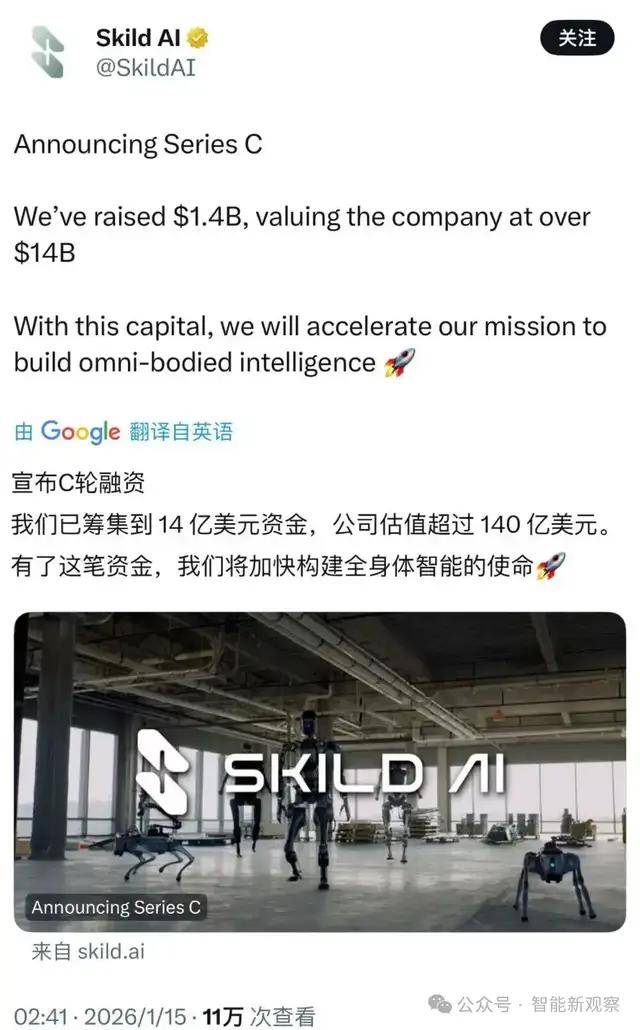
Core Insights - Skild AI, a startup in the foundational model for robotics, has raised approximately $1.4 billion in Series C funding, achieving a valuation exceeding $14 billion, setting a record in the field [1][5] - The investment round was led by SoftBank Group, with participation from major tech giants like Nvidia, Samsung, LG, Jeff Bezos' family office, and Salesforce, forming a diverse investment alliance across various sectors [5][12] Group 1: Company Background - Skild AI was co-founded by Deepak Pathak and Abhinav Gupta, both professors at Carnegie Mellon University, who previously worked at Meta's advanced robotics lab, providing a unique blend of academic and industry experience [5][7] - The company aims to address the challenges in robotics by creating a universal robotic brain, Skild Brain, capable of running on standard hardware and performing basic tasks like climbing stairs and avoiding obstacles [7][8] Group 2: Technological Innovations - Skild Brain represents a paradigm shift in robotics, utilizing large-scale multimodal data for end-to-end training, moving away from fixed instruction sets [9][11] - The system's architecture decouples hardware from intelligence, allowing it to adapt to various robotic platforms and maintain robust performance even in changing environments [11][19] Group 3: Investment Dynamics - The diverse group of investors reflects strategic interests, with Nvidia aiming to fill gaps in its robotics technology stack, while SoftBank seeks to enhance its influence in the robotics industry [12][14] - For Samsung and LG, this investment signifies a strategic pivot towards robotics as a key growth area amid slowing consumer electronics [14] Group 4: Commercialization and Market Potential - Skild AI's commercialization efforts are accelerating, with plans to serve over eight enterprise clients by the end of 2025, spanning sectors like security, construction, and logistics [15][18] - The company addresses a significant market demand, particularly in industries facing labor shortages, where traditional robotic systems struggle due to high customization costs [15][22] Group 5: Challenges Ahead - Despite promising prospects, Skild AI faces challenges in ensuring the reliability of its technology in complex real-world environments, as well as balancing model performance with cost [19][21] - The fragmented state of the robotics hardware market poses additional challenges for achieving true universality in robotic applications [21][22]