
比亚迪股份

Search documents
湖北楚能新晋、鹏辉能源重返 2025年全球储能电池出货量TOP10出炉
Jing Ji Guan Cha Bao· 2026-02-12 08:32
Core Insights - The global energy storage battery market is experiencing explosive growth, with Chinese companies maintaining a dominant position and significant reshuffling occurring among industry players [1][2][3] Group 1: Market Growth and Trends - By 2025, global energy storage battery shipments are projected to reach 651.5 GWh, representing a year-on-year increase of 76.2%, with Chinese companies accounting for 614.7 GWh, or 94.4% of the total [1] - The top 10 companies in the energy storage battery market for 2025 will be entirely composed of Chinese firms, further increasing their global market share [1] - The market is characterized by a stable top tier and intensified competition among mid-tier companies, with the total market share of the top ten Chinese energy storage lithium battery companies decreasing slightly from 95% in 2024 to 90% in 2025, indicating enhanced market vitality [3] Group 2: Company Rankings and Dynamics - The top four companies—CATL, EVE Energy, Xiamen Hicharge, and BYD—remain unchanged, continuing to capture core market shares [2] - Significant changes in rankings include Ruipu Lanjun rising from seventh to fifth place, while Hubei Chuangneng and Penghui Energy entered the top ten, replacing Samsung SDI and LGES [2][3] Group 3: Technological Advancements - The industrialization process of large-capacity energy storage batteries is accelerating, with ongoing technological breakthroughs leading to reduced energy storage costs, laying the foundation for large-scale development [4] Group 4: Future Outlook - The global energy storage battery market is expected to enter a phase of high-quality development by 2026, with competition logic evolving and core competencies shifting towards technological innovation, capacity layout, and market expansion [5] - The reshuffling of the 2025 top ten list reflects the inevitable evolution of the industry and the strengthening competitiveness of Chinese energy storage battery companies [5]





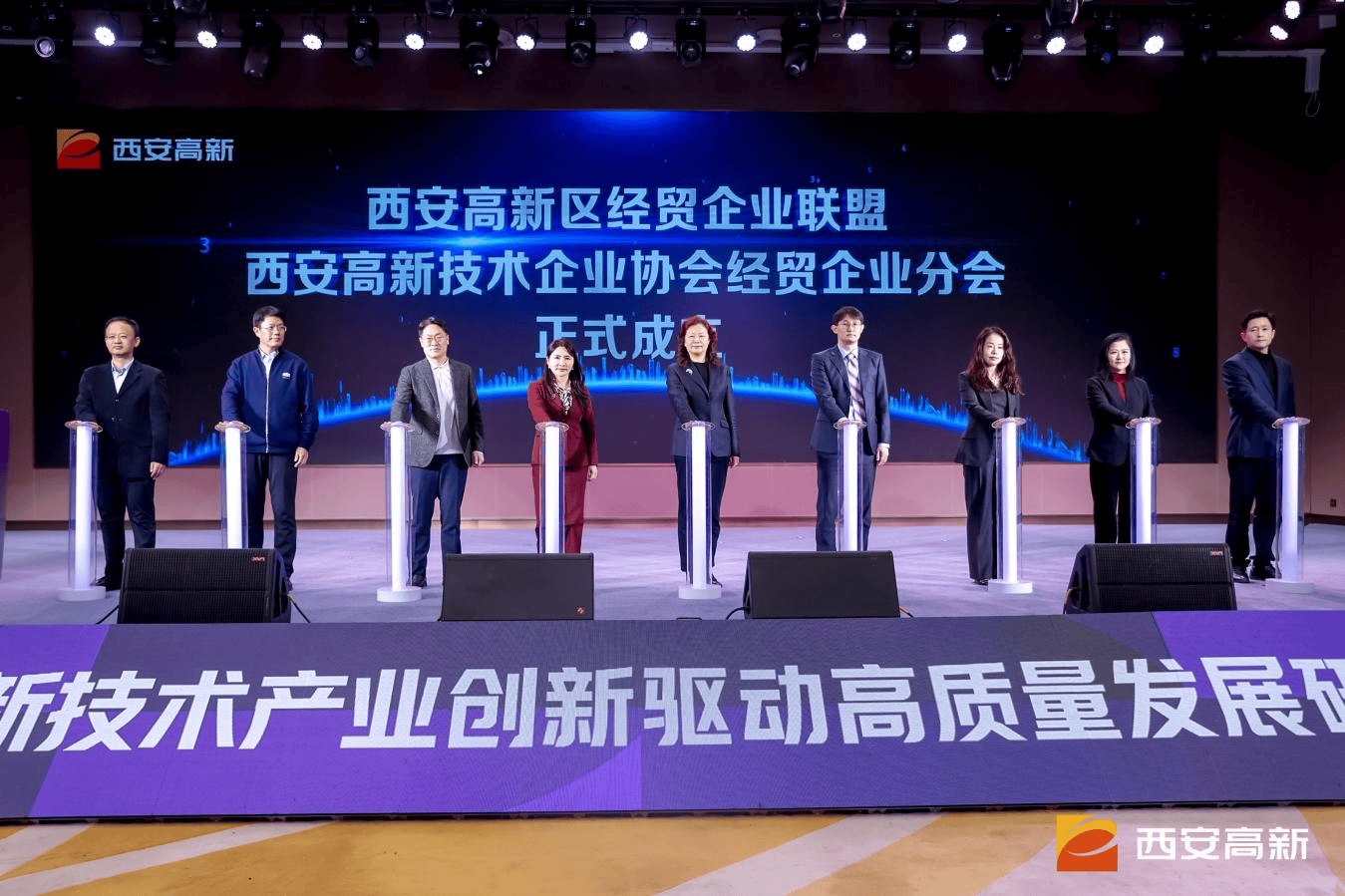
西安高新区经贸企业联盟正式揭牌
Sou Hu Cai Jing· 2026-02-12 08:19
联盟将聚焦国内市场挖掘,通过组织开展行业交流、产销对接、政策解读、渠道共建等专项活动,推动商业模式创新,助力区内企业打造特色品牌、拓宽国 内销售渠道,破解内贸发展中的信息孤岛、资源分散等问题。同时,联盟将打破区域发展界限,把高新区在品牌运营、渠道拓展、市场培育等方面的成熟经 验向全市、全省辐射,助力省内各地企业挖掘本地消费潜力、拓展跨区域内贸合作,构建"高新引领、全省联动、资源共享、互利共赢"的内贸发展体系,让 高新区内贸发展成果惠及全省,推动省市内贸消费市场提质升级。 跨境合作做强外贸 打造"一带一路"经贸高新样板 西安高新区地处共建"一带一路"、西部陆海新通道等国家战略交汇节点,是陕西对接全球的重要窗口。2025年,高新区以占全市28%的进出口市场主体数 量,创造了全市七成以上的外贸进出口总值,其中与共建"一带一路"国家和地区进出口总值达1745亿元,海外仓布局持续完善,为跨境经贸合作筑牢基础。 针对企业跨境贸易中的报关、物流、退税、信用保险等痛点堵点,联盟将发挥资源整合优势,开展信息共享、风险研判、设展参展等专项服务,协同破解企 业跨境经营难题。同时,联盟将推动企业"抱团出海",整合供应链、物流、金融、 ...
深圳民企总量超283万家 2025年全市新设民营企业超34万户
Nan Fang Ri Bao Wang Luo Ban· 2026-02-12 07:55
深圳市持续优化营商环境,支持民营企业走高质量发展道路,民营经济呈现蓬勃生机。目前,深圳已形 成领军企业顶天立地、中小企业铺天盖地、创新企业抢占高地的发展格局。其中,华为、腾讯、比亚 迪、顺丰等民营企业进入世界500强,9家民营企业入选麻省理工科技评论50家聪明公司,25家企业上榜 中国民营企业500强,37家民营企业入选胡润全球独角兽榜单,A股上市民营企业达286家,数量位居全 国前列。 为夯实民营经济发展基础,深圳率先实施放宽市场准入24条特别措施,并在医药健康、低空经济、超充 等新兴领域持续松绑。深圳市政府常态化向民间资本推介优质项目,近期在能源、交通、水利等领域集 中推出总投资约2400亿元的重大项目。同时,积极鼓励民间资本参与基础设施REITs,南方顺丰物流 REIT在深交所成功上市,募集资金超32亿元。 在要素保障方面,深圳创新金融支持模式,推出"园区贷"等产品,授信金额超220亿元。截至2025年, 全市普惠小微贷款余额突破2万亿元,位居全国首位,科技贷款余额也超过2万亿元。空间保障上,构建 起"一张办公桌到一层楼"的乐业办公体系,已建成"工业上楼"高标准厂房超400万平方米。人才吸引成 效显著, ...
白银市值骤减千亿!巨头疯狂吸纳金属,背后操盘信号曝光
Sou Hu Cai Jing· 2026-02-12 07:46
2026年1月30日,白银市场崩盘,血洗散户,但这仅仅是表象。早在2025年,一场酝酿已久的金融风暴便已悄然埋下伏笔。 让我们将时间拨回2025年。那一年,白银一骑绝尘,以高达175%的惊人涨幅傲视群雄,将黄金远远甩在身后。银价一路高歌猛进,从年初的45美元扶摇直 上,直至2026年1月29日,最终定格在121.64美元的历史巅峰。 这轮史诗级暴涨并非空中楼阁,而是由坚实的工业需求所支撑。光伏产业、新能源汽车和AI数据中心,如同三头贪婪的巨兽,疯狂吞噬着白银。昔日主要 用于首饰制造的白银,如今已成为现代工业的"命门"。 以光伏产业为例,随着技术从PERC向N型电池迭代升级,银浆消耗量并非小幅增长,而是直接翻倍。在光伏电池的非硅成本中,银浆占比竟超过一半,从 默默无闻的配角一跃成为举足轻重的主角。新能源汽车领域同样如此,一辆纯电动汽车所需的白银用量是传统燃油车的两到三倍。仅比亚迪这样的行业巨 头,年需求量就可能高达数千吨。 AI服务器的崛起更是火上浇油。一台高端AI服务器中白银含量惊人,其需求增速无疑令原本就供不应求的市场雪上加霜。 然而,白银的供应却始终步履蹒跚。全球白银主要来源于铜、铅、锌等金属开采的副产品 ...

汽车和汽车零部件行业周报20260208:地补出台+需求见底,建议关注汽车板块
Guolian Minsheng Securities· 2026-02-12 07:45
Investment Rating - The report maintains a "Buy" rating for the automotive sector [3] Core Insights - The automotive sector is expected to stabilize and recover due to the introduction of local subsidies for vehicle replacement and the upcoming launch of new models after the Spring Festival [2][12] - The report highlights key investment opportunities in various segments, including passenger vehicles, automotive parts, and motorcycles, with specific company recommendations [2][19][34] Summary by Sections 1. Passenger Vehicles - The introduction of the 2026 vehicle replacement subsidy is expected to stimulate domestic demand positively [14] - The subsidy structure will improve the model mix, with new energy vehicles receiving 12% of the vehicle price as a subsidy (up to 20,000 yuan) and fuel vehicles receiving 10% (up to 15,000 yuan) [15][16] - Recommended companies include Geely, Xpeng, and BYD, with a focus on the left side of the demand bottom [2][19] 2. Automotive Parts - The report emphasizes the growth potential in the automotive parts sector, particularly in intelligent driving and new energy vehicle supply chains [19][23] - Recommended companies include Bertel, Horizon Robotics, and Top Group, focusing on the H and T chains [2][19] 3. Motorcycles - The report suggests a focus on mid-to-large displacement motorcycle manufacturers, with companies like Chunfeng Power and Longxin General recommended [31][34] - The market for mid-to-large displacement motorcycles is expected to expand, driven by supply and export efforts from leading manufacturers [34] 4. Commercial Vehicles - The heavy truck market is projected to recover due to the continuation of the vehicle replacement subsidy policy, with recommendations for Weichai Power and China National Heavy Duty Truck [35][36] 5. Tires - The tire industry is expected to benefit from ongoing globalization and the optimization of production structures, with recommendations for Sailun Tire and Senqilin [37][39]



乘联分会:1 月全国乘用车市场零售 154.4 万辆,同比下降 13.9%
Xin Lang Cai Jing· 2026-02-12 07:27
Core Viewpoint - In January, the retail sales of passenger cars in China reached 1.544 million units, representing a year-on-year decline of 13.9% [1][7]. Group 1: Market Performance - The January retail sales decline is part of a historical trend where January sales have shown significant fluctuations, with previous years experiencing similar declines [3][9]. - The penetration rate of new energy vehicles (NEVs) in the overall passenger car market was 38.6%, down 3 percentage points from the previous year [3][9]. - Among domestic retail sales, the penetration rate of NEVs for independent brands was 61.7%, while luxury brands had a penetration rate of 16.1%, and mainstream joint venture brands only reached 4.3% [3][9]. Group 2: New Energy Vehicle Sales - In January, the retail share of NEVs for independent brands was 60.1%, a decrease of 12 percentage points year-on-year, while the share for mainstream joint venture brands increased to 3.9%, up 2 percentage points [3][9]. - The new forces in the market, including brands like Xpeng, Leap Motor, and Xiaomi, saw their share increase by 10 percentage points year-on-year, reaching 31.2% [3][9]. - Tesla's market share fell to 3.1%, a decrease of 1.5 percentage points compared to the previous year [3][9]. Group 3: Export Performance - In January, NEV exports reached 286,000 units, marking a year-on-year increase of 103.6%, accounting for 49.6% of total passenger car exports, up 12.5 percentage points from the previous year [4][10]. - Pure electric vehicles constituted 65% of NEV exports, while A00 and A0 class pure electric vehicles made up 50% of pure electric exports [4][10]. - The growth of NEV exports is attributed to the increasing recognition of Chinese brands in international markets, despite some external challenges [4][10]. Group 4: Manufacturer Performance - Leading manufacturers in NEV exports for January included BYD (96,859 units), Tesla China (50,644 units), and Geely (32,117 units) [5][11]. - The overall performance of NEV manufacturers remained strong, with 16 companies achieving monthly wholesale sales exceeding 10,000 units, accounting for 90.3% of total NEV sales [6][12]. - BYD led the market with 205,518 units sold, followed by Geely (124,252 units) and Tesla China (69,129 units) [6][12]. Group 5: Market Outlook - The outlook for February indicates a potential decline in sales due to the shorter effective production and sales time caused by the extended Spring Festival holiday [7][13]. - The rising costs of raw materials, driven by increased demand for electric power storage, are putting pressure on manufacturers [7][13]. - The anticipated decrease in promotional capabilities for NEV manufacturers may lead to a cautious consumer sentiment, potentially suppressing normal car purchase demand in the short term [7][13].

研报掘金丨长江证券:维持比亚迪“买入”评级,盈利能力有望继续提升
Ge Long Hui· 2026-02-12 07:10
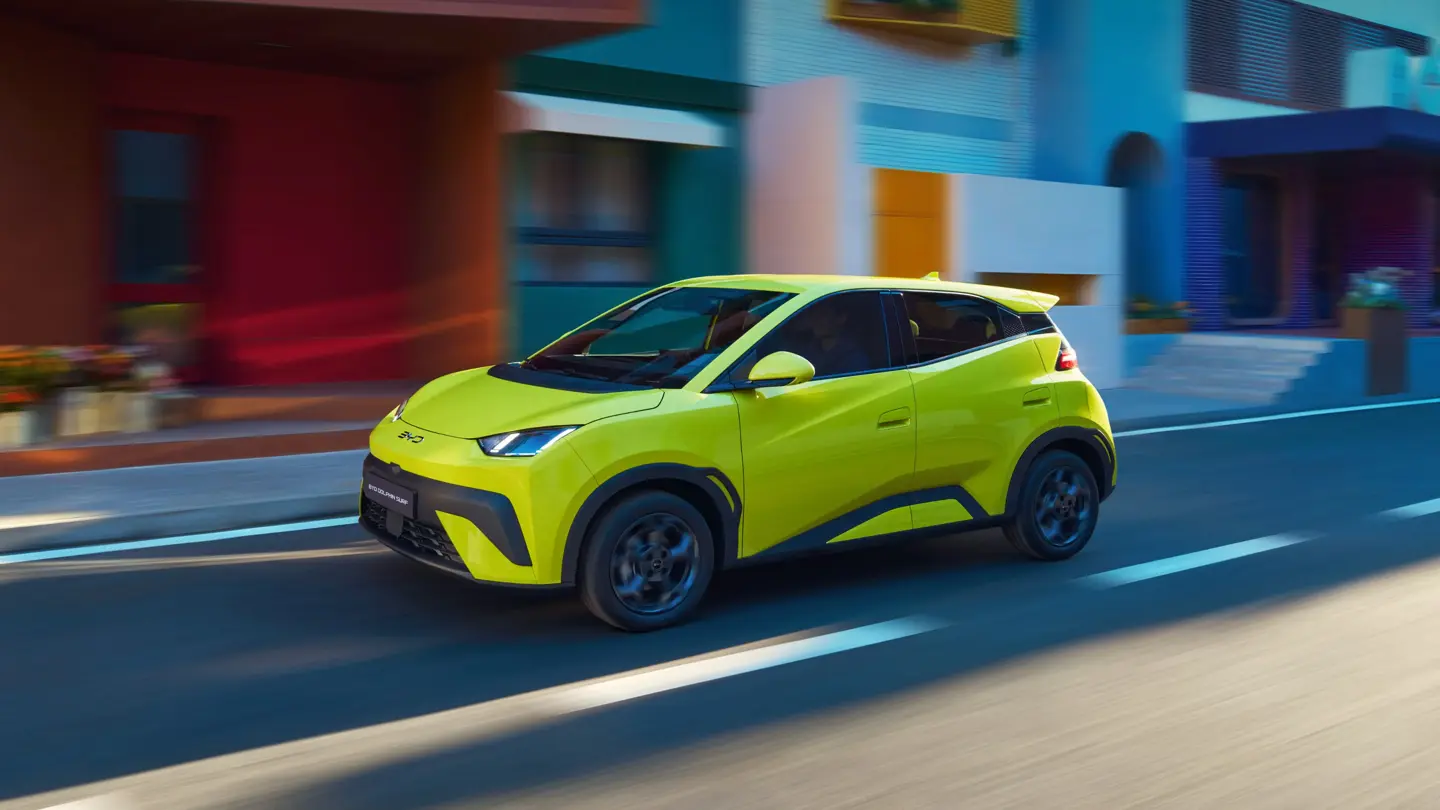
Group 1 - BYD's overall sales in January reached 210,000 units, representing a year-on-year decline of 30.1% and a month-on-month decline of 50.0% [1] - Passenger vehicle sales totaled 206,000 units, with a year-on-year decrease of 30.7% and a month-on-month decrease of 50.5% [1] - Export sales remained strong at 100,000 units in January, showing a year-on-year increase of 43.3% [1] Group 2 - Domestic inventory reduction is ongoing, positioning the company to embrace a new cycle [1] - The expansion of the overseas vehicle matrix and the launch of plug-in hybrid models abroad are expected to sustain monthly export sales growth [1] - The introduction of high-end models such as Z9GT, Z9, Leopard 8, N9, and N8L is anticipated to enhance market penetration and improve per-vehicle profitability [1] Group 3 - The company is committed to its strategic transformation towards intelligent driving, with the release of the Super e platform marking a significant innovation in pure electric technology [1] - The product lineup for high-end markets is being accelerated with a rich reserve of models from brands like Tengshi, Yangwang, and Fangchengbao [1] - Continued efforts in overseas expansion and the enhancement of overseas channels and vehicle matrix are expected to further improve profitability [1] Group 4 - The company forecasts a net profit attributable to shareholders of 35 billion yuan by 2025, corresponding to a PE ratio of 23X, maintaining a "buy" rating [1]

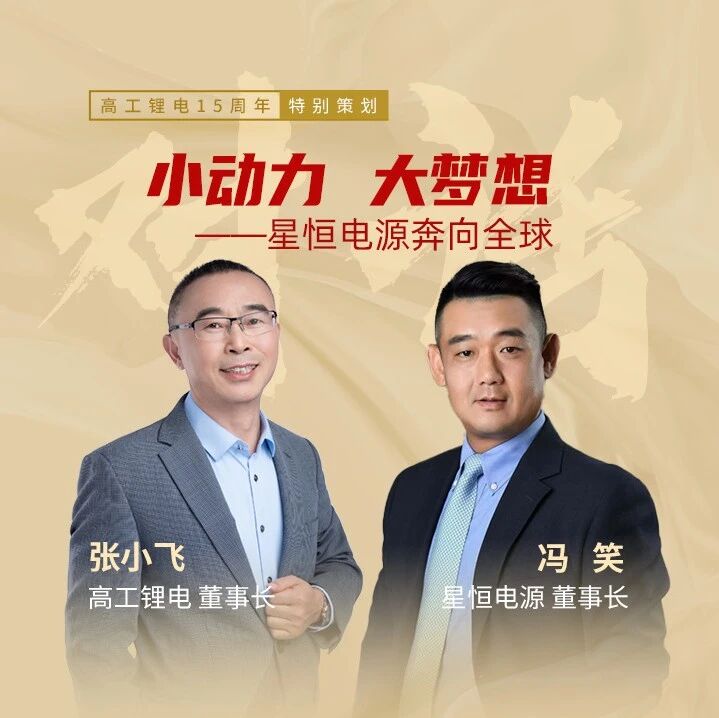
飞哥对话冯笑:星恒电源如何玩转小动力市场?
高工锂电· 2026-02-12 07:05
中国锂电产业 20年,从无到有、从追随到引领。2025年是高工锂电成立15周年,过去一 年高工锂电特别策划了系列对话,遍访锂电创变者,回望产业来时路,探寻未来新动能。 当所有目光都聚焦于电动汽车赛道时,有一家企业却凭借独特的战略定力,在看似不起眼的 "小动力"领域构建起全球化的商业版图——星恒电源。 "电力是水的话,我们其实是做瓶子的。" 对话中,星恒电源董事长兼总裁冯笑用这样一个 充满烟火气的比喻,定义星恒的核心使命。但这家中国最早的动力电池企业之一,要做的绝 非普通"瓶子"。 在全球电动化浪潮中,冯笑看到了一个更广阔的 "星辰大海"。冯笑表示, "我们定义的是 20~25亿的人群,未来十年是我们潜在的客户" 。从印度、巴基斯坦的街头,到非洲、南 美的家庭,他坚信 "future is electric" 已是不争的趋势,而星恒要做的正是为这轮变革提 供最基础、最普适的能源"容器"。 星恒的战略始终带有强烈的独立思考色彩。冯笑鲜明反对盲目跟风巨头,在他看来,电池产 业需要的不是同质化内卷,而是基于场景、站在终端角度的创新, "这才是一个百花齐放的 产业"。 正是这种 "基于独立思考以及烟火气"的创新理念 , ...
GGII:2026年电池行业十大预测
高工锂电· 2026-02-12 07:05
Core Viewpoint - The lithium battery industry is transitioning from an emotion-driven phase to a rational value-return cycle, with significant changes in development logic compared to previous years, expected to continue until 2027 [4][5]. Industry Trends - In 2026, China's lithium battery market is projected to see a shipment scale exceeding 2.3 TWh, with energy storage batteries surpassing 850 GWh and a growth rate exceeding 35% [6][7]. - The demand for energy storage, overseas expansion, and commercial vehicles will be the main growth engines for the lithium battery market [6]. Supply and Demand Dynamics - The supply-demand mismatch is a core issue, with large enterprises facing capacity shortages while smaller companies have idle capacity [5][11]. - The industry is expected to maintain a tight supply-demand balance in 2026, with top companies operating at full capacity [11][12]. Capacity Expansion - The lithium battery industry is entering a third round of capacity expansion, with an expected addition of over 700 GWh of new capacity in 2026, primarily concentrated in leading companies [12][13]. - The equipment market demand is projected to exceed 65 billion yuan due to this capacity expansion [12][13]. Price Trends - The lithium battery supply chain is anticipated to experience a simultaneous increase in volume and price, with battery-grade lithium carbonate prices expected to stabilize above 120,000 yuan/ton [15]. - Key materials like copper foil and electrolytes are also expected to see price increases due to supply tightness and rising raw material costs [15]. Market Opportunities for Small Enterprises - Small enterprises are expected to increase their contract manufacturing activities to address the capacity shortages of larger companies, creating a collaborative industry dynamic [18]. Solid-State Battery Developments - The shipment volume of semi-solid-state batteries is expected to exceed 15 GWh in 2026, driven by advancements in production lines and material performance [19][20]. IPO Trends - 2026 is expected to see a surge in IPO applications from lithium battery industry players, particularly in materials, equipment, and energy storage sectors [21][22]. Sodium-Ion Battery Growth - The shipment volume of sodium-ion batteries is projected to exceed 10 GWh in 2026, driven by cost advantages and performance improvements [24]. Large Cylindrical Battery Market - The shipment volume of large cylindrical batteries is expected to grow over 50% year-on-year, reaching over 45 GWh, supported by rapid capacity release and increasing demand [25][26]. Silicon-Based Anode Materials - The application of CVD silicon-based composite anode materials in 3C digital batteries is expected to exceed 50%, indicating a significant growth phase for the industry [29][30].
新永安国际证券晨会纪要-20260212
新永安国际金控· 2026-02-12 06:50
2026年2月12日星期四 ➢ 美就业大增;中国促央企算力投资。A股 偏强震荡。上证指数收涨0.09%报4131.98 点,深证成指跌0.35%,创业板指跌1.08%。 有色板块多行业大涨。恒指冲高回落, 香港恒生指数收涨0.31%报27266.38点, 恒生科技指数涨0.9%,恒生中国企业指数 上涨0.28%。贵金属、锂金属强劲上涨。 大市成交额2172.175亿港元。外盘方面, 欧洲三大股指收盘涨跌不一,美国三大 股指小幅收跌,道指跌0.13%报50121.4点, 标普500指数持平报6941.47点,纳指跌 0.16%。美国非农就业创逾一年最大增长, 失业率意外下降,交易员料美联储7月才 会降息。中国国资委呼吁央企积极扩大 算力有效投资。 资料来源:彭博 | 27266.38 | 0.31 | 6.38 | | --- | --- | --- | | 9268.18 | 0.28 | 3.98 | | 5499.99 | 0.90 | -0.29 | | 118.11 | -0.12 | -4.33 | | 4131.99 | 0.09 | 4.11 | | 14160.93 | -0.35 | 4.7 ...

