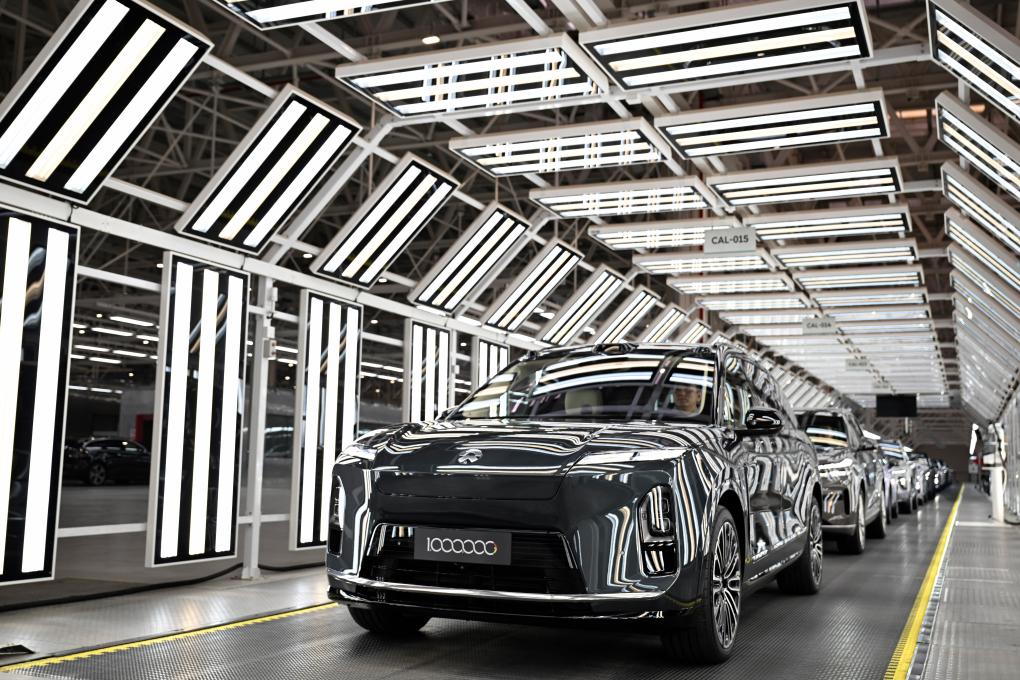
零跑汽车

Search documents
七家车企抢先亮出2026年销量目标,最低同比涨幅为14%
Xin Lang Cai Jing· 2026-01-08 16:45
与上述三家的强势表现不同,奇瑞、长城、蔚来2025年未能完成年度销量目标,其目标设定更趋于理 性。奇瑞2025年实际销量280.64万辆,虽然创下历史新高,但距离326万辆的年度目标仍有差距,完成 率86.1%。基于市场判断,奇瑞将2026年目标微调至320万辆,同比增幅14%,在保持稳健的同时,计划 通过加大新能源和智能化投入缩小差距。 长城汽车2025年实际销量132.37万辆,仅完成原定400万辆目标的33.1%。2026年,长城将目标设定为不 低于180万辆,同比增幅36%。 蔚来汽车2025年交付32.6万辆,未达成44万辆的年度目标。尽管全年亏损额度收窄,但盈利压力仍在。 2026年,蔚来提出45.6万-48.9万辆的区间目标,对应同比增幅40%-50%。迈入"百万俱乐部"后,蔚来将 通过新品迭代与效率提升实现规模与利润的双重突破。 展望2026,乘联会秘书长崔东树称,2025年乘用车行业市场秩序明显改善。2026年将延续2025年的政策 基调,继续实施更加积极的财政政策和适度宽松的货币政策,叠加国家补贴实施得早,效果会很突出。 他预计,车市1月将实现"开门红"。 事实上,在抢先公布2026年销量 ...
从“百万辆量产”到“百万元定价”,新能源汽车产业传递出这样的信号
Bei Jing Ri Bao Ke Hu Duan· 2026-01-08 15:19
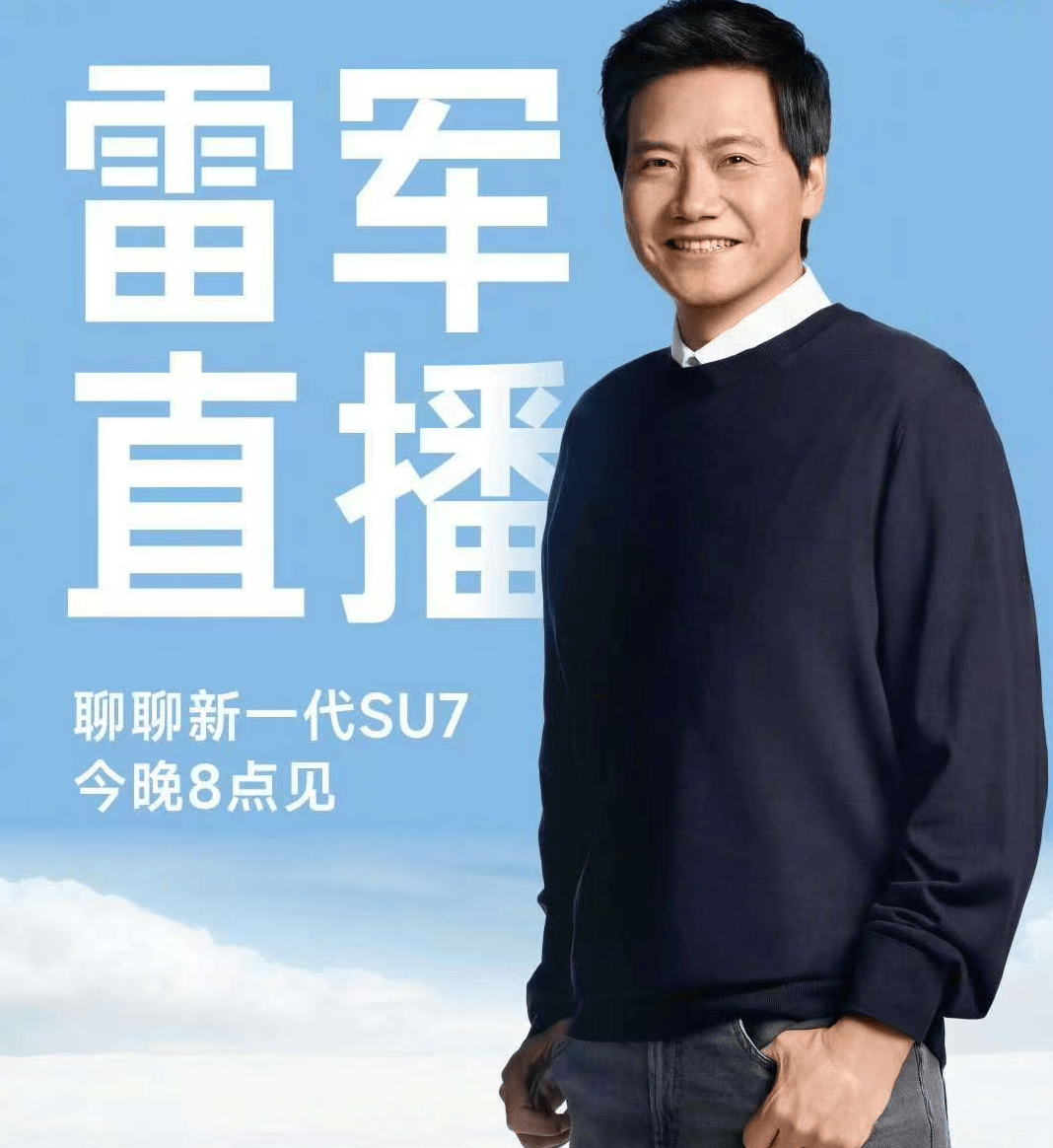
Core Insights - The Chinese electric vehicle (EV) industry is experiencing a dual breakthrough in scale and brand, as evidenced by multiple companies reaching the milestone of producing their one-millionth vehicle [1][3]. Group 1: Milestones in Production - NIO's one-millionth vehicle, a green ES8, was produced at its advanced manufacturing facility in Hefei and donated to the Mozi Quantum Technology Foundation [1]. - Other companies like Leap Motor and Xpeng have also announced their one-millionth vehicle production, indicating a significant trend in the industry [1][3]. Group 2: Market Dynamics and Innovations - The collaboration between Huawei and JAC Motors to produce the high-end S800 model, priced over 1 million yuan, signifies a breakthrough in the luxury EV segment [1][3]. - The entry of tech companies like Huawei and Xiaomi into the automotive sector is reshaping the industry by integrating technology and manufacturing, thus enabling traditional automakers to focus on production and integration [5]. Group 3: Industry Growth Statistics - According to the China Association of Automobile Manufacturers, from January to November 2025, the production and sales of new energy vehicles reached 14.907 million and 14.78 million units, respectively, marking year-on-year growth of 31.4% and 31.2% [5]. - The Chinese EV industry is transitioning from survival mode to a phase focused on value creation, indicating a maturation of domestic brands [5].


【重磅深度】乘用车全球化策略:从全面扩张走向分市场/分主体的结构性出海
东吴汽车黄细里团队· 2026-01-08 14:45
Group 1 - The article predicts that Europe, Latin America, and Southeast Asia will continue to contribute significantly to the growth of new energy vehicle (NEV) penetration rates, with Europe expected to exceed previous forecasts due to the release of affordable models and the reintroduction of some subsidies [2][18] - In Southeast Asia, the NEV penetration rate is projected to reach 19% by 2026, driven by contributions from Chinese automakers and local firms like VinFast, despite tightening import incentives [2][18] - Latin America's NEV penetration is expected to increase to 5% by 2026, but the growth will be limited due to a focus on local industrial protection and tax adjustments rather than direct demand stimulation [3][18] Group 2 - The article outlines that the total market size accessible to Chinese automakers is approximately 27 million vehicles, with an export potential market of about 9.08 million vehicles [5][20] - The export market analysis indicates that the share of NEV exports in total exports is expected to rise to 42% by 2025, with BYD being a major contributor to this growth [5][20] - The methodology for assessing market entry potential includes filtering based on trade barriers, bilateral relations, and external uncertainties, leading to the exclusion of markets like North America, Japan, and India [6][22] Group 3 - The article discusses the competitive landscape for Chinese automakers, highlighting that regions like Oceania, the Middle East, Central Asia, and Africa are more favorable for vehicle exports due to less stringent regulatory environments [8][25] - It emphasizes the importance of local production and supply chain investments in Southeast Asia and Latin America, where local market conditions are evolving [8][25] - The analysis of company strategies reveals that BYD has developed a replicable global operation model, while Chery and Great Wall have adopted different approaches to expand their market presence [9][24][27] Group 4 - The article concludes that companies with a strong overseas presence and proven execution capabilities, such as BYD, Great Wall, and Chery, should be prioritized for investment [12][13] - It highlights the need for companies to adapt to local market conditions and regulatory frameworks to ensure sustainable growth in international markets [12][13] - The overall export volume for Chinese automakers is projected to increase significantly, with NEV exports expected to reach 362,000 units by 2026 [30][37]




CES 2026 | 从“功能模块”到“整车智能中枢” 车企携“AI整车大脑”竞逐CES
Zhong Guo Jing Ying Bao· 2026-01-08 14:01
Group 1: Core Insights - The automotive industry is shifting its focus from hardware to software-defined vehicles with continuous evolution capabilities, as highlighted by the advancements in AI technology at CES 2026 [1][2][3] - Geely Auto Group introduced its AI technology system, including the WAM model and the G-ASD platform for advanced driving assistance, showcasing its commitment to integrating AI across various vehicle domains [2][3] - The competition in the automotive sector is increasingly centered around the development of intelligent systems that can learn and adapt, moving beyond traditional functionalities [1][3] Group 2: Geely's Innovations - Geely's WAM (World Action Model) represents a significant upgrade to its AI technology, enabling cross-domain integration and the development of a vehicle's "brain" with judgment capabilities [2][3] - The introduction of the Eva super-human emotional intelligence system marks a transition from functional modules to a comprehensive vehicle intelligence hub [3] - Geely's new generation of the G-ASD driving assistance system features high data capacity and advanced hardware, enhancing the overall driving experience [3] Group 3: Other Automotive Players - Great Wall Motors showcased multiple global strategic models and advanced engine technologies, emphasizing its strength in vehicle intelligence and core power technologies [1][4] - Leap Motor announced the world's first cross-domain integration solution featuring Qualcomm's Snapdragon cockpit platform, with its flagship model D19 set to debut this technology [4] Group 4: Supply Chain Innovations - Bosch presented its new AI smart cockpit platform, which integrates personalized features and advanced sensor technologies, enhancing user interaction and driving assistance capabilities [6] - The seventh-generation millimeter-wave radar, launched by Bosch, offers enhanced precision and long-range detection, improving safety in complex traffic environments [6] - Hesai showcased its new L3 automotive-grade lidar solutions, which are set to double production capacity by 2026, reflecting the growing demand for advanced driver-assistance systems [7][8]
从两个“百万”看中国新能源汽车产业的量质齐升
Xin Hua She· 2026-01-08 13:58
Group 1 - The core message of the articles highlights the significant milestones achieved by Chinese electric vehicle manufacturers, particularly NIO, which recently produced its one-millionth vehicle, symbolizing a dual breakthrough in scale and brand for the industry [1][3] - The emergence of new energy vehicle companies like NIO, Li Auto, and Xpeng has redefined the automotive industry in China, moving away from traditional fuel vehicles to electric and intelligent models, thus reshaping business models and user relationships [3][4] - The collaboration between Huawei and JAC Motors to create the high-end vehicle, the ZunJie S800, signifies a shift in the automotive industry towards high-end and intelligent vehicles, showcasing a new model of cooperation between technology companies and traditional automakers [4] Group 2 - Data from the China Association of Automobile Manufacturers indicates strong performance in the new energy vehicle sector, with production and sales reaching 14.907 million and 14.78 million units respectively from January to November 2025, reflecting year-on-year growth of 31.4% and 31.2% [4] - The launch of the ZunJie S800 is seen as a starting point for Chinese manufacturing to move towards high-end markets, providing a reference for traditional automakers seeking breakthroughs in their own intelligent transformation [4] - Chinese new energy vehicle brands are transitioning from survival mode to a new journey focused on value creation, indicating a maturation phase for the industry as it aims for global competitiveness [4]

资讯日报:美国职位空缺和ADP报告显示就业持续降温-20260108
Guoxin Securities Hongkong· 2026-01-08 12:54
Market Overview - The U.S. job openings fell to the lowest level in over a year, indicating a cooling labor market[11] - The ADP report showed moderate growth in private sector employment for December, with labor demand remaining weak[11] - The S&P 500 index's expected price-to-earnings ratio is currently around 22 times, down from 23 times in November but still above the five-year average of 19 times[12] U.S. Stock Market Performance - On Wednesday, the S&P 500 index closed down, primarily due to weakness in financial stocks like JPMorgan and Blackstone[2] - The Nasdaq index saw a slight increase, driven by gains in Nvidia and Alphabet[2] - Major tech stocks mostly rose, with Google A up 2.43% and Microsoft up 1.04%, while Tesla and Apple saw declines of 0.36% and 0.77%, respectively[11] Hong Kong Stock Market Performance - The Hang Seng Index closed at 26,459, down 0.94% for the day, but up 3.23% year-to-date[3] - Technology stocks faced significant declines, with Alibaba down over 3% and Kuaishou down over 2%[9] - The automotive sector also struggled, with NIO dropping over 3% and several other manufacturers down more than 2% due to tightening subsidies and a forecasted 7% decline in China's auto market sales for 2026[9] Sector-Specific Insights - Oil stocks collectively fell, with Kunlun Energy and CNOOC down over 3% amid concerns over increased supply from Venezuela[9] - Pharmaceutical stocks performed well, particularly CRO and CDMO-related companies, with notable gains for clients like Kelaiying and Tigermed, rising 8.92% and 8.88% respectively[9] - The paper industry saw gains, with Nine Dragons Paper up 8.97% due to supply cuts and price increases announced by major companies[9]
零跑十年:从边缘玩家到价值重构者的蜕变
Zhi Tong Cai Jing· 2026-01-08 12:21
Core Insights - Leap Motor has achieved significant growth, delivering 597,000 vehicles in 2025, a 103% year-on-year increase, securing its position as the top seller among new energy vehicle manufacturers [1] - The launch of the D series, including the D19 SUV and D99 MPV, marks Leap Motor's entry into the high-end market while maintaining its cost-effective strategy [2] - Leap Motor's strategy emphasizes "technological equality," aiming to provide high-end features at competitive prices, thereby reshaping consumer perceptions of "technological luxury" [2] Product Development - The D19 is priced between 250,000 and 300,000 yuan, offering both range-extended and pure electric options, while the D99 targets the 300,000 yuan MPV market with a large battery and flexible seating [1] - Both models are built on a new D platform that integrates range-extended and pure electric architectures, featuring a compact and efficient integrated electric drive system developed in collaboration with NIO [1][2] Strategic Partnerships - Leap Motor has formed a strategic partnership with China FAW, securing a 3.744 billion yuan investment to enhance its resource base and development capabilities [2] - The company has established a dual-driven strategy with domestic and international partnerships, including collaboration with Stellantis, to support its growth and expansion goals [2] Market Positioning - Leap Motor's stock has seen a 50% increase since the beginning of 2025, reflecting positive market sentiment regarding its business fundamentals [3] - Analysts note that Leap Motor has transitioned from a "cost-effective player" to a "technology integrator," leveraging vertical integration to enhance product quality while maintaining margins [3] Competitive Landscape - The upcoming launch of the D19 and D99 in April 2026 will place Leap Motor in direct competition with established players like BYD and Xiaomi, highlighting the need for strong brand positioning [4] - Leap Motor aims to achieve a sales target of 1 million vehicles by 2026, which will require robust production, distribution, and service capabilities [4] Industry Impact - Leap Motor represents a shift in the automotive industry, moving from a follower to a rule-maker, emphasizing the importance of equitable access to advanced technology [5] - The company's focus on electric, intelligent, and localized manufacturing reflects the resilience and innovative spirit of Chinese manufacturing in the face of global challenges [5]

零跑(09863)十年:从边缘玩家到价值重构者的蜕变
智通财经网· 2026-01-08 12:15
Core Insights - Leap Motor has achieved significant growth, delivering 597,000 vehicles in 2025, a 103% year-on-year increase, securing the top position among new energy vehicle manufacturers [1] - The launch of the D series, including the D19 SUV and D99 MPV, marks Leap Motor's entry into the high-end market while maintaining its cost-effective strategy [2] - Leap Motor's strategy includes a partnership with China FAW, enhancing its resource base and aiming for a sales target of one million vehicles by 2026 [2][4] Product Development - The D19 is priced between 250,000 and 300,000 yuan, featuring dual power options and advanced technology, while the D99 targets the 300,000 yuan MPV market with a large battery and flexible seating [1] - Both models are built on a new D platform that integrates range-extending and pure electric architectures, showcasing a collaboration with NIO on an integrated electric drive system [1] Market Positioning - Leap Motor's "technology equality" philosophy aims to redefine consumer perceptions of luxury in the automotive sector, offering high-end features at competitive prices [2] - The company has expanded its global presence, with sales channels in 35 countries and regions, achieving over 60,000 units in exports in 2025, making it a leader in overseas sales among new energy vehicle manufacturers [2] Financial Performance - Leap Motor's stock price has seen a 50% increase since the beginning of 2025, reflecting positive market sentiment towards its business model and growth potential [3] - Analysts highlight Leap Motor's transition from a cost-effective player to a technology integrator, emphasizing its vertical integration capabilities and cost advantages [3] Strategic Vision - Leap Motor aims to create a replicable and scalable technology ecosystem, focusing on in-house development of key components to mitigate supply chain disruptions [4] - The company faces challenges in establishing brand premium and meeting its ambitious sales targets, which will require enhancements in production capacity and service systems [4][5]
雷军抛出55万辆的小目标,流量反噬让小米认清现实?| DA观
Sou Hu Cai Jing· 2026-01-08 12:12
Core Viewpoint - Xiaomi's CEO Lei Jun announced the launch of the new SU7 model expected in April 2026, with a sales target of 550,000 vehicles for the year, which appears conservative compared to previous growth rates [2][3][4]. Sales Targets and Performance - The sales target of 550,000 units for 2026 is only a 34% increase from 410,000 units in 2025, which itself was a significant jump from 135,000 units in 2024 [3][4]. - The internal target may be even lower, around 500,000 units, indicating a cautious approach amidst market uncertainties [4]. - The current main model, YU7, has a monthly sales volume exceeding 30,000 units, suggesting that the target for 2026 may not reflect substantial growth compared to previous years [5]. Market Position and Competition - Xiaomi's sales strategy is being compared to competitors like Leap Motor, which aims for 1 million units in 2026, and Great Wall Motors, targeting 1.8 million units with a 36.4% growth rate [6]. - The company has experienced a significant drop in sales for its Ultra version, which fell from over 3,000 units per month to just 80 units in November 2025 [20]. Marketing and Consumer Sentiment - Xiaomi's marketing strategies have been effective in generating initial interest, with the SU7 achieving 88,898 pre-orders in 24 hours, showcasing the company's ability to leverage its existing consumer base [8][10]. - However, there are signs of consumer backlash, particularly regarding collaborations with KOLs that have not resonated well with Xiaomi's core fanbase, leading to a need for the company to reassess its marketing partnerships [14]. Safety Concerns and Public Perception - The company has faced significant challenges related to safety incidents involving its vehicles, which have raised public concerns about the safety of its products [18][20]. - The negative impact of these incidents has been compounded by a lack of timely responses from the company, leading to increased scrutiny and criticism from consumers [18][22]. Strategic Shifts - Xiaomi may need to adopt a "car sea" strategy, introducing more models to meet sales targets, which contradicts previous statements by Lei Jun about avoiding excessive model proliferation [24].

市场最前沿丨记者手记:从两个“百万”看中国新能源汽车产业的量质齐升
Xin Hua Wang· 2026-01-08 11:52
Group 1 - The core message highlights the dual breakthroughs in scale and brand for China's new energy vehicle (NEV) industry, marked by the production of the one-millionth vehicle by companies like NIO, Leap Motor, and Xpeng [1][3] - The NIO ES8, as the one-millionth vehicle, symbolizes the significant progress made in the NEV sector, showcasing a shift from traditional fuel vehicles to electric and intelligent models [3] - The collaboration between Huawei and JAC Motors to produce the high-end S800 model, priced over 1 million yuan, signifies a breakthrough in the luxury electric vehicle market, indicating a trend towards high-end positioning in the NEV industry [1][3] Group 2 - The NEV production and sales figures for January to November 2025 reached 14.907 million and 14.78 million units, respectively, reflecting year-on-year growth of 31.4% and 31.2% [5] - The emergence of new players like NIO, Li Auto, and Xpeng has redefined the automotive industry in China, moving away from traditional models and focusing on user experience and data-driven approaches [3] - The partnership between technology companies and traditional automakers is reshaping the industry, creating a new ecosystem that enhances innovation and manufacturing capabilities [5]