大疆

Search documents
金融护航民营经济“枝繁叶茂”
Jin Rong Shi Bao· 2025-11-21 00:15
Core Insights - The article highlights the significant role of private enterprises in China's economic development, emphasizing their contribution to job creation, market prosperity, and improved living standards [1][2][3] - It discusses the financial support provided by banks to private enterprises, showcasing the growth in loans and the establishment of specialized financial services to meet the unique needs of these businesses [2][6] Group 1: Financial Support for Private Enterprises - As of September 2025, the balance of inclusive micro and small loans reached 36.1 trillion yuan, a year-on-year increase of 12.2%, while loans to the private economy totaled 71.1 trillion yuan, growing by 5.4% [1] - Major state-owned banks have significantly increased their lending to private enterprises, with Agricultural Bank of China reporting a loan balance of 7.51 trillion yuan, an increase of 973.6 billion yuan, reflecting a growth rate of 14.9% [2] - The banking sector is actively customizing financial products to address the diverse needs of private small and micro enterprises, moving away from traditional lending models [3][6] Group 2: Innovative Financial Solutions - Agricultural Bank of China has developed a "five-special" mechanism to enhance its service to private enterprises, optimizing the policy environment for their support [2] - Zhejiang Agricultural Bank utilized a "government-bank-guarantee" model to facilitate a 10 million yuan loan for a biotechnology company, aiding in prototype testing and platform development [4] - Zhejiang Merchants Bank has implemented a financial advisor system and "Zhejiang Silver Good Standard" to improve the quality and efficiency of services for private enterprises [5] Group 3: Addressing Financing Challenges - Despite improvements, challenges remain in financing for private enterprises, with issues such as high costs and mismatched repayment terms still prevalent [3][6] - The State Council has issued measures to promote private investment, emphasizing the need for banks to set annual service goals for private enterprises and to implement a system of due diligence exemption [6][7] - Financial management departments are encouraged to relax certain requirements for small and micro enterprises to facilitate better lending practices [8]



专家解读深企快速上市核心密钥 全周期培育土壤 最前沿细分行业
Shen Zhen Shang Bao· 2025-11-20 23:27
谈及深圳如何保持这样的上市速度,周军民认为,要优化创新创业政策,鼓励年轻人创业,吸引全国全 球人才创业。同时,加强优质中小企业梯度培育体系,完善"个转企、小升规、规做精、优上市、市做 强"的全周期培育土壤,让企业每一个阶段都有对应政策与资金接力。 近日,深圳一组最新数据引人注目:深圳121家企业成立不到10年就成功上市,其中A股87家、港股34 家。这些企业包括影石科技、越疆科技、云天励飞、奥比中光、大族激光(002008)、速腾聚创等等。 据悉,近年来,深圳全力推动小微工业企业扩大生产、升规纳统。2023年深圳新增1726家工业企业"小 升规",超额完成1500家目标任务,纳统企业数量居全省前列;2024年深圳新增1314家工业企业"小升 规",超额完成1000家目标任务。2019年至2024年,深圳累计培育新增1.1万家规模以上工业企业,新纳 统的"小升规"工业企业对全市工业增速具有明显拉动作用,为全市经济发展积极贡献力量。 为何创立不到10年就能够上市?在中国(深圳)综合开发研究院产业经济研究中心主任周军民看来,这 一方面说明深圳和大湾区创新创业以及上市氛围非常活跃,另一方面说明深圳创业上市的途径明显增 ...
时到花就开,统一是中国人的责任
Si Chuan Ri Bao· 2025-11-20 19:50
Group 1 - The fifth "Hand in Hand to Realize Dreams - Cross-Strait Exchange and Seminar" event took place in Chengdu, highlighting the desire for reunification among Taiwanese participants [1] - New Party Chairman Wu Chengdian emphasized the mutual benefits of cross-strait cooperation, stating that Taiwan's technology and talent combined with mainland China's market and industry can significantly enhance opportunities for both sides [2] - The event showcased the advancements in Chinese manufacturing, particularly in the hydropower sector, illustrating the shift from reliance on imports to becoming a global leader in equipment production [2] Group 2 - Taiwanese youth expressed a strong cultural connection during the event, with many actively engaging in discussions and showing interest in cross-strait relations [3] - The increasing interaction between Taiwanese and mainland youth is evident, with more opportunities for cultural exchange, education, and entrepreneurship being created [3] - Recent policies from the mainland, such as increasing the number of entry points for Taiwanese residents, aim to facilitate travel and encourage more Taiwanese youth to visit and explore opportunities in mainland China [4]
大疆打响农业无人机价格战,极飞科技等如何应对?
Mei Ri Jing Ji Xin Wen· 2025-11-20 14:37
Core Insights - DJI's agricultural drone segment has seen significant growth, with operational acreage increasing from less than 500 million acres in 2019 to 3.2 billion acres in 2023, representing a substantial transformation in traditional agricultural practices [1] - DJI holds a dominant market share of 59% in the global agricultural drone market, while its main competitor, XAG, has a 17.1% share [1] - XAG has submitted a prospectus for its IPO, reporting a net profit of 134 million yuan in the first half of 2023, a significant improvement from previous losses [1][2] Market Dynamics - The introduction of new DJI models at competitive prices has intensified the price war in the agricultural drone market, with models priced significantly below market expectations [2] - The average selling price of agricultural drones has decreased, with XAG's average price dropping to 37,500 yuan, a 10% reduction from the previous year [4][5] Technological Advancements - Agricultural drones have evolved from being a novelty to becoming essential tools in farming, significantly improving efficiency and reducing labor costs [3][4] - DJI's agricultural drones have improved their spraying capacity from 3.6 liters per minute in 2016 to a maximum of 50 liters per minute in 2023 [4] - The integration of advanced sensors in new models allows drones to navigate complex environments, addressing previous challenges related to obstacles like power lines [6][7] Competitive Landscape - The agricultural drone market is increasingly competitive, with both DJI and XAG targeting international markets for growth, as evidenced by XAG's rising overseas revenue [7][8] - DJI's strategy for entering new markets involves adapting products to local agricultural practices and regulatory requirements, focusing initially on regions with similar crop types [8]


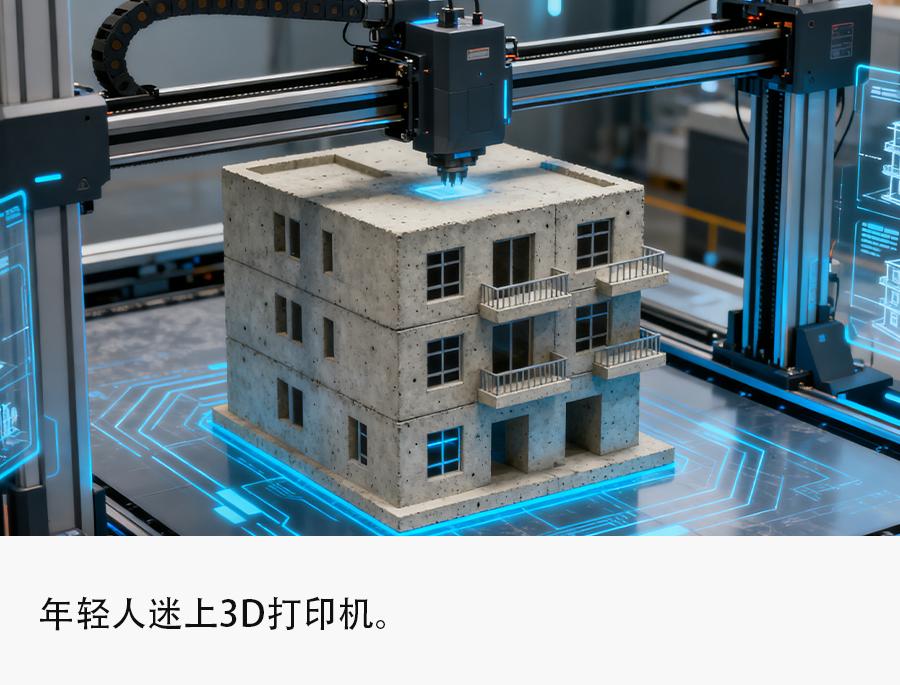
800元一台,年入55亿,3D打印机杀疯了
3 6 Ke· 2025-11-20 12:06
Core Insights - The 3D printing market is experiencing rapid growth as young consumers showcase various printed products on social media, driven by lower prices and increased accessibility [2][3] - Major investments from companies like DJI, Meituan, and Hillhouse Capital indicate a competitive landscape in the 3D printing sector, with leading companies like Tuozhu Technology achieving a valuation exceeding 30 billion RMB and a global market share of 29% [2][8] - The market is characterized by high concentration, with the top five companies holding nearly 90% of the market share, leading to intensified competition [2][14] Market Dynamics - The price of consumer-grade 3D printers has significantly decreased, with many models available for around 800 RMB, making them more accessible to ordinary users [3][5] - The introduction of generative AI modeling tools has lowered the barriers for consumers, enhancing the appeal of 3D printing [3][5] - The sales channels for 3D printers are shifting from offline distributors to online platforms like Tmall and JD, with online sales expected to account for about 50% of total sales by 2024 [12] Financial Performance - Tuozhu Technology is projected to generate over 5.5 billion RMB in revenue in 2024, with a net profit margin of 30% [6][14] - The cost of raw materials for companies like Chuangxiang Sanwei has remained around 50% of sales costs, with a consistent gross margin of approximately 30% [9] Competitive Landscape - The entry of DJI into the 3D printing market has heightened competition, with significant investments in companies like Smart派 and others [7][8] - The leading companies in the market, referred to as the "Four Little Dragons," include Tuozhu Technology, Chuangxiang Sanwei, Zongwei Lifang, and Smart派, collectively dominating the global market [14][16] - The MakerWorld platform launched by Tuozhu Technology has attracted nearly 10 million active users, facilitating a content ecosystem that supports creators and enhances user engagement [8][9] Future Outlook - The global 3D printing market is expected to reach a size of 24.61 billion USD in 2024, with a projected CAGR of 18.5% over the next decade [16] - The challenge remains for companies to create more use cases and integrate 3D printing into everyday life, similar to the impact of smartphones [16]
大疆“扩疆”,影石、拓竹、追觅攻守不一
Tai Mei Ti A P P· 2025-11-20 11:02
Core Insights - DJI, traditionally low-profile and resistant to market interactions, has recently invited external parties to experience its upcoming panoramic drone, DJI Avata 360, indicating a strategic shift towards more engagement with the market [1][2] - Despite its repeated statements of "no financing, no IPO," DJI's recent activities suggest a proactive approach to counter competition and maintain its market position [2][3] Group 1: DJI's Strategic Moves - DJI has launched several new products this year, including the sweeping robot ROMO and has shown interest in investing in 3D printing companies, indicating a diversification of its business strategy [2][3] - The introduction of the DJI Avata 360 is perceived as a defensive move to showcase its technological advantages amidst slowing growth, aiming to reassure stakeholders of its profitability [13][26] - DJI's market share in consumer drones exceeds 70%, but it faces pressure to innovate and find new mass-market products as growth in the consumer drone market slows [26] Group 2: Competitive Landscape - Competitors like YingShi and TuoZhu are expanding beyond their original markets, indicating a shift in the competitive dynamics of the industry [4][5] - YingShi has entered the drone market with its brand "YingLing Antigravity," directly challenging DJI, while simultaneously expressing respect for DJI's founder, suggesting a complex competitive relationship [6][7][10] - TuoZhu, founded by former DJI engineers, is rapidly gaining traction in the 3D printing sector, with a valuation reportedly reaching 30 billion yuan, posing a significant challenge to DJI's interests [19][21] Group 3: Market Dynamics and Future Outlook - The competition is evolving from product-specific technological advancements to a broader ecosystem-based confrontation, where companies leverage their core competencies across multiple sectors [26] - DJI's entry into the sweeping robot market is expected to disrupt existing players like Chasing, as it applies its advanced drone technology to a new product category [22][23] - The strategic investments and product launches by DJI and its competitors reflect a broader trend of companies seeking to establish dominance in emerging markets while navigating the challenges of innovation and market saturation [26]
小红书电商奇袭,梆梆就两拳
半佛仙人· 2025-11-20 09:11
Core Viewpoint - Xiaohongshu has successfully positioned itself in the e-commerce market by leveraging trust and community engagement, allowing it to thrive despite being a latecomer in a saturated market [2][3][21]. Group 1: E-commerce Strategy - Xiaohongshu upgraded its app to include a dedicated e-commerce section, attracting major brands like Apple and DJI, which indicates its growing influence in the e-commerce space [2][3]. - During this year's Double Eleven shopping festival, the number of merchants achieving over 10 million in sales on Xiaohongshu increased by 2.4 times compared to last year, showcasing significant growth [3]. - The platform has seen remarkable sales from native brands, with some achieving over 100 million in monthly sales, demonstrating its ability to cultivate successful brands [3]. Group 2: Consumer Behavior and Trust - In a market characterized by oversupply, consumers face an overwhelming number of choices, making trust a critical factor in their purchasing decisions [5][6]. - Xiaohongshu builds trust through genuine product offerings and community engagement, which is essential for attracting consumers who are wary of being misled [6][8]. - The platform's community-driven approach allows for effective supervision of sellers, ensuring that consumers can verify claims made by merchants, thus enhancing trust [11][12]. Group 3: Mechanisms of Trust - Trust on Xiaohongshu is established through high product quality, effective supervision, and significant consequences for breaches of trust, which collectively create a robust environment for consumer confidence [17][14]. - The platform's unique structure allows for real-time feedback and oversight from a large user base, which acts as a deterrent against dishonest practices [12][14]. - Xiaohongshu's community dynamics mean that negative experiences are quickly shared, raising the stakes for sellers and increasing the cost of non-compliance [14][19]. Group 4: Market Positioning - Xiaohongshu's ability to thrive in a competitive market is attributed to its focus on building trust rather than merely competing on price, which is a departure from traditional e-commerce strategies [21]. - The platform has created a consumer environment where purchasing decisions are made based on trust and personal connections rather than just product features or pricing [19][21]. - Xiaohongshu's model demonstrates that in an oversaturated market, establishing trust can be a more effective strategy than competing on the number of choices available [21].

5亿元,深圳争抢创始人
Sou Hu Cai Jing· 2025-11-20 07:40
Core Insights - The event "X-Day" in Shenzhen showcased six innovative companies across various sectors, including cross-border e-commerce AI services, 3D printing, biomedicine, and optical technology, highlighting the vibrant entrepreneurial spirit in Shenzhen [2][3][4] Group 1: Event Overview - The "Next Star" competition is linked to a global reward of 1 million yuan and a strategic investment fund of 500 million yuan, emphasizing the support for startups in Shenzhen [2][6] - The event featured a diverse range of startups, including those focusing on AI in cross-border e-commerce, metal 3D printing, and biopharmaceuticals, showcasing the city's innovation landscape [3][4][5] Group 2: Company Highlights - Xijue Data, founded by a Bilibili UP master, targets cross-border e-commerce with its AI product, Keble, which has attracted 1.9 million sellers globally [3] - Guangyi Precision, focusing on metal 3D printing, aims to address industry pain points related to processing costs and precision [4] - Medicovestor, a US-based biotech firm, is developing antibody-drug conjugates for cancer and autoimmune diseases [4] Group 3: Entrepreneurial Environment - Shenzhen attracts nearly 200,000 young talents annually, including high-tech professionals, which is crucial for the growth of new industries [6] - The "Entrepreneur Star" competition serves as a significant platform for innovation, having selected 56 projects from over 2,600 teams, covering cutting-edge fields like AI and biomedicine [6][7] - The event also highlighted the pragmatic approach of Shenzhen entrepreneurs, who prioritize commercialization even in long R&D cycles [5][7] Group 4: Investment and Support - The competition offers over 20 million yuan in total prizes, a 500 million yuan direct investment fund, and various support services, including zero-rent spaces and housing for talents [7] - The "X-Day" initiative has successfully facilitated over 2,500 institutional connections, helping 17 companies secure over 530 million yuan in equity financing [7]

消费电子PCB需求激增,科翔股份发力AI手机终端大周期
Quan Jing Wang· 2025-11-20 06:56
Core Viewpoint - The consumer electronics industry is entering a new AI-driven iteration cycle, with mobile phones and smart wearables becoming the best entry points for AI applications. Canalys predicts that by 2028, the shipment proportion of AI smartphones will exceed 50%, driving a surge in demand for high-end PCBs due to increased terminal integration [1]. Group 1: Company Positioning and Strategy - The company, Kexiang Co., is a leading PCB manufacturer in China, with nearly 20% of its revenue coming from consumer electronics. It has established deep integration into the supply chains of major brands like ZTE and Xiaomi through a dual strategy of direct partnerships and ODM indirect channels, positioning itself to benefit from the industry's super cycle [1][2]. - Kexiang Co. has a high sales proportion of high-end consumer electronics PCBs, particularly for smartphones, and has formed partnerships with several well-known ODM manufacturers, making it a significant supplier in the smartphone PCB industry [2][3]. - The company has been collaborating with ZTE since 2020, and starting in 2024, it will upgrade its product orders to focus on mid-to-high-end PCBs for mobile phones and communication devices, with steadily increasing unit prices [3]. Group 2: Technological Advancements and Product Offerings - Kexiang Co. is leveraging its advanced technology to meet the high-density integration demands of AI smartphones, capable of mass-producing 14-16 layer HDI boards with a minimum line width/spacing of 0.05mm, suitable for multi-chip collaborative computing [5]. - The company's high-frequency and high-speed boards utilize low-loss dielectric materials, ensuring signal transmission stability that meets the standards of major clients like Huawei and ZTE, making them suitable for high-speed data processing scenarios in AI terminals [5]. - Kexiang Co. has entered the supply chains of AR glasses manufacturers like Meta and Rokid with its ePOP storage products, positioning itself in the emerging virtual and augmented reality terminal market. The company has accumulated over 300 authorized patents and plans to invest 6% of its R&D budget in 2024, particularly in high-end fields like MiniLED packaging substrates [6]. Group 3: Market Outlook and Growth Potential - The company is expected to benefit from the increasing penetration of AI terminals, which will drive demand for high-end PCBs. Its strong customer matrix and technological reserves create synergistic advantages, positioning it to achieve simultaneous growth in volume and profit during the industry's super cycle [6]. - In the short term, the improving consumer electronics market is likely to release incremental orders for Kexiang Co. from collaborations with clients like ZTE, Xiaomi, Samsung, and DJI [6].


「新刚需」重塑双十一,2025消费洞察报告
Sou Hu Cai Jing· 2025-11-20 02:41
Core Insights - The 2025 Double Eleven consumption market is characterized by "demand-driven, rational upgrades, and technology empowerment" [1][3] - 76% of respondents participated in this year's Double Eleven, with over 60% spending over 1,000 yuan, indicating a shift towards practical and quality-oriented consumption [1][18] - Essential categories such as clothing, digital products, and food and beverages lead purchases, while high-value spending is concentrated in digital 3C, high-ticket clothing, and major appliances [1][24] Consumer Behavior - 59.7% of consumers purchased consumables, while 39.1% bought items to "please themselves," reflecting a dual demand for practicality and self-care [1][27] - The majority of consumers (61%) perceive discounts as "average," with complex rules and insufficient discounts causing nearly 30% to abandon purchases [2][24] - 47% of consumers reported having return experiences, primarily due to quality issues and discrepancies between the product and its description [2][39] Platform Dynamics - Taobao and JD remain the primary platforms, but Pinduoduo and Douyin are also gaining traction, indicating a diversification in platform choice [2][25] - 80.69% of consumers chose Taobao/Tmall, while 65.04% opted for JD, showing a strong preference for these platforms despite mixed feelings about promotional effectiveness [2][25][26] Technological Integration - AI plays a significant role in shopping decisions, with 41.8% of consumers using AI for assistance and 81.4% expressing satisfaction with the information provided [2][24] - 500,000 merchants are utilizing "AI store managers" to enhance operational efficiency, although customer satisfaction with AI customer service needs improvement [2][24] Emerging Trends - Five key growth areas are identified: 3D printing, portable smart imaging devices, wearable AI technology, health supplements, and outdoor apparel that combines functionality with fashion [2][3] - The report highlights a trend towards rational consumption, with over 60% of consumers actively comparing prices before making purchases [1][30]