
传音控股

Search documents
中国最低调手机老板被围剿,消失的30亿都去哪了?
虎嗅APP· 2026-02-12 15:16
Core Viewpoint - Transsion Holdings, known as the "King of Africa," has seen a significant decline in net profit, dropping from 55.49 billion RMB to 25.46 billion RMB, a decrease of 54.11%, despite a slight revenue drop of 4.58% to 655.68 billion RMB in 2025 [5][9]. Group 1: Historical Success - Transsion's success is attributed to its strategic focus on the African market, which was largely ignored by global giants, and its ability to meet local consumer needs with low-cost, durable phones that support multiple SIM cards [6][7]. - The company achieved a peak revenue of over 600 billion RMB, with a compound annual growth rate exceeding 30% from its initial revenue of 253.46 billion RMB [7]. Group 2: Profit Decline Factors - The global price surge of storage chips, with DRAM and NAND flash prices increasing over 40%, has severely impacted Transsion's low-cost phones, necessitating a price increase of 17% to maintain margins, which is not feasible in the price-sensitive African market [9]. - Increased competition from domestic brands like Xiaomi and Honor has forced Transsion to spend heavily on sales and channel subsidies, leading to a significant reduction in profit margins [9][10]. - The revenue contribution from high-margin feature phones has plummeted to 5.86%, while low-margin smartphones now account for 83.87% of revenue, indicating a shift towards lower profitability [10]. Group 3: Strategic Shifts and Challenges - Transsion is attempting to diversify by investing approximately 2 billion RMB into energy storage and electric vehicles through a planned IPO in Hong Kong, although this new business only accounted for 8.8% of revenue in the first half of 2025 [10][11]. - The rise of e-commerce in Africa is reshaping sales channels, requiring Transsion to allocate resources to adapt to new market dynamics, which adds to the cost of transformation [11][12]. - The company faces internal challenges related to organizational complexity as it expands globally, which could hinder operational efficiency [11]. Group 4: Future Outlook - The loss of 30 billion RMB in profit signifies the end of an era where Transsion relied on market gaps and first-mover advantages, necessitating a transition to a model focused on technological innovation and brand value [13][14]. - Transsion must enhance its AI capabilities to compete effectively, as competitors have already made significant advancements in this area [14].



这韭菜割得太狠了,有点看不下去了
表舅是养基大户· 2026-02-12 13:40
帮大家梳理几个信息,都是来自公开的公告信息,没有添油加醋,很多东西,也请大家自行判断。 第一 ,昨天股价跳水后,深夜,公司发了一个公告,下图 ,提到,称关注到有媒体说公司是商业航天新龙头、火箭回收龙头等传闻,这些都是不实信 息,公司从未发表过相关观点,而且公司的业务里,相关的营收占比极低。 但是,1月中下旬,公司发了三条股价异常波动的公告,其中提到的说法都是,"公司未发现近期公共媒体报道了可能或已经对股价产生较大影响的未公开 信息"。 昨天我们提到了某蹭到商业航天概念的热门股,巨X索具,2个月的时间暴涨200%多,却在火箭回收的当天,上演了"套人的戏码"。 因为雪球今天发文聊到了,《 135万手封单泰山压顶,3倍大牛股一字跌停 》,而且该票也到了今天同花顺最热个股的第二位,因此,再聊几句。 核心还是觉得太离谱了,给投资者们再提个醒—— 远离炒作,远离炒作,远离炒作,不要看小作文炒股。 下图 ,今天,该票开盘一字跌停,尾盘卖一位置挂了150万手的卖单,差不多就是26亿的资金想夺路而逃,而目前总市值不过160亿出头。 | | | 00 | | --- | --- | --- | | | | -1.91 -10.0 ...

内存涨价,千元机的天塌了
远川研究所· 2026-02-12 13:06
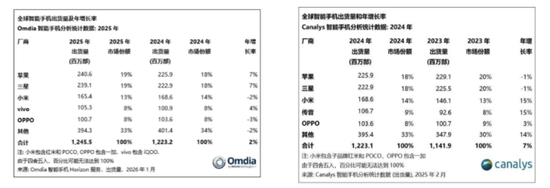
Core Viewpoint - The article discusses the significant impact of rising storage chip prices on the smartphone industry, particularly affecting mid-range and low-end models, as manufacturers shift focus to higher-margin products due to supply constraints driven by AI infrastructure demand [6][8][19]. Group 1: Market Dynamics - Since the second half of last year, storage chips have experienced a dramatic price surge, with consumer-grade memory modules increasing by over 600%, making them a highly valued investment product [6]. - Major storage chip manufacturers, including Samsung, Micron, and SK Hynix, have reported that their production capacities for DRAM, NAND Flash, and HBM products are fully booked until 2026 [6]. - The demand for HBM memory used in AI chips has led to prioritization in production, squeezing the supply of consumer-grade products and significantly impacting low-end smartphone manufacturers like Transsion [8][10]. Group 2: Financial Impact on Companies - Transsion, known for its cost-effective models, saw a 22.6% revenue increase in Q3 2025, but its net profit dropped by 11%, with a two-percentage-point decline in gross margin [8]. - Other smartphone manufacturers are also adjusting their strategies, with many opting to delay the launch of low-cost models and reducing overall order volumes by 10%-20% for 2026 [10]. - The rising costs of storage components have exposed the vulnerability of mid-range and low-end smartphones, which have less flexibility in pricing and profit margins compared to high-end models [13][14]. Group 3: Pricing Strategies and Market Trends - The average selling price (ASP) of smartphones is projected to exceed $400 for the first time, indicating a shift towards higher-priced models as manufacturers respond to rising component costs [19]. - Companies are likely to either increase prices to maintain margins or lower them to capture market share, particularly as the low-end market continues to shrink [19]. - The ongoing supply constraints and price increases in storage chips may signal the end of the "thousand-yuan phone era," pushing consumers towards higher-end devices [19].




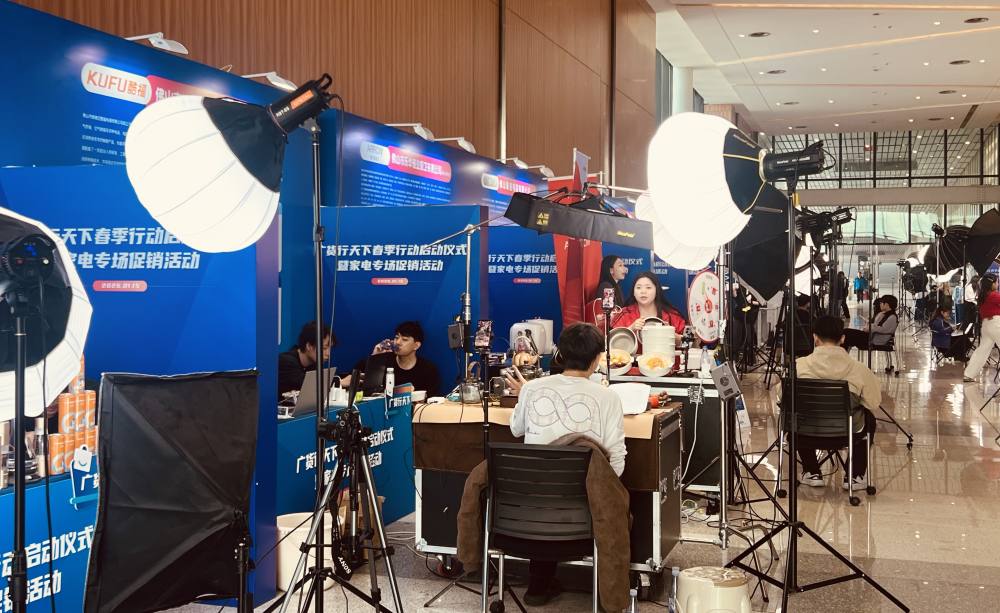
从“卖产品”到“定规则”,广货如何行天下?
2 1 Shi Ji Jing Ji Bao Dao· 2026-02-12 10:14
Core Viewpoint - The "Guangdong Products Going Global" spring campaign marks the beginning of the 2026 Guangdong product promotion activities, highlighting the transformation of Guangdong goods from merely exporting products to setting standards and influencing global markets [2][3]. Group 1: Evolution of Guangdong Products - Guangdong products have evolved from relying on geographical advantages and low labor costs to seeking new competitive strategies due to rising production costs and increased competition [2]. - The export structure of Guangdong goods has significantly upgraded since 2010, with a growing proportion of high-tech products such as home appliances, consumer electronics, machinery, and automobiles [3]. Group 2: Standard Setting and Global Influence - The establishment of product and industry standards is crucial for a country's manufacturing strength and its position in the global value chain [3]. - Companies like DJI and GAC Group have taken the lead in setting international standards, with DJI's drone safety standards being adopted by the International Organization for Standardization (ISO) [4][5]. Group 3: Technological Innovations and Market Leadership - The Guangdong mobile phone industry has seen active technological innovations, with companies like Huawei and OPPO becoming standard setters in the foldable phone market [5]. - Gree Electric Appliances has made significant strides by leading the development of international standards for refrigeration compressors, marking a breakthrough for Chinese companies in the international standards arena [5]. Group 4: Future Directions and Cultural Impact - The transformation of Guangdong products signifies a shift from merely selling products to defining rules and standards, indicating a new phase in their global journey [6]. - Future efforts will focus on integrating into local economies and cultures while promoting Chinese values and lifestyle globally [6][7].
受存储涨价压力,2026年全球手机产量恐下行
WitsView睿智显示· 2026-02-12 09:53
Core Viewpoint - The global smartphone production is expected to decline by 10% in 2026 due to rising memory prices, potentially dropping to 1.135 billion units, with a pessimistic scenario predicting a decline of 15% or more [2][3]. Group 1: Market Impact - The significant increase in memory prices, with contract prices for 8GB+256GB models expected to rise nearly 200% in Q1 2026 compared to the same period in 2025, has led to the BOM cost share of memory in smartphones increasing from 10-15% to 30-40% [5]. - Brands are likely to raise terminal prices to maintain operations and may need to adjust product configurations to cope with the ongoing surge in memory prices [5]. Group 2: Brand Performance - Samsung, as the leading smartphone brand and a major player in the memory industry, is expected to see a decline in production, but the drop will be less severe due to its vertical integration advantages [5]. - Apple, with a higher proportion of high-end models, is better positioned to absorb rising memory costs and has a consumer base more accepting of price adjustments, providing some support for its production performance [5]. - Xiaomi and Transsion, which focus on lower-end models, are more sensitive to cost fluctuations and are expected to experience significant production cuts in 2026 due to the ongoing rise in memory prices [5]. Group 3: Competitive Landscape - Vivo, Oppo, Xiaomi, and Honor will face not only memory cost pressures but also strong competition from Huawei, which is expected to have the smallest production adjustment among brands and may even see growth due to its flexible pricing strategy [6]. - The current decline in terminal demand is attributed to rising memory prices, but the overall functionality of electronic devices has reached a level that satisfies most consumer needs, leading to longer replacement cycles and reduced upgrade momentum [6].

联想欲用“规模优势”对抗存储涨价潮
Hua Er Jie Jian Wen· 2026-02-12 09:31
Group 1 - The core viewpoint of Lenovo Group's Q3 performance report indicates a revenue of $22.2 billion for the three months ending December 31, 2025, representing an 18% year-on-year growth, while net profit declined by over 20% to $546 million [1] - The smart devices business saw a revenue increase of 14% year-on-year, and AI-related revenue surged by 72%, now accounting for 32% of total revenue [1] - Despite strong revenue growth, Lenovo faced pressure on the cost side, with gross margin declining by 0.6 percentage points to 15.1% [1] Group 2 - Lenovo's CEO emphasized the company's "scale moat," stating that despite supply chain disruptions due to rising storage prices, Lenovo's scale advantage allows it to secure sufficient supply and competitive pricing in its PC, mobile, and server businesses [2] - It is anticipated that PC sales in 2026 may remain flat or slightly decline; however, due to rising average selling prices, revenue in the sales market is expected to grow [2] - Lenovo is confident in maintaining double-digit growth in the coming quarters through its supply chain, operations, and technological product innovations [2] Group 3 - The overall situation in the consumer hardware sector suggests that price increases for end products may lead to a decline in sales volume, which is becoming an industry consensus [4] - The mobile sector is also experiencing similar trends, with rumors of Xiaomi, OPPO, vivo, and Transsion lowering their shipment forecasts [5] - The impending rise in upstream storage prices is expected to further squeeze profit margins for hardware manufacturers, making the ability to offset costs through price increases and supply chain scale advantages a key competitive factor [5]

传音控股:成本上涨净利砍半,股价下滑“套牢”多家接盘机构
Xin Lang Cai Jing· 2026-02-12 08:48
炒股就看金麒麟分析师研报,权威,专业,及时,全面,助您挖掘潜力主题机会! 来源:证券之星 2025年业绩预告显示,传音控股(688036.SH)业绩遭遇滑铁卢,收入不仅出现下滑,归母净利润更是 跌超五成。 证券之星注意到,存储等核心元器件价格上涨,对公司毛利率造成明显冲击,叠加期间费用增长,利润 空间进一步被挤压。随着竞争对手加速渗透,公司在非洲市场的增速已出现掉队迹象。而公司多元化布 局收效甚微,"第二增长曲线"迟迟未至。 目前,公司将AI作为破局的关键,但其在底层大模型、芯片架构等方面仍待提升。业绩承压之下,公 司股价随之走低,近四个月已跌超四成,也令此前参与控股股东询价转让的机构出现大幅浮亏。 01. 成本抬升冲击毛利率,大本营增速掉队 2025年业绩预告显示,传音控股实现营收655.68亿元,同比下滑4.58%,归母净利润为25.46亿元,同比 下滑54.11%,公司出现营利双降的情况。实际上,自2024年Q2以来,公司净利润已经连续七个季度出 现下滑。2025年Q4,公司营收为160.25亿元,同比下滑8.23%;归母净利润为 3.98亿元,同比大降 75.8%。 业绩下滑的背后,是存储价格上涨对公 ...
内存涨价,千元机的天塌了
3 6 Ke· 2026-02-12 08:43
Core Insights - The storage chip market has experienced a significant price surge since the second half of last year, with consumer-grade memory prices increasing by over 600%, making it a highly valuable investment product [1] - The demand for AI infrastructure has led to a depletion of production capacity among major storage chip manufacturers, including Samsung, Micron, and SK Hynix, with all their HBM production capacity booked until 2026 [1][11] - The rising prices of storage chips have disproportionately affected low-end smartphones, particularly brands like Transsion, which saw a 22.6% revenue increase but an 11% drop in net profit in Q3 last year [3][4] Market Dynamics - The high profit margins associated with HBM memory used in AI chips have prioritized its production over consumer-grade products, leading to supply constraints for low-end smartphones [3] - Various smartphone manufacturers are shifting focus from low-priced product lines to higher-margin high-end models due to the impact of rising storage costs [4][12] - Transsion's market share dropped from fourth to "others" category, indicating a significant decline in its competitive position [3][4] Pricing and Cost Structure - The cost structure of low-end smartphones is heavily impacted by the rising prices of storage chips, which are considered a rigid cost that cannot be easily adjusted [5][8] - The BOM (Bill of Materials) cost for a 12GB+256GB iPhone Pro Max indicates that storage costs account for approximately 10% of total costs, highlighting the sensitivity of low-end models to price increases [8][9] - The average selling price (ASP) of smartphones is projected to exceed $400 for the first time, reflecting a shift towards higher-priced models as low-end market segments shrink [13][16] Supply Chain Challenges - The demand for AI-related products has created a seller's market for storage chips, leading to unpredictable cost structures for smartphone manufacturers, especially in the low-end segment [12] - Major companies like Apple are facing significant supply pressures, with only partial agreements in place for NAND Flash and DRAM supplies for the upcoming quarters [11] - Samsung's internal conflicts regarding storage pricing have further complicated supply chain management, as the mobile division struggles to secure favorable terms from the semiconductor division [12]

2025手机活跃存量增2% 苹果三星小米位列前三
Xin Lang Cai Jing· 2026-02-12 01:30
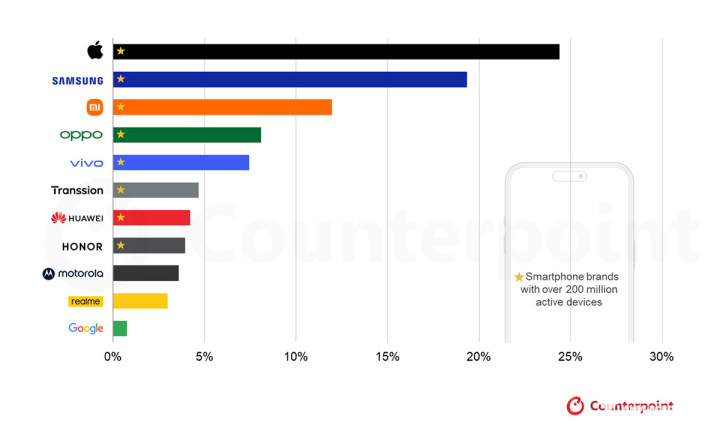
Core Insights - The report by Counterpoint Research indicates that eight smartphone manufacturers have surpassed 200 million active devices globally, collectively accounting for over 80% of the active device market share [1][6][8] - By 2025, the global active smartphone device stock is expected to grow by 2% year-on-year, with the average replacement cycle extending to nearly four years, marking a new phase of competition focused on existing users [1][5] Market Share Distribution - Apple and Samsung demonstrate a significant lead, being the only two brands with active devices exceeding 1 billion, together holding 44% of the global market share, with Apple at approximately 25% and Samsung at around 20% [5][8] - Xiaomi is the only other brand in the "200 million club" with a market share exceeding 10%, holding about 12%, while OPPO and vivo form the second tier [5][8] - The remaining brands, including Transsion, Huawei, and Honor, have closely matched market shares, with Honor making its debut in this club, while Motorola and realme are approaching the 200 million mark, indicating potential growth [5][8] Industry Challenges - The report highlights that due to soaring memory prices and extended replacement cycles, simple hardware upgrades are no longer sufficient to drive frequent device replacements among users [5][8] - The core challenge for smartphone brands moving forward will be to extract value from existing users and expand revenue through software and services [5][8]
传音控股:股价波动受多种因素影响
Zheng Quan Ri Bao Wang· 2026-02-11 12:44
证券日报网讯2月11日,传音控股在互动平台回答投资者提问时表示,股价波动受多种因素影响,公司 会持续加强与投资者沟通,努力做好生产经营工作。 ...