
宝马

Search documents
现代-起亚引领韩国2025年Q2车联网汽车销量,内置车载网络技术快速普及
Counterpoint Research· 2025-09-26 01:02
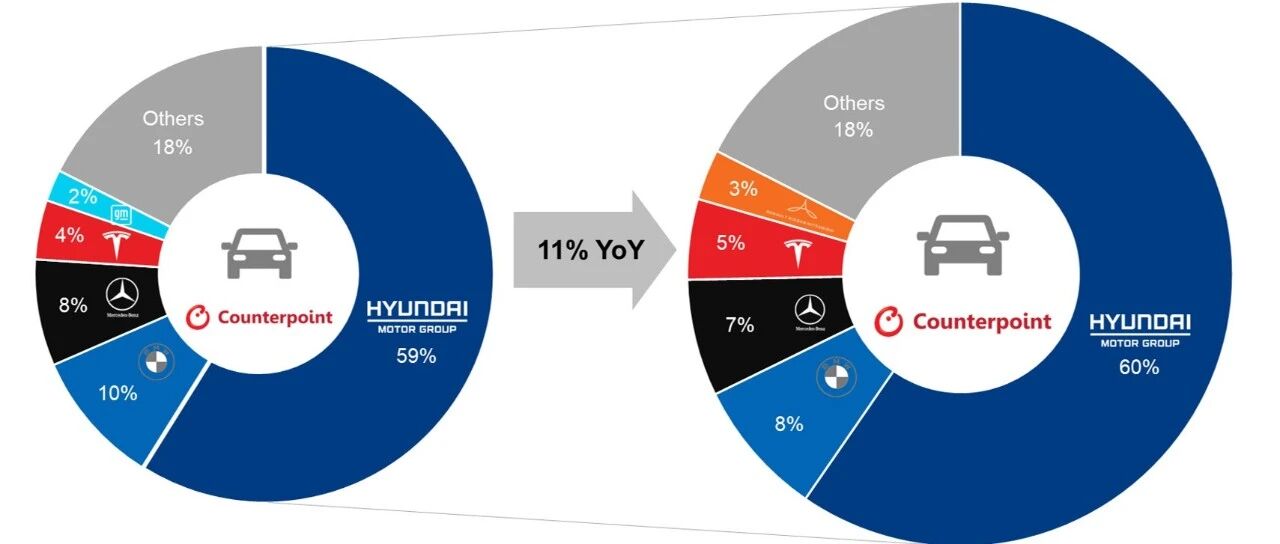
Core Insights - The article highlights the significant growth of the connected car market in South Korea, with a year-on-year increase of 11% in Q2 2025, driven by the accelerated launch of vehicles with built-in cellular connectivity [4][6] - The market is expected to mature, with a forecasted penetration rate of 100% for built-in cellular connectivity by 2030, indicating a stable demand for digital mobility features among consumers [4][6] Market Performance - In Q2 2025, 83% of all connected cars sold in South Korea were equipped with built-in network capabilities, showcasing the strong execution by local automakers [4][6] - Hyundai-Kia Group leads the market with a 60% share, achieving a 12% increase in connected car sales year-on-year, attributed to their continuous digital services across various powertrain models [6][7] Technological Advancements - Currently, approximately 94% of connected cars in South Korea utilize 4G networks, but by 2030, it is anticipated that 88% will transition to 5G, enhancing real-time cloud services and vehicle-to-everything (C-V2X) communication [6][7] - The shift towards 5G is supported by a robust technological environment in South Korea, including comprehensive 5G coverage and government-backed smart mobility policies [7] Competitive Landscape - Hyundai and Kia's connected services platforms, Bluelink and Kia Connect, are widely adopted across electric and fuel vehicles, providing features such as remote access, navigation, and vehicle health monitoring [6][7] - The article emphasizes that the transition from hardware-driven to software-defined vehicles is being accelerated by collaborations between automakers and telecom operators [7]

中金 | 乘用车出海洞察#5:全球格局再重构,中国汽车深受益
中金点睛· 2025-09-25 23:57
Core Viewpoint - The global automotive industry is undergoing a restructuring phase, with China expected to lead in electric vehicle (EV) penetration and export growth by 2025, achieving over 50% penetration in new energy vehicles (NEVs) [2][4][25]. Group 1: China's NEV Market - By 2025, China's NEV penetration rate is projected to exceed 50%, with a significant increase in sales volume, reaching 1,077,000 units in 2024, a 68% year-on-year growth [4][25]. - As of August 2025, the market share of Chinese brands in the NEV sector is 89%, indicating strong domestic performance [4][8]. - The export of NEVs from China is on the rise, with a 14.5% year-on-year increase in total passenger car exports, and NEVs accounting for 41% of total exports by August 2024 [8][20]. Group 2: Global NEV Trends - Global consumer awareness of electric and intelligent technologies has been established, leading to accelerated product launches by European, American, and Japanese automakers, with significant growth expected in NEV penetration rates in non-Chinese markets [3][24]. - The EU's NEV penetration rate is expected to rise to 27% by 2025, driven by regulatory pressures and increased model availability from automakers [28][29]. - Emerging markets, particularly in Southeast Asia and Latin America, are witnessing rapid growth in NEV sales, with Vietnam and Thailand showing significant increases in penetration rates [17][20]. Group 3: Competitive Landscape - Chinese automakers are expected to continue gaining market share in international markets, with projections indicating that by 2030, Chinese brands could achieve nearly 30 million units in global production, including over 5.5 million NEVs [2][39]. - In the EU, traditional automakers still dominate, but Chinese brands like BYD are increasing their market share, reaching 3.7% in the NEV segment by mid-2025 [12][19]. - The Latin American market is primarily led by traditional automakers, but Chinese brands are steadily increasing their presence, with BYD's market share in the NEV segment rising from 60% to 77% [23][20].

从“吃电”到“反哺”,电动汽车可成为家庭的“电力银行”?专家:2030年前我国V2G车辆年销量有望过千万辆
Mei Ri Jing Ji Xin Wen· 2025-09-25 10:11
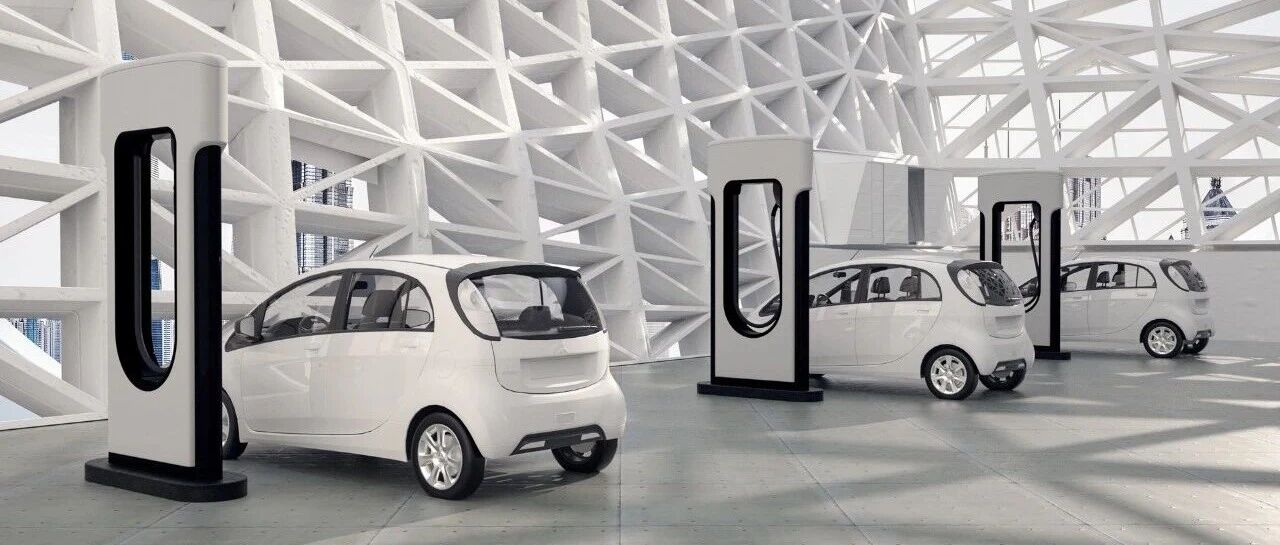
Core Insights - V2G (Vehicle-to-Grid) is expected to become a significant phenomenon in China's electric vehicle industry, with annual sales of V2G vehicles projected to exceed 10 million by 2030, potentially mirroring the development trajectory of the photovoltaic industry in China [1][8] Industry Trends - The interest in V2G technology is increasing, with 92 pilot projects globally across 22 countries, primarily in Europe and North America, involving major automakers like BMW, Renault, and Mitsubishi [2] - In China, nine cities have been selected for the first batch of V2G pilot projects, including Shanghai and Guangzhou, as part of a national initiative to promote V2G applications [2] Technological Developments - The next three years are deemed critical for V2G technology, focusing on advancements in power semiconductor devices, battery health assessment algorithms, and open communication protocols between vehicles and charging stations [2] - Domestic automakers like BYD and NIO are actively developing V2G capabilities, with BYD participating in grid peak-shaving projects and NIO exploring integrated charging and battery swapping models [3] Application Scenarios - V2G applications have broad potential across various sectors, including residential, transportation, and industrial areas, with significant opportunities for integration [4] - The lithium iron phosphate batteries used in vehicles can cycle up to 3,000 times, allowing for substantial energy storage and potential earnings from energy trading [4][5] Commercialization Challenges - The commercialization of V2G faces two main bottlenecks: high equipment costs and the lack of a warranty system, which may deter user participation [6] - Different application scenarios present unique challenges, such as unclear standards for energy measurement and settlement in private settings, and compatibility issues in multi-brand charging stations [6] Future Projections - By 2027, it is anticipated that over half of the vehicles on sale in China will be equipped with V2G technology, with a significant increase in policy support across 70% of regions [8] - The market for V2G vehicles is expected to grow rapidly, with projections indicating that annual sales could approach 2 million by 2027 and exceed 10 million by 2030 [8]
西方主要矿企CEO:中国有技术有专长,就应该继续主导稀土行业
Sou Hu Cai Jing· 2025-09-25 08:00
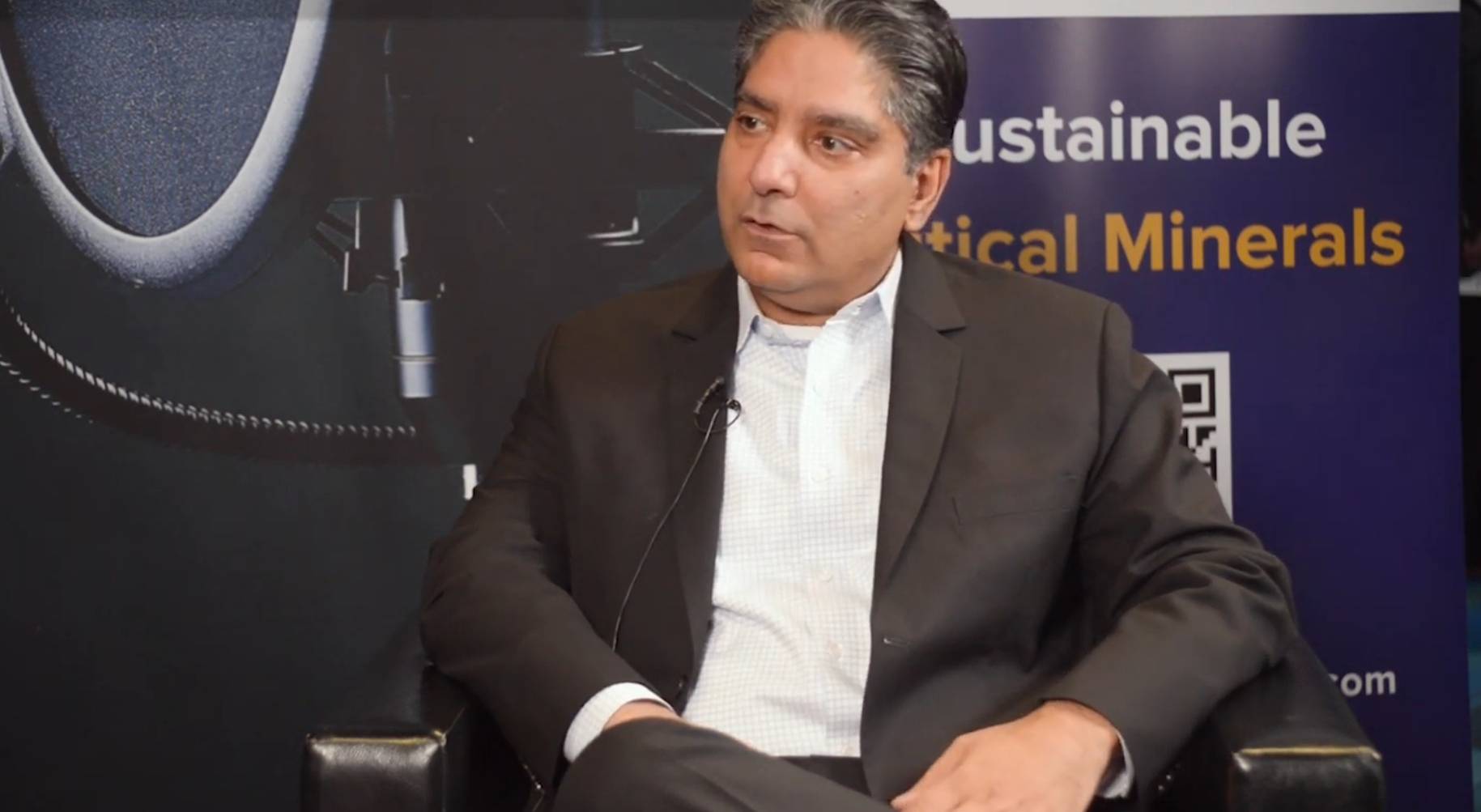
Core Viewpoint - The central theme of the conference in Toronto was focused on building a supply chain that does not rely on China for rare earth materials [1] Group 1: Industry Perspectives - Rahim Suleman, CEO of Neo Performance Materials, expressed disagreement with the conference's theme, stating that China should continue to play a dominant role in the global rare earth supply chain due to its technological expertise and competitive advantages [2][3] - Suleman highlighted the complexity of the rare earth supply chain, which includes mining, refining, and magnet manufacturing, with China controlling 91% of rare earth refining, 87% of oxide separation, and 94% of magnet production globally [2] - He emphasized that replacing China in the rare earth sector is challenging, as China offers lower prices and meets specific customer needs effectively [3] Group 2: Company Developments - Neo Performance Materials operates in the chemical and metal sectors, with production facilities in Asia, Europe, and North America, and has recently invested $75 million to establish a magnet factory in Estonia, which is expected to meet the demand for magnet components for up to 1 million vehicles annually [5] - The Estonian factory primarily produces neodymium magnets, which are included in China's export control list, highlighting the geopolitical implications of rare earth supply chains [5] - Neo is positioned to be the first Western company to achieve mass production of rare earth materials, which has garnered positive attention from Canada and the EU [5] Group 3: Geopolitical Context - The G7 and EU are considering setting a price floor for rare earths and imposing tariffs on certain Chinese rare earth exports as part of their strategy to enhance local production and reduce reliance on China [6] - There are ongoing discussions within the G7 regarding increasing regulatory scrutiny on foreign investments in critical minerals, with some members advocating for geographical restrictions on sourcing rare earths [6] - China's Ministry of Foreign Affairs has reiterated that its policies on rare earths align with international norms and expressed willingness to engage in dialogue to maintain global supply chain stability [6]
美国下调欧盟汽车关税 关税隐忧难消
Xin Hua Cai Jing· 2025-09-25 06:11
Group 1 - The US government has officially implemented a trade agreement with the EU, confirming a 15% tariff on EU automobiles and parts effective from August 1 [1] - European automakers have been significantly impacted, with major companies reporting profit declines or losses in the first half of 2025 due to US tariff policies [1] - Volkswagen's US sales decreased by 10% year-on-year, while Mercedes-Benz's sales fell by 6% [1] Group 2 - The overall financial performance of European car manufacturers is described as a "complete collapse," with Volkswagen's net profit for the first half of 2025 at €4.005 billion, down 37% year-on-year, and an additional cost of €1.3 billion due to US tariffs [1] - BMW reported a net profit of €4.015 billion, a 29% decline, while Stellantis shifted from a profit of €5.6 billion in the previous year to a loss of €2.256 billion [1] - Major European car manufacturers have revised their earnings forecasts downward, with Volkswagen lowering its operating profit margin expectation for 2025 from 5.5%-6.5% to 4%-5% [1] Group 3 - The uncertainty of US trade policies is causing severe impacts on the European automotive industry, which is a crucial pillar of the European economy, directly or indirectly affecting millions of jobs [2] - European car manufacturers face the dilemma of either absorbing high costs, further compressing profit margins, or passing costs onto consumers, which could lead to a loss of market share [2]
创50ETF(159681)涨超2%,固态电池产业化持续加速
Xin Lang Cai Jing· 2025-09-25 05:40
Core Viewpoint - The solid-state battery sector is experiencing a resurgence, with significant advancements in industrialization expected by 2027, marking a potential turning point for the industry [1]. Group 1: Market Performance - The ChiNext 50 Index (399673) rose by 2.39%, with notable gains from constituent stocks such as Kunlun Wanwei (300418) up 9.43%, and EVE Energy (300014) up 6.21% [1]. - The ChiNext 50 ETF (159681) increased by 2.44%, with the latest price reported at 1.51 yuan [1]. Group 2: Solid-State Battery Developments - The solid-state battery industry is accelerating towards mass production, with multiple automakers and battery manufacturers announcing plans for solid-state battery production [1]. - Companies like BMW and Guoxuan High-Tech are already testing vehicles equipped with solid-state batteries, with more extensive testing expected in 2025-2026 [1]. - The transition from small-scale trials to larger pilot projects is underway, indicating a new phase of development for the solid-state battery sector [1]. Group 3: ChiNext 50 Index Composition - The ChiNext 50 Index consists of the 50 stocks with the highest average trading volume in the ChiNext market, reflecting the performance of well-known, large-cap, and liquid companies [2]. - As of August 29, 2025, the top ten weighted stocks in the ChiNext 50 Index accounted for 68.14% of the index, including companies like CATL (300750) and Mindray (300760) [2].


确定了!8月1日起,美国对欧盟汽车征收15%关税
Zhong Guo Qi Che Bao Wang· 2025-09-25 05:36
Group 1 - The U.S. government has implemented a 15% tariff on EU imported cars and automotive products starting August 1, which is a significant increase from the previous 2.5% most-favored-nation rate [2] - The tariff is expected to have a disastrous impact on German car manufacturers, who account for 73% of EU car exports to the U.S., with projected exports to the U.S. reaching €38.4 billion in 2024 [2] - Major German car companies, including Mercedes-Benz, BMW, and Volkswagen, have reported double-digit declines in net profits in the first half of the year due to the high tariffs [2] Group 2 - U.S. automakers are also facing financial losses due to the tariffs, with General Motors reporting a loss of $1.1 billion in the second quarter and Ford estimating annual losses between $2 billion to $3 billion [3] - The trade negotiations have highlighted the EU's energy dependency, as the EU Commission President had to agree to increase U.S. liquefied natural gas imports as part of the deal [2] - The trade conflict may be just beginning, indicating potential for further developments in the ongoing trade negotiations [4]

在国际顶尖标准下,中国制造如何做到全球头部?
Yang Shi Wang· 2025-09-25 03:37
Core Insights - A Chinese aluminum alloy technology company has successfully broken through the stringent manufacturing standards traditionally dominated by Japanese and German firms, showcasing a shift in China's manufacturing from "scale-oriented" to "standard-oriented" [1] Group 1: Manufacturing Standards - International giants set the highest manufacturing standards in the consumer electronics sector, requiring aluminum suppliers to meet strict environmental, precision, and efficiency criteria [2] - Environmental requirements include extremely low levels of heavy metals in wastewater and VOC emissions that exceed international standards [2] - Precision standards demand high consistency and reliability in strength, hardness, toughness, and anodizing effects [2] - Efficiency standards emphasize large-scale production while maintaining high environmental and precision standards, necessitating a complete restructuring of the manufacturing system [2] Group 2: Smart Manufacturing Systems - The company's breakthrough is attributed to strategic investments in smart manufacturing systems, deploying automated control systems and industrial internet platforms for data-driven management and real-time optimization [3] - AI algorithms are used to dynamically adjust current efficiency in key processes, significantly improving energy efficiency and reducing losses [3] - The overall operational efficiency has reached internationally advanced levels, showcasing the comprehensive benefits of smart manufacturing [3] Group 3: New Competitive Logic in Chinese Manufacturing - The company's practices reflect the transformation direction of Chinese manufacturing, focusing on increasing R&D investment with 721 patents, including 68 invention patents [4] - The company has contributed to national standards and has gained certification for automotive aluminum products from German automakers, entering the supply chains of brands like Porsche and BMW [4] - By standardizing processes, the company has achieved a transition from product output to technology output [4] Group 4: Redefining Chinese Manufacturing - In the context of global industrial upgrades, the definition of manufacturing is being restructured, with the company demonstrating new connotations of Chinese manufacturing [5] - Investments in over a billion yuan for solar power systems have resulted in a reduction of approximately 31,448.17 tons of carbon emissions annually [5] - The establishment of an industrial design center combines material science with aesthetic design, leading to the development of new alloy materials with a jade-like texture [5] - Companies like this are redefining China's role in the global value chain from "OEM assembly" to "standard-setting," proving that integrating smart manufacturing with process innovation is essential for gaining a voice in high-end manufacturing [5]

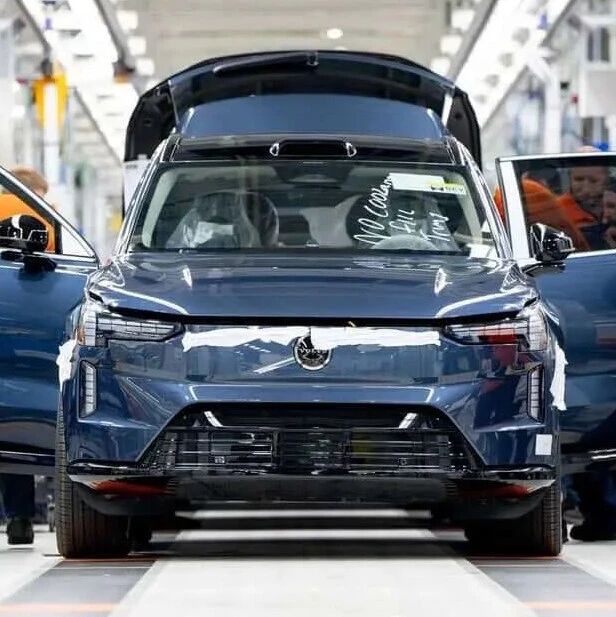
又一汽车巨头“栽”在软件上
汽车商业评论· 2025-09-25 03:26
Core Insights - The article highlights the challenges faced by traditional automakers, particularly Volvo, in the transition to Software Defined Vehicles (SDVs), emphasizing the inadequacies of their current software systems and the need for a fundamental shift in their operational strategies [3][5][7]. Group 1: Volvo's Software Issues - Volvo's EX90 has been criticized for severe software problems, leading to a free upgrade offer for owners, which reflects the company's struggle to address these issues effectively [5][7]. - The software defects have resulted in a long list of malfunctions, including keyless entry failures and infotainment system issues, indicating a lack of readiness for the software-driven automotive landscape [5][7]. Group 2: Industry-Wide Challenges - The automotive industry is experiencing a collective struggle with digital transformation, as evidenced by the increasing number of software-related recalls, which have surged from 5.1% in 2015 to a record 41.6% in 2024 [13]. - Major automakers like General Motors and Volkswagen have faced significant setbacks due to software failures, leading to halted sales and delayed product launches, highlighting the industry's vulnerability in managing software complexities [16]. Group 3: Shift in Development Focus - The transition to SDVs necessitates a shift from hardware-centric development to a focus on software and service ecosystems, requiring automakers to rethink their relationships with suppliers and adopt integrated solutions [12][20]. - Collaborations between traditional automakers and specialized tech firms are becoming essential, as seen in partnerships like that of Volkswagen and Rivian, which aim to leverage external expertise for software development [20]. Group 4: Future Directions - The industry is moving towards a model where automakers focus on their core competencies while outsourcing software development to specialized partners, indicating a strategic shift in how vehicles are designed and maintained [20]. - The successful implementation of SDVs will require overcoming significant challenges, as the industry grapples with the complexities of integrating advanced software into traditional automotive frameworks [20].
A股三大指数均收涨 科创50指数创新高
Mei Ri Shang Bao· 2025-09-24 23:17
Market Overview - The A-share market experienced a significant rise, with the Sci-Tech 50 Index surging over 5%, reaching a nearly four-year high [1] - The Shanghai Composite Index closed at 3853.64 points, up 0.83%, while the Shenzhen Component Index rose 1.8% to 13356.14 points [1] - The total trading volume in the Shanghai and Shenzhen markets reached 234.75 billion yuan [1] Semiconductor and Chip Sector - The semiconductor sector saw a strong performance, with the overall sector rising 4.6%, ranking first among industry sectors [2] - The storage chip concept also performed well, with a 4.18% increase, ranking fourth among industry concepts [2] - Notable individual stocks included ShenGong Co., Jiangfeng Electronics, and Xingfu Electronics, which hit the daily limit up [2] - The introduction of new lithography equipment by Shengmei Shanghai is expected to enhance semiconductor manufacturing capabilities [2] Memory Products Price Increase - Samsung has significantly raised prices for its DRAM and NAND flash products, with some products seeing price increases of up to 30% [3] - Other major players like SanDisk and Micron have also adjusted their pricing, indicating a trend of rising memory product prices [3] - The demand for enterprise-level SSDs is expected to increase, benefiting companies with strong pricing power in this segment [3] Solid-State Battery Sector - The solid-state battery concept saw a notable rise, with the sector increasing by 2.51% [4] - Key individual stocks in this sector included HaiMuxing and JiaoCheng Ultrasound, which experienced significant gains [4] - The Chinese government is promoting the development of high-safety battery storage systems, which is expected to drive advancements in solid-state battery technology [4][5] - Full solid-state batteries are anticipated to achieve partial mass production by 2027, with several automotive manufacturers planning to test these technologies [5][6] Brokerage and Financial Technology Sector - The brokerage and financial technology sectors showed positive movement, with stocks like Xiangcai Co. hitting the daily limit up [7] - The financial sector has seen adjustments recently, but the market remains active, with expectations for continued inflows of institutional and retail funds [7] - Analysts are optimistic about the profitability and valuation of the brokerage sector, anticipating further growth in Q3 earnings [7]



