
今世缘

Search documents
6月社零增速环比放缓,内需消费仍待提振
KAIYUAN SECURITIES· 2025-07-16 06:16
Investment Rating - The industry investment rating is "Overweight" [1] Core Viewpoints - The report highlights that the food and beverage sector is expected to benefit from potential domestic policy adjustments and a recovery in consumer demand in the second half of the year [3][4] - The report suggests strategic positioning in leading liquor companies due to their low valuation and favorable market conditions [3][6] - The snack food segment shows strong growth potential, driven by product innovation and emerging sales channels [6] Summary by Sections Industry Overview - The food and beverage sector is currently experiencing a slowdown in retail sales growth, with June 2025 retail sales increasing by 4.8% year-on-year, a decrease of 1.6 percentage points from May [4][8] - The report notes that the decline in consumer spending on dining and discretionary items has impacted overall sales performance [4][5] Liquor Sector - The liquor industry is in a bottoming phase, with consumption scenarios limited by recent policy changes and promotional activities affecting pricing [6] - The report recommends focusing on top liquor brands such as Kweichow Moutai, Luzhou Laojiao, and Shanxi Fenjiu for potential investment opportunities [3][6] Snack Food Sector - The snack food segment, particularly products like konjac, is experiencing robust growth due to health trends and diverse flavor offerings [6] - The report emphasizes the importance of identifying quality companies in the snack food sector that align with industry development trends for long-term investment [3][6]



一瓶几十元,白酒巨头狂卷光瓶酒
Xin Lang Cai Jing· 2025-07-16 05:50
Group 1 - The core viewpoint of the article highlights the growing popularity of low-priced "light bottle" liquor in the Chinese market, as high-end liquor brands struggle with price declines and sales challenges [1][14][16] - Major liquor companies are launching new products in the light bottle segment, with notable examples including Yanghe's "Yanghe Daqu High Line Light Bottle Liquor" priced at 59 yuan, which sold over 10,000 bottles in 48 hours [1][4] - The light bottle liquor market has reached a scale of approximately 1.5 trillion yuan in 2024, with continued growth expected in 2025, making it one of the most dynamic segments in the liquor industry [3][10] Group 2 - Consumer behavior is shifting towards more rational choices, with a significant portion of consumers prioritizing cost-effectiveness and practicality in their liquor purchases [10][11] - The traditional light bottle liquor market, represented by brands like Niulanshan and Baijiu, has established a strong presence, while new entrants are emerging to capture market share amid changing consumer preferences [7][9] - The competitive landscape is intensifying as more companies enter the light bottle segment, leading to concerns about market saturation and the ability to maintain quality and differentiation [17][18] Group 3 - The high-end liquor market, particularly brands priced above 1,000 yuan, is experiencing significant price declines, with major brands like Moutai and Wuliangye seeing their market prices drop below their official guidance prices [16][17] - The shift towards light bottle liquor reflects a broader trend in the industry where companies are adapting to consumer demands and seeking new growth opportunities in a challenging market environment [15][17] - The light bottle segment is increasingly viewed as a mainstream choice, moving away from its previous perception as a low-end product, and is now seen as a potential growth engine for liquor companies [17][18]




国信证券晨会纪要-20250716



Guoxin Securities· 2025-07-16 01:31
Macro and Strategy - June financial data shows a significant rebound in credit, with new social financing reaching 4.20 trillion yuan, exceeding expectations of 3.71 trillion yuan, and new RMB loans at 2.24 trillion yuan, surpassing the forecast of 1.84 trillion yuan [8][9][10] - The M2 money supply grew by 8.3% year-on-year, indicating a recovery in domestic economic momentum as private sector balance sheet expansion improves [8][9] - The "seesaw effect" between government financing and corporate loans has weakened, suggesting a shift in credit dynamics as local governments approach their annual debt targets [9][10] Retail Industry - The jewelry market is projected to grow steadily, with the market size reaching 728 billion yuan in 2024, reflecting a compound annual growth rate of 3.6% since 2019 [11][12] - The top five companies in the jewelry sector hold a market share of 41.4%, indicating increasing industry concentration as consumer preferences shift towards quality and design [11][12] - The retail sector is benefiting from the recent Amazon Prime Day, which generated an estimated $24.1 billion in sales, a 30% increase year-on-year, highlighting the growth potential in cross-border e-commerce [13][14] Food and Beverage Industry - The food and beverage sector saw a 0.92% increase, underperforming the Shanghai Composite Index by 0.17 percentage points [14] - The liquor market is stabilizing, with major brands focusing on brand positioning and market health, while the overall demand remains under pressure [15][16] - Recommendations include leading brands like Kweichow Moutai and Wuliangye, which have shown resilience and potential for recovery [15][16] Construction and Building Materials - The construction materials sector is expected to improve due to a shift towards healthy competition and urban renewal initiatives, with a focus on technological innovation [17][18] - Cement prices have stabilized, with a slight decrease of 0.4% week-on-week, while demand remains steady despite seasonal fluctuations [17][18] - Recommendations include companies like Three Trees and China National Building Material, which are well-positioned to benefit from domestic demand [18] Computer Industry - The AI ASIC market is rapidly expanding, with a projected market size growth from $14.8 billion in 2024 to $83.8 billion by 2030, reflecting a compound annual growth rate of 33.5% [19][20] - The price advantage of AI ASIC chips over GPUs is significant, with average prices of $5,236 compared to $8,001 for GPUs, making them more attractive for specific applications [19][20] - Companies like Google and Amazon are accelerating their development of ASIC chips, indicating strong future demand in this sector [21] Home Appliances - The home appliance sector is experiencing stable growth in domestic sales, driven by government subsidies, while exports face challenges due to high bases and tariff impacts [22][23] - White goods are seeing a slight increase in domestic sales, with air conditioning units showing a 9.5% growth in domestic shipments [22][23] - Recommendations include leading brands such as Midea and Gree, which are expected to maintain strong performance [22][23] Pharmaceutical Industry - Merck's acquisition of Verona for $10 billion aims to enhance its portfolio with a new COPD treatment, indicating strong growth potential in respiratory therapies [27][28] - WuXi AppTec is projected to achieve a 102% increase in net profit for the first half of 2025, reflecting robust operational performance [29] - The pharmaceutical sector is showing resilience, with a focus on innovative treatments and strategic acquisitions [27][28] Coal Industry - The coal market is expected to stabilize as domestic production increases and imports decrease, with a projected production of 4.85 billion tons in 2025, a 2% increase year-on-year [31][32] - Demand for coal is anticipated to improve in the second half of the year, particularly for non-electric uses such as chemical production [33] - Recommendations include leading coal companies like China Shenhua and China Coal Energy, which are well-positioned to benefit from market dynamics [34] Electronics Industry - The electronics sector is experiencing positive momentum, with a 0.93% increase in stock performance, driven by strong demand in the optical and semiconductor segments [34] - The industry is expected to see significant catalysts in the coming months, particularly in the context of AI and cloud computing advancements [34] - Companies involved in ASIC development are likely to benefit from the ongoing trends in computing and data processing [34]
食品饮料周报(25年第28周):白酒基本面加速筑底,关注板块中报表现-20250715
Guoxin Securities· 2025-07-15 03:25
Investment Rating - The report maintains an "Outperform the Market" rating for the food and beverage sector [4][5][73]. Core Views - The liquor sector is showing signs of bottoming out, with a focus on the mid-year performance of the sector. The overall sentiment is improving due to policy expectations aimed at boosting domestic demand, leading to a recovery in the liquor sector after significant declines [2][11][13]. - The beer and beverage segments are entering a peak season, with expectations for strong mid-year performance. Companies like Yanjing Beer and Zhujiang Beer are projected to achieve substantial profit growth due to cost reduction and efficiency improvements [14][15][20]. - The report emphasizes the importance of consumer engagement and market health for liquor companies, suggesting a shift towards internationalization and targeting younger demographics [2][11][13]. Summary by Sections Liquor Sector - The liquor index rose by 1.4% this week, with major brands like Kweichow Moutai and Wuliangye focusing on brand strength and service enhancement. The sector is expected to recover from low valuations, although demand pressures remain significant [2][11][13]. - Recommended stocks include Kweichow Moutai, Shanxi Fenjiu, and Luzhou Laojiao, which have demonstrated strong risk resilience [2][11][13]. Consumer Goods - The beer segment is expected to benefit from seasonal demand, with Yanjing Beer and Zhujiang Beer forecasting a 40% to 50% increase in net profit for the first half of 2025 [14][15]. - The snack sector is experiencing volatility, with a recommendation for companies with strong performance certainty, such as Wei Long and Yan Jin [16]. - In the condiment sector, leading companies are expected to show resilience, with a focus on policy developments that could enhance the restaurant industry's vitality [17]. Frozen Foods and Dairy - Frozen food companies are actively developing new products to cater to both B2B and B2C markets, with a focus on convenience and smaller packaging [18]. - The dairy sector is anticipated to see a gradual recovery in demand, supported by favorable policies and improved supply dynamics [19]. Beverages - The beverage industry is entering a peak season, with leading companies like Dongpeng Beverage expected to continue expanding their market presence [20].
衡水老白干“危局”:百元酒崩盘、省内失守,新帅王占刚密集调研“救火” | 酒业内参
Xin Lang Ke Ji· 2025-07-15 00:59
Core Viewpoint - The company, Hengshui Laobaigan, is facing significant challenges in its market performance, with declining revenue growth and increased competition from both local and national brands [2][3][8]. Group 1: Financial Performance - In 2024, Hengshui Laobaigan reported a revenue of 53.28 billion yuan, with a year-on-year growth of only 1.91%, a stark contrast to the double-digit growth rates of previous years [3][4]. - The first quarter of 2025 saw a revenue of 11.68 billion yuan, reflecting a year-on-year increase of just 3.36% [4]. - The company's products priced below 100 yuan experienced a significant decline, with revenue dropping by 15.65% [4][11]. Group 2: Management and Investor Sentiment - Following disappointing financial results, several executives, including the vice chairman and vice general manager, expressed intentions to reduce their shareholdings, which negatively impacted investor confidence [6][8]. - Among the top ten shareholders, four have reduced their holdings, with significant reductions from various funds, indicating a lack of confidence in the company's future [6][8]. Group 3: Market Competition - The local market in Hebei, which is crucial for Hengshui Laobaigan, is becoming increasingly competitive, with local brands like Congtai and Shanzhuang gaining market share [8]. - National brands such as Moutai and Luzhou Laojiao dominate the high-end market, making it difficult for Hengshui Laobaigan to establish a foothold [8][11]. Group 4: Strategic Challenges - The company's attempts to shift towards high-end products have not yielded significant results, as evidenced by low sales of its premium offerings compared to more affordable options [9][11]. - The overall market trend indicates a preference for products priced between 100-200 yuan, which poses a challenge for Hengshui Laobaigan's strategy focused on high-end positioning [11].


食品饮料周报:业绩窗口期估值切换,关注回调及低估值个股机会-20250714
Tai Ping Yang Zheng Quan· 2025-07-14 14:19
Investment Rating - The report maintains a neutral investment rating for the food and beverage industry, indicating that the overall return is expected to be within -5% to 5% relative to the CSI 300 index over the next six months [24]. Core Views - The food and beverage sector is experiencing a valuation shift during the earnings window, with a focus on opportunities in undervalued stocks and potential rebounds following recent corrections [4][11]. - The SW food and beverage index increased by 0.8%, ranking 26th among 31 sub-industries, with notable gains in the liquor, health products, and beer sectors, while soft drinks and dairy products saw declines [4][11]. - The report highlights the rebound in the liquor sector, particularly the SW liquor index, which rose by 1.41%, suggesting a recovery from previous overly pessimistic expectations [16][20]. Summary by Sections Liquor Sector - The liquor sector is currently in a bottoming phase, with a focus on the upcoming demand during the Mid-Autumn Festival and National Day [20]. - Key brands such as Guizhou Moutai and Luzhou Laojiao are recommended for investment due to their stable pricing and market performance [20][23]. Consumer Goods Sector - The consumer goods sector is facing a correction due to downward adjustments in earnings expectations for leading companies, particularly in soft drinks and snacks [21]. - Innovative product launches in the snack segment are highlighted, with companies like Youyou Foods and Weidong introducing new items to capture market share [21][22]. - The report emphasizes the growth potential in ready-to-drink beverages and the increasing competition in the tea drink market, with a positive outlook for brands like Mixue and Gu Ming [21][22]. Recommended Companies - The report recommends several companies for investment, including: - Luzhou Laojiao: Buy rating with expected EPS growth [23] - Shanxi Fenjiu: Hold rating with stable performance [23] - Dongpeng Beverage: Buy rating with significant revenue growth forecast [22][23] - Youyou Foods: Buy rating with strong market recovery potential [23] - Nongfu Spring: Buy rating with expected market share recovery [23]


“引凤工程”人才工作站授牌成立
Nan Jing Ri Bao· 2025-07-14 02:34
近日,2025第十六届"引凤工程"江苏行(南京站)人才对接活动在栖霞区举办。现场,致公党江苏 省委会为栖霞区、南京财经大学分别授牌成立"引凤工程"人才工作站,将进一步发挥侨海特色优势,共 同推动搭建连接海内外的桥梁,更好地发现、凝聚、组织和服务来自世界各地的优秀人才。栖霞区与南 京财经大学将以办好第十六届"引凤工程"江苏行(南京站)人才对接会为契机,携手并肩共同破解高端 人才供给瓶颈,服务区域经济社会发展,合力开创深化校地融合、人才共引共育新篇章。 作为此次2025第十六届引凤工程江苏行的最后一站,海外博士代表在6月30日下午走进栖霞区深入 感知创新创业环境,先后参观走访了图灵人工智能研究院、南京诺唯赞生物科技股份有限公司、出门问 问创新科技有限公司、南京财经大学粮食储运国家工程研究中心,并通过座谈交流分享了此次江苏行的 心得体会。 此次活动共邀请来自近20个国家和地区30余所高校院所的52名海外博士参加,在主办方的牵线搭 桥下,博士们在活动开展前即与相关高校院所、企业平台进行了线上对接,目前已有4名博士分别与南 京财经大学和驻区企业达成了双选意向,并在活动现场进行了意向签约。此外,活动还邀请了省内20 多所 ...
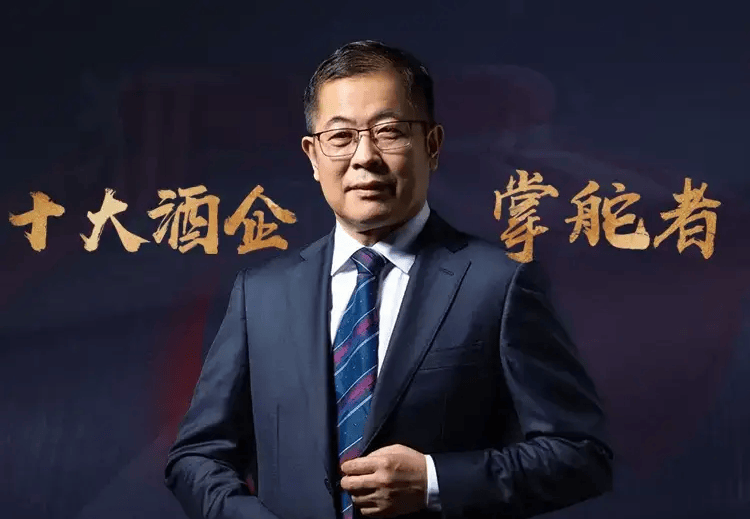
顾祥悦掌舵今世缘三年:营收突破百亿大关,后百亿时代全国化待考
Sou Hu Cai Jing· 2025-07-14 01:55
Core Insights - The Chinese liquor industry is entering a deep adjustment period in 2024, with intensified market competition and frequent personnel changes, prompting companies to view "reform" as a key driver for exploring new growth points to meet challenges and seize opportunities [2] Company Overview - Guo Xiangyue, the chairman of Jinshiyuan Liquor, has led the company through significant strategic reforms since taking over in April 2022, focusing on enhancing organizational efficiency and brand revival [5][7] - Under Guo's leadership, Jinshiyuan achieved a revenue of 115.44 billion yuan in 2024, with a net profit of 34.12 billion yuan, although growth rates have noticeably slowed [12] Strategic Initiatives - The company has implemented a departmental reform to a business unit structure, allowing for specialized operations across multiple brands, which aims to enhance organizational speed and efficiency [8] - Jinshiyuan's national strategy has shifted from point-based breakthroughs to a focus on surrounding areas and regional integration, particularly targeting the 400-500 yuan price range in East and North China [8][10] Performance Metrics - In 2023, Jinshiyuan's revenue surpassed 100 billion yuan for the first time, reaching 100.98 billion yuan, a year-on-year increase of 28.07%, with a net profit of 31.36 billion yuan, up 25.30% [10] - For 2024, the company reported a revenue increase of 14.32% and a net profit increase of 8.80%, but did not meet its previously set annual targets [12] Market Challenges - The company faces challenges in expanding its market presence outside Jiangsu, with only 8% of total revenue coming from provincial markets, despite a 27.37% year-on-year growth in that segment [14][15] - The number of provincial distributors has fluctuated, indicating difficulties in establishing a stable sales network outside its home province [15] Future Outlook - Jinshiyuan's leadership has adopted a more cautious approach for future growth, aiming for a revenue increase of 5%-12% and a net profit growth slightly below revenue growth [19] - Experts suggest that the company needs to overcome its provincial expansion challenges and high-end market obstacles to sustain long-term growth [18][20] Innovation and New Channels - The company is exploring new retail channels and testing regional markets through self-built teams and third-party collaborations, aiming to establish a direct link to consumers and reduce intermediaries [21][22]
金枫酒业预计上半年净亏损480万元至720万元;今世缘推进“缘二代”培育计划丨酒业早参
Mei Ri Jing Ji Xin Wen· 2025-07-14 01:02
NO.2 *ST兰黄:预计上半年净亏损额同比扩大 NO.1 金枫酒业:预计上半年净亏损480万~720万元 近日,金枫酒业交出上半年"预答卷"。公司预计上半年实现归属于上市公司股东的净利润亏损480万元 ~720万元,上年同期归属于上市公司股东的净利润为亏损1560万元。 公司称,受激烈的市场竞争影响,公司销售规模缩减,营业收入下降。但公司通过组织机构调整、人员 结构优化等多项降本控费增效措施,努力改善经营绩效,与上年同期相比,归属于上市公司股东的净利 润大幅上升,亏损面收窄。 NO.3 今世缘将推进"缘二代"培育计划 近日,今世缘酒业2025年上半年工作总结大会召开。会议提到,今世缘将立足市场拓展与运营提升两手 抓,聘请第三方把脉问诊、改造优化,提升经销商现代化治理运营水平。挖掘在市场拓展、经营模式等 方面的亮点做法,特别是在终端客情维护、大客户开发等方面的成效,复制推广。 会议还提到,推进"缘二代"培育计划,对合作时间长、忠诚度高、发展贡献大的经销商,优化接班人培 养路径,抓好"后继有人"关键一环。 (文章来源:每日经济新闻) 近日,*ST兰黄公告称,预计2025年上半年归属于上市公司股东的净利润亏损10 ...

湾财周报 人物 宗馥莉疑被三弟妹起诉;白酒行业现人事巨震
Nan Fang Du Shi Bao· 2025-07-13 16:03
Group 1: Wahaha Inheritance Dispute - Wahaha's chairperson, Zong Fuli, is being sued in Hong Kong over asset disputes by her half-siblings, who claim equal inheritance rights to a trust fund worth $1.8 billion [10][11] - The lawsuit has drawn significant public attention, with the family dynamics of the Wahaha empire being scrutinized [10][11] Group 2: Automotive Industry Transformation - GAC Group has entered a "wartime state" to tackle three critical battles: user demand, product value, and service experience, aiming to reinvent itself [3][11] Group 3: Personnel Changes in the Liquor Industry - The liquor industry is experiencing significant personnel upheaval, with key executives resigning from major companies like Yanghe and Kweichow Moutai, reflecting deeper challenges and transformation pains within the sector [5][12] Group 4: Securities Industry Personnel Changes - In the first half of 2025, 41 securities firms experienced 214 personnel changes, including ten chairperson transitions, indicating a turbulent period for the industry [12] - The regulatory environment remains stringent, with 107 securities professionals being named by the CSRC for various issues, highlighting ongoing scrutiny in the sector [12] Group 5: Leadership Changes in Financial Institutions - Yu Hong, a veteran from Ping An, has been appointed as the general manager of AIA China, marking a significant career transition [13] - Hu Ping has been approved as the vice president of CCB Financial Asset Investment, bringing extensive experience from her previous role in CCB's private banking division [17] - Zhang Kai has been approved as the vice president of Guangfa Bank, with a background in both state-owned and joint-stock banks [21]
