蜜雪冰城

Search documents
麦肯锡披露!上半年中国消费市场五大惊喜一览
Sou Hu Cai Jing· 2025-08-28 03:29
Group 1: Capital Market Trends - The A-share market shows signs of recovery, with an average daily trading volume of 1.39 trillion yuan in the first half of the year, reflecting a 61% increase compared to the same period last year [1] - The capital market is empowering consumption upgrades, with Hong Kong Stock Exchange financing reaching 107.1 billion HKD in the first half of the year, indicating renewed investor confidence in the Chinese consumption market [2] Group 2: Consumer Market Insights - McKinsey's report highlights five major trends in the Chinese consumer market, including the rise of new energy vehicles, record-high inbound tourism, and the cultural export of Chinese tea [2] - The tea industry is exploring sustainable development paths, with organic tea production area increasing by 100.9% from 2019 to 2023, reaching 213,000 hectares [7] Group 3: Cultural and Tourism Integration - The unique charm of Chinese tea culture is attracting foreign tourists, leading to initiatives that promote deep cultural experiences, such as the "World Tea Town Tour" [8][11] - The tea industry is leveraging cultural experiences to enhance tourism, providing immersive projects that allow foreign visitors to explore Chinese culture [11] Group 4: New Tea Beverage Market - New tea beverage brands are gaining traction in the capital market, with three brands successfully listing on the Hong Kong Stock Exchange and one on the US market this year [12] - The concentration of new tea brands entering the market reflects the growing recognition of Chinese consumer brands in the capital market [12][15] Group 5: Global Expansion of Tea Industry - The global trend of cultural export is benefiting the tea industry, with Chinese tea gaining popularity overseas, evidenced by the TikTok Chinesetea topic generating over 200 million views [18] - The export of tea products, including matcha and functional teas, is accelerating, with platforms like Amazon and eBay seeing increased sales of Chinese tea and tea-related products [22][23]


古茗(01364):1H业绩表现亮眼,未来增长仍具内外动能
Haitong Securities International· 2025-08-27 23:32
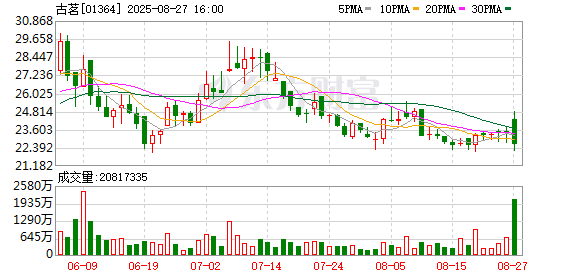
Investment Rating - The report maintains an "OUTPERFORM" rating for Guming Holdings [2][12] Core Views - Guming Holdings reported outstanding performance in 1H, with revenue reaching RMB 5.66 billion, a year-on-year increase of 41% [3][11] - The company is expected to continue its growth trajectory, driven by store expansion and product innovation, with projected revenues of RMB 12.4 billion, RMB 15.2 billion, and RMB 18.8 billion for 2025, 2026, and 2027 respectively [6][12] Financial Performance - In 1H, Guming's adjusted net profit was RMB 1.09 billion, up 42% year-on-year, with an adjusted net profit margin of 19.2% [3][11] - The company achieved a gross profit margin of 31.5%, remaining stable compared to previous periods [5][11] - The number of stores increased by 1,265 in 1H, bringing the total to 11,179, with a significant presence in lower-tier cities [4][11] Revenue Breakdown - Revenue sources included sales of goods and equipment (RMB 4.5 billion), franchise management services (RMB 1.16 billion), and direct store sales (RMB 0.01 billion), with respective year-on-year growth rates of 42%, 39%, and 14% [4][11] - The average daily sales per store reached approximately RMB 7,600, a 23% increase year-on-year, with an average of 439 cups sold per store daily [4][11] Future Outlook - The report anticipates continued growth in the second half of the year, driven by the expansion of delivery services and the introduction of new products, particularly in the coffee segment [5][12] - The adjusted net profit is projected to grow to RMB 2.30 billion, RMB 2.79 billion, and RMB 3.49 billion for 2025, 2026, and 2027 respectively, reflecting a robust growth outlook [6][12]
“消费刺客”退烧
创业邦· 2025-08-27 15:31
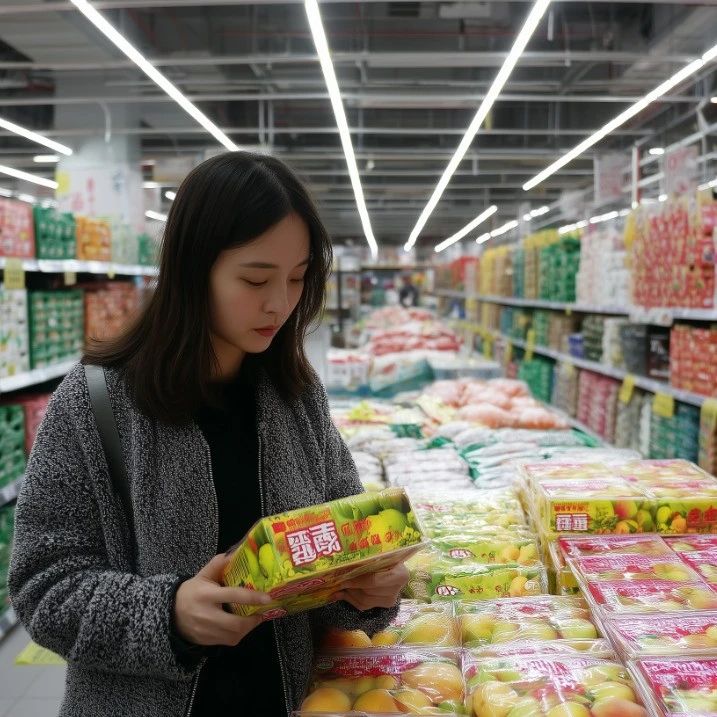
Core Viewpoint - The article discusses the challenges faced by Baiguoyuan, a fruit retail brand, highlighting its struggle with consumer trust and market dynamics as it attempts to maintain high pricing amidst changing consumer expectations and competitive pressures [6][8][12]. Group 1: Baiguoyuan's Performance - On August 15, 2025, Baiguoyuan issued a mid-year earnings warning, projecting a revenue decline of up to 25% year-on-year, with a net loss estimated between 330 million to 380 million yuan. The actual revenue was reported at 4.376 billion yuan, a decrease of 21.8%, with a net loss of 342 million yuan and a 27% drop in store count to 4,386 [8][9]. - The brand's previous model, which relied on high-quality standardized fruit to command a premium price, has faltered due to quality control issues and a disconnect between consumer expectations and actual product quality [8][10][12]. Group 2: Market Dynamics - The article notes a broader trend of high-priced consumer brands facing pressure as the market shifts towards value and cost efficiency. This is evident in the new tea and coffee sectors, where brands like Heytea and Luckin Coffee have adjusted their pricing strategies to remain competitive [14][16]. - The oversupply in the market has led to a significant number of closures, with over 20,000 beverage outlets disappearing in the past year, indicating intense competition and a shift in consumer preferences towards lower-priced options [19][21]. Group 3: Consumer Behavior Changes - Consumer behavior is shifting towards prioritizing value and cost-effectiveness, influenced by economic factors such as declining asset values and rising debt obligations. This has resulted in a higher savings rate and reduced discretionary spending [21][22]. - The article highlights that even affluent cities like Beijing and Shanghai are experiencing slower retail growth compared to national averages, reflecting a broader trend of cautious consumer spending [21][22]. Group 4: Future Outlook for Baiguoyuan - Baiguoyuan is at a crossroads, needing to either establish advantages in scale, efficiency, and cost control or create unique value propositions to survive in a market increasingly divided between cost-driven and experience-driven brands [27][28]. - The brand's current positioning, caught between high convenience and high operational costs, limits its ability to compete effectively in a price-sensitive environment [28].
黄金珠宝:行业模式革新,高端龙头引领
2025-08-27 15:19
Summary of Key Points from Conference Call Records Industry Overview - The conference call discusses the **gold and jewelry industry**, focusing on the high-end segment led by brands like **Lao Pu Gold** [1][2]. Core Insights and Arguments - **Lao Pu Gold** utilizes ancient gold craftsmanship as its core, establishing a high-end luxury positioning with significantly higher per gram prices compared to competitors like Chow Tai Fook [1][2]. - The brand needs to strengthen its product positioning, operational model, and promotional strategies to counter challenges from imitation of its ancient craftsmanship [1][3]. - Despite a **25% increase in gold prices**, domestic gold jewelry consumption has declined by **25%**, yet high-end brands like Lao Pu Gold have experienced growth due to their target demographic's lower price sensitivity and focus on quality and cultural significance [1][7]. - The overlap of Lao Pu Gold's consumer base with luxury brands such as LV and Hermes exceeds **50%**, indicating a shift in high-end jewelry consumption towards affluent customers [7][9]. - The trend of combining online and offline shopping, along with a growing interest in Chinese culture, is reshaping consumer motivations, particularly among younger demographics [1][10]. Emerging Trends - The introduction of **IP collaborations** and trendy interactions is enhancing the premium value of gold jewelry, attracting younger consumers and reshaping growth logic in the sector [1][5][6]. - Successful collaborations, such as those between Chow Tai Fook and popular IPs, have shown to resonate well with Gen Z consumers, indicating a shift towards more interactive and culturally relevant products [5][6]. - The high-end jewelry market is increasingly characterized by a younger consumer base, with individuals aged **18 to 34** contributing over **one-third** of gold jewelry sales [9]. Challenges and Opportunities - Lao Pu Gold faces challenges from competitors learning and imitating its ancient craftsmanship, necessitating a focus on unique product offerings and market expansion into Southeast Asia [3][4]. - The brand's unique selling propositions, such as its self-operated model and one-price strategy, provide a competitive edge [3]. - The rising demand for gold jewelry as a symbol of wealth accumulation and cultural significance presents opportunities for growth [10]. Market Dynamics - The **gold jewelry industry** is witnessing a shift towards online shopping, with consumers increasingly valuing shopping experiences and product craftsmanship [11]. - The success of Lao Pu Gold has prompted other brands to innovate and enhance their product offerings, leading to improved profitability across the sector [12]. - The international market is seeing a trend towards the **youthful and global appeal** of gold jewelry, with brands needing to integrate traditional cultural elements to compete effectively [13]. Consumer Profile - High-end jewelry brands primarily target high-net-worth individuals, with a small percentage of consumers contributing a significant portion of revenue [8][9]. - The dual focus on affluent and younger consumers is crucial for driving growth in the high-end jewelry market [9]. Conclusion - The **gold and jewelry industry** is evolving with a focus on high-end craftsmanship, cultural significance, and innovative marketing strategies to attract younger consumers, while navigating challenges from competition and changing consumer preferences [1][3][5][12].
古茗王云安:出海机会没那么可观,泡沫可能大于红利
Guo Ji Jin Rong Bao· 2025-08-27 14:57
Core Viewpoint - Gu Ming (01364.HK) reported strong financial performance for the first half of 2025, with revenue of 5.663 billion and a net profit attributable to shareholders of 1.625 billion, reflecting year-on-year growth of 41.2% and 121.5% respectively [2] Group 1: Financial Performance - The company achieved a revenue of 5.663 billion, marking a year-on-year increase of 41.2% [2] - Net profit attributable to shareholders reached 1.625 billion, showing a significant year-on-year growth of 121.5% [2] Group 2: Store Expansion - As of the end of the first half of the year, Gu Ming had a total of 11,179 stores, making it the second-largest brand in China's ready-to-drink tea market [2] - The company plans to add over 3,000 new stores this year, having already met its internal growth guidance for the year [2][3] - Gu Ming adopts a cautious approach to store expansion, focusing on increasing store density within single provinces to achieve scale effects and reduce supply chain costs [3] Group 3: Market Strategy and International Expansion - Gu Ming is currently the only major ready-to-drink tea brand that has not yet expanded internationally [2] - The management indicated that while the company is preparing for international expansion, it remains a lower priority compared to domestic market growth [3] - The founder expressed that international expansion presents both opportunities and challenges, and the potential benefits may be overstated compared to the risks involved [2][3]
新消费,还能涨吗?
格隆汇APP· 2025-08-27 13:55
Core Viewpoint - The new consumption sector has become a hot topic in the capital market, but after significant gains in the first half of the year, it has shown signs of differentiation among leading companies [2][3]. Group 1: Performance of New Consumption Companies - Pop Mart achieved a revenue of 13.876 billion yuan, a year-on-year increase of 204.4%, and a net profit of 4.71 billion yuan, up 362.8% [8]. - Lao Pu Gold reported a revenue of 12.354 billion yuan, a year-on-year increase of 251%, and a net profit of 2.35 billion yuan, up 291% [12]. - Pop Mart's stock price surged by 20% within a week following the announcement of new product launches [10]. Group 2: Shifts in Consumer Behavior - The rise of e-commerce and short videos has changed sales channels, allowing consumers to have more control over their purchasing decisions, thus diminishing the importance of traditional sales channels [23]. - Generation Z, despite being less than 20% of the population, has a disproportionately large economic impact, with 64% of consumers prioritizing emotional satisfaction in their purchasing decisions [26][29]. - The demand for new consumption is increasingly characterized by practicality, low prices, and emotional value, leading to a focus on high premium and low unit prices [28]. Group 3: Future Opportunities in Silver Economy - The aging population is becoming a significant part of social consumption, with predictions indicating that the population aged 60 and above will exceed 300 million, accounting for nearly 21% of the total population [38]. - The silver economy is expected to expand beyond healthcare and elderly care, with personalized consumption needs of older adults becoming a crucial aspect of new consumption [42]. - Companies like Zuli Jian have rapidly developed in the elderly footwear market, indicating a growing market for products tailored to older consumers [44]. Group 4: New Consumption's Evolution - New consumption is not a fixed category but will continue to evolve with changing times, reflecting new consumer demographics, consumption concepts, and product innovations [52]. - The potential for new consumption to disrupt traditional consumption is inevitable, and its development is expected to go beyond current trends [55].

宣称0反式脂肪酸,多款茶饮被检出反式脂肪酸!企业回应了
Nan Fang Du Shi Bao· 2025-08-27 08:33
Core Viewpoint - Recent evaluations by NetEase Finance have raised concerns about several tea beverage brands, revealing that products from brands like Heytea and Jasmine Milk White contain trans fatty acids, despite claims of "0 trans fatty acids" [1][2] Group 1: Trans Fatty Acids Findings - Five brands, including Heytea, Naixue, and Jasmine Milk White, were found to have trace amounts of trans fatty acids in their products, with levels ranging from 0.0117g/100g to 0.113g/100g [2][6] - Heytea's product, "Roasted Brown Sugar Bubble Milk Tea," had the highest trans fatty acid content at 0.113g/100g, while Naixue's "Golden Mountain Pearl Milk Tea" had 0.0144g/100g [2][3] - Brands claim that the detected trans fatty acids are naturally occurring from dairy products, not intentionally added [1][8] Group 2: Sodium Content Concerns - The evaluation also highlighted high sodium levels in several products, with Heytea's "Roasted Brown Sugar Bubble Milk Tea" containing the highest sodium level at 942mg/kg [3][4] - The sodium content in the tested beverages ranged from 100mg/kg to 942mg/kg, raising concerns about potential health risks associated with high sodium intake [3][4] Group 3: Sugar Content Analysis - All eight tested beverages had significant sugar content, with the highest being 7.7g/100g in the "Pearl Milk Tea" from Mixue Ice City, and the lowest at 3.0g/100g in Tea Baidao's "Signature Taro Milk Tea" [4][5] - The sugar content in the other brands ranged from 3.7g/100g to 6.4g/100g, prompting recommendations to limit daily sugar intake [4][5] Group 4: Brand Responses - Brands like Heytea, Naixue, and Jasmine Milk White have stated that their products meet national standards for trans fatty acids, asserting that the detected levels are compliant with the "0 trans fatty acids" claim [6][7] - The brands emphasize that the presence of trans fatty acids is due to natural sources in dairy products, and they do not add artificial trans fats [8][9][10]
咖啡,7月开店3436家
3 6 Ke· 2025-08-27 03:39
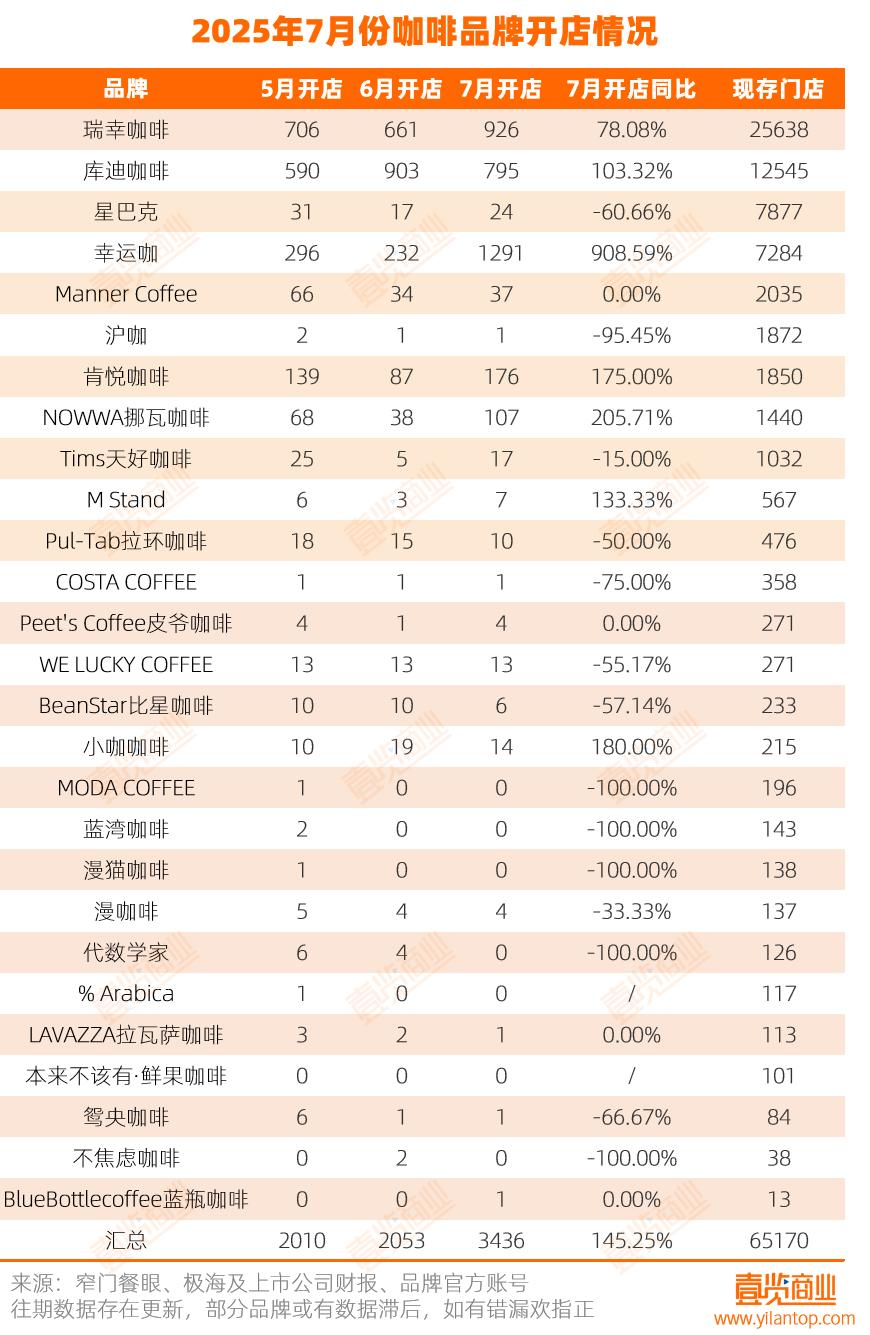
Core Insights - The coffee market is experiencing rapid expansion alongside an accelerated rate of brand elimination, indicating a competitive landscape where both growth and decline are prevalent [1][11]. Expansion and Closure - In July, 27 tracked coffee brands opened a total of 3,436 new stores, representing a month-on-month increase of 19.39% and a year-on-year growth of 145.25%, doubling the overall expansion speed compared to last year [1][3]. - The total number of coffee shops reached 65,170, with a month-on-month decline of 2.02%, indicating that approximately 4,779 stores closed in the previous month [1][3]. Brand Performance - Luckin Coffee emerged as a significant player, opening 1,291 stores in July, achieving a staggering year-on-year growth of 908.59% and surpassing Luckin in monthly openings [3][4]. - Starbucks showed a decline in store openings, with a year-on-year decrease of 60.66%, reflecting a more cautious growth strategy focused on market consolidation rather than aggressive expansion [3][4]. - Kudi Coffee experienced a year-on-year growth of 103.32% but faced a month-on-month decline of 46.14%, signaling potential challenges in its expansion strategy [4]. Market Trends - The coffee market is characterized by a dual trend of rapid growth among leading brands and a high elimination rate among smaller brands, with some facing exit risks [11]. - Product innovation is centered around summer themes, with a focus on health and light food options, as well as ice cream elements becoming increasingly popular [10][11]. - Collaborative marketing efforts have decreased, with 14 partnerships in July, down from 19 in June, indicating a shift in marketing strategies [10][11]. Future Outlook - The coffee market is expected to continue its polarization, with leading brands leveraging scale and innovation to enhance their market position, while niche brands seek survival through unique positioning [11].


又一知名品牌全面闭店,今年茶饮生意有多难?
3 6 Ke· 2025-08-27 01:01
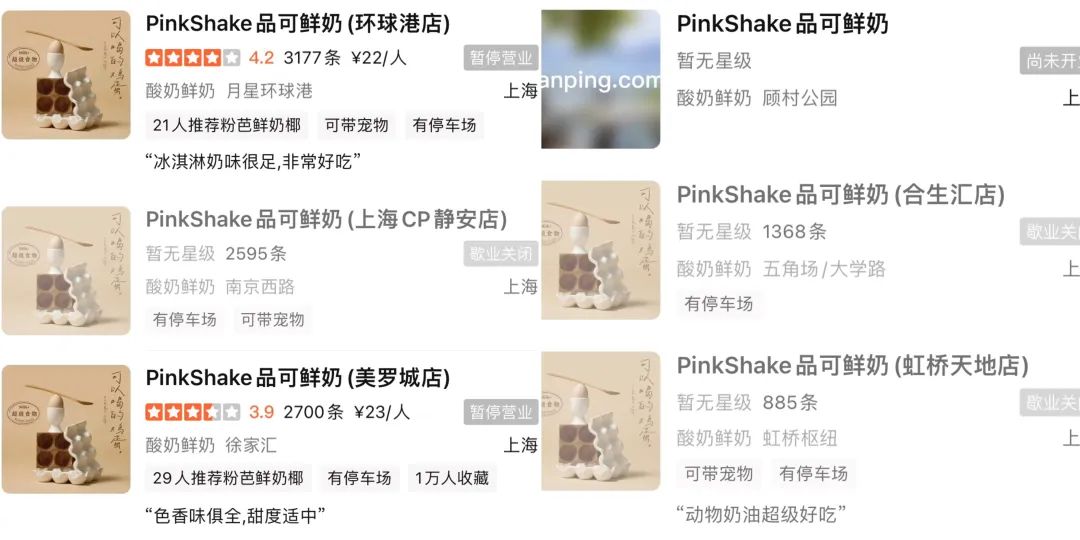
Core Viewpoint - The sudden closure of PinkShake, a popular milk drink brand in Shanghai, reflects a broader trend of rapid brand failures in the beverage industry, highlighting the challenges faced by many once-thriving brands in a competitive market [1][2][4]. Company Summary - PinkShake opened its first store in Shanghai on June 1, 2024, and gained popularity with innovative product offerings and marketing strategies, including a focus on lactose-intolerant consumers [2]. - Despite initial success, the brand abruptly closed all its stores nationwide, with reports indicating management issues, unpaid employee salaries, and unresolved debts to suppliers and landlords [2][3]. - The brand's peak performance included long wait times for orders and significant monthly revenues per store, yet it faced a sudden downfall [3]. Industry Summary - The beverage industry is experiencing a brutal shakeout, with numerous brands, including those with hundreds or thousands of stores, disappearing or significantly downsizing [4][10]. - Notable examples of brands that have failed or shrunk include Yuan Zhen Zhen, Sevenbus, and He Zai Nei Xiao Juan Cun, which once thrived but have since closed most of their locations due to various challenges [5][6][7]. - The industry has seen a net decrease of 33,870 stores over the past year, indicating a significant contraction in the market [10]. - The trend suggests that rapid expansion does not guarantee sustainability, as many brands that once thrived have fallen victim to market pressures and changing consumer preferences [12][15]. Key Challenges - The industry is moving from a phase of rapid growth to a more mature market, where scale does not equate to safety, and brands must focus on quality and operational efficiency rather than mere expansion [13][15]. - Many brands have struggled with high pricing strategies, failing to compete with lower-priced alternatives while also lacking the quality to justify their costs [17]. - The importance of supply chain efficiency, product innovation, and refined operations is emphasized as essential for survival in a high-closure-rate environment [18].
“消费刺客”退烧
虎嗅APP· 2025-08-26 13:44
Core Viewpoint - The article discusses the challenges faced by Baiguoyuan, a fruit retail brand, highlighting its failure to adapt to changing consumer expectations and market dynamics, leading to significant financial losses and a decline in brand trust [5][6]. Group 1: Baiguoyuan's Mistakes - Baiguoyuan was once seen as a model of consumption upgrade, relying on high-quality fruit to justify premium pricing [8][9]. - The brand's promise of quality became a liability when it failed to consistently deliver, leading to a loss of consumer trust [9][11]. - The founder's comments about "educating consumers" were perceived as out of touch, exacerbating the disconnect between the brand and its customer base [10]. Group 2: Market Trends and Competition - The article notes a broader trend of high-priced brands in various sectors, such as new tea drinks and coffee, adjusting their pricing strategies to remain competitive [12][13]. - The oversupply in the market has led to increased competition, with many brands struggling to differentiate themselves [15][16]. - Economic factors, including declining asset values and rising savings rates, have shifted consumer behavior towards more cautious spending [18][19]. Group 3: Future of Consumer Goods - The article suggests a bifurcation in the market, with brands either competing on cost efficiency or creating unique value propositions [22][23]. - Baiguoyuan is caught between these two strategies, lacking the cost advantage of low-price competitors and the unique experience offered by niche brands [26][27]. - The brand must either enhance its operational efficiency or develop a distinctive value proposition to survive in the evolving market landscape [27][28].