地平线

Search documents
中国芯片上车:闯入英伟达和高通的舒适区 | 海斌访谈
Di Yi Cai Jing· 2025-05-07 07:33
Core Viewpoint - The automotive industry is shifting towards localization in response to global market dynamics, with increasing competitiveness among domestic chip manufacturers in China [1][15]. Group 1: Collaboration and Competition - Chery Automobile and Horizon Robotics have expanded their collaboration, with plans for mass production of the Horizon SuperDrive (HSD) system in Chery's vehicles starting as early as September 2023 [5][4]. - The partnership aims to integrate Horizon's chip solutions across Chery's entire product line, including both fuel and new energy vehicles, while still utilizing NVIDIA's solutions for certain models [5][6]. - Domestic chip companies like Horizon and Black Sesame are gradually gaining market share from established players like NVIDIA, which has historically dominated the smart driving chip market in China [5][6]. Group 2: Market Dynamics and Localization - The automotive industry in China is experiencing a significant shift towards smart technology, with local manufacturers increasingly adopting domestic chip solutions to reduce reliance on foreign suppliers [6][9]. - Major suppliers like Aptiv are also working towards localizing their chip supply chains, although they acknowledge that achieving full localization remains a challenge [9][14]. - The market share of Qualcomm in the smart cockpit chip sector has increased significantly, from 65.4% to 77.0% within a year, indicating a strong competitive landscape [10]. Group 3: Strategic Responses to Geopolitical Challenges - U.S. chip companies are facing challenges in the Chinese market due to geopolitical tensions and trade disputes, prompting them to consider local production strategies [13][15]. - Companies like Texas Instruments are exploring local manufacturing options in China to mitigate risks associated with supply chain disruptions and tariffs [14][15]. - The automotive supply chain is expected to adapt to these challenges, focusing on cost adjustments rather than severe shortages, as companies enhance their local capabilities [14].


当零部件走向台前 汽车业迎来“价值重估”时刻
Zhong Guo Qi Che Bao Wang· 2025-05-07 01:07
Core Insights - The 2025 Shanghai Auto Show highlights the transformation of the automotive industry, showcasing innovations in the parts sector driven by electrification, intelligence, and globalization [2][3] - The event reflects the automotive supply chain's cross-domain collaboration and the industry's diverse and global landscape [2][3] - The shift from hardware-dominated to software-defined vehicles marks a fundamental change in industry logic, with software becoming a key factor in defining automotive product capabilities [3][4] Industry Trends - The dual drive of electrification and intelligence is the core theme of the 2025 Shanghai Auto Show, with a significant increase in the number of exhibitors showcasing new technologies and products [3][5] - The automotive software market is projected to reach $55 billion by 2025, with over-the-air upgrades, smart cockpit interactions, and autonomous driving algorithms as the main growth areas [6] - AI technology is increasingly integrated into vehicles, enhancing their capabilities and transforming them into mobile smart terminals [4][6] Company Strategies - Foreign parts manufacturers are shifting from unilateral technology output to deep ecological integration, focusing on localizing technology implementation [9][12] - Bosch aims to leverage software and technological innovations to empower smart mobility, with a projected 4% sales growth in China for 2024, reaching 116.6 billion yuan [9] - Continental Group plans to list its automotive subgroup AUMOVIO, emphasizing its commitment to the Chinese market and local innovation [10][11] Emerging Technologies - The integration of AI and automotive technology is reshaping the collaboration model among people, vehicles, roads, and clouds, positioning smart vehicles as essential components of a smart lifestyle [4][5] - New products such as the R-UniAD technology from SenseTime and the advanced chip platforms from Black Sesame are pushing the boundaries of autonomous driving capabilities [7][6] - The introduction of immersive smart cockpit solutions and multi-modal technologies is enhancing user experience and safety in vehicles [8][6] Market Dynamics - The presence of over 300 exhibitors, including major international tech companies, indicates a significant shift in the automotive market landscape, with parts manufacturers taking center stage [13][15] - The competition in the automotive industry is evolving from hardware breakthroughs to collaborative innovation across the entire supply chain [5][12] - The 2025 Shanghai Auto Show serves as a critical observation point for the ongoing transformation in the automotive value chain, with a notable shift towards electrification and intelligence [16]

观车 · 论势 || 从旧时光走向新岁月
Zhong Guo Qi Che Bao Wang· 2025-05-07 01:07
Core Insights - The 2025 Shanghai Auto Show marks a significant shift in the global automotive industry, showcasing China's transition from a "follower" to a "leader" in the sector [1][4] - The event highlights the increasing participation of foreign companies and the emergence of Chinese brands as key players in the global market [1][2] Industry Dynamics - Chinese brands are becoming the focal point for international buyers, with companies like Slovakia's Vihorlat increasing their order volumes from hundreds to thousands [1] - The collaboration between foreign automakers and Chinese companies, such as the joint development of electronic architectures by Volkswagen and XPeng, signifies a shift in the traditional "market for technology" model [2] - The presence of component manufacturers in core vehicle exhibits indicates a restructuring of the automotive value chain, with companies like CATL showcasing advanced battery technologies [2][3] Technological Advancements - The demand for transparency in technology is pushing component manufacturers to take center stage, as seen with Joyson Electronics' innovative cockpit solutions [3] - The competitive landscape is evolving, with local companies like Horizon Robotics capturing significant market shares in advanced driver-assistance systems, challenging established foreign players [3] Market Evolution - The Chinese automotive industry has transitioned from relying on scale and cost control to focusing on technological sovereignty, which is now crucial for industry influence [4] - The Shanghai Auto Show reflects a broader narrative of China's automotive evolution, from imitation to innovation, and from isolation to global engagement [4]

关键技术加速升级 合资合作持续深化 人工智能深度赋能 从上海车展看汽车业转型“中国速度”(产经观察)
Ren Min Ri Bao· 2025-05-06 21:37
Core Insights - The 21st Shanghai International Automobile Industry Exhibition showcased nearly 1,000 domestic and foreign enterprises, highlighting bold explorations by Chinese new energy vehicle companies in product definition, pricing, and business models, as well as a high acceptance of digital and intelligent experiences among young consumers [1] Electric and Intelligent Technology Upgrades - Chinese smart electric vehicle companies and supply chain enterprises unveiled impressive new technologies, indicating that China's electrification and intelligentization are leading the global automotive industry's transformation [2] - CATL, a global leader in power battery shipments, introduced its sodium-ion battery, which reduces reliance on lithium resources and achieves an energy density of 175 Wh/kg, supporting a range of 500 kilometers [2] - The new dual-core battery architecture from CATL enhances energy density by 60% and weight energy density by 50%, significantly improving range [3] Advanced Driver Assistance Technologies - Major automakers presented advanced driver assistance technologies, including GAC Aion and Didi's L4 autonomous driving Robotaxi, set for delivery by the end of the year [4] - Huawei's ADS 4 system improves efficiency and reduces latency, with a flagship version designed for high-speed L3 applications [4] - Horizon Robotics showcased its high-performance chip with a processing power of 560 TOPS, marking a significant advancement in domestic L2 urban driving assistance systems [4] Global Collaboration and Innovation - Multinational companies are transitioning from "Made in China" to "Developed in China for the World," with significant R&D efforts localized in China [5][6] - Mercedes-Benz's new electric long-wheelbase CLA was developed entirely by a local team in just 18 months, reflecting the rapid innovation pace in the Chinese market [6] - GM's Buick brand introduced a new high-end electric sub-brand and plans to launch six new models based on a versatile architecture within the next 12 months [6] AI Integration in Automotive Development - AI technologies are increasingly integrated into vehicle development, with companies like Zhiji and Xpeng introducing AI-driven chassis systems that enhance safety and adaptability [8][9] - Geely has applied AI across various domains, including architecture, power, chassis, and driving assistance, achieving significant reductions in development cycles and costs [9] - The automotive industry is urged to adopt AI strategies to foster innovative organizational structures and accelerate transformation [10]
小米决定:改名
程序员的那些事· 2025-05-06 03:33
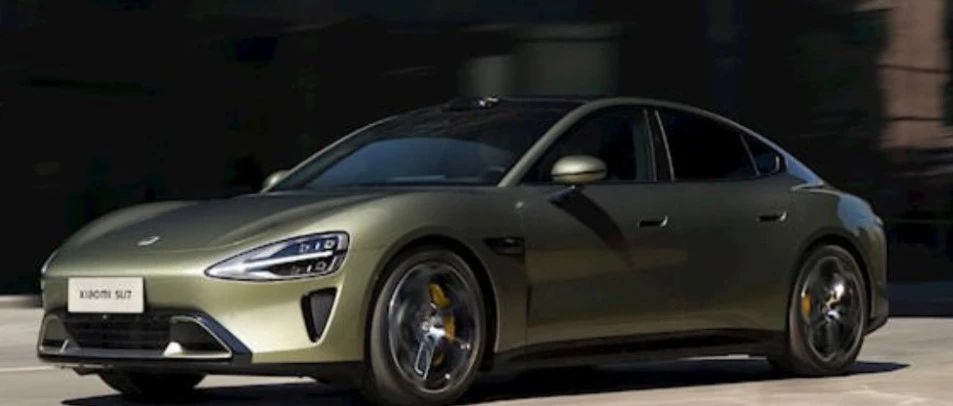
Core Viewpoint - Xiaomi has changed its vehicle ordering page terminology from "Intelligent Driving" to "Assisted Driving" in response to stricter regulatory policies and safety considerations [4][5][6]. Regulatory Changes - The Ministry of Industry and Information Technology (MIIT) held a meeting on April 16, announcing that terms like "Intelligent Driving" and "Autonomous Driving" cannot be used loosely, as they may lead to misunderstandings. Car manufacturers must adopt the terminology "Assisted Driving" or "Intelligent Driving Level + Assisted Driving" [6]. Safety and Responsibility - The previous use of "Intelligent Driving" led to consumer confusion with "Autonomous Driving," resulting in potential misuse. An incident involving the Xiaomi SU7 highlighted the risks associated with vague terminology. The name change aims to clarify functionality and reduce the risk of user errors [7]. - The China Association of Automobile Manufacturers issued a statement urging car manufacturers to adhere to the national standards for advertising and naming driving assistance features, emphasizing the importance of clear and responsible communication to prevent dangerous misuse [7]. Industry-Wide Impact - Xiaomi's renaming is part of a broader trend, with several other car manufacturers also adjusting their terminology. Tesla, BYD, Li Auto, Horizon Robotics, and XPeng have all modified their promotional language to align with the new regulatory standards [8]. - This wave of renaming represents a significant shift in the intelligent driving industry, emphasizing safety and accountability in advertising practices [8].

机器人产业跟踪系列2025第16期
2025-05-06 02:27
Summary of Key Points from the Conference Call Industry Overview - The conference call focuses on the robotics industry, particularly advancements in semiconductor technology, sensors, and humanoid robots, with notable companies including 瑞芯微 (Rockchip), 风华微电子 (Winhighway), 地平线 (Horizon Robotics), 和赛科技 (Hesai Technology), and 瑞可达 (Reekda) [1][2][3][4]. Core Insights and Arguments - **Semiconductor Sector Performance**: The first quarter saw significant growth in the SoC segment, driven by national subsidies and tariff impacts, with companies like 瑞芯微 and 风华微电子 gaining market share in automotive and white goods sectors. The G6 series of intelligent driving chips was launched, although concerns about high valuations remain [1][3][4]. - **Sensor Technology**: Laser radar and IMU are critical components in robotics. 和赛科技's introduction of low-cost laser radar has stimulated mass production of mobile robots, securing an order for 300,000 lawnmower robots, indicating strong market potential [1][5]. - **瑞可达's Performance**: The company exceeded expectations in Q1, with over 60% year-on-year revenue growth attributed to new products like high-voltage connectors and battery swap products. A projected profit of nearly 300 million yuan for the year is anticipated, with ongoing certification for copper connection products potentially boosting stock prices [1][11]. - **Advancements in Humanoid Robotics**: Technological progress in humanoid robots has reduced component costs, encouraging traditional companies like 杭叉集团 (Hangcha Group) to enter the market, enhancing the operational capabilities of AGV vehicles [1][15]. - **Exoskeleton Technology**: The market acceptance of exoskeleton technology is growing, with 成天科技's low-cost consumer-grade exoskeleton robots selling out quickly, indicating strong demand and potential for structural market changes [1][22]. Additional Important Insights - **Chip Companies**: Companies like 地平线 are focusing on high-performance intelligent driving chips and have spun off a division dedicated to robotics, indicating a strategic shift towards integrated hardware and software solutions [6][4]. - **Market Dynamics**: The robotics sector is experiencing a shift with the introduction of new products and technologies, which may lead to a revaluation of related companies as supply chains become clearer [29][30]. - **Investment Opportunities**: There is a growing interest in low-valuation companies entering the robotics space, with potential for significant growth as the industry matures and technology costs decrease [14][19]. - **Impact of Major Players**: Companies like 特斯拉 (Tesla) and 小鹏 (Xpeng) are influencing the robotics industry through their innovations and market strategies, which could accelerate the development of the entire supply chain [12]. - **PEEK Material Applications**: The application of PEEK materials in collaborative robots is gaining traction, with ongoing developments aimed at addressing challenges related to heat dissipation and structural integrity [13][27]. This summary encapsulates the key points discussed in the conference call, highlighting the advancements and challenges within the robotics industry, as well as the performance and strategies of key companies involved.

在上海车展找到汽车新消费的密钥
Zhong Guo Qi Che Bao Wang· 2025-05-06 02:26
Group 1 - The 2025 Shanghai International Automobile Exhibition reflects the hot automotive consumption in China, showcasing new technologies and products while highlighting new consumer characteristics such as a shift from "price wars" to "technology wars" [2] - McKinsey's report indicates that consumers are increasingly favoring hybrid and range-extended vehicles due to their convenience and ability to alleviate range anxiety, marking a significant trend in automotive consumption [7][9] - The exhibition emphasizes the importance of "scene-based" applications in creating differentiated products, driven by the rising wave of "technology equality" among consumers [5][11] Group 2 - The theme of the exhibition is centered around intelligent driving, with numerous brands showcasing advanced autonomous driving systems, including BYD's "Heavenly Eye" and NIO's third-generation NAD system [3][4] - Major automotive brands like Volkswagen and Mercedes-Benz presented their latest intelligent connected vehicles, with Volkswagen showcasing over 50 models, including 7 global debuts [3] - The collaboration between Huawei and automakers, such as the launch of the "SAIC尚界" brand, highlights the integration of technology and automotive sectors, aiming for significant market impact [18] Group 3 - The exhibition features a variety of new energy vehicles, with companies like Buick and Chery presenting plug-in hybrid models that combine electric and fuel efficiency [7][12] - Innovations in charging technology were prominent, with BYD's "Megawatt Flash Charge" and Huawei's 1.5MW solution demonstrating significant advancements in charging speed and efficiency [14][15] - The introduction of hydrogen fuel cell vehicles by various manufacturers indicates a growing interest in alternative energy solutions for long-distance travel [15] Group 4 - The event showcased a diverse range of products catering to various consumer needs, from family-oriented vehicles to high-performance luxury cars, reflecting the industry's response to evolving consumer preferences [11][12] - The presence of numerous technology companies at the exhibition underscores the critical role of tech in the automotive ecosystem, with firms like Bosch and Intel highlighting their contributions to automotive intelligence [17][19] - The collaboration between automotive manufacturers and tech companies is seen as a key strategy to meet rapidly changing consumer demands and to lead the automotive market [19]



2025上海车展总结
Soochow Securities· 2025-05-05 14:31
Investment Rating - The report does not explicitly provide an investment rating for the automotive industry Core Insights - The 2025 Shanghai Auto Show highlighted robots as the main attraction, with a focus on smart technology and globalization as strategic priorities, while electrification has reached maturity [2] - The competition in the large six-seat SUV segment is intensifying, with many new models launched, but some popular models were absent from the show [3] - The report emphasizes the increasing homogeneity of new electric vehicles, indicating a highly competitive market landscape [5] Summary by Sections Vehicle Launch Summary - Numerous flagship SUV models were showcased, including Zeekr 9X, BYD Dynasty-D, and GAC Trumpchi S9, focusing on comfort, multi-screen intelligence, and advanced driver assistance [3][10] - Key new models include the P7+ from Xiaopeng, which features a 5C supercharging battery and AI chassis, priced between 186,800 to 208,800 yuan [23][25] - The report notes that several significant models, such as Xiaomi YU7 and Li Auto i8, did not appear at the show, limiting new vehicle information [3][10] Intelligent Component Launch Summary - Third-party autonomous driving suppliers are actively launching new solutions, with Huawei announcing the commercialization of L3 scenarios and new technology routes [5][6] - The report highlights the emergence of various players in the domain controller and chassis sectors, with collaborations among major Tier 1 suppliers [6] - The report mentions the introduction of new intelligent driving solutions tailored to different automaker needs, indicating a growing ecosystem of partnerships [6] Company-Specific Highlights - **Huawei**: Launched the ADS 4.0 system with significant upgrades, including a new architecture and enhanced safety features [20][21] - **Xiaopeng**: Achieved strong global market performance with a Q1 delivery of 94,000 units, leading among new force brands [23] - **Li Auto**: Introduced the L6 with significant upgrades in appearance and intelligent driving capabilities [31] - **NIO**: Emphasized the importance of smart driving chips and operating systems in enhancing user experience and safety [32] - **BYD**: Showcased new concept cars and advanced technologies, including the cloud-riding system [38][42] - **Great Wall**: Focused on global expansion and technological advancements in smart driving systems [43][45] - **Changan**: Committed to advancing electric and intelligent technologies while expanding globally [46][47] - **Geely**: Integrated battery businesses and launched the Zeekr 9X with advanced intelligent driving features [50][51] - **SAIC**: Implemented a "Glocal" strategy to enhance its global presence while maintaining local relevance [54][56] - **GAC**: Introduced the first mass-produced L4 autonomous vehicle, showcasing advanced sensor technology [61][67]



营收大增83.2%,新增战略资本6.55亿,特斯联冲刺港股IPO已箭在弦上
Bei Jing Shang Bao· 2025-05-05 13:00
Core Viewpoint - The company Teslin has shown significant growth in revenue and customer base from 2022 to 2024, with a focus on AIoT technology and space intelligence, indicating a strong potential for investment opportunities in the AIoT sector [1][3]. Financial Performance - In 2024, Teslin's revenue is projected to reach 1.843 billion yuan, representing an 83.2% year-on-year increase, with a compound annual growth rate (CAGR) of 58% from 2022 to 2024 [1]. - The revenue from the AI industry digitalization business is expected to reach 1.64 billion yuan in 2024, showing a remarkable growth of 162.9% [1]. - The company has a total order amount of 2.3 billion yuan and a customer base of 342 [1]. - The expense ratio (sales, management, and R&D expenses) decreased from 76.9% in 2023 to 45.0% in 2024, indicating improved cost efficiency [1]. - Accounts receivable turnover days have significantly reduced from 238 days in 2022 to 104 days in 2024, reflecting enhanced capital efficiency [1]. Competitive Position - Compared to other AI companies with revenues exceeding 1 billion yuan, Teslin stands out as one of the fastest-growing companies in the AI sector, with competitors like SenseTime and Horizon showing lower growth rates [2]. - The company is positioned well within the booming Hong Kong stock market, with 33 companies having completed their listings in 2024, indicating a favorable environment for IPOs [2]. Business Strategy and Innovation - Teslin focuses on three strategic directions: AIoT domain models, AIoT infrastructure, and AIoT intelligent agents, which are essential for its space intelligence solutions [3]. - The company has a strong R&D team, with 46.9% of its employees dedicated to research and over 1,700 patents held [3]. - The newly upgraded green intelligent computing body supports various domestic chips and is designed to enhance the cost advantages of domestic intelligent computing devices in the global supply chain [4].
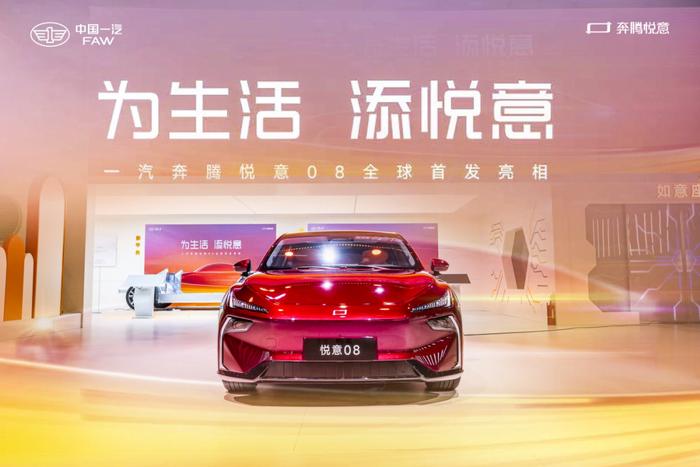
一汽奔腾再引战投,迎战新能源下半场智电竞争
2 1 Shi Ji Jing Ji Bao Dao· 2025-05-02 00:44
Core Viewpoint - The recent announcement by FAW Bestune to initiate a new round of capital increase and strategic investment reflects the company's commitment to deepening reforms and accelerating its transition towards electrification and intelligence in the competitive landscape of the new energy vehicle industry [1][8]. Group 1: Strategic Investment and Market Positioning - FAW Bestune's strategic investment aims to integrate resources from various sectors, including local investment entities and partners within the automotive supply chain, to enhance its capabilities in technology development, supply chain optimization, and market expansion [1]. - The company has successfully transitioned to a shareholding system with the support of China FAW, improving its governance structure and operational efficiency [3]. - The introduction of strategic investors like Yueda Group has facilitated the infusion of market resources and external mechanisms, positioning FAW Bestune as a model for state-owned enterprise transformation [3]. Group 2: Technological Advancements and Product Development - Over the past three years, FAW Bestune has invested nearly 10 billion yuan to develop a comprehensive new energy vehicle technology framework, including platforms, battery systems, and intelligent driving technologies [3]. - The company has established a product matrix covering A0 to B-class vehicles, with models like the electric SUV Bestune Yuyi 03 and hybrid model Yuyi 07 targeting different market segments [5]. - The successful launch of the "lifetime warranty" service for vehicles and battery systems has enhanced consumer trust and contributed to a significant increase in sales [6]. Group 3: Market Performance and Future Outlook - In Q1 2024, FAW Bestune achieved sales of 38,939 vehicles, a year-on-year increase of 47.4%, with new energy vehicle sales reaching 28,441 units, accounting for 73% of total sales [6]. - The company plans to launch six new models over the next two years, aiming to cover a broader range of market segments and respond to the evolving demands of consumers [8]. - The strategic investment is seen as a means to build a resource-sharing platform that addresses systemic challenges in the industry, ensuring sustainable growth and competitiveness [8].