OPPO

Search documents
手机厂商集体卷起「晕车模式」:苹果是鼻祖,却被小米们玩出了花
3 6 Ke· 2025-12-09 10:23
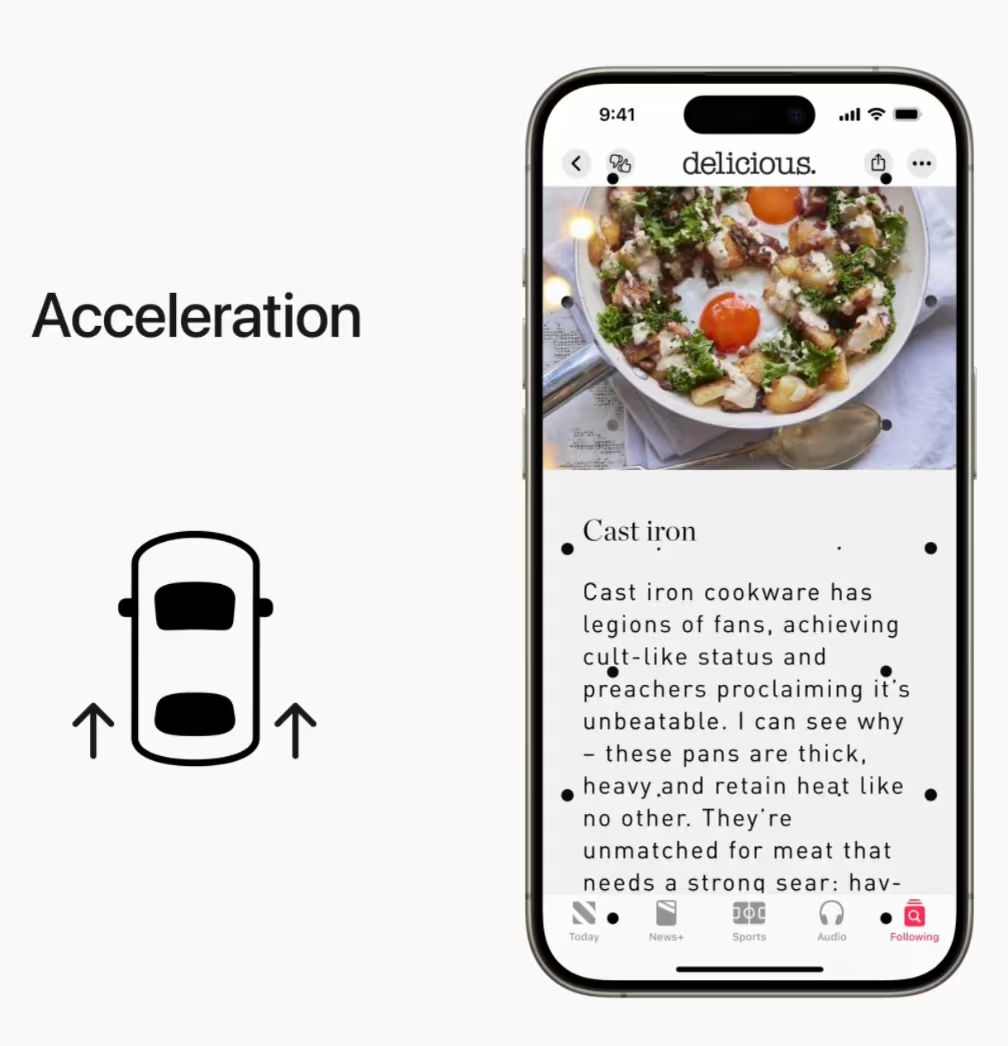
Core Viewpoint - The introduction of "motion sickness mode" by smartphone manufacturers aims to alleviate discomfort for users who experience motion sickness while using their devices in vehicles, with various brands implementing similar features to enhance user experience [2][15]. Group 1: Motion Sickness Mode Overview - Motion sickness mode was first popularized by Apple, which introduced "vehicle motion alerts" in iOS 18, using dynamic visual cues to help users align their visual and vestibular signals [2][4]. - Android manufacturers have followed suit, with brands like Honor, Vivo, OPPO, and Xiaomi offering their versions of motion sickness modes, all featuring dynamic visual indicators that respond to vehicle movement [4][10]. - The functionality relies on sensors within the devices to detect when a user is in a moving vehicle, adjusting the display accordingly to reduce the sensation of motion sickness [5][8]. Group 2: Technical Mechanism - The process of motion sickness mode can be categorized into three steps: perception, judgment, and presentation [5][9]. - The perception step involves the device's sensors detecting movement and determining if the user is in a vehicle, while the judgment step processes this data to create visual indicators that correspond to the vehicle's motion [8][9]. - The presentation step varies by manufacturer, with different visual strategies employed to ensure the indicators are effective without overwhelming the user [9][10]. Group 3: Differentiation Among Manufacturers - Xiaomi stands out by integrating motion sickness alleviation features into both its smartphones and electric vehicles, creating a comprehensive user experience [10][11]. - Other manufacturers focus primarily on smartphone features, with varying degrees of aggressiveness in their motion sickness mode implementations, affecting user experience and comfort levels [11][12]. - The differences in approach highlight a trend where manufacturers are increasingly prioritizing user comfort and experience over mere technical specifications [15][17]. Group 4: Market Implications - The emergence of motion sickness mode reflects a broader shift in the smartphone industry towards addressing previously overlooked user pain points, indicating a competitive landscape focused on enhancing user experience [15][17]. - As manufacturers continue to innovate in this area, motion sickness mode may become a significant factor in consumer decision-making when selecting devices and vehicles [17].



视频编解码领域标准必要专利及标准提案研究报告
中国信通院· 2025-12-09 08:32
Investment Rating - The report does not explicitly provide an investment rating for the industry Core Insights - The video codec technology is crucial for processing massive video data, driving the development of the digital visual industry [6] - The evolution of video codec standards is closely tied to patent management, influencing both the efficiency of technology dissemination and the healthy development of the industry ecosystem [6][7] - The report analyzes the global landscape of standard-essential patents (SEPs) and standard proposals in the video codec field, focusing on H.264/AVC, H.265/HEVC, and H.266/VVC standards [8] Summary by Sections Video Codec Standardization and Industry Development - The market has formed a diversified video codec standard ecosystem influenced by technological evolution, commercial competition, and geopolitical factors [16] - The three main standard camps are H.26x/MPEG-x, AVS, and AVx, each playing a significant role in the global video codec market [27] Video Codec Industry Application - Video codec technology impacts various sectors, including streaming services, video conferencing, digital TV broadcasting, and video surveillance [28] - H.26x/MPEG-x standards are widely used across all application scenarios, while AVS standards are primarily applied in China, and AVx standards are gaining traction in the streaming domain [35] Standard-Essential Patent Utilization - The video codec field has two main patent pool management organizations: Via Licensing Alliance and Access Advance, managing SEPs for H.264/AVC and H.265/HEVC standards [37] - The report highlights the increasing frequency of SEP licensing disputes, which are expanding beyond traditional device manufacturers to include content providers [49]
高盛:AI与消费终端加速整合
Guo Ji Jin Rong Bao· 2025-12-09 08:13
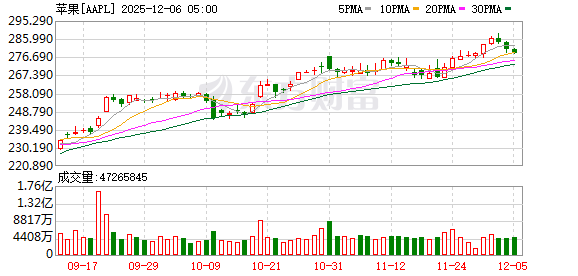
Core Insights - Goldman Sachs highlights that while Apple has not made significant progress in Apple Intelligence, major Chinese smartphone brands have integrated OS-native AI assistants powered by self-developed LLMs and/or third-party LLMs [1] Group 1: ByteDance's Doubao - The newly released Doubao smartphone assistant has achieved system-level integration through collaboration with smartphone OEC manufacturers, reflecting ByteDance's intention to expand into mobile internet infrastructure and the smartphone ecosystem [1] - Doubao's recent input method product further emphasizes this strategic direction [1] Group 2: Xiaomi's AI Strategy - Xiaomi's substantial investment in GUI has positioned its AI assistant, Super Xiao Ai, among the top three OS-native AI assistants in China, alongside OPPO and Huawei [1] - The penetration rate of Super Xiao Ai among Xiaomi smartphone monthly active users (MAU) is reported to be 71% [1] Group 3: Jumpshare's Developments - Jumpshare has recently open-sourced its GUI intelligent agent, Gelab, which can be deployed locally and has achieved state-of-the-art (SOTA) performance in several benchmark tests [1] - The company has previously collaborated with ZTE to develop a smartphone assistant aimed at elderly users and has engaged in AI smartphone feature partnerships with domestic manufacturers such as Honor and OPPO [1]
搅局者来了!智谱重磅开源AutoGLM,让“豆包手机”人人可造!官方:AI手机不该掌握在少数厂商手中
AI前线· 2025-12-09 06:26
作者 | 木子、高允毅 2023 年 4 月,在很多人刚听说"大模型"这个词的时候, 智谱团队 开始研究一个听上去不太现实的目标: 让 AI 真正学会"使用手机" ,也就是像真人一样,对智能手机等设备具有使用能力。 32 个月后,智谱把阶段性 重要成果、核心 AI Agent 模型:AutoGLM 给 完整开源 了出来,并放话:"每台手机,都可以成为 AI 手机。" 目前,AutoGLM 已支持上百个主流 APP,包括以下这些: 另外,AutoGLM 还能同时在上千台云端虚拟手机里"练功",通过强化学习等极大地扩展了 Agent 的准确性和泛化能力。而且它被严格关在虚拟设备的安 全沙箱里,既能自由试错,又不会碰到用户真实手机上的隐私数据。 智谱今天开源的是一整套可以"拿来就用"的能力,具体包括: 模型会以 MIT 开源许可证 的形式开放,而所有代码会以 Apache-2.0 开源许可证 的形式,托管在 GitHub 仓库中:github.com/zai-org/Open- AutoGLM。 为什么选择开源? "从产品的角度,AutoGLM 已经可以支撑起很多真实场景;从工程的角度,AutoGLM 的积累足够写 ...

掀桌!豆包被“围攻”后,智谱把手机Agent开源,让人人皆可打造AI手机
Hua Er Jie Jian Wen· 2025-12-09 03:42
Core Viewpoint - The open-sourcing of AutoGLM by Zhipu AI marks a significant shift in the mobile industry, enabling the creation of AI agents that can operate smartphones similarly to human users, thus democratizing access to advanced AI technology [4][9][19]. Group 1: Open-Sourcing of AutoGLM - Zhipu AI has officially open-sourced its core AI Agent model, AutoGLM, which has been in development for 32 months and possesses the capability to operate mobile devices [1][4]. - The open-sourcing is seen as a "table-turning" move, allowing hardware manufacturers and developers to create personalized AI assistants that can interact with various applications [4][9]. - AutoGLM supports over 50 high-frequency Chinese applications, enabling automated operations similar to the recently launched "Doubao phone" [4][8]. Group 2: Industry Context and Reactions - The announcement comes after the launch of the "Doubao phone" by ByteDance and Nubia, which caused significant disruption in the tech industry and prompted major companies to implement defensive measures against its capabilities [6][8]. - The "Doubao phone" was able to perform complex tasks across applications, leading to a swift market response and concerns over privacy and data control from major internet companies [8][9]. Group 3: Technical Innovations - AutoGLM's development involved creating a framework that allows AI to understand and interact with mobile interfaces, marking a significant evolution from previous systems [12][15]. - The model utilizes Android Debug Bridge (ADB) commands combined with visual models to perform human-like operations, making it difficult for app developers to implement effective defenses [15][18]. - Zhipu AI has addressed privacy concerns by allowing data to remain on the user's device, thus countering arguments from major companies about potential data breaches [18]. Group 4: Implications for the Mobile Industry - The open-sourcing of AutoGLM is expected to reshape the mobile industry, similar to how autonomous driving has transformed the automotive sector, providing a new competitive edge for hardware manufacturers [20]. - Major internet companies face challenges as users can bypass traditional app interfaces, potentially disrupting their established flow of traffic and revenue [23]. - Individual developers are empowered to create specialized AI agents, leading to a more diverse ecosystem of applications and services [24]. Group 5: Conclusion - The open-sourcing of AutoGLM signifies a fundamental shift in user and developer control over mobile technology, indicating the decline of closed ecosystems and the rise of a new era in intelligent mobile interactions [28].
段永平:虽然看不懂泡泡玛特,但王宁是真的花了功夫的
Xin Lang Cai Jing· 2025-12-09 02:52
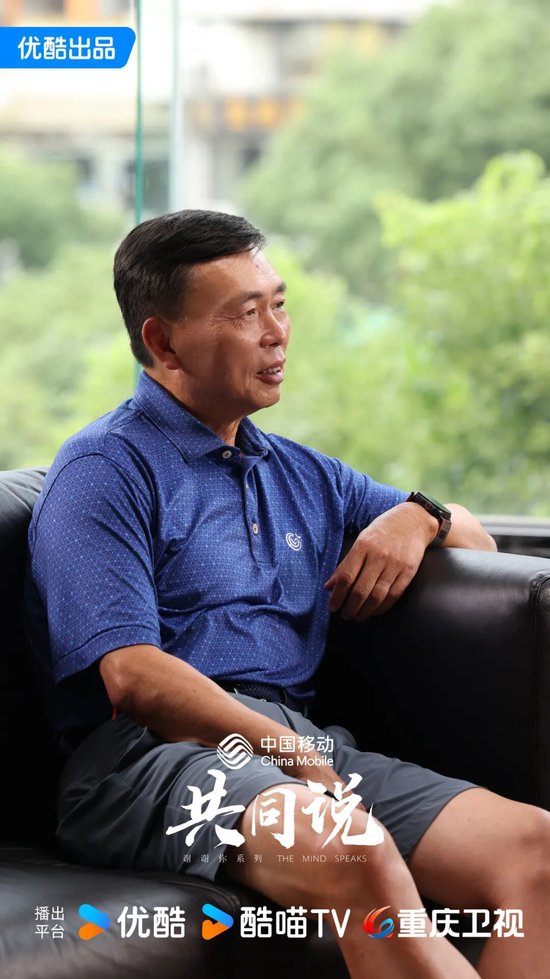
Core Insights - The conversation features a rare appearance by investor Duan Yongping, who discusses his "benfen" philosophy that underpins his business and investment practices, emphasizing the importance of understanding business fundamentals [1][2][66] - Duan Yongping shares insights on investment, corporate culture, and education, highlighting the significance of long-term thinking and rationality in both business and personal life [2][67] Investment Logic - Duan emphasizes that understanding the business is crucial for successful investment, citing his experience with Vanke and the importance of recognizing true value in financial data [11][12] - He mentions that he bought shares in Moutai and believes in its long-term potential, suggesting that understanding consumer preferences is key to investment decisions [12][13] Corporate Culture and Succession - The success of companies like OPPO and Vivo is attributed to a hiring principle that prioritizes cultural fit over individual capability, indicating a systematic approach to building a cohesive team [2][66] - Duan discusses the importance of a user-oriented corporate culture that focuses on doing the right things over merely chasing profits, which he believes is essential for long-term sustainability [17][18] Marketing Philosophy - Duan outlines a straightforward marketing principle: there should be no lies in communication, and messages should be conveyed to users with maximum efficiency [2][66] - He shares his experience with advertising, emphasizing the need for authenticity and the careful crafting of messages to resonate with consumers [35][36] Educational Insights - Duan provides a perspective on parenting, advocating for unconditional love and setting boundaries to foster a sense of security in children, which he believes can break generational cycles of behavior [2][67] - He argues against physical punishment, suggesting that it does not build resilience but rather creates insecurity, and emphasizes the importance of guiding children with understanding [50][51] Long-term Mindset - Duan defines "平常心" (ordinary mind) as rationality and long-term thinking, asserting that maintaining a long-term perspective helps in overcoming external distractions [2][67] - He believes that a long-term approach is essential for both business success and personal fulfillment, creating a logical framework that connects various aspects of life [64]

称霸非洲市场的“隐形王者”:估值790亿,冲刺港股 IPO
Sou Hu Cai Jing· 2025-12-09 00:18
Core Viewpoint - Transsion Holdings, known as the "King of African Mobile Phones," has submitted an IPO application to the Hong Kong Stock Exchange amid performance fluctuations and the need for new growth avenues, following its 2019 listing on the STAR Market in China [2] Financial Performance - In the first half of 2025, mobile revenue is expected to decline by 18.4% year-on-year to 26.093 billion yuan, with a gross margin dropping to 19.0% [2] - Revenue for the first three quarters decreased by 3.33% to 49.543 billion yuan, while net profit attributable to shareholders plummeted by 44.97% [2] - Despite a 22.6% year-on-year revenue surge in the third quarter, net profit still fell by 11.06% [2] - As of December 8, 2023, Transsion's A-share market capitalization is approximately 80 billion yuan [2] Market Position and Competition - Transsion's mobile phone shipments are projected to reach 201 million units in 2024, marking a historical high, with a global market share ranking third for five consecutive years [5] - In the African market, Transsion holds a 51% market share as of the third quarter of 2025, but its growth rate has slowed to 25% compared to competitors like Xiaomi and Honor, which have seen growth rates of 34% and 158%, respectively [6] - The competitive landscape in Africa has intensified, with rivals moving into the mid-range market segment, diminishing Transsion's previous advantages [6] Strategic Initiatives - Transsion is pursuing a dual listing to enhance its capital operations and expand into Southeast Asia and the "Belt and Road" markets [7] - The company is diversifying its business into energy storage, new energy vehicles, and smart home appliances, with significant R&D investments of 2.139 billion yuan in the first three quarters of 2025, a 17.26% increase [7] - The company aims to establish a dual-brand strategy in the energy storage sector and has launched personal and commercial electric vehicle brands [7] Transition Challenges - The mobile business still accounts for over 90% of revenue, and new business lines have yet to achieve scale [8] - Short-term efficiency improvements in the mobile segment through AI are unlikely, and the transition to new business areas will take time [8] - The upcoming IPO is seen as a means to raise funds and signal confidence in the company's transformation efforts [8]

iPhone Air,要凉?
3 6 Ke· 2025-12-08 23:27
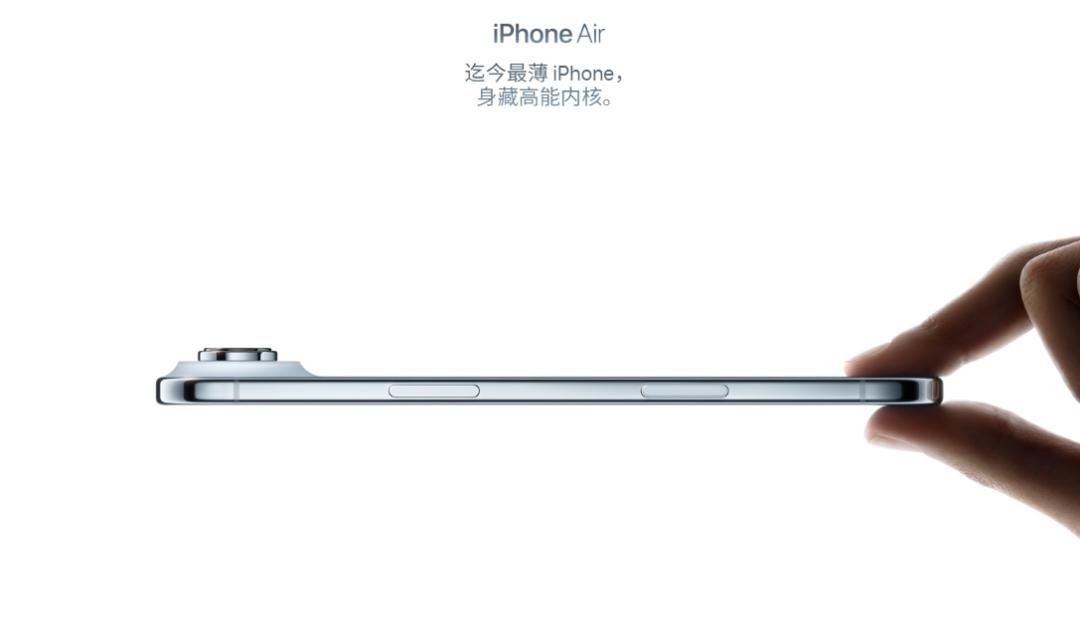
Core Viewpoint - The iPhone Air, despite being marketed as the "thinnest iPhone" at 5.6mm thick and weighing 165g, has underperformed in the market since its launch on October 22, 2025, leading to the dismantling of several production lines by Apple suppliers [1][3]. Market Performance - The iPhone Air has not met sales expectations, with reports indicating that Apple suppliers have removed multiple production lines dedicated to this model [3][8]. - In contrast, the iPhone 17 series has performed exceptionally well, dominating sales rankings during the recent "Double 11" shopping festival, while the iPhone Air was notably absent from the top lists [3][6]. Consumer Preferences - The iPhone Air caters to a niche market that values lightweight design, but this demographic is not representative of the broader consumer base, which prioritizes features such as performance and battery life over thinness [3][6]. - The device's specifications, including a 3149mAh battery and single-camera setup, have been perceived as compromises, leading consumers to view the iPhone Air as a "downgraded" option compared to other flagship models [4][6]. Pricing and Competition - Priced at 7999 yuan, the iPhone Air is more expensive than many Android flagship models, yet offers less storage capacity than the iPhone 17, which is available at the same price point [7][8]. - The high-end smartphone segment has seen significant growth, with models priced above 6000 yuan accounting for 50% of sales, indicating that consumers are willing to pay for premium features rather than just a lightweight design [7][8]. Industry Response - The lack of consumer interest in lightweight models has prompted both Apple and Android manufacturers to reconsider their strategies, with reports of Android brands like Xiaomi, OPPO, and vivo canceling their lightweight projects [8][9]. - Analysts suggest that while there is a demand for thinner devices, it is not a primary concern compared to performance and battery life, leading to a reevaluation of the lightweight smartphone market [8][9]. Future Outlook - The iPhone Air may not be positioned for annual updates, indicating that Apple might not prioritize this model for mass production, but rather use it as a testbed for future innovations, such as foldable devices [9][10]. - The overall trend in the smartphone industry suggests that while lightweight designs are appealing, the focus will likely shift back to performance and advanced features, including AI capabilities, in future product developments [17][18].
反手下单!段永平试驾特斯拉后直呼真香,对马斯克的态度彻底反转
Sou Hu Cai Jing· 2025-12-08 12:37
12 月 8 日消息,谁能想到,之前把马斯克批得品行不行的段永平,如今居然成了特斯拉的自来水? 小雷在上个月专门写过一篇关于段永平捐赠 2.2 亿元支持北京师范大学建设的文章,对他也算有一些了解。 他可不是普通投资人,早年是步步高的前 CEO,一手把小霸王和步步高带火,后来还拆分出了 OPPO、vivo 这些咱们耳熟能详的品牌。在投资圈里他更是 被称为"中国巴菲特",他的一句话都能让不少人跟着琢磨。 图源:微博 就在最近,这位大佬在雪球上发了条动态,说自己新买了辆特斯拉 Model Y,试驾的时候彻底被自动驾驶圈粉了,直夸"确实很好"。更有意思的是,他开车 看手机、发短信时,被车辆系统两次强制接管,直接开到路边停着了。还兴奋发了句"Okay, Tsla, I'm back!"(特斯拉,我回来了)。 而试驾前几天,他刚因为看了马斯克的演讲突然明白电动车的能源优势,没过多久就官宣买了特斯拉的股票,这次试驾更像是对产品的一次验证。 这波180度大反转,小雷是真没料到。要知道他之前对马斯克的品行是很有意见的,甚至直言不愿跟对方做投资朋友。 图源:微博 就在上个月的采访里,段永平还说马斯克有本事但品行不合自己预期,投资 ...


iPhone 17 Pro系列官宣降价!
Mei Ri Jing Ji Xin Wen· 2025-12-08 09:56
Core Viewpoint - Apple is actively engaging in promotional activities and store openings in China, while facing increasing competition from domestic brands and internal management changes [2][6][7]. Group 1: Store Openings and Promotions - Apple opened its 6th store in Beijing on December 6, marking the 59th store in Greater China, with significant customer turnout [2]. - On December 8, Apple launched year-end discounts on its official e-commerce platform, reducing prices of iPhone 17 Pro and iPhone 17 Pro Max by 300 yuan, with starting prices of 8699 yuan and 9699 yuan respectively [2]. Group 2: Sales Performance and Market Position - The iPhone 17 series has seen a 12% year-on-year increase in actual shipments in October, achieving a market share of 24.2%, the highest for a single month [6]. - Analysts predict that Apple may surpass Samsung in global smartphone shipments by 2025, marking its first time at the top since 2011 [6]. Group 3: Product Strategy - The iPhone 17 series maintains its starting price while offering significant upgrades, such as a 48-megapixel camera and a new processor, effectively being termed as "implicit price reduction" [6]. Group 4: Competitive Landscape - Apple faces intensified competition from Huawei and other domestic brands, particularly in the high-end market, as these brands enhance their offerings with AI capabilities [7]. - The rise of "AI smartphones" is becoming a focal point in the industry, with domestic brands leading in AI integration, while Apple has yet to launch its AI features in the domestic market [7]. Group 5: Management Changes - Apple is experiencing significant management turnover, with recent announcements of multiple executive departures, raising concerns about its future direction [7][8]. - Speculation about CEO Tim Cook's potential departure has surfaced, although he is expected to remain in his position until at least 2028 [8]. Group 6: Financial Performance - In the third fiscal quarter of 2025, Apple reported total revenue of $94.04 billion, a 10% increase year-on-year, with iPhone revenue reaching $44.58 billion, up 13% [9]. - The services segment continues to be a strong performer, with revenue of $27.42 billion, reflecting a 13% growth and a gross margin of 75.6% [9]. Group 7: Stock Performance - Prior to August, Apple's stock had dropped approximately 15% due to concerns over its slow AI advancements, but has since rebounded, with a year-to-date increase of over 11% as of December 5 [10][11].