
上美股份

Search documents
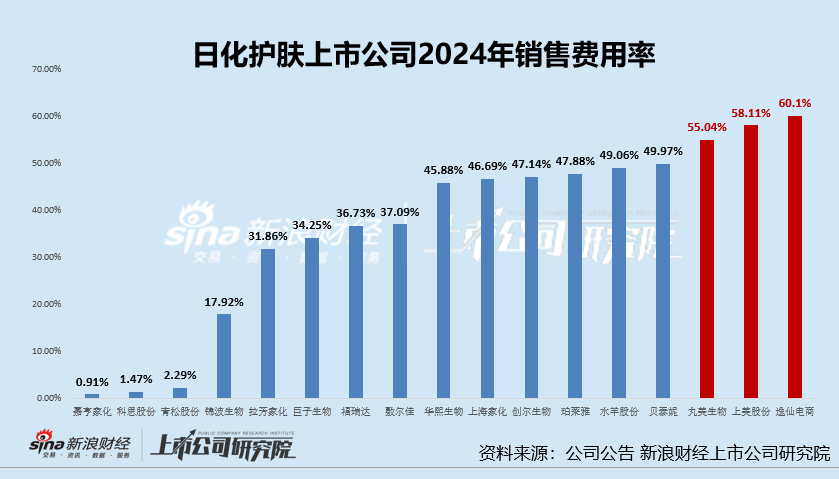
日化护肤年报|巨额营销侵吞利润:逸仙电商销售费用率60%登顶 丸美生物、上美股份超5成收入用于营销
Xin Lang Zheng Quan· 2025-05-16 07:50
Group 1 - The core viewpoint is that the high sales expenses in the daily chemical skincare industry significantly erode profits, leading to high gross margins but low net margins [1][3] - In 2024, over half of the selected companies in the daily chemical skincare industry have a sales expense ratio exceeding 40%, indicating that they allocate more than 40% of their revenue to marketing [1] - Yatsen E-commerce has the highest sales expense ratio at 60.1%, followed by Shangmei Co. and Marubi Biotechnology with ratios of 58.11% and 55.04% respectively [1] Group 2 - Many listed companies in the daily chemical skincare industry invest heavily in marketing while underinvesting in research and development, leading to severe product homogeneity and insufficient innovation [3] - The heavy reliance on marketing has resulted in a price war within the industry, which diminishes profitability and creates a vicious cycle [3] - Companies like Betaini have become overly dependent on a single brand, with over 90% of their main business revenue coming from the "Winona" brand, which has seen a sales decline of 5.45% in 2024 [3] Group 3 - The challenge for many companies in the daily chemical skincare industry in 2025 will be to balance marketing and research and development expenditures, transitioning from a marketing-driven approach to a product-driven one [4]



日化护肤年报|逸仙电商连亏五年亏超65亿 上海家化营收、归母净利润增速双垫底
Xin Lang Zheng Quan· 2025-05-16 07:37
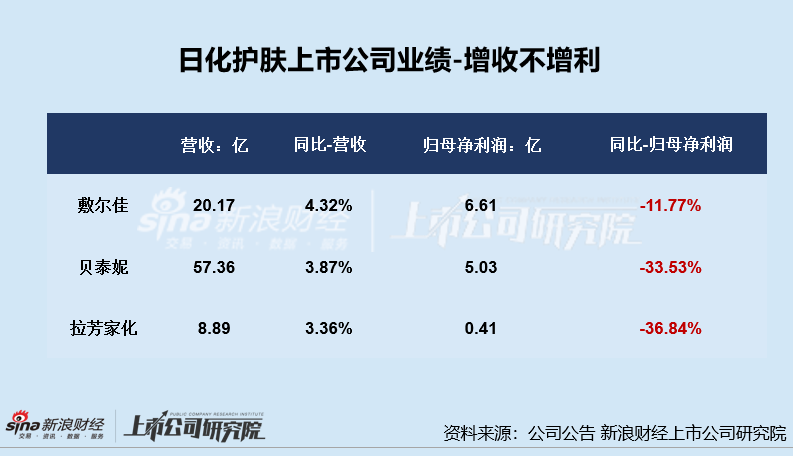
Core Insights - The performance of the daily chemical skincare industry in 2024 is generally pessimistic, with only 6 out of 17 selected companies achieving both revenue and net profit growth [1][2][4] - Notably, 4 companies reported losses, including Yatsen E-commerce, Jiaheng Cosmetics, Furuida, and Shanghai Jahwa, with Yatsen E-commerce experiencing continuous losses since its IPO in 2020, totaling over 6.5 billion yuan in losses [1][2][4] Revenue and Profit Analysis - Among the 17 companies analyzed, 6 companies reported a decline in both revenue and net profit, including Qingsong Co., Kesi Co., Shuiyang Co., Furuida, and Huaxi Biological [4][5] - The companies with revenue and net profit growth include Jinbo Biological (revenue up 84.92%, net profit up 144.27%), Shangmei Co. (revenue up 62.1%), and Juzi Biological (revenue up 57.2%) [2][7][9] - Companies with revenue but no profit growth include Lafang Co. (revenue 889 million yuan, net profit down 36.84%), Beitaini (revenue 5.736 billion yuan, net profit down 33.53%), and Fulejia (revenue 2.017 billion yuan, net profit down 11.77%) [2][4] Losses Overview - Yatsen E-commerce reported total revenue of 3.393 billion yuan, a slight decline of 0.63%, with a net profit loss of 710 million yuan [5][6] - Shanghai Jahwa's revenue was 5.679 billion yuan, down 13.93%, with a net profit loss of 833 million yuan, marking a significant decline of 266.6% [5][6] - Jiaheng Cosmetics reported revenue of 923 million yuan, down 9.13%, with a net profit loss of 24 million yuan, a decline of 159% [5][6] Performance Rankings - The top three companies in revenue growth are Jinbo Biological, Shangmei Co., and Juzi Biological, with growth rates of 84.92%, 62.1%, and 57.2% respectively [7] - The bottom three in revenue growth are Shanghai Jahwa, Furuida, and Jiaheng Cosmetics, with declines of 13.93%, 13.02%, and 9.13% respectively [7] - In terms of net profit growth, the top three are Jinbo E-commerce, Shangmei Co., and Juzi Biological, with growth rates of 144.27%, 74%, and 42.4% respectively [9]

618首战,珀莱雅可复美们力压国际大牌
3 6 Ke· 2025-05-15 01:07
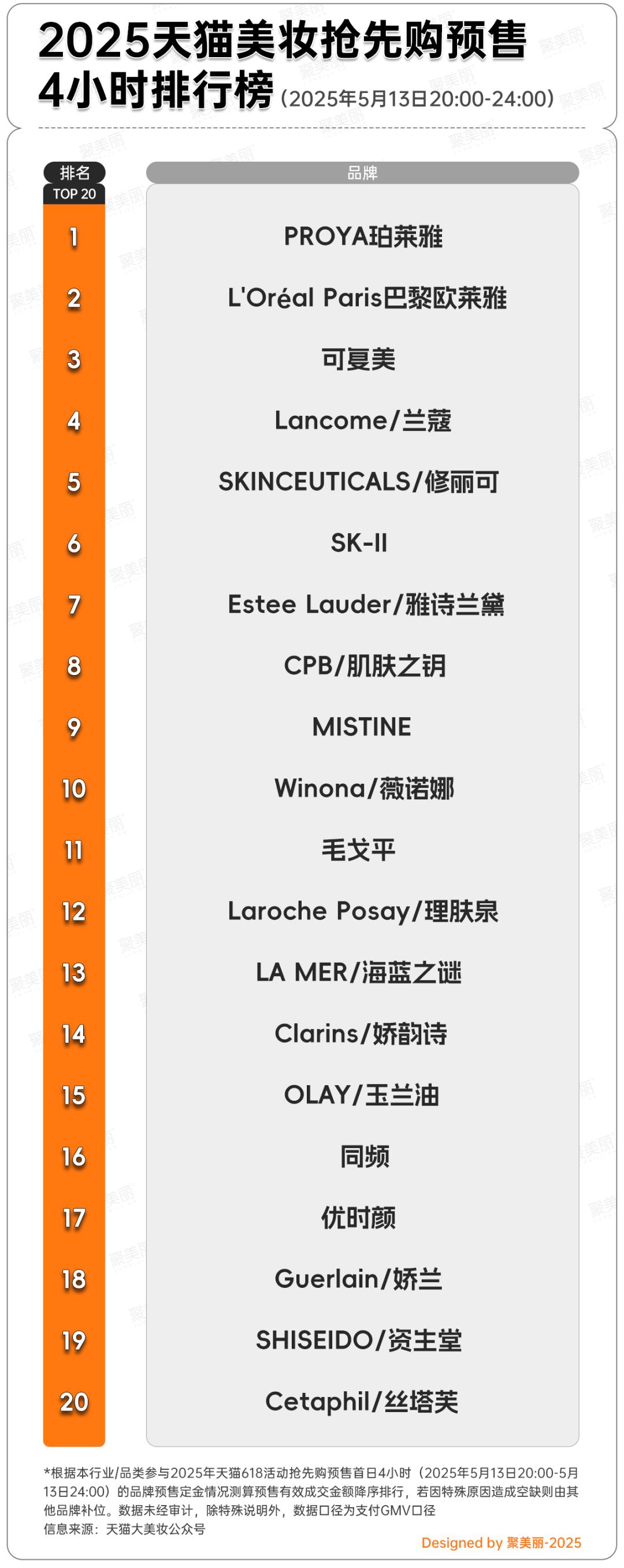
Group 1 - The core viewpoint of the articles highlights the strong performance of domestic beauty brands, particularly Proya and Kefu Mei, during the Tmall pre-sale event and Li Jiaqi's live streaming session, indicating a shift in consumer preference towards local brands [1][4][5] - Proya and Kefu Mei ranked first and third respectively in the Tmall beauty pre-sale rankings, with Proya's Double Anti-Aging Essence being a top seller in Li Jiaqi's live stream [1][5][12] - The live streaming event saw significant sales, with Kefu Mei's collagen stick selling nearly 250,000 units and Proya's Double Anti-Aging Essence exceeding 100,000 units sold within the first hour [5][12][16] Group 2 - The collaboration between domestic beauty brands and Li Jiaqi has intensified, with at least 12 domestic beauty companies participating in the 618 event, resulting in a total of 87 product links [5][8] - International beauty brands still dominate the overall market, holding 70% of the Tmall pre-sale rankings, but they face challenges in maintaining growth in China [1][17] - The promotional strategies employed by both domestic and international brands include significant discounts and bundled offers, with domestic brands generally offering greater discounts compared to their international counterparts [25][27]

可选消费行业点评报告:618大促节奏前置,机制简化补贴加码
Guoyuan Securities· 2025-05-14 13:44
Investment Rating - The report maintains an "Overweight" rating for the industry [4][6]. Core Insights - The 618 promotional event has been advanced, with Tmall's pre-sale period shortened compared to the previous year's Double Eleven event. The first wave of Tmall's 618 sales runs from May 13 to May 26, 2025, with a pre-sale deposit payment phase from May 13 to May 16, and a final payment and early purchase phase from May 16 to May 26. This is a 7-day advance compared to last year's 618 event and a 4-day reduction compared to last year's Double Eleven pre-sale period [2][11]. - The promotional mechanisms have been simplified, with Tmall and JD.com eliminating cross-store discounts and increasing platform subsidies. Tmall's official discounts range from 15% to 50%, and the number of coupons issued to 88VIP members has increased significantly from 2 to 6 compared to last year [2][12]. - The first hour of sales in Li Jiaqi's live stream saw a GMV increase of over 10% year-on-year, with notable performances from domestic brands such as Proya and Kefu Mei [3][15]. Summary by Sections 1. 618 Promotional Event - The promotional event's schedule has been advanced, with Tmall's pre-sale period shortened compared to the previous year [2][11]. - JD.com has canceled the pre-heating period, maintaining the same sales period as last year [2][11]. 2. Li Jiaqi's Live Stream Sales Performance - The first hour of the "Explosive Beauty Festival" in Li Jiaqi's live stream saw a GMV increase of over 10% year-on-year, with multiple brand collaborations [3][15]. - Domestic brands such as Proya and Kefu Mei performed exceptionally well during the first day of sales [3][16]. 3. Tmall 618 Pre-sale Rankings - Proya ranked first in the beauty sales during the first four hours of Tmall's pre-sale, with Kefu Mei entering the top three [3][21]. - The rankings indicate a strong performance from domestic brands, with Proya maintaining its leading position and Kefu Mei rising three spots [3][21].
重组胶原蛋白赛道捧出两位“首富”
经济观察报· 2025-05-14 11:40
Core Viewpoint - The article highlights the rapid growth and competitive landscape of the recombinant collagen protein industry, focusing on two key players: Juzhi Biotechnology and Jinbo Biotechnology, both of which have achieved significant market milestones and financial success in recent years [1][2][5]. Company Overview - Juzhi Biotechnology was established in 2000 and specializes in the research, production, and sales of recombinant collagen and other bioactive components. It went public on the Hong Kong Stock Exchange in November 2022, becoming the first stock in the recombinant collagen sector listed there [4][5]. - Jinbo Biotechnology was founded in 2008 and went public on the Beijing Stock Exchange in 2023, marking it as the first stock in the recombinant collagen sector listed on that exchange [1][5]. Financial Performance - In 2024, Juzhi Biotechnology reported a revenue of 5.539 billion yuan, a year-on-year increase of 57.2%, while Jinbo Biotechnology achieved a revenue of 1.443 billion yuan, with a remarkable growth rate of 84.92% [8]. - Juzhi Biotechnology's adjusted net profit was 2.152 billion yuan, up 46.5% year-on-year, and Jinbo Biotechnology's net profit reached 732 million yuan, soaring by 144.27% [8]. - Both companies maintained high gross margins, with Juzhi Biotechnology at 82.09% and Jinbo Biotechnology at 92.02% in 2024 [8]. Market Trends - The recombinant collagen market in China is projected to grow from 18.5 billion yuan in 2022 to 108.3 billion yuan by 2027, reflecting a compound annual growth rate (CAGR) of 42.4% [6]. - The increasing consumer demand and advancements in biotechnology are driving the rapid development of the recombinant collagen industry [6]. Competitive Landscape - The industry is becoming increasingly competitive, with established players like Huaxi Biotechnology and Aimeike entering the recombinant collagen market. New entrants are also attempting to reshape the market dynamics [8]. - Juzhi Biotechnology's revenue heavily relies on its core brand, Kefu Mei, which contributes over 80% of its total revenue [9]. Challenges and Risks - Juzhi Biotechnology faces challenges due to its reliance on a single brand and an increasing dependence on online sales channels, which accounted for 71.6% of total revenue in 2024 [9]. - Jinbo Biotechnology also has a high revenue concentration, with 78.17% of its revenue coming from a single medical device product line [10]. - Both companies are navigating a competitive environment where maintaining market position and expanding product lines are critical for future growth [11][14].

被基金“遗忘”的电子烟,迎来第二增长曲线?
券商中国· 2025-05-14 08:15
Core Viewpoint - The electronic cigarette sector, particularly the leading company Smoore International, has seen a resurgence in stock price, reaching a three-year high, despite a broader market decline, indicating a potential shift in investor sentiment and consumer behavior towards new consumption trends [1][2]. Group 1: Company Performance - Smoore International's stock price increased by 10.39% on May 13, bringing its market capitalization close to 100 billion HKD, recovering from previous losses and marking a three-year high [2]. - The company's 2024 revenue was reported at 11.8 billion CNY, a 5.3% increase from the previous year, while net profit decreased by 20.78% to 1.303 billion CNY [4]. - The sales revenue from Smoore's proprietary brand business reached approximately 2.475 billion CNY, reflecting a growth of about 34% compared to the previous year [4]. Group 2: Market Trends - There is a notable shift in consumer behavior towards "self-indulgent" consumption, with an increasing preference for domestic brands and products tailored to local needs, driven by rising consumer recognition and changing consumption patterns [1][7]. - The trend of "emotional value" in consumer products is gaining traction, particularly among female consumers, which aligns with Smoore's strategy to expand its product offerings beyond electronic cigarettes [5][6]. Group 3: Investment Insights - Fund managers have shown a cautious yet optimistic approach towards Smoore International, with some engaging in "exploratory heavy positions" despite the company's recent challenges, indicating a belief in its potential for recovery and growth [3][4]. - The focus on "self-indulgent" consumption products, such as beauty and wellness items, is expected to drive future growth for companies like Smoore, as they align with emerging consumer preferences [5][8].

重组胶原蛋白赛道捧出两位“首富”
Sou Hu Cai Jing· 2025-05-13 23:55
Core Insights - The topic of "Northwest University Vice President Fan Daidi becomes the richest person in Shaanxi" has gained significant attention on social media, highlighting the wealth of Fan Daidi and her husband Yan Jianya, who own two listed companies: Juzhi Biotechnology and Triangle Defense [2] - According to the 2025 Hurun Global Rich List, Fan Daidi and her husband have a combined net worth of 31.5 billion yuan, surpassing other notable figures in the region [2] Company Overview - Juzhi Biotechnology, founded in 2000, specializes in the research, production, and sales of recombinant collagen and other bioactive components, and was listed on the Hong Kong Stock Exchange in November 2022 [3][4] - Fan Daidi, a co-founder of Juzhi Biotechnology, served as the executive director until July 2023 and has a long-standing affiliation with Northwest University, where she has held various academic positions [3][4] Market Dynamics - The recombinant collagen market is experiencing rapid growth, with a projected market size increase from 18.5 billion yuan in 2022 to 108.3 billion yuan by 2027, reflecting a compound annual growth rate (CAGR) of 42.4% [4] - Both Juzhi Biotechnology and Jinbo Biotechnology are showing high growth rates, with Juzhi's revenue reaching 5.539 billion yuan in 2024, a year-on-year increase of 57.2%, while Jinbo's revenue grew by 84.92% to 1.443 billion yuan [5] Financial Performance - Juzhi Biotechnology reported an adjusted net profit of 2.152 billion yuan in 2024, up 46.5% year-on-year, while Jinbo's net profit surged by 144.27% to 732 million yuan [5] - Both companies maintain high gross margins, with Juzhi's gross margin at 82.09% and Jinbo's at 92.02% in 2024 [6] Competitive Landscape - The competition in the recombinant collagen sector is intensifying, with established players like Huaxi Biotechnology and Aimeike entering the market, alongside new entrants like Hangzhou Meiliu Biotechnology, which has significantly reduced production costs [6][9] - Juzhi Biotechnology's revenue heavily relies on its core brand, Kefu Mei, which accounts for over 80% of its revenue, and the company is increasingly dependent on online sales channels, which constituted 71.6% of total revenue in 2024 [6][7] Product Development Challenges - Juzhi Biotechnology has plans to enter the recombinant collagen injection market, with two products expected to be approved in 2024, but currently, its registration is limited to dressing products [7][8] - Jinbo Biotechnology has achieved breakthroughs in the third-class medical device sector, holding all three existing registrations for recombinant collagen medical devices in China, but also faces challenges with revenue concentration [8][9]

母婴护理市场日益精细化,多家美妆企业入局这一领域
Di Yi Cai Jing· 2025-05-13 15:13
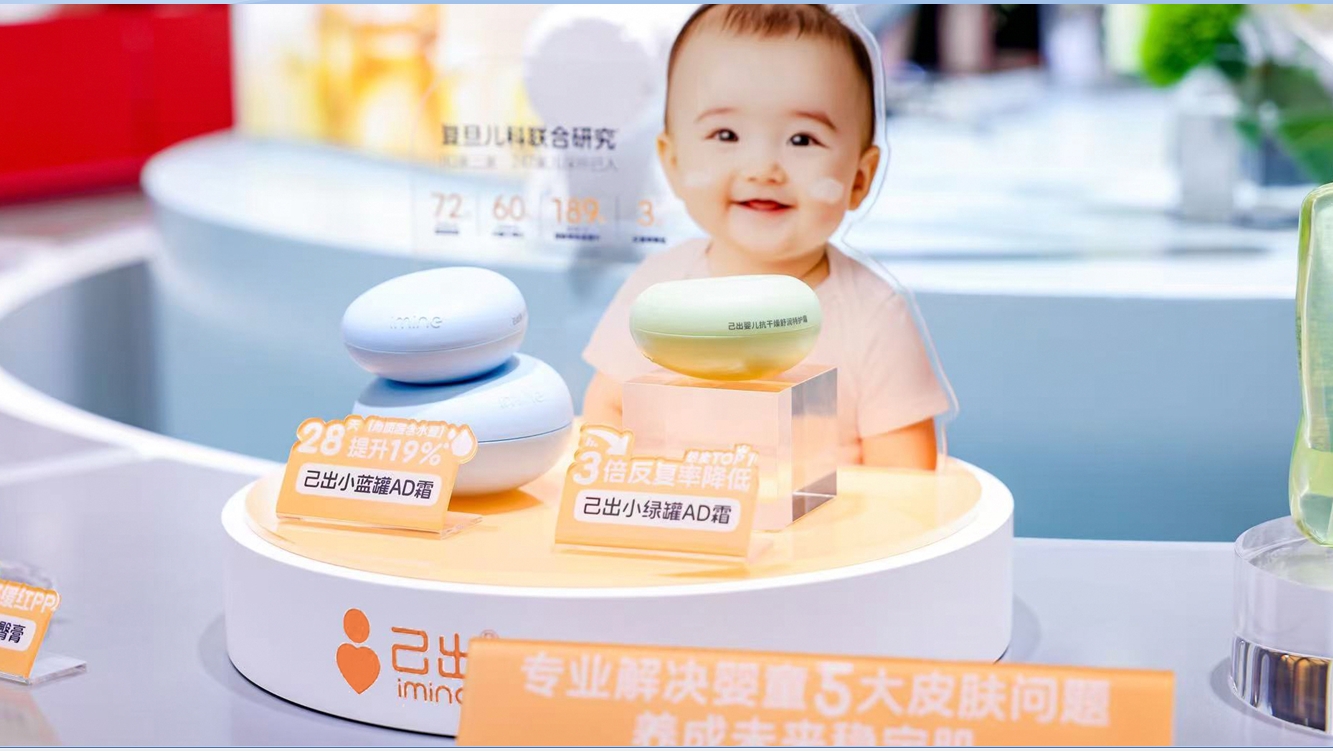
Group 1 - The trend of refined parenting is emerging as a new generation of parents, primarily those born in the 1990s and 2000s, are driving changes in child-rearing concepts and consumption patterns, leading to an increased demand for children's skincare products [1] - The baby and toddler skincare market in China is expected to reach nearly 50 billion yuan by 2026, with the skincare segment projected to reach 18 billion yuan, expanding from basic cleaning and moisturizing to more functional areas such as sensitive skin, eczema, sun protection, and mosquito repellent [1] - Domestic beauty companies are increasingly entering the baby skincare market, with brands like Jichu launching products that address common skin issues in infants, such as eczema, through patented micro-ecological balance technology [1] Group 2 - Sales of baby skincare products on major e-commerce platforms are reaching new highs, with companies like Shiseido's subsidiary, Up Beauty, launching multiple baby skincare brands, including Red Elephant and Newpage, which reported significant revenue growth [4] - Newpage achieved a revenue of 376 million yuan in 2024, marking a year-on-year growth of 146.3%, while its revenue growth in 2023 was nearly five times [4] - Other brands like Winona Baby and Qichu are also gaining traction, with Winona Baby generating 201 million yuan in revenue in 2024, reflecting a year-on-year increase of 34.03% [4]
智通港股解盘 | 关税后面还有不确定性 硅料行业底部传闻再起
Zhi Tong Cai Jing· 2025-05-13 13:46
Market Overview - The U.S. stock market benefited significantly from positive news, with the market capitalization of the "Tech Giants" increasing by $837.5 billion (approximately 6 trillion RMB), marking the largest increase since April 9 [1] - The Hong Kong stock market experienced a decline, with the Hang Seng Index closing down 1.87% [1] - Goldman Sachs has postponed its interest rate cut expectations to December, while Citigroup has pushed its forecast from June to July [1] Shipping Industry Insights - The shipping market is expected to see freight rates rise by 20% in the short term, driven by increased demand for inventory replenishment ahead of potential uncertainties in trade negotiations [3] - The European shipping index futures surged over 10%, indicating strong market sentiment and potential for increased shipping activity [2][3] Investment Opportunities - Gold prices rebounded, with spot gold reaching $3,250, reflecting market sentiment amid ongoing trade tensions [2] - Companies in the shipping sector, such as Orient Overseas International and Yang Ming Marine Transport, have seen stock price increases of over 5% due to favorable market conditions [3] Industry Developments - The solar silicon industry is experiencing a supply-demand imbalance, with major manufacturers discussing production cuts to stabilize prices [7] - The price of polysilicon futures has risen significantly, increasing over 13% from recent lows, indicating a potential recovery in the solar sector [7] Company Performance - Goldwind Technology reported a 35.72% year-on-year increase in revenue for Q1 2025, with net profit rising by 70.84% [8] - The company has a robust order backlog of 51,091 MW, with a growing share of overseas orders, indicating strong market demand [9]
上美股份(02145):从韩束到多点开花,领先国货集团迈向新征程
NORTHEAST SECURITIES· 2025-05-13 02:23
Investment Rating - The report initiates coverage with a "Buy" rating for the company [4][6]. Core Insights - The company has established itself as a leading domestic beauty group through a multi-brand strategy, with a strong focus on product innovation and market responsiveness [2][18]. - The company is expected to achieve steady revenue growth driven by its main brand, Han Shu, and the gradual ramp-up of its sub-brands [4][31]. Summary by Sections Company Overview - The company has been deeply engaged in the beauty industry for over 20 years, launching multiple brands including Han Shu, Yi Ye Zi, and Hong Se Xiao Xiang, and is preparing to introduce new high-end and baby care brands [1][18]. Financial Analysis - The company experienced a significant revenue increase in 2023, with projected revenues of 67.93 billion and a net profit of 7.81 billion in 2024, reflecting growth rates of 62.08% and 69.42% respectively [5][25]. Business Operations - The company operates a diverse product matrix, with Han Shu accounting for 82% of revenue in 2024, while sub-brands are gradually gaining traction [30][31]. - The company is expanding its channel presence, particularly in Tmall, to complement its strong performance on Douyin [44][47]. Core Advantages - The company has established a robust R&D and marketing framework, with significant investments in proprietary research and a strong marketing presence on platforms like Douyin [3][22]. - The company’s main brand, Han Shu, has positioned itself effectively in the market, leveraging high-quality, cost-effective products to capture consumer interest [35][42]. Profitability Forecast - The company forecasts revenues of 84.90 billion, 102.89 billion, and 123.07 billion for 2025, 2026, and 2027 respectively, with corresponding net profits of 10.04 billion, 12.50 billion, and 15.20 billion [4][5].