OPPO

Search documents
“豆包AI助手”手机售罄
财联社· 2025-12-02 14:34
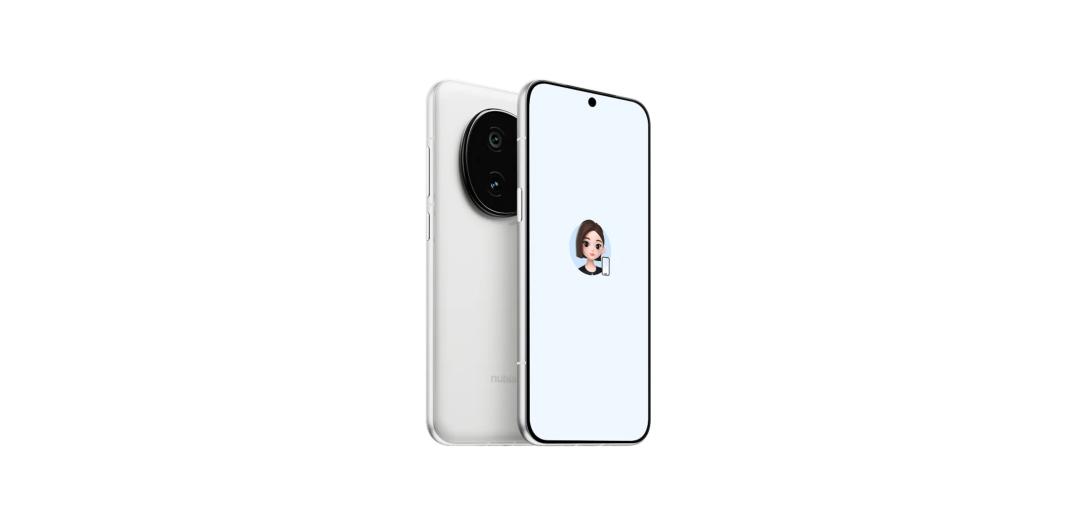
Core Viewpoint - The nubia M153 phone, featuring the "Doubao AI Assistant," has gained significant attention, with its technical preview version selling out at a price of 3499 yuan, indicating strong market interest in AI-integrated mobile devices [4][6]. Group 1: Product Overview - The nubia M153 is marketed primarily to industry professionals for experiencing the Doubao AI Assistant, with a caution that it is not a fully mature product for general consumers [6]. - The phone is an engineering sample developed in collaboration with Doubao, which leads the product definition and experience, while nubia focuses on hardware engineering and technology development [8]. Group 2: Market Dynamics - On second-hand platforms, the nubia M153 is being resold for prices ranging from 3999 to 4599 yuan, with F codes being sold for around 100 yuan [8]. - Doubao is in discussions with multiple smartphone manufacturers for potential collaborations, but there are currently no confirmed partnerships [9]. Group 3: Competitive Landscape - Major smartphone manufacturers like Huawei, Xiaomi, and OPPO have already developed their own AI assistants, indicating a competitive landscape in the AI mobile assistant space [9]. - The integration of AI into mobile operating systems is being explored by various manufacturers, with a focus on creating platform-level AI capabilities [9]. Group 4: Challenges and Considerations - The successful implementation of mobile AI assistants requires overcoming ecological challenges, including obtaining permissions from major internet application providers like Alibaba and Tencent [11]. - The integration of AI and mobile technology necessitates modifications to operating systems, which could conflict with the core interests of smartphone manufacturers [12].


一场与段永平投资心法的对话:你的努力可能全是错的
雪球· 2025-12-02 13:01
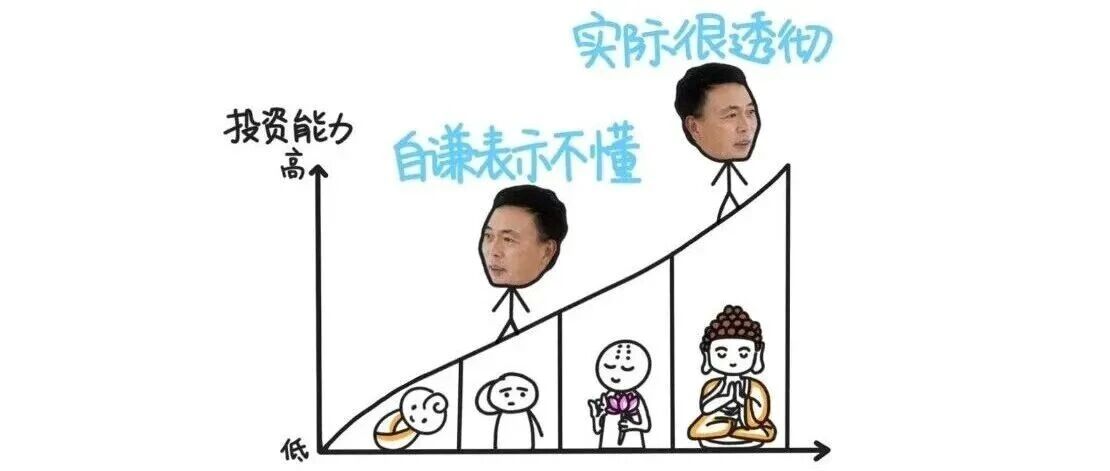
Core Viewpoint - The article emphasizes the importance of understanding investment strategies and the challenges faced by ordinary investors in selecting stocks and timing their trades, suggesting that asset allocation may provide a more stable approach to investing [7][36]. Group 1: Investment Understanding - There are four levels of investment understanding, with most people mistakenly believing they are at a higher level than they actually are, as only 10% of market participants are profitable [3][5]. - The article summarizes insights from a deep interview with investor Duan Yongping, highlighting his intuitive grasp of business despite acknowledging his own limitations in understanding [4][7]. Group 2: Stock Selection Challenges - Three methods of stock selection are discussed: technical trading, value investing, and copying successful investors, with each method presenting significant challenges [8][28]. - Technical trading is discouraged as it is likened to giving money to quantitative funds that operate with high speed and accuracy [9][10]. - Value investing requires deep understanding of companies, which is difficult for most ordinary investors due to a lack of experience and time [12][20]. - Copying the trades of successful investors can lead to poor outcomes due to information lag and lack of understanding of the underlying investment logic [24][25]. Group 3: Timing the Market - Timing the market is presented as another difficult aspect of investing, with Duan Yongping focusing on "margin of safety" when buying and "opportunity cost" when selling [30][33]. - Most ordinary investors struggle with these concepts as they require a deep understanding of the companies involved [34]. Group 4: Asset Allocation as a Solution - Asset allocation is proposed as a viable alternative to stock selection and timing, as it leverages the natural relationships between different asset classes [36][39]. - By diversifying investments across various asset classes, investors can achieve internal hedging, allowing for stable returns regardless of market conditions [41][44]. - The article highlights that asset allocation does not require precise market timing, making it a more accessible strategy for ordinary investors [46][52]. - Rebalancing strategies can further enhance returns by allowing investors to sell high-performing assets and buy underperforming ones, thus smoothing out the investment curve [55][58].
网易不忍了,带头抵制安卓税:比苹果税还高,达50%,全球最高
Sou Hu Cai Jing· 2025-12-02 11:50
Core Viewpoint - The article discusses the rising resistance from gaming companies against the high commission fees imposed by Android app stores, referred to as "Android tax," which can reach up to 50%, significantly higher than Apple's 30% fee for in-app purchases [1][5]. Group 1: Background on Commission Fees - Apple charges a 30% commission on in-app purchases for apps on the App Store, with a reduced rate of 15% for small businesses [1]. - In contrast, Android platforms in China impose a 50% commission, which is considered the highest globally [5]. Group 2: Industry Response - NetEase has taken the lead in resisting the Android tax by removing several of its game apps from mobile manufacturers' app stores, opting instead to distribute them through short video and social media channels [3][10]. - Other major companies like Tencent and Alibaba are also following suit, indicating a broader industry shift away from traditional app store distribution to alternative channels to avoid high commission fees [5][10]. Group 3: Changes in Market Dynamics - Historically, mobile manufacturers held significant power over app distribution, forming alliances that enforced high commission rates on game developers [7]. - The rise of alternative promotional channels, such as social media and short video platforms, has provided game developers with more options, reducing their reliance on traditional app stores [9]. - This shift in distribution strategy suggests a potential restructuring of the Android gaming distribution landscape, as companies are now willing to challenge the established norms [10].


豆包的AI助手江湖
3 6 Ke· 2025-12-02 11:15
Core Insights - The article discusses the launch of ByteDance's AI assistant "Doubao," which aims to integrate deeply with smartphone hardware, particularly through a collaboration with Nubia [1][8][21] - The competition among major internet companies like Baidu, Alibaba, and ByteDance reflects a fear of obsolescence in the face of rapidly evolving AI technologies [1][4] Group 1: Product Development and Features - Doubao is designed to function as a comprehensive AI assistant, capable of performing tasks such as automatic booking and cross-platform operations, showcasing its advanced capabilities [3][9][21] - The collaboration with Nubia involves using the Snapdragon 8 Gen 2 chip, which supports multi-modal AI applications, indicating a focus on functionality over high-end specifications [3][10] - Doubao's assistant features include voice activation and a side AI key, allowing for seamless interaction with the device [3][4] Group 2: Market Strategy and Positioning - ByteDance's strategy involves positioning Doubao as a standard AI assistant for smartphone manufacturers, similar to Apple's Siri, aiming to enhance user experience and drive hardware sales [16][21] - The partnership with Nubia is seen as a way to create a benchmark for other manufacturers, despite Nubia's relatively weaker market position compared to larger brands [8][10] - The article highlights the importance of hardware-software integration, suggesting that Doubao's success depends on its ability to work closely with smartphone manufacturers to overcome challenges related to permissions and functionality [11][22] Group 3: Competitive Landscape - The AI assistant market is becoming increasingly competitive, with various companies developing their own solutions, leading to a "battle for entry points" in the ecosystem [20][22] - ByteDance's approach contrasts with other companies by focusing on creating a collaborative environment with hardware manufacturers rather than directly competing in the hardware space [17][22] - The article notes that while Doubao aims to redefine the role of AI assistants, it faces challenges in achieving widespread adoption and integration across different platforms and devices [21][22]
50%的安卓税,网易带头抵制:比苹果还高,全球最高了
Sou Hu Cai Jing· 2025-12-02 10:57
Core Viewpoint - The article discusses the significant impact of the high "Android tax" imposed by domestic smartphone manufacturers on game developers, leading to a shift in distribution strategies towards more cost-effective platforms like short video and social media channels [1][3][10]. Group 1: Android Tax and Its Implications - The "Android tax" in China is notably high at 50%, which is criticized by game developers as the highest globally compared to Apple's and Google's 30% cut [1][5]. - Major game companies like NetEase, Tencent, and Alibaba are moving away from traditional app stores to avoid the high fees, opting for platforms like Douyin and WeChat for distribution [3][5][10]. Group 2: Changes in Distribution Strategies - The formation of the "Hardcore Alliance" by major smartphone manufacturers in 2014 has historically enforced the 50% cut, making it difficult for game developers to bypass this fee [7][8]. - The rise of short video and social media platforms has provided game developers with alternative, lower-cost distribution channels, allowing them to reach users directly without incurring the high fees [8][10]. Group 3: Future Outlook - The shift in distribution strategies is seen as a "burden reduction" for game developers, potentially leading to a more competitive environment for users, with lower prices and more promotional activities [12]. - Smartphone manufacturers may respond by adjusting their commission rates or enhancing services to attract game developers back to their platforms, indicating a potential evolution in the market dynamics [12].
具身觉醒:AI 从感知到行动的能力跃迁
Tai Mei Ti A P P· 2025-12-02 10:10
本文摘自《云栖战略参考》,这本刊物由阿里云与钛媒体联合策划。目的是为了把各个行业 先行者的技术探索、业务实践呈现出来,与思考同样问题的"数智先行者"共同探讨、碰撞, 希望这些内容能让你有所启发。 具身智能,正成为 AI 革命的核心共识与下一站锚点。当 AI 技术从数字世界迈向物理世界,硬件恰是 这场跃迁中智能体与物理环境交互的关键载体。这一趋势,正沿着三条核心赛道加速落地,并呈现出技 术复杂度和成熟度的差异。 智能硬件以智能手机、PC、AI 眼镜为代表,从设备工具升级为场景伙伴,依托成熟的端云协同架构、 实时数据处理能力与轻量化模型部署,实现多模态智能交互并 提供更多场景化服务,正迈向规模化落 地阶段;智能驾驶系统,在端到端大模型驱动下正逐步实现局部自主决策,并开始展现出超越预设规则 的自主应变能力,但模型泛化性与安全性仍需持续优化,对高弹性算力集群与多源异构数据融合也提出 更高要求;机器人技术突破门槛最高,算力层面需构建云边端深度协同的架构,数据层面需解决多模态 真实场景数据的采集、合成与处理的问题,模型层面则要同时兼顾复杂推理与运动控制,当前核心是突 破从实验室原型到产业落地的关键跨越。 尽管当前三大领域 ...
涉苹果、三星等,印度电信部要求手机制造商预装官方APP引争议
Guan Cha Zhe Wang· 2025-12-02 09:47
Core Viewpoint - The Indian Ministry of Telecommunications has mandated smartphone manufacturers, including Apple, Samsung, Vivo, Xiaomi, and OPPO, to pre-install a government-developed cybersecurity app called "Sanchar Saathi" on all new devices sold in India, which cannot be uninstalled by users [1][3]. Group 1: Government Mandate - The Indian government issued a directive on November 28, requiring smartphone companies to pre-install the "Sanchar Saathi" app within 90 days on all new devices sold in the Indian market [1]. - Existing devices must receive the app through software updates as per the government's instructions [1]. Group 2: App Functionality - "Sanchar Saathi," launched in January 2025, aims to help users block and track lost or stolen smartphones and identify fraudulent mobile connections [3]. - The app has reportedly assisted in recovering over 700,000 lost phones since its launch, with 50,000 recoveries occurring in October alone [3]. Group 3: Industry Response - Concerns have been raised regarding user consent and potential government surveillance, with critics arguing that the mandate infringes on user rights [3]. - Apple’s response to the mandate is uncertain, as the company traditionally resists pre-installing government or third-party apps on its devices [4]. - Counterpoint Research reported a 5% year-over-year increase in smartphone shipments in India for Q3 2025, with sales revenue up 18%, marking a historical high [4].


被华为Mate 80带火的“无网通信”是什么?
3 6 Ke· 2025-12-02 09:27
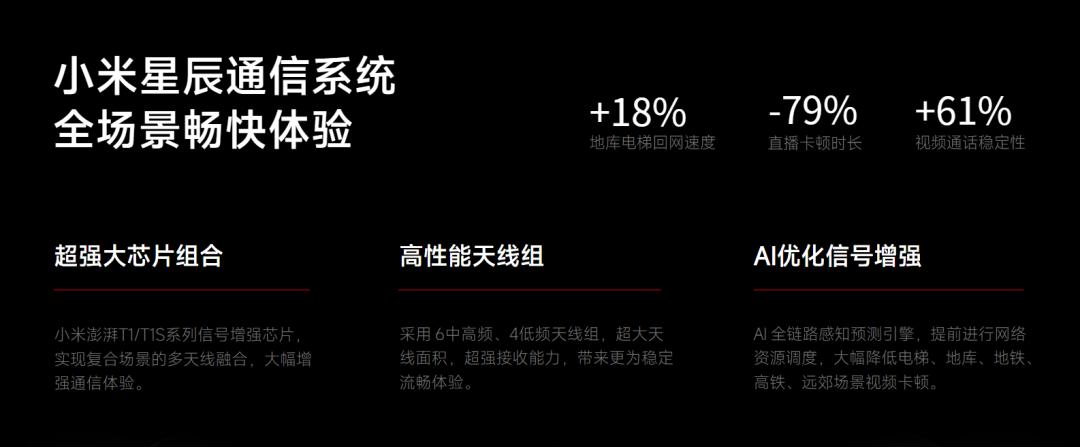
Core Viewpoint - Huawei's Mate 80 series has launched the industry's first 700MHz emergency communication feature, enhancing communication capabilities in disaster scenarios and positioning itself as a leader in integrated communication functions [2][18]. Summary by Sections 1. Introduction of 700MHz Emergency Communication - Huawei announced the Mate 80 series featuring 700MHz emergency communication, capable of penetrating three floors and covering over 13 kilometers, aimed at providing communication during disasters [2][18]. 2. Understanding "No Network Communication" - "No network communication" refers to the ability to communicate without traditional network infrastructure, relying on direct, decentralized connections between devices [2][4]. - This technology has gained attention due to its potential to maintain communication in extreme environments where traditional networks fail [3][21]. 3. Technical Mechanisms - The core principles of no network communication include direct device-to-device (D2D) communication and mesh networking, allowing devices to form ad-hoc networks for data transmission [5][6]. - Devices can communicate directly using protocols like Bluetooth and Wi-Fi Direct, bypassing traditional network infrastructure [5][6]. 4. Market Trends and User Demand - The rise of no network communication is driven by market saturation in traditional hardware features, prompting manufacturers to seek new selling points that enhance user experience [8]. - Increasing outdoor activities and the need for reliable communication in weak network areas have made no network communication a critical feature for consumers [8][21]. 5. Competitor Developments - Other manufacturers like OPPO and Vivo have also introduced their versions of no network communication, showcasing various capabilities such as long-distance communication and emergency SOS features [9][12][14]. - Xiaomi's "Starry No Network Communication" system utilizes a distributed network approach, allowing devices to act as signal relay nodes, enhancing communication stability [14][17]. 6. Future Prospects - The future of no network communication lies in its ability to complement existing cellular networks, providing reliable communication in areas where traditional networks are inadequate [20][22]. - This technology is expected to evolve into a secondary communication channel, ensuring connectivity in extreme conditions and enhancing safety in various applications [21][22].

游戏比赛,没人看了?
投中网· 2025-12-02 07:01
Core Viewpoint - The article discusses the declining popularity of esports events, particularly focusing on the LPL (League of Legends Pro League), highlighting the drop in viewership and sponsorship as key indicators of this trend [5][6][14]. Group 1: Decline in Viewership - The LPL experienced a significant drop in viewership after its peak years, with the 2023 Spring Finals recording only 1.338 million views, a decrease of nearly 70% compared to 3.654 million views in the 2022 Spring Finals [9]. - In 2024, the peak viewership for the LPL Spring season was 290,000, but it fell to 208,000 during the Summer season, returning to 2023's low levels [9][11]. - Despite a slight recovery in 2025, the viewership numbers remained low, with peaks of 189,000, 207,000, and 192,000 for the first three segments of the season [11]. Group 2: Ticket Sales and Attendance Issues - There has been a noticeable decline in ticket sales for live events, with reports indicating that venues like the Suzhou LNG arena struggled to sell tickets even at reduced prices [12]. - Attendance at events has also been poor, with instances of sparse crowds reported during matches, indicating a lack of interest from fans [12]. Group 3: Sponsorship Withdrawal - The number of sponsors for the LPL has drastically decreased, from 16 in 2021 to only three by 2024, as major brands like Nike and Mercedes-Benz withdrew their support [13]. - The decline in sponsorship is attributed to the LPL's poor performance in international competitions, leading to a loss of confidence from sponsors [13][14]. Group 4: Changes in Player Engagement - The player base for games like League of Legends has seen a decline, with monthly active users dropping from 143 million in early 2024 to 128 million by January 2025, a decrease of approximately 10.5% [16]. - The introduction of new game modes has led to a shift in player engagement, with many players gravitating towards more casual gaming experiences rather than traditional competitive formats [17][18]. Group 5: Industry Challenges - The esports industry is facing challenges related to talent development, with a lack of emerging stars to replace aging veterans, which is impacting the competitive landscape [20][21]. - The operational model of esports leagues has been criticized for focusing on short-term returns rather than sustainable growth, leading to a lack of investment in youth training programs [21]. Group 6: Changing Perceptions of Gaming - The value of gaming is evolving, with players seeking diverse experiences beyond competitive play, such as social and casual gaming, which diminishes the focus on esports events [26]. - The rise of streaming platforms has shifted the way players engage with games, allowing them to discover new titles without relying on esports events for exposure [23][24].

500亿存储器牛股年涨超370%
2 1 Shi Ji Jing Ji Bao Dao· 2025-12-02 06:11
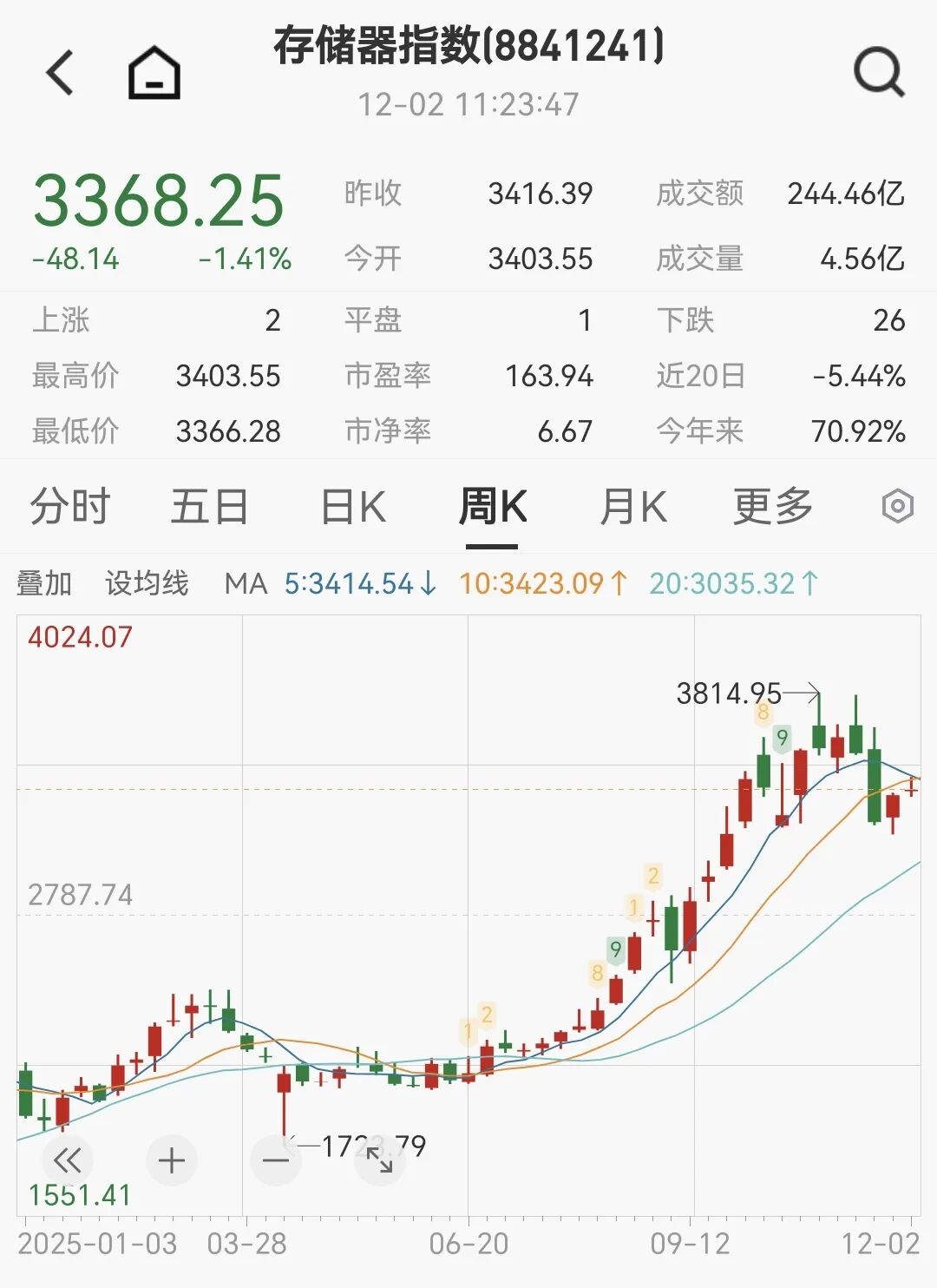
Core Viewpoint - The storage market experienced a significant downturn in late November due to concerns over the AI bubble, but has shown signs of recovery as of December 1, with a notable increase in the storage index and individual company performances [1][2]. Market Performance - As of December 1, the storage index (8841241.WI) closed at 3416.39 points, marking a daily increase of 1.99% and a consecutive four-day rise [2]. - Year-to-date, the storage sector has seen a remarkable increase of 97.7% in market capitalization weighted average, with leading companies like Dongxin Co. (688110.SH), Demingli (001309.SZ), and Jiangbolong (301308.SZ) achieving gains of 382.73%, 244.60%, and 189.63% respectively [2]. Industry Dynamics - The market's volatility is attributed to concerns over the mismatch between accelerated capital expenditures and delayed revenue recovery in the AI sector, although analysts argue that fears of an AI bubble are unfounded [5]. - The demand for high-bandwidth memory (HBM) is surging, driven by major companies like NVIDIA and OpenAI securing significant contracts, which has led to a squeeze on consumer-grade NAND Flash and DRAM production [5][6]. Structural Changes - The semiconductor industry is undergoing a strategic shift, with companies like SK Hynix expanding production to meet the demands of large tech firms, indicating a focus on high-margin products [6]. - The storage industry is experiencing a supply-demand imbalance, with prices for DDR4 memory doubling and supply constraints affecting DDR5 and SSD pricing [7]. Regional Development - Guangdong province is solidifying its dominant position in the storage and AI hardware industry, with a significant number of storage index component companies based in the region [9]. - The industrial layout in Guangdong is evolving towards a multi-polar development model, with companies like Jiangbolong expanding their manufacturing bases beyond Shenzhen to optimize costs and leverage regional advantages [9][10]. Market Demand - The demand for storage is expected to remain robust, driven by increasing requirements in mobile devices and data centers, with projections indicating that relief from supply constraints may not occur until late 2026 [7][8]. - Major tech firms in Guangdong, including Huawei and OPPO, contribute to a diverse market demand that supports the region's supply chain advantages [11][12]. Conclusion - The storage industry is poised for a prolonged upward cycle driven by AI advancements and regional industrial collaboration, with Guangdong's strategic advantages providing a solid foundation for companies to navigate market fluctuations [12][13].