
东风汽车

Search documents
乘联分会:1月全国乘用车市场零售154.4万辆 新能源车渗透率为38.6%
智通财经网· 2026-02-12 06:41
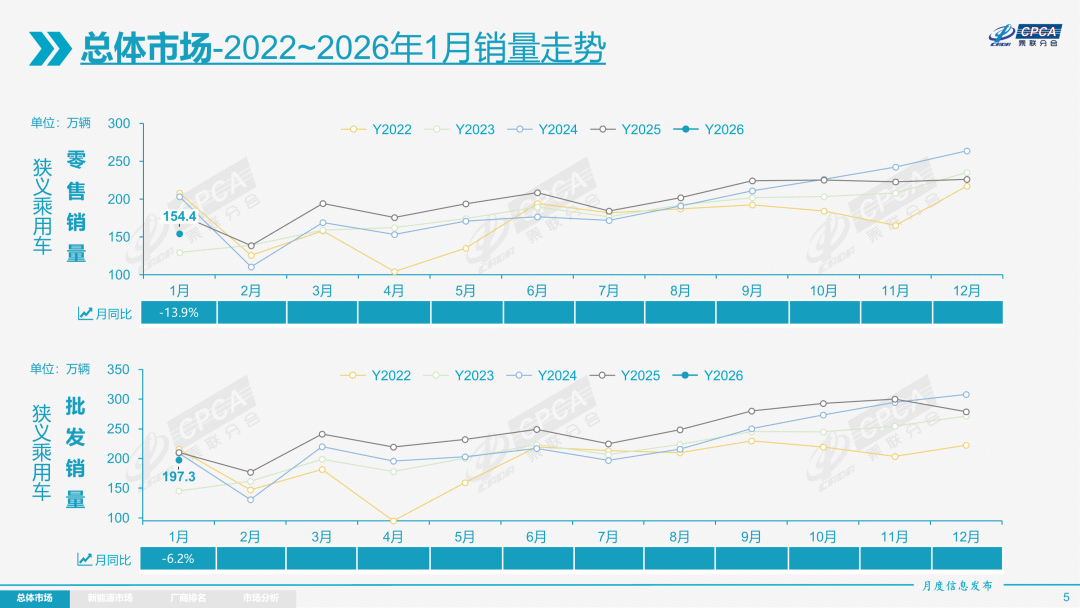
Core Insights - The overall retail sales of passenger cars in January decreased by 13.9% year-on-year, with a total of 1.544 million units sold. The retail sales of new energy vehicles (NEVs) reached 596,000 units, representing a penetration rate of 38.6%, down 3 percentage points from the previous year [1][11]. Retail Market Overview - In January, the retail sales of self-owned fuel passenger cars were 250,000 units, up 17% year-on-year, while self-owned NEVs sold 226,000 units, marking a significant increase of 115%. NEVs accounted for 47.5% of self-owned exports, indicating growing international influence [2]. - The retail sales of self-owned brands totaled 890,000 units, down 18% year-on-year, with a domestic market share of 57.5%, a decrease of 3.5 percentage points [2]. - Mainstream joint venture brands sold 470,000 units, down 4% year-on-year, with German brands increasing their market share to 19.8%, up 1.4 percentage points [2]. Production and Wholesale Analysis - In January, the production of passenger cars was 2.003 million units, down 4.4% year-on-year. The wholesale volume was 1.973 million units, a decrease of 6.2% year-on-year [4]. - The wholesale of self-owned brands was 1.326 million units, down 8%, while luxury car wholesale increased by 4% to 228,000 units [4]. - The overall wholesale landscape is changing, with some mid-tier companies showing strong performance, such as SAIC-GM-Wuling and NIO [4]. New Energy Vehicle Insights - The production of NEVs reached 938,000 units, a slight decrease of 0.6% year-on-year, while wholesale sales were 864,000 units, down 3.3% [5][6]. - NEV retail sales were 596,000 units, down 20% year-on-year, with conventional fuel vehicles selling 948,000 units, down 10% [7]. - NEV exports reached 286,000 units, a remarkable increase of 103.6%, accounting for 49.6% of total passenger car exports [11][12]. Market Trends and Future Outlook - The new energy vehicle market is expected to face challenges in February due to the impact of the Spring Festival, which may lead to lower sales volumes [16]. - The transition from merely selling cars to exporting entire industrial chains is anticipated, indicating a shift towards quality growth in the automotive export sector [17].





历史性时刻!出口乘用车中,新能源占比首次超一半
第一财经· 2026-02-12 02:07
Core Viewpoint - In January 2026, China's automobile exports continued to grow rapidly, with a total of 681,000 vehicles exported, marking a year-on-year increase of 44.9% [3] Group 1: Export Performance - Passenger car exports reached 589,000 units in January, up 48.9% year-on-year [3] - Commercial vehicle exports totaled 93,000 units, reflecting a year-on-year increase of 23.6% [3] - The export of new energy vehicles (NEVs) significantly contributed to this growth, with 302,000 units exported in January, a year-on-year increase of 100% [3] Group 2: New Energy Vehicle Insights - Among the NEVs, 295,000 were passenger vehicles, which accounted for over 50% of total passenger car exports for the first time, representing a year-on-year growth of 110% [3] - The export of pure electric vehicles reached 202,000 units, also doubling year-on-year, while plug-in hybrid vehicle exports were 99,000 units, up 97.3% [4] Group 3: Market Dynamics - The growth in plug-in hybrid vehicle exports has been notable, with these vehicles becoming a new growth point for exports, particularly in the pickup segment [4] - Despite previous challenges due to EU tariffs on electric vehicles, plug-in hybrids remain competitive in the European market due to a lower tariff rate [4] - The overall export performance is expected to remain strong, with a projected total of 8.32 million vehicles exported in 2025, a 30% increase year-on-year [5] Group 4: Leading Companies - In January, the top ten exporting companies included Chery (119,000 units), BYD (100,000 units), SAIC (97,000 units), Geely (77,000 units), and Tesla (51,000 units), all exceeding 50,000 units [5] - Nine out of the top ten companies experienced positive growth in exports, with only Changan showing a decline [5] Group 5: Future Outlook - The export markets are shifting towards regions like the Middle East and developed countries, indicating a trend of high-quality development in exports [4][6] - As long as the international market environment remains stable, there is significant potential for further growth in China's automobile exports [6]
东风汽车集团1月销量逆势增29.3% 杨青寄望主动出击全年出口60万辆
Chang Jiang Shang Bao· 2026-02-12 00:37
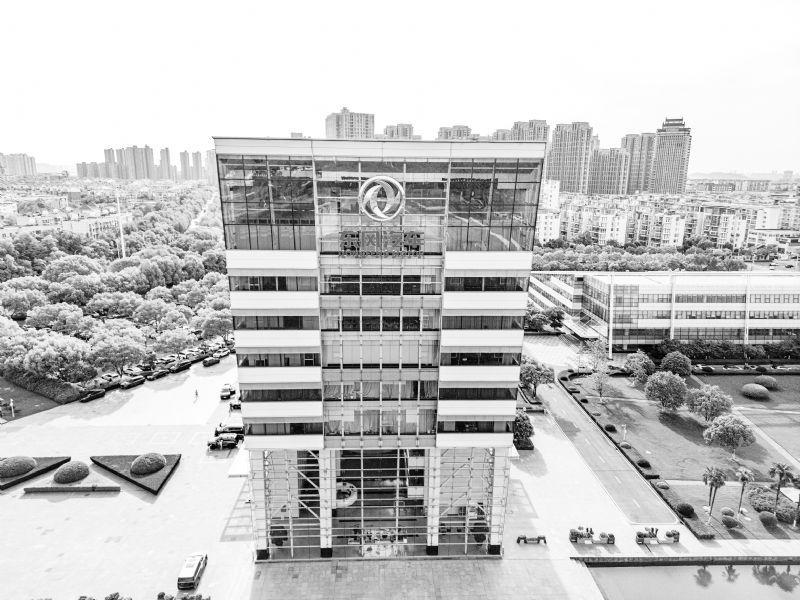
长江商报消息 ●长江商报记者 黄聪 当前,汽车产业进入市场重构、格局重塑的新阶段,机遇与挑战并存。逆势中,东风汽车集团销量强势猛涨。 近日,东风集团股份(00489.HK)发布的公告显示,2026年1月,公司销售汽车13.88万辆,同比增长18.8%。其 中,新能源汽车销量3.88万辆,同比增长89.7%。 同时,东风集团股份公告显示,公司母公司东风汽车集团1月销售汽车18.53万辆,同比增长29.3%。公司附属公司 东风汽车1月销售汽车1.11万辆,同比增长31.6%。 同时,东风集团股份公告显示,公司母公司东风汽车集团1月销售汽车18.53万辆,同比增长29.3%。公司附属公司 东风汽车1月销售汽车1.11万辆,同比增长31.6%。 值得注意的是,东风系车企1月销量几乎全面"飘红"。 1月,岚图汽车销量达1.05万辆,同比增长31.3%。公司以介绍方式赴港上市已获中国证监会备案。 2026年,岚图汽车计划推出四款搭载L3级智能驾驶硬件的新产品,覆盖SUV、FUV、MPV品类。 奕派科技1月销量达2.13万辆,同比大幅增长145.3%。年内,公司旗下东风奕派与东风风神品牌计划投放5款全新 车型。 据了解,东 ...

百汇达突破复材防火及增韧技术 提升产品安全性能
Zhong Guo Neng Yuan Wang· 2026-02-09 10:41
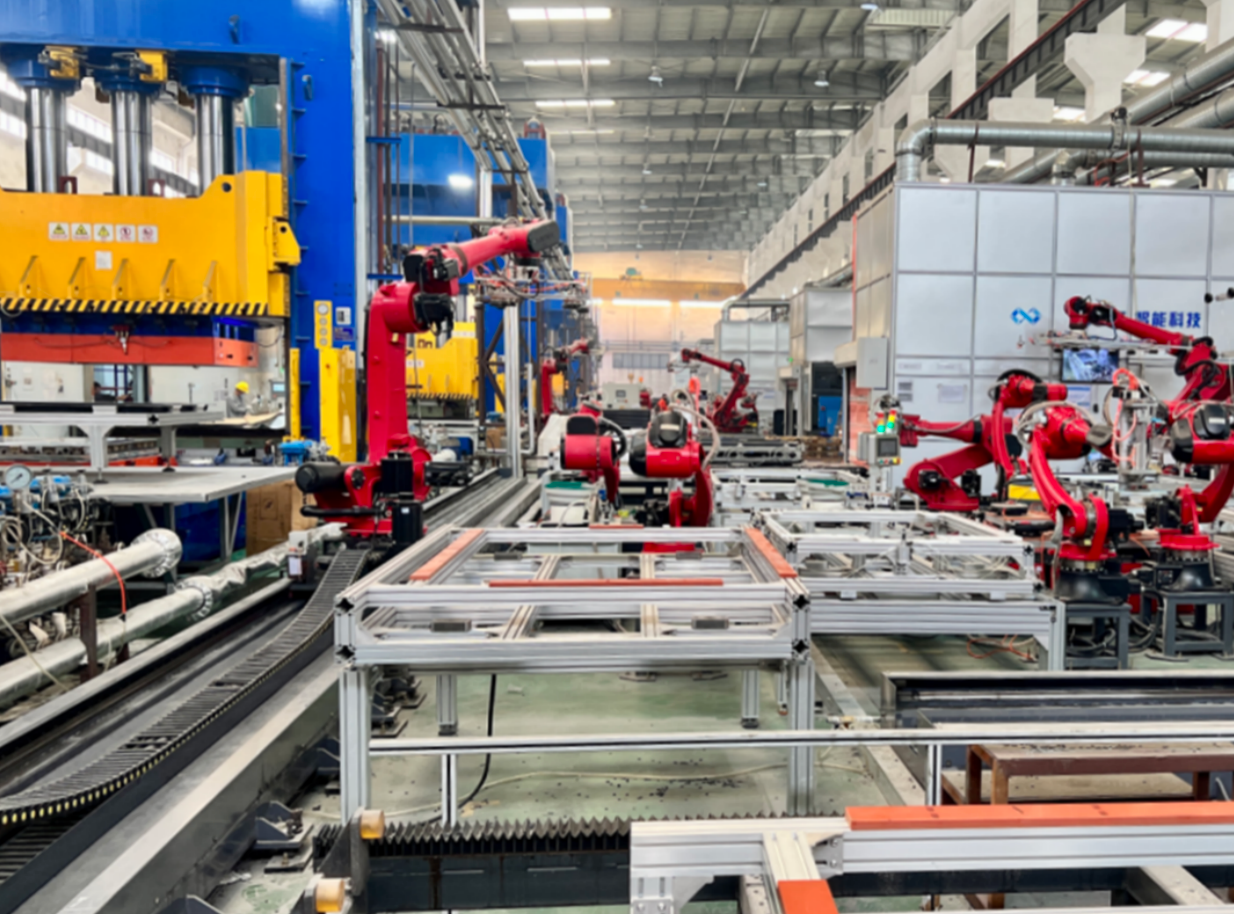
Core Viewpoint - Guangdong Baihuida New Materials Co., Ltd. is leveraging advanced composite materials to enhance battery safety in the automotive sector, positioning itself as a key player in the global market for electric vehicle components [1][2]. Group 1: Company Overview - Baihuida was established in 2013 and focuses on the innovation and industrialization of lightweight composite materials, creating a comprehensive supply chain from resin research to product manufacturing [2]. - The company is a designated supplier of battery covers for major automotive manufacturers, including GAC, Xpeng Motors, BYD, SAIC-GM-Wuling, Dongfeng Motor, and China Aviation Lithium Battery [2]. Group 2: Technological Innovations - Baihuida has developed a multi-layer composite material process that addresses the critical need for thermal runaway protection in battery covers, featuring a three-layer structure that significantly improves fire resistance [3]. - The new product can withstand flame impacts of 1200°C for 30 minutes, reducing back temperature from 670°C to below 300°C, thus enhancing safety during thermal runaway events [3]. - The introduction of a new MCC composite material combines glass fiber and short-cut yarn, achieving high strength and low production costs, filling a domestic market gap and increasing competitiveness [3]. Group 3: Financial Performance and Growth - Baihuida is projected to achieve over 200 million yuan in revenue by 2025, with an average annual growth rate of 20.66% in its main business revenue over the past two years [3]. - The company invests 7.12% of its total revenue in R&D, holding 11 patents in Class I intellectual property and capturing a 27.49% market share in its niche [3][4]. Group 4: Research and Development - The company has invested 60 million yuan to establish a comprehensive R&D center, enhancing its capabilities in resin synthesis, precision testing, and pilot production [5]. - Baihuida's production capacity is the largest in the country, with over 30 machines and an annual output of 1.6 million pieces, while automation improvements have increased production efficiency by over 35% [5]. Group 5: Collaborations and Partnerships - Baihuida collaborates with major companies like EVE Energy and Xpeng Motors to develop full composite battery box materials, as well as with universities for advanced research in carbon fiber and thermosetting resin technologies [5][6]. - The company is also focused on sustainable practices, contributing to carbon reduction goals through innovative recycling technologies and green production processes [8].
“地天板”!大牛股逆势涨停!
天天基金网· 2026-02-06 08:43
Market Overview - The A-share market experienced adjustments today, with the three major indices declining: the Shanghai Composite Index fell by 0.25%, the Shenzhen Component Index decreased by 0.33%, and the ChiNext Index dropped by 0.73% [2] Oil and Gas Sector - The oil and gas stocks rebounded, with Intercontinental Oil and Zhun Oil shares hitting the daily limit. Intercontinental Oil opened at a limit down but surged to a limit up, closing at 5.5 CNY per share, with a market capitalization of 22.82 billion CNY and a trading volume exceeding 4.4 billion CNY. The stock has risen by 76.28% year-to-date [4] - According to the "2025 Domestic and International Oil and Gas Industry Development Report," the domestic oil and gas industry is expected to achieve a production of 420 million tons of oil equivalent by 2025, marking a historical high, with oil consumption projected to grow by 1.1% compared to the previous year [5] Chemical Sector - The chemical sector showed collective strength, with stocks like Cangzhou Dahua and Jinniu Chemical hitting the daily limit. The solid-state battery concept also saw gains, with stocks such as Huangting International and Dingsheng New Materials reaching their daily limits [6][8] Solid-State Battery Development - Analysts believe that solid-state batteries have entered the medium-scale testing and process optimization phase, with non-automotive applications already in small-scale use. The automotive sector is expected to see practical applications by around 2027. Companies like Geely Holding Group and EVE Energy are advancing their solid-state battery production plans, aiming for breakthroughs and commercial viability by 2026 [11][12] - Dongfeng Motor announced the establishment of a 0.2 GWh solid-state battery pilot line, with plans for mass production of a 350 Wh/kg solid-state battery by September 2026 [11] CPO Concept - The CPO (Co-Packaged Optics) concept continued to rise, with stocks like Zhili Fang hitting the daily limit and reaching a historical high. The CPO sector is expected to present significant supply chain opportunities, with companies in the optical communication sector being favored by analysts [14][16]


东风汽车:2026年加速迈向智能化、绿色化、融合化
Zheng Quan Ri Bao Wang· 2026-02-06 07:15
Group 1 - Dongfeng Motor's new energy vehicle sales reached 1.05 million units in 2025, a year-on-year increase of 21%, with self-owned brand sales exceeding 1.5 million units, accounting for over 60% of total sales, marking a transition from the "investment phase" to the "harvest phase" [1] - The company's R&D investment intensity reached 7.9%, with the number of invention patents granted ranking first among Chinese independent vehicle manufacturers for four consecutive years; the DF30 automotive-grade high-end MCU chip has entered mass production, achieving full-stack domestic control [1] - Dongfeng's Mahle hybrid engine has achieved a thermal efficiency of over 48%, setting a new industry record, and the largest 16,000-ton integrated die-casting production line has been completed and put into operation [1] Group 2 - Dongfeng Motor aims to achieve overall annual sales of 3.25 million units, 1.7 million new energy vehicles, and 600,000 exports by 2026, focusing on "intelligent, green, and integrated" transformation [2] - The company plans to transition from "technical realization" to "value resonance," with the new generation Mahle power system and high-performance DF30 chip set for large-scale deployment [2] - The "Yijing" brand, co-created with Huawei, will make its global debut in March 2026, while various new models across different segments are set to launch, including the Dongfeng Mengshi U series and Dongfeng Lantu's high-end offerings [3]
多家车企官宣2026销量目标:冷静预期中仍有激进派,密集发新车支撑增量
Xin Lang Cai Jing· 2026-02-05 23:57
Core Viewpoint - The automotive industry is entering a slow growth phase, leading companies to set more conservative sales targets for 2026 compared to previous years' aggressive goals [1] Group 1: Sales Targets and Growth Expectations - Multiple automakers have announced their sales targets for 2026, with a general trend of more cautious expectations [1] - Leap Motor and Xiaomi Auto have higher growth expectations, but they do not project the aggressive "doubling" of sales seen in previous years [1] - Dongfeng Motor, which did not meet its 2025 sales target, has set an ambitious growth target of over 30% for 2026 [1] - Geely Auto aims for a sales target of 3.45 million units in 2026, representing a 14% increase from 2025 [2] - Changan Auto has set a target of 3.3 million units for 2026, a 13.3% increase, with a significant focus on electric vehicles [2] - Chery Group targets 3.2 million units, a 14.03% increase from 2025 [2] - Dongfeng Motor's 2026 target is 3.25 million units, with a 31.45% increase from its 2025 performance [3] - Great Wall Motors has lowered its target to 1.8 million units but still expects a 36% increase from 2025 [4] Group 2: New Energy Vehicle (NEV) Focus - Geely expects NEV sales to rise to 2.22 million units in 2026, accounting for 64% of total sales, a 32% increase from 2025 [2] - Changan anticipates NEV sales of 1.4 million units in 2026, a 26.2% increase [2] - Dongfeng aims for 1.7 million NEV sales in 2026 [3] Group 3: New Product Launches - Automakers are focusing on new product launches to stimulate market demand, with several companies planning multiple new models [5][7] - NIO plans to release five new models, while Leap Motor will introduce four new models [5] - Xiaomi Auto is set to launch several new vehicles, including the next-generation SU7 [5] - Traditional automakers like Changan and BYD are also planning numerous new product releases [7] Group 4: Industry Challenges - Experts warn that rapid product iteration may erode profit margins due to high R&D and production costs [8] - The automotive industry's sales profit margin was reported at 4.1% in 2025, the lowest in history, indicating increasing survival pressures for manufacturers [8]
行业深度 | RoboX:产业奇点已至 规模化应用加速【国联民生汽车 崔琰团队】
汽车琰究· 2026-02-03 16:03
Core Insights - The RoboX industry is approaching a commercialization inflection point, driven by strong policy support, increasing demand for cost-effective and safe autonomous driving solutions, and significant reductions in core component costs [2][6][11]. Group 1: RoboX Overview - RoboX encompasses various forms of autonomous driving applications, including Robotaxi, Robovan, and Robotruck, designed to adapt to different transportation scenarios through modular design [8]. - The industry is experiencing rapid advancements in technology, with the penetration rate of L2 and above autonomous features in passenger vehicles expected to exceed 90% by 2030, significantly driving down costs for key components like LiDAR and computing chips [9][11]. Group 2: Robotaxi Insights - Robotaxi is projected to achieve an operational cost of $0.2 per kilometer by 2027, a 50% reduction compared to traditional ride-sharing platforms, primarily due to the remote safety operator model and economies of scale [3][17]. - The global Robotaxi market is expected to reach a valuation of $352.6 billion by 2035, with the Chinese market anticipated to grow from $200 million in 2025 to $179.4 billion by 2035, indicating strong growth potential [23][28]. Group 3: Robovan Insights - The demand for Robovan is driven by labor shortages and high costs in last-mile delivery, with its capabilities making it a key solution across e-commerce, retail, and food delivery sectors [4]. - The cost of Robovan is expected to drop significantly, from 500,000-600,000 yuan to around 20,000 yuan, due to economies of scale and increased penetration of L2 and above features in passenger vehicles [4][11]. Group 4: Robotruck Insights - Robotruck applications are expanding from closed environments to long-haul logistics, with a market potential reaching hundreds of billions, focusing on stable freight demand and high operational value [5]. - The adoption of "virtual drivers" in Robotrucks is expected to significantly reduce the operating costs of electric trucks, enhancing their commercial viability [5]. Group 5: Policy Support - Since 2020, the Chinese government has implemented numerous policies to support the development of intelligent connected vehicles, establishing a robust regulatory framework for the industry [11][13]. - By 2025, 17 national-level testing demonstration zones have been established, with over 32,000 kilometers of testing roads opened, facilitating the transition from technology validation to commercial operation [11][13]. Group 6: Investment Recommendations - Companies involved in autonomous driving solutions and operations are expected to benefit directly from the commercialization of RoboX, with a projected rapid increase in penetration rates between 2026 and 2027, unlocking a market potential of hundreds of billions [6][28]. - Recommended companies include WeRide, Cao Cao Mobility, and XPeng Motors, with a focus on intelligent component manufacturers like Horizon Robotics and Bertelson [6].


1月车市分化加剧: 自主品牌座次洗牌 新势力环比普降
Zhong Guo Zheng Quan Bao· 2026-02-02 20:51
截至2月2日,国内主流车企2026年1月产销数据陆续披露。整体市场呈现"传统自主强势领跑、新势力普 遍承压"的鲜明格局:上汽、吉利、奇瑞等头部车企销量同比多实现20%以上增长,自主品牌座次因新 能源与出口表现差异出现重构。 1月传统自主车企集团凭借完善的产品矩阵与全球化布局,交出亮眼成绩单,头部阵营座次因各板块增 长动能差异出现显著调整。 具体来看,上汽集团(600104)延续领跑态势,1月实现整车批售32.74万辆,同比增长23.9%,终端零 售36.3万辆,批发与零售双双领跑行业。分板块来看,自主品牌表现尤为突出,销量达21.4万辆,同比 增长39.6%,占集团总销量比重升至65.3%。 其中,上汽乘用车销售7.7万辆,同比增幅达53.8%;上汽通用五菱销售10.5万辆,同比增长37%。新能 源与海外市场成为核心增长引擎,1月新能源汽车销量8.5万辆,同比增长39.7%;海外销量10.5万辆, 同比增长51.7%,仅MG品牌在欧洲市场就交付近2.6万辆,同比增长15%。 吉利汽车以27.02万辆的销量位居次席,同比增长1%,环比增长14%,新能源业务成为重要支撑。1月新 能源汽车销量达12.43万辆,同比 ...


各大厂商摩拳擦掌,动力电池技术迎来迭代年
Mei Ri Jing Ji Xin Wen· 2026-01-28 13:25
零下20摄氏度的极寒测试场,寒风裹挟着冰粒抽打在测试车辆上。上汽通用五菱的工程师们紧盯着数据 终端,屏幕上跳动的参数关乎着一项关键技术的落地——搭载半固态电池的测试车,正接受低温续航与 充放电稳定性的终极考验。 当车辆顺利完成全流程测试,现场响起短暂的欢呼,这份成绩单不仅为该企业三个月后的半固态电池战 略发布会提供了数据基础,更印证着一个行业趋势:曾被视作"过渡路线"的半固态电池,已进入量产前 夜。 据《每日经济新闻》记者了解,截至目前,多家企业已披露半固态电池上车和交付进展,2026年成关键 节点。半固态电池凭借高安全性、强环境适应性、产线兼容性及成本控制能力率先落地,但也面临技术 争议。半固态电池的加速落地正引发供应链的深度变革,电池行业将迈入全方位、深层次的变革周期。 竞速量产:从极寒测试到万套装车的突破 "今年是半固态电池上车元年,但市场体量仍需验证。"赵奕凡表示,上汽MG4车型对半固态电池的搭载 应用,标志着这项技术正式迈入商用化阶段,而这仅仅是行业爆发的序幕。 "极寒环境中,我们最担心的就是电池在低温下掉链子。"上汽通用五菱副总经理赵奕凡谈到冬标测试时 仍心有余悸。这场测试的核心目标,是验证半固态 ...