YSL

Search documents
春节限定款,终于开始尊重中产的智商了
3 6 Ke· 2026-02-05 02:33
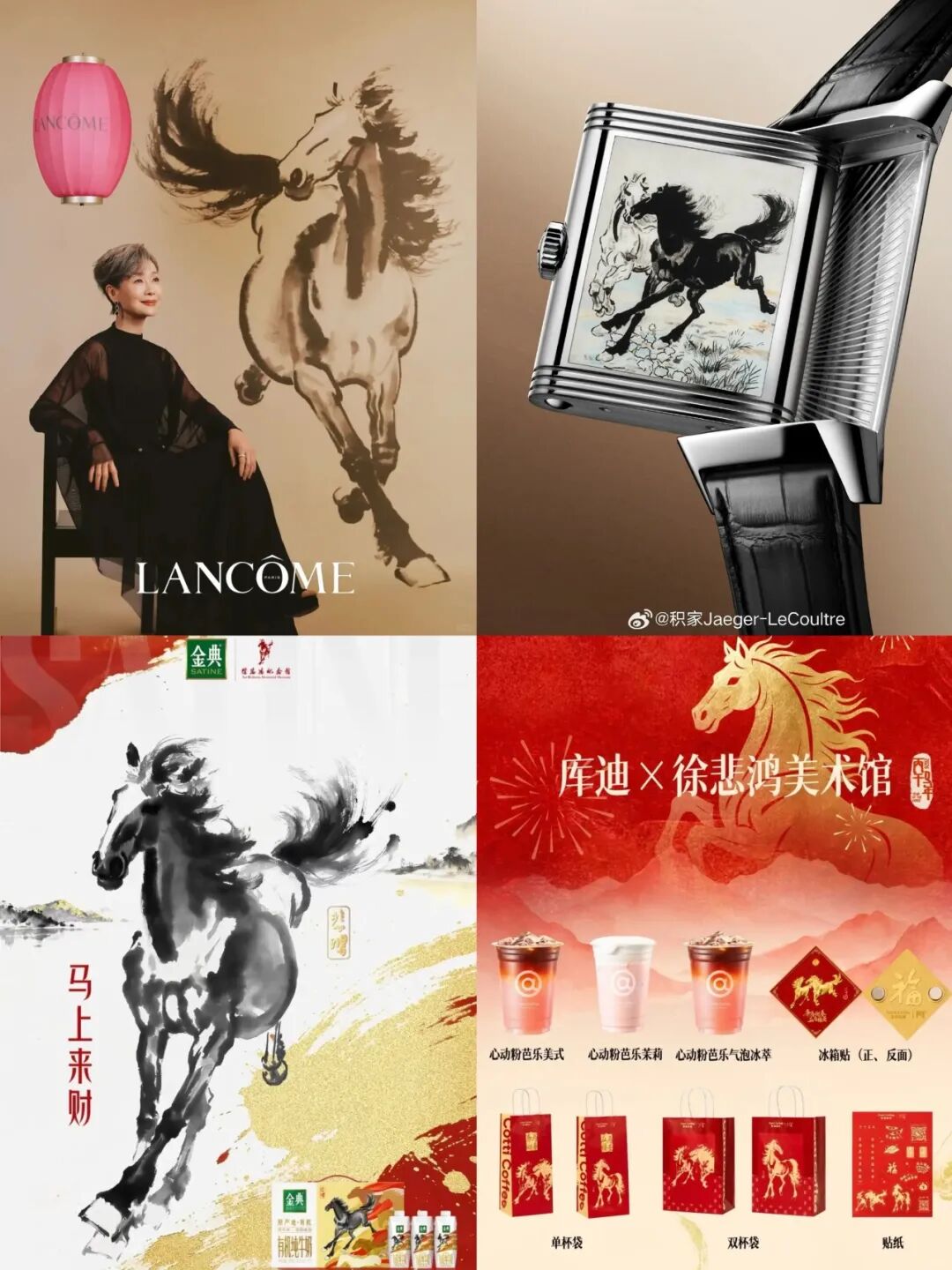
Group 1 - Brands are competing to deeply understand Chinese traditional culture, creating products that are more interesting, meaningful, unique, and emotionally resonant [1] - Moutai's recent release of the zodiac wine has led to a surge in its secondary market price due to a packaging error, causing fluctuations in Guizhou Moutai's stock price [1] - The high-end consumer market is shifting from "logo visibility" to "value recognition," with consumers increasingly seeking products that resonate emotionally rather than just luxury items [1][36] Group 2 - The application of red elements in this year's zodiac-themed products has become standard, with brands emphasizing craftsmanship and product details rather than merely using animal imagery [3] - International brands are leveraging the Year of the Horse to connect their brand history with Chinese culture, with examples like Burberry incorporating equestrian elements into their designs [7] - Brands are increasingly focusing on creating emotional connections through their products, moving away from superficial cultural appropriations [20][32] Group 3 - The trend of creating limited edition products for the Chinese New Year is evolving, with brands now exploring the feelings and cultural symbols associated with the zodiac rather than just the animal itself [6][32] - Successful brands are those that have established a local presence or have been acquired by Chinese companies, allowing them to better resonate with local consumers [26] - The concept of "cultural long-termism" is gaining traction, with brands like LVMH emphasizing the importance of understanding cultural consumption cycles for sustainable growth in China [20] Group 4 - The recent limited edition products from brands like Descente and On Running reflect a deeper understanding of consumer psychology, focusing on emotional value rather than just functionality [34] - The shift towards more thoughtful and culturally integrated marketing strategies is evident, as brands aim to create lasting emotional connections with consumers during the Chinese New Year [35][36] - The emergence of new cultural symbols, such as the "green horse" from Gansu Museum, illustrates the evolving landscape of consumer preferences and cultural engagement [32]


2026大消费:看不清的市场,藏不住的增长
Tai Mei Ti A P P· 2026-01-05 00:40
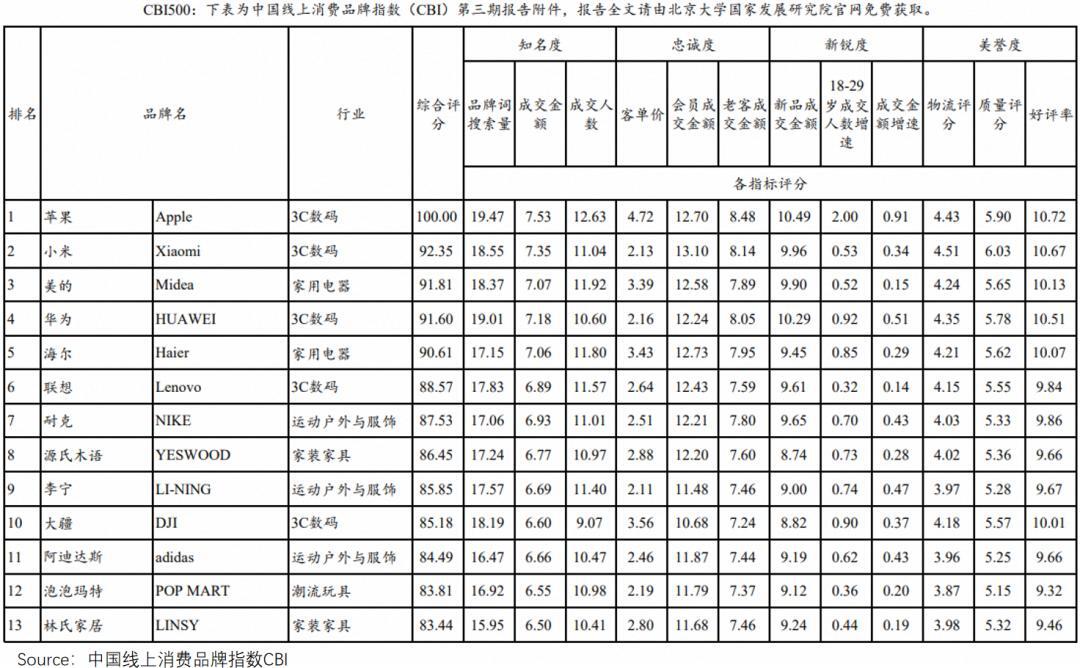
Group 1 - The consumer market in China is viewed as one of the biggest investment opportunities by 2026, but there are differing opinions on where and how to invest [1] - Traditional consumption sectors like liquor, apparel, and beauty have faced challenges, yet some brands have managed to achieve stock price increases of 30% to 50% [2] - The complexity of the consumer market requires investors to connect macro trends with micro behaviors to identify structural opportunities [3] Group 2 - The "China Online Consumption Brand Index" (CBI) and the "Global Brand China Online 500" list reveal significant shifts in consumer preferences, with traditional liquor brands like Moutai and Wuliangye declining while newer brands like Pop Mart are rising [3][4] - The CBI index reflects the performance of brands based on real consumer behavior, including sales, price, search volume, and reputation [4] - The liquor industry is undergoing a transformation, with brands like Jian Nan Chun and Shanxi Fenjiu adapting to new consumer preferences, particularly among younger demographics [6][7][13] Group 3 - The outdoor apparel market is shifting from niche enthusiasts to mainstream consumers, with brands like Berghaus gaining traction due to their stylish and affordable offerings [17] - Emerging brands in the cosmetics sector, such as Huazhi Xiao, are capitalizing on specific consumer trends and achieving significant growth in brand rankings [20][22] - The CBI index serves as a lens to identify changes in consumer demand and potential growth opportunities across various sectors [24] Group 4 - Pop Mart's financial performance shows a significant increase in overseas revenue, yet the stock has faced volatility due to market sentiment rather than fundamentals [26][28] - The brand maintains a leading position in the industry despite short-term fluctuations, indicating strong brand loyalty and potential for future growth [29][30] - The luxury gold market is experiencing challenges as competition increases, impacting customer loyalty and market positioning for brands like Laopufeng [40][35] Group 5 - The beauty industry is witnessing a resurgence for brands like Chanel and YSL as they adapt to new marketing channels and consumer preferences [22] - The investment landscape is influenced by varying investor strategies, with short-term traders reacting differently than long-term investors to market signals [34][41] - The Chinese consumer market is complex and requires a multifaceted approach to uncover hidden opportunities [42]

京东时尚秒送合作门店数量增长超150% 助力波司登、安踏等品牌实现新增量
Zhong Guo Jin Rong Xin Xi Wang· 2025-12-24 12:43
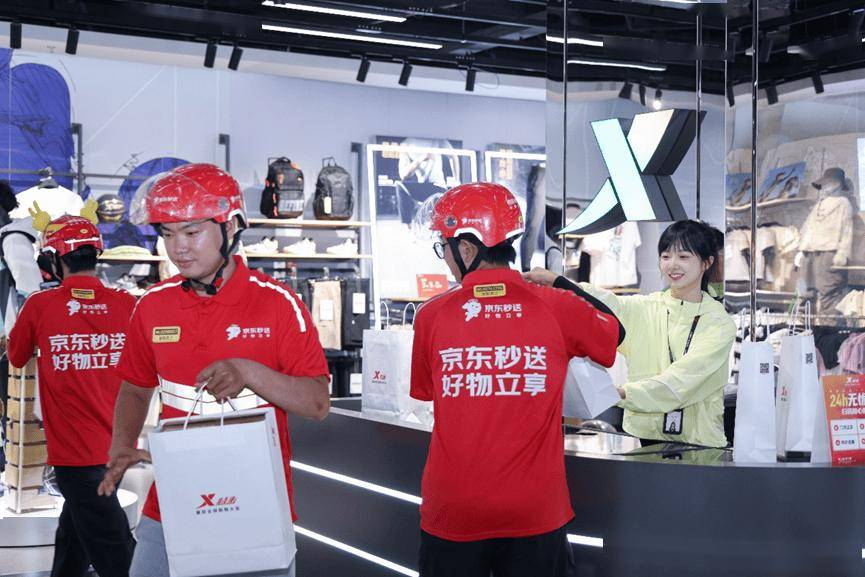
Core Insights - The instant retail sector in China is projected to exceed 1 trillion yuan by 2026 and reach 2 trillion yuan by 2030, driven by the dual forces of digital economy and consumer transformation [1] - JD Fashion's instant delivery service is experiencing explosive growth, becoming a key method for brands to engage in instant retail and for consumers to access trendy products [1] Group 1: Industry Growth and Trends - The Ministry of Commerce's report indicates that the instant retail market is set for significant expansion, with a focus on building a robust ecosystem for high-quality development [1] - JD Fashion's instant delivery service has onboarded over 1,000 merchants by the end of 2025, including major retail brands, and has seen a more than 150% year-on-year increase in store numbers [1] Group 2: Sales Performance - Major sports brands like Nike, Adidas, and Anta have reported over 200% year-on-year growth in sales through JD Fashion's instant delivery service, with some categories like underwear seeing a 500% increase [1] - During the Qixi Festival in 2025, the beauty and skincare category saw a 150% year-on-year increase in sales, with luxury brands experiencing growth rates exceeding 600% [2] Group 3: Seasonal Promotions and Consumer Engagement - JD Fashion's instant delivery service is capitalizing on seasonal events, offering significant discounts and promotions for products like beauty gift sets and sports apparel during holidays [2] - The service aims to address consumer pain points by ensuring product quality and timely delivery, enhancing the overall shopping experience [2]

京东时尚秒送合作门店数量增长超150%,大牌节日礼盒爆款低至5折
Sou Hu Cai Jing· 2025-12-24 06:59
截至2025年底,京东时尚秒送累计入驻商家超千家,包括滔搏、安踏、李宁、鸿星尔克、波司登、特步等国内零售巨头、 服饰运动大牌;营业门店数量同比增长超150%,覆盖了包括服装、鞋靴、内衣、美妆、运动户外等多个核心品类,持续为 消费者提供更丰富、更便捷的即时时尚消费体验。 在数字经济与消费转型的双重驱动下,即时零售正用"分钟级履约"重新定义商业效率的天花板。根据商务部研究院发布的 《即时零售行业发展报告(2025)》,2026年我国即时零售规模将突破1万亿元,预计到2030年,将达到2万亿元。构建良 好生态,推动高质量发展将是即时零售行业的重要议题。京东时尚秒送在2025年全面加速服饰、运动、美妆等核心品类供 给布局,迎来爆发式增长,已成为品牌布局即时零售、消费者获取潮流商品的重要方式。 2025年,品牌商家也通过京东时尚秒送实现了销售新增量。年初至今,耐克、阿迪达斯、骆驼、安踏等运动户外品牌成交 额同比增长均超2倍,内衣品牌松山棉店成交额同比增长5倍;随着冬季保暖需求增加,自11月波司登入驻京东秒送以来, 其销售也呈现高增长态势。 除此以外,京东时尚秒送在重要节日期间增长也尤为显著。近年来,受送礼观念日常化、礼 ...
“蚂蚁雄兵”,50元彩妆抖音爆卖的真相
3 6 Ke· 2025-12-01 08:08
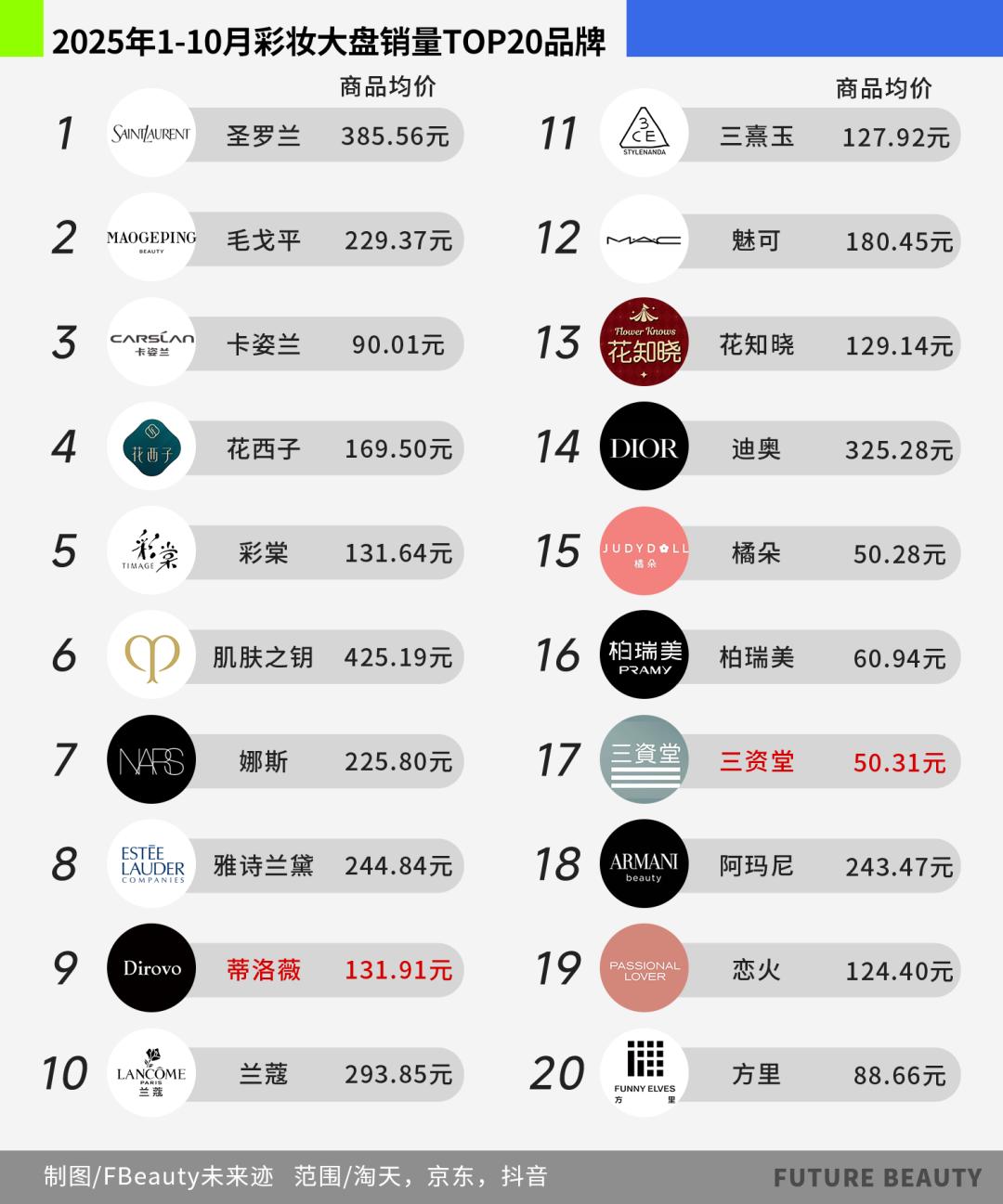
Core Insights - The Chinese makeup market is witnessing a significant shift with the rise of domestic brands priced around 50 yuan, which are dominating various categories on platforms like Douyin [1][2][5] - This shift indicates a change in competitive dynamics, where product innovation focused on "extreme cost-performance" and addressing consumer pain points is becoming crucial [1][2] Market Dynamics - The makeup market is divided into three main forces: international luxury brands (e.g., YSL, Nars) that dominate the high-end segment, established domestic brands (e.g., Mao Geping, Huaxizi) that are upgrading their offerings, and the emerging "new makeup" brands priced around 50 yuan [2][5] - The 0-50 yuan price segment accounts for one-fifth of the overall market, with over 50% market share in eye makeup categories [5][12] Sales Performance - Brands like Sanzi Tang, eLL, and BABI have consistently ranked in the top 20 on Douyin, showcasing their ability to maintain sales momentum over several months [9][12] - During the 2025 Douyin Double 11 event, several domestic brands achieved over a million units in sales, indicating strong consumer demand and market penetration [12][14] Product Innovation - The "50 yuan makeup" brands have captured at least 21 category tops on Douyin, demonstrating their dominance in specific segments such as foundation, eye makeup, and lip products [17][29] - These brands focus on specific consumer needs with high cost-performance products, leading to their success in the market [17][23] Consumer Behavior - A fundamental shift in consumer logic is observed, where younger consumers prioritize practical solutions over brand prestige, favoring products that address their daily makeup challenges [23][30] - The emergence of three distinct brand types—established brands adapting to new channels, new brands thriving in content-driven e-commerce, and native brands leveraging efficiency—illustrates the diverse paths to success in this market [25][27][29] Brand Strategy - Brands are increasingly focusing on multi-channel strategies, transitioning from reliance on traffic to building brand equity through offline and online presence [31] - The appointment of celebrity endorsements is becoming a key strategy for these brands to enhance emotional connections and brand identity among consumers [32][34]
耐用消费产业行业研究:消费品供需适配性方案提供消费板块切换与成长方向
SINOLINK SECURITIES· 2025-11-30 11:32
Consumer Macro Strategy - The overall performance of the discretionary consumption sector is flat as the year-end approaches, but high-end consumption, including duty-free shopping in islands, is expected to gradually stabilize overall consumption [2][10] - The implementation plan released on November 26 aims to enhance the adaptability of supply and demand for consumer goods, with a goal to optimize the supply structure by 2027, creating three trillion-yuan consumption fields and ten hundred-billion-yuan consumption hotspots [2][10] - By 2030, a high-quality development pattern of mutual promotion between supply and consumption is expected to be established, with consumption steadily contributing to economic growth [2][10] New Consumption Manufacturing - The pet economy continues to thrive, with companies like Guobao Pet investing in high-end pet food factories in New Zealand, enhancing competitiveness in international markets [23][24] - The AI and 3D printing sector is rapidly evolving, with significant advancements expected in consumer-grade 3D printing by 2026, driven by companies like Huina Technology and Snapmaker [25][26] - The integration of AI with 3D printing is being promoted in educational settings, expanding the supply space for the industry [25] Light Industry Manufacturing - The home appliance sector is facing weak domestic demand, but there are opportunities for companies with overseas production capabilities and brand advantages as demand recovers [26][27] - The new tobacco sector is experiencing growth, particularly in e-cigarette exports to the U.S., which saw a significant increase in October [27][28] - The packaging industry is showing signs of profitability improvement despite a slight decline in revenue, driven by leading companies capturing market share from smaller firms [28] Textile and Apparel - The apparel sector is experiencing fluctuations in consumer demand, with a focus on companies that can demonstrate unique advantages in the market [30][31] - The export market remains under pressure due to trade tensions, but leading textile manufacturers are expected to present investment opportunities as they maintain strong positions in the industry [31] Beauty and Personal Care - The beauty sector shows positive fundamentals, with a 9.6% year-on-year increase in retail sales for cosmetics in October, although valuations have been affected by the new consumption sector [32][33] - The medical beauty segment is expanding, with new products gaining regulatory approval, indicating growth potential in the market [33] Home Appliances - Focus on two directions: resilient white goods leaders with strong cash flow and black goods leaders benefiting from optimized domestic sales and stable costs [34][35] - The white goods sector is facing pressure in domestic sales, while black goods are seeing improvements in average prices and export recovery [36][37]
年销691亿,Costco成了全球服装巨头
Xin Lang Cai Jing· 2025-11-28 07:23
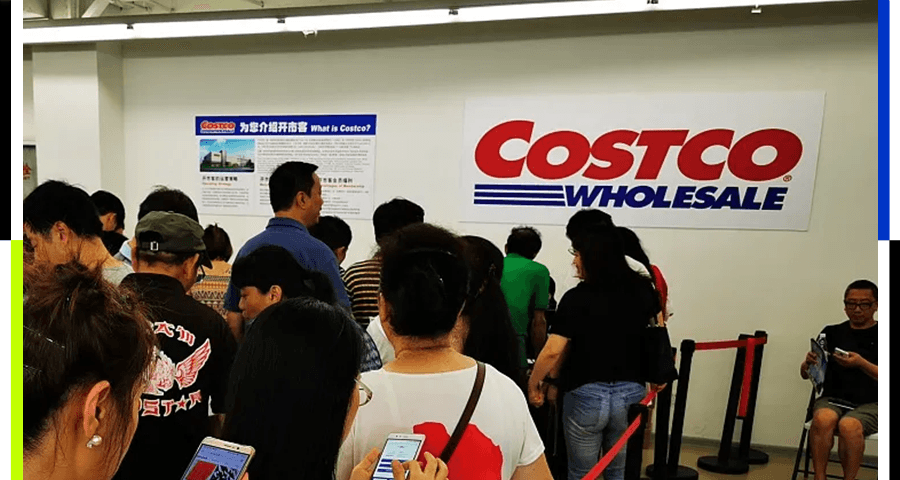
Core Insights - Costco has quietly become a global apparel giant with sales reaching $9.7 billion in fiscal year 2025, surpassing major brands like Prada and Coach [3][4] - The company's apparel sales have grown by 40% from 2019 to 2024, with a compound annual growth rate (CAGR) of nearly 7%, while the overall clothing market in China and the U.S. has slowed down [3][4] - Costco's unique selling proposition lies in its ability to offer both affordable basics and luxury brands, appealing to a younger demographic that is increasingly skeptical of traditional luxury pricing [7][9] Apparel Strategy - Costco's clothing strategy focuses on selling basic items with a limited selection, maintaining only 4000 SKUs in total, which is significantly lower than traditional supermarkets [12] - The company employs a bundling sales approach to increase turnover and reduce costs, allowing for lower prices while still maintaining profitability [12][13] - Despite a lower gross margin of 14-15% in its apparel segment, Costco's massive sales volume allows it to outperform many fashion brands [13][14] Membership Model - Membership fees are the primary profit driver for Costco, contributing $5.32 billion in fiscal year 2025, which accounts for 65.7% of net profit [17][18] - The company has a high membership renewal rate of nearly 90%, indicating strong customer loyalty and satisfaction [20] - Costco's strategy of placing luxury items prominently and offering exclusive member benefits is designed to enhance customer retention and encourage repeat visits [18][22] Market Position - Costco's overall revenue for fiscal year 2025 reached $275.24 billion, positioning it among the top five global retailers [16] - The company's apparel business, while significant, is still considered a secondary operation compared to its core fast-moving consumer goods (FMCG) offerings [16][21] - The success of Costco's apparel segment in markets like China demonstrates the effectiveness of its business model in diverse regions [21][22]

奢侈品门店密集调整,北京高端商业新比拼
Bei Jing Ri Bao Ke Hu Duan· 2025-11-21 03:25
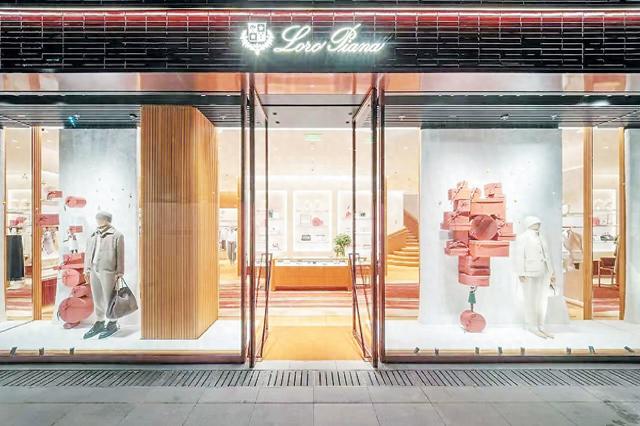
Core Insights - The luxury goods market in Beijing is undergoing significant changes, with brands like Gucci and Dior closing stores in traditional high-end shopping areas, while new flagship stores are emerging in more vibrant districts like Sanlitun [1][3][4] - The trend indicates a shift towards a "one city, one store" strategy among luxury brands, focusing on flagship locations in prime commercial areas while closing underperforming stores [1][6] - The competition among shopping districts is intensifying, with high-end brands exerting more influence over commercial leasing decisions, necessitating upgrades in both infrastructure and experiential offerings to attract these brands [6][8] Group 1: Market Dynamics - Financial Street Shopping Center has seen the closure of major luxury brands due to expired leases, while other brands like Burberry and LV continue to operate [3][4] - West Beijing's luxury market is experiencing a decline, contrasting sharply with the booming luxury scene in the Chaoyang district, which is attracting high-end brands and consumers [3][8] - The luxury market's evolution reflects broader trends in consumer behavior and commercial real estate, with a growing emphasis on experiential retail and brand alignment with shopping environments [7][9] Group 2: Strategic Implications - Luxury brands are increasingly selective about their locations, prioritizing areas with high foot traffic, unique experiences, and strong brand alignment [6][7] - The trend of luxury brands concentrating in top-tier shopping districts is leading to a polarization of the market, potentially disadvantaging smaller shopping areas [9][10] - There are opportunities for luxury brands in the western districts of Beijing, particularly in areas like Haidian, which have affluent consumer bases but lack suitable retail environments [8][9]

天风证券:双十一美妆大促总体增长稳增 头部国货美妆加大投入积极寻求转型
Zhi Tong Cai Jing· 2025-11-21 00:21
Core Insights - The 2025 Double Eleven shopping festival for beauty products shows a clear trend of "steady overall growth, with high growth concentrated in specific subcategories and core channels" [2] Group 1: Market Performance - E-commerce retail sales during the 2025 Double Eleven period reached nearly 2.4 trillion yuan, with a year-on-year growth of over 10% [2] - Tmall, JD.com, and Douyin ranked as the top three comprehensive platforms, with Tmall holding a significant market share of 37% [2] - The beauty and personal care category ranked second in Douyin's industry share, with skincare and makeup becoming core growth drivers on JD.com and Tmall [2] Group 2: Trends in Brand Performance - Domestic brands and high-end foreign brands are gaining market share, with the top 20 beauty products on Tmall showing an upward trend for both [3] - Proya ranked first among domestic brands, while Estee Lauder rose to second place among foreign brands, with several high-end brands experiencing significant growth rates [3] Group 3: Channel Dynamics - Tmall's channel accounted for 61.3% of the GMV in the beauty market during Double Eleven, indicating a strong performance [4] - Leading domestic beauty brands such as Aoyuan, Maogeping, and Shanghai Jahwa showed substantial growth rates on Tmall, with increases of 65.5%, 86.2%, and 21.1% respectively [4] Group 4: Brand Strategy Shifts - The number of brands achieving over 10 million yuan in sales through Douyin live streaming increased by 313% year-on-year during Double Eleven [5] - Leading brands like Han Shu and Run Ben have significantly increased their self-broadcasting ratios, indicating a shift from traffic-driven to brand-driven growth strategies [5]

抗垮淡纹面霜推荐:双十一购物车加购!胶原促生率超玻色因3.5倍的国货之光
Sou Hu Wang· 2025-11-13 00:14
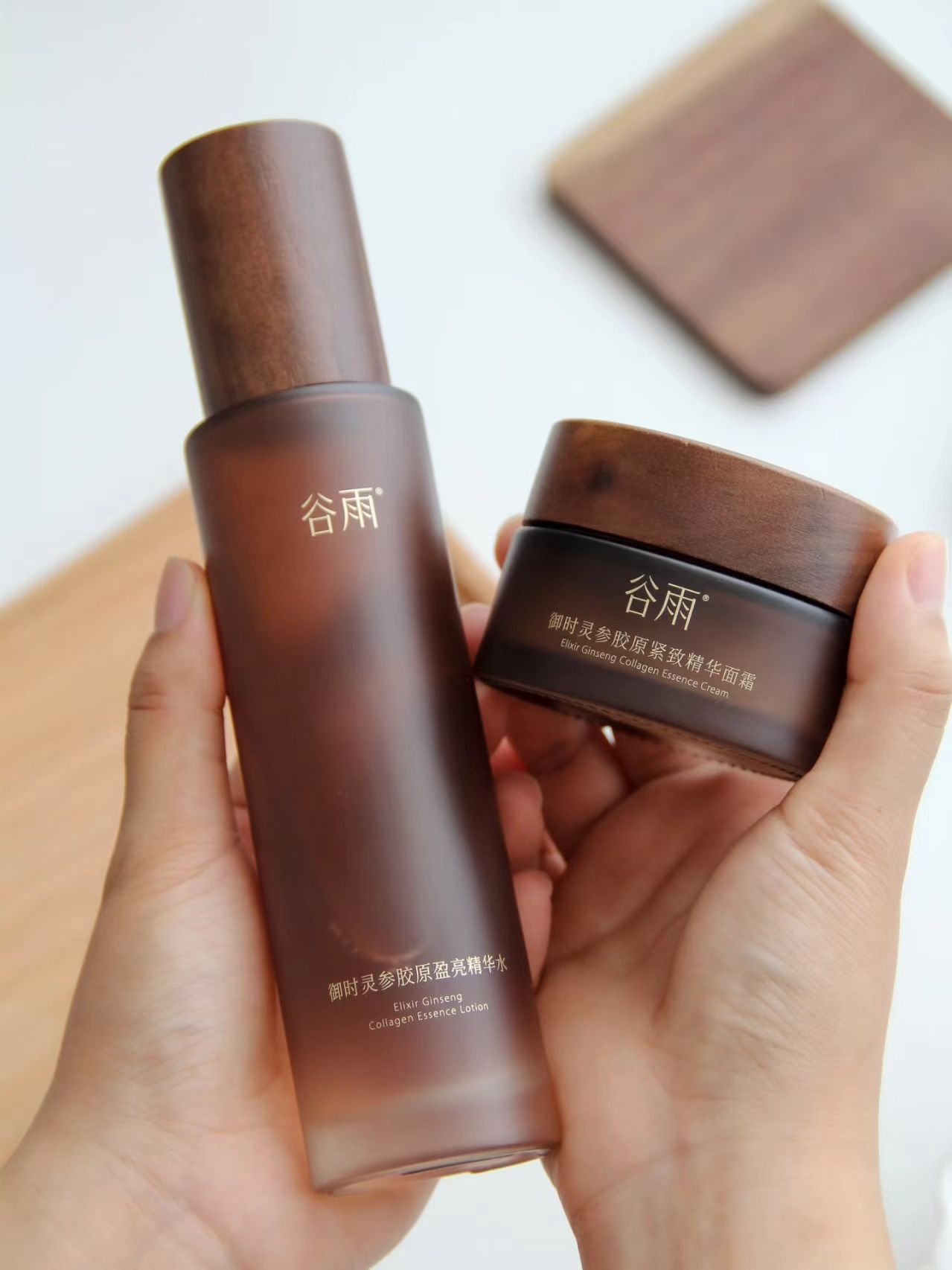
Core Insights - The articles focus on skincare products designed to combat dryness and aging during the autumn and winter seasons, highlighting the effectiveness of specific products like the Gu Yu Ginseng Set and YSL Night Queen Essence [1][3][11] Product Efficacy - Gu Yu Ginseng Collagen Cream Pro, referred to as a "collagen accelerator," utilizes proprietary "Intelligent Enzyme Biomimetic Technology" to convert rare ginsenosides efficiently, showing significant results in wrinkle reduction and skin firmness [3][4] - The cream promotes collagen production by 397% and has a transdermal absorption rate that outperforms other well-known ingredients [4] - After two weeks of use, cheek wrinkles decreased by 14.76%, and after four weeks, crow's feet and nasolabial folds reduced by 4.91% each, with skin roughness decreasing by 19.16% [4] Targeted Solutions - The Gu Yu Ginseng Set offers a comprehensive three-step regimen for tightening and whitening, including a dual-phase water-oil balance product and a collagen cream that is effective without causing dryness [4][6] - YSL Night Queen Essence is positioned as a "rescue product" for urban dwellers, providing hydration and brightness after overnight use, particularly beneficial for those experiencing dullness and fatigue [11][12] Consumer Feedback - Users report positive experiences with the Gu Yu Ginseng products, noting improvements in skin firmness and clarity, especially for sensitive skin types [7] - The YSL Night Queen Essence is praised for its lightweight texture and effectiveness in enhancing skin brightness after a night of poor sleep [11][12] Promotions and Offers - During the Double Eleven shopping festival, the Gu Yu Ginseng Set is available at promotional prices, including additional complimentary products, enhancing its appeal to consumers [7]