房地产周期

Search documents
房地产行业周报:小阳春成交量高峰已过,上海景气度指标全面领跑
Orient Securities· 2026-03-30 08:24
Investment Rating - The report maintains a "Positive" investment rating for the real estate industry [6] Core Insights - Recent performance in the real estate sector has been weak, influenced by unmet policy expectations and underwhelming "small spring" performance, characterized by price-driven volume increases, stronger second-hand home sales compared to new homes, and a high proportion of first-time buyers [2][5] - Key cities like Shanghai and Beijing are showing positive signals, with a reduction in supply due to sellers holding back listings, and a healthy level of second-hand home inventory and absorption cycles [2] - The report suggests that the real estate market in Beijing and Shanghai may stabilize and recover first during this downturn, with a potential price stabilization expected within the next two years [2] - Investors are advised to focus on the real estate market's performance to capture cyclical opportunities, especially given the defensive value of financial real estate amid global risk aversion due to geopolitical tensions [2][5] Market Performance - The A/H real estate index has underperformed compared to benchmarks, with the A-share real estate index declining by 1.42% [10] - Individual stock performance shows significant fluctuations, with Tibet City Investment rising by 21.83% while others like Hefei Urban Construction fell by 9.49% [14] Second-hand Housing Weekly Tracking - In terms of listing prices, Shanghai has seen a continuous increase for three weeks, while Guangzhou has turned positive week-on-week [20] - Listing volumes in Beijing, Shanghai, and Guangzhou continue to decline, with Beijing down by 0.12%, Shanghai by 0.33%, and Guangzhou by 0.18% [22] - Transaction volumes for second-hand homes in major cities have turned negative week-on-week, with Beijing down by 10.8%, Guangzhou by 3.1%, and Shenzhen by 12.9% [28] New Housing Weekly Tracking - New home sales in Beijing and Shenzhen have increased week-on-week by 47% and 22% respectively, while Guangzhou has turned positive at 58% [45] - However, Shanghai's new home sales have decreased slightly by 5% week-on-week [45] Investment Recommendations - The report suggests focusing on three structural themes: Hong Kong real estate companies benefiting from market recovery, commercial real estate REITs, and companies with strong product capabilities and profitability [5]
小阳春成交量高峰已过,上海景气度指标全面领跑
Orient Securities· 2026-03-30 07:35
Investment Rating - The report maintains a "Positive" investment rating for the real estate industry [6] Core Insights - The recent performance of the real estate sector has been weak, influenced by unmet policy expectations and underwhelming sales during the "small spring" season. The market is characterized by price-driven volume increases, with second-hand homes outperforming new homes, and a high proportion of transactions driven by first-time buyers. The structural issues in transaction dynamics indicate that the market's recovery remains under pressure [2] - Positive signals are accumulating in major cities like Shanghai and Beijing, with a notable reduction in supply due to sellers withdrawing listings. The inventory and absorption cycles in these cities have reached healthier levels, suggesting a potential stabilization in housing prices within the next one to two years. Historical data indicates that capital market performance typically leads housing price turning points by 3-6 months, highlighting the importance of monitoring market conditions for investment opportunities [2] - Short-term strategies should focus on defensive value in the financial real estate sector due to declining global risk appetite, while mid-term strategies should target three structural themes: Hong Kong property companies benefiting from market recovery, commercial real estate REITs, and companies with strong product capabilities and profitability [5] Market Performance - The A/H real estate index has underperformed compared to benchmarks, with the A-share real estate index declining by 1.42% [10] - In the second-hand housing market, Shanghai's listing prices have increased for three consecutive weeks, while Guangzhou's prices have turned positive. However, Beijing and Shenzhen continue to see price declines [20][22] - Transaction volumes in Beijing, Guangzhou, Shenzhen, and second-tier cities have decreased week-on-week, with notable declines of 10.8% in Beijing and 12.9% in Shenzhen. Conversely, Shanghai's second-hand home transactions have shown a positive trend, reaching a daily record of 1,585 units [28] Second-hand Housing Weekly Tracking - Listing prices in Shanghai have risen by 0.16% week-on-week, while Guangzhou has seen a 0.06% increase. In contrast, Beijing's prices have dropped by 0.08% and Shenzhen's by 0.08% [20][22] - The listing volumes in Beijing, Shanghai, and Guangzhou continue to decline, with respective week-on-week decreases of 0.12%, 0.33%, and 0.18%. Shenzhen's listings have increased by 0.27% [22][25] New Housing Weekly Tracking - New home sales in Beijing and Shenzhen have increased week-on-week by 47% and 22%, respectively, while Guangzhou has turned positive with a 58% increase. However, Shanghai's new home sales have decreased by 5% [45][46] - The inventory of new homes in first-tier cities has slightly increased by 0.1% week-on-week, indicating a stabilization in the market [47] Financing of Real Estate Companies - The total issuance of new bonds by real estate companies reached 14.444 billion, marking a week-on-week increase of 128.5% [49]





招商蛇口(001979):2025年报点评:业绩反映周期压力,经营表现稳中有进
Changjiang Securities· 2026-03-23 11:25
Investment Rating - The report maintains a "Buy" rating for the company [9] Core Insights - The company reported a revenue of 154.7 billion yuan in 2025, a year-on-year decrease of 13.5%, and a net profit attributable to shareholders of 1.02 billion yuan, down 74.6% year-on-year. The net profit after deducting non-recurring items was 170 million yuan, a decline of 93.1% year-on-year. Despite the cyclical pressures reflected in the performance over the past few years, the company has maintained a certain level of profitability. As the cycle adjusts into the second half, there is potential for performance to bottom out and recover. The company’s sales ranking improved to fourth in the industry, with a significant improvement in land acquisition intensity and a continued focus on core cities, maintaining strong operational performance and competitive strength [2][12][6]. Summary by Sections Financial Performance - The company experienced a significant decline in investment income, which decreased by 81.8% to 710 million yuan, primarily due to reduced profits from cooperative projects. The gross margin continued to decline, and while impairment losses decreased, they remained substantial, putting pressure on performance. The revenue performance is expected to remain under pressure in the short term, but the gross margin is at a bottom range. Based on international experience and the current cycle position, the decline in housing prices is expected to narrow, leading to a continued decrease in impairment losses. Overall, performance is expected to bottom out and recover, with significant elasticity if the industry experiences a turning point [12][6]. Sales and Market Position - In 2025, the company achieved sales of 196 billion yuan, a decrease of 10.6%, which was better than the industry average. The sales ranking improved by one position to fourth in the industry, with an average selling price increase of 16.8% to 27,370 yuan per square meter. The land acquisition amount reached 93.8 billion yuan, an increase of 92.8%, with an average acquisition price of 21,293 yuan per square meter, down 1.5%. The land acquisition intensity improved significantly to 48%, with nearly 90% of investments focused on ten core cities, including 63% in first-tier cities. The company’s investment strategy emphasizes focusing on core areas and selecting projects carefully, which is expected to enhance the profit realization capability of new projects [12][6]. Financial Health - The company maintained a reasonable leverage level, with a debt-to-asset ratio of 64.17% and a net debt ratio of 72.46% at the end of 2025. The cash-to-short-term debt ratio was 1.19, with short-term debt accounting for 23%. Although leverage levels increased, they remained within a reasonable range, and operating cash flow remained positive. The company raised 17.94 billion yuan in public market financing, with interest rates at the lower end of the industry range. The average financing cost at year-end was 2.74%, down 25 basis points from the beginning of the year, maintaining a leading position in the industry [12][6]. Business Development - The company’s asset management business showed steady growth, with total income from managed properties reaching 7.63 billion yuan, a year-on-year increase of 2.2%. The company has established three listed REITs platforms and has created exit channels in major operational areas such as commercial, office, industrial parks, and apartments. In 2025, the company initiated the second purchase of infrastructure projects for the Bosera Shekou Industrial Park REIT, continuously releasing the value of existing assets. The urban service business achieved revenue of 19.27 billion yuan, a year-on-year increase of 12.2%, with net profit attributable to shareholders growing by 8.3% after excluding the impact of disposed projects, and the managed area reached 377 million square meters [12][6].

点燃希望· 任泽平年度预测往期金句回顾
泽平宏观· 2026-03-17 16:06
Core Viewpoint - The article emphasizes the importance of understanding past economic predictions to better navigate future opportunities and challenges in the Chinese economy [2][5]. Group 1: Economic Predictions - Ren Zeping's "Top Ten Predictions for China's Economy" was presented on June 17, 2022, highlighting forward-looking insights for businesses and individuals [5][10]. - The predictions include a focus on the long-term impact of population trends on real estate, with an emphasis on the aging population and urbanization nearing completion [8][30]. - The article discusses the transition to a post-real estate era, where market adjustments and differentiation will be key trends, with a shift from a seller's market to a buyer's market [30][33]. Group 2: Investment Opportunities - The article suggests that the best investment opportunities will arise from large-scale economic stimulus plans and the development of new infrastructure [30][27]. - It highlights the need for businesses to adapt to changing environments, emphasizing that survival depends on the ability to recognize and act on trends [12][23]. - The future of real estate will focus on quality and improvement-driven demand, moving away from traditional high-leverage models [36][33]. Group 3: Market Dynamics - The article notes that economic cycles will continue to repeat, with stocks, commodities, cash, and bonds performing in a predictable order [19]. - It stresses the importance of rational optimism in facing changes, suggesting that those who adapt will thrive while pessimists will be left behind [13][39]. - The article concludes that understanding the cyclical nature of the economy is crucial for identifying investment opportunities and risks [19][39].


小阳春重点关注价格表现而非成交量,严控新增建设用地不等于暂停供地
Orient Securities· 2026-03-16 05:45
Investment Rating - The report maintains a "Positive" outlook for the real estate industry [6] Core Insights - The report emphasizes the importance of price performance over transaction volume during the current "small spring" season in the real estate market, suggesting that price trends are crucial for assessing the overall market trajectory [2][3] - The recent policy from the Ministry of Natural Resources, which focuses on "strict control of new land and revitalization of existing land," aligns with the government's long-standing approach and does not imply a halt in land supply [3][51][52] - The report highlights that while transaction volumes in major cities like Shanghai have shown significant increases, asset prices remain relatively stable, indicating a need for ongoing monitoring of price trends [2][4][31] Market Performance - The A-share real estate index experienced a weekly decline of 0.53%, underperforming compared to the CSI 300 index [10][11] - In the Hong Kong market, the index for Hong Kong property stocks fell by 2.65%, while the index for Hong Kong-funded property companies dropped by 5.88%, both underperforming against the Hang Seng Index [14][15] Secondary Housing Weekly Tracking - In the secondary housing market, Shanghai and Beijing saw week-on-week price increases, while the national average price declined by 0.1%, with a narrowing of the decline [21][25] - Transaction volumes in major cities have surged, with Shanghai recording a single-day transaction high of 1,472 units, marking a significant increase in activity [31][33] New Housing Weekly Tracking - The "small spring" trend continues in the new housing market, with a 73% week-on-week increase in transaction volumes in first-tier cities, particularly notable in Guangzhou and Shanghai [47][48] - The total inventory of new homes has slightly decreased, with first-tier cities showing a 1.0% week-on-week decline [49][50] Key Event Commentary - The Ministry of Natural Resources has clarified its development direction, emphasizing the need to balance new and existing land use, which is expected to influence future land acquisition strategies for real estate companies [3][51][52] Investment Recommendations - The report suggests focusing on national real estate companies or local state-owned enterprises that have rich experience in urban renewal projects, as future land acquisition will increasingly depend on revitalizing existing land [3][5]

海外国家房地产周期研究之英国:他山之石
Western Securities· 2026-02-04 07:30
Investment Rating - The report does not explicitly state an investment rating for the industry Core Insights - The UK real estate market has experienced significant fluctuations, with a recovery in second-hand home sales reaching 66% of pre-crisis peak levels and house prices recovering to 1.55 times the pre-crisis peak after 83 months [5][12][25] - The impact of policies such as quantitative easing (QE) and stamp duty adjustments has been significant, with the latter showing more pronounced effects on the real estate cycle [5][27] - Population dynamics, including high homeownership rates among local residents and the influx of new immigrants, have influenced housing demand, although immigration has not significantly impacted house prices [5][46][50] Summary by Sections Transaction Volume and Price Cycle Review - The UK housing market saw a decline in second-hand home sales by 64% and new home sales by 59% during the crisis period from 2007 to 2009 [12] - Currently, second-hand sales have recovered to 66% of their peak, while new home sales are at 45% of their peak [12] - House prices have increased to 1.55 times the pre-crisis peak, indicating a strong recovery [12][25] Policy Cycle Impact Review - The report highlights that the focus of policy responses during the 2007-2009 financial crisis was on stabilizing the banking system rather than directly stimulating housing transactions or prices [28] - Key measures included bank nationalization, emergency liquidity support, and the initiation of QE, which helped stabilize the housing market [28][29] Core Influencing Factors: Population Migration, Rent, and Mortgage Loans - The homeownership rate among UK-born residents is 67%, while EU-born residents have a lower homeownership rate of 35% [39][42] - New immigrants tend to rent initially, with homeownership rates increasing significantly after 20 years of residence in the UK [44] - Rental prices have shown a consistent upward trend, with recent yields recovering to 6.08% after a decline [50][62] Mortgage and Holding Costs - The average holding cost for properties is estimated to be between 1.0% and 2.5% of the property value annually [5][78] - The typical loan-to-value ratio for owner-occupied homes ranges from 75% to 90%, while investment properties usually do not exceed 75% [78] Price-to-Income Ratio and Monthly Payment Burden - The national price-to-income ratio was 4.9 in Q3 2025, with a peak of 5.8 in Q3 2022 and a low of 4.1 in Q1 2009 [73] - The monthly payment burden ratio was 33.8% in Q3 2025, with a peak of 46% in Q4 2007 and a low of 27.1% in Q3 2020 [77] Mortgage Loan Dynamics - The total amount of mortgage loans issued has seen a recovery post-crisis, with significant fluctuations in new loan commitments reflecting market sensitivity [80][83] - The pricing of mortgage loans has shifted from being risk-premium driven to being more influenced by policy interest rates [86]
任泽平:未来房价上涨的3大信号
泽平宏观· 2026-01-23 16:41
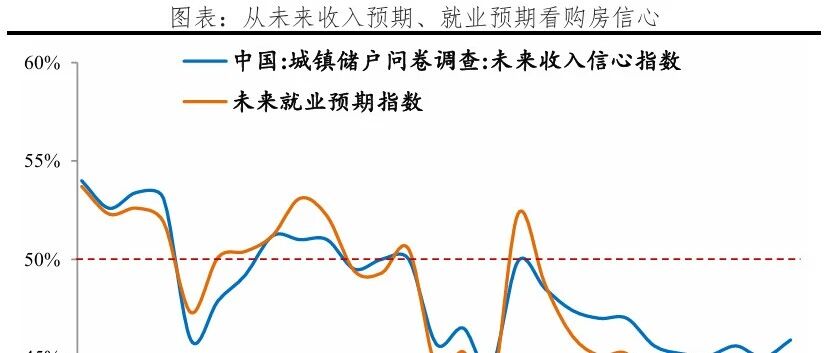
Core Viewpoint - The real estate market is experiencing a significant downturn, with sales halving compared to peak levels, and prices in first and second-tier cities dropping by 20%-30%. A new perspective suggests that only 20% of core cities will see prices rise again, while 80% will face prolonged declines [2]. Group 1: Signals for Future Price Increases - The first major signal is a shift in policy from "relaxation" to "encouragement," indicating a significant change in government stance towards the real estate market. This includes potential easing of restrictions on purchases and loans [4][5]. - The second signal is the emergence of an economic turning point, with leading indicators such as the manufacturing PMI new orders index showing recovery, which supports housing demand [9]. - The third signal involves a reversal in supply-demand dynamics, where hotspots with increasing populations and decreasing land supply will see price increases. For instance, residential land transaction areas are expected to drop by 18% year-on-year in 2024, while core cities continue to attract young populations [12]. Group 2: Policy Changes and Economic Indicators - Future policy signals are expected to include comprehensive easing of purchase restrictions, significant reductions in mortgage rates, and tax relief measures to restore market confidence [7][8]. - Historical precedents indicate that prior to market recoveries, key policy changes such as interest rate cuts and the easing of purchase restrictions have been critical [8]. - Economic recovery indicators, such as the urban resident income confidence index and employment expectations, are crucial for predicting housing market trends [9]. Group 3: Long-term Investment Strategy - The long-term strategy emphasizes the importance of investing in core cities and prime locations to ensure property value appreciation and resilience against market cycles. The "80/20 phenomenon" in real estate suggests focusing on the top 20% of cities for investment opportunities [14].
对2026房价的侧面判断
Sou Hu Cai Jing· 2026-01-21 15:34
Group 1 - The core viewpoint indicates that the real estate market in Shanghai is currently driven by low-priced properties under 3 million, primarily catering to first-time homebuyers, with a notable decrease in the influx of new residents [1] - Shanghai's permanent resident population is projected to be 24.8 million, with a target of 25 million by 2035, suggesting limited growth in demand for affordable housing in the coming years [1] - The effective demand for properties priced around 3 million is expected to be low unless there is significant urban renewal, which may create new demand [1] Group 2 - The article suggests that the cyclical nature of the real estate market is unavoidable, and the best approach is to manage the pain through policy measures rather than attempting to eliminate the cycle [2] - There are rumors of potential policy relaxations in 2026, but the effectiveness of such measures in meeting market expectations is uncertain [2] - The current stability in the Shanghai real estate market indicates a period of observation is advisable, with ongoing policies suggesting that the market will continue in its current state [2]
12月17日热门路演速递 | 2026固收破局、宏观稳中求进、AI规模化兑现、地产新解
Wind万得· 2025-12-16 22:57
Group 1: Fixed Income Insights - The focus is on the asset allocation challenges in a low interest rate environment in 2026, with a deep dive into the framework of major asset allocation and the steady approach of "fixed income +" strategies [2] - The strategic value of bond ETFs and structural opportunities in credit bonds and convertible bonds will be analyzed to provide practical guidance for diversified allocation [2] Group 2: Macroeconomic Stability - The forum will explore how China's macro economy can achieve "steady progress" in 2025, addressing whether the current economy is "steady with progress" or "progress with concerns" [5] - Key issues such as low CPI operation and the stabilization of the real estate market will be discussed, along with the balance between "stabilizing growth" and "preventing risks" [5] Group 3: Technology Sector Strategy - The outlook for 2026 highlights the advancement of AI, focusing on three main areas: the large-scale implementation of domestic computing power, breakthroughs in multimodal capabilities of large models, and the scaling of enterprise-level AI applications [7] - The discussion will center on the industrial transition from "+AI" to "AI+" and the investment opportunities that arise from this shift [7] Group 4: Real Estate Market Analysis - The analysis indicates that stable policy expectations, a low interest rate environment, and improved supply-demand structures are key forces supporting the stabilization of the real estate market [10]

全国卖地收入,回到了2015年
Sou Hu Cai Jing· 2025-12-11 15:04
Core Viewpoint - The real estate market in Chengdu is experiencing significant challenges, with a notable decline in land auction activity and developer interest, reflecting broader national trends in the industry [1][11]. Group 1: Land Auction Dynamics - Recent rumors about a pause in land auctions in Chengdu highlight the prevailing market anxiety, despite scheduled auctions continuing into December [1]. - A recent land auction in the Pidu District saw a local developer win a plot with a 40% premium, marking a rare moment of competition in an otherwise subdued market [4]. - In contrast, several prime plots in the city center failed to attract bids, indicating a lack of confidence among developers in the current market conditions [4][5]. Group 2: Market Trends and Pricing - The average floor price for residential land in Chengdu has dropped to 6,973 yuan per square meter in the second half of the year, down from 10,824 yuan in the first half, with average premium rates also declining significantly [10]. - The overall land supply in Chengdu has increased, with 15 plots offered in November and 17 in December, yet only two plots achieved premiums in November, reflecting weak demand [8][11]. - Nationally, land transaction revenues are projected to fall to around 2.8 trillion yuan, reminiscent of figures from a decade ago, with current average premium rates at 5.44%, half of what they were ten years prior [12][14]. Group 3: Historical Context and Future Outlook - The current market conditions echo those of 2015, a low point in the previous real estate cycle, characterized by falling prices and a retreat of developers to major cities [15]. - The industry is at a critical juncture, with uncertainty about future recovery mechanisms, contrasting with the previous cycle's stimulus measures [19].