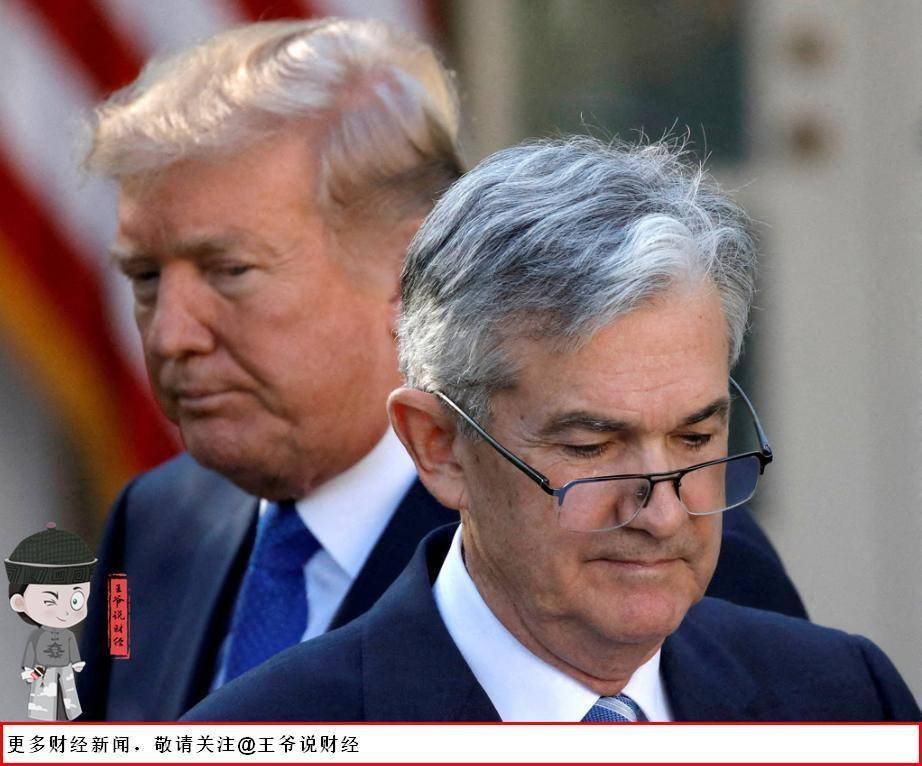
金融市场动荡

Search documents
印度股市今年开局“十年来最差”
Huan Qiu Shi Bao· 2026-01-28 23:02
Group 1 - The Indian stock market is experiencing its worst annual start in a decade, with the Bombay Stock Exchange index down nearly 4% year-to-date and the NIFTY index facing its worst opening since 2016 [1] - Approximately $360 billion in market capitalization has been wiped out from the Indian stock market in January alone, putting significant pressure on the Modi government ahead of the upcoming budget announcement [1] - Foreign investors continue to sell off Indian stocks due to high valuations, weak earnings, and geopolitical risks, following a record outflow of funds in 2025 [1] Group 2 - The Modi government plans to announce a series of domestic policy reforms in the upcoming budget to sustain rapid economic growth and enhance resilience against external shocks [2] - The economic growth rate for the fiscal year ending March 31, 2026, is projected to be 7.4%, but infrastructure spending and tax cuts have limited the government's fiscal space for supporting the economy in the new budget [2] - Uncertainties in trade negotiations between New Delhi and Washington have led to market volatility and a decline in the rupee to historical lows [2]
Aliens Confirmed? Ex-Bank of England Insider Ties Bitcoin to Cosmic Theory
Yahoo Finance· 2026-01-19 09:25
Core Argument - The potential confirmation of extraterrestrial life could lead to unprecedented financial chaos, with Bitcoin possibly serving as a last-resort refuge amidst traditional financial institutions' collapse [2][3]. Group 1: Financial Implications of Alien Disclosure - Helen McCaw warns that the confirmation of intelligent extraterrestrial life could result in extreme market volatility, bank runs, payment system failures, and civil unrest within hours [3]. - The ongoing U.S. declassification efforts regarding Unidentified Anomalous Phenomena (UAPs) are contributing to these concerns, as several senior officials express belief in the possibility of intelligent non-human life [4]. Group 2: Bitcoin's Position in a Crisis - Bitcoin is viewed as a decentralized and independent asset that could attract investors seeking safety from the potential collapse of fiat currencies due to a loss of confidence in traditional financial systems [5]. - McCaw predicts a rush to perceived safe havens, suggesting that traditional assets like gold may falter if alien technology indicates an abundance of space-mined precious metals [5]. Group 3: Market Preparedness - Prediction markets are currently assigning a 14% chance of official disclosure of extraterrestrial life before 2027, indicating that while the probability is low, markets are unprepared for the cascading effects of such a radical event [6].
分歧加剧!美指跌破关口 26年降息路径成关键博弈点
Jin Tou Wang· 2026-01-12 14:27
Core Viewpoint - The ICE US Dollar Index has entered a downward trend, breaking key support levels and ending a previous streak of gains, indicating short-term pressure on the dollar [1] Group 1: Federal Reserve and Monetary Policy - The recent Federal Reserve meeting saw a significant number of dissenting votes, highlighting deep internal divisions among committee members regarding interest rate policy [1] - There are two opposing factions within the dissenting group: one advocating for maintaining rates to prevent sticky inflation, while the other supports larger rate cuts to address weak employment [1] - The divergence in opinions among committee members has led to decreased predictability in policy, undermining market confidence in the dollar [1] Group 2: Global Central Bank Policies - Central bank policies among major economies are increasingly diverging, exerting continuous pressure on the dollar [1] - The Federal Reserve has initiated a rate-cutting cycle, but the pace of future cuts remains uncertain; the European Central Bank has paused cuts, while the Bank of Japan is gradually increasing rates [1] - This lack of coordinated policy among central banks disrupts the previous supportive environment for the dollar, making it difficult for the currency to rely on a single easing cycle for sustained support [1] Group 3: Economic Indicators and Market Reactions - The U.S. economy is experiencing a "growth and employment temperature gap," with GDP growth expectations being raised while non-farm employment data remains weak [1] - The Federal Reserve is adopting a "wait-and-see" approach, planning to pause rate cuts in the short term, which further amplifies market volatility due to policy uncertainty [1] - Following the dollar's decline, non-U.S. currencies have strengthened, gold prices have surged, and U.S. Treasury yields have slightly decreased, indicating a shift towards safe-haven assets [2] Group 4: Future Outlook and Risks - In the short term, the dollar index needs to be monitored closely for key moving average support levels, with potential for further declines if these are breached [2] - The long-term outlook for the dollar index will hinge on the pace of Federal Reserve rate cuts and the policy direction of the new chairperson, with predictions suggesting a "steady then weak" trend for the year [2] - There are three major risk variables to watch: potential inflation resurgence, geopolitical conflicts, and financial market turbulence, which could alter the rate-cutting path and lead to significant adjustments in the dollar index and global market volatility [2]
日本加息落地:暴跌没有,麻烦在后头
Sou Hu Cai Jing· 2025-12-20 03:16
Group 1 - The Bank of Japan raised its policy interest rate by 0.25 percentage points to 0.75%, marking the highest level since September 1995 and signaling the end of a 30-year era of ultra-loose monetary policy [1][6][17] - The decision to raise interest rates was driven by persistent inflation, with the Consumer Price Index (CPI) for November showing a year-on-year increase of 2.9%, remaining above the central bank's 2% target for 44 consecutive months [6][21] - The increase in interest rates has led to a significant rise in Japanese government bond yields, with the 10-year bond yield reaching 2.022%, the highest in 26 years, indicating a sell-off in the bond market [20][22] Group 2 - The market reaction to the interest rate hike was initially positive, with the Nikkei 225 index rising by 1.03% on December 19, and further increasing by 1.69% by the following day, contrary to fears of a financial crisis [3][4] - The depreciation of the yen against the dollar post-rate hike, with the USD/JPY reaching a high of 157.394, raises questions about the effectiveness of the rate increase in attracting investment into yen-denominated assets [15][18] - Analysts express concerns about the long-term implications of rising interest rates on Japan's fiscal health, as the government debt-to-GDP ratio stands at 230%, and increased interest payments could strain the already fragile fiscal situation [21][26]


美联邦政府时隔7年再次“停摆”,引发金融市场动荡
Xin Jing Bao· 2025-10-03 04:02
Group 1 - The U.S. federal government shutdown, occurring for the first time in seven years, is expected to negatively impact the economy, including U.S. import and export trade, and investment, shaking corporate confidence in the U.S. market [1][6] - Key financial regulatory agencies, including the SEC and CFTC, have placed most of their staff on unpaid leave, leading to a suspension of IPO applications and delays in the listing process for many companies, which could harm investor sentiment [3][5] - The shutdown is likely to exacerbate existing concerns in global asset markets, with investors shifting capital towards safe-haven assets like gold, potentially leading to price increases in these commodities [3][5] Group 2 - During the shutdown, customs operations will continue, but many technical staff will be on unpaid leave, causing delays in new certifications, approvals, and background checks, which will complicate import and export licensing for traders [5][6] - The absence of timely economic data releases, including employment and price data, will create uncertainty for foreign companies operating in the U.S. market, further amplifying global economic insecurity [6] - Historical data indicates that during the last shutdown in 2018, delays in food and beverage import/export procedures led to significant losses for traders, with cargo dwell times at major ports increasing by 15% to 20% [5][6]
关键的地方选举失利后,阿根廷资本外流加速!总统米莱承认“市场处于恐慌状态”,金融市场陷入动荡
Sou Hu Cai Jing· 2025-09-23 04:00
Group 1 - The core viewpoint is that Argentina's financial market is in a state of crisis, as acknowledged by President Milei following a significant local election defeat [1] - President Milei stated that the market is in a state of panic, which has raised concerns about the sustainability of his reform agenda and led to accelerated capital outflows [1] - The latest comments from Milei have intensified market tensions, with investors fearing a potential abandonment of the peso, leading to a "free-fall" in its exchange rate [1] Group 2 - Over the past month, the Argentine peso has depreciated by more than 10% against the US dollar, and it has fallen over 34% in the past year [3] - Argentine bonds and stocks have experienced widespread declines, with a noticeable increase in the speed of capital outflows [3]
让央行听话,这不只是特朗普的愿望
Hua Er Jie Jian Wen· 2025-08-25 07:22
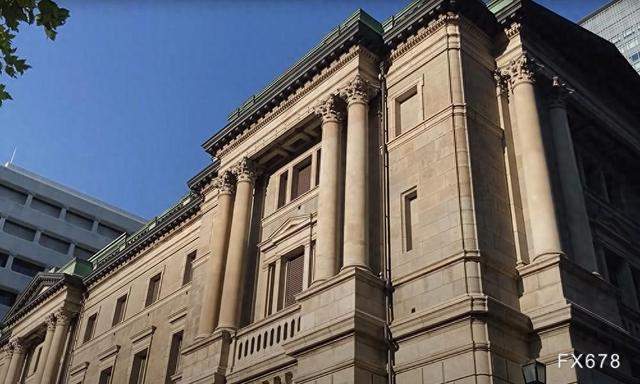
Core Viewpoint - Trump's pressure on the Federal Reserve to lower interest rates and reshape its leadership is raising global concerns among central banks about political interference in monetary policy [1][2]. Group 1: Impact on Central Bank Independence - Central bank officials from around the world expressed strong support for Powell's independence during the Jackson Hole meeting, viewing any loss of independence as a direct threat to global economic stability [2]. - Joachim Nagel, head of the German central bank, emphasized that independence is essential for price stability and should not be taken for granted [2]. - Concerns were raised that if the Fed succumbs to political pressure, it could set a dangerous precedent for political attacks on monetary policy independence globally [2][3]. Group 2: Global Political Pressure on Central Banks - Trump's actions are not isolated; central banks in Latvia, Slovenia, and Japan have faced similar political pressures [3]. - The Latvian central bank governor faced criticism for not aligning with government wishes, while Slovenia has been without a central bank governor due to political disputes [3]. - Japan's former Prime Minister Abe criticized the previous central bank governor, leading to a change in leadership that resulted in aggressive monetary policies [3]. Group 3: Potential Market Reactions - Currently, financial markets do not show deep concern regarding the Fed's independence, with strong stock market performance and stable bond yields [4]. - However, if the Fed's independence is compromised, it could lead to significant market turmoil, with investors demanding higher risk premiums for holding U.S. Treasuries [5]. - Analysts warn that Trump's actions could encourage governments, especially populist ones, to exert control over their central banks, potentially leading to rising global inflation and increased market volatility [5].
如果美联储主席鲍威尔下台,会有啥影响?
Sou Hu Cai Jing· 2025-07-26 06:33
Group 1 - The potential criminal transfer of Federal Reserve Chairman Jerome Powell could significantly impact the financial markets, likened to a "super nuclear bomb" in the financial sector [10] - If Powell is removed, the U.S. financial markets, including the stock, bond, and currency markets, are expected to experience severe volatility, with investors likely to panic and withdraw funds [11][15] - The uncertainty surrounding Powell's potential departure could lead to a lack of clarity in monetary policy, affecting corporate investment decisions and overall economic growth [19][23] Group 2 - The bond market may face challenges as investor confidence in U.S. Treasury securities could decline, leading to increased yields and a heavier debt burden for the U.S. government [17] - The dollar's status as a global currency could be jeopardized, with potential depreciation impacting international investor sentiment and leading to a shift towards other currencies [17][38] - The political implications of Powell's situation could intensify the power struggle between the White House and the Federal Reserve, potentially compromising the Fed's independence and long-term economic stability [25][27] Group 3 - The U.S. economy, already struggling with recovery, may face additional hurdles if Powell is ousted, leading to increased unemployment and reduced consumer spending [23][24] - The event could create both challenges and opportunities for China's economy, particularly in export trade and financial markets, as shifts in U.S. economic conditions may alter trade dynamics [31][33] - The potential decline in the dollar's credibility could provide an opportunity for the internationalization of the renminbi, enhancing its role in global trade and finance [37][38]

特朗普推动美联储政策利率降到1%,有多不靠谱?
Sou Hu Cai Jing· 2025-07-23 08:12
Core Viewpoint - President Trump's push for the Federal Reserve to lower the policy interest rate to 1% has sparked widespread attention and controversy, revealing complex underlying factors that indicate the impracticality of this proposal [2][6]. Group 1: Debt Pressure and Economic Stimulus - Trump's primary motivation for advocating a rate cut is to alleviate the heavy debt burden on the U.S. government, which incurs over $600 billion annually in interest payments. He believes that a 1% rate could save $360 billion in refinancing costs each year [2]. - The administration aims to stimulate the economy through lower interest rates, as current tariff policies have negatively impacted consumers, leading to a weakened domestic market and increased inflationary pressures [2]. Group 2: Federal Reserve's Responsibilities and Policy Logic - The Federal Reserve's dual mandate is to maintain low inflation and strong employment, which Trump's proposal deviates from. Economists argue that only by achieving these goals can borrowing costs stabilize in the long term [3]. - Current inflation in the U.S. is manageable, and a sudden drop to 1% could trigger uncontrollable inflation, harming the purchasing power and quality of life for ordinary citizens [3]. Group 3: Historical Context and Market Dynamics - Historical patterns show that the Federal Reserve adjusts rates cautiously, typically only considering significant cuts during crises, as seen in the gradual rate reductions during the 2008 financial crisis [5]. - A rapid reduction to 1% could disrupt market expectations, leading to excessive speculation in the stock market and distorting the bond market yield curve, increasing systemic risks in the financial system [5]. Group 4: Global Economic Implications - A major shift in U.S. interest rates would have widespread spillover effects on the global economy, potentially undermining the dollar's international standing and leading to a sell-off of dollar assets [5]. - Other countries may feel compelled to follow suit with rate cuts to stabilize their economies and currencies, potentially igniting a global interest rate war and disrupting the global financial order [5].
超支30%,美联储总部翻修耗资25亿!特朗普借此威胁解雇鲍威尔?
Sou Hu Cai Jing· 2025-07-16 08:40
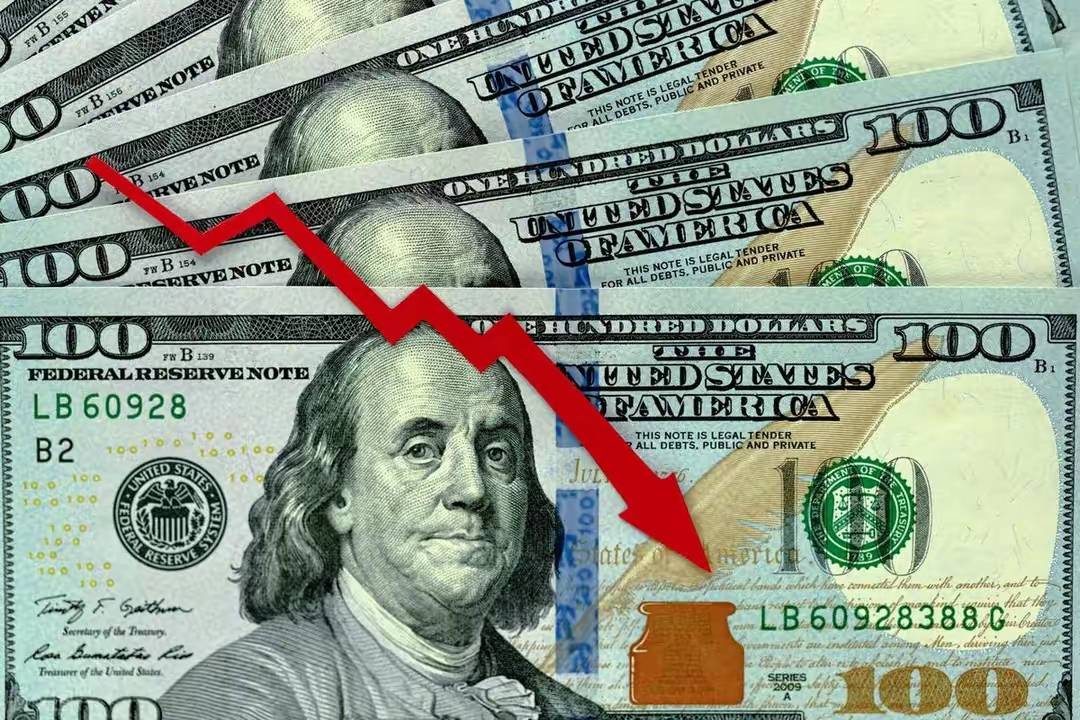
Core Viewpoint - The Trump administration is leveraging the cost overruns of the Federal Reserve's headquarters renovation, which exceeded the initial budget by 30% to reach $2.5 billion, as a potential reason to dismiss Fed Chairman Jerome Powell [1][3][5]. Summary by Sections Renovation Cost Overruns - The renovation project, initiated in 2017, had an initial budget of $1.9 billion but ballooned to $2.5 billion by 2025, marking a 30% increase in costs [3]. - Republican lawmakers criticized the project for including luxurious features, likening it to the renovation of the Palace of Versailles [4]. Political Implications - The Trump administration has called for a congressional investigation into the renovation, suggesting that if the allegations are substantiated, Powell should resign [5]. - Trump has publicly stated that the renovation costs could justify Powell's dismissal, indicating a strong discontent with Powell's performance [6][7]. Fed's Independence and Powell's Response - Legally, the President can only dismiss the Fed Chairman for "serious misconduct," and policy disagreements do not qualify as such [12]. - Powell has requested an independent review of the renovation and has denied the luxury allegations, emphasizing that the renovations were necessary for safety compliance [12]. Alternative Strategies for Trump - If dismissal is not feasible, Trump may announce a successor to influence market expectations and undermine Powell's authority [15]. - The administration could also use the congressional investigation to shape public opinion and pressure Powell to resign [16]. Market Reactions and Economic Consequences - Analysts warn that if Powell is forced out, it could lead to significant market turmoil, with potential declines in the dollar and stock market [18]. - The erosion of the Fed's independence could trigger a loss of confidence in the dollar system globally, with gold prices potentially surging [19]. - The situation could set a dangerous precedent for presidential intervention in monetary policy, increasing inflation risks and the likelihood of economic recession [20][21].