
价值竞争

Search documents
尚驰家居董事长杜海云:政策赋能下,以价值竞争筑就民族品牌之路
Sou Hu Cai Jing· 2025-12-12 02:41
Core Viewpoint - The conference held in Foshan focused on the transformation of the building materials and home furnishing industry towards quality, intelligence, and sustainability, highlighting the importance of policy opportunities and market demand for driving growth [1] Company Insights - The company recognizes the supportive policies from the government, such as urban renewal and old-for-new programs, as vital for injecting new momentum into the home furnishing industry [3] - The company aims to align its development strategy with national policy directions to effectively convert policy benefits into competitive advantages through product and service innovation [3][4] - The company has benefited from government subsidies in the old-for-new sector, which has reduced operational costs and stimulated market activity [5] - The company is still in the exploratory phase regarding aging-friendly renovations, indicating a need for adaptation in transitioning from consumer markets to elder care markets [5] Industry Trends - The industry is shifting from price competition to value competition, with a consensus on the need for a healthy ecosystem that emphasizes quality, service, brand strength, and channel effectiveness [6][8] - The company believes that a strong product quality and service can lead to consumer recognition without relying on low-price strategies, especially during market downturns [8] - The company plans to enhance brand building and professional service systems as core strategies for becoming a century-old national brand [9] Market Expansion - The company is pursuing a diversified channel strategy, including international expansion with a focus on brand outreach, having signed agreements in over fifty countries and established more than twenty stores [9] - Domestically, the company is targeting the health and elderly care market while leveraging various online platforms to reach younger consumers [9] - The company prioritizes three factors when exploring new growth areas: alignment with national policy, meeting genuine consumer needs, and consistency with long-term strategic goals [9]

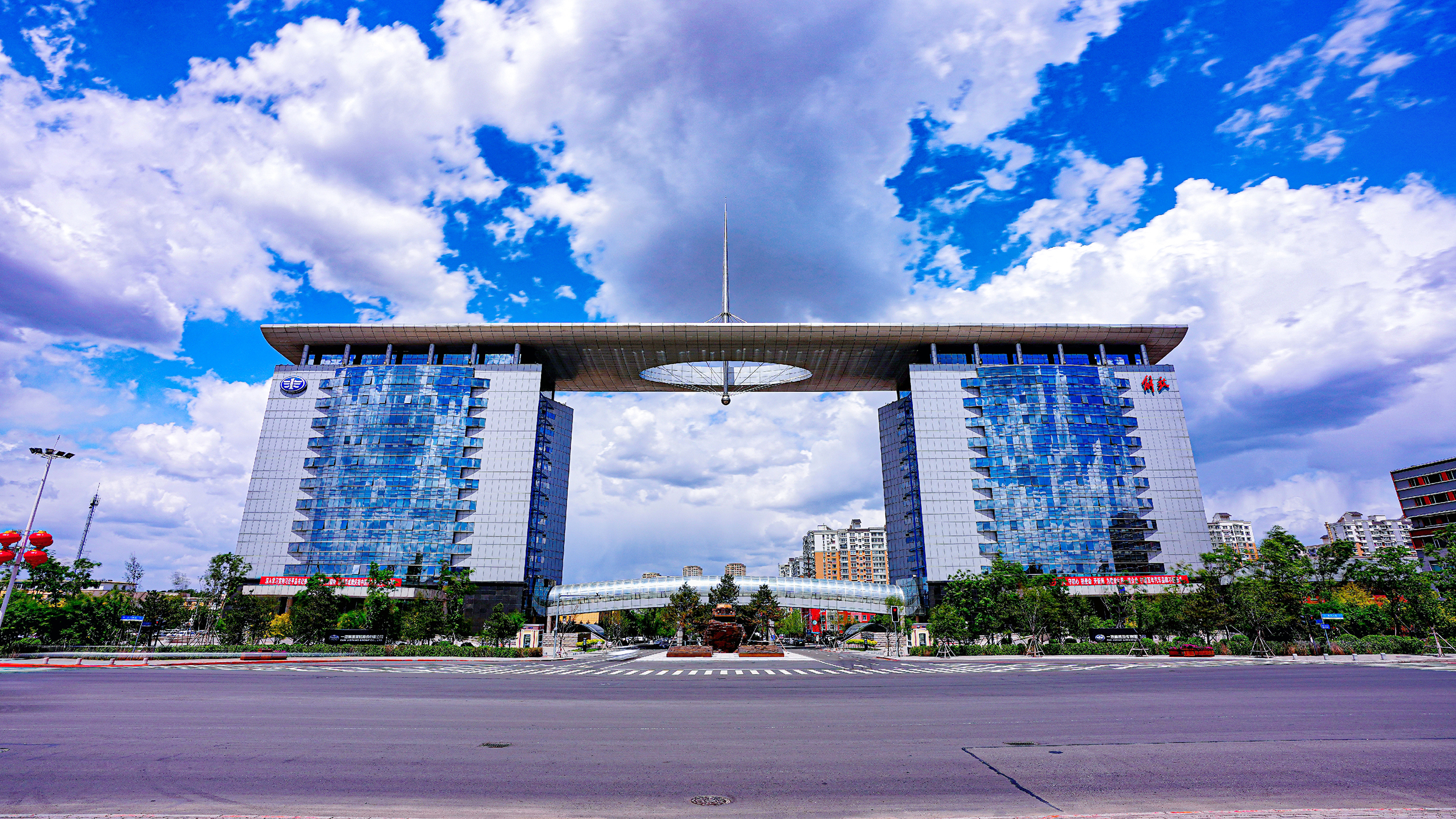
直面掌门人 | 一汽解放李胜:在“守”与“变”中锻造穿越周期韧性
Shang Hai Zheng Quan Bao· 2025-12-12 02:35
Core Viewpoint - The interview with Li Sheng, the Party Secretary and Chairman of FAW Jiefang, emphasizes the balance between maintaining brand heritage and adapting to market changes, highlighting the company's commitment to value competition over price competition in the commercial vehicle industry [4][5]. Group 1: Industry Challenges and Company Response - The commercial vehicle industry is facing significant challenges, including demand contraction, intensified competition, and low freight rates, which have adversely affected truck drivers, the most impacted group in the supply chain [5][6]. - FAW Jiefang has chosen to invest in quality and value rather than engage in price wars, believing that short-term price reductions can lead to long-term losses for users and the industry [6][7]. - The company reported a 525.14% year-on-year increase in net profit attributable to shareholders in the third quarter, indicating a strong recovery and market leadership in the heavy truck segment [7]. Group 2: Commitment to Quality and Technology - FAW Jiefang has initiated a "three-year quality campaign" to embed quality metrics into performance assessments, aiming for a 30% reduction in vehicle claim frequency and costs by year-end [8][12]. - The company has a dual-track decision-making process that prioritizes technical decisions, ensuring that quality and safety are never compromised [8][12]. - Long-term investments in technology and quality are seen as essential for building customer trust and sustaining competitive advantage [8][12]. Group 3: Strategic Vision and Future Growth - FAW Jiefang is transitioning from merely manufacturing vehicles to becoming a provider of integrated green intelligent transportation solutions, reflecting a shift in competitive focus from individual companies to entire industry ecosystems [13][14]. - The company is actively pursuing cross-industry collaborations, as evidenced by its recent investment in partnerships with leading firms to enhance its presence in the new energy vehicle market [13][14][15]. - FAW Jiefang aims to achieve one-third of its sales from new energy vehicles by 2030, demonstrating a commitment to sustainable development and innovation [19]. Group 4: Global Expansion and Market Position - The company has experienced a tenfold increase in overseas exports, indicating a robust international growth strategy that includes local R&D and manufacturing [16]. - FAW Jiefang's upcoming global partner conference will showcase its achievements in cross-industry integration and new product developments, reinforcing its commitment to global collaboration [16][17]. - The company is focused on creating a comprehensive service platform that enhances the customer experience throughout the vehicle lifecycle, moving from one-time transactions to ongoing service relationships [15].

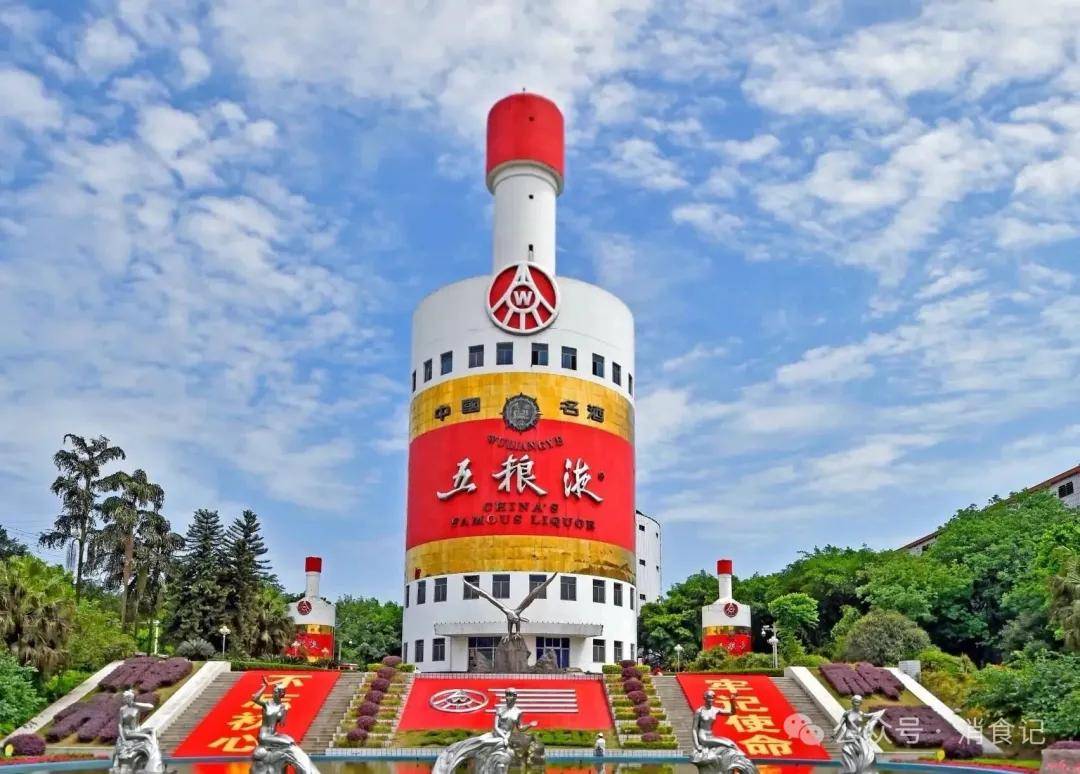
五粮液第八代普五开票价直降:白酒行业价格重构浪潮下的深度剖析
Sou Hu Cai Jing· 2025-12-11 18:59
Core Insights - The core point of the articles is that the Chinese liquor industry is undergoing a significant transformation, marked by Wuliangye's decision to reduce the price of its flagship product, the eighth generation of Pu Wu, from 1019 yuan to 900 yuan per bottle, indicating a shift from "bubble prosperity" to rationality in the market [1][2]. Industry Overview - The liquor industry entered a golden growth period in 2015 but faced a cyclical turning point in 2022 due to macroeconomic slowdown, insufficient consumer confidence, and regulatory pressures, leading to sustained pressure on high-end liquor pricing [2]. - The average inventory turnover days in the industry have risen to 900 days, with channel inventory levels reaching 5-6 months, significantly exceeding healthy levels [2]. Pricing Strategy - Wuliangye's price reduction is seen as a strategic move to accelerate inventory digestion and shift products from the channel to the consumer end, utilizing policies like "instant discounts + consumer bottle-opening QR code rewards" to bind subsidies with terminal sales [2][3]. - This approach contrasts with previous industry adjustments that led to significant revenue declines, showcasing improved channel management capabilities [2]. Market Dynamics - The industry is transitioning from "channel push sales" to "demand-driven sales," allowing distributors to focus more on consumer engagement and enhancing the consumption experience [3]. - Wuliangye's pricing decision is expected to influence competitors like Guojiao 1573 to adopt similar channel support policies, leading to a normalization of implicit discounts in the industry [3]. Competitive Landscape - Following Wuliangye's price cut, the price gap with Moutai has narrowed, potentially triggering a downward adjustment in the high-end liquor price range, affecting brands like Luzhou Laojiao and Yanghe [3][4]. - The top six companies in the industry now account for 87.6% of total revenue, indicating a strengthening of the "Matthew Effect" where larger firms gain market share at the expense of smaller brands [4]. Consumer Trends - While the price reduction may stimulate short-term demand, long-term consumer preferences are shifting towards value and quality, with younger generations showing increased interest in lower-alcohol and fruit-based beverages [4]. - Traditional high-end liquor brands need to innovate in product development and marketing strategies to attract new consumer demographics [4]. Future Outlook - The timing of the industry's recovery is anticipated to depend on economic recovery and genuine consumer revival, likely around the 2026 Spring Festival [6]. - Wuliangye's price reduction is both a pragmatic response to industry cycles and a strategic choice for transformation, emphasizing the need for companies to balance short-term survival with long-term development [6].

铜价涨至万元关口,中国家电业掀起空调“铝代铜”变革
Jin Rong Jie· 2025-12-11 11:24
Core Viewpoint - Driven by the historic high copper price exceeding $10,000 per ton, China, the largest air conditioning producer and consumer, is accelerating a significant "aluminum replacing copper" supply chain revolution under top-level design guidance. This move addresses raw material cost pressures and is crucial for the safety and future competitiveness of a trillion-yuan industry [1]. Group 1: Market and Policy - The surge in copper prices is the most direct trigger for this transformation, severely impacting the profit margins of downstream manufacturing. "Aluminum replacing copper," with material costs around one-fourth of copper, has emerged as an attractive cost-reduction solution [2]. - National policies provide clear guidance for this technological path, with the "Implementation Plan for High-Quality Development of the Aluminum Industry (2025-2027)" identifying "aluminum tubes for heat exchangers in refrigerators and air conditioners" as a key focus area for "using aluminum to save copper" [2]. Group 2: Industry Actions - The industry is responding quickly and collaboratively, with key standards being developed to establish unified and reliable technical specifications for "aluminum replacing copper." A standard for aluminum tube fin-type heat exchangers has already been published, while two additional standards are in preparation [3]. - The revision of the national standard for heat exchangers in air conditioners is underway, which will provide national-level endorsement for product performance and safety. Major companies and research institutions are collaborating on this standard revision, with a new round of discussions expected in January 2026 [3]. Group 3: Technical Challenges and Corporate Strategy Differentiation - "Aluminum replacing copper" is not merely a material substitution; it presents significant technical challenges due to aluminum's inferior thermal conductivity and higher linear expansion coefficient, which impose new requirements on heat exchanger design, manufacturing processes, and long-term reliability [4]. - Domestic air conditioning leaders exhibit differentiated strategies: companies like Midea have actively promoted research since 2012, while others like Gree and Changhong have opted for a more cautious approach, focusing on enhancing copper technology instead of fully launching replacement plans [5]. Group 4: Industry Outlook - The profound significance of "aluminum replacing copper" lies in helping the Chinese air conditioning industry escape the dilemma of "increased production without increased revenue." The industry faces a growing contradiction between expanding capacity and slowing domestic demand, necessitating a shift from price competition to value competition driven by technological innovation [6]. - Whether embracing aluminum or optimizing copper technology, the ultimate goal is to address user pain points through substantial innovation, enhancing product efficiency, intelligence, and health attributes, thereby building differentiated high-end competitiveness [6].
恒洁卫浴董事长谢伟藩:以创新与协同推动价值竞争,共同点亮“行业之光”
Sou Hu Cai Jing· 2025-12-10 07:26
Core Viewpoint - The "2025 Industry Light Conference" aims to unite the building materials and home furnishing industry to address challenges and seize opportunities for high-quality development [1] Group 1: Industry Trends and Policies - Current national policies provide a solid foundation for the high-quality development of the building materials and home furnishing industry, with initiatives from the Ministry of Commerce and the Ministry of Housing and Urban-Rural Development stimulating demand for smart and green consumption [3] - The industry is transitioning from being mere material providers to "builders of a better life," with a focus on enhancing living quality through bathroom spaces [3] Group 2: Company Initiatives and Innovations - The company, represented by Hengjie Group, is actively responding to policy and market changes by integrating product innovation with scene applications, launching systematic solutions, and initiating a nationwide renovation campaign [3] - Hengjie Group emphasizes the importance of value competition, urging the industry to invest resources in user experience and to break through internal competition through technology, standards, and services [3] Group 3: Industry Collaboration and Future Vision - Three key initiatives were proposed: continuous innovation in products, technology, and services to support the construction of "good houses"; enhancing collaboration across the entire industry chain to improve overall competitiveness; and adhering to long-term and user-oriented principles to provide real value to consumers [3] - The company expresses a desire to collaborate with industry peers and media to promote positive energy and sustainable development within the building materials and home furnishing sector [3]
涨价潮确定!头部PC厂商借提价窗口巩固盈利防线
智通财经网· 2025-12-10 01:57
如今,事情正在起变化。 在当下存储芯片价格大幅飙升之际,三大全球头部PC厂商(联想(00992)、戴尔、惠普)预计将很快启动 一轮少见的集体涨价潮。我们认为,在这一轮存储芯片成本提升的情境中,主要PC厂商已从过去的"被 动承压"转向"主动提价",从本质逻辑上看,涨价不仅意味着成本压力的转嫁,更意味着PC行业定价逻 辑的长期转变,将意外地给联想等上述头部PC 厂商创造巩固利润防线的良机。 这场即将到来的涨价潮也是资本市场一直在等待的信号,它直接消除了PC厂商利润压力情境,使风险 回归可控区间,很大程度上将逆转资本市场已持续近两月的对PC厂商盈利前景的担忧情绪。 壹:定价权回归 智通财经APP获悉,过去至少十年里,PC行业一直处于价格极度透明、竞争高度充分的状态,厂商往 往缺乏真正意义上的定价权,哪怕成本上涨,也未必能顺利提高终端售价。 头部PC厂商的集体涨价计划是成本被动传导的必然选择。在主动降价促销已失灵的背景下,PC厂商很 难继续以牺牲利润的方式吸收成本涨幅。其次,渠道库存处于长期低位,使得价格体系更容易调整。在 长达18个月的需求低迷后,渠道已经消化了大部分库存,使得厂商不再需要以"换库存"为代价换取市场 ...

车企KPI年末冲刺:谁领跑,谁掉队
3 6 Ke· 2025-12-09 10:24
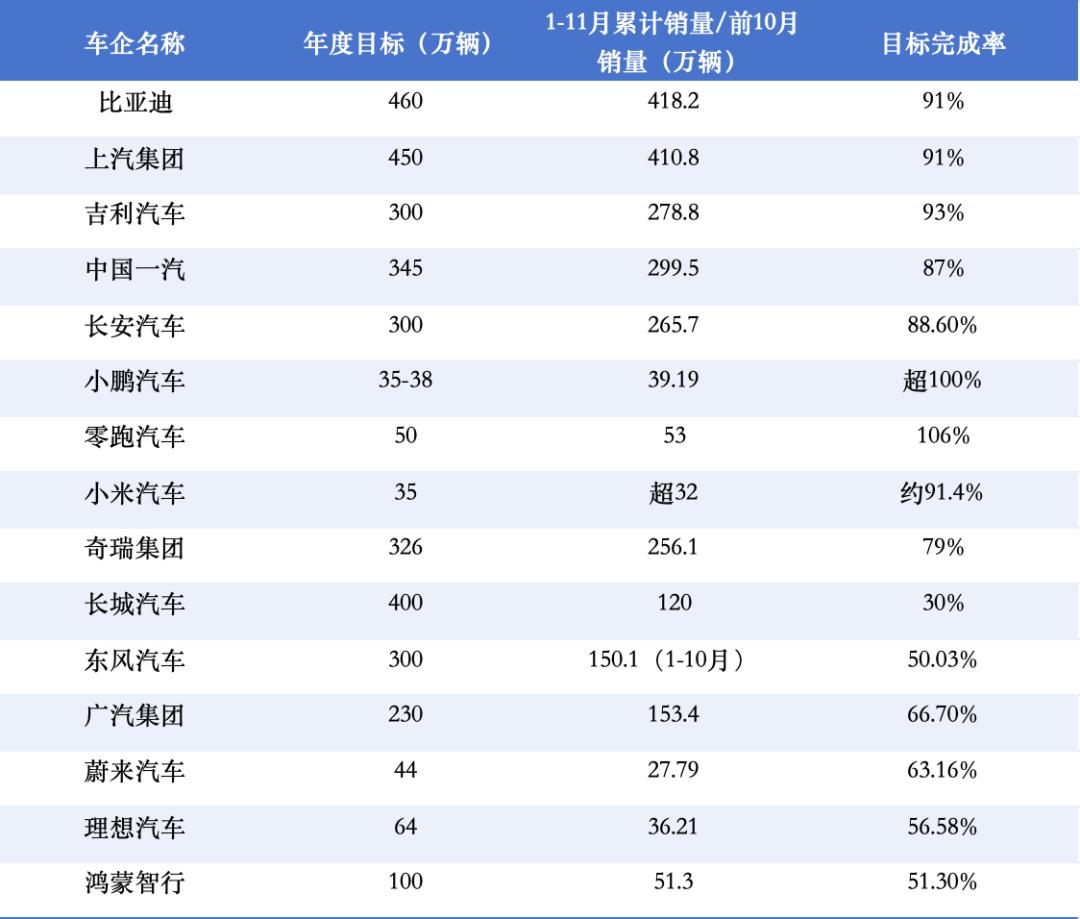
从全局看,车市全年销量预期保持平稳增长,但在新能源与燃油车格局重塑、价格战余波未平、供应链支撑强化的多重背景下,车企阵营的分化态势已达 近年峰值。 这场收官对决中,阵营差异已经分明:部分头部企业凭借前瞻布局提前锁定胜局,上演"年终狂欢";而不少玩家仍在目标线边缘全力突围,为最后的冲刺 发起总攻,车市的强弱格局在年末节点愈发清晰。 三家新势力提前完成KPI,阵营分化加剧 2025年,中国车市收官进入倒计时,整体销量预期平稳,但主流车企年度目标完成度呈现显著分化。自主头部车企稳扎稳打,新势力阵营涌现"提前达 标"黑马,而部分新势力以及合资及国企车企则深陷目标滞后困境,市场"冷热不均"态势凸显。 | 车企名称 | 年度目标(万辆) | 1-11月累计销量/前10月 | 目标完成率 | | --- | --- | --- | --- | | | | 销量(万辆) | | | 比亚迪 | 460 | 418.2 | 91% | | 上汽集团 | 450 | 410.8 | 91% | | 吉利汽车 | 300 | 278.8 | 93% | | 中国一汽 | 345 | 299.5 | 87% | | 长安汽车 | 3 ...
4000亿补贴难撬动增长,明年车市会跌多少?
3 6 Ke· 2025-12-09 02:17
Core Viewpoint - The current downturn in the Chinese automotive market is characterized by a lack of consumer confidence and a significant decline in sales, leading to predictions of a challenging future for the industry [1][2][4]. Market Performance - In November, the domestic passenger car retail market experienced an 8% year-on-year decline, marking the second consecutive month of decline in the fourth quarter [1][2]. - The overall retail market growth for the first eleven months of the year was approximately 6%, indicating a stark contrast to previous years' trends [2][4]. Industry Trends - The end-of-year sales surge, typically seen in November and December, is absent this year, with industry experts noting a rare "loss of warmth" in the market [4][7]. - Major automakers, including BYD, have reported declining sales figures, with year-on-year drops of 5.5%, 12%, and 5% over the past three months, despite a significant increase in overseas sales [4][6]. Inventory and Dealer Sentiment - The inventory warning index for automotive dealers surged to 55.6%, indicating a high level of unsold stock, with over 330,000 vehicles in total inventory [6]. - Many dealers are experiencing significant price losses, with 43.6% reporting over 15% price cuts, leading to a challenging environment for smaller dealerships [6]. Policy Impact - The government's substantial subsidies, totaling around 400 billion, have stimulated some consumer activity but have also led to a depletion of future demand, as many consumers have brought forward their purchasing decisions [7][9]. - The anticipated decline in the market is attributed to the exhaustion of policy incentives and the resulting impact on consumer behavior [11][12]. Future Projections - Predictions for 2026 suggest a potential decline in the passenger car market, with estimates ranging from a 2% to an 8% drop in sales [11][12]. - The automotive industry is expected to face significant challenges due to overcapacity, with a utilization rate of only 64% against a production capacity of 48.7 million vehicles [15]. Opportunities Amidst Challenges - Despite the downturn, there are structural opportunities, particularly in the export market, which is projected to grow significantly, with expectations of reaching nearly 7 million units by 2026 [16]. - Technological advancements, such as the development of Robotaxi and AI integration, are seen as potential growth areas for the industry [18][20]. Industry Restructuring - The current market conditions are likely to lead to a reshaping of the industry, where companies focusing on innovation and differentiation will thrive, while those relying on subsidies and price competition may struggle to survive [20][21].
资本空间打开,杠杆限制放宽,券商板块迎来政策强催化?
Xin Lang Cai Jing· 2025-12-08 11:01
Core Viewpoint - The regulatory environment for the securities industry is shifting towards a more positive stance, indicating significant growth potential during the "14th Five-Year Plan" period, which may act as a catalyst for market performance in the sector [1][11]. Group 1: Regulatory Changes and Benefits - Regulatory easing is expected to directly benefit core operations of securities firms by opening up capital space and leverage limits, enhancing capital utilization efficiency [4][14]. - The three main business areas likely to benefit from this regulatory shift include margin financing and securities lending, proprietary trading, and international business, with expectations of increased capital and leverage [4][14]. - The current industry leverage ratio stands at 4.42 times, indicating room for growth in capital utilization [4][14]. Group 2: Shift from Price to Value Competition - The regulatory body emphasizes a transition from price competition to value competition, encouraging firms to leverage their resources effectively and develop into internationally influential institutions [5][15]. - Smaller firms are advised to focus on niche markets and specialized services to create high-quality offerings, while larger firms should enhance their resource integration capabilities [5][15]. - This shift aims to move the industry from a "red ocean" of price competition to a "blue ocean" of comprehensive service offerings [5][15]. Group 3: Classification Regulation and Mergers - The regulatory framework will implement differentiated supervision, favoring high-quality institutions with relaxed regulations while enforcing stricter measures on underperforming firms [6][16]. - The promotion of mergers and acquisitions is expected to enhance industry competitiveness and resource allocation, aiming to create several leading firms with significant international influence during the "14th Five-Year Plan" [6][16]. - This consolidation is anticipated to increase industry concentration and achieve economies of scale [6][16]. Group 4: Investment Opportunities - As of December 5, 2025, the CSI All Share Securities Index shows a price-to-book ratio of approximately 1.47, indicating attractive valuation levels [9][19]. - The regulatory guidance is expected to facilitate a transition towards high-quality development, serving as a catalyst for valuation recovery in the sector [9][19]. - The focus on enhancing leverage and capital efficiency is projected to elevate the return on equity (ROE) for the industry, fostering a healthier and more efficient market ecosystem [9][19]. - Investors may consider the securities ETF (159842), which tracks the CSI All Share Securities Index, providing exposure to 49 leading firms in the sector with a low management fee of 0.15% [19].

看好证券保险岁末年初行情!
2025-12-08 00:41
看好证券保险岁末年初行情!20251207 摘要 监管鼓励券商整合,支持并购重组,旨在提升行业集中度和竞争力,头 部券商如国泰海通的并购案例显示出规模效应,预示行业整合加速。 监管提倡价值竞争,转变过去的价格竞争模式,通过提供高质量服务获 客,稳定费率,促进券商行业健康发展,公募基金费率改革已落地,券 商轻资产业务费率预期触底。 险资偿付能力新规调整风险因子,降低了沪深 300、科创板股票及出口 信用保险业务的风险权重,支持长期资金入市,缓解了中小保险公司的 资本补充压力。 截至 2025 年 9 月末,险资二级市场权益配置规模达 5.59 万亿元,较 2024 年末增加 1.49 万亿元,配置比例接近 15%,提升 2.6 个百分点, 险资入市进程超预期。 调降股票投资风险因子预计为 A 股上市险企带来 789 亿元的股票增配空 间,并优化最低资本 200 亿元,核心和综合偿付能力充足率平均提升 1.5 和 2.1 个百分点。 末已大幅消除。此外,中金办理发行股份收购信达中心等并购事件也推动了整 个板块的表现。 吴清主席强调监管逐步回暖,并充分肯定过去四年多来证券公 司的整体发展,包括总资产、净资产及服务实 ...




