
全球资产配置

Search documents
龙通湾区乘势而起 建圳财富共赢四海 ——深圳建行举办2026年全球优势资产投资展望活动
2 1 Shi Ji Jing Ji Bao Dao· 2025-12-10 06:42
Group 1 - The article emphasizes the importance of global asset allocation as a necessity for investors in the current financial landscape, driven by factors such as increased volatility in dollar assets and the restructuring of global supply chains [2] - Shenzhen Branch of China Construction Bank (CCB) is proactively developing the "Longtong Bay Area Build Wealth" personal cross-border financial services to assist investors in establishing a global asset allocation framework [1][3] - The "Longtong Bay Area Build Wealth" investment strategy conference attracted over 300 investors, highlighting the growing interest in global investment opportunities and the need for diversified and risk-resistant investment strategies [2] Group 2 - The cross-border financial services offered by Shenzhen CCB are tailored to the Greater Bay Area, providing a one-stop solution through enhanced institutional collaboration and service integration [3] - Shenzhen CCB has launched a "6S" personal cross-border convenience service system, which includes six categories of financial services to meet the diverse needs of clients in the Greater Bay Area [3] - The bank plans to continue enhancing its cross-border financial services and processes to support the interconnectedness of the Greater Bay Area and improve clients' wealth levels [3]

耐心资金长线布局,恒生科技ETF易方达(513010)年内“吸金”超170亿元
Mei Ri Jing Ji Xin Wen· 2025-12-10 03:29
Core Viewpoint - The Hong Kong technology sector has shown signs of recovery after reaching a low point, with the Hang Seng Tech Index slightly down by 0.17% as of 10:53 AM, led by stocks such as Horizon Robotics, Alibaba, Meituan, and Baidu Group [1] Group 1: Market Performance - The Hang Seng Tech ETF (513010) has seen a trading volume exceeding 400 million yuan, indicating a slight increase compared to the previous trading day [1] - Since June 12, the ETF has not experienced any single-day net outflow, accumulating a total inflow of 17.115 billion yuan year-to-date as of December 9 [1] Group 2: Investment Insights - Institutions believe that both A-shares and Hong Kong stocks are currently at mid-to-low valuation levels, with earnings transitioning from a bottoming phase to a recovery pricing phase [1] - There are structural opportunities in the mid-to-high-end manufacturing sector based on dividends and cash flow factors [1] - The potential investment space for global asset allocation is steadily increasing, supported by the moderate core inflation, profit margin recovery, and low correlation with US dollar assets [1] Group 3: ETF Composition - The Hang Seng Tech ETF tracks the Hang Seng Tech Index, which includes major Hong Kong tech leaders such as Alibaba, Tencent, Meituan, JD Group, Baidu Group, NetEase, and SMIC, covering sectors like e-commerce, digital media, semiconductors, smart electric vehicles, and cloud computing [1]
摩根士丹利基金:全球资产配置空间稳步提升
Zheng Quan Shi Bao Wang· 2025-12-09 07:07
人民财讯12月9日电,摩根士丹利基金相关人士认为,当前A股和港股当前仍处于中低分位估值,盈利 由钝化见底转向修复定价,在红利与现金流因子基础上配置中高端制造行业,具备结构性机会。考虑到 人民币计价资产在核心通胀温和、利润率修复与对美元资产低相关加持下兼具分散风险与抗扰动属性, 全球资产配置潜在投资空间稳步提升。 ...
【申万宏源策略】弱美元下流动性修复,权益商品普涨——全球资产配置每周聚焦 (20251128-20251205)
申万宏源证券上海北京西路营业部· 2025-12-09 02:12
Core Viewpoint - The article discusses the impact of a weaker US dollar on global liquidity and the resulting positive performance of equity assets, highlighting a broad market rally in response to these conditions [2] Group 1: Market Conditions - A weaker US dollar has led to improved liquidity in the market, which is a significant factor driving the recent performance of equity assets [2] - The article notes that this liquidity recovery has resulted in a widespread increase in equity products across various markets [2] Group 2: Global Asset Allocation - The article emphasizes the importance of global asset allocation strategies in the current market environment, suggesting that investors should consider diversifying their portfolios to capitalize on the positive trends driven by the weaker dollar [2] - It highlights that the current market conditions present potential investment opportunities in various sectors, particularly those that benefit from increased liquidity [2]


深夜的华尔街 指尖上的新浪财经App:为何聪明投资者都从这里看美股?
Xin Lang Cai Jing· 2025-12-08 07:51
Core Viewpoint - The emergence of Sina Finance App has democratized access to real-time US stock market data for domestic investors, enabling global asset allocation to become more accessible [2][8]. Group 1: Information Equality - The Sina Finance App has eliminated the technical and cost barriers previously faced by individual investors in accessing reliable US stock market data [2][8]. - It provides real-time synchronization of core market data from US exchanges, making geographical location irrelevant for obtaining critical market information [2][8]. - The app has become essential for investors needing to gauge market sentiment based on US night trading to inform their decisions on A-shares and Hong Kong stocks [2][8]. Group 2: Decision Support Ecosystem - Sina Finance App's core competitiveness lies in its ability to create a comprehensive decision support ecosystem centered around real-time market data [3][9]. - The integration of market data with news updates allows investors to understand not just price changes but also the reasons behind them, enhancing their decision-making process [3][9]. - The app offers advanced features such as pre-market and after-hours data, historical trend analysis, and options chain data, catering to varying levels of research needs [3][9]. Group 3: Stability in Volatility - The app provides stable and transparent real-time market data, serving as a guiding light for investors navigating the volatility of the US stock market [4][10]. - It enables investors to make informed decisions based on factual data rather than rumors, which is crucial for validating investment logic [4][10]. - The immediate feedback from the app is vital for adjusting investment strategies and managing risks during significant global events [4][10]. Group 4: Global Asset Allocation - The trend of global asset allocation positions the US stock market as a key component due to its size, liquidity, and innovation [5][11]. - The Sina Finance App acts as an essential tool for investors looking to diversify risks, pursue growth, or expand their investment horizons [5][11]. - It transforms the experience of monitoring US markets from a solitary endeavor into a synchronized dialogue with global markets [5][11].
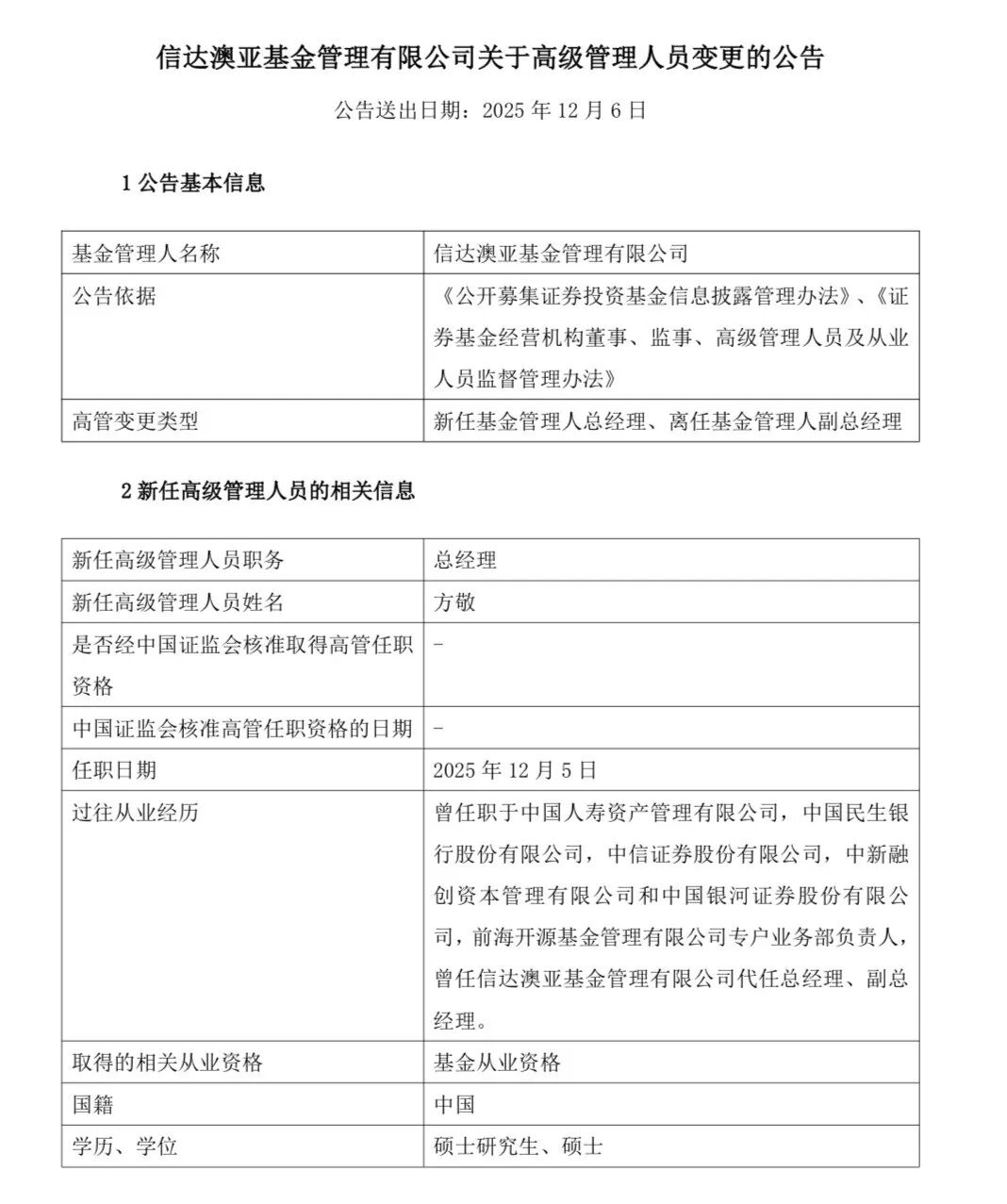
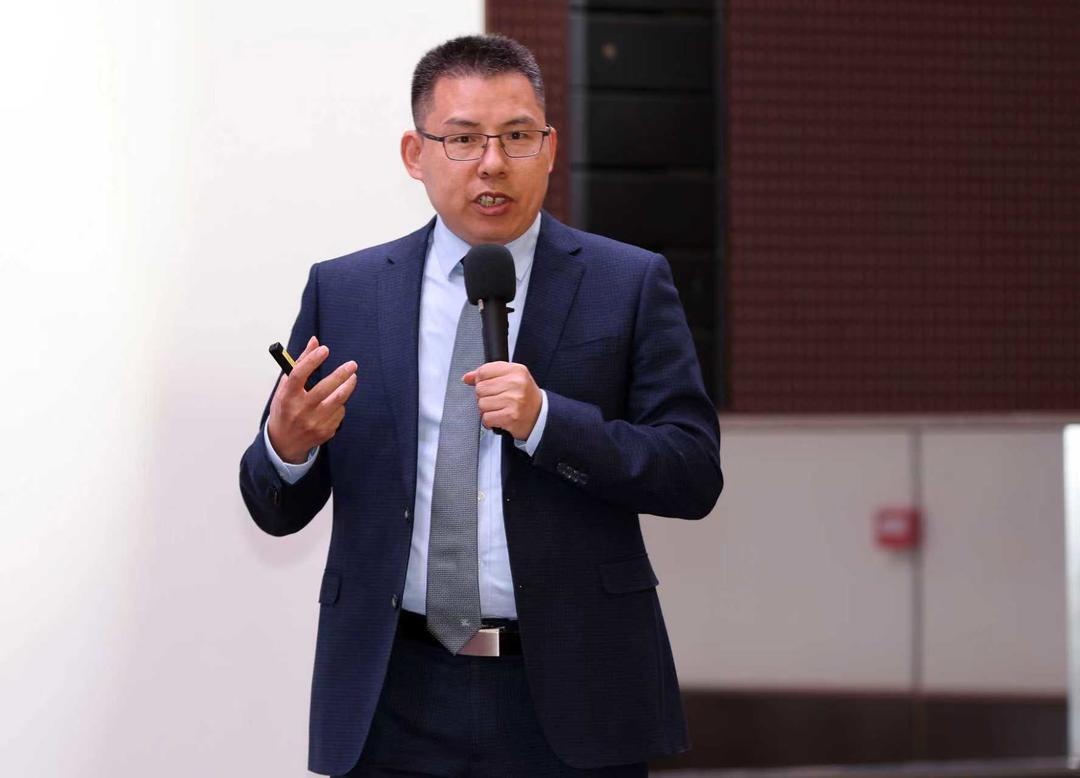
方敬出任信达澳亚基金总经理
Zhong Guo Zheng Quan Bao· 2025-12-05 14:20
12月5日晚间,信达澳亚基金公告称,方敬自12月5日起正式出任公司总经理一职,不再担任公司副总经理。此前,方敬于今年9月5日起代任信达澳亚基 金总经理职务。 | 新任高级管理人员职务 | 总经理 | | --- | --- | | 新任高级管理人员姓名 | 方敏 | | 是否经中国证监会核准取得高管任职 | | | 资格 | | | 中国证监会核准高管任职资格的日期 | - | | 任职日期 | 2025年12月5日 | | 过往从业经历 | 曾任职于中国人寿资产管理有限公司,中国民生银 | | | 行股份有限公司,中信证券股份有限公司,中新融 | | | 创资本管理有限公司和中国银河证券股份有限公 | | | 司,前海开源基金管理有限公司专户业务部负责人, | | | 曾任信达澳亚基金管理有限公司代任总经理、副总 | | | 经理。 | | 取得的相关从业资格 | 基金从业资格 | | 国籍 | 中国 | | 学历、学位 | 硕士研究生、硕士 | 来源:基金公告 公开资料显示,方敬拥有保险、银行、证券、基金等多领域的金融机构从业经历。他曾任职于中国人寿资管、中国民生银行、中信证券、中新融创资本 管理有限公司 ...
洞察经济周期,谋划出海蓝图!财富盛典解码投资机遇与风险管理
Da Zhong Ri Bao· 2025-12-05 01:51
Group 1 - The event "2025 Qingdao Wealth Festival" focused on the theme of "Cross-border, Integration, and Win-win," discussing the impact of global economic changes on investment and wealth management [1][16] - The discussions highlighted the importance of cross-border investment and international trade as globalization progresses, with a focus on new perspectives in wealth management and investment strategies [1][16] Group 2 - Liu Xiaoshu, Chief Economist of Qingdao Bank, emphasized the relevance of the Kondratiev wave theory in understanding current economic conditions, suggesting that the global economy is in the ascending phase of the sixth Kondratiev wave characterized by the digital economy [17][18] - Liu stated that true wealth arises from a deep understanding of economic structures and cyclical patterns, which is crucial for investors to navigate the evolving landscape of the digital economy [3][17] Group 3 - Qu Xia, a senior partner at Dacheng Law Firm, noted that Chinese companies are shifting from viewing overseas expansion as an option to a necessity, focusing on wealth creation and accumulation on a global scale [3][18] - Qu emphasized the need for companies to set clear strategic goals, choose markets and entry modes carefully, and prioritize localized operations and compliance systems to transition from "going out" to "integrating in" [5][18] Group 4 - Qingdao Yingpais Health Technology Co., Ltd. shared its journey from a manufacturing company to a global brand, achieving nearly 80% of its sales from international markets [6][19] - The company adopted an ODM model and launched its own brand IMPULSE in 1995, successfully entering over 100 countries and regions, thus establishing itself as a leader in the fitness equipment sector [6][19] Group 5 - Qingdao Taike Ying Special Tire Co., Ltd. discussed the challenges and strategies in their overseas expansion, highlighting the importance of organizational capability and adaptability to external environments [9][10] - The company underwent significant organizational changes to enhance localization and manage external complexities effectively [9][10] Group 6 - A roundtable discussion addressed the challenges of asset management in a global context, with participants emphasizing the need for localized operations and strategic partnerships to enhance competitiveness in overseas markets [10][12] - The discussion also highlighted the importance of compliance awareness in international operations, with examples illustrating the risks of applying domestic business practices in foreign legal environments [13][12]


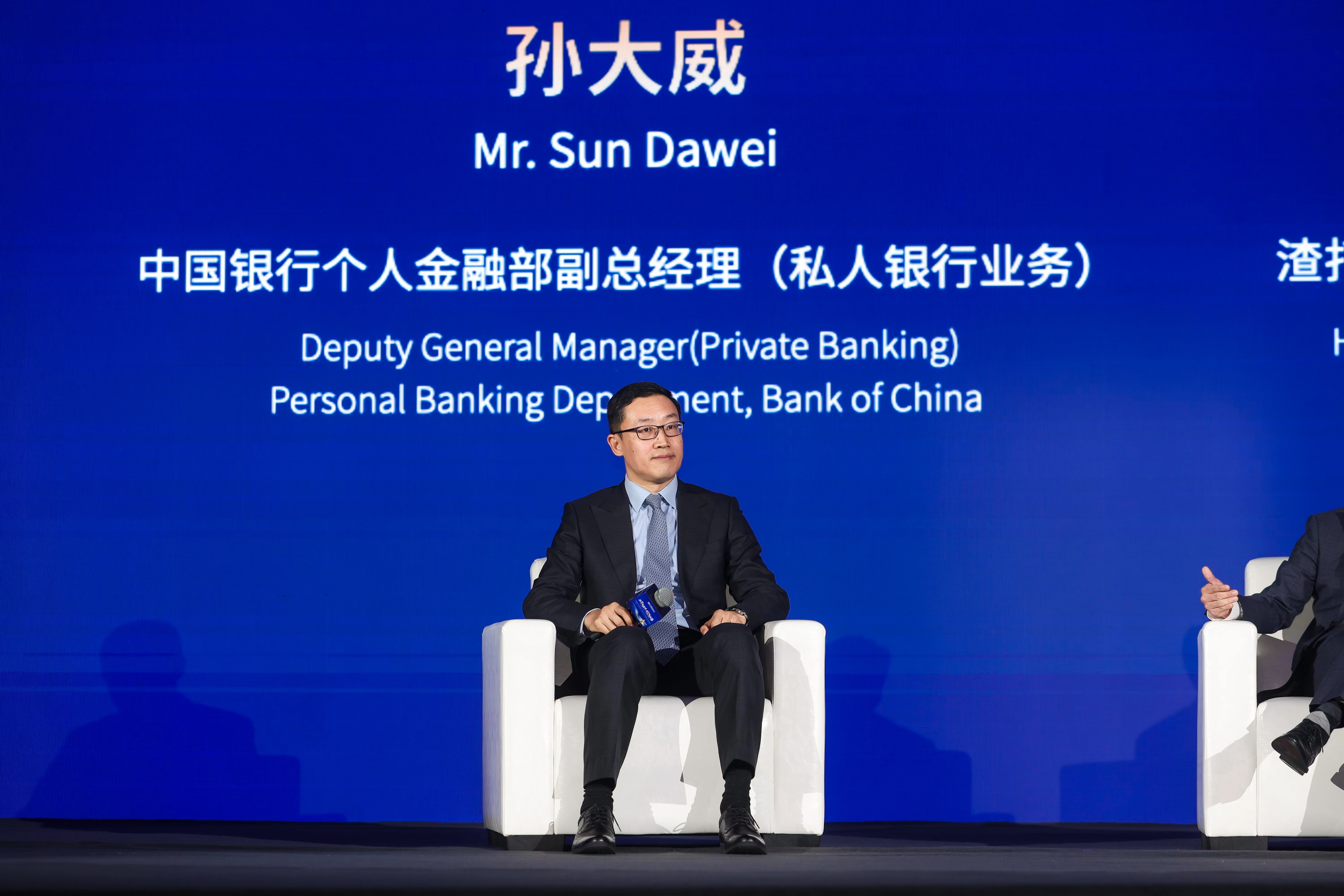
中国银行孙大威:以“全球视野+本土智慧”为客户构建具有韧性的投资组合
Di Yi Cai Jing· 2025-12-04 04:12
在近日举办的"全球视野下的财富管理"主题论坛暨汇华理财五周年活动上,中国银行个人金融部副总经理孙大威受邀出席并参与圆桌讨论环节。孙大威指 出,构建"具有韧性的投资组合"已成为财富管理的"必选项",也是财富管理机构为客户提供服务的"最优解"。中国银行坚持以专业为客户创造价值,正 以"全球视野"与"本土智慧"双轮驱动,助力客户在复杂市场中实现财富的稳健增长与传承。 在坚持全球视野的同时,中国银行深耕本土市场,与头部资管机构合作,搭建了"全市场、全策略、全天候"的开放式产品货架。孙大威表示,中行不仅提供 标准化产品,还针对客户个性化需求提供单一委托、定制化理财等"一对一"服务。"客户需求千差万别,浙江青田的客户与山西吕梁的客户投资偏好和对产 品的需求可能完全不同。" 渠道方和管理人的通力合作是满足客户需求的关键之一。孙大威特别提到,今年以来与汇华理财在"全球领航"系列产品方面,"实现了非常好的突破,也获 得了客户的认可"。 专业化队伍也是为客户提供资产配置服务的关键,孙大威指出,中行通过全国超8000家理财中心、1200家财富管理中心和200多家私人银行中心,培养了一 支"懂市场、懂产品、懂客户"的财富管理专业队伍 ...

论道大虹桥 • 2025百家上市公司闭门会在上海顺利召开
Di Yi Cai Jing· 2025-12-02 09:34
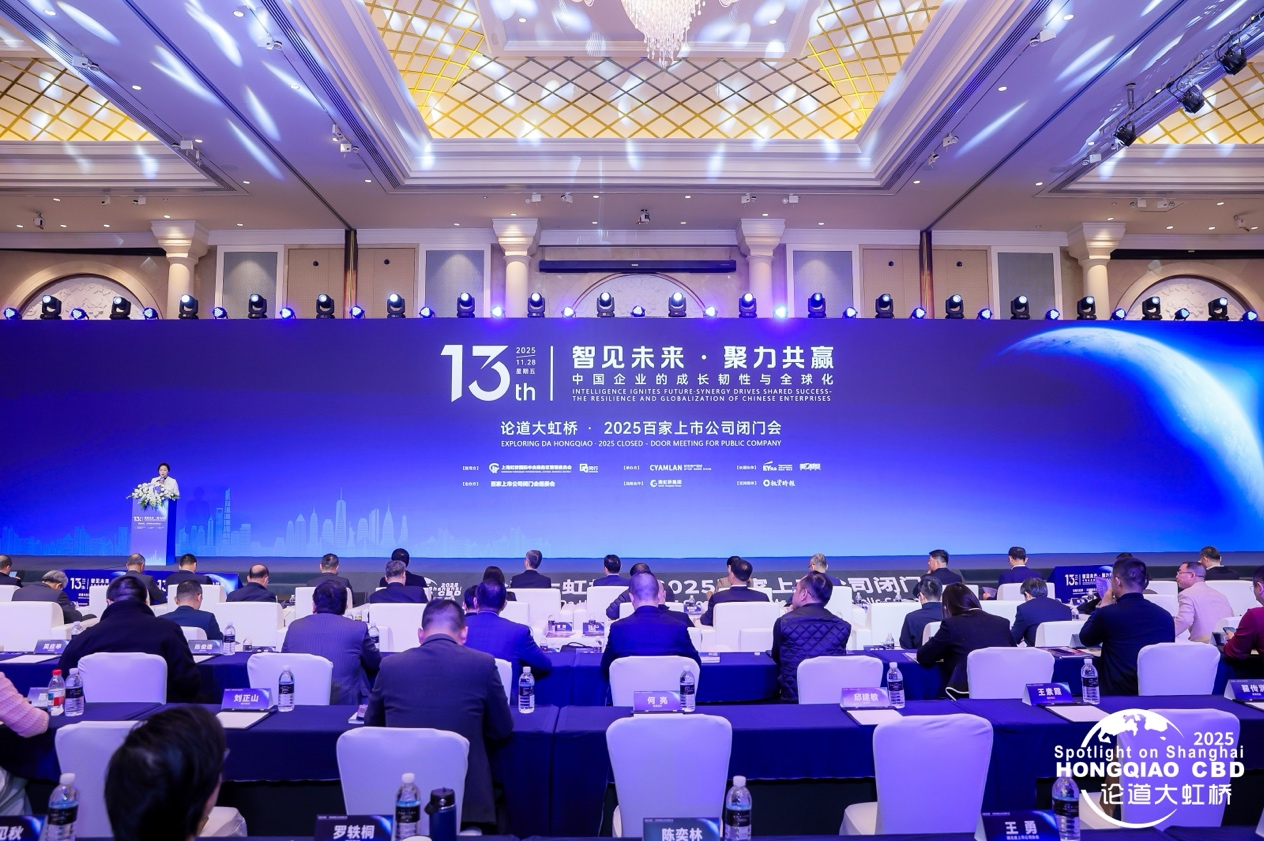
矽亚资产管理CEO陈加凤围绕"基业长青、产业传承与全球资产配置"发表主题演讲。陈加凤指出,家族传承是一项任重道远的事业,成功的传承绝非简单的 财富转移。矽亚在全球提出了家族传承必须以文化传承为灵魂内核,以产业传承为根基,并以资本传承作为保障。而成功的传承需提前十年以上系统规划, 并需重视文化、产业与资本三者的协同。 近一年来,虹桥国际中央商务区共引进和培育市级认定总部企业56家(目前累计283家),年度营收规模已达数千亿元。 2025年11月28日,《论道大虹桥 •2025百家上市公司闭门会》于上海虹桥国际中央商务区举行。本次闭门会在上海虹桥国际中央商务区管委会、闵行区人民 政府指导下,由矽亚资产管理承办,安永中国与第一财经作为长期合作伙伴共同参与,南虹桥集团担任战略合作方。 会上,虹桥国际中央商务区管委会党组书记、常务副主任孔福安介绍了商务区的基本情况。他指出,虹桥国际中央商务区作为承载多重国家战略的改革开放 标志性区域,始终立足国家战略,服务国家需要,依托长三角经济地理中心的区位优势,以及开放、活力、宜居三大特点,正强化对内对外双向"链接"的功 能,全力打造服务企业"走出去"先行区,构建企业出海总部集聚区 ...
炒美股,就该用对工具!新浪财经App:实时行情、巨头持仓、深度资讯,一屏掌控全球投资脉搏
Xin Lang Cai Jing· 2025-12-02 07:16
Core Viewpoint - The increasing interest of Chinese investors in the US stock market highlights the need for a professional and efficient investment platform to capture opportunities and mitigate risks in a rapidly changing environment [1][14]. Group 1: Features of Sina Finance App - The Sina Finance App is not just a market viewer; it integrates real-time millisecond-level quotes, institutional holding tracking, AI intelligent interpretation, and 24/7 global news, making it a comprehensive investment hub for various types of investors [2][15]. - The app connects directly to major exchanges like the NYSE and NASDAQ, providing Level-1 real-time quotes that refresh in milliseconds, significantly reducing the risk of delayed information during critical market events [3][16]. - Users can set custom alerts for significant market movements, ensuring they receive timely notifications even during off-hours [3][16]. Group 2: Tracking Institutional Movements - The app consolidates and visualizes the latest holdings of top global institutions, making it easier for investors to track significant changes in institutional positions [4][17]. - It automatically updates quarterly holdings of major firms like Berkshire Hathaway and BlackRock, allowing users to filter by industry and stock [4][17]. - The app provides insights into institutional consensus, indicating whether institutions are increasing or decreasing their positions in specific stocks [4][17]. Group 3: AI and Expert Insights - The app employs an AI assistant that generates core summaries of earnings reports within 30 seconds, highlighting key metrics and risks, making it accessible for investors [5][18]. - A global network of journalists ensures timely Chinese news coverage of major events, while expert opinions are aggregated to provide comprehensive analyses [5][18]. - The app allows users to access diverse expert analyses on market impacts following significant events, helping to avoid a narrow perspective [6][18]. Group 4: Comprehensive Investment Process - The app facilitates a complete investment cycle from information gathering to action, enabling users to view market data, read news, analyze trends, and set alerts seamlessly [7][19]. - It supports various technical indicators for in-depth analysis and allows users to monitor multiple markets simultaneously [7][19]. - Although it does not facilitate direct trading, the app provides seamless transitions to partner brokers for executing trades [7][19]. Conclusion - The Sina Finance App has become a preferred choice for over 21 million cross-border investors due to its advanced features, comprehensive data integration, and intelligent analysis capabilities [9][20].