文化消费

Search documents
“谷子”穰穰酝佳酿
Ren Min Ri Bao· 2025-10-23 09:52
Core Insights - The rise of "Guzi" culture, characterized by bags adorned with badges and creative merchandise, reflects a growing trend in cultural IP derivatives, contributing to the expansion of the "Guzi economy" [1] - The market size of China's "Guzi economy" is projected to reach 168.9 billion yuan in 2024, marking a 40.63% increase from 2023, and is expected to exceed 300 billion yuan by 2029 [1] - The "Guzi economy" thrives on high-quality products that meet consumer demands, with companies focusing on both creativity and product quality to enhance consumer satisfaction [1] Group 1 - The "Guzi economy" is a manifestation of the vibrant humanistic economy, driven by cultural creation and economic activities [1] - Consumers are increasingly demanding higher quality and creativity in cultural products, prompting companies to innovate and improve production efficiency through technologies like 3D printing [1] - The emergence of "Guzi" has led to multiple consumption opportunities, enhancing the resilience of the market and expanding revenue channels through diverse profit models [2] Group 2 - The cultural creative industry is extending its value chain into tourism and sports, creating new business models and vitality [2] - A case study in Beijing illustrates that focusing on cultural trends and creating experiential consumption ecosystems can significantly boost foot traffic and sales [3] - The continuous attraction of the cultural creative industry is rooted in the vitality of culture, which enhances its integration with various sectors [2][3]
江苏盐城的“出圈秘籍”:比风景更动人的是人文
Di Yi Cai Jing· 2025-10-21 04:18
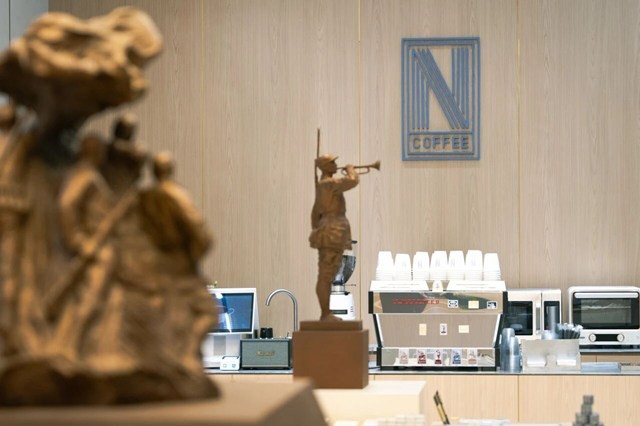
Core Insights - The cultural tourism industry in Yancheng, Jiangsu, has gained recognition as a "hidden gem" with unique offerings that emphasize emotional value and storytelling, attracting a diverse range of visitors [1][2][25] - Yancheng's approach contrasts with overly commercialized projects by focusing on local history, red culture, and intangible heritage, creating immersive experiences for tourists [1][12][25] Group 1: Cultural and Historical Significance - Yancheng has a rich revolutionary history, exemplified by the New Fourth Army Memorial Hall, which serves as a center for red culture education and attracts families for patriotic education [3][4][11] - The city has successfully integrated historical narratives into modern experiences, such as the "N Coffee" that connects coffee pricing to historical events, enhancing visitor engagement [9][11] Group 2: Innovative Cultural Experiences - The New Fourth Army Memorial Hall has introduced interactive spaces and creative products, such as plush toys based on historical artifacts, to appeal to younger generations [6][7][9] - The Xixi Tianxian Yuan scenic area has differentiated itself in the competitive ancient town market by telling compelling local stories and offering immersive performances, leading to significant visitor growth [12][14][16] Group 3: Economic Impact and Cultural Consumption - The rise of cultural tourism in Yancheng has led to increased visitor numbers, with the Xixi Tianxian Yuan attracting over 3 million visitors last year, showcasing the economic potential of cultural heritage [12][16] - The Bamboo Forest Restaurant has become a nostalgic venue for older generations while attracting younger visitors, illustrating the successful blending of cultural heritage with modern dining experiences [19][24] Group 4: Future Directions - Yancheng's cultural tourism initiatives reflect a broader trend of utilizing cultural assets to drive economic growth, emphasizing the importance of storytelling in enhancing a city's appeal [25][26] - The city is actively developing various cultural projects that connect traditional heritage with contemporary experiences, fostering a sense of identity and community among visitors [18][26]

往里走”,在历史深处“与自己相遇”
Xin Hua Wang· 2025-10-20 13:55
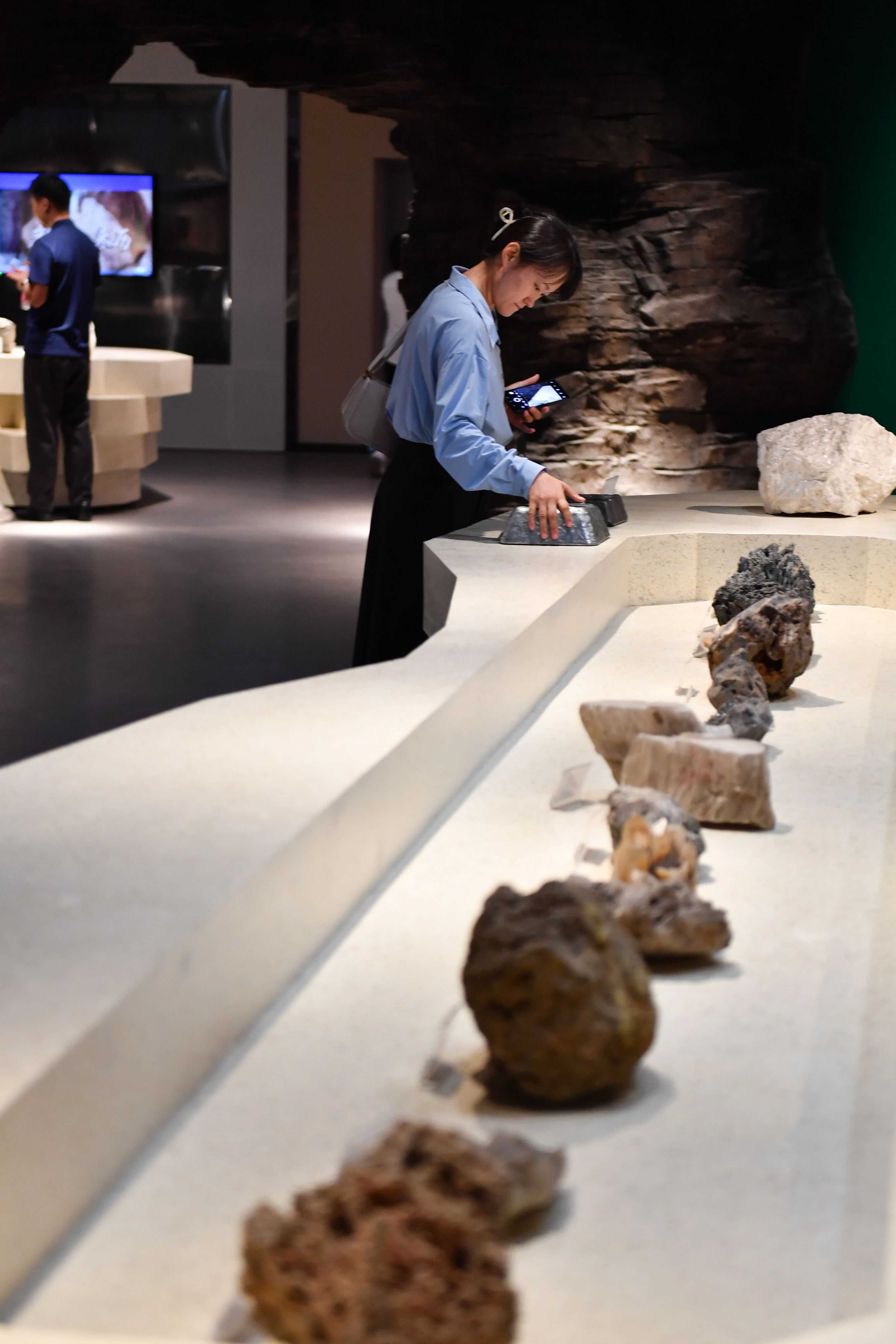
Core Insights - The "museum fever" phenomenon reflects a cultural and economic trend where consumers are increasingly valuing cultural experiences and products, leading to significant engagement on social media platforms [1][2][3] - As GDP per capita surpasses $10,000, cultural consumption emerges as a new growth driver, with museums serving as key venues for public cultural consumption [2][3] - The museum sector is evolving from traditional displays to interactive and experiential offerings, utilizing technology like AR and VR to enhance visitor engagement [2][3][8] Industry Trends - The cultural and related industries in China are projected to reach a revenue of 19 trillion yuan in 2024, marking a 7.1% increase from the previous year, indicating robust growth in cultural consumption [2] - Museums are increasingly integrating creative products into their offerings, with the Palace Museum's cultural product sales exceeding 1.5 billion yuan, showcasing the financial viability of cultural engagement [3][8] - The shift towards a dual-driven economic model, balancing material and spiritual needs, is evident in the rising popularity of museum-related cultural products and experiences [2][3] Consumer Behavior - Visitors to museums are not only seeking to view artifacts but also to purchase cultural products and experiences, reflecting a desire for deeper engagement with history and culture [3][9] - The trend of "buying culture" and "buying experiences" is becoming prevalent, with consumers looking for meaningful interactions rather than mere transactions [3][9] - There is a growing expectation for museums to offer unique and high-quality cultural products, as some current offerings face criticism for being overly generic or poorly made [3][9] Challenges and Opportunities - The museum sector faces challenges such as product homogenization and quality issues, which could undermine the cultural value of their offerings [3][9] - Successful museums are those that deeply understand their historical context and audience needs, balancing commercial and cultural values effectively [8][9] - The ongoing "museum fever" suggests a potential for sustainable growth, as long as institutions focus on meaningful cultural engagement rather than merely chasing trends [9][10]
文化IP擦亮地方名片 “硬件更新”更需“内容焕新”
Zheng Quan Shi Bao· 2025-10-16 18:58
Group 1 - The core viewpoint of the articles emphasizes the importance of optimizing cultural products and services to expand service consumption, as highlighted by the recent policy measures issued by the Ministry of Commerce and other departments [1] - The promotion of cultural IPs, such as the Yingge culture in Puning and the Princess Wencheng performance in Lhasa, showcases how local cultural elements can enhance tourism and consumer engagement [2][3] - The integration of traditional culture into modern commercial spaces, like the Dongmen Pedestrian Street in Shenzhen, reflects a trend of revitalizing cultural consumption through innovative experiences and activities [4][5] Group 2 - The development of cultural IPs has effectively driven local consumption and economic growth, with examples from Puning and Lhasa demonstrating the positive impact on surrounding businesses [6] - Experts suggest that a deep exploration of traditional cultural content and the creation of a diverse product and service matrix centered around cultural IPs are essential for maximizing market value [7] - The need for a professional and compliant IP licensing system, along with innovative marketing strategies, is crucial for the sustainable growth of cultural consumption [7]
中国(济南)第十届文房四宝暨珠宝玉石博览会开幕
Zhong Guo Xin Wen Wang· 2025-10-16 10:27
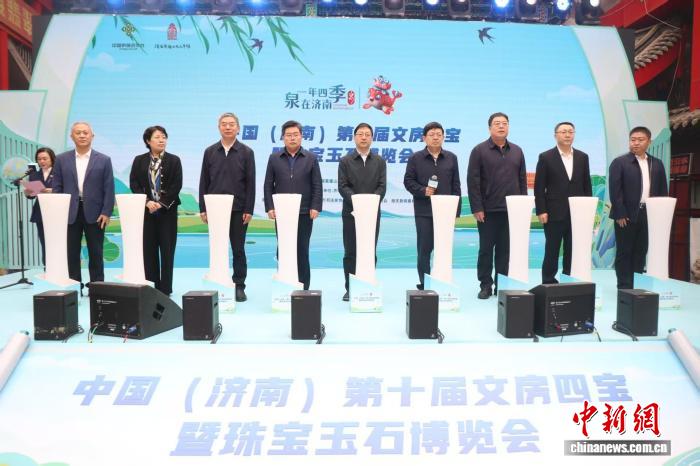
Core Points - The 10th China (Jinan) Cultural and Creative Products and Jewelry Exhibition opened on October 16, attracting over 600 exhibitors from more than 10 provinces and cities across the country, providing a cultural feast for local citizens and traditional culture enthusiasts [1][3]. Group 1: Event Overview - The exhibition is themed "Gathering Treasures in Spring City, Enriching Chinese Culture" and has been successfully held for nine previous editions, earning the reputation of "Spring in Beijing, Autumn in Jinan" [1][3]. - The event showcases a variety of high-quality cultural products, including representative items such as Zhejiang Shanlian Lake brushes, Anhui Jingxian Xuan paper, Jiangxi Wengang brushes, Yishui mulberry paper, Shandong red silk inkstones, and Guangdong Duan inkstones [3]. Group 2: Cultural Integration and Innovation - A large number of new products that integrate traditional cultural elements with modern design and practical functions were unveiled, attracting many young visitors and stimulating new cultural consumption potential [4]. - The Jinan Hero Mountain Cultural Market serves as a platform for cultural exchange and product promotion, enhancing the connection between northern and southern cultural resources [4]. Group 3: Future Activities and Goals - The exhibition will last for four days and will include cultural activities such as quyi performances and public appraisal events, enriching the cultural life of citizens and enhancing the exhibition's cultural connotation and social benefits [5]. - The Jinan Supply and Marketing Cooperative aims to use the Hero Mountain Cultural Market as a main venue to build a multi-level and diversified cultural industry exchange platform, promoting efficient circulation of cultural products and high-quality development of cultural undertakings [4][5].
数字阅读时代书市热度不减
Jing Ji Ri Bao· 2025-10-16 00:07
Core Insights - The 2025 "I and the Temple of Earth" Beijing Book Fair attracted 550,000 visitors and hosted over 100 cultural activities, indicating a strong interest in physical book events despite the prevalence of digital reading [1] - The fair's expansion included a total exhibition area of approximately 20,000 square meters, an increase of 2,000 square meters from the previous year, featuring 13 exhibition zones [1] - The integration of cultural products and experiences has transformed the book fair into a comprehensive cultural event rather than just a book-selling venue [2][5] Group 1: Event Highlights - The book fair saw a significant increase in foot traffic, with many attendees expressing that the event felt different this year due to government-issued vouchers and publisher discounts [1] - The presence of various cultural and creative stalls, along with food vendors, contributed to a lively atmosphere, enhancing the overall experience for visitors [1][2] - The combination of books and cultural products created a unique shopping experience, appealing particularly to younger audiences [2] Group 2: Consumer Experience - Attendees appreciated the immersive experience of browsing physical books, which contrasts with the targeted nature of online shopping [3][4] - The fair provided a platform for social interaction and cultural discovery, allowing visitors to engage with authors and fellow readers in a vibrant setting [4][6] - The event's design encouraged a multi-dimensional consumption experience, merging reading with cultural tourism [5] Group 3: Future Considerations - Maintaining the fair's popularity will require a focus on high-quality books and the participation of dynamic publishing houses and bookstores [6] - Experts suggest that the book fair should avoid becoming solely a cultural market and instead prioritize its identity as a book-centric event [6][7] - The challenge remains for physical bookstores to convert the temporary excitement generated by the fair into sustainable long-term patronage [7]
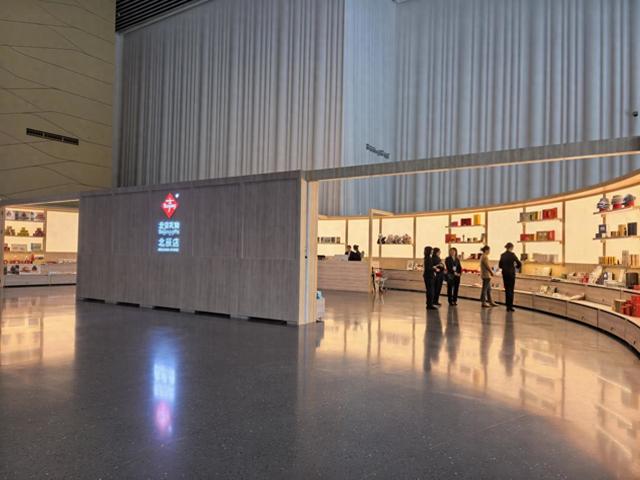
“北京礼物”北辰店亮相全球妇女峰会会展核心区,超3000件商品展示北京文化魅力
Bei Jing Ri Bao Ke Hu Duan· 2025-10-15 04:19
转自:北京日报客户端 2025年全球妇女峰会举办期间,位于国家会议中心二期的"北京礼物"北辰店亮相会展核心区。该店 以"礼遇京华 会聚天下"为定位,依托核心会展资源优势,通过"精准选品"与"便捷服务"双轮驱动,为与 会嘉宾打造沉浸式文化消费体验,成为展示北京文化魅力与服务温度的新窗口。 "北京礼物"北辰店 为精准服务国际嘉宾,门店重点升级了购物退税服务体系,全面开通离境退税与"即买即退"双模式。境 外参会代表凭有效证件即可在现场办理退税手续。其中,"即买即退"服务提供单日累计最高22万元的退 税额度,宾客通过信用卡预授权担保,可即时获取等额预付金,极大简化了流程,提升了购物便捷度, 充分展现了北京作为国际消费中心城市的服务效率与开放姿态。 在产品组织上,门店紧密围绕本次峰会参会代表以女性为主的特点,精心构建了涵盖非遗技艺、中华老 字号、时尚美妆与文化IP等领域的文创产品矩阵,精选商品总计超过3000件。其中,既有蕴含古都风韵 的天坛冰箱贴、故宫文创系列,也有备受青睐的毛绒熊猫挂饰、寓意美好的珐琅厂工艺礼品,以及国家 会议中心自主研发的"竹福"系列文创、京妆品牌甄然的美妆产品等,兼顾文化内涵、女性偏好与实用美 ...

新世界黄少媚:持续发力粤港澳大湾区,以K11助力擎画世界级综合消费场
Zhong Guo Xin Wen Wang· 2025-10-13 10:31
Core Insights - The opening of Guangzhou Hanxi K11 marks a significant cultural consumption initiative, aiming to create a space that attracts youth and families through cultural engagement [1][2] - The K11 brand is evolving to meet the demands of younger consumers who prioritize experience, culture, and value in their shopping environments [2][4] Group 1: Cultural and Consumer Trends - Cultural consumption is identified as a key growth area in the current market, with K11 providing a cultural space for community engagement [1][2] - The recent exhibition at Hanxi K11 features 14 giant art sculptures, making art accessible and engaging for the general public [2] - During the recent holiday period, Hanxi K11 attracted nearly 700,000 visitors within the first week of opening, with overall sales for K11 during the Golden Week increasing by 23% year-on-year [2] Group 2: Strategic Development and Market Positioning - K11's strategy emphasizes local cultural integration, with different locations adapting to their unique community needs, such as family-oriented experiences in Hanxi K11 [3][4] - New World Development's long-term approach to commercial complex development focuses on creating spaces that reflect local culture and stories, rather than imposing a fixed template [4][5] - The company has maintained a strong growth trajectory in both Hong Kong and mainland China, leveraging strategic policies to boost consumer engagement [4][6] Group 3: Future Outlook and Regional Focus - The Greater Bay Area is highlighted as a key region for economic development, with New World Development positioning itself to capitalize on this growth through innovative commercial strategies [6][7] - The opening of the second K11 in Guangzhou signifies a new phase in the company's expansion within the Greater Bay Area, enhancing its brand presence and market appeal [7] - New World Development aims to create a synergistic ecosystem in the Bay Area, focusing on cultural consumption and regional integration to enhance overall commercial attractiveness [7]


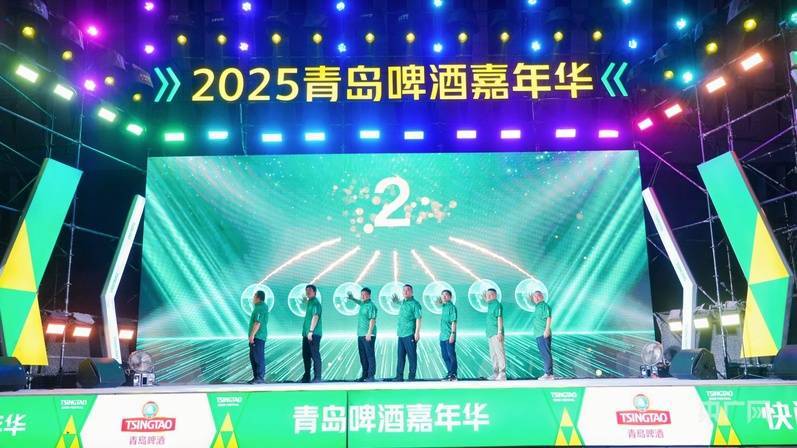
2025万宁热浪消费季暨青岛啤酒嘉年华启幕
Sou Hu Cai Jing· 2025-10-12 14:52
央广网万宁10月12日消息(记者 付美斌)晚风裹着麦芽香掠过人群,舞台灯光与星光交映——10月12日晚8点, 2025万宁热浪消费季暨青岛啤酒嘉年华正式启幕。随着领导嘉宾共同按下启动键,现场掌声与欢呼声此起彼伏, 一场为期9天的"啤酒+消费"狂欢盛宴就此拉开帷幕。 当晚的万宁市文化体育广场,处处透着热闹的烟火气:舞台电子屏滚动播放着青岛啤酒宣传片;广场内,绿色与 蓝色交织的遮阳棚下,美食摊、啤酒售卖区已排起长队,重庆酸辣粉的红油香、碳烤大肉串的焦香与青岛啤酒的 清爽气息交织,引得提前到场的市民游客频频驻足。 舞台演出(央广网记者 付美斌 摄) "喝酒不开车,安全有保障!"开幕式上,主持人多次提醒现场市民游客注意安全,"不拼桌、不窜桌,观演时看好 孩子,不要让小朋友站在凳子上。"同时,主办方贴心安排工作人员提供"送餐到身边"服务,市民游客无需离开观 演区域,即可购买到美酒与美食。 启动仪式现场(央广网记者 付美斌 摄) 活动入口处(央广网记者 付美斌 摄) "万宁一半是大海,一半是南洋,既有'中国冲浪之都'日月湾,也有'海南第一山'东山岭,更有兴隆热带植物园、 兴隆热带花园这样的植物宝库。"据介绍,万宁不仅有碧 ...
为什么大家走哪儿都要买冰箱贴?
36氪· 2025-10-11 09:10
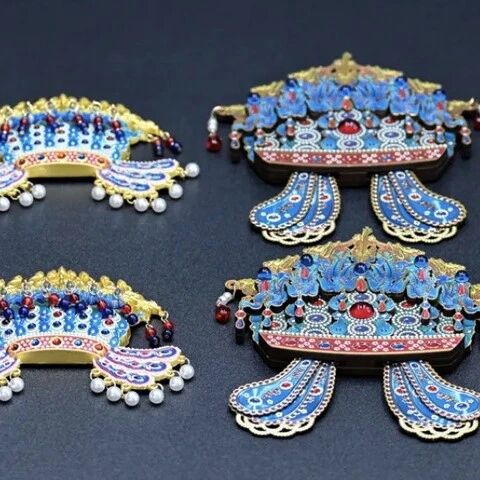
Core Viewpoint - The rise of refrigerator magnets as cultural symbols reflects a shift in cultural consumption and an upgrade in the cultural and creative industry ecosystem [5][10][19] Group 1: Cultural Consumption Trends - The recent surge in cultural tourism consumption, particularly during the Mid-Autumn Festival and National Day, has made cultural and creative products, such as refrigerator magnets, popular among tourists [6][10] - Refrigerator magnets have evolved from mere souvenirs to symbols of culture, aesthetics, and emotional expression, appealing to modern consumers [6][10] Group 2: Successful Cultural Products - The refrigerator magnet inspired by the crown of Empress Xiaoduan from the Ming Dynasty has sold over 1 million units, generating over 100 million yuan in sales, setting a record for the National Museum of China [8] - Other successful designs include magnets inspired by traditional Chinese clothing and historical figures, which have resonated well in the market and on social media [8][10] Group 3: Consumer Behavior and Preferences - Young consumers are shifting their spending from functional items to those that offer aesthetic and meaningful value, seeking products that resonate with their lifestyle and cultural identity [12][13] - The popularity of these magnets is driven by their affordability and emotional significance, allowing consumers to express personal taste while fulfilling commemorative needs [12][13] Group 4: Social Media Influence - Refrigerator magnets possess strong "social currency" attributes, with platforms like Xiaohongshu and Douyin facilitating widespread sharing and engagement, enhancing product visibility and appeal [14] - The lifecycle of these products extends into the sharing phase, where consumers showcase their collections, further promoting cultural engagement [14] Group 5: Industry Transformation - The success of refrigerator magnets indicates a broader transformation in the cultural and creative industry, where museums are evolving from mere content providers to cultural IP operators [16][19] - The shift from single product offerings to a comprehensive IP ecosystem allows cultural institutions to create long-term brand value and engage consumers more deeply [19] Group 6: Digitalization and Future Trends - Digitalization is driving the cultural and creative industry towards more refined operations, enabling institutions to better understand audience needs through data analysis and content marketing [19] - Future developments may include AR interactions, virtual exhibitions, and limited digital collectibles, expanding the reach and impact of cultural IP [19]