人工智能

Search documents
LP圈发生了什么
投资界· 2026-03-21 08:22
Core Insights - The article highlights the recent developments in the LP (Limited Partner) investment landscape, showcasing various funds being established and their strategic focuses across different regions in China. Group 1: Fund Establishments and Developments - The National Venture Capital Guidance Fund is recruiting for six positions, indicating its operational expansion after signing agreements for 49 sub-funds and 27 investment projects last year [2] - Youshan Investment has completed the first closing of a new 2 billion RMB fund, with LPs including various levels of state-owned and industrial capital [3] - Boyu New Intelligence Fund has increased its registered capital to 4 billion RMB, attracting multiple high-profile LPs including NIO and Tencent [4] - The Xi'an Emerging Industry Investment Fund has expanded its scale from 5 billion to 10 billion RMB, marking it as the first "perpetual mother fund" in Shaanxi Province [5] - The establishment of the Huairou District Government Investment Guidance Fund, with a total scale of 5 billion RMB and no fixed duration, aims to support various high-tech sectors [7] - The establishment of the Xuyi Advanced Industry Fund, with a management scale of 2 billion RMB, focuses on advanced manufacturing and AI [8] - The Wenzhou Science and Technology Innovation Fund has added five new sub-funds totaling 950 million RMB, targeting AI and biomedicine [9] - The Baiji Voyager Innovation Fund has been established to focus on early-stage investments in innovative drugs [10] - The establishment of the Jianfa AI Fund aims to support the development of the AI industry in Xiamen with a scale of 5 billion RMB [12] - The establishment of the Guotai Haitong Jigang Intelligent Manufacturing Fund in Jinan, with a subscribed capital of 500 million RMB, focuses on industrial investments [13] - The Jiangcheng Academician (Wuhan) Venture Capital Fund has been established with a capital of 1 billion RMB [20] - The establishment of the Anhui Gaotou Huamin M&A Investment Fund, with a capital of 500 million RMB, focuses on high-quality development of listed companies [21] - The establishment of the Zijin Mining Yingshan Capital Fund, with a registered scale of approximately 282 million RMB, focuses on new productivity sectors [24] Group 2: Strategic Focus Areas - The Huairou District Government Investment Guidance Fund will support sectors such as scientific instruments, new materials, and healthcare [7] - The Boyu New Intelligence Fund will invest in technology, healthcare, and retail sectors [4] - The Xi'an Emerging Industry Investment Fund aims to support long-term and sustainable investments in emerging industries [5] - The Wenzhou Science and Technology Innovation Fund will focus on AI, biomedicine, and high-end manufacturing [9] - The Jianfa AI Fund will specifically target the AI sector to enhance the local industrial chain [12] - The Guotai Haitong Jigang Intelligent Manufacturing Fund will focus on the intelligent manufacturing sector [13] - The Zijin Mining Yingshan Capital Fund will invest in logistics supply chain innovation and sustainable development technologies [24]


手机涨价潮
投资界· 2026-03-21 08:22
Core Viewpoint - The consumer electronics industry is facing significant pressure from rising memory prices, leading to price increases across various brands, including Xiaomi, Transsion, Lenovo, OPPO, and vivo, as they attempt to offset the impact on profit margins [3][4][5]. Group 1: Memory Price Surge - Memory prices have skyrocketed, with Xiaomi's president stating that in Q1 2026, memory prices increased by 400% year-on-year, rising from $30 to over $120 [4][5]. - The surge in memory prices has led to a structural impact on the Bill of Materials (BOM) costs for smartphones, with low-end devices particularly affected, as memory now constitutes 43% of total material costs [10][11]. - Counterpoint's report indicates that DRAM prices increased by over 50% and NAND prices by over 90% in Q1 2026, significantly affecting the cost structure of low-end smartphones [10][11]. Group 2: Impact on Companies - Transsion, known as the "king of African phones," has been particularly affected by rising storage costs, leading to a decline in overall gross margins [4][5]. - Apple is also feeling the pressure from memory price increases, with CEO Tim Cook highlighting supply constraints and cost pressures during earnings calls [6][7]. - Lenovo has responded to the rising memory prices by signing long-term supply contracts to ensure adequate supply, but has also announced price increases for some of its computer products [8][9]. Group 3: Market Dynamics - The current market is characterized by a shift from a buyer's market to a seller's market, with companies now negotiating memory prices on a quarterly basis rather than annually [7][9]. - The demand for memory is being driven by the AI sector, which is squeezing supply for consumer electronics, particularly in the low-end market [10][12]. - Companies are facing a dilemma where they must raise prices to maintain margins, but this could lead to decreased consumer demand for their products [10][12]. Group 4: Future Outlook - Analysts predict that memory prices will remain high until at least the end of 2027, with no immediate relief in sight due to ongoing demand from AI applications [13][14]. - The structural changes in the memory market are expected to persist, with companies needing to adapt their product lines and pricing strategies to cope with the new reality [11][15]. - The potential for a market correction, such as an AI bubble burst, could alter the dynamics, but for now, the focus remains on navigating the high-cost environment [16].





发 token 当工资?工程师不只拿现金和期权,开始按 token 分身价了
AI前线· 2026-03-21 05:33
Group 1 - The core idea of the article is that tokens are becoming a new currency in Silicon Valley for attracting talent, with companies starting to allocate annual token budgets to engineers to enhance productivity [2][4][9] - Companies like Alibaba are also beginning to distribute token allowances internally, indicating a shift in how employee benefits are structured, with AI access becoming a standardized benefit [2][10] - The rising importance of tokens is linked to the increasing costs associated with AI usage, which are becoming a significant part of overall employee costs, potentially exceeding 20% of an engineer's total cost [5][6][8] Group 2 - The article discusses how the cost of AI inference is becoming a critical factor in productivity, with estimates suggesting that spending $10,000 on inference could lead to significant productivity gains [7][8] - Companies are now facing the challenge of measuring the return on investment for AI expenditures, as these costs are no longer just software subscription fees but are directly impacting cash flow [6][7] - The competition for AI resources is intensifying, with candidates increasingly inquiring about the availability of AI compute resources during job interviews, indicating a shift in how engineers perceive their work and compensation [11][12] Group 3 - The article highlights the rapid increase in token consumption, with significant spikes observed in usage metrics, leading to price increases for AI services from major providers [14][15][19] - Major companies are adjusting their pricing strategies in response to rising token consumption, with some models seeing price hikes of over 450% [15][16][19] - The narrative around tokens is being shaped by major players in the AI industry, with the potential for tokens to become a new standard of value in the AI economy [20][22][23] Group 4 - The article suggests that the future of compensation may involve tokens rather than traditional currency, with discussions around a universal basic income model based on AI compute resources [24][25][26] - Companies are beginning to formalize the use of tokens in their operational frameworks, with Alibaba establishing a dedicated unit to manage token distribution and application [25][26] - The article warns of a new form of inequality emerging in the tech industry, where access to AI resources could create significant disparities in productivity among engineers [12][13]



复星创富投资心法:慢半步、快半拍,做好产品平衡
创业邦· 2026-03-21 03:59
Core Viewpoint - The article emphasizes the investment philosophy of Fosun Chuangfu, which focuses on a balanced approach of being slightly slower in entering markets while being quick to seize opportunities when certainty arises in investments [5][9][11]. Investment Philosophy - Fosun Chuangfu adopts a "slow half-step, fast half-beat" investment strategy, allowing them to observe market trends before making investments [6][9]. - The firm believes that many successful investments occur when they enter markets after initial pioneers have established a trend, thus reducing risk [11][8]. Investment Stages - The investment strategy is described as "dumbbell-shaped," with 40% of funds allocated to early-stage VC and 40% to pre-IPO companies, while 20% is directed towards mid-growth stage companies [13][14]. - The focus on early-stage investments aims for high returns, while the later stages are about achieving certainty and financial product balance [14][16]. Market Observations - Many Chinese tech companies, especially in the B2B sector, struggle to progress beyond a certain revenue threshold, which creates a cautious investment environment for mid-stage companies [17]. - Fosun Chuangfu is particularly excited about companies like Lixuan Technology, which specializes in GPU technology, indicating a strong market potential despite higher valuations [17][18]. Valuation Criteria - The firm typically targets VC projects with valuations around 300 million RMB, as most projects do not reach IPO status [18]. - Investments are made with a focus on certainty, requiring companies to have validated products and technology, even if they are not yet profitable [18][20]. Ecosystem Utilization - Since 2018, the investment landscape has shifted towards hard technology, necessitating a regional team approach to cover active tech hubs across China [22][23]. - Fosun Chuangfu operates multiple industry funds in collaboration with its listed companies, ensuring strategic alignment with the group's overall business goals [25][36]. Investment Process - The investment process involves thorough due diligence, including spending at least five days researching a target company and interviewing multiple stakeholders [30][31][32]. - The firm employs a unique "54321" analysis method to ensure comprehensive understanding and validation of potential investments [29][33]. Strategic Positioning - Fosun Chuangfu positions itself as an "EVC" (Ecosystem Venture Capital), leveraging its ecosystem to empower portfolio companies and facilitate collaboration [36].
价格涨3倍,AI带火「钌」
半导体行业观察· 2026-03-21 02:53
Core Viewpoint - Ruthenium is emerging as a critical material in the technology industry, particularly due to its role in hard disk magnetic layers and advanced chips, with its price skyrocketing over threefold in the past year due to surging demand driven by AI and cloud data centers [2][4]. Group 1: Importance of Ruthenium - Ruthenium, a member of the platinum group metals, possesses high hardness, wear resistance, and corrosion resistance, making it essential in electronics, semiconductors, and chemical processes [3]. - The demand for Ruthenium is increasing alongside the growth of AI technology, which drives the need for data storage and the expansion of data centers, affecting both solid-state drives (SSD) and traditional hard disk drives (HDD) [3]. - Ruthenium is crucial for enhancing storage density in hard disks through nanometer-scale thin film technology, and its role in storage technology is expected to remain irreplaceable until a more cost-effective alternative emerges [3]. Group 2: Supply Challenges - Ruthenium is not mined independently but is a byproduct of platinum group metal extraction, with major sources concentrated in South Africa, where production is declining [4]. - The annual global production of Ruthenium is only a few dozen tons, making it extremely scarce compared to base metals like copper and aluminum, which produce millions of tons [4]. - The price of Ruthenium has surged, reaching approximately $1,750 per ounce as of March 13, 2023, up from about $500-$600 a year prior, reflecting its newfound prominence in the investment market [4]. Group 3: Future Demand and Market Position - Research institutions predict that the supply-demand balance for Ruthenium will remain tight, with a projected supply gap of approximately 203,000 ounces by 2026 [5]. - Taiwanese companies are positioning themselves in the Ruthenium supply chain, with Formosa Plastics Group focusing on semiconductor materials and developing atomic layer deposition (ALD) Ruthenium precursors [6]. - Other Taiwanese firms, like Kinsus Interconnect Technology, are also involved in Ruthenium, emphasizing recycling and refining capabilities to produce high-purity Ruthenium for advanced applications [6][7].

英伟达200亿收购,被调查,涉嫌垄断
半导体行业观察· 2026-03-21 02:53
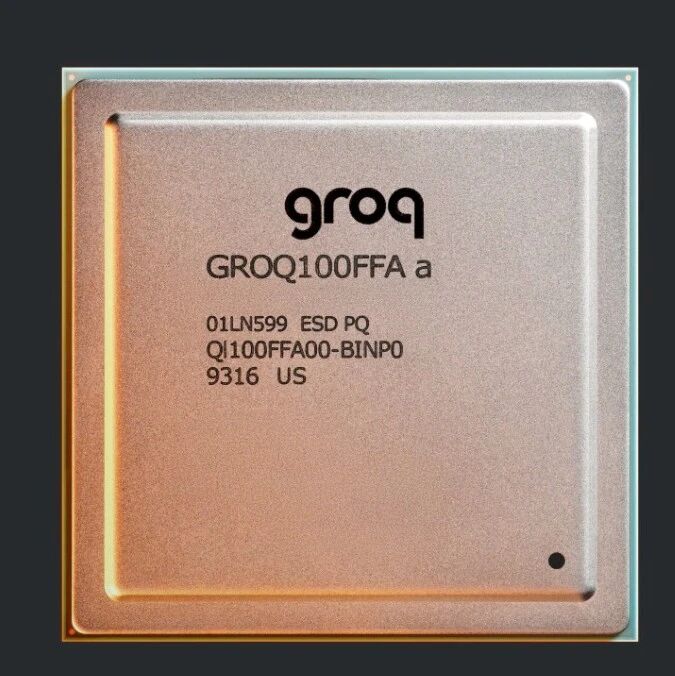
Core Viewpoint - Nvidia's acquisition of AI startup Groq for $20 billion is under investigation by two Democratic senators, questioning whether the deal violates antitrust laws and potentially consolidates Nvidia's dominance in the AI computing market [2][3] Group 1: Acquisition Details - The senators, Elizabeth Warren and Richard Blumenthal, expressed concerns that the deal's structure appears designed to "evade antitrust scrutiny" [2] - Nvidia's spokesperson clarified that the company has not acquired Groq but has obtained a non-exclusive license for Groq's intellectual property and hired engineering talent from Groq [2] - The deal is expected to be completed by the end of 2025, expanding Nvidia's investments in AI-related companies and providing access to new technology [2] Group 2: Market Implications - Nvidia's chips dominate the training of large language models, which are foundational to AI, while Groq focuses on inference, a more competitive area [3] - The senators highlighted that Nvidia's technology is crucial for the development of advanced AI, effectively controlling which companies can compete in the AI sector [3] - At Nvidia's annual conference, CEO Jensen Huang announced the integration of Groq's technology into a new AI computing platform [3]
源杰科技:首次覆盖报告CW需求提升,硅光和CPO时代发力-20260321
GUOTAI HAITONG SECURITIES· 2026-03-21 02:30
Investment Rating - The report initiates coverage with a "Buy" rating and a target price of 1139.9 CNY [2][4][10]. Core Insights - The company focuses on optical chip research and development, with a strong technological foundation. Its data center products are experiencing rapid growth, and CW laser chips are widely recognized [2][10]. - The company is expected to benefit from the AI-driven demand, with projected revenues for 2025-2027 being 601 million, 1.618 billion, and 2.869 billion CNY respectively, and EPS of 2.23, 8.26, and 16.00 CNY [10][11]. - The company has a comprehensive IDM model, controlling the entire production process from chip design to packaging, which enhances its competitive edge [14][28]. Financial Summary - Total revenue is projected to grow from 144 million CNY in 2023 to 2.869 billion CNY in 2027, with a CAGR of 169.1% from 2025 to 2026 [3][11]. - Net profit is expected to recover from a loss of 6 million CNY in 2024 to a profit of 1.375 billion CNY in 2027, reflecting a significant turnaround [3][11]. - The company’s gross margin is expected to remain high, particularly in the data center segment, with projected margins of 69.91% in 2025 and 69.99% in 2026 [17][24]. Business Segmentation - The company’s revenue from the data center segment is expected to grow significantly, with a projected increase of 919.1% in 2024 and 791.03% in 2025 [24]. - The telecommunications market is expected to face short-term pressure but is projected to recover by 2027, with a forecasted growth of 148.55% [16][24]. - Other business segments are expected to see stable growth, with revenue growth rates of 337.16% in 2025 and 12.50% in 2026 [18][24]. Market Position - The company is a leading player in the domestic optical chip market, particularly in high-speed semiconductor laser chips, with a strong market presence in data centers, telecommunications, and automotive laser radar markets [25][36]. - The company has established a robust customer base and technological capabilities in the telecommunications market, which will help maintain stable sales volumes despite industry fluctuations [16][36]. Valuation Analysis - The report assigns a PE ratio of 138x for 2026, leading to a target market value of approximately 979.8 billion CNY, corresponding to a target price of 1139.9 CNY per share [20][22]. - A PB ratio of 35x is also considered, suggesting a price of 1196.3 CNY per share, with the final target price set at the lower end of the valuation range [22][23].

好书推荐 |《“十五五”开局》
点拾投资· 2026-03-21 02:28
Core Viewpoint - The article emphasizes that artificial intelligence (AI) is not just a temporary investment theme but is likely to be one of the most significant industrial variables in the next decade [1]. Group 1: Investment Perspective on AI - The current debate around AI includes skepticism about its high investment and slow returns, with some viewing it as a bubble [5]. - However, the author argues that AI is becoming a core variable in global economic and national strategic competition, characterized by high investment and slow returns, which is typical during technological revolutions [6]. - Major tech companies in the U.S. have invested hundreds of billions in AI, indicating that it is a "must-win competition" where the winning firms could capture most of the industry's profits [6]. Group 2: Historical Context and Lessons - The evolution of AI mirrors the industrial progression seen during the internet era, where significant investments led to the emergence of influential companies that generated substantial profits [9][7]. - The author reflects on past investment opportunities missed due to hesitance during technological shifts, emphasizing the importance of seizing current opportunities in AI [10][11]. Group 3: Long-term Investment Strategy - Investors who successfully capitalized on past technological revolutions are likely to identify new opportunities in the AI era, while those who missed previous chances may do so again [14]. - The article advocates for a long-term perspective in embracing the ongoing transformation brought by AI, supported by the robust financial health of leading tech companies [15]. - The author stresses the importance of focusing on structural opportunities rather than worrying about potential bubbles, suggesting that the current investment climate is favorable for companies that represent the direction of the era [15][19]. Group 4: Future Outlook and Predictions - The author predicts that 2026 could be a pivotal year for AI applications, with significant advancements expected to emerge, fundamentally altering various industries [24]. - The competitive landscape among top tech firms is driving rapid technological advancements, which will likely lead to widespread benefits for society [25]. - The article concludes that the next decade will be dominated by structural opportunities, urging investors to adapt to changing economic trends and focus on leading companies in the AI sector [26][28].





七巨头齐挫,美股连跌四周
财联社· 2026-03-21 02:14
Core Viewpoint - The article discusses the impact of geopolitical tensions in the Middle East on the U.S. stock market, highlighting significant declines in major indices and concerns over rising oil prices due to military actions and potential U.S. troop deployments [1][4][5]. Market Performance - On March 20, U.S. stock indices opened lower and closed down, with the S&P 500 falling by 1.51% to 6506.48 points, the Nasdaq Composite down 2.01% to 21647.61 points, and the Dow Jones Industrial Average down 0.96% to 45577.47 points, marking the lowest closing prices since October of the previous year [1][2]. - For the week, the Dow fell 2.11%, the S&P 500 dropped 1.9%, and the Nasdaq declined 2.07%, with all three indices experiencing four consecutive weeks of decline [2]. Geopolitical Impact - The Dow and Nasdaq indices entered a "correction zone," being down 10% from their historical highs, influenced by reports of the U.S. military increasing its presence in the Middle East [4]. - Brent crude oil futures rose by 3.26% to $112.19 per barrel due to concerns over oil field operations in Iraq being affected by "force majeure" measures [4]. Analyst Commentary - Baird investment strategist Ross Mayfield indicated that if the conflict escalates to ground troop deployments, there could be several weeks of rising oil and gas prices, suggesting that the market has not yet fully reflected the potential for further declines [5]. - Art Hogan, chief market strategist at B. Riley, noted that a 10% correction in any index is not uncommon in uncertain environments, with the S&P 500 showing a smaller decline due to its broader and more diversified composition [7]. Stock Performance - Major tech stocks, referred to as the "Seven Giants," all experienced declines: Nvidia down 3.28%, Apple down 0.39%, Google down 2.27%, Microsoft down 1.84%, Amazon down 1.63%, Meta down 2.15%, and Tesla down 3.24% [7][8]. - The Philadelphia Semiconductor Index fell by 2.45%, with only three of its 30 components gaining, while several storage and optical communication stocks saw significant declines [9][10]. Company News - Amazon is reportedly planning to launch a new smartphone, marking its return to the market after over a decade, aimed at integrating with its Alexa voice assistant [13]. - Eightco announced an additional $40 million investment in OpenAI, bringing its total investment to $90 million, which now constitutes about 30% of Eightco's total holdings [14]. - Xiaopeng Motors' CEO announced plans for mass production of the new IRON humanoid robot by the end of 2026, with a monthly production target of over a thousand units [15]. - Tencent has disbanded its AILab, reallocating personnel to other departments, indicating a strategic shift in its AI research focus [16].

每周观察 | 2026-2030年各类AI服务器出货占比预测;4Q25全球电动车牵引逆变器装机量创新高;预估2026年晶圆代工产值年增24.8%…
TrendForce集邦· 2026-03-21 02:08
Group 1 - NVIDIA is shifting its focus from cloud AI training to AI inference applications at the GTC 2026 conference, responding to the increasing self-developed ASIC efforts by large cloud service providers (CSPs) [2] - The company is diversifying its product lines, including GPUs, CPUs, and LPUs, to address both AI training and inference demands, while leveraging Rack integration solutions to drive supply chain growth [2] Group 2 - In Q4 2025, global electric vehicle (BEV) traction inverter installations are expected to reach approximately 9.65 million units, marking a two-year high due to increased BEV sales compared to the same period last year [5] - This growth reflects the ongoing electrification trend and the rising integration rate of electric drive systems in vehicles [5] Group 3 - The global wafer foundry market is projected to grow by 24.8% year-on-year in 2026, reaching an estimated value of $218.8 billion, driven by investments from North American CSPs and AI startups [8] - TSMC is expected to see the largest growth in production value, with an anticipated increase of 32% [8] Group 4 - The top ten global wafer foundries are forecasted to experience a quarter-on-quarter revenue increase of 2.6% in Q4 2025, driven by AI demand [12]