货币政策

Search documents
流动性预期再升温,配置结构主导分化行情
Southwest Securities· 2026-01-26 02:33
1. Report Industry Investment Rating No relevant content provided. 2. Core Viewpoints of the Report - Last week, the bond market showed significant structural differentiation, influenced by macro - economic data and central bank liquidity operations. The "broad money" expectation may become the short - term trading focus, and the "stabilizer" effect of banks continues to work, with bonds within 10 years likely to be more stable. Liquidity abundance is expected to support the bond market to stabilize [2]. - In the context of the macro - economy still in the recovery stage and the need to boost the upward slope of prices, the central bank needs to maintain sufficient liquidity to support the real economy effectively [2]. 3. Summary According to the Table of Contents 3.1 Important Matters - In 2025, China's GDP grew by 5.0% in real terms, with the fourth - quarter real GDP growing by 4.5% and the nominal GDP growing by 3.85%, and the gap between nominal and real GDP growth rates narrowed [5]. - In January 2026, the central bank's MLF net injection was 70 billion yuan, and the medium - and long - term base money net injection in January reached 1 trillion yuan [2][8]. - Six major banks announced the optimization of personal consumption loan fiscal subsidy policies, including extending the implementation period, expanding the scope of support, and increasing subsidy standards [12][13]. - The central bank governor said that in 2026, the central bank will continue to implement a moderately loose monetary policy, and there is still room for reserve requirement ratio cuts and interest rate cuts [14]. 3.2 Money Market 3.2.1 Open Market Operations and Funds Rate Trends - From January 19 to 23, 2026, the central bank's 7 - day reverse repurchase operation had a net injection of 22.95 billion yuan. It is expected that 138.1 billion yuan of base money will be withdrawn from circulation from January 26 to 30 [16]. - Towards the end of January, the money market tightened marginally, and DR001 briefly exceeded the 1.3% - 1.4% operating range. As of January 23, R001, R007, DR001, and DR007 changed by 9.20BP, 2.23BP, 7.84BP, and 5.05BP respectively compared with January 16 [18]. 3.2.2 Certificate of Deposit (CD) Rate Trends and Repurchase Transaction Volume - In the primary market, last week, the CD issuance scale was 589.49 billion yuan, with a net financing of - 116.9 billion yuan. The CD issuance scale of city commercial banks was the largest, with a net financing of 72.72 billion yuan. The CD issuance interest rates of most institutions decreased compared with the previous week [24][28][30]. - In the secondary market, last week, CD interest rates generally declined under the background of loose liquidity. The 1Y - 3M spread of AAA - rated CDs was at the 47.07% quantile level [34]. 3.3 Bond Market 3.3.1 Primary Market - In early 2026, the issuance rhythm of national bonds accelerated compared with the same period in 2025, and the net financing scale of national bonds over 10 years was also higher than that from 2023 - 2025. The supply rhythm of central finance accelerated, mainly due to the issuance of discount national bonds and coupon - bearing national bonds in 2026 and the re - issuance of some coupon - bearing national bonds in 2025 [36]. - Last week, the supply scale of interest - rate bonds increased significantly. The net financing of national bonds, local bonds, and policy - bank bonds was 344.3 billion yuan, 222.37 billion yuan, and 187.5 billion yuan respectively. As of January 23, the issuance scale of special refinancing bonds in 2026 reached 250 billion yuan, mainly in long - term and ultra - long - term bonds [43][45]. 3.3.2 Secondary Market - Large - scale banks continued to prefer national bonds within 10 years, which supported medium - and short - term interest rates. The central bank's continuous large - scale MLF injection maintained abundant liquidity, and the term spread was compressed. The yields of national bonds and policy - bank bonds of various maturities changed to different degrees, and the implied tax rate of 10 - year policy - bank bonds decreased slightly [48]. - The average daily turnover rates of the 10 - year national bond active bond (250016) and the 10 - year policy - bank bond active bond (250215) decreased. The average spread between the 10 - year national bond active bond (250016) and the secondary - active bond (250022) increased by 0.03BP, indicating that the liquidity premium is tilting towards 250022 [50][52]. - The 10 - 1 - year and 30 - 1 - year national bond term spreads narrowed, and the long - term and ultra - long - term local - national bond spreads also narrowed [56][57]. 3.4 Institutional Behavior Tracking - In December 2025, the institutional leverage ratio increased seasonally. Banks and other institutions increased their leverage, while securities firms reduced their leverage. The 20 - day moving average of the single - day trading volume of inter - bank pledged repurchase was 7.87 trillion yuan last week, showing a "first rising, then falling" trend [63][65]. - In the cash - bond market, large - scale banks still preferred to increase their holdings of 5 - 10 - year national bonds, but the net purchase scale decreased significantly. Small - and medium - sized banks continued to reduce their holdings of 5 - 10 - year national bonds and policy - bank bonds. Insurance companies significantly increased their holdings of national bonds and local bonds over 10 years, and funds increased their holdings of 5 - 10 - year policy - bank bonds and national bonds over 10 years [63][72]. - The replenishment willingness of small - and medium - sized banks, securities firms, funds, and other institutions was relatively weak last week. The current replenishment costs of major trading desks vary significantly [75]. - Considering capital occupation and tax costs, commercial banks and insurance companies can obtain relatively higher returns by investing in local bonds due to the relatively high spread between local bonds and national bonds [84]. 3.5 High - Frequency Data Tracking - Last week, the settlement prices of rebar, wire rod, and cathode copper futures, the cement price index, and the South China Glass Index decreased compared with the previous week. The CCFI index decreased slightly, while the BDI index increased by 12.44%. The wholesale prices of pork and vegetables increased, and the settlement prices of Brent and WTI crude oil futures decreased slightly. The central parity rate of the US dollar against the RMB was 6.99 [88][89]. 3.6 Future Outlook - The "stabilizer" effect of banks continues to work, and bonds within 10 years are likely to be more stable. Although the ultra - long - term interest rate theoretically has more room, its stability is weaker than that of bonds within 10 years [90]. - Abundant liquidity is expected to support the bond market to stabilize. In the short term, the bond market is mainly in a recovery phase, with a low possibility of a trend - like decline. It is recommended to gradually take profits from band trading and choose national bonds within 10 years, especially the 10 - year national bond active bond (250016) [91].
钢材:需求边际转弱,节前钢价延续震荡
Yin He Qi Huo· 2026-01-26 02:00
1. Report Industry Investment Rating - Not provided in the given content 2. Core Viewpoints of the Report - The demand for steel is marginally weakening, and steel prices are expected to continue to fluctuate before the holiday. The market may be affected by market sentiment, leading to price volatility. It is necessary to continue to pay attention to the impact of macro - news on the market, as well as coal mine safety inspections, overseas tariffs, and domestic macro and industrial policies [1][7] - The trading strategy suggests a unilateral trend of oscillating and strengthening, recommends short - selling the spread between hot - rolled coils and rebar at high levels, and holding the short position of the ratio of hot - rolled coils to coking coal. For options, it is recommended to wait and see [9] 3. Summary by Directory Chapter 1: Steel Market Summary and Outlook Summary - **Supply**: This week, the small - sample production of rebar was 199.55 tons (+9.25), and that of hot - rolled coils was 305.41 tons (-2.95). The daily average of blast furnace hot metal from 247 steel mills was 228.1 tons (+0.09), and the capacity utilization rate of 49 independent electric arc furnace steel mills was 34.4% (-1.6). The cost of electric arc furnaces has been increasing, leading to a decline in profits and a decrease in capacity utilization. Long - process steel profits remain profitable, and hot metal production has continued to increase this week [4] - **Demand**: The small - sample apparent demand for rebar was 199.55 tons (+9.25), and that for hot - rolled coils was 309.96 tons (-4.20). The temperature in the East China region has dropped, and the downstream capital availability has deteriorated. The demand for hot - rolled coils is still strong due to pre - holiday inventory replenishment in the manufacturing industry, and the export situation in January is still strong. The growth rate of fixed - asset investment in China from January to December has continued to decline, and the real estate market is still weak. The manufacturing PMI has continued to be positive, and the production and sales of automobiles are strong, while the production schedule of white goods has declined [4] - **Inventory**: The total inventory of rebar increased by 14.03 tons, with an increase of 6.32 tons in the factory warehouse and 7.71 tons in the social warehouse. The total inventory of hot - rolled coils decreased by 4.55 tons, with an increase of 0.11 tons in the factory warehouse and a decrease of 4.66 tons in the social warehouse. The total inventory of the five major steel products increased by 10.07 tons [4] - **Outlook**: Before the holiday, steel prices are expected to remain volatile. Although the downstream capital availability has improved slightly, the overall demand is still weak. The raw material cost has support, but the continuous resumption of hot metal production restricts the upward space of steel prices [7] Chapter 2: Price and Profit Review Summary - **Spot Prices**: The summary price of rebar in Shanghai on Friday was 3270 yuan (unchanged), and that in Beijing was 3140 yuan (+10). The price of hot - rolled coils in Shanghai was 3290 yuan (+10), and that of Tianjin Hegang hot - rolled coils was 3170 yuan (unchanged) [13] - **Basis and Spread**: The basis and spread trends of rebar and hot - rolled coils are presented through charts, including the basis of 05 contracts in Shanghai, the spread between 05 and 10 contracts, and the spread between hot - rolled coils and rebar [15][16][19] - **Profit**: The long - process steel mill profits are shown through charts. The cash profits of East China and Tangshan rebar, as well as Tianjin and East China hot - rolled coils, are presented. The short - process steel mill profits, specifically the flat - rate and off - peak - rate electric furnace profits in East China, are also provided. The flat - rate electric furnace profit in East China is - 141.60 yuan (-56.3), and the off - peak - rate electric furnace profit is 23 yuan (-56) [23][26][27][30][31] Chapter 3: Important Domestic and International Macroeconomic Data Summary - **Macroeconomic Indicators**: In 2025, GDP grew by 5%. In December, the year - on - year growth rate of industrial added value above designated size in China was 5.2%, the year - on - year growth rate of urban fixed - asset investment was - 3.8%, and the year - on - year growth rate of total retail sales of consumer goods was 0.9%. The central government plans to implement more active fiscal policies and moderately loose monetary policies in 2026 [33] - **Social Financing and Investment**: In December, the new social financing was 22075 billion yuan, with a year - on - year decrease of 22.64%. The new RMB loans were 9100 billion yuan. The investment growth rate of fixed assets from January to December 2025 continued to decline rapidly, and the real estate market was still a drag on domestic demand [38] - **Real Estate Data**: The decline in real estate development investment, new construction, completion, and sales data has narrowed, but it still maintains a negative growth of about 20 - 30%. The trading volume of commercial housing in key cities is presented through charts [40][45] Chapter 4: Steel Supply, Demand, and Inventory Situation Summary - **Supply**: The daily average output of hot metal from 247 steel mills was 228.1 tons (+0.09), and the capacity utilization rate of 49 independent electric arc furnace steel mills was 34.4% (-1.6). The small - sample production of rebar was 199.55 tons (+9.25), and that of hot - rolled coils was 305.41 tons (-2.95) [54][59] - **Demand**: The small - sample apparent demand for rebar was 185.52 tons (a 6% year - on - year decrease in the lunar calendar), and that for hot - rolled coils was 309.96 tons (a 2.39% year - on - year increase in the lunar calendar). The building material demand and cement usage are also presented. The export situation of steel in January is still strong [62][73] - **Inventory**: The total inventory of rebar increased, while the total inventory of hot - rolled coils decreased. The inventory trends of rebar and hot - rolled coils are presented through charts [78][79][80][81]
铁矿周报:港库高位运行,铁矿震荡承压-20260126
Tong Guan Jin Yuan Qi Huo· 2026-01-26 01:53
1. Report Industry Investment Rating - No information provided in the report 2. Core Viewpoints of the Report - Overall, the supply side shows that overseas shipments and arrivals decreased last week, but arrivals remained at a high level, and port inventories continued to increase. On the demand side, hot metal production was weakly stable last week, iron ore daily consumption was at a low level before the Spring Festival, in - plant inventories increased, and steel mills' pre - Spring Festival restocking gradually increased. The overall situation of iron ore is strong supply and weak demand, and the pre - Spring Festival restocking of steel mills provides some support. It is expected that the futures price will show a volatile and pressured trend [1][4][6] 3. Summary by Relevant Catalogs 3.1 Transaction Data - SHFE rebar: The closing price was 3142 yuan/ton, down 21 yuan or 0.66% from the previous week, with a total trading volume of 4,363,197 lots and a total open interest of 2,373,958 lots [2] - SHFE hot - rolled coil: The closing price was 3305 yuan/ton, down 10 yuan or 0.30% from the previous week, with a total trading volume of 1,840,077 lots and a total open interest of 1,453,320 lots [2] - DCE iron ore: The closing price was 795.0 yuan/ton, down 17.0 yuan or 2.09% from the previous week, with a total trading volume of 1,409,932 lots and a total open interest of 566,469 lots [2] - DCE coking coal: The closing price was 1157.0 yuan/ton, down 14.0 yuan or 1.20% from the previous week, with a total trading volume of 5,090,547 lots and a total open interest of 657,580 lots [2] - DCE coke: The closing price was 1722.0 yuan/ton, up 5.0 yuan or 0.29% from the previous week, with a total trading volume of 98,670 lots and a total open interest of 39,991 lots [2] 3.2 Market Review - **Demand Side**: Last week, hot metal production was weakly stable, iron ore daily consumption was at a low level before the Spring Festival, in - plant inventories increased, and steel mills' pre - Spring Festival restocking gradually increased. The blast furnace operating rate of 247 steel mills was 78.68%, a decrease of 0.16 percentage points from the previous week and an increase of 0.70 percentage points compared to the same period last year; the blast furnace iron - making capacity utilization rate was 85.51%, an increase of 0.03 percentage points from the previous week and an increase of 0.87 percentage points compared to the same period last year; the steel mill profitability rate was 40.69%, an increase of 0.86 percentage points from the previous week and a decrease of 8.23 percentage points compared to the same period last year; the daily average hot metal production was 228.1 tons, an increase of 0.09 tons from the previous week and an increase of 2.65 tons compared to the same period last year [1][4] - **Supply Side**: Last week, overseas shipments and arrivals decreased, but arrivals remained at a high level, and port inventories continued to increase. The total global iron ore shipments were 2,929.8 tons, a decrease of 251.1 tons from the previous week. The total shipments from Australia and Brazil were 2,246.6 tons, a decrease of 359.8 tons from the previous week. The inventory of imported iron ore at 47 ports across the country was 17,496.53 tons, an increase of 207.83 tons from the previous week; the daily average port clearance volume was 320.52 tons, a decrease of 14.50 tons [1][5] 3.3 Industry News - The central bank governor, Pan Gongsheng, said that in 2026, the People's Bank of China will continue to implement a moderately loose monetary policy, taking promoting stable economic growth and reasonable price recovery as important considerations for monetary policy. There is still some room for reserve requirement ratio cuts and interest rate cuts this year [10] - In 2025, China's GDP increased by 5.0% year - on - year, reaching 140.19 trillion yuan; the added value of large - scale industries increased by 5.9%, 0.1 percentage points faster than the previous year; the total retail sales of consumer goods increased by 3.7%, 0.2 percentage points faster than the previous year; fixed - asset investment decreased by 3.8%, among which real estate development investment decreased by 17.2%. At the end of 2025, the national population was 140,489,000, with 7.92 million births and 11.31 million deaths throughout the year, and the total population decreased by 3.39 million year - on - year [10] - In 2025, the national real estate development investment was 827.88 billion yuan, a decrease of 17.2% from the previous year. The floor area under construction of real estate development enterprises was 659.89 million square meters, a decrease of 10.0% from the previous year. The newly started floor area was 58.77 million square meters, a decrease of 20.4%. The completed floor area was 60.348 million square meters, a decrease of 18.1%. The sales area of newly built commercial housing was 88.101 million square meters, a decrease of 8.7% from the previous year. The sales volume of newly built commercial housing was 839.37 billion yuan, a decrease of 12.6% [10] 3.4 Relevant Charts - The report provides 24 charts related to the iron ore industry, including the profitability rate of national steel mills, daily average hot metal production, blast furnace operating rate, iron ore shipments from Australia and Brazil, and various inventory data [9][11][13][17][26][29][32][37][40][42][44]
2026年高盛宏观经济展望:增长、就业与物价
Sou Hu Cai Jing· 2026-01-26 01:31
Core Insights - The global economy is entering a "virtuous but complex" new phase, characterized by robust growth but significant structural differentiation among major economies [1][2][3] Economic Growth - Global real GDP growth is projected to reach 2.8% in 2026, slightly above the market consensus of 2.5% [1][6] - The U.S. economy is expected to accelerate from a growth rate of 2.1% in 2025 to 2.6% in 2026, driven by reduced tariff drag, fiscal stimulus from new tax legislation, and easing financial conditions due to anticipated Fed rate cuts and AI investment [1][10] - China's economy is forecasted to grow by 4.8%, supported by a strong manufacturing and export sector, particularly in critical resources like rare earths, which offsets domestic demand pressures [1][14] Employment Trends - Despite economic growth, job market expansion is slowing, with rising unemployment rates in major developed economies, particularly in the U.S. [2][5] - The disconnect between growth and employment is partly attributed to productivity gains, especially from AI, which have not yet significantly impacted job creation [2][11] Price Stability - Core inflation in developed economies is expected to gradually decline to near the 2% policy target by 2026, aided by a slowdown in housing inflation and wage growth [2][5] - The easing of inflationary pressures creates conditions for a shift in monetary policy among major central banks [2][3] Policy Outlook - A "converging decline" in global monetary policy is anticipated, with the Fed likely to cut rates by 50 basis points in 2026, while the Bank of England may also follow suit [3][5] - Emerging market central banks will exhibit varied policies, with some regions expected to pursue further monetary easing [3] Market Implications - The macroeconomic backdrop is seen as favorable for risk assets like stocks, although tensions between growth and valuation concerns may intensify [5]



光大期货:1月26日金融日报
Xin Lang Cai Jing· 2026-01-26 01:28
Group 1: Stock Market Performance - The stock market experienced high volatility with the Wind All A index rising by 1.81%, while average daily trading volume decreased to 2.8 billion yuan [3][16] - Small-cap indices, driven by the non-ferrous metals and power equipment sectors, saw significant gains, with the CSI 1000 up by 2.89% and the CSI 500 up by 4.34%, whereas large-cap indices like the CSI 300 and SSE 50 declined by 0.62% and 1.54% respectively [3][16] - Market sentiment remained stable with a weekly increase in financing balance of 6.5 billion yuan, and implied volatility for options remained stable [3][16] Group 2: Bond Market Dynamics - The bond market saw a slight recovery due to a significant net injection of MLF in January, with the yields for various government bonds showing slight decreases [6][18] - The People's Bank of China conducted a net injection of 112.95 billion yuan through reverse repos and MLF operations, indicating a marginal easing of liquidity [7][19] - Government bond issuance totaled 746.6 billion yuan this week, with a net issuance of 547.5 billion yuan, while the upcoming week shows a planned net issuance of 2.288 billion yuan [8][20] Group 3: Macro Economic Indicators - In December, retail sales growth slowed to 0.9%, and fixed asset investment decreased by 3.8%, with infrastructure investment down by 2.2% and real estate investment down by 17.2% [9][21] - The forecast for January indicates that the proportion of credit in the total annual credit may reach historical highs, with January typically accounting for around 20% of annual credit from 2018 to 2023, and close to 30% for 2024-25 [10][22] - Inflation is expected to rebound in 2026, supported by demand-side consumption stimulation and supply-side efficiency improvements, with a significant shift in consumer spending patterns anticipated [11][23] Group 4: Precious Metals Market - Gold prices surged by 8.31% to $4,981.31 per ounce, reaching a new high of $4,990.17, while silver prices increased by 14.65% to $103.34 per ounce [25][24] - The gold-silver ratio decreased to approximately 48.3, indicating a strong performance in silver relative to gold [25][24] - Geopolitical tensions, particularly surrounding the Greenland issue, have contributed to increased demand for gold as a safe-haven asset, despite mixed signals regarding U.S. interest rate policies [27][26]

中信证券:预计日银未来数月可能维持政策利率不变 此后在今年年中加息一次
Xin Lang Cai Jing· 2026-01-26 00:21
Core Viewpoint - The Bank of Japan (BOJ) maintained its policy interest rate in January, raised growth forecasts for fiscal years 2025-2026, and kept inflation forecasts stable for the next three fiscal years, indicating a non-hawkish stance with limited incremental information [1] Group 1: Monetary Policy - The BOJ is expected to keep the policy interest rate unchanged for the next few months, with a potential rate hike anticipated around mid-year [1] - Recent increases in Japanese long-term bond yields are attributed to market concerns over fiscal discipline, rather than a signal for monetary policy easing [1] Group 2: Market Implications - The BOJ's potential flexible bond operations aim to maintain financial market stability rather than signal a shift towards looser monetary policy [1] - The lack of upward momentum for the Japanese yen and the low attractiveness of Japanese bonds suggest that the sustainability of the Japanese stock market's upward trend may depend on developments in the House of Representatives elections [1]

推动物价合理回升 多部门明确政策思路
Xin Lang Cai Jing· 2026-01-25 17:15
Core Viewpoint - The article discusses the current state and future outlook of China's inflation, emphasizing the need for policy measures to stabilize and promote reasonable price recovery, particularly in light of low CPI and PPI figures [1][9]. Group 1: Inflation Outlook - The CPI is expected to rise by approximately 0.4% year-on-year in 2026, indicating a continued low inflation environment for four consecutive years, which provides room for potential interest rate cuts by the central bank [1][10]. - The PPI is anticipated to face ongoing downward pressure, with a projected cumulative year-on-year decline of around -1.0% for 2026 [10]. Group 2: Policy Measures - The National Development and Reform Commission (NDRC) plans to implement a series of policies from total, structural, and reform perspectives to promote a moderate recovery in prices [1][6]. - The central bank has highlighted the importance of stabilizing economic growth and promoting reasonable price recovery as key considerations in monetary policy [9][10]. Group 3: Structural Characteristics of Prices - In 2025, the CPI exhibited significant structural characteristics, with food and energy prices contributing notably to its decline, with food prices down by 1.5% and energy prices down by 3.3% [5]. - The core CPI, excluding food and energy, increased by 0.7% year-on-year in 2025, with a notable rise of 1.2% in December, indicating some recovery in consumer prices [5][3]. Group 4: Market Dynamics - The article notes that the interplay of supply and demand dynamics, along with external economic pressures, continues to influence domestic price adjustments [4][6]. - The NDRC emphasizes the need for structural adjustments to address "involution" in competition and to ensure a balanced supply-demand relationship [7][8].
1.24金价走势,历史行情或将重现,别再犹豫抓紧机会
Sou Hu Cai Jing· 2026-01-25 16:09
Core Viewpoint - The recent surge in gold prices, reaching $4,963 in London, is driven by long-term capital and policy expectations rather than short-term speculation, indicating a robust fundamental backdrop for gold [1] Monetary Policy - The Federal Reserve is expected to hold an FOMC meeting on January 29, with market consensus predicting 2 to 3 rate cuts by 2026, leading to a weaker dollar and reduced opportunity cost for holding gold [1] - Historically, gold prices tend to rise ahead of a Fed policy shift, and this trend appears to be repeating [1] Geopolitical Risks - Ongoing geopolitical tensions, including conflicts in the Middle East and Arctic, are fueling demand for gold as a safe-haven asset, with institutions raising their price targets, such as Goldman Sachs predicting $5,400 [3] - The combination of central bank purchases, expectations of monetary easing, and heightened risk aversion historically leads to significant gold price increases [3] Short-term Market Dynamics - Gold prices are likely to test the $5,000 psychological barrier before the FOMC meeting, with potential minor corrections expected between 1% to 3% [5] - Suggested support levels for gold are between $4,850 to $4,900, with corresponding domestic prices at 1,090 to 1,100 yuan per gram [5] Investment Strategies - Investors are advised to adopt a strategic approach to buying gold, suggesting phased purchases rather than waiting for perfect timing, which may lead to missed opportunities [5] - For conservative investors, a 5% to 10% allocation to gold in their portfolio is recommended as a risk management strategy [8] Institutional Insights - Goldman Sachs' price target of $5,400 reflects research expectations, but investors should treat institutional targets as references rather than absolute predictions [12] - The current gold price movement is a result of coordinated actions from central banks, monetary policies, and geopolitical risks, creating a favorable environment for gold [14] Market Outlook - The short-term market may present opportunities, especially during minor corrections, while the medium-term outlook depends on central bank actions and the Fed's policy trajectory [15] - Continued central bank purchases and sustained geopolitical risks could lead to further increases in gold prices, benefiting both physical asset allocation and financial hedging tools [15]

央行开展9000亿元中期借贷便利操作
Sou Hu Cai Jing· 2026-01-25 13:27
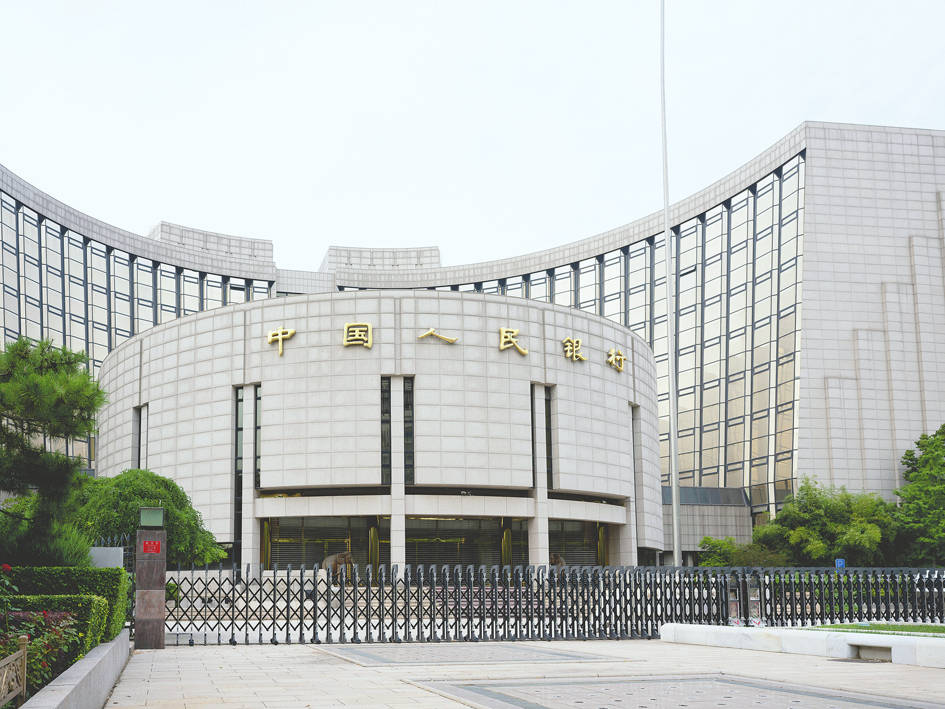
Core Viewpoint - The People's Bank of China (PBOC) is implementing a significant liquidity injection through a 900 billion yuan MLF operation to maintain ample liquidity in the banking system ahead of the Spring Festival [1][3]. Group 1: Monetary Policy Actions - The PBOC will conduct a 900 billion yuan MLF operation with a one-year term on January 23, using a fixed quantity, interest rate bidding, and multiple price levels [1]. - In January, 2,000 billion yuan of MLF is set to mature, leading to a net liquidity injection of 1 trillion yuan, which is a substantial increase compared to previous levels [4]. - The PBOC's actions are aimed at ensuring funding for key projects and supporting economic recovery, especially with the early issuance of local government bonds for 2026 [4][5]. Group 2: Economic Analysis - Analysts suggest that the upcoming increase in cash withdrawals due to the Spring Festival will necessitate a stable liquidity environment, making it unlikely for the PBOC to resort to reserve requirement ratio (RRR) cuts in the short term [3][4]. - The PBOC's large-scale MLF operation is seen as a substitute for RRR cuts, signaling a continued supportive stance in monetary policy [5]. Group 3: Future Monetary Policy Outlook - Experts believe there is still room for RRR cuts and interest rate reductions, but these measures will depend on favorable conditions [6][7]. - The focus will be on the pace of fiscal policy implementation and government bond issuance, as government bonds accounted for 38.9% of total social financing in 2025 [8]. - The banking sector's net interest margin stability is crucial, especially with significant long-term deposits maturing in 2026 [8].
1月25日晚间央视新闻联播要闻集锦
Yang Shi Xin Wen Ke Hu Duan· 2026-01-25 12:59
Group 1 - The core message of Xi Jinping's speech emphasizes the importance of solidly implementing the spirit of the 20th Central Committee and achieving a good start for the "14th Five-Year Plan" under the strong leadership of the Party Central Committee [4] - The People's Bank of China aims to enhance monetary policy to support key areas and weak links, as highlighted in an interview with its governor [6] - In 2025, the number of newly established foreign-invested enterprises in China is projected to reach 70,392, reflecting a year-on-year growth of 19.1%, with actual foreign investment amounting to 747.69 billion yuan [7] Group 2 - The construction of Beijing's sub-center has entered a new phase, transitioning from the foundational stage to one of functional enhancement and comprehensive development, contributing to the city's strategic development [9] - Various regions are actively expanding new consumption formats and scenarios to continuously stimulate market vitality [2][12]