
即时零售

Search documents
万亿大消费增量当前,双11的逻辑彻底变了
第一财经· 2025-10-17 07:01
Core Insights - The article highlights the significant transformation in the e-commerce landscape, particularly with the rise of instant delivery services and their integration into the retail sector, marking a shift in consumer behavior and expectations [1][3][4]. E-commerce Trends - The e-commerce sector has been intensely competitive, with a focus on low prices and traffic acquisition over the past two years, while the instant retail market has rapidly developed, with projections indicating it could exceed 3 trillion yuan by 2030, increasing its penetration in online retail from 6% to 15.7% [3][4]. - Consumers are increasingly seeking a blend of e-commerce offerings, including fast delivery and promotional discounts, indicating a demand for a new integrated shopping experience [8][9]. Alibaba's Strategy - Alibaba has initiated a transformation towards a "big consumption" platform, aiming to merge shopping with lifestyle services, which is seen as a historic strategic opportunity [4][10]. - The launch of Taobao Flash Purchase has been pivotal, with significant user growth and engagement, as evidenced by a 25% year-on-year increase in monthly active users [11][20]. Consumer Behavior - Research indicates that 6.82% of consumers purchased the iPhone 17 through instant retail, showcasing a shift in purchasing habits where consumers are increasingly using delivery services for a variety of products [7][12]. - The integration of instant delivery with traditional e-commerce is expected to enhance consumer engagement and drive sales growth for brands [12][20]. Market Dynamics - The upcoming Double 11 shopping festival is anticipated to be a critical test for the synergy between instant delivery and e-commerce, with brands expected to leverage this opportunity for increased visibility and sales [5][14]. - The competition in the instant delivery market is stabilizing, with a daily average of around 200 million orders, prompting platforms to focus on improving operational efficiency and enhancing brand retail importance [14][19]. Membership and Loyalty - The 88VIP membership program has seen substantial growth, with over 53 million members, making it a significant driver of brand sales, contributing over 55% of top brand revenues on Tmall [21][23]. - The loyalty and repeat purchase rates among paid members are crucial for brands, as they represent a committed consumer base willing to invest in their preferred platforms [24][26]. Future Outlook - The integration of flash purchase and membership systems is expected to create a robust consumer ecosystem, enhancing brand retention and operational efficiency [26][27]. - The evolving market dynamics suggest that brands must adapt quickly to capitalize on the emerging opportunities presented by the integration of e-commerce and instant delivery services [27].


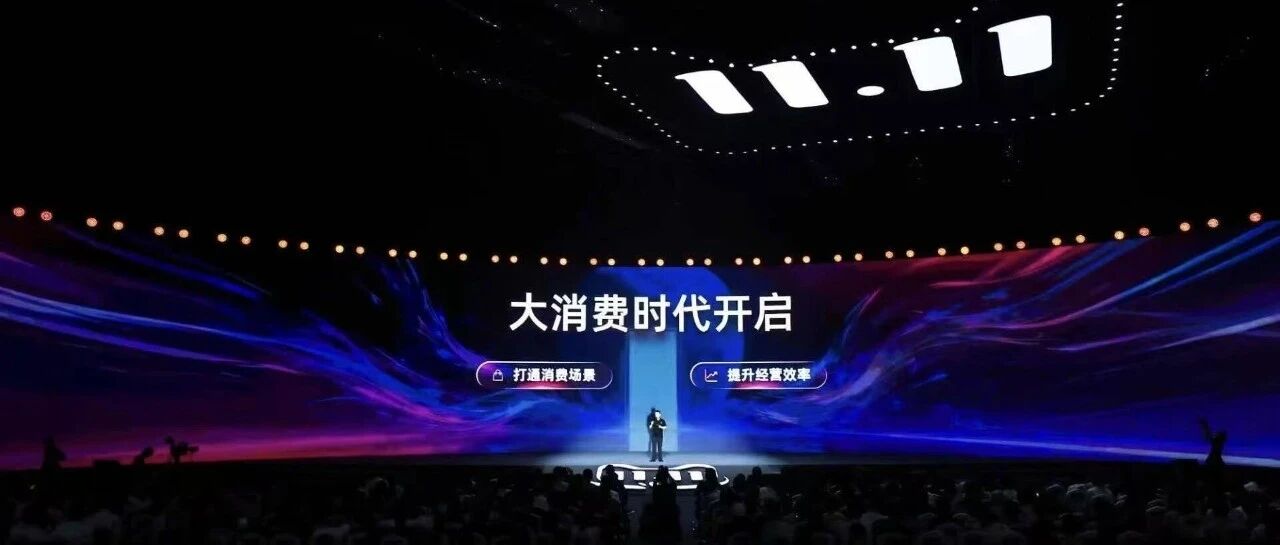
阿里巴巴-W现跌超4% 淘宝闪购首次参与双十一 公司在即时零售业务投入较大
Zhi Tong Cai Jing· 2025-10-17 06:47
Core Viewpoint - Alibaba-W (09988) shares have dropped over 4%, currently at 154.4 HKD with a trading volume of 13.466 billion HKD, amid the launch of the 2025 "Double 11" e-commerce promotion focusing on instant retail [1] Group 1: E-commerce Strategy - The "Double 11" promotion has entered a critical phase, with Taobao/Tmall investing 3 billion CNY in live-streaming red envelopes, allowing users to receive up to 2000 CNY daily [1] - For the first time, Taobao Flash Sale is participating in "Double 11," offering 50% off takeout red envelopes for 88VIP members during the promotional period [1] Group 2: Financial Projections - Zheshang Securities forecasts Alibaba's China e-commerce revenue for FY26Q2 to be 126.9 billion CNY, representing a year-over-year growth of 11.6% [1] - The EBITA Margin is projected to be 6.8%, showing a significant decline due to substantial investments in instant retail during the third quarter [1] Group 3: Market Opportunities - The company aims to enhance user engagement and transaction frequency through high-frequency orders from food delivery, which will improve the fulfillment system [1] - The dual strategy of Ele.me and Gaode in the in-store business presents new growth opportunities for Alibaba's e-commerce segment [1]
港股异动 | 阿里巴巴-W(09988)现跌超4% 淘宝闪购首次参与双十一 公司在即时零售业务投入较大
智通财经网· 2025-10-17 06:43
Core Viewpoint - Alibaba's stock has dropped over 4%, currently trading at 154.4 HKD, with a trading volume of 13.466 billion HKD, amid the upcoming 2025 "Double 11" e-commerce promotion focusing on instant retail [1] Group 1: E-commerce Strategy - The "Double 11" event has entered a critical phase, with instant retail becoming a key competitive focus for e-commerce [1] - Taobao/Tmall has launched a 3 billion HKD live streaming deposit red envelope campaign, allowing users to receive up to 2000 HKD daily [1] - For the first time, Taobao Flash Sale is participating in "Double 11," offering 50% off takeout red envelopes for 88VIP members during the event [1] Group 2: Financial Projections - Zheshang Securities forecasts Alibaba's Chinese e-commerce revenue for FY26Q2 to be 126.9 billion HKD, representing a year-over-year growth of 11.6% [1] - The EBITA margin is projected to be 6.8%, showing a significant decline due to substantial investments in instant retail during Q3 [1] Group 3: Business Synergies - The company aims to enhance user activity and transaction frequency through high-frequency orders from food delivery, which will synergize with traditional e-commerce operations [1] - The dual strategy of Ele.me and Gaode in the offline business is expected to create new growth opportunities for Alibaba's e-commerce segment [1]
海外侨胞助力“中国好物”卖全球
Zhong Guo Xin Wen Wang· 2025-10-17 05:54
Core Insights - The rise of "China Goods" is increasingly appealing to foreign consumers, with overseas Chinese playing a significant role in promoting these products globally [1][2] - There is a growing interest in Chinese-made furniture, home appliances, and smart devices among Middle Eastern consumers, leading to the establishment of a one-stop cross-border service system for small and medium enterprises [2] Group 1: Market Opportunities - The Dubai Longcheng Chinese Chamber of Commerce is exploring cooperation with the Middle East market, aiming to establish a rapid channel for Xinjiang fruit to reach the region and set up a center for showcasing Chinese products [1] - The demand for fresh-cut flowers in Australia is high, particularly during holidays, presenting an opportunity for Yunnan's flower products to enter the market due to favorable logistics and seasonal advantages [2] Group 2: Business Strategies - The establishment of a liaison station by the Chamber of Commerce aims to provide comprehensive services, including legal, financial, and logistics support, to reduce costs and risks for Chinese enterprises entering the Middle Eastern market [2] - Companies are encouraged to strengthen communication with Chinese enterprises and adapt management experiences to local market conditions for better operational success [1]
散酒千亿蓝海,谁在悄悄赚钱?
Sou Hu Cai Jing· 2025-10-17 05:45
Core Insights - The market for loose liquor, once considered a "cheap alternative," is rapidly growing, with a projected market size exceeding 200 billion yuan by 2025 and a compound annual growth rate (CAGR) of 34.8%, significantly outpacing traditional bottled liquor [1] Young Consumer Market - Consumers aged 25-35 have become the primary demographic for loose liquor, accounting for over 60% of consumption, as they prioritize the intrinsic value of the liquor over excessive packaging [1] - This demographic shows a preference for lower-alcohol, flavored liquor products, with only 15% of young consumers opting for traditional white liquor [2] Low-Alcohol Liquor Market - The low-alcohol liquor market is expected to surpass 74 billion yuan by 2025, with a CAGR of 25%, significantly exceeding the overall growth of the white liquor industry [3] - The shift in consumption scenarios from formal business gatherings to casual settings like home drinking (50%), camping (56% annual growth), and gatherings with friends reflects a change in drinking culture among young consumers [3] - Instant retail platforms indicate a rising trend in low-alcohol liquor sales, with fruit wine accounting for 38% (72% annual growth), tea wine for 25% (65% annual growth), and sparkling wine for 17% (210% annual growth) [3] Untapped Market Potential - The county and town markets contribute 60% of the new growth in the loose liquor market, demonstrating that consumers in these areas value quality over flashy packaging [4] - The mid-to-high-end loose liquor segment (50-200 yuan per jin) is growing at 25%, with some products priced at 300 yuan achieving a 40% repurchase rate, indicating a willingness to pay for quality [4] Instant Retail as a New Channel - Traditional liquor stores struggle to cater to late-night and spontaneous consumption, while instant retail effectively addresses this demand [4] - Data from Meituan Flash Purchase shows that the instant retail transaction volume for white liquor grew over 100% year-on-year in 2024, driven by young consumers engaging in spontaneous drinking and outdoor activities [5] - Many liquor chain brands report that online sales now account for over 50% of their revenue, leading to the emergence of "pure delivery warehouses" that focus solely on online orders [6] Challenges and Opportunities - Despite the promising outlook for the loose liquor market, challenges such as regulatory risks, quality and trust issues, and inconsistent product quality remain [7] - Brands that can effectively address these challenges are reaping the benefits of market growth, with new loose liquor brands expanding from 10 to 100 stores nationwide in less than a year [8] Conclusion - The loose liquor market is evolving from a basic necessity to a cultural symbol, blending traditional craftsmanship with modern digital technology [9] - For entrepreneurs, the competition in the loose liquor market is shifting from price wars to a focus on quality, trust, and consumer experience, with brands that cater to young consumers, explore the low-alcohol segment, leverage instant retail, and penetrate lower-tier markets poised to succeed in this burgeoning market [9]

AI全面落地,第17个天猫“双11”迎来技术“成人礼” 平台大投资能否成新增长极?
Mei Ri Jing Ji Xin Wen· 2025-10-17 05:14
Core Insights - This year's Tmall "Double 11" marks a significant transformation, being the first in the era of big consumption and the first fully AI-integrated event, emphasizing the platform's investment in growth [1][6][12] AI Integration - Tmall will distribute 50 billion yuan in consumer vouchers, with some being allocated through the AI "Smart Benefit Engine," which has shown a 15% increase in voucher conversion rates compared to previous years [2][4] - The platform has achieved a 40-fold increase in computing power through AI investments, enhancing product recommendation accuracy and boosting purchase efficiency by 25% [4][5] - Tmall has developed an AIGX technology system that integrates various AI functions for comprehensive e-commerce operations, although experts note that AI is still in a conceptual phase and primarily serves as an auxiliary tool [3][4] Strategic Developments - The current "Double 11" is the first under the leadership of Jiang Fan, who has restructured Alibaba's e-commerce group to enhance resource integration and focus on big consumption [6][10] - Tmall and Taobao Flash Sale will collaborate closely during this event, allowing flagship stores to connect with Flash Sale, thereby integrating online and offline operations [7][9] Market Positioning - The integration of instant retail into "Double 11" is expected to create significant business growth, with experts suggesting that the synergy between online and offline channels will enhance consumer engagement [11][12] - Tmall's deep relationships with brand merchants position it favorably in the competitive landscape, with expectations of substantial growth opportunities as it leverages its advantages [10][12]
聚焦双十一|又想电商增量 又怕电商乱价?白酒企业面临两难局面
Di Yi Cai Jing· 2025-10-17 04:59
Core Viewpoint - The collaboration with e-commerce channels has become an unavoidable topic for liquor companies, as they seek new growth opportunities amidst declining traditional sales, while also facing challenges from aggressive low-price competition in the e-commerce space [1][2]. Group 1: Industry Trends - The liquor industry is undergoing deep adjustments, with major companies reporting varying degrees of sales decline in their half-year reports. The overall sales of white liquor during the recent Mid-Autumn and National Day holidays dropped by approximately 25%, primarily due to a significant contraction in group purchases and government-related markets [2]. - E-commerce platforms have shown strong growth in white liquor sales, with Meituan's white liquor category sales increasing by about 800% year-on-year during the last weekend before the holidays, and JD's overall white liquor sales during the holiday period rising by 109% year-on-year [2]. - The rapid growth of online liquor sales is not directly driven by liquor companies, which have historically undervalued e-commerce. However, the trend towards online and offline integration in liquor distribution is now evident [3]. Group 2: Pricing and Competition - The shift in liquor brands' attitudes towards e-commerce has moved from rejection to cooperation, as companies like Moutai and Fenjiu have begun to engage with e-commerce platforms to find new sales channels [4]. - Despite the desire to find new growth through e-commerce, the issue of low-price promotions disrupting offline markets remains unresolved, creating a core conflict between liquor companies and e-commerce platforms [4]. - Recent promotional activities have led to significant price drops for well-known liquor brands, with Moutai's price falling below 1700 yuan per bottle and Fenjiu's price dropping below 700 yuan per bottle, raising concerns among distributors about profitability [4]. Group 3: Market Dynamics - The current pricing chaos in the e-commerce liquor market is attributed to an oversupply in the industry, leading to a situation where e-commerce platforms can bypass liquor companies' control and offer low prices [6]. - E-commerce platforms are competing for market share by leveraging low prices, which has become a primary strategy in the industry. However, this approach is not sustainable without better cooperation between platforms and liquor companies [7]. - As online liquor sales continue to grow, the balance of power may shift towards e-commerce platforms, especially if liquor companies do not adapt to the changing market dynamics [7].
天猫“双11”上新 两个“首次”吸睛
Shang Hai Zheng Quan Bao· 2025-10-16 18:55
Core Insights - This year's "Double 11" event marks the first comprehensive implementation of AI technology, aiming to address consumer pain points and drive merchant growth [1][4] - The event will feature six AI shopping applications to enhance traffic distribution, consumer experience, and e-commerce operations [1][4] - The integration of "Taobao Flash Sale" into "Double 11" is expected to stimulate the large consumption market [1][2] Pre-sale Performance - The pre-sale for "Double 11" began on October 15, with strong initial results, including 35 brands achieving over 100 million yuan in sales within the first hour [2] - A total of 1802 brands saw their sales double compared to the previous year, with significant growth in active user numbers [2] - Categories such as beauty, maternal and infant products, fashion, and food experienced notable increases, with the highest growth in add-to-cart quantities reaching nearly 80% [2] Instant Retail Growth - Instant retail and e-commerce integration has led to significant transaction growth for Taobao Flash Sale, with night snack orders increasing over 200% and convenience store orders rising by 670% on the first day of "Double 11" [3] - The collaboration between brands and Taobao Flash Sale has resulted in over 37,000 brands and 400,000 brand stores participating, covering various sectors [3] - Brands in the 3C digital, personal care, and apparel sectors saw over 290% growth in sales compared to the previous year [3] AI Applications - Six AI shopping applications, including "AI Universal Search" and "AI Dressing Room," will be launched to meet diverse shopping needs [4] - The AI initiatives aim to enhance the efficiency of traffic matching and improve the return on investment for merchants [4] - The platform has achieved a 20% increase in search relevance and a 10% rise in click-through rates for recommended information streams [4] Cross-border AI Initiatives - Alibaba's 1688 platform is testing a cross-border AI product called "Ao Xia," set to launch in November, targeting overseas small and medium buyers [5] - The 1688 AI app has been upgraded with new features, including "AI Find Factory" and "AI Advisor," enhancing its capabilities [5] - Other e-commerce platforms are also exploring AI applications, with partnerships aimed at creating AI-driven shopping ecosystems [5] Overall Market Impact - The convergence of AI and large-scale consumption is reshaping the boundaries of consumer behavior, with "Double 11" being positioned as a significant event for technological and product advancements [5]
闪购就是新增长!3.7 万个品牌、40 万家品牌门店铺接入淘宝闪购!
Sou Hu Cai Jing· 2025-10-16 16:56
见字如晤,我是刘老实的合伙人柯不楠。 10 月 16 日,2025 天猫双 11 全球欢季新闻发布会在上海世博中心盛大举行。在本次发布会上,一个关键词被反复提及,成为聚光灯下的焦点——"淘宝闪 购"。它不再是电商生态中的一个补充角色,而是已然跃升为品牌增长的核心引擎。 这场始于今年4月30日的业务,正以惊人的速度重构消费习惯与商业逻辑,并在其上线后的第一个双十一大促中,迸发出令人瞩目的能量,宣告一个"万物 到家,即时可得"的零售新纪元正式到来。 发布会公布的一系列数据,为淘宝闪购的迅猛发展提供了最有力的注脚。自上线以来,其增长曲线陡峭上扬。截至今年8月,淘宝闪购的日均订单量已稳 居8000万的高位,单日订单峰值更是冲破了1.2亿大关。 这一庞大的交易体量背后,是高达3亿的月度活跃用户(MAU)在为其注入源源不断的活力。 更为深远的影响在于,淘宝闪购如同一条鲶鱼,激活了淘宝整个生态池的水。其高速增长产生了强大的"虹吸效应"与"激活效应",直接拉动淘宝平台八月 日均活跃用户(DAU)实现20% 的同比增长,MAU同比增长25%。这意味着,闪购不仅满足了既有的即时性需求,更吸引了大量新用户涌入,并显著提 升了平台存 ...
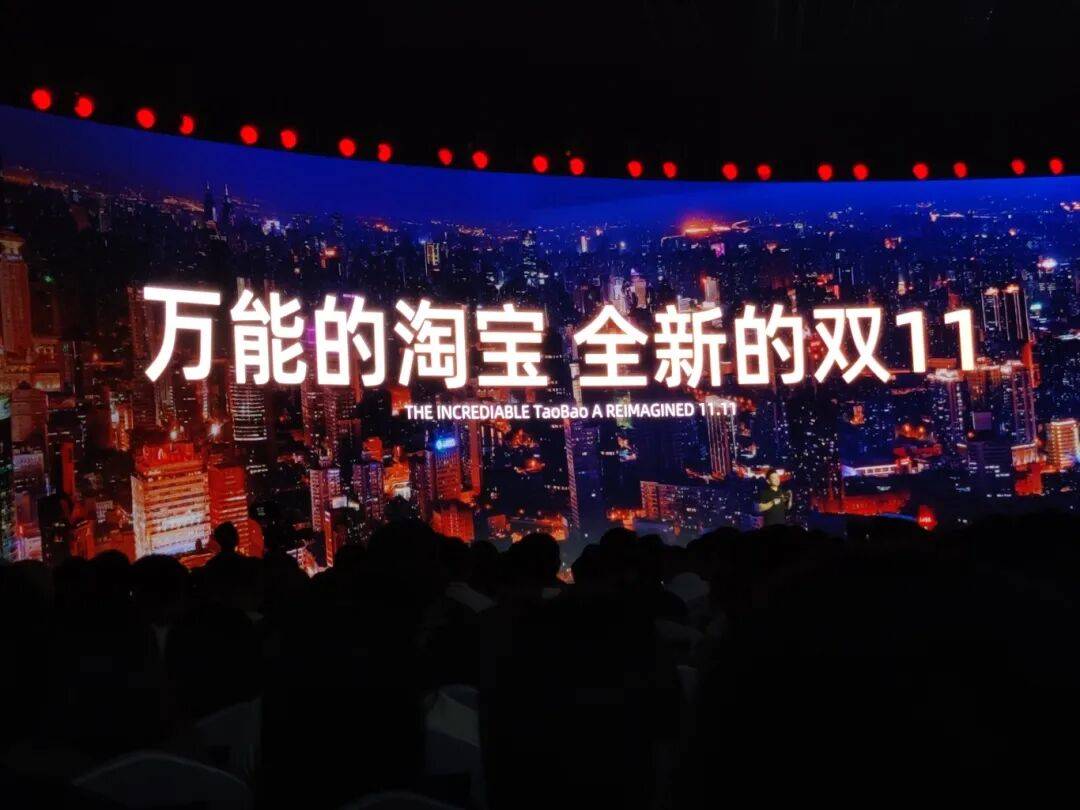
“双11”迈入效率竞争新阶段:AI与即时零售重构增长逻辑
Zheng Quan Ri Bao Zhi Sheng· 2025-10-16 16:11
Core Insights - The annual "Double 11" shopping festival has evolved into a competition focused on high-quality growth driven by technology and efficiency rather than just traffic scale [1][3] - Major platforms like JD and Tmall have initiated their promotions earlier, extending the shopping period and enhancing user experience [2][3] Group 1: Extended Promotion Period - JD launched its "Double 11" campaign on October 9, utilizing a "current stock sale" strategy, resulting in a 47.6% year-on-year increase in active users from October 9 to 10 [2] - Tmall's pre-sale data showed that in the first hour, 35 brands achieved over 100 million yuan in sales, with 1802 brands doubling their sales compared to the previous year [2] - The early start of promotions allows platforms to better manage traffic peaks and optimize delivery experiences [3] Group 2: AI Integration - Tmall is heavily investing in AI to enhance product capabilities and improve user engagement, aiming for a more efficient shopping experience [4] - The platform's computing power has increased by 40 times, significantly improving product recommendation accuracy and boosting purchase efficiency by 25% [5] - JD is also accelerating its AI initiatives, offering free access to various AI tools for merchants during the "Double 11" period [5][6] Group 3: Rise of Instant Retail - Instant retail is becoming a key growth area, with platforms leveraging "near-field" consumption to drive "far-field" transactions [7][8] - Tmall's flash purchase feature is expected to enhance user engagement and consumption habits, with significant growth in non-food brands [7] - JD is integrating local life services with over 3 million merchants to meet diverse consumer needs during the promotion [8][9] Group 4: Competitive Landscape - The competition among platforms has shifted from price and traffic wars to a focus on technology, efficiency, and user experience [1][3] - The integration of instant retail is reshaping the e-commerce landscape, indicating a new era of online and offline convergence [9]