
关税战

Search documents
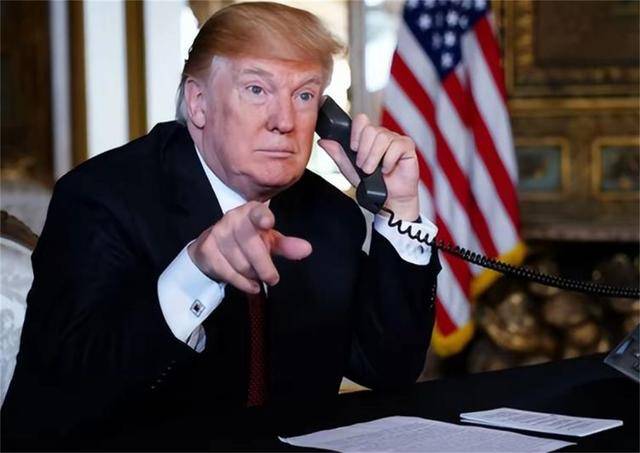
特朗普开口提条件,中方不给台阶下,日本要来接盘:中国不买我买
Sou Hu Cai Jing· 2025-05-06 11:33
Group 1 - The core issue revolves around the ongoing trade tensions between the US and China, particularly regarding tariffs and agricultural exports [1][6] - The US soybean exports to China have drastically declined due to tariffs, with the price of US soybeans reaching $1026 per ton compared to $580 per ton for Brazilian soybeans, leading to a halt in exports [1][3] - The Trump administration is under pressure from US farmers who are facing significant losses due to unsold agricultural products, prompting a search for new export markets, particularly in Japan [3][4] Group 2 - Japan is considering increasing imports of US agricultural products, such as corn and soybeans, as part of trade negotiations with the US, which may help mitigate the impact of reduced exports to China [3][4] - Japan's willingness to import more US agricultural products is influenced by its reliance on the US for security and economic stability, aiming to secure concessions in other trade areas, such as automotive tariffs [4][6] - The trade deficit between the US and Japan was reported to be 9 trillion yen last year, indicating that merely increasing agricultural imports will not satisfy the US demands for reducing the trade gap [6] Group 3 - China's response to US tariffs has been firm, with officials emphasizing that negotiations cannot occur under pressure and that any agreement must be based on mutual respect and benefits [6][8] - The trade war initiated by the US is seen as detrimental not only to US and Chinese interests but also to global economic stability, highlighting the interconnectedness of international trade [8] - Japan's strategy of increasing agricultural imports from the US may lead to domestic agricultural instability, as local farmers could be adversely affected by the influx of cheaper US products [6][8]

中方拒绝帮忙,36万亿美债填不上!特朗普决定“干掉”大债主?
Sou Hu Cai Jing· 2025-05-06 11:15
Group 1 - The core viewpoint of the article revolves around President Trump's claims regarding the U.S. Treasury's debt payments and potential fraud, suggesting that the reported $36 trillion debt burden may not be as high as believed [1][3] - The investigation led by Musk's Department of Government Efficiency (DOGE) aims to identify wasteful spending within the U.S. Treasury, which has garnered support from Trump's base as a reformative action against perceived government inefficiencies [3][4] - Trump's administration is under pressure from rising inflation and economic instability, which he attributes to the Federal Reserve's policies rather than his trade war with China [3][4] Group 2 - Trump has repeatedly pressured the Federal Reserve to lower interest rates, indicating that he believes it is the "perfect time" for such action, despite the Fed's resistance to political influence [4][6] - The ongoing tension between Trump and the Federal Reserve raises concerns in the market, as the Fed is wary of the economic implications of Trump's tariff policies, which could exacerbate inflation and economic slowdown [4][6] - There are speculations that Trump's aggressive tariff strategies and cryptocurrency initiatives may be aimed at financial gain and evading debt obligations, as the U.S. government faces significant upcoming debt repayments [6][8]
美联储系列十九:密切关注美联储5-6月的QT政策
Hua Tai Qi Huo· 2025-05-06 11:05
期货研究报告|宏观政策 2025-05-06 研究院 宏观组 徐闻宇 xuwenyu@htfc.com 从业资格号:F0299877 投资咨询号:Z0011454 宏观事件 北京时间 2025 年 5 月 8 日凌晨 2 点,美联储将公布 5 月利率决议。 五一假期期间亚洲货币大幅上涨,后期需要关注的是这种反向对冲向欧洲货币传导的 可能。美联储 3 月会议上已经开始放缓 QT,外汇市场波动或影响美联储 QT 政策。 核心观点 ◼ 密切关注美联储 QT 政策 1)从经济增长/劳动力市场的角度而言,美国劳动力市场继续保持稳健,降低短期降息 紧迫性——4月单月新增非农 17.7万人(存量增速 1.19%),缺口 719.2万(空缺率 4.2% 低位),薪资增速+4.1%(周薪)。需要关注的是 4 月景气指数回落对于预期的影响。 高聪 gaocong@htfc.com 从业资格号:F3063338 投资咨询号:Z0016648 投资咨询业务资格: 证监许可【2011】1289 号 密切关注美联储 5-6 月的 QT 政策 ——美联储系列十九 2)从通货膨胀的角度而言,尽管 OPEC+增持削弱成本压力,但是随着关税战下 ...
卢锋:可适时降准降息,“大水漫灌”刺激经济不可取
和讯· 2025-05-06 10:59
Core Viewpoint - The article discusses the impact of the US-China trade war on China's economy, emphasizing the need for effective policy responses to external shocks and the importance of domestic demand stimulation in the current economic context [2][4][18]. Group 1: Economic Context and Historical Comparison - The article highlights the differences in China's economic development stages compared to previous crises, noting that per capita GDP has significantly increased, reaching approximately $13,451 in 2024, nearing high-income status [7]. - It compares the external demand shocks from the 1998 Asian Financial Crisis and the 2008 Global Financial Crisis, indicating that the average negative GDP impact was 0.63 percentage points from 1999-2001 and 1.87 percentage points from 2009-2011, totaling a cumulative impact of 5.6 percentage points [3]. - The current economic environment is characterized by a "strong supply, weak demand" scenario, with average GDP growth from 2022-2024 projected at 4.4%, significantly below potential growth rates [8][9]. Group 2: External Economic Environment - China's trade surplus reached a record high in 2024, with total exports amounting to $3.6 trillion and a surplus close to $1 trillion, accounting for approximately 36%-37% of global trade surplus [9][10]. - The article notes that the US has shifted from monetary to fiscal stimulus policies, leading to challenges in maintaining export growth and trade surpluses due to rising inflation and fiscal discipline concerns [10]. - The structure of China's trade surplus has diversified, with significant growth in high-tech product surpluses, indicating competitive advantages in both high and low-end products [11]. Group 3: Policy Responses and Recommendations - The article suggests that China should adopt direct measures to counteract the US's trade pressures while maintaining an open dialogue for resolution [18]. - It emphasizes the need for a balanced approach to stimulate domestic demand, particularly through targeted fiscal transfers to low-income populations, to enhance consumption and economic rebalancing [18]. - The article advocates for structural reforms to improve social security systems, which have historically supported consumption growth and reduced trade surplus levels [17].

杨德龙:巴菲特认为投资房产不如投资好股票 在当前国内市场同样适用
Xin Lang Ji Jin· 2025-05-06 10:35
今天是五一假期之后的第一个交易日,沪深两市出现震荡反弹的走势,科技股领涨,市场氛围明显回 暖,赚钱效应有了较大的提升。五一期间我第七次赴美参加巴菲特股东大会,与来自世界各地的价值投 资者们一起聆听股神巴菲特的真知灼见。虽然巴菲特已经94岁高龄,但是依然思维敏捷、逻辑清晰、妙 语连珠,为参会的5万投资者贡献了一场投资盛宴。 巴菲特的价值投资理念是取得长期投资胜利的法宝,特别是在当前A股和港股估值整体处于低位的时 候,是比较好的做价值投资的时机。假期期间人民币、港币汇率大幅走强,香港金管局时隔五年首次购 入美元以维持联席汇率制。在关税战方面特朗普迫于压力,和预期一样在寻求与包括中方在内的多国进 行贸易谈判,关税战的进展对全球股市形成利好。 美股方面,三大股指整体上涨,纳指上涨3.0%,标普500指数上涨2.3%,道琼斯指数上涨1.9%,其中纳 指与标普500已修复4月2日以来的全部跌幅,中国资产领涨,恒生科技指数上涨3.1%,纳斯达克中国金 龙指数上涨2.7%,恒生指数上涨1.7%。欧洲方面的股市也普遍上涨,假期期间美元指数走强,主要货 币兑美元走弱,而人民币和港币兑美元逆势升值。 5月2日美国劳工部数据显示,4 ...
当着189国面,美联储“背后”捅刀特朗普,“最大输家”已出现
Sou Hu Cai Jing· 2025-05-06 10:22
美国哪些部门是"深层政府"?美联储,无疑首当其冲。特朗普原先的计划,是一边对他国加关税,一边说服美联储降息,这样对美国 国内经济的冲击会小一些。但现任美联储主席鲍威尔,硬挺着不降息,还在特朗普背后"捅刀",说美国加征的关税,不像特朗普说的 那样是外国政府在承担,而是美国人民。特朗普闻言暴怒,威胁要解雇鲍威尔,但他这话才放出来24小时,又主动澄清,没有解雇鲍 威尔的想法。 据每日经济新闻报道,特朗普对美联储的独立性发起挑战,多次暗示可能将现任美联储主席杰罗姆·鲍威尔免职。太和智库高级研究 员、中国现代国际关系研究院前副院长王在邦向《每日经济新闻》记者(简称每经记者)表示,特朗普宣称罢免鲍威尔,迅速向市场 传递一个美元要"完蛋"的信号,引起金融市场恐慌。美联储丧失独立性是推倒美元霸权的第一张多米诺骨牌,相当于投向美元信用的 一枚核弹。 近日有彭博社消息称,特朗普正在尝试通过对美国盟友施压,以达成对中国新能源领域的打压,减缓中国制造的扩张,最终将中国挤 出全球新能源的供应链。不出所料,特朗普手中的底牌还是关税威胁,他宣称,那些不顺从美国的国家,将会遭受美国的"二级关 税"。不得不说,这一招对于美国的贸易伙伴来说真是 ...
美联储重磅发声:终于明白,90天不是给别国缓冲,而是给美国续命
Sou Hu Cai Jing· 2025-05-06 08:42
Group 1 - The core point of the article highlights the temporary nature of Trump's 90-day tariff suspension, suggesting it is merely a delay rather than a strategic adjustment, as it fails to address underlying economic issues [1][12][25] - The U.S. economy is facing significant challenges, with a reported GDP contraction of 0.3% year-over-year and a core inflation rate soaring to 6.2%, leading to increased costs for consumers [3][5][21] - Trump's insistence on continuing the tariff battle despite economic pressures raises concerns among economists about a potential 4% GDP decline and the long-term viability of such policies [5][10][23] Group 2 - The Federal Reserve's stance on maintaining high interest rates to combat inflation contrasts sharply with Trump's push for lower rates to stimulate the economy, creating a conflict in economic policy [10][18][23] - The looming pressure of $6 trillion in maturing U.S. debt in June exacerbates the financial situation, as the Treasury struggles to meet interest payments [10][18] - The article discusses the broader implications of the tariff policies, noting that 90% of tariff costs are borne by U.S. companies, which could lead to increased inflation and economic instability [14][23][25] Group 3 - The article emphasizes the interconnectedness of global trade, suggesting that the U.S. economy is increasingly reliant on China, particularly in terms of supply chain integrity [16][25] - The potential for a financial crisis due to debt defaults within the next 90 days is highlighted, indicating a precarious financial environment [19][21] - The ongoing struggles of American consumers and businesses due to rising costs and supply chain disruptions are underscored, with specific examples of increased prices for gasoline and housing [21][23]
特朗普称不会为了和中国谈判而取消对华关税,外交部回应
财联社· 2025-05-06 08:05
外交部发言人林剑5月6日主持例行记者会。有外媒记者提问,美国总统特朗普在近期的采访中称, 他不会为了和中国举行谈判而取消对华的关税。目前,双方在进行谈判的意愿上有多接近? 对此,林剑表示:"这场关税战是美方挑起的,中方的态度是一贯的,也是明确的。打,奉陪到底。 谈,大门敞开。"林剑强调,美方近期不断表示,希望同中方进行谈判。关税战贸易战没有赢家。如 果美方真想通过对话谈判解决问题,就应该停止威胁、施压,在平等、尊重、互惠的基础上同中方 开展对话。 ...

关税战骤然升级,特朗普通电全球,哪怕衰退,也要跟中国拼到底
Sou Hu Cai Jing· 2025-05-06 07:42
Core Viewpoint - Trump's aggressive tariff policies are aimed at curbing China's economic rise, with tariffs on Chinese goods reaching as high as 50%, which could significantly impact global trade dynamics and the economies of allied nations [3][5][11]. Group 1: Tariff Policies and Economic Impact - Trump's tariffs are described as a "nuclear weapon" against China, with the potential to cause inflation in the U.S. and disrupt global supply chains, affecting major companies like Apple and Nike [5][11]. - The trade war is expected to lead to increased costs for American consumers, with warnings from analysts about the potential for a significant rise in inflation [5][13]. - The ongoing tariff battle is likely to have a detrimental effect on the global economy, with the International Monetary Fund lowering growth forecasts and predicting a possible recession by 2026 if the trade war escalates [13][19]. Group 2: Reactions from Allies and Global Trade - European allies, while frustrated with U.S. unilateralism, are compelled to comply with Trump's demands to impose tariffs on Chinese goods, despite the negative impact on their own economies [7][9]. - Countries in Southeast Asia and Latin America, which have benefited from U.S.-China trade, are now facing challenges as the trade war escalates, leading to increased costs and disrupted markets [9][11]. - China's response includes a focus on domestic demand and investment in key sectors like renewable energy and semiconductors, indicating a strategic shift to mitigate the impact of U.S. tariffs [11][17]. Group 3: Long-term Implications - The trade war is characterized as a long-term struggle for economic dominance, with both the U.S. and China unwilling to back down, potentially leading to significant global economic consequences [15][17]. - The conflict is expected to create a challenging environment for global consumers, with rising prices and potential job losses in the U.S. as a result of the tariffs [15][19]. - The outcome of this trade war remains uncertain, with both nations facing risks, and the ultimate impact likely to be felt globally rather than just between the U.S. and China [17][19].
华宝期货晨报铝锭-20250506
Hua Bao Qi Huo· 2025-05-06 04:59
1. Report Industry Investment Rating - Not provided in the given content 2. Core Views of the Report - For finished products, it is expected to run in a volatile and consolidating manner, and the price center of gravity continues to move downward. The market sentiment is pessimistic in the context of weak supply and demand, and this year's winter storage is sluggish with limited price support. Attention should be paid to macro - policies and downstream demand [2][3]. - For aluminum ingots, it is expected that the price will fluctuate within a short - term range. The downstream is at the stage of alternating between peak and off - peak seasons, and the inventory is still being depleted. Attention should be paid to the support of subsequent inventory performance on prices, as well as macro - sentiment and downstream start - up [2][4]. 3. Summary According to Relevant Catalogs 3.1成材 (Finished Products) - **Production Shutdown Impact**: In the Yunnan - Guizhou region, short - process construction steel enterprises' shutdown and maintenance during the Spring Festival are mostly from mid - January, with resumption expected from the 11th to the 16th day of the first lunar month, affecting a total output of 741,000 tons. In Anhui, 1 out of 6 short - process steel mills started to shut down on January 5, and most of the rest will shut down around mid - January. Some individual steel mills may shut down after January 20, with a daily output impact of about 16,200 tons [2][3]. - **Real Estate Transaction Data**: From December 30, 2024, to January 5, 2025, the total transaction (signing) area of newly built commercial housing in 10 key cities was 2.234 million square meters, a 40.3% decrease from the previous period and a 43.2% increase year - on - year [3]. - **Market Situation**: The finished products continued to fluctuate downward yesterday, reaching a new low recently. In the context of weak supply and demand, the market sentiment is pessimistic, and the price center of gravity keeps moving down. This year's winter storage is sluggish, providing little support for prices [3]. 3.2铝锭 (Aluminum Ingots) - **Production Situation**: In April 2025, domestic electrolytic aluminum production increased by 2.6% year - on - year and decreased by 2.9% month - on - month. In May, the operating capacity of domestic electrolytic aluminum remained at a high level. The second - batch capacity replacement project of an aluminum plant from Shandong to Yunnan is expected to start in the third quarter, and the first - batch project is expected to achieve output in May. Recently, some enterprises have carried out capacity maintenance, which has little impact on the supply side [3]. - **Demand Situation**: Before the festival, the start - up rate of domestic aluminum downstream processing leading enterprises decreased by 0.9 percentage points to 61.6% from the previous week and decreased by 2.8 percentage points year - on - year. Except for the aluminum cable industry, the start - up rates of other sectors have declined to varying degrees. The traditional peak season for aluminum downstream is coming to an end, and the seasonal decline in terminal demand and overseas trade frictions will put double pressure on the downstream start - up rate [3]. - **Inventory Situation**: As of May 6, the inventory of electrolytic aluminum ingots in domestic mainstream consumption areas was 636,000 tons, a decrease of 7,000 tons from the previous Monday [3]. - **Macro Situation**: The domestic macro - environment has a positive atmosphere, while overseas, Trump's policy attitude is changeable, and there are many uncertainties in the tariff war, which puts pressure on the market [4].