情绪价值

Search documents
二三十的奶茶年轻人kùkù下单,同样价格的面包怎么不行?
东京烘焙职业人· 2026-01-09 08:34
Core Viewpoint - The article discusses the emotional value associated with consumer behavior in the beverage and bakery industries, highlighting how tea and baked goods are perceived differently by young consumers, leading to varying purchasing behaviors. Group 1: Emotional Value in Consumption - Young consumers often choose milk tea for emotional reasons, such as celebrating or comforting themselves, while purchasing bread requires more justification and planning [4][5] - The difference in purchasing behavior is attributed to "immediate emotional triggers" versus "planned consumption," where milk tea satisfies immediate desires while bread is often viewed through a lens of practicality [5][9] Group 2: Psychological Mechanisms - Three psychological mechanisms drive the high-frequency consumption of milk tea: psychological positioning, immediate feedback and pleasure, and social signals and recognition [10] - The bakery industry has not effectively tapped into these emotional triggers, leading to lower purchase rates compared to milk tea [11] Group 3: Misalignment in Emotional Value - Bread is often positioned as a "filling staple" rather than a source of joy, which limits its appeal to consumers who prioritize emotional satisfaction [14] - The marketing of bread focuses on health benefits rather than emotional engagement, making it less relatable and shareable on social media compared to milk tea [16][17] Group 4: Consumer Loyalty and Engagement - The bakery industry lacks the consumer loyalty strategies seen in the milk tea sector, where brands create habitual consumption through membership programs and promotions [19] - Data indicates that bakery consumption is more random, lacking the emotional habit-forming qualities that milk tea has achieved among young consumers [19] Group 5: Potential for Growth in the Bakery Sector - The bakery industry has significant potential for emotional value, with health, scenario-based marketing, and emotional engagement identified as key growth drivers [20] - Strategies such as rebranding bread as an emotional experience and creating unique scenarios for consumption can enhance its appeal to young consumers [20][21] Group 6: Balancing Health and Emotional Appeal - Young consumers are willing to pay a premium for high-quality, aesthetically pleasing baked goods that also meet health standards, with low-sugar and whole grain products seeing significant sales growth [24] - The challenge lies in ensuring that health-focused products do not compromise on flavor, as consumers seek both health benefits and enjoyable taste experiences [24]


中国消费的“K型分化”:“该省省、该花花”
Soochow Securities· 2026-01-08 12:55
Group 1: Key Insights on "K-Shaped Consumption" - China's consumption market is experiencing a "K-shaped differentiation," characterized by high-end quality consumption on one end and high cost-performance consumption on the other[1] - The shift in consumer behavior reflects a growing emphasis on emotional value alongside practical value, moving away from a purely utilitarian perspective[1] - High-end luxury consumption is seeing significant growth, with Beijing SKP achieving a record revenue of 26.5 billion yuan in 2023, reflecting a compound annual growth rate of approximately 7.5%[13] Group 2: Factors Driving "K-Shaped Differentiation" - The change in consumer ideology is driven by generational shifts and macro policies that increasingly focus on "investing in people" rather than just material goods[3] - The Z generation and younger elderly populations are becoming the main consumer force, prioritizing emotional satisfaction over mere functionality in their purchasing decisions[23] - Retailers are adapting to this differentiation by offering both high-end and low-cost products, as seen with brands like Xiaomi and BYD, which cater to both ends of the market[21] Group 3: Implications and Risks - The "K-shaped differentiation" is reshaping the underlying logic of China's consumption market, influencing regional economic growth and industrial structure adjustments[11] - Risks include potential delays in supportive policies for new consumption, exacerbated impacts from real estate adjustments, and slowing growth in household income affecting overall consumption[36]
AI玩具,也开始割韭菜了?
创业邦· 2026-01-08 07:25
Core Viewpoint - The AI toy industry is experiencing a significant market growth, projected to reach $224.75 billion by 2025, driven by the increasing demand for emotional value in consumer products [6][8]. Market Dynamics - The AI toy sector has attracted 96 investment institutions, including major players like ByteDance and Coca-Cola, with a notable increase in financing events since 2024 [6]. - Despite the capital influx, feedback from consumers and manufacturers indicates a disconnect between high prices and actual product performance, leading to skepticism about the industry's sustainability [7][21]. Consumer Expectations vs. Reality - Consumers have high expectations for AI toys, anticipating advanced emotional interactions, but many products fail to deliver even basic conversational capabilities [10][14]. - The average gross margin for AI toys varies significantly, with basic models at 50%-65% and high-end models reaching 70%-85%, yet the actual technology often does not justify the high prices [12][15]. Product Performance Issues - Many AI toys exhibit delayed responses and lack coherent conversational abilities, leading to consumer disappointment and a growing distrust in the products [14][15]. - The reliance on generic large models for AI functionality results in a lack of unique interactive experiences, causing many toys to be perceived as ineffective [20][22]. Supply Chain and Production Insights - The production of AI toys is characterized by low-cost components and rapid assembly, leading to a market flooded with similar products lacking differentiation [12][20]. - The actual sales volume of high-end AI toys is lower than expected, with basic models being more popular among consumers [17][21]. Market Trends and Future Directions - Many AI toy companies are shifting focus from consumer markets to B2B partnerships, seeking stable revenue streams through collaborations with sectors like education and tourism [21]. - The current trend of prioritizing quick assembly over product quality may hinder the development of truly innovative and competitive consumer brands in the long run [21][22].

稳步向上!悦达起亚2025年销量25.4万辆 连续两年实现正增长
Zheng Quan Ri Bao Wang· 2026-01-08 06:47
Core Insights - In 2025, the Chinese automotive industry is accelerating its transition to new energy and facing intensified competition, shifting from "price competition" to "value cultivation" [1] - Yueda Kia has demonstrated resilience and stability, achieving a monthly sales figure of 20,666 units in December, with a total annual sales of 253,964 units, marking a 2.3% year-on-year growth [1] Group 1: Business Strategy and Performance - Yueda Kia's robust operational resilience and growth potential stem from its commitment to the "In China, For China" strategy, focusing on brand building, product renewal, marketing innovation, export expansion, and social responsibility [3] - The company has maintained a steady growth trajectory, with sales growth continuing to rank among the top of joint venture brands [1][3] Group 2: Brand and Customer Engagement - Yueda Kia is shifting its brand image from material value to emotional value, launching a new brand slogan "Kia, Driven by Heart" and a corresponding microfilm to resonate emotionally with users [4] - The company has initiated various public welfare activities under the "Driven by Heart" series, enhancing its brand's emotional connection with users and showcasing its commitment to social responsibility [4][5] Group 3: Product Development and Innovation - Yueda Kia is expanding its product line with a focus on hybrid strategies, introducing upgraded models such as the new Sportage and the 2026 Kia Seltos, which cater to diverse consumer needs [7][8] - The 2025 EV5 model continues to enhance its offerings, focusing on family travel needs and introducing new features to improve user experience [9] Group 4: Export and Global Presence - Yueda Kia has achieved significant export milestones, surpassing 530,000 vehicles since starting its export business in November 2018, with a total export value of $5.83 billion [10] - The company has also exported over 122,000 engines, demonstrating its strong manufacturing capabilities and global market reach [10] Group 5: Digital Transformation and Customer Service - In 2025, Yueda Kia has optimized its user service and channel construction, introducing smart customer service systems and enhancing after-sales service management [11] - The company has received accolades for its after-sales service, ranking high in customer satisfaction surveys [12] Group 6: Corporate Social Responsibility and Recognition - Yueda Kia has invested over 110 million yuan in social responsibility initiatives and has been recognized for its contributions to society, including awards for its public welfare projects [22] - The company has achieved a 93% employee trust index and received the "Great Place to Work" certification, highlighting its commitment to workplace culture and employee well-being [22]

“萝卜纸巾猫”爆火:“察言观色”的我们,渴望“真棒”的肯定
Xin Lang Cai Jing· 2026-01-08 05:33
2026年初,又一个新的流行梗爆红。当你看到一只小猫对着两样物品,听着口令做出选择,选对时就响 起了一句格外响亮的"真棒"时,那么你正身处这个热梗中。这个被称为"萝卜纸巾猫"的热梗,起源于抖 音宠物博主@超级无敌大开门的日常训练视频。 博主"开门妈"将胡萝卜、纸巾(后期增加了米老鼠玩偶等)摆在地上,向她饲养的三花猫"大开门"(下 文统一称呼这只小喵咪为"大开门")发出清晰的萝卜或纸巾的口令,期望它能听懂指令,用爪子触碰对 应的物品,并以此获得零食奖励。 "大开门"并未掌握"萝卜"或"纸巾"的概念符号,但它懂得"察言观色","猫猫祟祟"地观察主人的面部表 情和肢体语言,然后伸出爪子,在几个选项之间试探性地触碰,直到触发那句标志性的、情绪饱满 的"真棒",以及随之而来的零食奖励。"训练看似成功,实则全靠瞎蒙",极具戏剧性和喜感。 在引爆全网的视频中(点赞和转发都超过450万),米老鼠玩偶被固定放置在某个位置,"大开门"通过 反复触碰形成了位置记忆与条件反射。当开门妈将米老鼠挪到正前方,并再次发出"米老鼠"的指令 时,"大开门"两次将它毛茸茸的右爪伸向了原先米老鼠所在、如今却空无一物的那块地板,出现了这 个"史诗级 ...

复盘2025年商业舆论事件,人们为何如此愤怒
3 6 Ke· 2026-01-07 12:49
Core Insights - The annual words "Rage bait" and "brain rot" reflect how digital platforms reshape thoughts and behaviors, highlighting the significant role of emotions in driving interactions and commercial outcomes [1] - The concept of "emotional value" has gained prominence, influencing consumer behavior and brand perception, as seen in the success of products like LABUBU and the backlash against brands that misalign with public sentiment [2][3] Group 1: Emotional Value and Consumer Behavior - LABUBU's popularity illustrates a shift in consumer behavior, where emotional satisfaction and participation in trends become key drivers of success, especially in a context of economic slowdown [3][4] - The rapid rise and subsequent decline of LABUBU in the second-hand market indicate that once a product becomes ubiquitous, its appeal diminishes, emphasizing the need for uniqueness in consumer goods [4][6] - The term "emotional value" is often used to describe non-utilitarian satisfaction derived from products, but its vague nature necessitates deeper exploration to understand its various implications [6][7] Group 2: Media Influence and Public Sentiment - The rise of social media and algorithm-driven content has amplified emotional responses, particularly anger, which can lead to rapid dissemination of sentiments and potential backlash against brands [15][18] - The phenomenon of "old school" or "老登" reflects a societal shift towards critiquing traditional narratives and embracing micro-narratives, indicating a growing desire for authenticity and relatability in public discourse [10][12] - The decline of traditional media has resulted in a polarized public discourse, where the absence of neutral reporting exacerbates tensions and complicates brand management in the face of public scrutiny [26][27] Group 3: Brand Management and Public Relations - The emergence of entrepreneur IPs, characterized by relatable and down-to-earth personas, highlights the importance of authenticity in brand representation, though it carries risks if personal missteps occur [22][23] - Companies face challenges in managing public perception, especially in an environment where emotional responses can quickly escalate into crises, necessitating a more strategic approach to communication [24][26] - The lack of a mediating voice in public discourse can lead to increased pressure on brands and entrepreneurs, making it essential for companies to navigate the complexities of modern communication effectively [27][28]

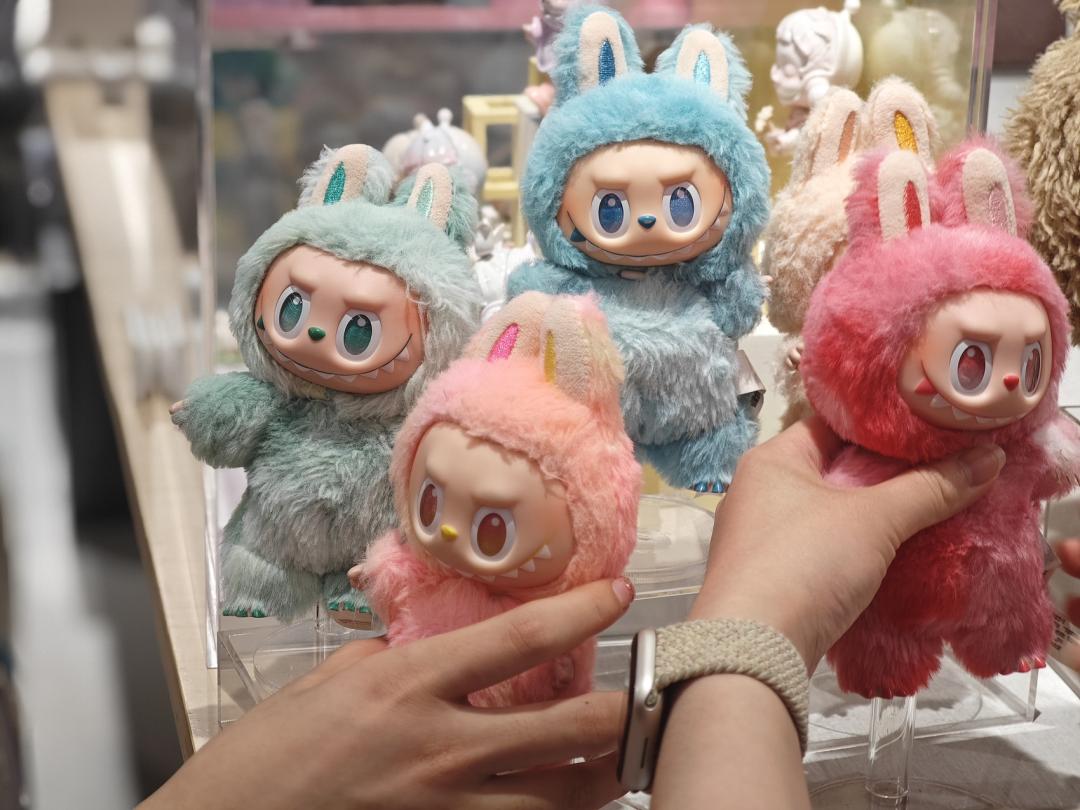
谁在为AI玩具的“情绪价值”买单?
Xin Lang Cai Jing· 2026-01-07 10:53
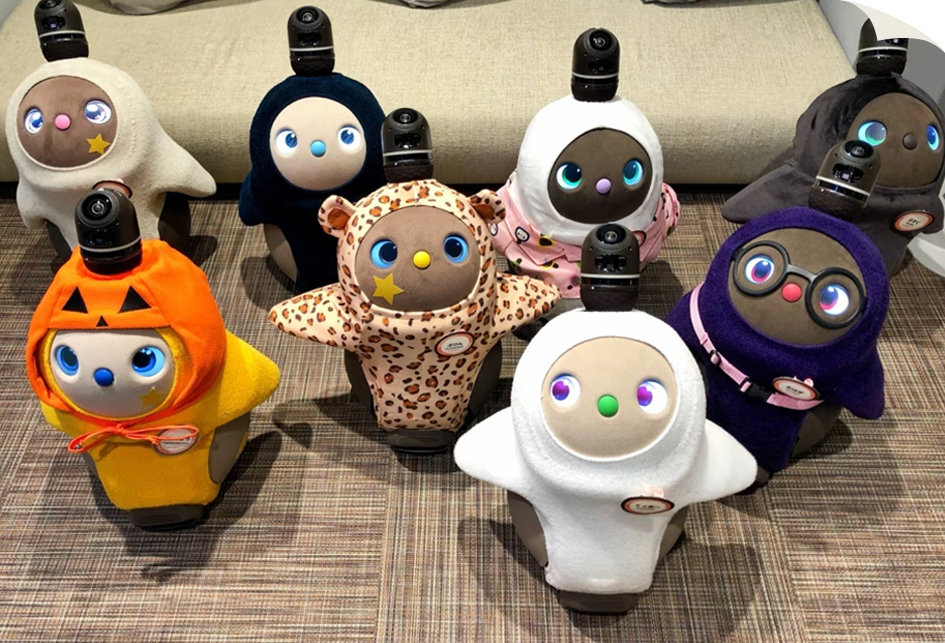
Core Insights - The AI toy industry is experiencing a significant mismatch between the high prices of products, often ranging from hundreds to thousands of yuan, and the actual technological capabilities, which are often limited and result in delayed responses and poor interaction quality [3][4][17] - The market for AI toys is projected to grow significantly, with estimates suggesting it could reach $224.75 billion by 2035, driven by the increasing demand for emotional companionship [3][19] - Despite the enthusiasm in the capital market, feedback from consumers and manufacturers indicates a disconnect, with many products failing to meet expectations [4][19] Industry Overview - The AI toy market has attracted 96 investment firms, including major players like ByteDance and Coca-Cola, indicating strong interest and potential for growth [3][19] - The gross margin for AI toys varies significantly, with basic models achieving margins of 50%-65% and high-end models priced between 1500 to 3000 yuan achieving margins of 70%-85% [7][22] - Many AI toys are built using low-cost components, with core chip costs dropping below 50 yuan, leading to a proliferation of similar products in the market [22][28] Consumer Experience - Consumers report that AI toys often fail to deliver on their promises of emotional interaction, with many products exhibiting poor memory and response capabilities [10][25] - The return rate for AI toys on e-commerce platforms is alarmingly high, reaching 30%-40%, with some brands experiencing return rates as high as 80% during promotional events [29][30] - There is a growing trend among parents to be more cautious with spending, leading to a decline in consumer confidence in AI toys [29][30] Market Dynamics - The industry is characterized by a rapid production cycle, with simple AI toys being produced quickly, but this has led to a lack of innovation and differentiation in the market [28][30] - Many companies are shifting their focus from consumer (C-end) markets to business (B-end) partnerships, seeking stable revenue streams through collaborations with sectors like education and tourism [30] - The current landscape reveals a significant gap between the marketed emotional value of AI toys and their actual performance, necessitating a reevaluation of product offerings [30]
2025钱流向了哪?就藏在这十个消费关键词里
Sou Hu Cai Jing· 2026-01-07 04:47
Group 1 - The core viewpoint is that Chinese consumers are shifting from valuing simple affordability and high-end premiums to paying for tangible "value" [3] - The consumer mindset in China is characterized by ten key themes that reflect the emotional and practical needs of consumers [4] Group 2 - Emotional value is becoming a significant factor in purchasing decisions, with products like Labubu toys representing a desire for dopamine rather than just functionality [5] - By 2025, consumption is expected to transition from "functional attributes" to "emotional attributes," allowing products that provide emotional value to command higher prices [6] Group 3 - The focus is shifting from price-performance ratio to quality-price ratio, with consumers seeking "good products at low prices" rather than simply the cheapest options [9] - Brands like Luckin Coffee and Leifeng are successfully competing against established players by offering high-quality products at significantly lower prices [9] Group 4 - The demand for safety is increasing, with consumers purchasing gold as a reliable asset in uncertain times, reflecting a need for tangible security [11] - Health-conscious consumption is evolving from general wellness to more targeted, precise health products that cater to specific needs [12] Group 5 - AI is becoming integrated into everyday consumer products, transforming from a mere software concept to practical applications in various consumer scenarios [15] - Companies that can effectively incorporate AI into their products are likely to create the next big hit in the market [15] Group 6 - The emphasis on extreme experiences is growing, with companies like Pang Donglai and Hema redefining shopping as enjoyable experiences rather than mere transactions [16] - Businesses that prioritize customer experience and emotional connection are more likely to retain consumer loyalty [16] Group 7 - Instant retail is becoming a battleground for major players like JD, Meituan, and Taobao, who are investing heavily to dominate the "last mile" delivery [18] - The competition is focused on breaking down the barriers between online and offline shopping, making rapid delivery a standard expectation [19] Group 8 - Transparency in product ingredients is increasingly demanded by consumers, who are becoming more discerning about what they purchase [20] - Brands that fail to be transparent risk losing consumer trust and market share [21] Group 9 - Localization is key for brands looking to succeed in China, with a shift from imitating international brands to understanding and catering to local preferences [23] - The future of the Chinese consumer market is characterized by a "local dominance" era, where brands that resonate with local culture and needs will thrive [25] Group 10 - The collective themes indicate a consciousness awakening among Chinese consumers, who seek recognition and satisfaction of their emotional and practical needs [26] - Understanding these evolving consumer preferences is crucial for predicting future market trends [26]

《疯狂动物城2》夺冠、《寻秦记》黑马:元旦档成情绪价值战场?
3 6 Ke· 2026-01-06 23:21
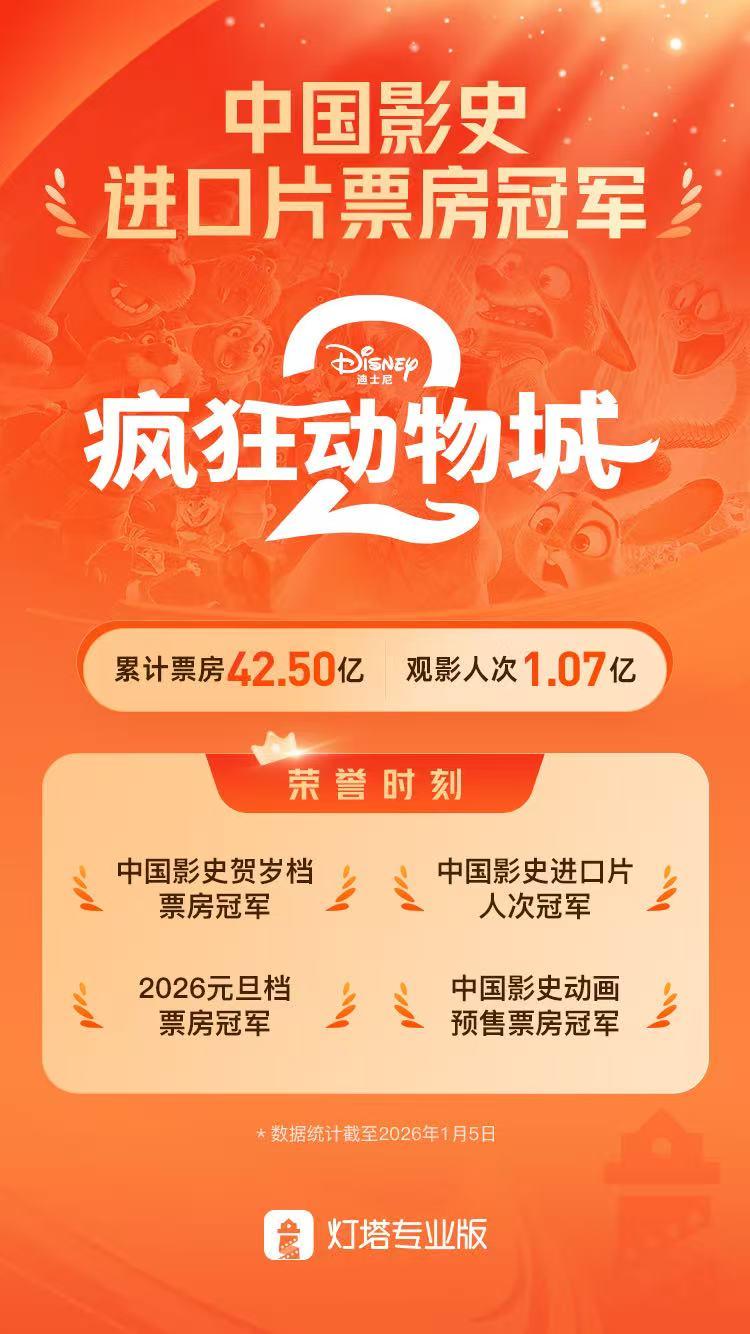
Core Insights - The New Year's box office is heavily influenced by the performance of older films when new releases underperform, as seen in the 2026 New Year's box office situation [1][3] - The emotional value associated with films significantly impacts their box office performance, with comedies and romantic films dominating the New Year's market [4][11] Box Office Performance - The total box office for the 2026 New Year's period (January 1-3) reached 736 million yuan, with 18.57 million attendees [1] - The top five films during this period were "Zootopia 2," "Avatar 3," "Killing," "The Legend of Qin," and "SpongeBob: Deep Sea Adventure" [1] - "Zootopia 2" set multiple records, including the highest box office for the New Year's and holiday periods, and became the highest-grossing imported animated film in Chinese history [1] Film Analysis - "Zootopia 2" and "Avatar 3" contributed over 55% of the total box office, despite mixed reviews compared to their predecessors [4] - The film "Killing," part of a cult series, had a pre-release box office of 400 million yuan but faced challenges due to audience fatigue with similar genres [5][7] - "The Legend of Qin" capitalized on nostalgia, appealing to older audiences and achieving a box office prediction of over 300 million yuan [8][10] Audience Trends - The audience demographic for "The Legend of Qin" showed that 44% were over 40 years old, indicating a strong appeal to older viewers [10] - The emotional resonance of films during the New Year's period is crucial, as films that align with the celebratory atmosphere tend to perform better [11][16] Future Outlook - Upcoming films in January show a trend towards comedies, with titles like "Just a Job" and "Panda Plan 2" aiming to resonate with workplace humor [13] - The film industry is expected to continue focusing on emotional value and audience engagement as key factors for success in the upcoming Spring Festival period [16][17]
2026 数字跃迁:六大关键词重构企业增长逻辑
Sou Hu Cai Jing· 2026-01-06 07:27
Group 1 - The core viewpoint of the article emphasizes that the digital transformation of enterprises in 2026 is at a critical juncture, driven by a significant increase in AI-enhanced SaaS penetration and the number of companies recognizing data assets [1] - The "14th Five-Year Plan" provides a strategic framework for digital transformation, helping companies align their goals with national policies, thus gaining advantages in resource allocation and cross-departmental collaboration [2] - AI-native applications are set to redefine operational paradigms, moving from passive responses to proactive problem-solving, with a focus on intelligent decision-making [4] Group 2 - The concept of data assetization has evolved from mere compliance to becoming a core driver of intelligence, with companies recognizing the value of data as fuel for AI models [6] - Lean growth has emerged as a response to budget cuts, with over 70% of companies reducing digital investment, leading to a focus on high-value scenarios and precise breakthroughs [8] - Emotional value is identified as a key factor in overcoming resistance to digital transformation, emphasizing the importance of trust and recognition within organizations [9] Group 3 - Talent restructuring is essential as the shift in technology creates a gap in skills, necessitating a transformation from technical roles to value integrators [11] - The article concludes that the digital leap in 2026 represents a "logical revolution," where six key themes interconnect to form a new growth logic that integrates strategy, technology, and organization [12] - Companies like Dateng Intelligent are exemplifying the practical application of these six key themes, aligning with national policies and enhancing operational efficiency through AI and data integration [15]