
汽车智能化

Search documents
2025年中国汽车产业:“规模答卷”优异 “质量赛道”争先
Xin Lang Cai Jing· 2026-01-21 20:32
(来源:经济参考报) 产销双双突破3400万辆、产销连续17年稳居全球第一,新能源汽车新车销量占比近半、L2功能乘用车 渗透率达到64%……2025年,中国汽车产业交出了一份亮眼成绩单。 而在这些数据的背后,是技术创新持续突破,市场秩序与安全规范体系逐步完善,整体产业质量不断提 升。规模是过去的答卷,质量是未来的考卷。在政策指引下,随着电动化、智能化、网联化等的不断推 进,中国汽车产业从规模积累到质量跃升的转型正在不断深化。 交出连续17年全球第一"规模答卷" 2025年,我国汽车行业取得多方面突破。中国汽车工业协会(以下简称"中汽协")数据显示,2025年, 我国汽车产销分别完成3453.1万辆和3440万辆,同比分别增长10.4%和9.4%,高于年初预期。 中汽协副秘书长陈士华表示,2025年,汽车行业顶住贸易保护和全球产业链重构等外部压力,克服技术 攻关难题、行业"内卷"等多重挑战,展现出强大的发展韧性和活力。加上"两新"政策加力扩围,实现平 稳过渡与有序衔接,企业新品密集上市,终端需求持续释放,全年汽车产销实现超预期增长。 具体来看,新能源汽车方面,2025年在政策利好、供给丰富和基础设施持续改善等多 ...
汽车行业周报:中欧电车价格承诺机制落地,多地开放2026年汽车补贴,长城发布归元平台-20260120
Guohai Securities· 2026-01-20 09:13
Investment Rating - The report maintains a "Recommended" rating for the automotive industry [1] Core Insights - The implementation of the China-Europe electric vehicle price commitment mechanism is expected to stabilize sales expectations for Chinese electric vehicles in Europe and promote the high-end and localized transformation of automakers [5][13] - Multiple provinces have opened applications for the 2026 automotive replacement subsidy, indicating a clear path for local governments to implement the policy [14] - Great Wall Motors has launched the "Guiyuan" platform, which is the world's first native AI all-power platform, designed to support various power forms and enhance development efficiency [6][14] - The report expresses a positive outlook for 2026, highlighting opportunities in the high-end upgrade of domestic brands and the acceleration of smart technology penetration [15][16] Summary by Sections Recent Performance - The automotive sector outperformed the Shanghai Composite Index with a 1-week increase of 0.5% from January 12 to January 16, 2026, while the Shanghai Composite Index decreased by 0.4% [17] - The performance of individual stocks varied, with notable increases in companies like Ideal Auto (+2.4%) and declines in others like Li Auto (-3.5%) [17][23] Key Companies and Earnings Forecast - Key companies recommended include: - Jianghuai Automobile - Leap Motor - Great Wall Motors - BYD - SAIC Motor - China National Heavy Duty Truck [7][8] - Earnings per share (EPS) forecasts for selected companies show growth, with Great Wall Motors expected to reach an EPS of 2.03 in 2026 [8] Industry Indicators - In December 2025, automotive production and sales reached 3.296 million and 3.272 million units, respectively, with a year-on-year decrease of 2.1% and 6.2% [42] - New energy vehicles accounted for approximately 52% of total new vehicle sales, indicating a significant market shift towards electrification [42]



半导体行业周报:台积电上调2026年资本开支,加速现有晶圆厂建设-20260120
Huaxin Securities· 2026-01-20 08:02
Investment Rating - The report maintains a "Buy" rating for TSMC, reflecting confidence in its growth prospects and capital expenditure plans for 2026 [1]. Core Insights - TSMC has raised its 2026 capital expenditure (CAPEX) forecast to between $52 billion and $56 billion, up from $40.9 billion in 2025, driven by strong demand for AI high-performance chips [3][12]. - The company expects a revenue growth of 35.7% to 40% year-on-year for the current quarter, with a projected revenue peak of $35.8 billion [3][12]. - TSMC's net profit for Q4 2025 reached NT$505.7 billion (approximately $16 billion), marking a 35% year-on-year increase, primarily due to robust AI chip demand [3][12]. - The AI accelerator-related revenue accounted for approximately 17% to 19% of total revenue in 2025, indicating a significant contribution from this segment [3][12]. Summary by Sections Market Performance - The semiconductor sector has shown strong performance, with the semiconductor index rising by 5.33% during the week of January 12 to January 16 [17][21]. Company Developments - TSMC has commenced construction on its third wafer fab in Arizona, with plans to accelerate the construction of existing fabs to meet growing demand [4][13]. - The company has started mass production of 2nm technology in Q4 2025, with expectations for rapid ramp-up in 2026 [4][13]. Key Companies and Earnings Forecast - The report highlights several companies in the semiconductor supply chain, including Cambricon, SMIC, Huahong, and others, suggesting potential investment opportunities [4][14]. - Earnings per share (EPS) and price-to-earnings (PE) ratios for various companies are provided, with Cambricon rated as "Buy" [14]. Industry Trends - The semiconductor industry is experiencing a rebound, with global semiconductor sales showing a significant year-on-year increase of 29.8% in November 2025, reaching $75.28 billion [36]. - The report notes a shift in demand towards AI and 5G applications, which is expected to drive growth in the semiconductor sector in 2024 and beyond [34][36].
关键金属风起,强推钨钼稀土
Zhong Guo Neng Yuan Wang· 2026-01-20 01:59
Group 1: Rare Earth Metals - The price of praseodymium and neodymium oxide is 674,400 CNY/ton, an increase of 11.14% month-on-month [3] - The price of dysprosium oxide is 1,490,000 CNY/ton, up 7.97% month-on-month; the price of terbium oxide is 6,420,000 CNY/ton, up 8.08% month-on-month [3] - China's rare earth permanent magnet exports in November increased by 12% month-on-month and 28% year-on-year, reaching a historical high for the same period [3] Group 2: Small Metals Index - The Shenyin Wanguo small metals index is at 35,396.26 points, up 16.48% month-on-month, outperforming the Shenyin Wanguo non-ferrous index by 4.63 percentage points [2] Group 3: Tin - The price of tin ingots is 414,600 CNY/ton, an increase of 27.16% month-on-month; supply from Indonesia and Myanmar remains below expectations [4] - The long-term supply-demand dynamics for tin are expected to improve due to recovery in semiconductor demand driven by AI and automotive intelligence [4] Group 4: Tungsten - The price of tungsten concentrate is 503,700 CNY/ton, up 11.15% month-on-month; ammonium paratungstate is priced at 745,300 CNY/ton, up 11.31% month-on-month [4] - The establishment of a $2.5 billion "strategic resilience reserve" in the U.S. may increase the priority of tungsten in global supply chains [4] Group 5: Antimony - The price of antimony ingots is 162,000 CNY/ton, up 0.09% month-on-month; antimony concentrate price remains stable at 137,900 CNY/ton [5] - November exports of antimony oxide increased by 68% month-on-month but decreased by 61% year-on-year, indicating a potential recovery in demand [5] Group 6: Molybdenum - The price of molybdenum concentrate is 4,010 CNY/ton, up 8.38% month-on-month; molybdenum iron is priced at 254,000 CNY/ton, up 3.67% month-on-month [6] - The increase in defense spending and low inventory levels may further support molybdenum prices [6]
华为乾崑智驾活跃用户数突破一百万 智能技术助推国产汽车工业“换道超车”
Ren Min Ri Bao· 2026-01-19 22:42
Core Insights - Huawei's partnership with various automotive manufacturers, including GAC Group and Dongfeng, marks a significant step in the development of smart connected vehicles, with over 1 million active users of Huawei's smart driving technology [1] - The penetration rate of smart vehicle technology in China has reached 50% in just five years, indicating rapid advancement in the industry [1] - The Chinese government emphasizes the importance of developing new energy vehicles as a pathway to becoming a strong automotive nation [1] Group 1: Technological Advancements - The Wuhu Zhijie Super Factory, a collaboration between Huawei and Chery, features 100% automation in welding and painting processes, showcasing the integration of AI in production [2] - Huawei's technology enhances driving experiences by optimizing features such as urban traffic congestion management and pedestrian recognition [2] - Huawei has established five major business segments in the smart automotive sector, focusing on core technologies like smart driving and vehicle control systems [3] Group 2: Successful Collaborations - The partnership between Huawei and Seres has led to the development of the "Wenjie" model, which has achieved significant market recognition and financial success, with projected revenues of 145.1 billion yuan in 2024, a 305.5% increase year-on-year [4] - Huawei's collaboration with Seres demonstrates the potential for traditional automakers to leverage Huawei's software and technology capabilities to enhance their manufacturing processes [4] - The "Hongmeng Zhixing" series of vehicles, including models across various price ranges, has achieved over 1 million units delivered, setting a record for new automotive brands [5] Group 3: Industry Impact - The launch of the first fuel vehicle equipped with Huawei's smart driving technology signifies a breakthrough in integrating advanced technology into traditional automotive designs [6] - Huawei's partnerships have led to the transformation of over 221 component manufacturers across multiple provinces, indicating a broad impact on the supply chain [6] - The collaboration with various automotive companies positions Huawei as a key player in driving the smart transformation of the Chinese automotive industry [7]

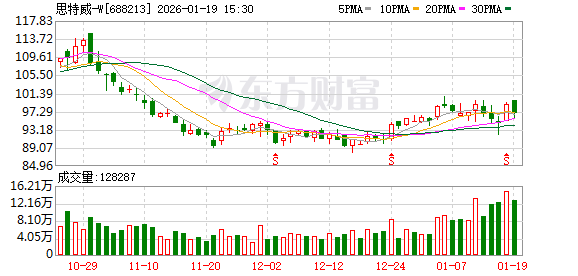
思特威:车载(AT)系列已拥有覆盖1MP~8MP分辨率的丰富产品规格
Zheng Quan Ri Bao· 2026-01-19 14:14
Core Viewpoint - The company, Sitwei, is one of the few domestic manufacturers capable of providing automotive-grade CIS solutions, with a diverse product range covering resolutions from 1MP to 8MP [2] Group 1: Product Offerings - The automotive (AT) series includes a rich specification of products ranging from 1MP to 8MP [2] - The company is continuously enhancing product performance and expanding its product matrix in response to the ongoing development of automotive intelligence and autonomous driving technologies [2] Group 2: Industry Collaboration - The company has deepened collaborations with several major automotive manufacturers, significantly increasing its industry solution capabilities and influence [2] - The number of covered vehicle projects is continuously increasing, with mass production already achieved with major manufacturers such as BYD, Geely, Chery, SAIC, GAC, Leap Motor, Great Wall, Dongfeng Nissan, Jiangling, and South Korean SsangYong [2] Group 3: Market Position - The company aims to further enhance its market share in the automotive electronics CIS sector [2]


宏发股份:公司提供包括继电器、薄膜电容器、汽车电子模块在内的多种产品
Zheng Quan Ri Bao Wang· 2026-01-19 13:43
Group 1 - The core viewpoint of the article is that Hongfa Technology (600885) is actively involved in the smart automotive sector, providing various products that contribute to its performance growth [1] Group 2 - The company offers products including relays, film capacitors, and automotive electronic modules, which are essential for multiple areas such as the three-electric system, body control, and intelligent cockpit [1] - The advancement of automotive intelligence is identified as a significant driver for the company's performance growth [1]

【联合发布】2025年12月OTA监测月报
乘联分会· 2026-01-19 09:07
Core Insights - The article discusses the monthly OTA (Over-The-Air) monitoring report released by the China Automobile Circulation Association and Guangzhou Weirbo Information Technology Co., highlighting the trends and updates in the automotive OTA landscape [2]. Industry Overview - In December 2025, the industry updated a total of 1,257 features, a significant increase from 954 in the previous month, with 27 brands participating in OTA updates. The focus of upgrades was on driving assistance and voice functionalities [8]. - Throughout the year, the automotive industry shifted from "wild growth" to a "compliant expansion" model under regulatory constraints, emphasizing "safer, more inclusive, and practical" advancements. The total number of upgraded features increased by 36.7% compared to 2024 [8]. New Forces - New force brands updated a total of 216 features in December 2025, up from 177 the previous month, indicating a slight increase. Brands like Li Auto and Xpeng experienced major version upgrades, enhancing their level of intelligence [7]. - The frequency of upgrades for new force brands decreased due to regulatory impacts, transitioning from "high frequency" to "low frequency with high quality," while still maintaining a high level of overall upgrade functionality [9]. Domestic Brands - Domestic brands updated 1,005 features in December 2025, a significant rise from 728 in the previous month. This year was crucial for domestic brands to catch up with the leading tier in intelligence, focusing on "more inclusive and practical" strategies [14]. - The total number of upgraded features for domestic brands increased by 73% compared to 2024, with over 20% of upgrades in intelligent driving and vehicle control modules, which are key areas for catching up [14]. Joint Venture & Luxury Brands - Joint venture and luxury brands updated 36 features in December 2025, a slight decrease from 49 in the previous month. However, the total number of upgraded features increased by 31.6% compared to 2024, with expansions into overall vehicle experience and intelligent driving modules [15]. - The upgrades in intelligent driving increased by 6.88% compared to 2024, and vehicle control features saw a 3.25% increase, indicating a shift from passive following to active participation in the intelligentization field [15]. OTA Activity Highlights - Li Auto adjusted its OTA internal testing project to a priority experience project, focusing on concentrated information release and enhancing user engagement through various promotional activities [26][32]. - The article outlines various promotional activities and user engagement strategies employed by Li Auto, including topic operations and rewards for user participation, aimed at increasing interaction with new features [33][38]. Future OTA Updates - The article provides a forecast of upcoming OTA updates for various brands, detailing expected upgrade contents and timelines, indicating a continuous evolution in the automotive OTA landscape [37][39].


全球市场进入“热战”阶段!车载显示屏与其他显示屏有何不同?
Zhong Guo Qi Che Bao Wang· 2026-01-19 04:13
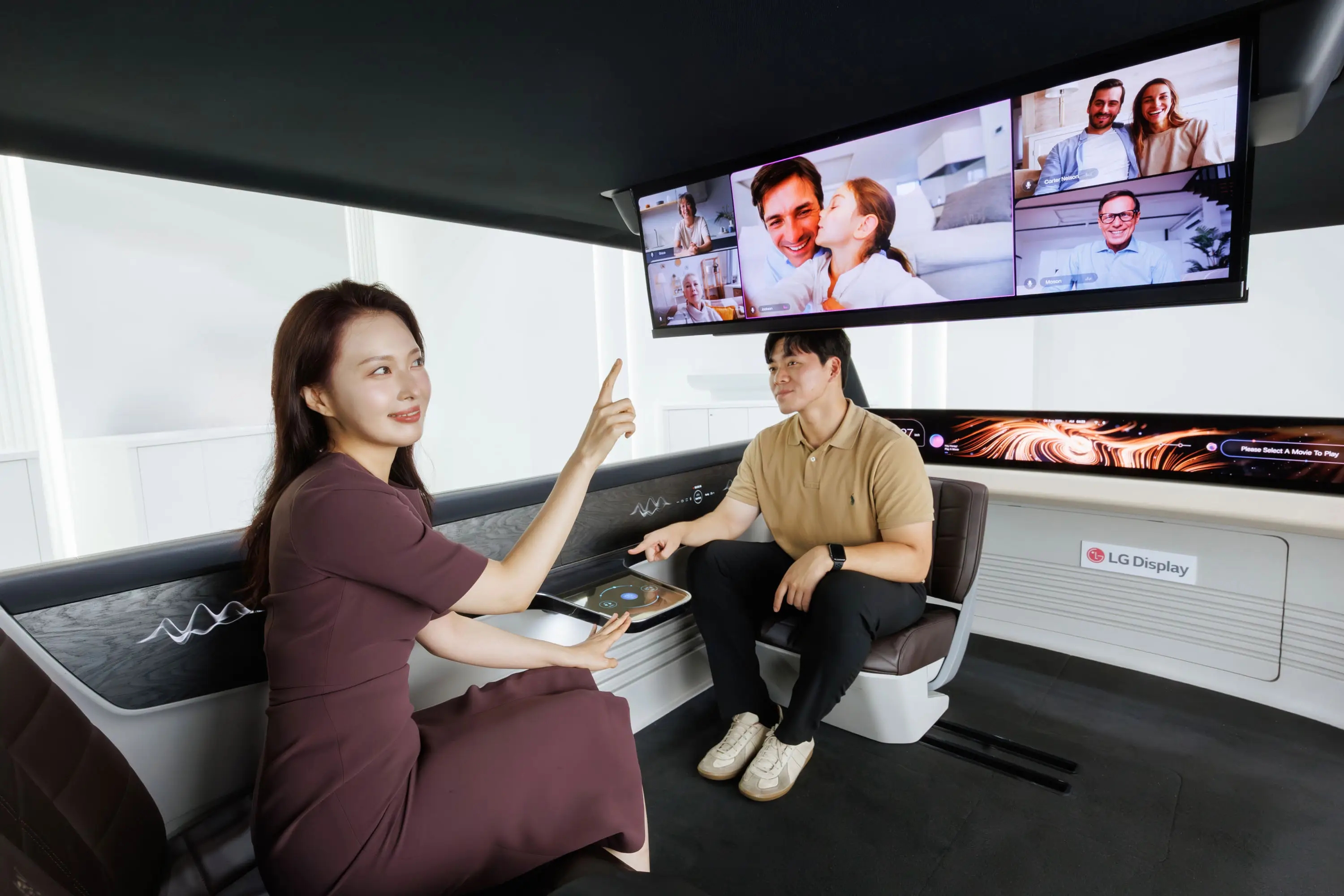
Core Insights - The automotive display market is experiencing rapid growth, driven by the increasing demand for larger and more interactive screens in vehicles [5][10] - LG Display has introduced advanced automotive displays, including a 51-inch P2P OLED display and a flexible OLED display for dashboards, highlighting the trend towards larger and more sophisticated in-car screens [4][5] - The transition from traditional displays to multifunctional, interactive screens is reshaping the automotive experience, making displays central to smart cockpit technology [10][12] Industry Trends - The global automotive display market is entering a competitive phase, with a shift from consumer electronics to automotive displays as a key growth driver [5][10] - The trend towards multi-screen setups in vehicles is becoming prevalent, with configurations including center screens, instrument panels, passenger entertainment screens, and rear displays [6][10] - The integration of advanced features such as touch interaction, voice control, and augmented reality navigation is enhancing the functionality of automotive displays [6][10] Technical Requirements - Automotive displays face unique challenges due to their operating environment, requiring them to withstand extreme temperatures (-30°C to 90°C) and vibrations from various road conditions [7][8] - The longevity of automotive displays is significantly higher than consumer electronics, with a lifespan of over ten years compared to 3-5 years for typical consumer displays [8] - Strict automotive certifications (e.g., IATF16949) ensure that automotive displays meet rigorous safety and performance standards, differentiating them from consumer-grade displays [8][9] Design Innovations - Special design features, such as anti-glare technology and multi-layer coatings, are being implemented to enhance visibility and user experience in automotive displays [9] - The future of automotive displays is leaning towards "display + interaction + intelligence" integration, which will require advanced technology and manufacturing capabilities [10][12] - Emerging display technologies like Mini-LED and MicroLED are gaining traction, promising higher brightness, contrast, and longevity for automotive applications [11][12] Market Opportunities - The automotive display market is poised for unprecedented growth, driven by the increasing adoption of smart cockpit concepts and the demand for larger, flexible displays [10][12] - Companies that invest in technology development and product innovation will be better positioned to compete in this evolving market landscape [12] - The automotive display is evolving from a simple display to a central hub for smart interactions, enhancing the overall travel experience for consumers [10][12]
内存价格“涨疯”背后:智能汽车被AI“卡脖子”
Feng Huang Wang· 2026-01-19 02:26
Core Insights - The automotive industry is facing a significant crisis due to rising costs and supply shortages, particularly in memory chips, which are becoming critical hardware for smart vehicles [2][4][5] - The competition for memory resources is intensifying as the automotive sector competes with AI and consumer electronics giants, impacting the speed and structure of China's automotive industry's smart transformation [1][4] Cost Pressures - The automotive industry is experiencing a crisis characterized by soaring prices and supply shortages, with memory chip prices significantly affecting manufacturing costs [2][5] - The demand for memory in high-end smart vehicles has surged, with storage requirements increasing from several GB to 64GB or even 256GB, pushing costs higher [2][4] - The global DRAM market has entered a "super bull market," with some high-end products seeing price increases of several times within a year, potentially adding thousands of yuan to the cost of each vehicle [2][3] Supply Chain Challenges - The automotive sector is at a disadvantage in the allocation of memory chip production capacity, as AI industries demand high-bandwidth memory and server-grade DDR5, leading to a structural shortage [2][4] - Predictions indicate that memory chip supply satisfaction rates may fall below 50%, posing risks of both high costs and unavailability for automakers [3][4] Competitive Landscape - The memory crisis is reshaping the competitive dynamics within the automotive industry, with larger companies better positioned to absorb costs and secure supplies compared to smaller firms [6][7] - Companies focusing on smart driving systems, which require significant memory resources, are under the most pressure, potentially leading to hidden price adjustments or conservative promotional strategies [6][7] Strategic Responses - To navigate the crisis, the automotive industry must proactively seek solutions, such as signing long-term supply agreements and accelerating the validation of domestic memory chip production [8][9] - The crisis may prompt a shift in competitive focus from hardware specifications to the optimization of software and algorithms, emphasizing the need for deeper integration of hardware and software [8][9] Long-term Implications - The memory price surge reflects a broader clash between the automotive sector and global technology trends, serving as a pressure test for companies to adapt and innovate [9] - Successful navigation of this crisis could lead to enhanced market share and a more resilient competitive stance within the complex global supply chain [9]