
AI泡沫

Search documents
仓位不低,可投标的不少!宁泉淡水泉瓴仁等名私募的最新观点……
聪明投资者· 2025-10-21 07:07
Core Insights - The private equity sector is maintaining high positions in their portfolios, showing a calm demeanor despite rising trade tensions post-October [2] - The market is experiencing structural growth, with significant gains in sectors like AI-related semiconductors and optical modules, while traditional industries are stagnating [6][7] - There is a recognition of visible bubbles in popular sectors, with a cautious approach towards investment in these areas [8] Group 1: Market Trends and Performance - The Shanghai Composite Index reached a nearly 10-year high in Q3, with a notable divergence between high-performing sectors and traditional industries [6] - Ningquan Asset's performance lagged behind the market due to a focus on traditional stocks, despite achieving double-digit returns this year [6][7] - The overall sentiment in the market is one of cautious optimism, with expectations of a healthy correction following rapid price increases [18][21] Group 2: Investment Strategies and Focus Areas - Investment managers are maintaining a conservative approach, focusing on sectors with stable valuations and avoiding participation in high-risk areas [10][12] - There is a shift towards growth stocks, with managers like Zhao Jun from Dongshuiquan seeing significant returns by adapting to market conditions [9] - The emphasis is on companies with strong fundamentals, particularly in technology and healthcare sectors, as they are expected to benefit from ongoing market trends [39][40] Group 3: Economic Indicators and Future Outlook - The current liquidity environment is expected to remain stable, supporting market performance [19] - Economic indicators show signs of improvement, with industrial profits showing recovery, which may enhance stock selection opportunities [19] - The market is anticipated to experience structural growth, driven by technological advancements and favorable macroeconomic policies [39][40]


中方行动让美国又惊又怕,戳中俩要害,特朗普服软,贝森特盼见面
Sou Hu Cai Jing· 2025-10-20 08:27
Group 1 - The core point of the article highlights a shift in the U.S. stance towards China, driven by economic vulnerabilities and political pressures, leading to a decision for a new round of trade talks in Malaysia [1][9] - The U.S. economy is increasingly reliant on the financial sector, with stock market performance being crucial for both wealthy individuals and government support, making it sensitive to fluctuations [2][4] - Concerns about a potential bubble in the AI sector are rising, with fears that a market crash could trigger a broader economic downturn, which the Trump administration is keen to avoid [4] Group 2 - Trump's political base includes supporters from agricultural and energy sectors, who have been adversely affected by China's import policy changes, risking his electoral support [5] - China's export controls on rare earth elements have significant implications for U.S. high-tech and military industries, with reports indicating that U.S. military firms have limited inventory that could disrupt production [5][7] - The U.S. administration is divided on how to approach China, with recent shifts in personnel and strategy indicating a move towards a more conciliatory approach, particularly from Treasury Secretary Mnuchin [7][8] Group 3 - The U.S. has faced pressure from its own exporters due to Chinese tariffs, leading to calls for a more favorable trade relationship [8] - While the upcoming negotiations may provide temporary relief in U.S.-China relations, underlying economic issues and dependencies remain unresolved, indicating that long-term cooperation is still challenging [9]

专题研究 | 近期美国信贷风险的影响和应对
Sou Hu Cai Jing· 2025-10-19 23:40
Group 1 - The core issue is the ongoing risk exposure in the U.S. private credit and regional banking sectors, highlighted by the bankruptcies of Tricolor Holdings and First Brands Group, and fraud allegations against Zions Bancorp and Western Alliance Bancorp [1][2][3] - Tricolor Holdings filed for bankruptcy on September 10, and First Brands Group declared bankruptcy on September 29, with liabilities exceeding $10 billion, indicating a broad impact on investors [2] - Zions Bancorp and Western Alliance Bancorp reported losses of $60 million and nearly $100 million, respectively, due to fraud related to bad commercial mortgage investments, leading to significant stock price declines [2][3] Group 2 - The U.S. government entered a partial shutdown on October 1, marking the first such occurrence in nearly seven years, which may affect the release of key economic data [3] - Trade tensions have resurfaced, and discussions around an AI bubble have intensified, with Google search interest in "AI bubble" reaching its highest level since 2004 [3] - The VIX index surged to 25.3, the highest level in nearly four months, reflecting increased market sensitivity to risk [3][4] Group 3 - U.S. dollar liquidity has tightened due to increased government debt issuance and seasonal effects, with the TGA account rising from $300 billion in July to $850 billion currently [4][5] - The Federal Reserve's reserve balances have decreased by 5.11% since September, indicating a significant drop in liquidity, although it has not yet reached a crisis level [5][6] - Credit market spreads have widened slightly but remain at historically low levels, suggesting that credit market pressures have not fully permeated the monetary market [6][7] Group 4 - The private credit market is opaque, making it difficult to assess internal connections, and the delinquency rate for new loans remains high, particularly for student loans, which increased by 4.84 percentage points to 13.03% [7][8] - The Federal Reserve's timely intervention signals its commitment to preventing liquidity risks from spreading, with indications that it may halt balance sheet reductions in response to current liquidity pressures [7][8] Group 5 - Short-term volatility in the U.S. stock market is expected to remain elevated, with margin debt reaching $1.1 trillion, the highest level since 2022, increasing market fragility [8][9] - In the medium to long term, a K-shaped economic recovery may lead to continued liquidity easing, potentially driving up global asset prices [9][10]
投资策略周报:珍惜优质筹码,修复行情将在10月下旬缓慢展开-20251019
HUAXI Securities· 2025-10-19 08:29
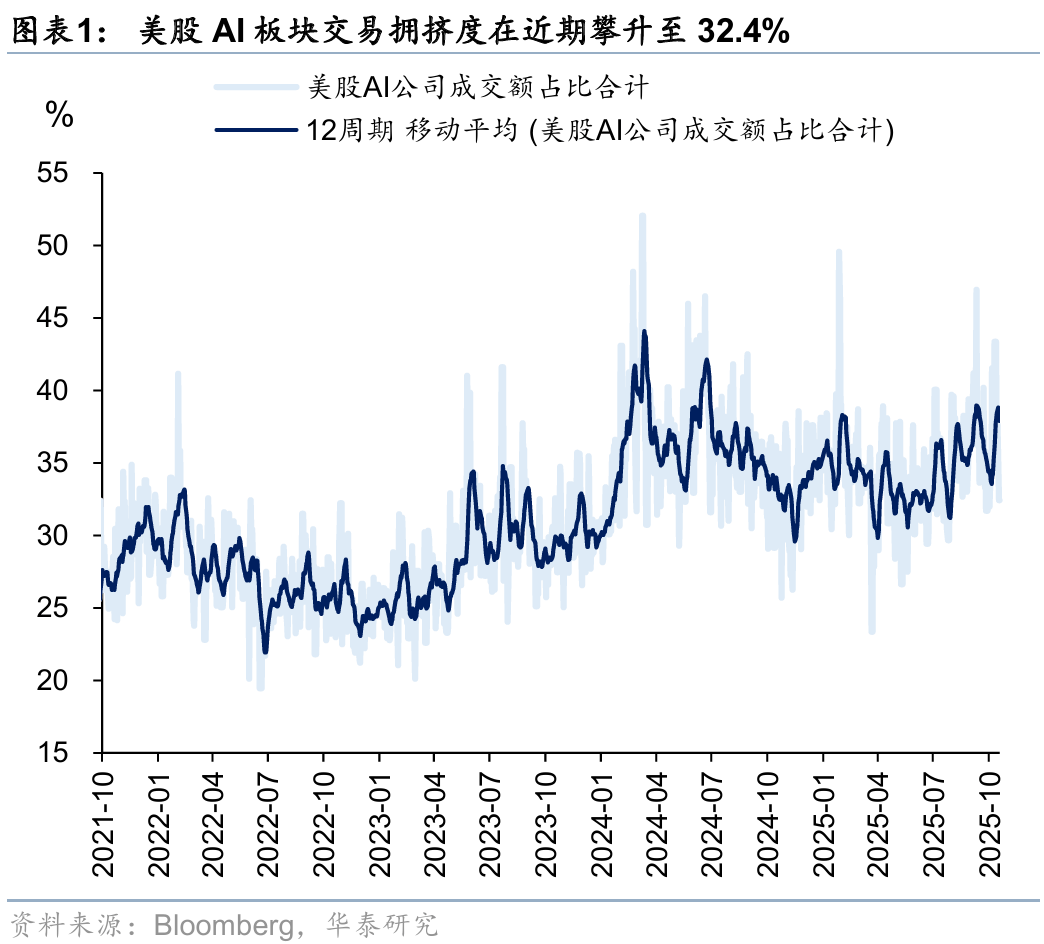
Market Review - Since October, global risk events have increased, including the potential U.S. government shutdown, heightened political uncertainty in Japan, and escalating China-U.S. trade tensions, leading to a rise in market risk aversion. Precious metals have strengthened while oil prices have declined, with Hong Kong stocks experiencing a greater drop than A-shares and U.S. stocks due to the strong U.S. dollar and international capital flow impacts. A-shares have shown characteristics of risk-averse trading, evidenced by a decrease in trading volume, with daily turnover falling below 2 trillion yuan, and a style shift where previously strong sectors like the ChiNext and STAR Market have seen significant adjustments while defensive dividend indices have risen [1][2]. Market Outlook - The report emphasizes the importance of cherishing quality assets, predicting a gradual recovery in the market starting in late October. Recent signals from U.S. trade representatives indicate a potential easing of trade tensions, with expectations for some consensus to be reached during upcoming economic discussions and the APEC summit. This contrasts with the previous widespread declines in April, as the current trade situation reflects a shift in capital flows rather than a broad market downturn. Overall, financing and ETF funds continue to see net inflows, suggesting that micro liquidity in the stock market remains relatively abundant. The construction of a "stabilizing mechanism" in the capital market and improvements in investor return systems are highlighted as key features of this market cycle, supporting the notion of a sustained "slow bull" market in A-shares, which are currently viewed as not overly expensive [2][3]. Key Focus Areas 1. The U.S. government has released signals indicating a potential easing of trade tensions, with discussions between Chinese and U.S. trade leaders suggesting a possible return to "TACO" trading dynamics. This could lead to a recovery in capital market risk appetite [2]. 2. Positive domestic and international factors are expected to support the market, with the upcoming 20th Central Committee meeting likely to address various themes such as new productivity, green development, and external openness, potentially catalyzing investment opportunities. Additionally, a likely interest rate cut by the Federal Reserve and a stable U.S. dollar index are anticipated to provide further support [3]. 3. The recent market style shift, characterized by a decline in tech-heavy indices and a rise in defensive dividend stocks, reflects a defensive positioning by investors amid reduced trading volumes. The report attributes the tech sector's adjustment to several factors, including increased trading congestion and profit-taking amid rising risk aversion due to trade tensions [4][5]. Industry Configuration - The report suggests that the current valuation fluctuations in the tech sector do not indicate a permanent style shift. Upcoming events, including the Central Committee meeting and the release of quarterly reports, are expected to boost market sentiment and catalyze thematic trading. The report notes that growth sectors like TMT continue to show relative performance advantages, while cyclical sectors lack fundamental support due to ongoing negative PPI trends. The report anticipates that once market structures stabilize, the focus will likely return to growth and technology investments, with a recommendation to pay attention to "mergers and acquisitions" as a theme [5][6].
21社论丨需警惕美国资本市场的多重叠加风险
21世纪经济报道· 2025-10-17 23:41
Group 1 - Two regional banks in the U.S. disclosed loan issues related to fraud, causing significant investor concern and leading to a drop of over $100 billion in market capitalization for 74 large U.S. banks in one day [1] - The International Monetary Fund (IMF) warned of high global financial stability risks, partly due to the expansion of non-bank financial institutions, which are exposing new structural vulnerabilities [1] - The U.S. financial market is facing instability due to rising uncertainty from government policies, including tariffs and increasing national debt, which is currently at $38 trillion [2] Group 2 - The labor market in the U.S. is cooling, inflation remains high, and tariff policies are expected to push prices up, impacting economic growth [2] - Concerns are growing over the AI valuation bubble, with a survey indicating that approximately 54% of global fund managers believe tech stock valuations are too high [2] - The cryptocurrency market experienced a significant drop, with Bitcoin falling from $122,000 to $104,000, resulting in a market evaporation of nearly $500 billion [3] Group 3 - The U.S. financial system is being undermined by tariff policies and debt risks, with the stability previously provided by low interest rates and credit expansion now threatened [4] - The myths surrounding the safety of AI bubbles and cryptocurrencies are beginning to collapse, indicating a need for preparedness against systemic risks associated with the U.S. dollar [4]

21社论丨需警惕美国资本市场的多重叠加风险
Xin Lang Cai Jing· 2025-10-17 22:48
Group 1 - Two regional banks in the U.S. disclosed loan issues related to fraud allegations, causing significant investor concern and leading to a sharp decline in bank stocks on October 16, resulting in a loss of over $100 billion in market capitalization for 74 large U.S. banks in one day [1] - The market's reaction is influenced by the recent memory of the Silicon Valley Bank collapse in 2023, highlighting a broader concern about accumulated risks in the U.S. credit market [1] - Other financial distress examples include the bankruptcy of Tricolor Holdings and the collapse of First Brands Group, indicating that risks in the U.S. financial system are becoming more apparent [1] Group 2 - The International Monetary Fund (IMF) warned that global financial stability risks are high, partly due to the expansion of non-bank financial institutions, which are exposing new structural vulnerabilities [2] - The U.S. financial market faces instability from increasing uncertainty created by government policies, including rising tariffs and national debt, which are being reassessed by the market [2] - The U.S. labor market is cooling, inflation remains high, and the national debt has reached $38 trillion, leading to a loss of confidence in the U.S. dollar and rising gold prices [2] Group 3 - There is growing skepticism regarding the AI valuation bubble, with a survey indicating that approximately 54% of global fund managers believe tech stocks are overvalued, viewing the AI bubble as a significant tail risk [3] - The cryptocurrency market experienced a sharp decline, with Bitcoin dropping from $122,000 to $104,000, a decrease of over 15%, resulting in a market evaporation of nearly $500 billion [3] - The U.S. government's ability to seize Bitcoin assets raises concerns about the security of decentralized assets, undermining the perceived safety of cryptocurrencies [3] Group 4 - There is a need for the country to prepare for systemic risks associated with the U.S. dollar, strengthen domestic markets, and ensure the safety of overseas assets [4]
需警惕美国资本市场的多重叠加风险
2 1 Shi Ji Jing Ji Bao Dao· 2025-10-17 22:27
Group 1 - Two regional banks in the U.S. disclosed loan issues related to fraud allegations, causing significant investor concern and leading to a sharp decline in U.S. bank stocks on October 16, resulting in a loss of over $100 billion in market capitalization for 74 large banks in one day [1] - The market's reaction is influenced by the recent memory of the Silicon Valley Bank collapse in 2023, highlighting a growing fear of hidden risks within the financial system [1] - Other financial distress examples include the bankruptcy of Tricolor Holdings and the collapse of First Brands Group, indicating that accumulated risks in the U.S. credit market are becoming apparent [1] Group 2 - The International Monetary Fund (IMF) warned of high global financial stability risks, particularly due to the expansion of non-bank financial institutions, which are exposing new structural vulnerabilities [2] - The U.S. financial market faces instability from increasing uncertainty created by government policies, including rising tariffs and national debt, which are being reassessed by the market [2] - The U.S. labor market is cooling, inflation remains high, and the national debt has reached $38 trillion, leading to a loss of confidence in the U.S. dollar and rising gold prices [2] Group 3 - There is growing skepticism regarding the AI valuation bubble, with a survey indicating that approximately 54% of global fund managers believe tech stock valuations are excessive, viewing the AI bubble as a significant tail risk [3] - The cryptocurrency market experienced a sharp decline, with Bitcoin dropping over 15% from its peak, resulting in a loss of nearly $500 billion in market value and significant forced liquidations [3] - The U.S. government's ability to seize Bitcoin assets raises concerns about the perceived safety of decentralized assets, further undermining confidence in the financial system [3] Group 4 - There is a need for the country to prepare for systemic risks associated with the U.S. dollar, strengthen domestic markets, and ensure the safety of overseas assets [4]
AI泡沫三问:怎么还不崩?
Hu Xiu· 2025-10-17 01:37
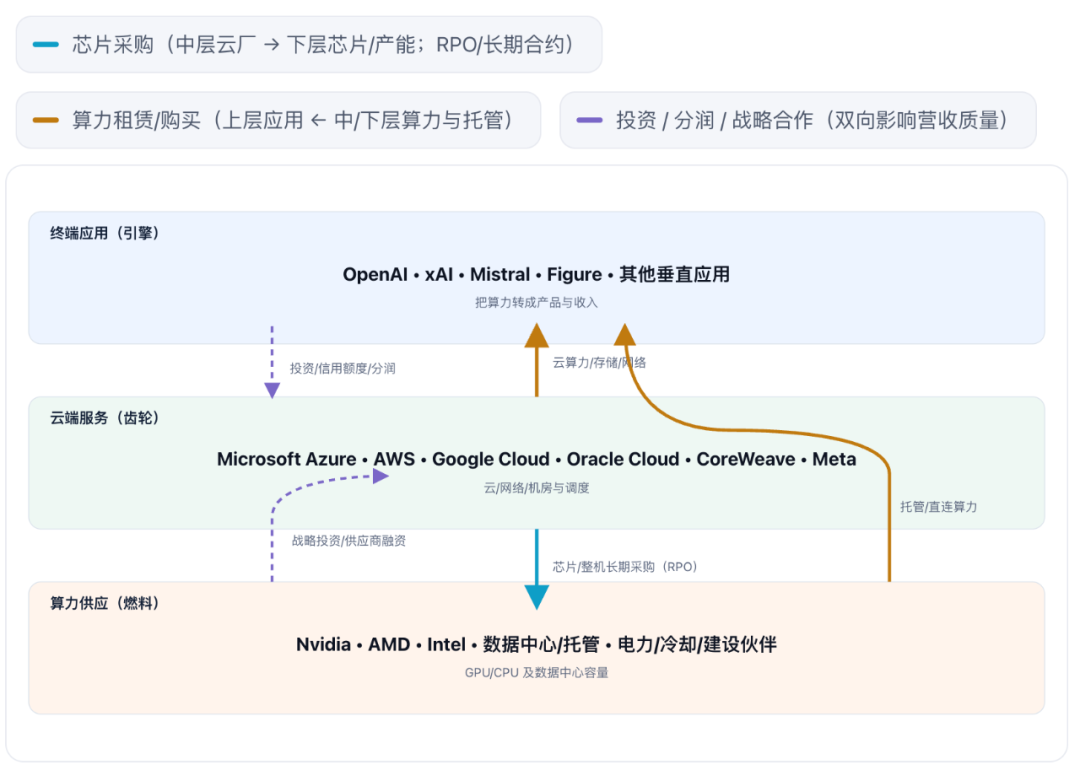
Core Viewpoint - The current narrative in the U.S. market revolves around the concepts of "bubbles," "crashes," and the anticipation of a potential collapse, particularly in relation to AI and private credit sectors [1][2][38]. Group 1: Bubble Identification - Identifying a bubble is challenging, but the aftermath reveals a recognizable pattern: new technologies ignite expectations, prices soar, and speculation ensues, leading to a "hot potato" scenario [3][4]. - The classic prelude to a crisis can be summarized in three categories: speculative bubbles driven by "hot potato" dynamics, misallocation of capital, and shadow banking that amplifies downturns [6][8]. Group 2: Key Questions for Analysis - Three critical questions to assess potential bubbles include: 1. Is the investment driven by the intent to sell to a "greater fool"? 2. Are funds being misallocated away from genuinely promising companies? 3. Is the current boom heavily reliant on debt, with creditors poised to withdraw support? [9][10]. Group 3: AI Sector Analysis - The AI sector is experiencing a surge in investment, with significant partnerships and funding among major players like OpenAI, Nvidia, and Oracle, raising concerns about the sustainability of this growth [14][28]. - The concept of "circular revenue" is prevalent, where companies invest in each other without real demand, leading to questions about the health of the underlying market [22][24]. - Evidence suggests that AI investments are crowding out funding for other sectors, with substantial capital expenditures projected in the AI infrastructure space [27][30]. Group 4: Debt and Leverage Concerns - The current AI boom may be underpinned by high leverage, particularly in shadow banking, which could exacerbate volatility during downturns [35][36]. - The complexity of contractual agreements in the AI ecosystem raises concerns about transparency and the true nature of demand, indicating potential risks if the market shifts [36][37]. Group 5: Conclusion on AI Bubble - Overall, the AI sector is viewed as a bubble, reminiscent of the internet boom in 2000, where the technology and long-term value are genuine, but a correction may be necessary [38].





AI泡沫已经蔓延至能源股
阿尔法工场研究院· 2025-10-17 00:03
Core Viewpoint - The article highlights the rising valuations of unprofitable energy companies, suggesting that the real over-speculation may be occurring in the energy sector rather than in technology stocks [3]. Group 1: Unprofitable Energy Companies - A group of unprofitable energy companies has seen their total valuation exceed $45 billion, based solely on the expectation that technology companies will eventually purchase their yet-to-be-built energy facilities [4]. - Oklo, a nuclear energy startup supported by OpenAI CEO Sam Altman, has seen its stock price increase approximately sevenfold this year, with a current market capitalization of around $26 billion [4]. - Fermi, another unprofitable company, had an initial valuation of about $19 billion upon its IPO earlier this month, making it one of the largest unprofitable companies by market cap at IPO [5]. Group 2: Company Details and Market Comparisons - Fermi plans to build energy facilities with a total installed capacity of 11 GW, comparable to the total capacity of Talen Energy, which already has operational assets [6]. - Despite its high valuation, Fermi has only secured natural gas equipment that meets 5% of its total capacity goal and has not signed binding contracts with any customers [6]. - Nano Nuclear Energy, a smaller company, has seen its stock price double this year, with a current valuation exceeding $2 billion [7]. Group 3: Market Trends and Predictions - Companies like NuScale Power and Plug Power, which have generated some revenue, are still not expected to achieve profitability for several years, with predictions extending to 2030 [10][11]. - The surge in interest for speculative energy companies may be driven by the high valuations of profitable energy firms, with Bloom Energy's stock price increasing over 400% this year [11]. - If the AI bubble bursts, these unprofitable energy companies are likely to be the most affected, facing significant declines and lacking buffer space [12].

“AI盛世”还是“AI泡沫”?10家AI独角兽,估值1年增长1万亿,VC一年投入超2000亿美元,利润为0
Hua Er Jie Jian Wen· 2025-10-16 12:39
Core Insights - The surge in AI investments has led to a dramatic increase in valuations of unprofitable AI startups, totaling nearly $1 trillion in the past year, marking the fastest wealth expansion in history [1] - U.S. venture capital (VC) investments in AI are projected to exceed $200 billion this year, significantly surpassing previous tech bubbles, indicating a strong market focus on AI [2] - The current investment climate is characterized by a "winner-takes-all" mentality, with expectations that only a few companies will dominate the market, reminiscent of the internet era [3] Investment Trends - The AI sector has attracted over $200 billion in VC funding this year, which is more than the $135 billion invested during the SaaS bubble in 2021 [2] - AI companies are experiencing inflated valuations, with some startups valued at 100 times their annual revenue, driven by a fear of missing out (FOMO) among investors [2] - The expectation is that while a significant amount of AI investment may be wasted, the technology could ultimately create tenfold value [3] Market Dynamics - The valuations of private AI companies are beginning to impact public markets, with major tech firms like AMD and NVIDIA seeing substantial market cap increases due to their associations with AI startups [3] - The competition among AI companies, particularly between OpenAI and tech giants like Microsoft and Google, is intensifying, leading to high operational costs and uncertain profitability timelines [4] - The current capital frenzy in AI resembles previous market bubbles, with valuations detached from actual earnings, raising concerns about the sustainability of this growth [5]