
智能化

Search documents
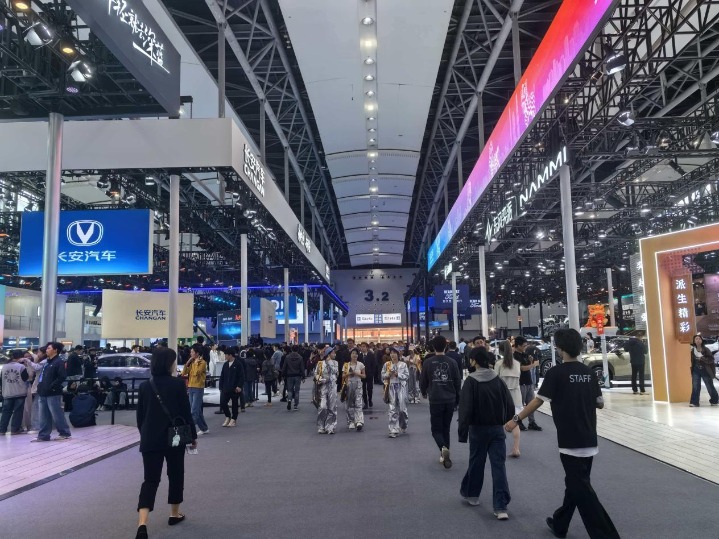
全球首发93台新车、新能源展车占比近六成 广州车展为年终车市注入新动能
Zhong Guo Jing Ying Bao· 2025-11-21 07:04
Core Insights - The Guangzhou International Auto Show showcases 1,085 vehicles, with 93 global debuts and 629 new energy vehicles, highlighting the shift towards electric and intelligent automotive products [2][3][4] - The event serves as a critical window for observing market dynamics and predicting competition trends in the Chinese automotive industry, particularly as it approaches the end of the "14th Five-Year Plan" [2] Industry Trends - The proportion of new energy vehicles at the show exceeds 50%, indicating a transition from policy-driven to market-driven growth in China's new energy vehicle sector [3][4] - By 2024, China's new energy vehicle production and sales are expected to surpass 10 million units, reflecting a 5.4-fold increase in ownership since 2020 [3][4] - The penetration rate of new energy vehicles is projected to reach 50.2% by mid-2025, significantly exceeding the 20% target set in the "New Energy Vehicle Industry Development Plan (2021-2035)" [4] Competitive Landscape - Traditional joint venture brands are undergoing strategic transformations to regain competitiveness, focusing on localized smart ecosystems and differentiated powertrains [7][9] - Companies like SAIC Volkswagen are adopting a dual strategy of maintaining both fuel and new energy vehicles, emphasizing their commitment to both markets [7][8] - The emergence of new energy vehicles as a dominant force in the market is evident, with major brands showcasing a wide range of products across all segments, from micro-mobility to luxury vehicles [4][5] Technological Advancements - The auto show emphasizes the importance of technology, particularly in smart driving and ultra-fast charging, as key competitive factors in the industry [10][11] - The integration of advanced technologies, such as Qualcomm's 8295 chip in vehicles, is becoming standard in mid-to-high-end models, enhancing user experience [10][11] - The shift towards intelligent features is seen as essential for market entry, with smart capabilities becoming a core value proposition for new vehicles [11] Future Outlook - The next three years are expected to see a shift in market competition from product-centric to a focus on technology, ecosystem, and brand integration, with smart technology at the forefront [10][11] - Despite the advantages in electric vehicle production, challenges remain in high-end chips and foundational software, which could impact the industry's resilience to geopolitical disruptions [11]


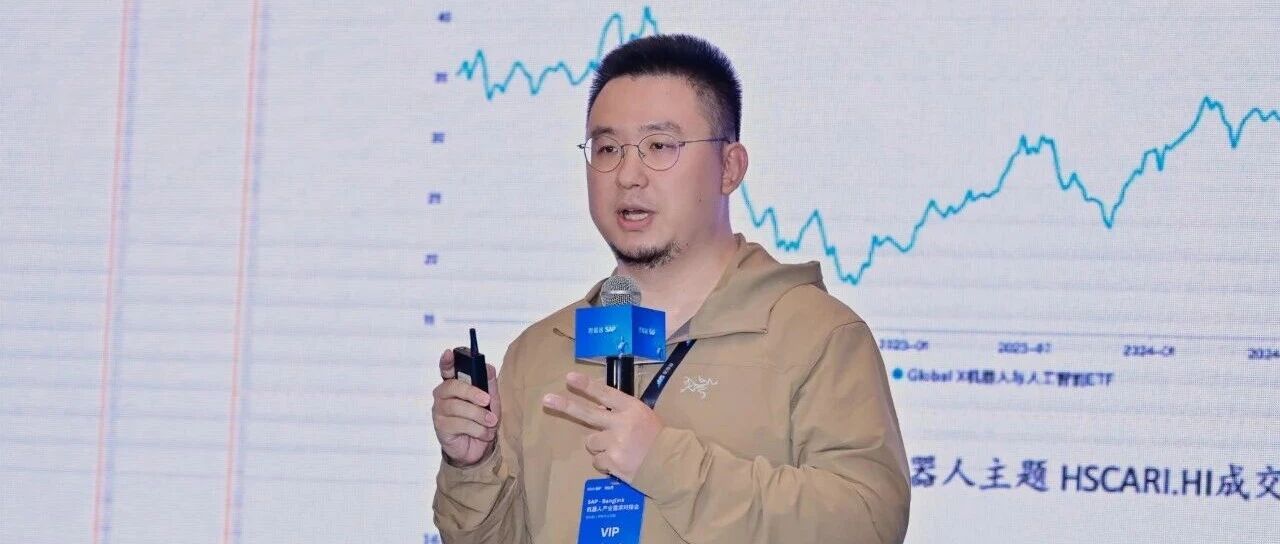
龙珠王新宇拆解下一个“时代品类”:我们为何重注具身智能?
创业邦· 2025-11-21 06:05
美团龙珠合伙人王新宇 整理编辑丨小龙 "我们不是钱投得太多,而是远远不够。" 在资本对具身智能赛道"估值泡沫"的争议声中,美团龙珠合伙人王新宇——这位兼具技术功底与投资 视野的 投资人,用一句掷地有声的判断,展现出了穿越周期的定力与长期主义。 2021年,王新宇牵头组建美团龙珠科技投资团队,围绕电动化与智能化两大核心主线,在新能源 车、AI大模型、具身智能等关键赛道 频频 落子。他主导投资了月之暗面、宇树科技、星海图、自变 量等一批代表未来的科技企业,持续捕捉属于这个时代的"时代品类"。 | | | | 龙珠在具身智能领域的布局 (据创业邦不完全统计) | | | | --- | --- | --- | --- | --- | --- | | 公司名称 | 成立时间 | 一句话简介 | 龙珠参与投资轮次 | 此轮次投资时间 | 融资金额 | | 宇树科技 | 2016/8/26 | 高运动性能四足机 器人研发商 | B3轮 | 2024年9月 | 1亿美元 | | 法奥机器人 | 2019/4/2 | 协作机器人研发生 产商 | B轮 | 2022年3月 | 5000万美元 | | | | | C轮 | 20 ...
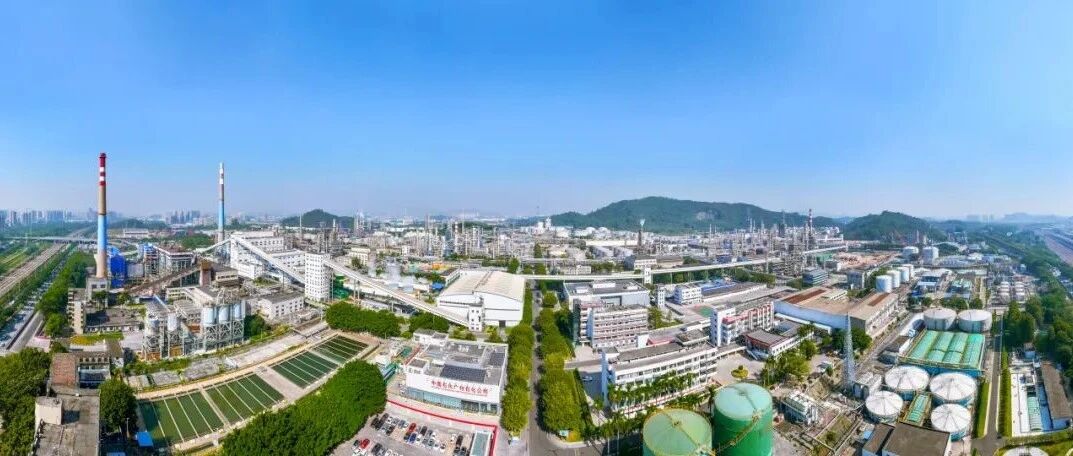
刘琤:以智能化绿色化融合化发展推动转型升级
中国能源报· 2025-11-21 05:33
Core Viewpoint - The article emphasizes the importance of integrating intelligent, green, and collaborative development to drive transformation and upgrading in the petrochemical industry, particularly for Guangzhou Petrochemical as the only refining enterprise in the Guangdong-Hong Kong-Macao Greater Bay Area [4][10]. Intelligent Development - Intelligent development is identified as a key breakthrough for modernizing traditional industries, with the petrochemical sector undergoing a significant shift from "experience-driven" to "data-driven" operations. Guangzhou Petrochemical has been enhancing digital applications and information systems to improve operational stability and management efficiency [7]. - Future initiatives include establishing a higher standard for "Smart Guangzhou Petrochemical," focusing on risk control, financial decision-making models, and integrated scheduling systems, while promoting digital delivery and remote monitoring [7][10]. Green Development - Green transformation is deemed essential for the petrochemical industry, with Guangzhou Petrochemical committing to environmental governance and low-carbon initiatives. The company has maintained the title of "National Green Factory" for four consecutive years and aims to achieve a "waste-free factory" through comprehensive pollution reduction strategies [8][10]. - The company is targeting carbon peak goals and aims to build a green circular industrial system, emphasizing proactive carbon management and energy efficiency [8][10]. Collaborative Development - Collaborative development is viewed as a strategic choice to overcome growth bottlenecks. The "14th Five-Year Plan" period is seen as a critical phase for Guangzhou Petrochemical to advance new industrialization, focusing on safety, green development, and technological upgrades [10]. - The company plans to enhance its industrial and value chains, develop high-end specialty oils, and invest in hydrogen production and energy storage systems, thereby expanding its high-quality development space [10].
小鹏汽车-W(9868.HK):Q3毛利率突破20%创历史新高
Ge Long Hui· 2025-11-21 03:57
Core Viewpoint - The company reported a significant improvement in its financial performance for Q3 2025, with revenue reaching 20.4 billion yuan, a year-on-year increase of 120%, and a narrowing of net losses [1][2]. Financial Performance - Q3 2025 revenue was 20.4 billion yuan, up 102% quarter-on-quarter and 12% year-on-year [1]. - Net profit attributable to shareholders was a loss of 380 million yuan, which is a 79% reduction in losses year-on-year [1]. - For the first three quarters of 2025, total revenue was 54.5 billion yuan, with a net loss of 1.5 billion yuan, a 66% year-on-year reduction in losses [1]. Gross Margin and Cost Control - The gross margin for Q3 2025 reached 20.1%, marking a significant increase of 4.8 percentage points year-on-year [2]. - The automotive gross margin was 13.1%, with a year-on-year improvement for eight consecutive quarters [2]. - The company achieved a significant scale effect with Q3 deliveries of 116,000 vehicles, a 149% increase quarter-on-quarter [2]. Product Development and Future Outlook - The company is set to launch the new model, the Xiaopeng X9, which features advanced technology and is expected to achieve high sales, particularly in northern regions [2]. - The company plans to expand its range of extended-range vehicles, potentially introducing seven new models by 2026 [2]. - The humanoid robot IRON was unveiled, showcasing enhanced human-like capabilities and is expected to enter mass production by the end of 2026 [3]. Valuation and Revenue Forecast - The revenue forecast for 2025 has been adjusted down to 77.2 billion yuan, a 9% decrease, while maintaining projections of 127.6 billion yuan and 153.9 billion yuan for 2026 and 2027, respectively [3]. - The company has set a target price of 122.71 HKD, slightly down from the previous 126.08 HKD, while maintaining a "buy" rating [3].
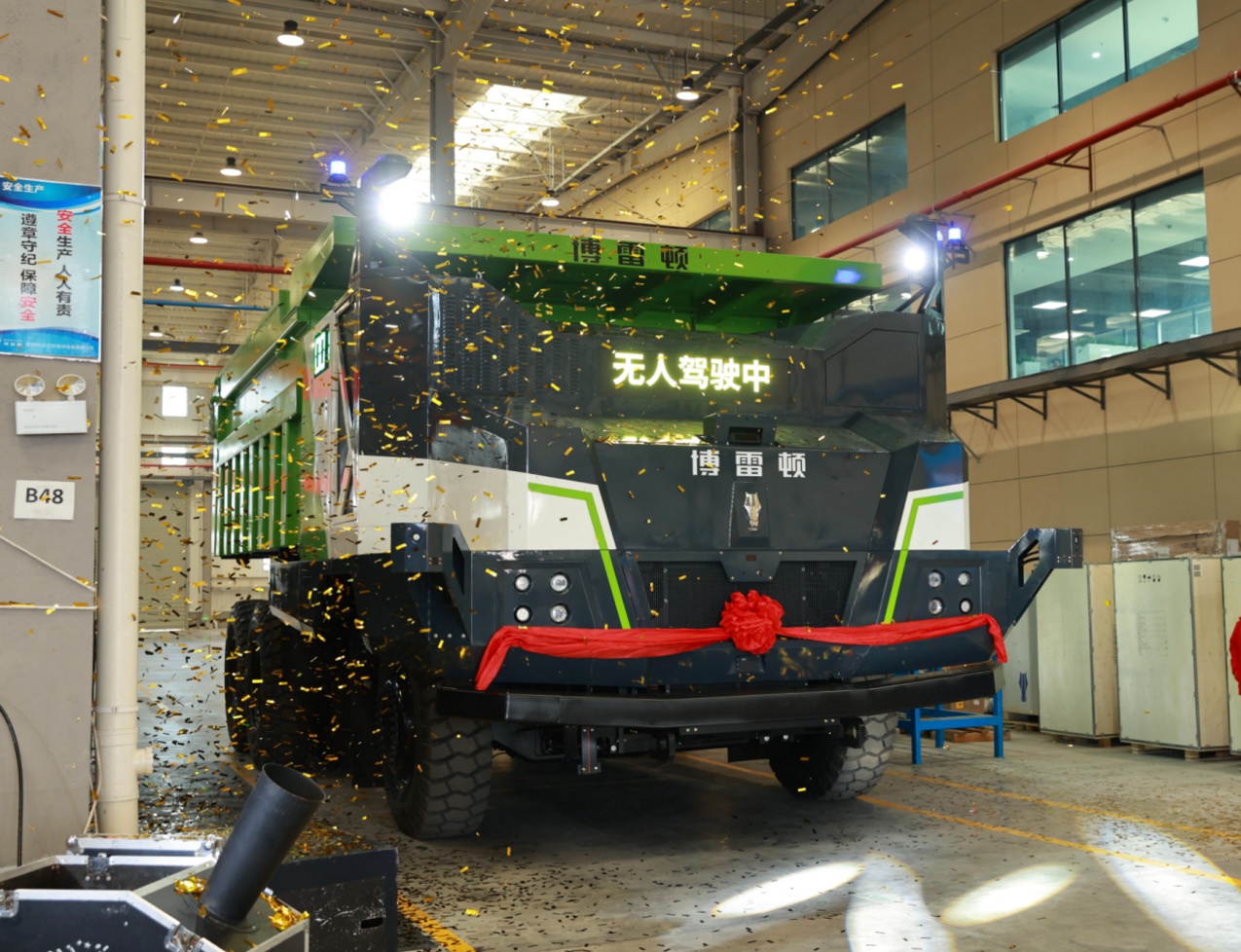
博雷顿9M145E发布 无人驾驶进入效率赶超人工时代
Zhi Tong Cai Jing· 2025-11-21 02:32
Core Viewpoint - The launch of the Boreton 9M145E marks a significant advancement in the mining industry, transitioning from traditional manual driving to a fully autonomous system, representing a pivotal moment in the transformation of mining operations towards a zero-carbon future [1][6]. Group 1: Autonomous Driving Capabilities - The new model features Boreton's self-developed E2E end-to-end intelligent driving system, enhancing operational efficiency and stability across loading, transportation, and discharge processes, particularly in challenging conditions [3]. - Compared to traditional manual driving, autonomous vehicles demonstrate improved performance in night shifts, long distances, and complex terrains, leading to reduced operational fluctuations and increased effective production [3]. Group 2: Dedicated Platform for Autonomous Driving - Unlike traditional vehicles modified for autonomous use, the new model is designed from the ground up as a driverless platform, optimizing structure, safety, and maintenance [4]. - The removal of the driver's cabin reduces operational redundancy and enhances reliability, allowing for immediate deployment in mining operations and significantly lowering deployment costs [4]. Group 3: Systematic Green Mining Solutions - Alongside the new vehicle, Boreton introduced a comprehensive green mining solution that integrates photovoltaic networks, energy storage, charging systems, electric mining trucks, and intelligent scheduling platforms [6]. - This integrated approach enables quantifiable and replicable optimization in energy costs, safety, production rhythm, and emission reduction, driving the green transformation of mining enterprises [6]. Group 4: Industry and Technology Outlook - The global mining industry is undergoing a digital, electric, and automated transformation, with autonomous electric mining trucks poised for rapid growth as they transition from pilot projects to widespread application [7]. - The increasing penetration of photovoltaic and energy storage solutions will enhance the cost advantages of electric mining trucks, while advancements in intelligent perception and multi-modal models will improve the stability and operational capabilities of autonomous systems [7]. Group 5: Long-term Value of Boreton's Approach - Boreton's strategy is seen as more sustainable and competitive due to its dedicated driverless platform, which addresses structural limitations of traditional modifications and enhances operational scalability [8]. - The company's deep self-research in the three-electric system, thermal management, and energy replenishment allows for better synergy between electrification and automation, creating a more favorable cost curve compared to traditional fuel vehicles [8]. - Boreton's end-to-end algorithm system shortens perception and decision-making paths, improving responsiveness in extreme mining conditions, while its comprehensive solutions across energy, equipment, and scheduling enhance overall mining efficiency [8][10].
广州车展一年巨变:油电之争结局已分!新势力排位赛还在打
Nan Fang Du Shi Bao· 2025-11-21 02:20
Core Insights - The 2025 Guangzhou International Auto Show highlights significant changes in the Chinese automotive market, particularly in the areas of electric vehicles (EVs), competition among brands, and technological advancements [2] Group 1: Changes in Market Dynamics - The proportion of new energy vehicles (NEVs) at the auto show increased from 43.7% to 58%, indicating a shift towards electric vehicles as the majority [3] - In the first ten months of 2025, the domestic passenger car market saw a total sales volume of 19.256 million units, a year-on-year increase of 8.0%, with NEVs selling 10.15 million units, up 21.9% [6] - The penetration rate of NEVs reached 40.9% in 2024, with October 2025 marking the first month where the penetration rate exceeded 50% [6] Group 2: Absence of Foreign Brands - Over ten mainstream foreign brands were absent from the auto show, reflecting a decline in their market share and competitiveness in the face of rising domestic brands [7] - Import car sales dropped by 32% in the first nine months of 2025, with total imports expected to be only 700,000 units for the year, a 12% decrease [8] Group 3: Rise of Domestic Brands and New Players - Domestic brands and new entrants like BYD and Leap Motor are gaining significant market share, with Leap Motor's sales increasing by 105.3% year-on-year [9][13] - Huawei has established itself as a key player in the automotive sector, with over 100,000 units sold in collaboration with various car manufacturers [12] Group 4: Technological Advancements and Consumer Trends - The competition among new energy vehicles has intensified, with advanced driving technologies becoming more accessible to consumers, as seen in the pricing of high-end features [16] - Hybrid technology is gaining traction as a practical choice for many brands, reflecting a shift in consumer preferences towards cost-effective and advanced technology [16]



揭阳以普宁纺织服装产业为支点,持续做大做优做强特色产业集群
Zhong Guo Fa Zhan Wang· 2025-11-21 02:15
Core Insights - The textile and apparel industry in Jieyang, particularly in Puning, is set to exceed a total scale of 153 billion yuan in 2024, with the textile and apparel sector alone reaching 135 billion yuan, indicating significant growth potential for the region [1] - Puning has been selected as one of the first pilot cities in the province for the "cross-border e-commerce + industrial belt" initiative, which is expected to drive high-quality economic development in the area [1] - The city is focusing on transforming its industrial chain towards high-end, intelligent, and green development, leveraging its strengths in textile and apparel to enhance its economic performance [1] Industry Structure - Puning has established a complete textile and apparel industry chain, with over 7,000 related enterprises, including 246 large-scale companies, highlighting the robustness of its industrial ecosystem [2] - The Puning Textile and Dyeing Environmental Comprehensive Treatment Center is recognized as the first provincial characteristic industrial park in Jieyang, aiming to strengthen the industry chain through the introduction of high-end projects [2] - In the first nine months of this year, the total output value of Puning's textile and apparel industry reached 108.3 billion yuan, reflecting an 8.9% growth, solidifying its position as the primary pillar of the local industrial system [2] Future Development Plans - Puning plans to develop a high-standard "14th Five-Year" plan for the textile and apparel industry, outlining future directions, content, and goals for the next five years [3] - The city aims to enhance the recognition of Puning's textile and apparel brands and promote brand creation initiatives [3] - Collaboration with renowned universities, such as Donghua University in Shanghai, will be pursued to support talent training and research outcomes in the textile and apparel sector [3] - The city will accelerate the development of the "cross-border e-commerce + industrial belt" ecosystem, fostering more cross-border e-commerce enterprises to expand the reach of Puning products globally [3]
一汽丰田技术品牌再升级:补智能短板 固混动长板
Jing Ji Guan Cha Wang· 2025-11-21 01:35
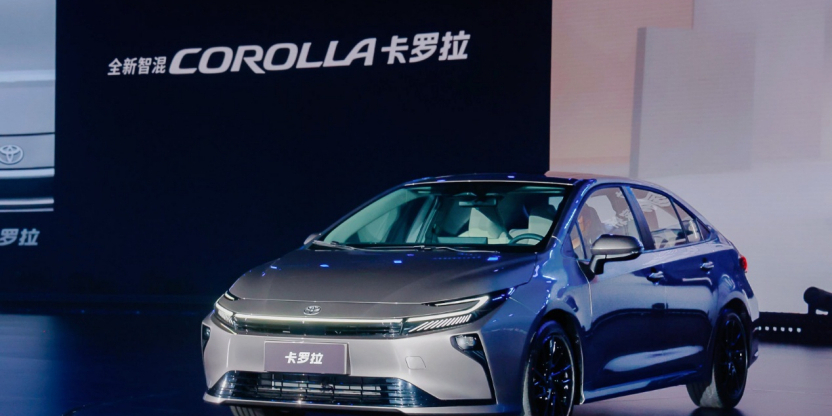
Core Insights - FAW Toyota has launched its IT'S TiME 3.0 technology brand, focusing on rapid enhancement of intelligence in its vehicles, aiming to catch up in the smart driving and cockpit sectors [2][5] - The company has introduced three new models: the new intelligent hybrid Corolla, the new bZ3 smart family car, and the new RAV4, which cover fuel, hybrid, and pure electric powertrains [4] Group 1: Technology and Innovation - The IT'S TiME 3.0 technology upgrade emphasizes smart driving and cockpit enhancements, with the Toyota Pilot smart driving assistance system utilizing a dual approach of in-house development and open collaboration [2][5] - FAW Toyota's collaboration with Momenta aims to develop localized smart driving solutions tailored for complex Chinese road conditions, leveraging 33 high-precision perception hardware and 544 TOPS computing power [2][3] Group 2: Product Features and Performance - The new RAV4 offers three power options: 2.0L intelligent hybrid, 2.5L intelligent hybrid, and 2.0L gasoline version, with the intelligent hybrid model achieving a fuel consumption as low as 3.99 liters per 100 kilometers [3][4] - The new intelligent hybrid Corolla has been lengthened by 75 mm and has a wheelbase extended by 50 mm to enhance passenger space, with a fuel consumption of 4.13 liters per 100 kilometers for the 1.8L HEV version [4] Group 3: Market Strategy - FAW Toyota's strategy reflects a response to the competitive landscape, where joint ventures are no longer passive but actively pursuing technological advancements through partnerships and in-house development [5] - The introduction of the IT'S TiME 3.0 brand and the new models signifies a pragmatic approach to balancing traditional strengths with emerging market demands during the transition to electrification [4][5]
刘泉红:锚定强国建设推进产业体系现代化
Jing Ji Ri Bao· 2025-11-21 00:04
Core Viewpoint - The modernization of the industrial system is the material and technical foundation for China's modernization, emphasizing the importance of a robust real economy and a modernized industrial system as key to building a socialist modernized strong country [1][2][3]. Group 1: Importance of Modern Industrial System - The establishment and development of any social economic system are supported by a corresponding material foundation, with a modern industrial system being crucial for modernization [2]. - Successful modernization in various countries has been linked to the process of industrial system modernization, which provides a strong material basis for economic development [2]. - The lack of a modern industrial system in some developing countries has led to insufficient and unsustainable modernization [2]. Group 2: Strategic Tasks and Goals - The "14th Five-Year Plan" prioritizes the construction of a modern industrial system and the consolidation of the real economy as the first strategic task [1]. - The construction of a modern industrial system is a long-term and complex systemic project that requires a focus on the real economy and the continuous upgrading of traditional industries alongside the cultivation of emerging industries [4][12]. Group 3: Key Directions for Development - The modernization of the industrial system should focus on three main directions: intelligent, green, and integrated development [5][7][8]. - Intelligent development involves deep transformation across the entire production chain, utilizing data and AI technologies to create a smart industrial ecosystem [6]. - Green transformation aims to integrate low-carbon and circular economy principles throughout the industrial process, emphasizing the importance of green technology innovation [7]. Group 4: Enhancing Traditional Industries - Traditional industries play a crucial role in maintaining a reasonable proportion of manufacturing and ensuring the integrity of the industrial system [12]. - The optimization and upgrading of traditional industries are essential to avoid the structural dilemmas faced by developed countries due to deindustrialization [12]. - New technologies, particularly digital and green technologies, are reshaping traditional production models and development paths [12]. Group 5: Fostering New and Future Industries - The intersection of the new technological revolution and industrial transformation presents significant opportunities for building a modern industrial system [13]. - China has made notable advancements in sectors like renewable energy, establishing competitive supply chains and leading in technology innovation [13]. - Future industries driven by cutting-edge technologies require a robust mechanism for disruptive innovation and risk-sharing [13]. Group 6: Service Industry Development - The service industry is a vital component of the modern industrial system, with its share of GDP expected to increase as industrialization progresses [14]. - Enhancing the quality and efficiency of the service industry can drive industrial transformation and meet the evolving needs of society [14]. - There is significant potential for growth in China's service sector, particularly in high-end and quality service offerings [14]. Group 7: Infrastructure Development - A modernized infrastructure system is essential for the efficient operation of the industrial system, influencing resource allocation and economic efficiency [15][16]. - China has made substantial progress in infrastructure development, including extensive transportation networks and digital infrastructure [16]. - Addressing existing imbalances and enhancing the adaptability of infrastructure is crucial for supporting the modernization of the industrial system [16].
锚定强国建设推进产业体系现代化
Jing Ji Ri Bao· 2025-11-20 22:19
Core Viewpoint - The modernization of the industrial system is the material and technical foundation for Chinese-style modernization, emphasizing the importance of the real economy and the modernization of the industrial system as a strategic task for building a modern socialist country [1][2][3]. Group 1: Understanding Industrial System Modernization - The establishment and development of any social economic system require a corresponding material foundation, with a modern industrial system being crucial for modernization [2]. - Successful modernization in various countries has been linked to the process of industrial system modernization, while failure to establish such systems has led to insufficient and unsustainable modernization [2]. - China's modernization has been closely tied to the development and evolution of its industrial system, highlighting the need for a complete, advanced, and secure modern industrial system [2][4]. Group 2: Key Components of Modern Industrial System - Xi Jinping's economic thought emphasizes the construction of an industrial system that integrates the real economy, technological innovation, modern finance, and human resources [3]. - The modern industrial system should focus on intelligent, green, and integrated development, with advanced manufacturing as its backbone [3][4]. - The construction of a modern industrial system is a complex, long-term project that requires a strong focus on the real economy and the optimization of traditional industries alongside the cultivation of emerging industries [4][11]. Group 3: Development Directions - The three key directions for industrial modernization are intelligentization, green transformation, and integration, which are interdependent and collectively drive systemic leaps in industrial development [5][7][8]. - Intelligentization involves deep restructuring of the entire production chain using data and AI technologies, aiming to create a smart industrial ecosystem [6]. - Green transformation focuses on embedding low-carbon and circular economy principles throughout the industrial process, emphasizing the importance of green technology innovation and lifecycle management [7]. Group 4: Innovation and Upgrading - The optimization and upgrading of traditional industries are essential for maintaining a balanced manufacturing sector and ensuring the integrity of the industrial system [11]. - New technologies, particularly digital and green technologies, are reshaping traditional production models and development paths, necessitating a shift towards smart, green, and service-oriented manufacturing [11][12]. - The cultivation of emerging and future industries is crucial, with a focus on sectors like renewable energy, aerospace, and advanced materials, leveraging China's unique conditions for rapid technology application [12]. Group 5: Service Industry Development - The service industry is a vital component of the modern industrial system, with its share of GDP expected to increase as industrialization progresses [13]. - Enhancing the quality and efficiency of the service sector can drive industrial transformation, create jobs, and meet the evolving needs of society [13]. Group 6: Infrastructure and Support - A modernized infrastructure system is foundational for the efficient operation of the industrial system, influencing resource allocation and economic efficiency [14]. - China has made significant strides in infrastructure development, but challenges remain in terms of balance and integration [14][15]. - Future infrastructure improvements should focus on enhancing connectivity, adaptability, and advanced technology integration to support industrial modernization [15].