
贸易战

Search documents
法国总统马克龙:贸易战显然是不遵守WTO的明确决定。
news flash· 2025-07-08 16:11
Group 1 - The core viewpoint is that trade wars are a clear violation of the WTO's explicit decisions [1]
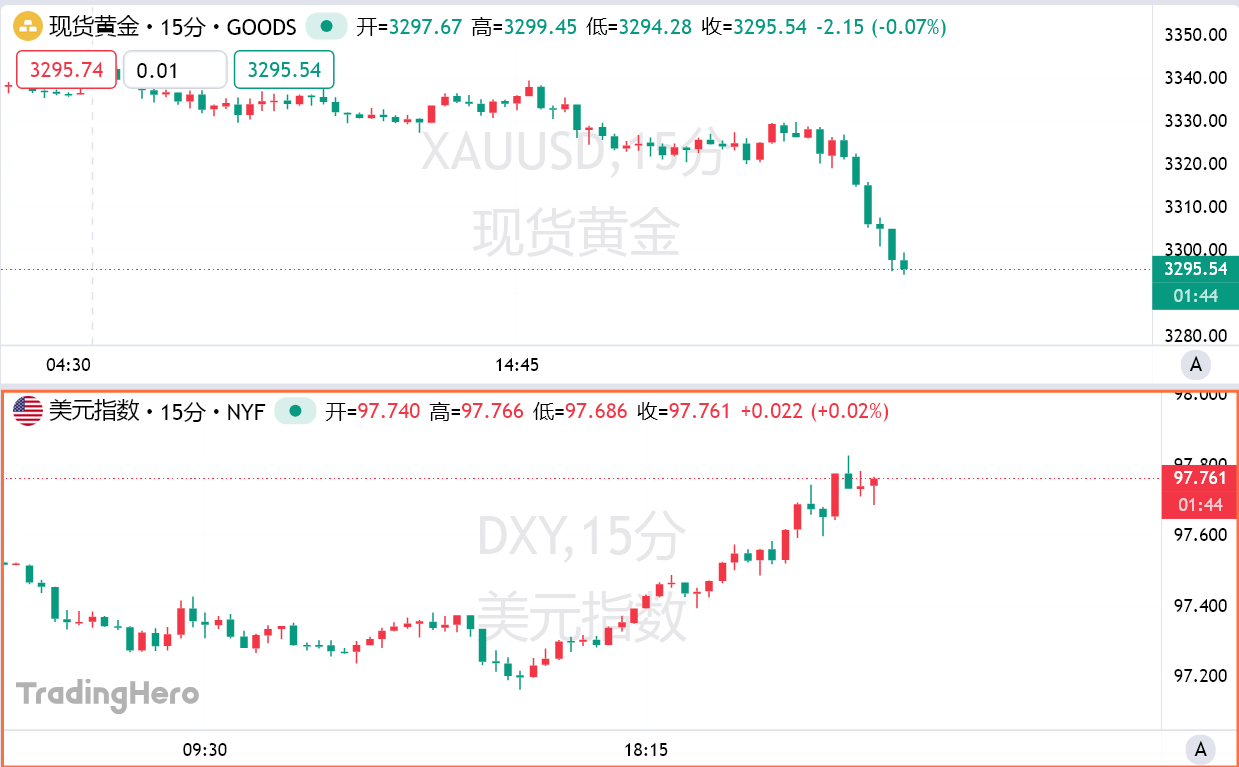
特朗普贸易战迎来新窗口期,黄金跌破3300美元关口!
Jin Shi Shu Ju· 2025-07-08 15:08
受美国与贸易伙伴谈判的乐观情绪影响,以及美元走强和美国国债收益率上升的进一步施压,作为避险资产的黄金周二下跌。 截至发稿,现货黄金日内跌幅达1.00%,跌破3300美元/盎司。基准10年期美国国债收益率触及逾两周高点,降低了无息黄金的吸引力;美元指数涨至近两周 高点。 与此同时,市场正等待周三公布的美国联邦储备委员会最新政策会议纪要,多位美联储官员本周将发表讲话,以更深入了解经济和央行的政策路径。 "关税对通胀的持续威胁可能会说服美联储推迟到明年再降息,这将限制黄金价格上涨,"资本经济学(Capital Economics)气候与大宗商品经济学家哈马德· 侯赛因(Hamad Hussain)称。投资者目前预计,美联储将从10月开始降息,到今年年底累计降息50个基点。 Fxstreet分析师指出,3300美元-3295美元区域可能会为黄金的下跌提供缓冲,在该区域下方,金价可能会加速下跌至3270美元水平区域附近的下一个相关支 撑位。这一下行轨迹可能最终会延长至3248-3247美元区间,即6月份的月度低点。 贵金属分析师ChristopherLewis仍认为,考虑到很多地缘政治事件,以及围绕关税战的不确定性,黄 ...

亚马逊(AMZN.US)Prime Day大促今日开启!美国消费者韧性面临特朗普关税政策考验
智通财经网· 2025-07-08 11:13
Core Viewpoint - Amazon's Prime Day event from July 8 to 11, 2025, is facing challenges due to the ongoing trade war initiated by former President Trump, which has led to fluctuating tariff policies affecting brand participation and consumer spending [1][2]. Group 1: Consumer Behavior and Spending - Despite resilient economic indicators, short-term consumer behavior, such as preemptive purchases before tariffs take effect, may obscure long-term trends [2]. - A survey indicated that 25% of respondents would skip Prime Day due to tariffs, while 57% would closely monitor price trends [2]. - Amazon's Prime Day is expected to provide insights into consumer spending patterns for the summer [2]. Group 2: Brand Participation and Pricing - Some brands, like Unilever's Blueair, have reduced the number of promotional products due to increased costs from tariffs, with discounts typically around 30% now being reconsidered [3]. - Approximately 60% of products on Amazon come from third-party sellers, some of whom are unable to offer discounts this year due to rising costs [2][3]. - Amazon's CEO stated that tariffs have not significantly raised prices, and the company is working with partners to maintain low prices and a diverse product selection [3]. Group 3: Sales Projections and Market Impact - Adobe predicts that Amazon and other U.S. retailers will achieve $23.8 billion in online sales during the four-day event [1]. - EMarketer estimates that U.S. consumers will spend nearly $13 billion on Amazon during Prime Day, accounting for 75% of all online spending during that period, up from 59% in 2024 [3]. - Morgan Stanley forecasts a 10% year-over-year increase in average daily sales during the extended event, despite ongoing macroeconomic pressures [3]. Group 4: Risks of Extended Promotion - Extending the duration of Prime Day may reduce the urgency that typically drives consumer purchases, potentially leading to increased cart abandonment [4].

中美谈妥了?特朗普态度180度转变,美国最想要的,中方答应了
Sou Hu Cai Jing· 2025-07-08 10:31
Group 1 - The core issue revolves around the U.S. President Trump's abrupt halt in trade negotiations with Canada due to Canada's proposed "digital services tax" on U.S. tech companies, which Trump labeled as a "blatant attack" [1] - The U.S. decision has thrown U.S.-Canada relations back into turmoil, despite previous agreements made during the G7 meeting to reach a new economic deal within 30 days [1] - As the 90-day suspension period for "reciprocal tariffs" approaches its end, countries like Japan and South Korea are actively negotiating with the U.S. regarding tariff issues [1][3] Group 2 - The Chinese Ministry of Commerce criticized the U.S. for its unilateral imposition of "reciprocal tariffs" since April, which they argue undermines the multilateral trade system and disrupts normal international trade order [3] - The number of countries reaching tariff agreements with the U.S. is significantly lower than expected, with only Vietnam and the UK making progress, while others remain in prolonged negotiations or adopt a wait-and-see approach [3] - Trump's frustration is evident as he publicly expressed concerns about the complexity of negotiations with over 170 countries still without agreements [3] Group 3 - Japan and South Korea are engaged in multiple rounds of negotiations with the U.S., but internal conflicts within Trump's team have complicated the discussions, leaving Japan uncertain about U.S. demands [5] - Despite the challenges, both Japan and South Korea are committed to pursuing trade agreements, with India's Prime Minister Modi also expressing a desire to resolve differences during his visit to the U.S. [5] - There are indications that Trump may visit China in the coming months with a large delegation of U.S. business leaders, aiming to focus on trade cooperation rather than conflict [5] Group 4 - In a recent interview, Trump stated that the U.S. is managing its relationship with China well, despite ongoing accusations against China regarding hacking and intellectual property theft [7] - The complexity of U.S.-China relations is attributed to extreme tendencies within the U.S. diplomatic decision-making, which have led to a misjudgment of the situation and potential crises [7] - The interdependence of U.S. and Chinese enterprises is highlighted as a stabilizing factor, suggesting that the trade war may conclude with the U.S. adopting a more conciliatory approach [7]
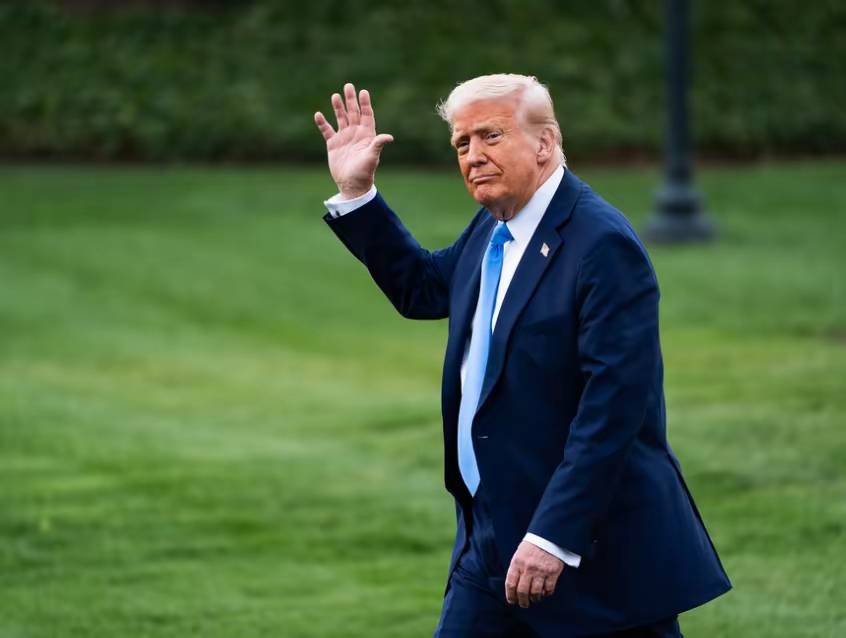
重税砸向亚洲后,美国财长第一时间喊话中国,好话说尽,老底全露
Sou Hu Cai Jing· 2025-07-08 10:13
Group 1 - The core point of the article highlights the contradiction in the U.S. approach towards its allies and China, where tariffs are imposed on Asian countries, including Japan and South Korea, while simultaneously seeking dialogue with China [1][3][5] - The U.S. has imposed tariffs of 25% on Japan and South Korea, and additional tariffs ranging from 32% to 40% on other Asian countries, indicating a strategy to curb China's influence in the region [3][11] - U.S. Treasury Secretary's remarks about the importance of U.S.-China relations and the need for face-to-face talks reflect the underlying anxiety within the U.S. regarding its economic dependencies, particularly on rare earth elements [5][9] Group 2 - The U.S. is facing economic challenges, with a projected GDP decline of 0.5% in Q1 2025 and increasing national debt exceeding $36 trillion, leading to a precarious financial situation [9] - The imposition of tariffs on countries closely tied to China aims to disrupt China's trade relationships in Southeast Asia, which could backfire by strengthening regional ties against U.S. pressure [11][13] - The recent tariff actions against Japan and South Korea may undermine U.S. strategic alliances in the Asia-Pacific region, potentially creating a strategic buffer for China [13][15]

瑞达期货集运指数(欧线)期货日报-20250708
Rui Da Qi Huo· 2025-07-08 09:52
明出处为瑞达期货股份有限公司研究院,且不得对本报告进行有悖原意的引用、删节和修改。 本报告中的信息均来源于公开可获得资料,瑞达期货股份有限公司力求准确可靠,但对这些信息的准确性及完整性不 做任何保证,据此投资,责任自负。本报告不构成个人投资建议,客户应考虑本报告中的任何意见或建议是否符合其特定状 | | | | 集运指数(欧线)期货日报 | | | 2025/7/8 | | --- | --- | --- | --- | --- | --- | --- | | 项目类别 数据指标 | | 最新 | 环比 | 数据指标 | 最新 | 环比 | | EC主力收盘价 | | 2006.200 | | 134.0↑ EC次主力收盘价 | 1394.7 | +53.50↑ | | 期货盘面 | EC2508-EC2510价差 +73.00↑ EC2508-EC2512价差 | 611.50 | | | 430.90 | +66.30↑ | | EC合约基差 | | 251.84 | -117.70↓ | | | | | 期货持仓头寸(手) EC主力持仓量 | | 35057 | 536↑ | | | | | SCFIS ...
谈判延期又施压加码 美最新关税动作怎么看
Xin Hua Wang· 2025-07-08 09:49
美国总统特朗普7日宣布将从8月1日起分别对来自日本、韩国等14个国家的进口产品征收25%至40%不 等的关税,并决定将"对等关税"暂缓期截止日期延长至8月1日。一些美国媒体将最新系列举措解读为升 级贸易战之举。 哪些国家面临美国最新关税威胁?金融市场和贸易伙伴如何回应美方动作?美政府将谈判延期又施压加 码背后有何意图? 哪些国家面临美最新关税威胁? 特朗普当天在社交媒体上陆续发布他写给日本、韩国等14国领导人的信函,称将从8月1日起对这些国家 征收25%到40%不等的关税。 根据信函,日本、韩国、马来西亚、突尼斯、哈萨克斯坦将被征收25%的关税,南非和波黑将被征收 30%的关税,印度尼西亚将被征收32%的关税,塞尔维亚和孟加拉国将被征收35%的关税,泰国和柬埔 寨将被征收36%的关税,老挝和缅甸则面临40%的关税。 同一天,特朗普签署行政令,延长"对等关税"90天暂缓期,将实施时间从7月9日推迟到8月1日。特朗普 表示,8月1日的期限不是"100%固定的",他将对此保持灵活性。 特朗普4月2日宣布开征所谓"对等关税",引发美国金融市场暴跌。在多方压力下,他又在4月9日宣布暂 缓对部分贸易对象征收高额"对等关税 ...
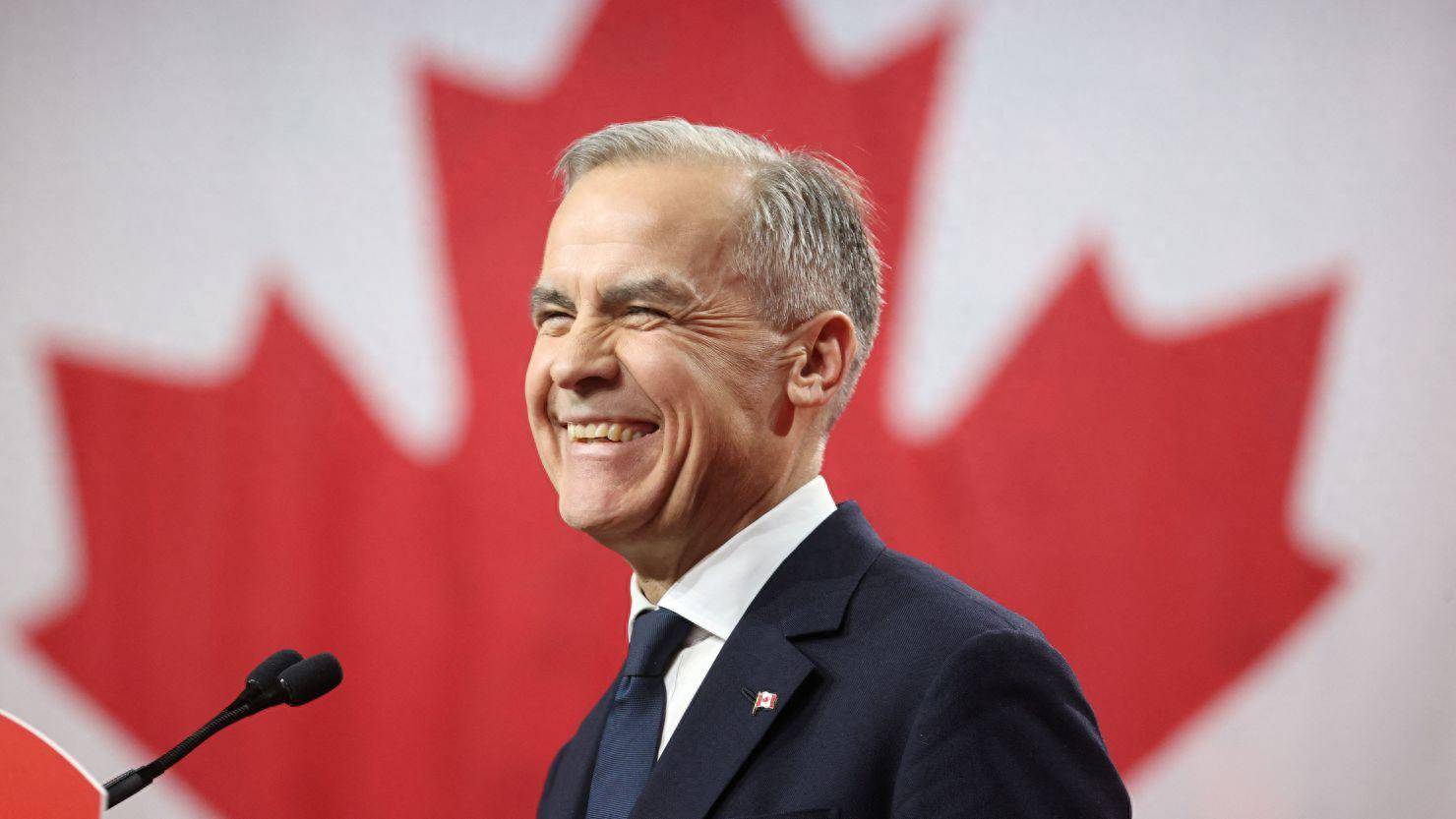
特朗普叫停谈判,不到24小时,加拿大封杀中企,中方已有言在先
Sou Hu Cai Jing· 2025-07-08 09:45
Group 1 - The trade conflict between Canada and the U.S. escalated after Canada announced a 25% tariff on U.S. imports that do not comply with the USMCA agreement, particularly targeting American automobiles [3] - Canada plans to impose a 3% digital services tax on major tech companies like Amazon, META, Google, and Apple, retroactively applying it to revenues exceeding $14.3 million since 2022 [3] - The economic disparity between Canada and China is highlighted, with China's GDP projected to be over seven times that of Canada in 2024, indicating Canada's limited capacity to confront the U.S. [5] Group 2 - Following Canada's firm stance, the U.S. responded by halting all trade negotiations until Canada retracts the digital services tax, with potential annual retaliatory tariffs of $2 billion on Canadian goods if investigations reveal subsidization or dumping [7] - Canada took measures against Chinese company Hikvision, citing national security concerns, which appears to be an attempt to gain favor with the U.S. despite lacking specific evidence of threat [7] - China has expressed strong opposition to any actions that sacrifice its interests for U.S. concessions, indicating potential repercussions for Canada's recent decisions [10]
银河期货原油期货早报-20250708
Yin He Qi Huo· 2025-07-08 09:39
Report Industry Investment Ratings No relevant content provided. Core Views - The oil market is expected to maintain a short - term shock pattern and turn bearish in the medium term due to OPEC's expected production increase and potential supply surplus after the peak season [2]. - The asphalt market shows a weak trend in the short term due to weak supply - demand fundamentals and expected cost loosening, with short - term prices fluctuating narrowly and cracking spreads remaining high [3][4]. - The liquefied gas market is expected to have a weak price trend due to reduced supply, weak combustion and chemical demand, and inventory reduction [8][9]. - The natural gas market in the US is expected to see price increases due to increased LNG exports and strong demand, while the European market is expected to be weak due to strong supply, weak demand, and reduced cooling needs [9]. - The fuel oil market shows different trends for high - sulfur and low - sulfur fuel oils. High - sulfur fuel oil has some demand support, while low - sulfur fuel oil has increasing supply and stable demand [12][13]. - The PX market is expected to follow the cost side in the short term due to tight supply and increasing demand [14]. - The PTA market is expected to fluctuate and consolidate in the short term due to increased supply, decreased downstream demand, and expected inventory accumulation [16]. - The ethylene glycol market is expected to fluctuate weakly in the short term due to increasing supply, expected inventory accumulation, and decreased downstream demand [18][19]. - The short - fiber market is expected to fluctuate and consolidate, with strong support for processing fees due to production cuts and weak downstream demand [20]. - The bottle - chip market is expected to follow the raw material side and fluctuate and consolidate in the short term due to production cuts and strong processing fee support [24]. - The styrene market is expected to fluctuate and consolidate due to increased supply, decreased demand, and increased inventory [26]. - The PVC market is expected to be under pressure in the second half of the year due to expected new production capacity, weak domestic demand, and limited export growth, with a strategy of shorting on rallies [29]. - The caustic soda market is expected to fluctuate strongly in the short term but face pressure from new production capacity in July - August, with attention to production and inventory changes [30]. - The plastic and PP markets are expected to be bearish in the short and medium term due to production capacity pressure, weak terminal demand, and a strategy of shorting on rallies [32]. - The glass market is expected to fluctuate weakly in the short term, with attention to production and sales, and in the medium term, to cost reduction and factory cold - repair [35]. - The soda ash market is expected to show a weak shock performance this week as the macro - logic may return to the industrial logic, with a bearish fundamental situation [38]. - The methanol market is expected to fluctuate in the short term due to increased supply, stable demand, and eased geopolitical conflicts [41]. - The urea market is expected to fluctuate due to high supply, weak demand, and uncertain export policies [42]. - The log market suggests waiting and seeing for the near - month contracts and paying attention to the 9 - 11 reverse spread [44][45]. - The double - offset paper market remains in a situation of weak supply and demand, with paper mills having a strong willingness to support prices due to cost pressure relief [46][48]. - The natural rubber and 20 - number rubber markets suggest holding short positions for the RU and NR main 09 contracts and holding the spread between RU2509 and NR2509 [50][51]. - The butadiene rubber market suggests short - selling the BR main 08 contract, waiting and seeing for the spread between BR2509 and NR2509, and selling the BR2509 call option [53][54]. - The pulp market suggests short - selling a small amount of the SP main 09 contract and holding the spread between 2*SP2509 and NR2509 [57]. Summaries by Directory Oil - **Market Review**: WTI2508 contract settled at $67.93, up $0.93 or 1.39% ; Brent2509 contract settled at $69.58, up $1.28 or 1.87% ; SC main contract 2508 fell to 501.3 yuan/barrel and then rose to 512 yuan/barrel at night [1]. - **Related News**: Trump postponed the "reciprocal" tariff effective date to August 1st and plans to raise tariffs significantly. OPEC+ may approve a production increase of about 550,000 barrels per day in September [1][2]. - **Logic Analysis**: OPEC's production increase expectation is strengthened, and the market may face a supply surplus after the peak season. However, the short - term supply - demand balance is tight, and oil prices are expected to remain stable in the short term and turn bearish in the medium term [2]. - **Trading Strategy**: Adopt a range - bound trading idea in the short term and be bearish in the medium term for single - side trading; keep an eye on the stabilization of gasoline and diesel cracking spreads for arbitrage; and wait and see for options [2]. Asphalt - **Market Review**: BU2509 closed at 3594 points (+0.90%) at night, and BU2512 closed at 3396 points (+0.80%) at night. Spot prices vary by region [3]. - **Related News**: The mainstream transaction price in Shandong decreased, while that in the Yangtze River Delta increased, and that in South China remained stable [3][4]. - **Logic Analysis**: Supply - demand fundamentals are weak, and cost is expected to loosen. The short - term price will fluctuate narrowly, and the cracking spread will remain high [3][4]. - **Trading Strategy**: Single - side trading: fluctuate; arbitrage: the asphalt - oil spread rebounds as oil prices weaken in the short term; options: wait and see [4][6]. Liquefied Gas - **Market Review**: PG2508 closed at 4193 (+0.34%) at night, and PG2509 closed at 4088 (+0.25%) at night. Spot prices vary by region [6]. - **Related News**: The market in South China is stable with weak demand; the market in Shandong has different trends for civil gas and ether - post carbon four; the market in East China is generally stable with some weakness [6][7]. - **Logic Analysis**: Supply decreases, demand in both combustion and chemical fields weakens, and inventories are reduced. The price is expected to be weak [8][9]. - **Trading Strategy**: Single - side trading: weak operation [9]. Natural Gas - **Market Review**: TTF closed at 33.621 (+0.45%), HH closed at 3.401 (+0.09%), and JKM closed at 12.44 (+1.47%) [9]. - **Logic Analysis**: US natural gas production decreases, demand is strong, and LNG exports increase, so prices are expected to rise. European natural gas prices are weak due to strong supply, weak demand, and reduced cooling needs [9]. - **Trading Strategy**: Single - side trading: go long on HH at low prices and expect TTF to fluctuate [9][10]. Fuel Oil - **Market Review**: FU09 contract closed at 2971 (+1.05%) at night, and LU09 closed at 3670 (+1.89%) at night. Singapore paper - cargo spreads remain stable [10]. - **Related News**: Indonesia bids to sell fuel oil, and India's fuel consumption decreases in June [10][12]. - **Logic Analysis**: High - sulfur fuel oil has demand support from seasonal power generation and procurement in Egypt and Saudi Arabia. Low - sulfur fuel oil has increasing supply and stable demand [12][13]. - **Trading Strategy**: Single - side trading: wait and see; arbitrage: pay attention to the digestion rhythm of near - term high - sulfur spot and consider going long on the FU91 positive spread at low prices [12][13]. PX - **Market Review**: PX2509 main contract closed at 6684 (+0.18%) during the day and 6706 (+0.33%) at night. Spot prices rebounded slightly [14]. - **Related News**: The sales of polyester yarn in Jiangsu and Zhejiang are weak [14]. - **Logic Analysis**: PX inventory is low, supply is tight, and downstream demand is expected to increase. It is expected to follow the cost side in the short term [14]. - **Trading Strategy**: Single - side trading: fluctuate and consolidate; arbitrage: wait and see; options: wait and see [14][15]. PTA - **Market Review**: TA509 main contract closed at 4710 (+0.00%) during the day and 4720 (+0.21%) at night. Spot prices and basis are provided [15]. - **Related News**: The sales of polyester yarn in Jiangsu and Zhejiang are weak, and a PTA device resumes normal operation [15][16]. - **Logic Analysis**: Supply increases, downstream demand decreases, and inventory accumulation is expected. The price is expected to fluctuate and consolidate in the short term [16]. - **Trading Strategy**: Single - side trading: fluctuate and consolidate; arbitrage: wait and see; options: wait and see [16][15]. Ethylene Glycol - **Market Review**: EG2509 main contract closed at 4279 (+0.05%) during the day and 4279 (+0.00%) at night. Spot prices and basis are provided [16]. - **Related News**: The sales of polyester yarn in Jiangsu and Zhejiang are weak, and port inventory increases [16][17]. - **Logic Analysis**: Supply increases, downstream demand decreases, and inventory accumulation is expected in August - September. The price is expected to fluctuate weakly in the short term [18][19]. - **Trading Strategy**: Single - side trading: fluctuate weakly; arbitrage: wait and see; options: wait and see [19][20]. Short - Fiber - **Market Review**: PF2508 main contract closed at 6518 (+0.06%) during the day and 6526 (+0.12%) at night. Spot prices vary by region [20]. - **Related News**: The sales of polyester yarn in Jiangsu and Zhejiang are weak [20]. - **Logic Analysis**: Some factories cut production, processing margins expand, and downstream demand is weak. Processing fees are expected to be strongly supported [20]. - **Trading Strategy**: Single - side trading: fluctuate and consolidate; arbitrage: short PTA and long PF; options: wait and see [20][22]. Bottle - Chip - **Market Review**: PR2509 main contract closed at 5872 (+0.03%) during the day and 5874 (+0.03%) at night. Spot market trading is light [23]. - **Related News**: Some bottle - chip factories plan to cut production [23][24]. - **Logic Analysis**: Processing fees are strong due to production cuts. The price is expected to follow the raw material side and fluctuate and consolidate in the short term [24]. - **Trading Strategy**: Single - side trading: fluctuate and consolidate; arbitrage: wait and see; options: wait and see [24]. Styrene - **Market Review**: EB2508 main contract closed at 7337 (-0.04%) during the day and 7382 (+0.61%) at night. Spot prices and basis are provided [24][25]. - **Related News**: Port inventories of styrene and pure benzene increase [26]. - **Logic Analysis**: Supply increases, demand decreases, and inventories rise. The price is expected to fluctuate and consolidate [26]. - **Trading Strategy**: Single - side trading: fluctuate and consolidate; arbitrage: wait and see; options: sell call options [26][27]. PVC and Caustic Soda - **Market Review**: PVC spot prices decrease slightly, and caustic soda spot prices increase in some areas [27]. - **Related News**: The price of liquid chlorine in Shandong decreases, and the purchase price of caustic soda by some alumina factories increases [28][29]. - **Logic Analysis**: PVC faces over - supply in the second half of the year and is under price pressure; caustic soda may fluctuate strongly in the short term but faces pressure from new production capacity in July - August [29][30]. - **Trading Strategy**: Single - side trading: caustic soda fluctuates strongly in the short term; PVC is bearish and suggests short - selling on rallies; arbitrage: wait and see; options: wait and see [30][31]. Plastic and PP - **Market Review**: LLDPE prices in some regions decrease, and PP prices in different regions also show declines [32]. - **Related News**: The PE maintenance ratio decreases, and the PP maintenance ratio increases [32]. - **Logic Analysis**: There is production capacity pressure in the third quarter, and demand is weak. It is recommended to short on rallies [32]. - **Trading Strategy**: Single - side trading: bearish in the short and medium term; arbitrage: wait and see; options: wait and see [32][33]. Glass - **Market Review**: The glass futures main 09 contract closed at 1019 yuan/ton (-0.68%) and remained unchanged at night. Spot prices vary by region [34]. - **Related News**: Soda ash inventory increases, LOW - E glass sample enterprise开工率 decreases, and the glass market has different trends in different regions [35]. - **Logic Analysis**: The price is difficult to rise continuously due to cost reduction and weak demand. It is expected to fluctuate weakly in the short term and pay attention to cost reduction and factory cold - repair in the medium term [35]. - **Trading Strategy**: Single - side trading: fluctuate weakly as the macro - logic returns to the industrial logic; arbitrage: wait and see; options: sell call options [35][36]. Soda Ash - **Market Review**: The soda ash futures main 09 contract closed at 1168 yuan/ton (-0.5%) and rose to 1172 yuan at night. Spot prices vary by region [37]. - **Related News**: Soda ash inventory increases, production and开工率 increase, and downstream demand is general [38]. - **Logic Analysis**: The price is affected by factors such as supply, demand, and inventory. It is expected to show a weak shock performance this week as the macro - logic returns to the industrial logic [38]. - **Trading Strategy**: Single - side trading: fluctuate weakly this week; arbitrage: wait and see; options: sell call options [38][39]. Methanol - **Market Review**: The methanol futures closed at 2386 (-0.29%). Spot prices vary by region [40]. - **Related News**: International methanol production increases [40]. - **Logic Analysis**: Supply is abundant, demand is stable, and geopolitical conflicts ease. The price is expected to fluctuate in the short term [41]. - **Trading Strategy**: Single - side trading: fluctuate; arbitrage: wait and see; options: sell call options [41]. Urea - **Market Review**: The urea futures closed at 1748 (-0.34%). Spot prices rise slightly [42]. - **Related News**: Urea daily production increases, and production enterprise inventory decreases but remains high [42]. - **Logic Analysis**: Supply is high, demand is weak, and export policies are uncertain. The price is expected to fluctuate [42]. - **Trading Strategy**: Single - side trading: fluctuate; arbitrage: wait and see; options: sell call options on rebounds [42][43]. Log - **Related News**: Log spot prices are stable, and the number of incoming ships of New Zealand logs decreases [44]. - **Logic Analysis**: Downstream demand is still weak, and the price support and trading volume need further consideration. The difference between standard and market scales supports the current price [44][45]. - **Trading Strategy**: Single - side trading: wait and see for near - month contracts; arbitrage: pay attention to the 9 - 11 reverse spread; options: wait and see [44][45]. Double - Offset Paper - **Related News**: The double - offset paper market is stable, with paper mills stabilizing prices and social demand in the off - season [46]. - **Logic Analysis**: Supply and demand are both weak, but the supply - demand relationship is partially alleviated by autumn publication orders. Paper mills have a strong willingness to support prices due to cost pressure relief [46][48]. - **Trading Strategy**: No specific trading strategy provided. Natural Rubber and 20 - Number Rubber - **Market Review**: RU main 09 contract closed at 13950 (-0.14%), NR main 09 contract closed at 11990 (-0.33%) [48][49]. - **Related News**: Thailand's rubber production is expected to increase [49]. - **Logic Analysis**: The El Niño index has a negative impact on RU, and inventory has different trends in different areas [50][51]. - **Trading Strategy**: Single - side trading: hold short positions for RU and NR main 09 contracts; arbitrage: hold the spread
贸易战被特朗普玩成“打地鼠游戏”,这场斗争恐怕没有结局!
Jin Shi Shu Ju· 2025-07-08 09:35
但事实上,日本免税进口的大米中,已有一半来自美国;而美国对全球的大米出口总额仅约20亿美元, 远低于2019年日本旅游业为美国经济贡献的130亿美元(美国国务院数据)。即便如此,特朗普及其发 言人卡罗琳·莱维特(Karoline Leavitt)仍揪着这一问题不放。 AI播客:换个方式听新闻 下载mp3 音频由扣子空间生成 从南非到马来西亚,与白宫谈判贸易协议的各国谈判者们得到的"奖励"是:在高压环境中多等待三周。 周一,美国总统特朗普再次延长各国达成双边贸易协议的截止日期,此次延至8月1日。他的声明带着威 胁意味——在给多国领导人的信函中称,下月起这些国家的出口将面临25%至40%的关税。 市场分析师Gabriel Rubin表示,这实则是对其"解放日"关税威胁的重申,而他这种"打地鼠式"的诉求, 预示着即便达成协议,前景也不容乐观。 Rubin指出,日本和韩国的经历堪称前车之鉴。特朗普4月的贸易声明中,分别对两国加征24%和25%的 关税,随后为谈判而推迟实施。此后,他又抱怨日本进口的美国大米和汽车太少。 韩国的遭遇则体现了"未能满足特朗普突发奇想"的代价。韩国与美国2012年生效的自由贸易协定,并未 阻 ...