即时零售

Search documents
2025服贸会|美团闪购休食行业负责人刘国庆:即时零售赋能休食产业发展,下沉市场增长潜力显著
Bei Jing Shang Bao· 2025-09-10 14:57
Group 1 - The core viewpoint of the article highlights the significant growth of the ready-to-eat food sector driven by instant retail, particularly through Meituan's flash purchase service [1] - Since the launch of Meituan's flash purchase, the ready-to-eat food category has experienced rapid growth, with increased penetration in lower-tier markets [1] - The collaboration between the well-known snack brand "Hao Xiang Lai" and Meituan's flash purchase has resulted in a monthly order surge to nearly 2 million orders within just four months of partnership [1]

大众点评重启品质外卖 美团欲凭“真实评价”对阵
2 1 Shi Ji Jing Ji Bao Dao· 2025-09-10 12:57
Core Insights - The competition strategy of food delivery platforms is shifting towards deeper exploration of "quality" and "value," with differentiation strategies reshaping the industry landscape [1] - Meituan has relaunched its quality delivery service, leveraging AI and real user reviews to enhance decision-making for consumers [1][2] - The food delivery market has seen significant growth, with JD's new business revenue increasing by 199% year-on-year, and Meituan's core local business revenue rising by 7.7% to 65.3 billion yuan [1][3] Group 1: Market Developments - Meituan's quality delivery service aims to filter high-rated restaurants, showcasing user ratings and reviews to fill the decision-making gap for consumers [2] - Dazhong Dianping has integrated over one million high-rated restaurants into its quality delivery service, enhancing user experience with detailed ratings and tags [2][3] - Taobao Shanguo has achieved a peak daily order volume of 120 million, indicating strong market performance and synergy with other platforms [1][3] Group 2: Competitive Landscape - The competition among platforms is intensifying, with various subsidy strategies being employed, leading to significant impacts on profitability [6] - High-profile partnerships, such as JD's collaboration with Jinjiang Hotels, are seen as strategic moves to expand food delivery services [3] - Analysts suggest that while competition is fierce, platforms are beginning to adopt differentiated paths, focusing on refined operations and value extraction rather than mere scale [3][5] Group 3: Regulatory Environment - The market regulator has engaged with major food delivery platforms to ensure compliance with laws and to promote fair competition, emphasizing the need for quality service and consumer protection [7] - The regulator's focus includes controlling subsidies to avoid disrupting the normal pricing system and enhancing support for merchants and rider rights [7]
品牌深度| 外卖大战只是前菜,阿里杀向美团“核心”
Guan Cha Zhe Wang· 2025-09-10 12:18
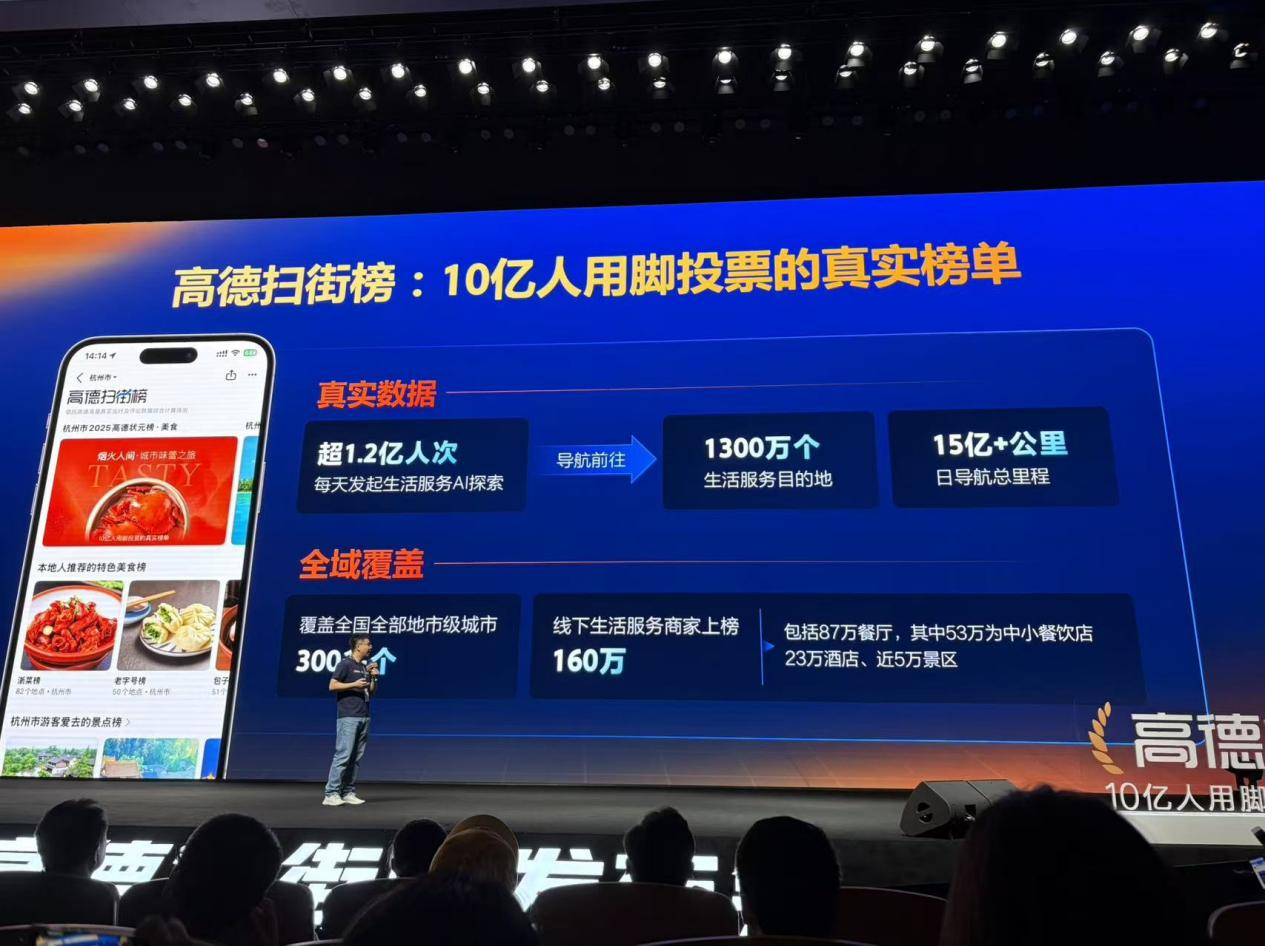
Core Viewpoint - The upcoming competition between Alibaba and Meituan in the local service sector is expected to be the most intense in the past decade of the Chinese internet, particularly with the launch of Gaode's "Street Ranking" product aimed at reshaping the evaluation system for offline services [1][21]. Group 1: Market Dynamics - Gaode's launch of the "Street Ranking" is seen as a strategic move to enhance its presence in the local service market, leveraging its 170 million daily active users (DAU) to create a super entry point for lifestyle services [1][4]. - The competition is not just about food delivery but encompasses a broader battle for market share in local services, with Meituan's business model relying heavily on high-margin in-store and travel services [3][4]. - The outcome of this battle could significantly reshape the competitive landscape of the Chinese internet industry, moving from a previously polarized market to a more diversified one with multiple strong players [4][21]. Group 2: Financial Insights - Meituan's 2021 financial report indicated that its food delivery business had a profit margin of only 6.4%, while its in-store and travel services boasted a much higher profit margin of 43.3% [6][7]. - In 2024, Meituan's core local business revenue is projected to grow by 20.9% year-on-year, reaching RMB 250.2 billion, with operating profit increasing by 35.4% to RMB 52.4 billion [8][9]. - The global average operating profit margin for major food delivery platforms is only 2.2%, highlighting the low profitability of the food delivery sector compared to in-store services [6][8]. Group 3: Strategic Implications - If Alibaba succeeds, it could integrate various local services into a unified credit system based on real consumer behavior, significantly reducing decision-making costs for consumers [4][19]. - Conversely, if Meituan prevails, it would solidify its dominant position in local services, demonstrating the sustainability of its high-frequency, high-commitment business model [4][12]. - The competition is characterized as a cognitive and psychological battle, where both companies aim to influence consumer decision-making and establish a new credit system for offline consumption [17][27]. Group 4: Competitive Landscape - The rivalry is expected to be less about aggressive cash-burning strategies and more about establishing a new consumer mindset and experience [27][34]. - Both companies are likely to emerge as winners in different aspects, as the competition fosters innovation and efficiency in the local service market [21][25]. - The battle will test each company's ability to adapt and respond to market changes, with Alibaba's recent strategic focus on cloud and AI infrastructure enhancing its competitive edge [10][24].


外卖“三国杀”亏200亿,顺风赢麻,漏赚1.37亿!
Jin Tou Wang· 2025-09-10 10:06
Core Insights - The competition among Meituan, JD, and Alibaba in the food delivery market has led to significant profit declines, with Meituan's net profit down 89%, JD's down 50%, and Alibaba's down 18%, resulting in a total loss of 20 billion [1] - Consumers benefit from the price wars, enjoying substantial discounts on food delivery and beverages [2] - The real winners in this battle are the underlying players like major restaurant chains and third-party delivery services, which have seen increased order volumes and revenues due to the intense competition [4] Company Performance - Meituan, JD, and Alibaba have all reported substantial declines in net profits due to aggressive subsidy strategies [1] - Despite the losses, companies like SF Express have experienced significant growth, with SF Express's revenue reaching 10.24 billion, a 49% increase, and net profit rising by 120% [4] - SF Express has diversified its business, accumulating a large customer base across 28 industries, which has contributed to its resilience against the food delivery market's volatility [7][8] Market Dynamics - The food delivery subsidy war is expected to continue as companies aim for a larger share of the instant retail market, projected to reach 2 trillion by 2030 [5][11] - Instant retail encompasses a wide range of products beyond food, including electronics and clothing, indicating a shift in consumer purchasing behavior towards immediate delivery [7] - The competition is intensifying as major players like JD and Alibaba expand their logistics capabilities, indicating a shift towards a more integrated local service ecosystem [11] Future Outlook - The instant delivery market is evolving into a "scale game," where companies must leverage scale advantages to enhance service depth and cost efficiency [12] - The shift towards instant retail is seen as a long-term trend rather than a temporary phenomenon, emphasizing the need for businesses to adapt to changing consumer expectations [13] - SF Express's use of AI and autonomous delivery vehicles is enhancing operational efficiency and safety, positioning it favorably in a competitive landscape [8]

顺丰同城(09699):深度报告:三方即时配送领军者,品质与协同共筑护城河
Changjiang Securities· 2025-09-10 09:36
Investment Rating - The report assigns a "Buy" rating for the company, marking its first coverage [11][13]. Core Viewpoints - The company is positioned as a leading third-party instant delivery platform in China, benefiting from the rapid growth of instant retail and the increasing demand for delivery services [4][11]. - The company's unique market positioning and service model have created a scarcity barrier in delivery capacity, which is expected to drive profitability as order volumes and rider efficiency improve [4][11]. Summary by Sections Company Overview - The company, Shunfeng Tongcheng, is the largest third-party instant delivery platform in China, providing a flexible delivery network for various consumer needs [8][18]. - The main business segments include delivery services for merchants (42% of revenue), personal errands (15%), and express collection and delivery services (42%) [8][18]. Instant Retail Growth - Instant retail is experiencing explosive growth, driven by a shift in consumer behavior towards convenience and immediate consumption [9][39]. - The market is expected to expand significantly, with projections indicating that the instant retail market could exceed 700 billion yuan by 2025 [52]. Delivery Infrastructure - Instant delivery serves as the foundational infrastructure for instant retail, with a focus on building a robust rider network to meet increasing order volumes [10][74]. - The company employs a "quasi-direct" management model for riders, ensuring high service quality and operational efficiency [10][74]. Financial Performance - The company achieved its first annual profit in 2023, with net profit expected to double to 1.3 billion yuan in 2024 [11][35]. - Revenue growth is driven by a compound annual growth rate (CAGR) of 24.4% from 2021 to 2024, with significant contributions from all business segments [35][36]. Market Positioning - The company maintains a neutral market position, allowing it to serve a wide range of clients without favoring specific channels [11][18]. - Strong collaboration with the parent company, Shunfeng Group, enhances operational efficiency and cost reduction in last-mile delivery [11][18].
人工客服都去哪了?
Sou Hu Cai Jing· 2025-09-10 08:44
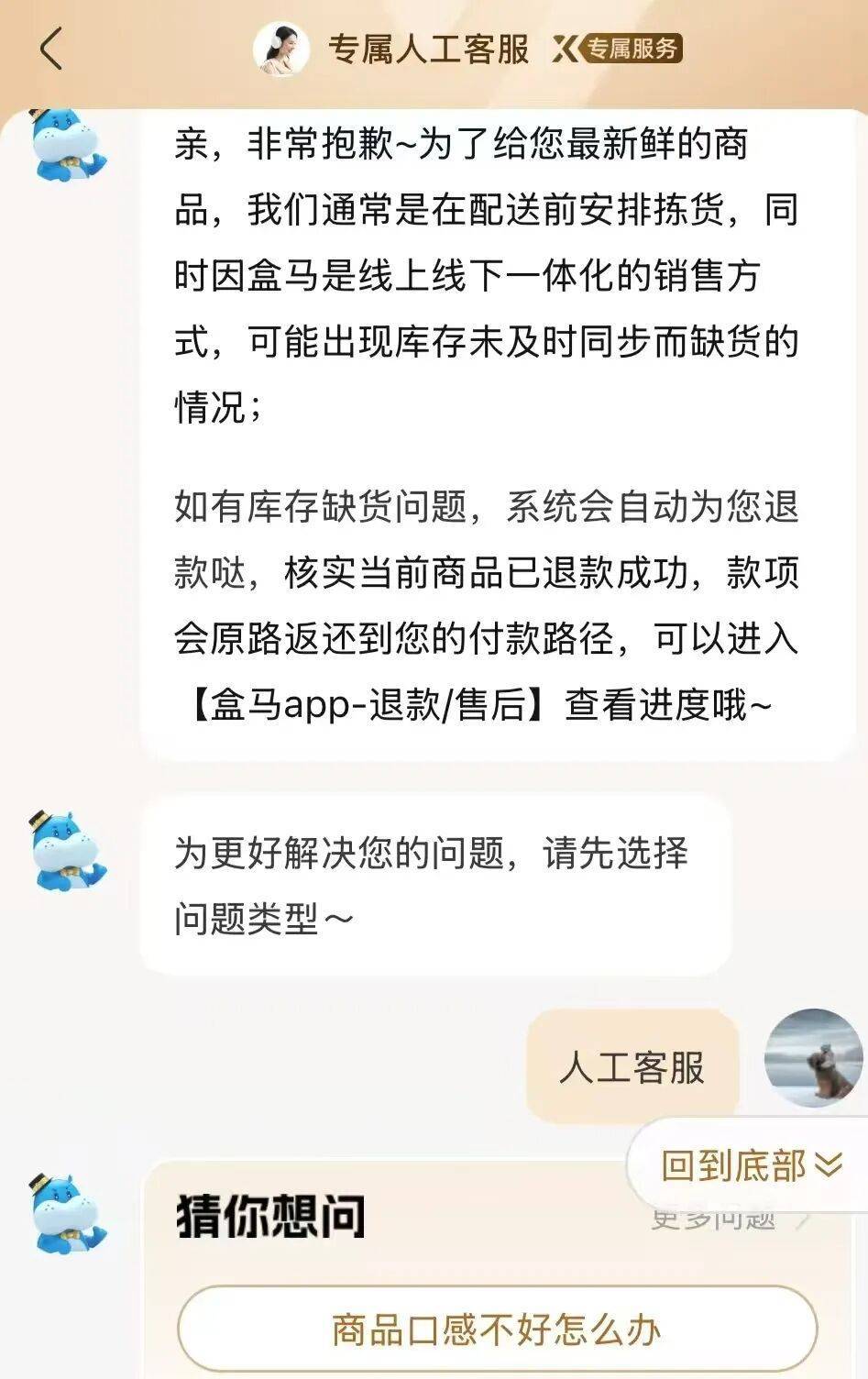
Core Viewpoint - The article highlights the challenges faced by consumers in the instant retail sector, particularly regarding customer service and communication issues when problems arise with orders [1][3]. Group 1: Consumer Experience - Consumers are often left without adequate support when issues occur, such as receiving incorrect orders or experiencing automatic refunds without prior notification [1][3]. - The lack of effective communication from platforms, particularly through automated customer service, leads to frustration and a poor consumer experience [3]. Group 2: Industry Practices - The article criticizes the practice of platforms using automated refunds without informing consumers, which undermines their rights to be informed and to choose alternatives like waiting, exchanging, or refunding [3]. - Some platforms, like Meituan and JD.com, have implemented better practices by offering consumers options when items are out of stock, demonstrating that service quality can be improved through better communication [3]. Group 3: Regulatory Environment - There is a call for regulatory bodies to establish standards for the use of intelligent customer service, including response times for transferring to human agents and ensuring consumer rights are protected [3]. - The current increase in complaints related to intelligent customer service indicates a need for improved industry standards and oversight [3]. Group 4: Market Dynamics - Despite ongoing losses, major delivery platforms continue to invest heavily in subsidies and market competition, raising questions about the sustainability of such practices [3]. - The article emphasizes that the ultimate success in the delivery market will depend on the quality of service provided to consumers, rather than just order volume or technological efficiency [3].
硅鲸科技CEO赵绍辉:阿里 美团 京东 拼多多财报呈现“增收不增利”的共性特征
Sou Hu Cai Jing· 2025-09-08 02:25
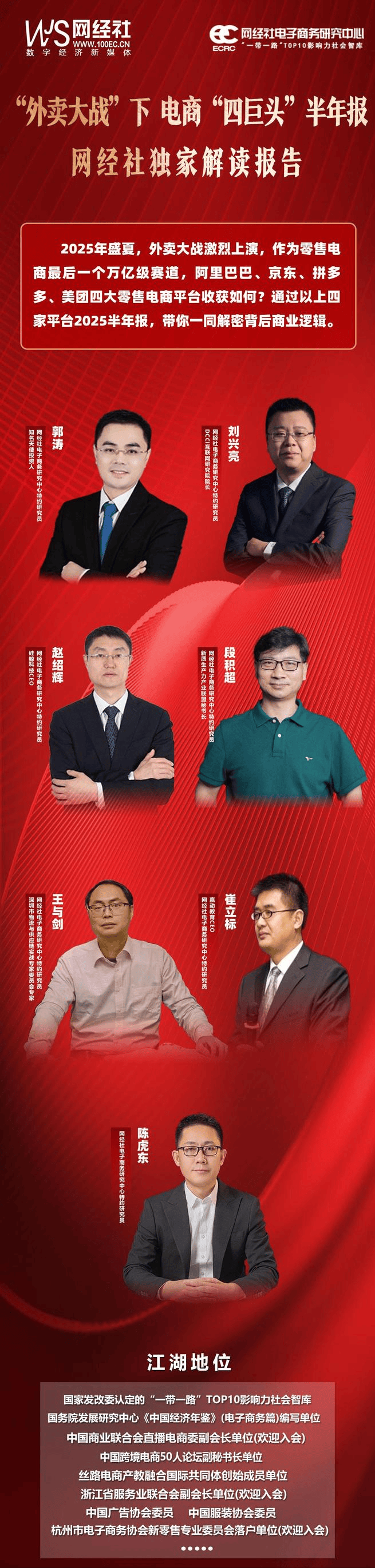
Group 1 - The core viewpoint of the article discusses the competitive landscape of the food delivery market in 2025, focusing on the performance of four major retail e-commerce platforms: Alibaba, JD.com, Pinduoduo, and Meituan [1] Group 2 - Financial highlights and key indicators reveal that all four platforms exhibit a common trait of "increased revenue without increased profit," with significant differences in strategic direction and performance [8] - Alibaba's highlights include: - Instant retail revenue reaching 14.78 billion yuan, a 12% year-on-year increase, contributing to a 25% growth in monthly active users on the Taobao app, despite an expected loss of 22 billion yuan in instant e-commerce [8] - Cloud intelligence revenue of 33.398 billion yuan, a 26% year-on-year increase, with capital expenditure on AI rising 220% to 38 billion yuan [8] - International digital commerce group revenue of 34.741 billion yuan, a 19% year-on-year increase [8] - JD.com highlights include: - Revenue of 356.7 billion yuan, a 22% year-on-year increase [8] - Retail business revenue growth of 20.6%, achieving a new profit margin high during promotional seasons [8] - Daily order volume for food delivery surpassing 25 million, supported by 150,000 full-time delivery riders [8] - Meituan highlights include: - Revenue of 91.84 billion yuan, an 11.7% year-on-year increase [9] - Core local business revenue of 65.3 billion yuan, a 7.7% year-on-year increase, with annual user transaction frequency rising to 45 times [9] - New business revenue of 26.5 billion yuan, a 22.8% year-on-year increase [9] - Pinduoduo highlights include: - Revenue of 104 billion yuan, with growth slowing to 7% [9] - Initiatives like "2025 Duohuo Specialty Products" and "New Quality Merchant Support Plan" [9] - A model combining farmers, cooperatives, and e-commerce driving over 40% growth in agricultural product sales [9] Group 3 - The balance between short-term profits and long-term investments is crucial, with strategies including maintaining cash cow businesses, heavy investments in new growth engines, and setting loss limits for long-term innovations [10] - Corporate social responsibility and entrepreneurial spirit play a key role, as seen in JD.com's provision of social insurance for delivery workers and Pinduoduo's initiatives to support agricultural products [11] Group 4 - The industry is transitioning from a phase of "burning money for market share" to a focus on value creation, with a consensus on green consumption, smart technology, and experience upgrades by 2025 [12][13]
高盛:对美团-W(03690)本地服务领导地位充满信心 维持目标价144港元
智通财经网· 2025-09-08 02:20
Group 1 - Goldman Sachs expresses confidence in Meituan-W's (03690) leadership position in the expanded total addressable market (TAM) for local services [1] - The firm anticipates that food delivery subsidies will gradually normalize by 2026 [1] - The target price is maintained at HKD 144 with a "Buy" rating [1] Group 2 - Key investor concerns include the latest food delivery competition landscape and Meituan's unique positioning [1] - Other focal points are the competition and profit margin trends in the in-store business, growth and profitability prospects of instant retail, and the expansion and investment scale of Keeta [1] - The impact of AI strategies and the narrowing losses of new businesses are also significant areas of interest [1]
盒马一天开17店,奥乐齐降价30%,上海零售硬折扣创新模式
Sou Hu Cai Jing· 2025-09-08 02:14
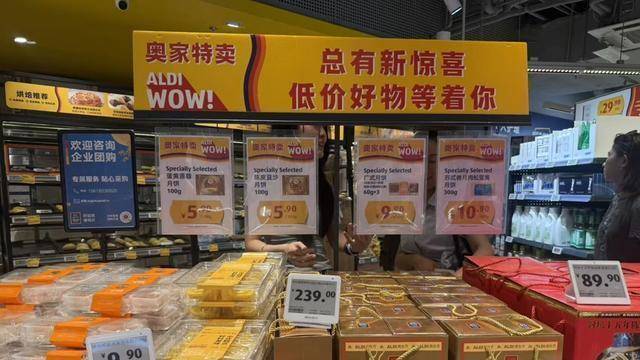
Core Insights - Shanghai is experiencing a significant shift in its retail landscape driven by hard discount strategies, with companies like Hema and Aldi leading the charge [1][4] - The hard discount model is characterized by low prices and high efficiency, but it faces challenges such as low profit margins and operational complexities [2][4] Group 1: Company Strategies - Hema's "Super Box" community supermarket is rapidly expanding, opening 17 new stores in the Yangtze River Delta, focusing on affordability and reliability [1] - Aldi has reduced prices on essential goods by nearly 30%, emphasizing a no-membership, no-bundling approach to attract consumers [1] - Hema's strategy includes a streamlined SKU count of 1,500 and store sizes of 600 to 800 square meters, aiming for high turnover and repeat purchases [1][2] Group 2: Market Dynamics - The low-price trend is supported by Shanghai's mature supply chain network, enabling precise cost management for fresh produce [2][4] - The average gross margin in the industry hovers between 10-15%, posing a challenge to profitability for hard discount retailers [2] - The integration of instant retail is enhancing the hard discount model, transforming stores into fulfillment centers for rapid delivery within a 3-kilometer radius [2][4] Group 3: Consumer Behavior - Consumers are increasingly valuing "cheap but not bad" products, challenging the notion that low prices equate to poor quality [6][8] - The success of hard discount models relies on a robust ecosystem, including supplier cooperation and efficient logistics [6][8] Group 4: Operational Challenges - High rental and labor costs in Shanghai necessitate extreme operational efficiency, which can lead to cost pressures being passed on to consumers [4] - Issues such as inconsistent restocking and checkout congestion during peak times reveal vulnerabilities in the hard discount model [4][8] - The reliance on private labels and centralized purchasing for cost advantages may expose companies to risks if supply chain disruptions occur [4][8]
外卖大战下,打不垮的“夫妻店”|一线
吴晓波频道· 2025-09-08 00:30
Core Viewpoint - The article discusses the impact of the recent food delivery war on small and micro businesses, highlighting the decline in profit margins and the challenges faced by local eateries amidst aggressive competition from major platforms [2][3][7]. Group 1: Market Dynamics - The food delivery market has significantly expanded, with daily orders from major platforms reaching 250 million, up from 80 million before the competition intensified [4]. - Major platforms like Meituan, JD, and Alibaba reported a combined profit drop of over 20 billion yuan in the second quarter, with net profits down 89%, 50.8%, and 18% respectively [3][5]. - The competition has led to a substantial increase in user engagement, with Taobao's flash purchase orders peaking at 12 million daily and Meituan maintaining a dominant market share with over 15 million daily orders [5]. Group 2: Impact on Small Businesses - Small and micro businesses, particularly those with low average transaction values, have seen profit margins decline by 7.2% overall, with those under 20 yuan experiencing a 12.61% drop [7][10]. - Community-based eateries, often family-run, are struggling as consumer preferences shift towards cheaper delivery options, leading to a decrease in foot traffic and profitability [12][13]. - Many small business owners report that participation in delivery services often results in losses, as they are forced to subsidize delivery costs while receiving only half the profit compared to dine-in orders [15][16]. Group 3: Survival Strategies - Some small businesses have adapted by focusing on enhancing the dine-in experience, using delivery as a supplementary channel rather than a primary revenue source [21][26]. - Successful examples include eateries that maintain a strong local presence and customer loyalty by offering unique dining experiences and quality service, which helps convert delivery customers into dine-in patrons [26][31]. - The article suggests that the future of small eateries may involve either enhancing dine-in experiences or embracing retail trends, similar to successful models seen in Japan and Singapore [34][39][43].