关税战

Search documents
建信期货集运指数日报-20250424
Jian Xin Qi Huo· 2025-04-23 23:39
Report Overview - Report Title: Container Shipping Index Daily Report - Date: April 24, 2025 - Industry: Container Shipping - Research Team: Macro Financial Team - Researchers: He Zhuoqiao, Huang Wenxin, Nie Jiayi [3] 1. Report Industry Investment Rating - Not provided in the report 2. Report's Core View - The US releasing signs of easing tensions boosts market expectations, but the price increase in the spot market in May is insufficient. Airlines are continuing to lower their late-April quotes, and the early-May quotes are basically the same as those in late April. The market should pay short-term attention to the possible oversold rebound due to the easing of Sino-US frictions, while the far-month contracts may face greater downward risks [8] 3. Summary by Relevant Catalogs 3.1行情回顾与操作建议 (Market Review and Operation Suggestions) - **Market Situation**: The US releasing signs of easing tensions boosts market expectations, but the price increase in the spot market in May is insufficient. Airlines are continuing to lower their late-April quotes, and the early-May quotes are basically the same as those in late April. The large container quotes are mostly in the range of $1900 - 2200, while the HPL quotes are relatively high at around $3000 and are further raised to $4000 for the second half of May. However, there is no collective price support action from shipping alliances yet. On the supply side, due to high US tariffs and port fees on Chinese shipping and shipbuilding industries, the demand on the US route has dropped significantly, and the freight rates have declined. Airlines are diverting ships from the US route to other routes, which may increase supply pressure and make price increases more difficult [8] - **Operation Suggestions**: Pay short-term attention to the possible oversold rebound due to the easing of Sino-US frictions, while the far-month contracts may face greater downward risks [8] 3.2行业要闻 (Industry News) - **China's Export Container Shipping Market**: From April 14th to 18th, the China export container shipping market was basically stable, with the composite index slightly declining. China's GDP in the first quarter increased by 5.4% year-on-year, and the national economy had a good start. However, the market expects that the "tariff war" will put some pressure on trade and the economy in the second quarter [9] - **European Routes**: The European Central Bank cut interest rates by 25 basis points this week, the seventh rate cut since June last year. The economic growth outlook in Europe is deteriorating due to intensified trade tensions. The shipping market remained generally stable this week, with relatively stable transport demand and slightly declining market freight rates. On April 18th, the market freight rate from Shanghai Port to basic European ports was $1316/TEU, a 2.9% decrease from the previous period [9] - **Mediterranean Routes**: The market situation on the Mediterranean routes was slightly stronger than that on the European routes. The spot booking prices increased slightly this week. On April 18th, the market freight rate from Shanghai Port to basic Mediterranean ports was $2161/TEU, a 0.8% increase from the previous period [9] - **North American Routes**: The WTO adjusted its forecast for global merchandise trade volume this year from a 2.7% increase at the beginning of the year to a 0.2% decline. Trump's radical tariff policy will lead to a contraction in global trade in 2025, which will hit the North American trade the hardest. The cargo volume on the Sino-US shipping route declined this week, and the market began to adjust the overall capacity deployment. The freight rates on the US West route declined slightly. On April 18th, the market freight rates from Shanghai Port to basic ports in the US West and East were $2103/FEU and $3251/FEU respectively, a 4.5% decrease and a 0.8% increase from the previous period [10] - **Other News**: Discussions on a ceasefire agreement in Gaza are nearing completion; the US government plans to impose additional fees on Chinese ships docking at US ports; Maersk will adjust the peak season surcharge (PSS) for routes from Far Eastern countries (excluding China and Hong Kong, China) to the US and Canada, effective May 15, 2025; US President Trump expressed confidence in reaching an agreement with China [10] 3.3数据概览 (Data Overview) - **Container Shipping Spot Prices**: From April 14th to 21st, the SCFIS for the European route increased by 7.6% to 1508.44 points, while the SCFIS for the US West route decreased by 13.8% to 1368.41 points [12] - **Container Shipping Index (European Routes) Futures Quotes**: The trading data of container shipping futures on the European route on April 23rd shows that different contracts had different price changes, with the EC2512 contract having the largest increase of 6.01% and the EC2504 contract having a decrease of 0.19% [6] - **Shipping-Related Data Charts**: The report provides charts on global container shipping capacity, global container ship orders, Shanghai - European basic port freight rates, and Shanghai - Rotterdam spot freight rates [19][22]
每日债市速递 | 国债期货收盘集体下跌
Wind万得· 2025-04-23 22:29
Group 1: Monetary Policy and Market Operations - The central bank conducted a 7-day reverse repurchase operation of 108 billion yuan at a fixed rate of 1.50%, with a net injection of 3.5 billion yuan after accounting for maturing reverse repos [2] - Overnight and 7-day pledged repo rates for deposit-taking institutions have significantly decreased, with the former down nearly 8 basis points and the latter down over 5 basis points [2] Group 2: Bond Market Trends - The yields on major interbank bonds have generally increased, with 1-year government bonds at 1.4351%, 5-year at 1.4975%, and 10-year at 1.6580% [9] - The closing prices of government bond futures collectively fell, with the 30-year main contract down 0.4% and the 10-year main contract down 0.17% [12] Group 3: International Relations and Economic Impact - The meeting between the leaders of China and Azerbaijan resulted in the establishment of a comprehensive strategic partnership, emphasizing the need to maintain international order and fairness amid trade tensions [13] - U.S. President Trump's comments indicated a potential significant reduction in tariffs on Chinese goods, reflecting ongoing discussions about the trade war between the two nations [15] Group 4: Bond Issuance and Events - Suzhou Guotou issued Jiangsu Province's first technology innovation corporate bond, and the Ministry of Finance issued 1.5 billion yuan of 15-year bonds in Hong Kong [16] - A total of 1.3 trillion yuan of ultra-long special government bonds will be issued starting April 24 [16]


“川”剧变脸引爆市场!黄金跳水,美元、人民币齐飞?
第一财经· 2025-04-23 15:33
2025.04. 23 本文字数:1914,阅读时长大约3分钟 作者 | 第一财经 周艾琳 隔夜的"川"剧变脸引爆全球金融市场。 美国总统特朗普最新言论表示,他并不打算解雇美联储主席鲍威尔并会大幅降低对中国的关税,财长 贝森特隔夜也在一场闭门会中提及,对中国的高关税不可持续。 尽管只是口头表示且特朗普的言行并没有什么确定性,但市场悬着的心暂时还是放下了,"抛售美国 资产"的情绪有所缓解,美元指数一度站上99,此前跌破98大关,年内跌幅高达近10%,美国三大股 指涨幅亦接近3%,美债收益率明显回落。 受此影响,亚洲股市昨日大涨,截至当日收盘,恒生指数和恒生科技指数分别上涨2.37%和3.07%, 人民币对美元更是来到了7.3下方,出现人民币和美元指数齐飞的罕见态势。截至北京时间4月23日 20:30,美元/离岸人民币报7.2869,人民币较前一日走强近300点。 摩根士丹利首席中国策略师王滢对记者表示,若关税真正缓和,中国离岸股市的表现将优于A股,互 联网/科技、消费、医疗保健最为受益。 "川"剧变脸重挫金价 由于避险情绪降温,黄金在盘中冲上3500美元的历史性高点后掉头下行,收盘下跌1.27%失守3400美 ...
关税战下“内销”变革:平台集体出招“中国解法”
21世纪经济报道· 2025-04-23 14:43
近日,商务部牵头推进内外贸一体化,一场由互联网平台、零售巨头和直播电商共同驱动 的"内销变革"正在展开。阿里巴巴、京东、美团等平台集体出手,为外贸企业铺就了一条"回 家"的快车道——平台们各显神通:简化入驻流程、流量扶持、托管运营,甚至教工厂老板学 直播带货。 本期《财经早察》来聊聊关税战下的"内销"变革,各大平台应对关税战都有哪些"中国解 法"? 出品: 财经早察工作室 总统筹:邓红辉 执行统筹:陈晨星 祝乃娟 主播:董静怡 编辑: 洪晓文 陆跃玲 曾婷芳 设计: 王冰 SFC 本期编辑 黎雨桐 关税漩涡中的苹果 6G要来了!下一个万亿赛道? 美债风波背后是美元信用危机 "对等关税"落锤,特朗普为何单挑全世界? 21君荐读 ...




“川”剧变脸引爆市场:黄金跳水,美元和人民币齐飞?
Di Yi Cai Jing· 2025-04-23 14:26
引爆全球金融市场。 隔夜的"川"剧变脸引爆全球金融市场。 "尽管市场情绪暂时得到缓解,但若关税战迟迟无法彻底降温,对全球经济造成的影响将是不可逆的。 国际货币基金组织最新报告预测美国2025年经济增速将放缓至1.8%,较1月预测值下调了0.9个百分点, 同时还将全球经济增速预测从3.3%下调至2.8%。"嘉盛集团资深分析师陈杰瑞(Jerry Chen)对记者表 示,对于黄金来说,依然是全球央行和投资者在"去美元化"和投资组合多元化的过程中必不可少的资 产。 美国总统特朗普最新言论表示,他并不打算解雇美联储主席鲍威尔并会大幅降低对中国的关税,财长贝 森特隔夜也在一场闭门会中提及,对中国的高关税不可持续。 尽管只是口头表示且特朗普的言行并没有什么确定性,但市场悬着的心暂时还是放下了,"抛售美国资 产"的情绪有所缓解,美元指数一度站上99,此前跌破98大关,年内跌幅高达近10%,美国三大股指涨 幅亦接近3%,美债收益率明显回落。 受此影响,亚洲股市昨日大涨,截至当日收盘,恒生指数和恒生科技指数分别上涨2.37%和3.07%,人 民币对美元更是来到了7.3下方,出现人民币和美元指数齐飞的罕见态势。截至北京时间4月23 ...
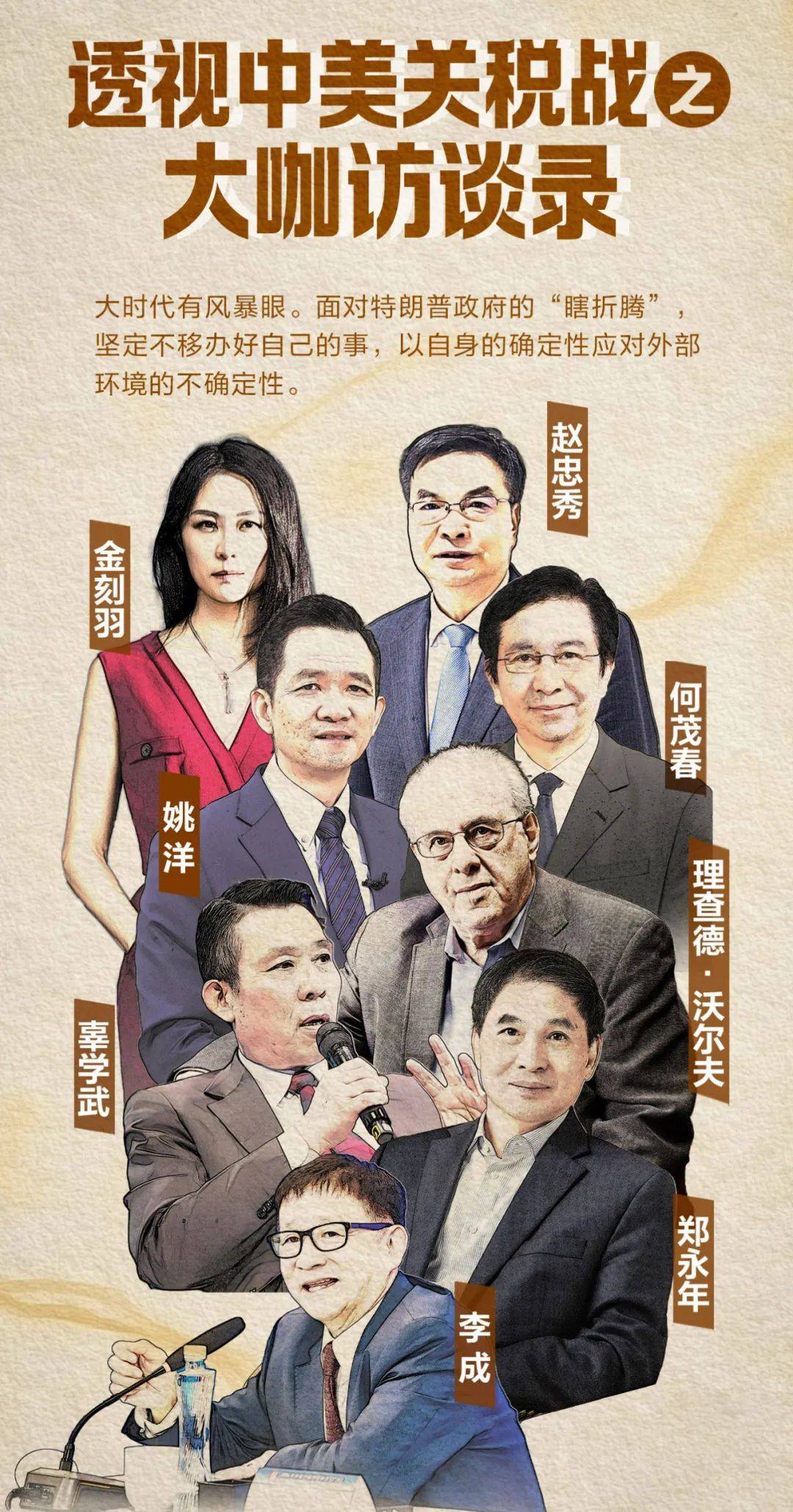
“别理会特朗普‘闹腾’”,聚焦美国“对等关税”,大咖们这样说——
Sou Hu Cai Jing· 2025-04-23 13:20
近期,特朗普的"对等关税"政策引发了广泛的关注和讨论。这一政策不仅对美国自身,还对中美关系、全球产业链以及金融市场等诸多方面都产生了深远 且复杂的影响。比如,全球资本市场因之而动荡,美国股债汇一度呈现"三杀"局面,一时间关于金融危机发生的讨论甚嚣尘上。聚焦于此,我们与各位大 咖进行了对谈。 对话 金刻羽 美国频繁加征关税的真实动机是什么?政策背后全球化逻辑发生了哪些改变?美债抛售潮的根本原因是什么?普通投资者应如何应对关税战?对此,新京 报贝壳财经专访了伦敦政治经济学院经济学教授金刻羽。 ▲伦敦政治经济学院经济学教授金刻羽。受访者供图 新京报贝壳财经:近期中美关税博弈升级,怎么理解特朗普打响的这场波及全球的关税战?美国频繁加征关税的真实动机是什么? 金刻羽:这一政策会大大削弱美国在国际上的名声和信誉,也会打破当前全球化的局势。 从特朗普的目的来看,一方面他想借此重振美国制造业,以减少美国与其他国家的贸易逆差;另一方面他将经贸问题武器化,将关税作为与其他国家在经 济、政治等多方面进行谈判的筹码。 但实际上,美国的经济问题并不能靠关税来解决,甚至会扩大问题,因为美国贸易逆差主要源于国内储蓄率过低、财政赤字高企等宏 ...
食品饮料行业周报:板块将迎季报催化,魔芋赛道红利尽显
Tianfeng Securities· 2025-04-23 12:33
Investment Rating - Industry rating: Outperform the market (maintained rating) [4] Core Viewpoints - The food and beverage sector is expected to benefit from the upcoming quarterly reports, with significant opportunities in the konjac market due to its current demand boom [2][11] - The liquor sector is experiencing a supply-side clearance, with a focus on strong alpha liquor companies that may exceed expectations during the earnings season [2][11] - The beverage and snack sectors are showing signs of recovery, with improved retail data and performance from key players like Dongpeng and Master Kong [2][12][14] Summary by Sections Market Performance Review - From April 14 to April 18, the food and beverage sector rose by 0.24%, while the Shanghai Composite Index increased by 0.59%. Notable performances included soft drinks (+4.42%), pre-processed foods (+4.11%), and snacks (+3.79%) [1][23]. Liquor Sector Insights - The liquor sector saw a decline of 0.27%, attributed to the off-peak consumption season and concerns over falling prices of major products like Moutai. The sector's performance is expected to stabilize as inventory adjustments occur [2][11]. - Retail data for March showed a total retail sales of liquor and tobacco at 51.5 billion yuan, a year-on-year increase of 8.5% [2][11]. Beer and Beverage Sector Insights - The beer sector declined by 0.44%, but March data indicated a 1.9% year-on-year increase in beer production, suggesting a potential recovery as warmer weather approaches [12][14]. - Key players like Heineken and Dongpeng reported strong earnings, with Dongpeng's Q1 revenue and net profit increasing by 39% and 48% respectively [12][15]. Consumer Goods Sector Insights - The snack sector is highlighted for its potential growth, particularly in the konjac market, which is currently experiencing a demand surge. Companies like Absolute Taste are innovating with AI models to enhance performance [2][14][17]. - The dairy sector is expected to benefit from ongoing policies supporting childbirth and rising beef prices, which may stimulate demand for dairy products [2][20]. Investment Recommendations - Recommended stocks in the food and beverage sector include Qingdao Beer, China Resources Beer, Budweiser, and Mengniu Dairy. For the liquor sector, strong alpha companies like Guizhou Moutai and Shanxi Fenjiu are suggested [3][22]. - Focus on consumer goods, particularly snacks and dairy, is advised due to their potential for strong performance in the upcoming quarters [3][22].





关税战再添变数!黄金回调何时结束?当下行情如何应对?顺姐正在实时分析,点击观看
news flash· 2025-04-23 12:16
关税战再添变数!黄金回调何时结束?当下行情如何应对?顺姐正在实时分析,点击观看 相关链接 黄金热点行情分析 ...
田轩谈关税战:走向、应对与避险资产新逻辑
和讯· 2025-04-23 10:07
文/李悦 2025年4月初,一场由美国单方面挑起的关税风暴席卷全球,且战争似才开场。政策制定者面临诸 多难题,内需能否抵御外需压力、关税战长期化有哪些储备工具等成关注焦点。 资本市场上,危机在全球蔓延。美股动荡、美债遭抛售、美元指数创新低,资金涌入致黄金价格屡创 新高,市场正在以脚投票的方式表达对美国的信任危机。而中国资本市场展现韧性,A股在4月7 日"黑色星期一"后持续反弹,期间上证指数累计涨幅超6%。 "关税战"走向不明,投资者决策困局重重。美股跌到底了吗?黄金的强劲走势是否还能持续?A股命 运又将如何?哪些资产可能成为新一代"硬通货"? 围绕上述问题,和讯网对话清华大学国家金融研究院院长、五道口金融学院副院长田轩。 田轩表示,特朗普的关税政策使美国经济不确定性增加,资金逃离美国资产是合理避险,开始寻求新 的避险港湾。若关税战持续,黄金、稀有金属、优质房地产、高信用评级债券和国债等将成为"硬通 货"。 谈及A股,他认为长期来看,A股处于估值低位,受科技创新和内需扩大的双重驱动将稳健向上,科 技、新能源等新兴产业板块配置价值高。 01 关税博弈从贸易摩擦转向战略对抗 和讯网:您判断关税战会长期存在吗?若长期 ...
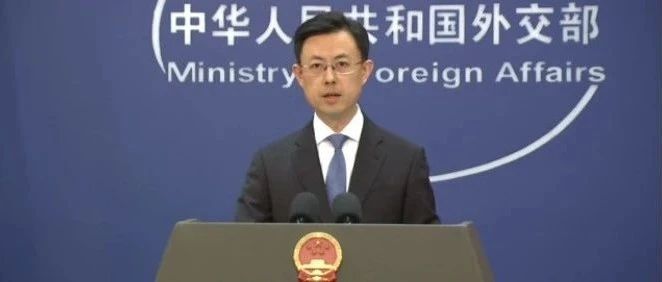
特朗普称美对华关税或将大幅下降!外交部回应→
央视财经· 2025-04-23 09:25
特朗普最新发声!俄乌回应了 明日出征! 俄军火库爆炸!这里进入紧急状态→ 今天(4月23日),外交部举行例行记者会。有记者问,据报道,美国总统特朗普对记者称,对华145%关税 确实很高,协议达成后美对华关税将大幅下降,但不会降至零。中方对此有何评论? 对此,郭嘉昆表示, 中方早就指出,关税战、贸易战没有赢家,保护主义没有出路,"脱钩断链"只会孤立自己 。对于美 国发动的关税战,中方的态度很明确, 我们不愿打,也不怕打。打,奉陪到底;谈,大门敞开 。如果美方真的想通过对 话谈判解决问题,就应该停止威胁讹诈,在平等、尊重、互惠的基础上同中方对话。一边说要同中方达成协议,一边不 断搞极限施压,这不是同中方打交道的 正确方式,也是行不通的。 你会关注 定了!互免签证! 价格飙涨!日本游客赴韩国"搬大米",什么情况? 来源:央视新闻(ID:cctvnewscenter)、央视财经(ID:cctvyscj) 监制:柯成韵 主编:武洋 编辑: 彭琳 转发,关注! ...