
即时零售

Search documents
永辉超市(601933):25H1调改&闭店节奏加快 变革进入文化、供应链等深水区
Xin Lang Cai Jing· 2025-09-08 00:29
Core Viewpoint - The company reported a significant decline in revenue and net profit for the first half of 2025, primarily due to store closures and ongoing adjustments in its business model [1][2][3]. Financial Performance - For 25H1, the company generated revenue of 29.95 billion yuan, a year-on-year decrease of 20.7%, with a net profit attributable to shareholders of -240 million yuan and a non-recurring net profit of -800 million yuan, slightly better than previous forecasts [1][2]. - In 25Q2, revenue was 12.47 billion yuan, down 22.6% year-on-year, with a net profit of -390 million yuan and a non-recurring net profit of -940 million yuan [1]. - The company's gross margin for 25H1 was 20.8%, a decrease of 0.8 percentage points year-on-year, while the gross margin for fresh and processed goods improved to 14.5%, up 2.1 percentage points [2]. Operational Adjustments - The company has accelerated its store adjustment pace, with 124 stores modified in 25H1 and a target of over 208 modified stores by the end of Q3 [3]. - The company aims to complete adjustments for all existing stores by early 2026, with a focus on reducing the number of suppliers by 50% and increasing direct sourcing of fresh products to over 60% [3]. - The company has also launched new private label products, with a long-term goal of achieving a 40% share of private label products by 2029 [3]. Investment Outlook - The company is positioned as one of the two most promising national supermarket chains in China, alongside Hema, with a differentiated competitive strategy compared to existing players like Sam's Club and Costco [4]. - The estimated bottom market value is projected at 54 billion yuan based on a profit of 2.7 billion yuan and a 20x price-to-earnings ratio, with expectations for improved profitability as store adjustments progress [4]. - The company anticipates achieving operational breakeven by Q4, excluding the impacts of store closures and impairments [4].

禁酒令下,白酒惨烈
虎嗅APP· 2025-09-07 23:52
Core Viewpoint - The Chinese liquor industry is undergoing significant challenges due to the impact of the alcohol ban, leading to declining production, sales, and profits across various companies [4][6][10]. Group 1: Industry Overview - Liquor consumption has decreased, with production falling nearly 6% after eight consecutive years of decline [5]. - The average price range for main consumer segments has shifted from 300-500 RMB to 100-300 RMB [6]. - The total profit for the industry has decreased by 10% compared to the same period last year, with over 100 companies shutting down [6]. Group 2: Impact of the Alcohol Ban - The alcohol ban has particularly affected high-end liquor sales, with sales in regions like Henan dropping by 50% during June and July [9][10]. - The ban has altered the underlying logic of the liquor industry, affecting over 10% of the national workforce and potentially impacting consumption worth hundreds of billions [10][11]. - The relationship between central and local governments is complex, with national policies like the alcohol ban reshaping the competitive landscape and local economies [11]. Group 3: Company Performance - Among 20 listed liquor companies, only 6 reported positive revenue growth in their mid-year reports [14]. - Major players like Moutai and Wuliangye are experiencing pressure, with Wuliangye's net profit declining by 7.58% and Shanxi Fenjiu by 13.5% in Q2 [15][17]. - The average net profit decline for many companies in Q2 is around 60%, with some companies like Shendao experiencing a staggering 62.66% drop [15][16]. Group 4: Market Dynamics - Moutai's revenue from its flagship product grew by 10.99%, while its series liquor saw a decline of 6.53% [20]. - Wuliangye's sales volume increased by 12.7%, but the average price fell by 7.2%, indicating a reliance on volume to maintain revenue [25][28]. - The market for low-alcohol products is projected to grow significantly, with a compound annual growth rate of 25% expected to reach 74 billion RMB by 2025 [38]. Group 5: Future Outlook - The alcohol ban has accelerated changes in consumer habits, with a notable decline in high-end dining and business-related alcohol consumption [34][35]. - Companies are adapting by introducing lower-alcohol products to attract younger consumers, although the effectiveness of this strategy remains uncertain [39][40]. - The liquor industry is heavily reliant on local economies, with companies like Moutai contributing significantly to local tax revenues and economic stability [48][50].








阿里巴巴-W(09988.HK)FY26Q1业绩点评:云业务加速增长 CAPEX超预期
Ge Long Hui· 2025-09-07 02:51
Core Viewpoint - The overall performance for FY26Q1 showed a revenue of 247.7 billion yuan, a year-on-year increase of 2%, slightly below BBG expectations, while adjusted net profit was 33.5 billion yuan, down 18% year-on-year, also below expectations [1] Segment Performance - The Chinese e-commerce group's revenue reached 140.1 billion yuan, up 10% year-on-year, but adjusted EBITA fell by 21% to 38.4 billion yuan [1] - AIDC reported revenue of 34.7 billion yuan, a 19% increase year-on-year, with adjusted EBITA at a loss of 0.59 billion yuan, an improvement of 98% year-on-year [1] - The intelligent cloud group generated revenue of 33.4 billion yuan, a 26% increase year-on-year, with adjusted EBITA of 3 billion yuan, also up 26% [1] - Other revenues totaled 58.6 billion yuan, down 28% year-on-year, with adjusted EBITA at a loss of 1.4 billion yuan, down 31% [1] E-commerce Insights - Domestic e-commerce profits are under pressure, with adjusted EBITA for the domestic e-commerce business at 38.4 billion yuan, down 21% year-on-year, influenced by subsidies [1] - Instant retail revenue grew by 12% to 14.8 billion yuan, with take rate improvements driven by new service fees starting September 1, 2024, and increased merchant penetration of promotional tools [1] - The integration of Taotian Group, Ele.me, and Fliggy into a larger consumer platform is expected to enhance synergies [1] User Growth and Operational Metrics - Taobao Flash Sales has seen rapid user growth, with monthly active users exceeding 300 million, a 200% increase since April [2] - Daily order volume peaked at 120 million, with an average of 80 million orders per day [2] - The active rider count for Taobao Flash Sales has tripled to over 2 million since April [2] - The platform is projected to generate an additional 1 trillion yuan in transactions over the next three years from flash sales and instant retail [2] Cloud Business Growth - Cloud revenue reached 33.4 billion yuan, a 26% year-on-year increase, exceeding BBG expectations [2] - AI-related product revenue has shown triple-digit year-on-year growth for eight consecutive quarters [2] - Capital expenditures (CapEx) hit a record high of 38.6 billion yuan, significantly above BBG expectations, with a commitment to invest 380 billion yuan in AI over the next three years [2] Financial Projections - Revenue projections for FY2026-2028 are set at 1,049.7 billion yuan, 1,158.1 billion yuan, and 1,301.9 billion yuan, reflecting year-on-year growth rates of 5.4%, 10.3%, and 12.4% respectively [3] - Non-GAAP net profit estimates for FY2026-2028 are 123.7 billion yuan, 173.2 billion yuan, and 202 billion yuan, with year-on-year changes of -21.7%, +40.0%, and +16.6% respectively [3] - The company maintains a "buy" rating based on these projections [3]

盒马的社区自提梦彻底醒了
3 6 Ke· 2025-09-06 06:33
Group 1 - Hema has recently made significant strategic adjustments, including the closure of its neighborhood pickup service and the abandonment of its membership store model, indicating a shift in focus towards core business operations [2][12][16] - The neighborhood pickup service, launched in July 2021, was intended to enhance community retail engagement but has now been deemed unsuccessful, leading to its complete shutdown by October 4 [6][12][16] - Hema's recent performance shows promising growth, with a reported GMV exceeding 75 billion yuan for the fiscal year 2025, marking its first year of adjusted EBITA profitability [13][14] Group 2 - The rise of instant retail and improved delivery efficiencies have diminished the appeal of community pickup models, as consumers increasingly prefer home delivery options [12][17] - Hema's strategic pivot towards its fresh food and discount store formats aims to capitalize on the growing demand in lower-tier markets, particularly in the Yangtze River Delta region [14][16] - The competitive landscape is intensifying, with major players like JD and Meituan entering the discount supermarket sector, posing challenges for Hema's new discount store format [17]
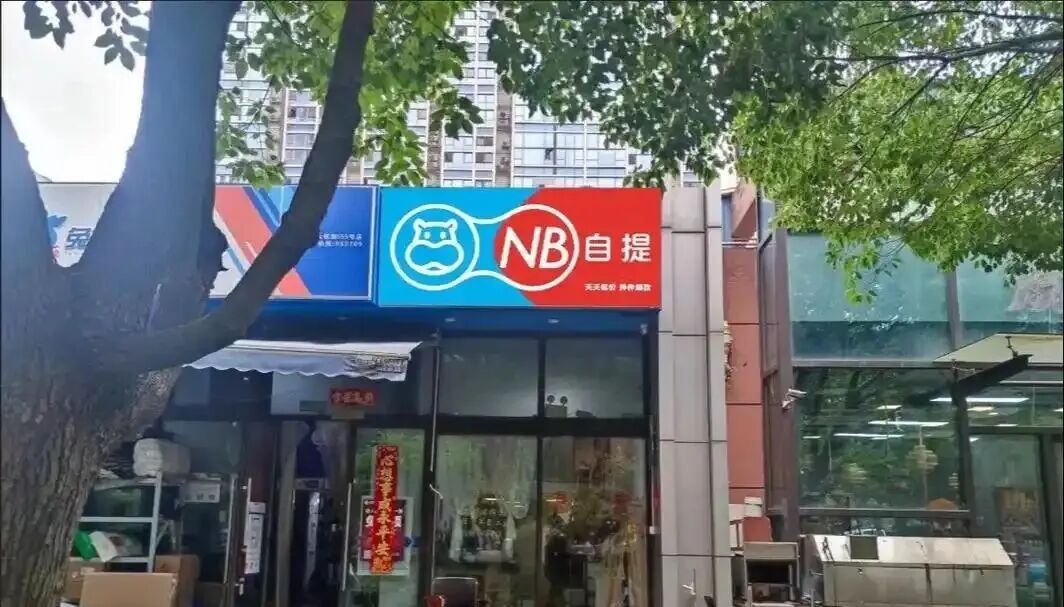
即时零售,再猛也颠覆不了商场
Sou Hu Cai Jing· 2025-09-06 05:23
Core Insights - The rise of instant retail in China is driven by a combination of technological advancements, changing consumer habits, and innovative business models, filling the gap between online and offline retail [2][3][4] - The instant retail market in China is projected to grow at a compound annual growth rate of 10%, reaching 3.8 trillion yuan by 2029 [2] Group 1: Consumer Demand - Consumers increasingly expect immediate satisfaction, leading to a shift from traditional e-commerce to instant retail, where delivery times can be as short as 30 minutes [4][5] - The demand for instant retail is particularly strong among urban professionals and young parents who prefer to "buy time" with their money, seeking both the certainty of offline products and the variety of online platforms [4][5] Group 2: Supply Side Evolution - Traditional retailers are transitioning from being disrupted to actively participating in instant retail, leveraging existing inventory and expanding service areas without increasing physical space [6][20] - Digital transformation is essential for brands, as partnering with instant retail platforms allows them to focus on products and supply chains while benefiting from enhanced logistics and technology [6][20] Group 3: Capital Investment - Major players like Meituan, JD, and Alibaba are heavily investing in instant retail, viewing it as a multi-trillion yuan market, which accelerates market maturity and user habit formation through subsidies and technological advancements [7][8] Group 4: Competitive Landscape - The competition among major platforms is intensifying, with Meituan, JD, and Alibaba each launching aggressive initiatives to capture market share, such as Meituan's "Meituan Flash Purchase" and JD's "JD Seconds" service [8][9] - Instant retail is reshaping consumer behavior, with non-food orders on platforms like Taobao Flash Purchase accounting for 75% of transactions, indicating a shift in consumption patterns [8][9] Group 5: Brand Strategies - Brands are not merely adding sales channels but are undergoing strategic transformations to meet the evolving consumer landscape, utilizing platform infrastructure to enhance customer engagement and satisfaction [17][18] - The collaboration with instant retail platforms allows brands to optimize inventory management and marketing strategies, enhancing their overall operational efficiency [19][20] Group 6: Impact on Traditional Retail - Instant retail poses challenges to traditional shopping malls, as it disrupts the convenience and sales logic that malls have relied on, leading to potential declines in foot traffic and sales [29][30] - Malls must adapt by enhancing their value propositions, focusing on experiential and social aspects of shopping that instant retail cannot replicate [35][36]

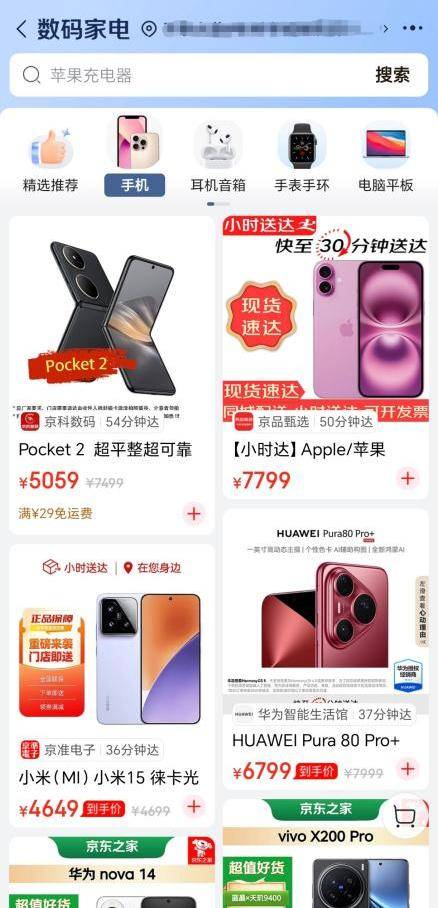
盒马邻里关停引关注,“鲜生+超盒算NB”双核驱动能否开启新篇?
Sou Hu Cai Jing· 2025-09-06 03:12
Core Insights - Hema's neighborhood self-pickup stores will cease operations on October 4, 2023, as confirmed by user feedback and official notifications [1] - The self-pickup model, launched in 2021, relied on a "next-day delivery" service but has lost competitive advantage due to the rise of instant retail services offering 30-minute delivery [3] - Hema has been optimizing its retail layout, closing non-core businesses while focusing on Hema Fresh and Super Hema stores, which are expected to enhance operational efficiency [4][5] Company Strategy - Hema's neighborhood self-pickup stores initially operated in major cities but have gradually reduced their presence, ultimately retaining only the Shanghai market [4] - The company plans to add 100 Hema Fresh stores this year and is focusing on optimizing community scenarios for Super Hema [4] - CEO Yan Xiaolei emphasized the importance of concentrating resources on core business areas, with the closure of non-core operations being a strategic move to enhance focus [4] Financial Performance - Hema is projected to achieve a GMV exceeding 75 billion yuan from April 2024 to March 2025 and is expected to report its first annual adjusted EBITA profit [5] - Hema has surpassed Yonghui to rank third in the "2024 China Supermarket Top 100" list published by the China Chain Store & Franchise Association [5] - Strategic adjustments are believed to improve overall operational efficiency and align with industry development trends [5]
美团-W(3690.HK)2025Q2业绩点评:短期补贴影响盈利能力 关注后续补贴拐点
Ge Long Hui· 2025-09-05 20:21
Overall Performance - In FY2025Q2, the company reported revenue of 91.84 billion yuan, which was below Bloomberg consensus estimate of 93.69 billion yuan, with a year-on-year increase of 11.7% [1] - Adjusted net profit totaled 1.49 billion yuan, significantly lower than the Bloomberg consensus estimate of 9.85 billion yuan, reflecting a year-on-year decline of 89.0% [1] Core Local Business - Core local business revenue reached 65.3 billion yuan, below the consensus estimate of 67.5 billion yuan, with an operating profit of 3.7 billion yuan, also below the expected 12 billion yuan, marking a year-on-year decrease of 75.6% [1] - The decline in performance was primarily due to increased subsidies starting in Q2, which negatively impacted the profitability of the food delivery business [2] New Business Developments - New business revenue was 26.5 billion yuan, slightly above the consensus estimate of 26 billion yuan, but the operating loss expanded by 43.1% year-on-year to 1.9 billion yuan, compared to the expected 2.4 billion yuan [1] - The company has expanded its "Little Elephant" supermarket model to nearly 1,000 front warehouses in about 20 cities, with plans to cover all first- and second-tier cities in the long term [3] Market Competition and Strategy - The competitive landscape has intensified, particularly with Alibaba entering the food delivery market, leading to increased subsidies and expected larger losses in Q3 [2] - The company aims to leverage its first-mover advantage in the flash purchase business, which has seen over 50% year-on-year growth in lower-tier markets [2] Future Outlook - The company is sacrificing short-term revenue for long-term strategic positioning, indicating a commitment to gaining market share despite potential fluctuations in profitability due to increased subsidies and operational expenses [3] - Projections for Q3 indicate an average loss of 1.44 yuan per food delivery order, with an adjusted net loss expected to reach 5.351 billion yuan [3] - Revenue forecasts for 2025-2027 are 373.966 billion yuan, 418.687 billion yuan, and 465.337 billion yuan, with adjusted net profits of 1.211 billion yuan, 38.646 billion yuan, and 57.476 billion yuan respectively [3]

即时零售浪潮下盒马邻里谢幕,“鲜生+超盒算NB”能否成新增长极?
Sou Hu Cai Jing· 2025-09-05 20:00
Core Insights - Hema's neighborhood self-pickup stores will cease operations on October 4, with affected users notified and able to retrieve existing orders at other Hema locations [1][3] - The self-pickup model, launched in 2021, initially provided next-day delivery services in major cities but has seen its competitive edge diminish due to the rise of instant retail [3] Business Adjustments - Since late 2022, Hema has gradually exited cities like Hangzhou and Nanjing, with Shanghai being the last area to retain the self-pickup model [3] - The demand previously served by self-pickup stores will now be handled by Hema Fresh and Super Hema [3] - Analysts note that the self-pickup model requires sufficient order volume to sustain operations, which has been further constrained by the prevalence of 30-minute delivery services [3] Strategic Focus - Hema has been continuously adjusting its business layout, closing not only self-pickup stores but also Hema X member stores recently [3] - The current retail system includes Hema Fresh, Super Hema, mini stores, outlet stores, and black label stores, with over 420 Hema Fresh locations and plans to add 100 more this year [3] - Hema's CEO has emphasized a focus on Hema Fresh and Super Hema as core business areas, aiming to concentrate resources on main operations [3] Financial Performance - Financial data indicates that Hema's GMV is expected to exceed 75 billion yuan from April 2024 to March 2025, achieving adjusted EBITA profitability for the first time [3] - Hema has surpassed Yonghui to rank third in the China Supermarket Top 100 list published by the China Chain Store & Franchise Association [3] Operational Efficiency - Retail industry experts believe that Hema's strategic adjustments will clarify its business lines and enhance operational efficiency [3]
“外卖三巨头”奔向千亿新战场
财富FORTUNE· 2025-09-05 13:09
Core Viewpoint - The article discusses the competitive landscape of the food delivery and hard discount supermarket sectors in China, highlighting the strategic shifts of major players like Alibaba, Meituan, and JD.com as they adapt to market changes and seek new growth opportunities [2][4]. Group 1: Hard Discount Supermarket Strategy - The hard discount model offers lower prices compared to traditional supermarkets by optimizing supply chains and reducing intermediaries, with strategies such as streamlining SKUs and developing private labels [2][4]. - Hema, under CEO Yan Xiaolei, has streamlined its operations from over ten formats to just two, focusing on Hema Fresh and Hema NB, achieving profitability and a GMV exceeding 75 billion yuan [2][4]. - Hema NB plans to expand to 300 stores by the end of the 2025 fiscal year, with reports indicating that it may have already reached this target [2][3]. Group 2: Competitor Movements - Meituan launched its hard discount supermarket "Happy Monkey" in Hangzhou, featuring a significant number of private label products and aiming for 1,000 stores, although achieving this goal may be challenging [4][5]. - JD.com has also entered the hard discount space with its discount supermarket opening four stores in Suqian, Jiangsu, featuring a larger store size and a diverse product range compared to Hema NB [5][6]. - The hard discount market in China has a current size exceeding 200 billion yuan with a penetration rate of only 8%, indicating substantial growth potential, with a projected CAGR of 5.6% over the next decade [4][6]. Group 3: Market Dynamics - The competition in the hard discount sector is not limited to domestic players; international brands like Aldi are also entering the market, posing additional challenges for local companies [5][6]. - The article emphasizes the need for these internet giants to explore new operational experiences in the offline retail space, as they face competition from both established and emerging brands [5][6].
新力量NewForce总第4853期
First Shanghai Securities· 2025-09-05 08:48
Investment Rating - The investment rating for the company is "Buy" with a target price of 576.4 HKD, representing a potential upside of 40.9% from the current price of 409.0 HKD [2][8]. Core Insights - The company, Mixue Group, reported a revenue of 14.874 billion RMB in H1 2025, reflecting a year-on-year growth of 39.3%. The net profit attributable to shareholders reached 2.72 billion RMB, up 44.1% year-on-year, indicating performance that exceeded expectations [5][6]. - The company has accelerated its domestic store expansion, with a total of 53,014 stores globally, netting an increase of 6,697 stores in H1 2025. The proportion of stores in second-tier and lower-tier cities has increased to 19% and 58%, respectively [6][8]. - The overall gross margin slightly decreased to 31.6%, but the company maintained good cost control, with a net profit margin of 18.3%, up 0.6 percentage points year-on-year [7][8]. Summary by Sections Company Performance - In H1 2025, Mixue Group achieved a revenue of 14.874 billion RMB, with product sales, equipment sales, and franchise-related services contributing 13.843 billion, 0.652 billion, and 0.038 billion RMB, respectively. The average same-store sales growth was 13.2% [5][6]. Store Expansion - The company opened 7,721 new stores while closing 1,187, resulting in a net increase of 6,697 stores. The domestic store count reached 48,281, with a focus on expanding in lower-tier cities [6][8]. Financial Metrics - The gross profit was 4.706 billion RMB, with a gross margin of 31.6%. The company reported a net profit of 2.72 billion RMB, with a net profit margin of 18.3% [7][8]. Valuation and Future Outlook - The target price of 576.4 HKD is based on a projected net profit of 5.77 billion RMB for FY2025, with a price-to-earnings ratio of 35x. The company is expected to maintain strong growth and competitive positioning in the industry [8].