货币政策

Search documents
央行再出政策组合拳:结构性工具“降价增量扩容”,降准降息可期
2 1 Shi Ji Jing Ji Bao Dao· 2026-01-15 13:47
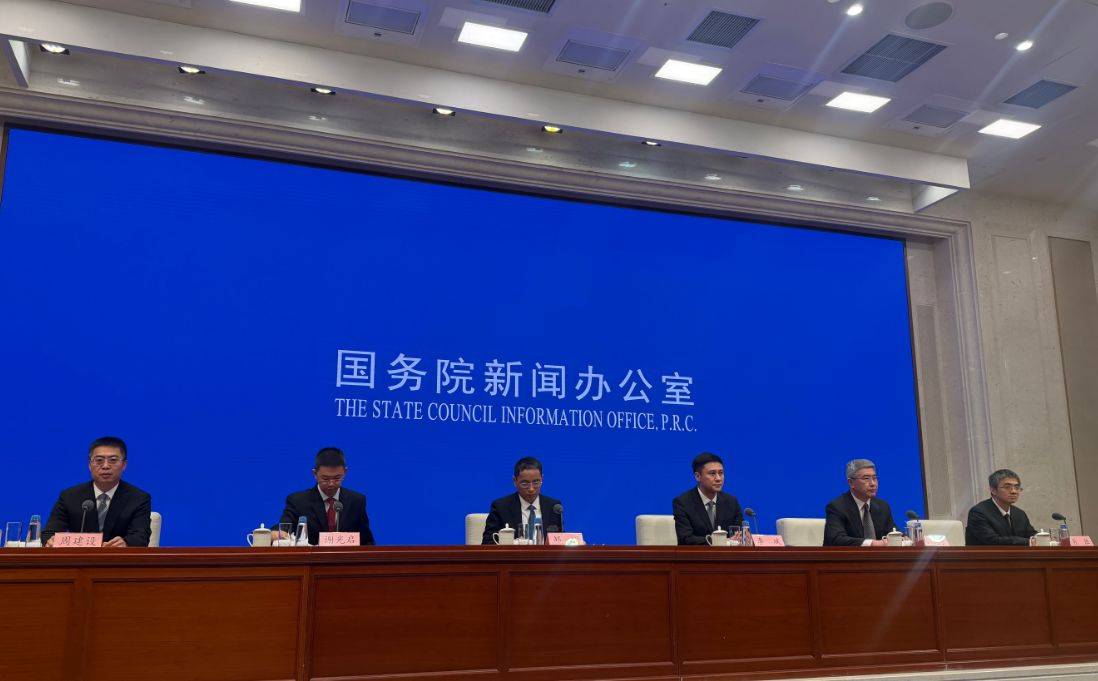
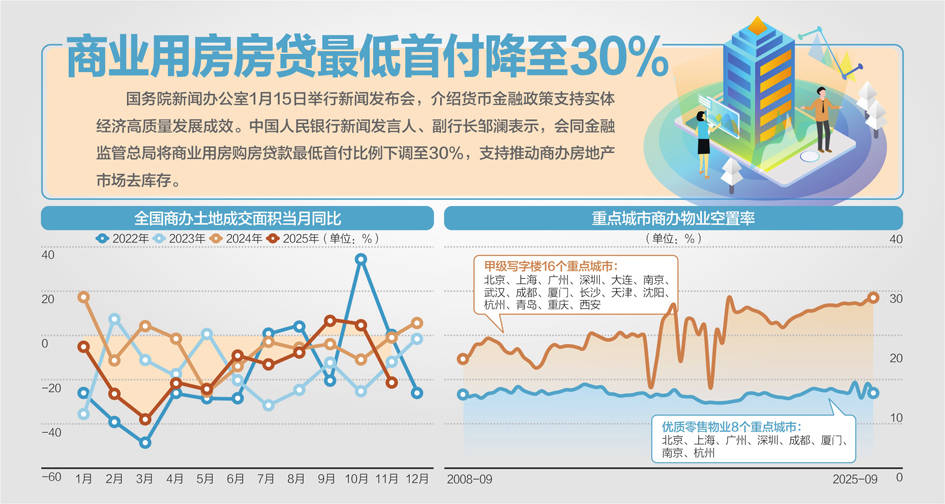
Core Viewpoint - The People's Bank of China (PBOC) is implementing a series of monetary policy measures to support high-quality economic development and stabilize growth, including structural interest rate cuts and targeted loans for private enterprises [1][2]. Group 1: Monetary Policy Measures - The PBOC will introduce eight policy measures, including a 0.25 percentage point reduction in the interest rates of various structural monetary policy tools, bringing the one-year re-lending rate down from 1.5% to 1.25% [2]. - The measures also include increasing the quotas for agricultural and small business re-lending, and establishing a separate re-lending program for private enterprises with a quota of 1 trillion yuan [3][4]. - Additional policies aim to enhance support for technology innovation, carbon reduction, and consumer services, while lowering the minimum down payment ratio for commercial property loans to 30% [2][3]. Group 2: Support for Private Enterprises - The newly established re-lending program for private enterprises will focus on supporting small and medium-sized private companies, with a total quota of 1 trillion yuan, which includes 500 billion yuan from existing funds and an additional 500 billion yuan [3][4]. - The PBOC aims to improve financing accessibility for medium-sized private enterprises, which have been relatively underserved compared to larger firms [3]. Group 3: Economic Outlook and Stability - The PBOC indicates that there is still room for further cuts in reserve requirement ratios and interest rates, with the current average reserve requirement ratio at 6.3% [6]. - The central bank emphasizes the importance of maintaining a stable currency and low financing costs to support economic recovery and growth [10]. - Recent data shows a positive trend in consumer prices, with the CPI rising by 0.8% year-on-year in December 2025, indicating a recovery in the price level [8].

央行将推出八项重磅金融措施
Sou Hu Cai Jing· 2026-01-15 13:38
Core Viewpoint - The People's Bank of China (PBOC) is implementing monetary policies to support high-quality development of the real economy, including the resumption of government bond trading operations by October 2025 [1][11]. Group 1: Monetary Policy Measures - The PBOC plans to lower the interest rates of various structural monetary policy tools by 0.25 percentage points, reducing the one-year re-lending rate from 1.5% to 1.25% [4]. - A new re-lending program specifically for private enterprises will be established with a total quota of 1 trillion yuan, aimed at supporting small and medium-sized private enterprises [4]. - The quota for re-lending aimed at technological innovation and transformation will be increased from 800 billion yuan to 1.2 trillion yuan, expanding the support to high R&D investment private SMEs [4]. Group 2: Support for Specific Sectors - The PBOC will enhance support for carbon reduction projects by including more initiatives related to energy efficiency and green transformation [5]. - The support for service consumption and elderly care re-lending will be expanded to include health industry standards [6]. - The minimum down payment ratio for commercial property loans will be reduced to 30% to help alleviate inventory in the commercial real estate market [7]. Group 3: Market Operations and Liquidity Management - In 2025, the PBOC's open market operations resulted in a net injection of 6 trillion yuan, with 3.8 trillion yuan through reverse repos and a net purchase of 120 billion yuan in government bonds [11]. - The PBOC's bond trading operations are expected to enhance the coordination between monetary and fiscal policies, especially as government bond issuance increased to 16 trillion yuan in 2025 [11][12]. - The PBOC's bond buying operations are crucial for ensuring the smooth issuance of government bonds at reasonable costs, while also improving market liquidity [12].
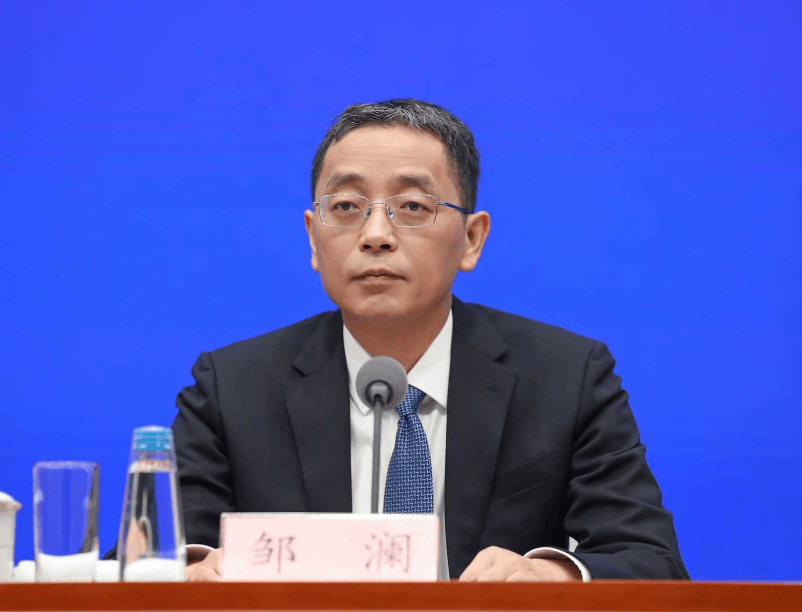
央行邹澜:综合考虑多种因素 灵活开展国债买卖操作|快讯
Sou Hu Cai Jing· 2026-01-15 13:31
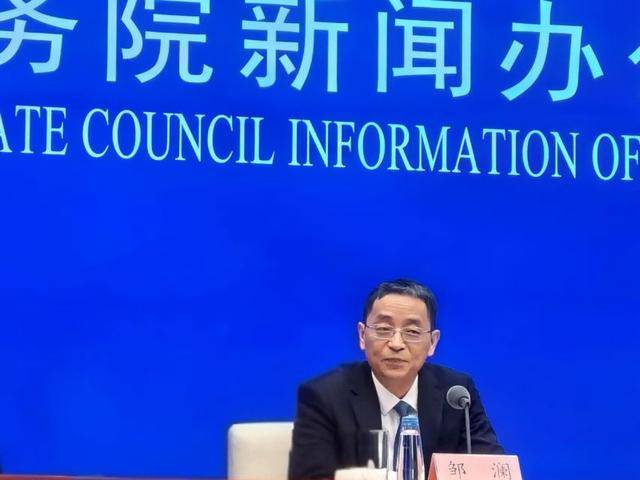
Group 1 - The People's Bank of China (PBOC) announced the resumption of government bond trading operations in October 2025, aiming to gradually increase bond trading in 2026 as part of its monetary policy toolbox expansion [2] - In 2025, the PBOC conducted a net injection of 6 trillion yuan through various open market operations, including a net buy of 120 billion yuan in government bonds [2] - The PBOC is enhancing the transparency of monetary policy operations and improving the pricing mechanism for basic currency issuance and operational tools [2] Group 2 - The increase in government bond issuance, totaling 16 trillion yuan in 2025 with a net increase of 6.6 trillion yuan, is supported by the PBOC's bond trading operations to ensure smooth issuance at reasonable costs [3] - The PBOC's bond repurchase operations, close to 7 trillion yuan in 2025, have significantly improved the market liquidity of government bonds [3] - The bond trading operations also serve to establish a benchmark for government bond yield curves and enhance macro-prudential management tools to mitigate market volatility risks [3] Group 3 - The PBOC plans to flexibly conduct government bond trading operations while considering factors such as basic currency injection needs, bond market supply and demand, and yield curve changes to maintain liquidity and support smooth government bond issuance [4]
结构性降息来了!央行:引导金融机构支持中小微企业等领域,今年降准降息还有一定空间
Sou Hu Cai Jing· 2026-01-15 13:13
邹澜表示,中央经济工作会议已经明确,2026年要继续实施适度宽松的货币政策。谈及降准降息,邹澜提到,从 今年看还有一定的空间。 王青称:"综合2026年经济金融形势,我们判断在先行下调各类结构性货币政策工具利率0.25个百分点后,年内央 行有可能下调政策利率20-30个基点。"不过王青还提到,"十五五"期间央行致力于构建科学稳健的货币政策体 系。这意味着2026年货币政策不会大放大收,会坚持不搞大水漫灌,避免给将来留下隐患。由此,可以排除2026 年大幅度降息,以及实施大规模数量型宽松的可能。 截图自央行官网 在会上,中国人民银行货币政策司司长谢光启也提到,下阶段中国人民银行将进一步拓展服务消费与养老再贷款 的支持领域,同时适时把健康产业纳入服务消费与养老再贷款的支持领域。继续引导金融机构结合消费场景创新 产品和服务,重点支持住宿餐饮、文旅体育娱乐、养老托育、家政服务等与民生关联度很高的行业。 东方金诚首席宏观分析师王青告诉红星资本局,此次降息,将引导金融资源更多支持科技创新、制造业转型升 级、绿色发展、小微企业,以及促消费、稳外贸等国民经济重点领域和薄弱环节。今年央行将优化用好各类结构 性货币政策工具,总体 ...
央行去年净买入国债1200亿元,国债买卖操作成流动性调节新工具
Sou Hu Cai Jing· 2026-01-15 12:55
Group 1 - The People's Bank of China (PBOC) reported a net injection of 6 trillion yuan through open market operations in 2025, including a net buy of government bonds amounting to 120 billion yuan [1][3] - The issuance of government bonds reached 16 trillion yuan in 2025, with a net increase of 6.6 trillion yuan, resulting in a year-end balance of approximately 40 trillion yuan [3] - Major holders of government bonds include banks (27 trillion yuan), non-bank financial institutions (5 trillion yuan), and foreign institutions (2 trillion yuan) [3] Group 2 - The PBOC aims to maintain liquidity and create a favorable monetary environment for the smooth issuance of government bonds by flexibly conducting bond buy-sell operations [3][4] - The bond buy-sell operations are part of the central bank's efforts to enhance coordination between monetary and fiscal policies, especially in light of increased government bond issuance [3][4] - The PBOC's operations also aim to prevent market volatility and ensure a balanced supply-demand situation in the bond market [4]

人民银行再出“组合拳”!结构性货币政策工具扩容,降准降息可期
Sou Hu Cai Jing· 2026-01-15 12:53
Core Viewpoint - The People's Bank of China (PBOC) announced eight policies aimed at supporting high-quality development of the real economy, establishing a foundation for monetary policy implementation in 2026, with a focus on maintaining "moderately accommodative" monetary policy and promoting stable economic growth and reasonable price recovery [1][3]. Structural Monetary Policy Tools - The majority of the eight policies involve adjustments to structural monetary policy tools, including a 0.25 percentage point reduction in interest rates for various structural monetary policy tools, bringing the one-year interest rate for various relending facilities down from 1.5% to 1.25% [3][4]. - The policies include merging agricultural and small business relending with rediscounting, increasing the relending quota by 500 billion yuan, and establishing a separate relending quota of 1 trillion yuan specifically for private enterprises [3][4]. - The relending quota for technological innovation and technological transformation has been increased from 800 billion yuan to 1.2 trillion yuan, expanding the support scope to include high R&D investment private SMEs [3][4]. - A new risk-sharing tool for bonds issued by private enterprises and technological innovation has been established, providing a total relending quota of 200 billion yuan [3][4]. - The support scope for carbon reduction tools has been expanded to include energy-saving renovations and green upgrades [3][4]. Interest Rate and Reserve Requirement Adjustments - The PBOC indicated that there is still room for further reductions in reserve requirements and interest rates in 2026, with the current average reserve requirement ratio at 6.3% [6][7]. - The PBOC has previously lowered policy interest rates ten times since the second half of 2018, with the average interest rates for new corporate and personal housing loans at around 3.1% as of December 2025, reflecting a decline of 2.5 and 2.6 percentage points respectively since mid-2018 [6][7]. Coordination of Monetary and Fiscal Policies - The PBOC plans to resume open market operations for government bonds, which had been paused since early 2025, to enhance the coordination between monetary and fiscal policies [9][10]. - In 2025, the issuance of government bonds reached 16 trillion yuan, with a net increase of 6.6 trillion yuan, indicating a significant role for banks and financial institutions in holding government bonds [10][11]. Price Trends and Economic Outlook - The PBOC noted positive changes in price levels, with the Consumer Price Index (CPI) rising by 0.8% year-on-year as of December 2025, the highest level since March 2023 [12][13]. - The PBOC will continue to implement moderately accommodative monetary policy, focusing on promoting stable economic growth and reasonable price recovery [13][14].
盛松成:降息之后,我国货币政策大概率仍将延续“小步走”的节奏
Sou Hu Cai Jing· 2026-01-15 12:53
以2008年国际金融危机为例,美联储大幅释放流动性,希望商业银行扩大信贷投放,但商业银行因担忧风险而不愿配合,导致2014年美国商业银行超储率高 达20%,充分说明如果缺乏金融体系的配合,中央银行的货币政策目标难以实现。 图/ic 作者|盛松成 中国首席经济学家论坛研究院院长、中欧国际工商学院教授 1月15日,中国人民银行新闻发言人、副行长邹澜在国新办新闻发布会上表示,下调各类结构性货币政策工具利率0.25个百分点。各类再贷款一年期利率从 目前的1.5%下调到1.25%,其他期限档次利率同步调整。 此次降息本身具备现实基础。一方面,物价水平偏低,实际利率水平相对偏高,为名义利率适度下调提供了条件。另一方面,外部环境相对可控。2025年美 联储累计降息75个基点,而我国此前政策利率调整幅度有限,此次降息属于顺势而为,并未对人民币汇率稳定形成明显冲击。 不过,笔者认为,我国并不具备持续、大幅降息的现实基础。原因在于我国消费和投资的利率弹性整体较低。从居民端看,即便存款利率下降,居民更多倾 向于将资金在存款、理财、股市之间进行再配置,而非显著增加消费支出;从企业端看,多数企业投资决策的核心考量是收益预期与风险判断, ...

2025年金融数据出炉,直接融资表现亮眼支撑社融增长
Di Yi Cai Jing· 2026-01-15 12:41
Core Viewpoint - The overall financing environment in China is improving, with significant contributions from direct financing and government bonds, indicating a robust support for the real economy [1][2][3]. Group 1: Social Financing and Monetary Data - In 2025, the total social financing increment reached 35.6 trillion yuan, an increase of 3.34 trillion yuan compared to the previous year, maintaining a reasonable growth trend [2][3]. - By the end of 2025, the social financing stock is projected to be 442.12 trillion yuan, with a year-on-year growth of 8.3% [1]. - The M2 balance is expected to be 340.29 trillion yuan by the end of 2025, reflecting a year-on-year increase of 8.5% [1][8]. Group 2: Direct Financing and Government Bonds - Direct financing accounted for 16.7 trillion yuan of the social financing increment, representing 46.9% of the total, which is 7.8 percentage points higher than in 2020 [2][3]. - Government bond financing contributed significantly, with net financing of 13.84 trillion yuan, an increase of 2.54 trillion yuan from the previous year [2][3]. Group 3: Loan Structure and Trends - In December 2025, new RMB loans amounted to 910 billion yuan, showing a year-on-year decrease of 800 billion yuan, indicating a structural differentiation in credit demand [4][5]. - The total new RMB loans for the year were 16.27 trillion yuan, down 1.82 trillion yuan from the previous year, with corporate loans increasing by 1.14 trillion yuan while household loans decreased by 2.28 trillion yuan [4][5]. Group 4: Policy Measures and Future Outlook - The central bank plans to implement policies to lower interest rates on structural monetary policy tools and enhance credit support for key sectors [9]. - It is anticipated that the new social financing scale in 2026 could reach around 38 trillion yuan, with government bond financing continuing to grow rapidly [9].
央行降息序幕拉开?专家:年内有可能下调政策利率20~30个基点
Sou Hu Cai Jing· 2026-01-15 11:48
Core Viewpoint - The People's Bank of China (PBOC) is set to implement a moderately accommodative monetary policy through 2026, focusing on supporting key sectors of the economy such as technology innovation, manufacturing upgrades, green development, small and micro enterprises, and consumption stabilization [1][2]. Group 1: Monetary Policy Adjustments - The PBOC announced a reduction of 0.25 percentage points in the interest rates of various structural monetary policy tools, lowering the one-year re-lending rate from 1.5% to 1.25% [1]. - In 2024, the PBOC is expected to further lower the policy rates by 20-30 basis points after the initial 0.25 percentage point reduction [2]. - The adjustment of structural monetary policy tools is anticipated to guide both loan and deposit rates, potentially leading to lower borrowing costs for businesses, especially in the small and micro enterprise sectors [2][3]. Group 2: Economic Impact and Projections - The current monetary policy signals a targeted easing aimed at stimulating financing in specific sectors, which may take time to translate into real economic benefits [3]. - The stability of the RMB exchange rate and the easing monetary conditions in the U.S. are seen as favorable for the PBOC's policy adjustments, reducing constraints on the exchange rate [3]. - The average statutory deposit reserve ratio stands at 6.3%, indicating that there is still room for further reductions, with an implicit lower limit around 5.0% [4]. Group 3: Tools for Liquidity Management - The PBOC has a variety of tools at its disposal for injecting long-term liquidity into the banking system, including open market operations and MLF, which can support government bond issuance and encourage banks to increase credit supply [4].
央行答每经问:下一步将综合考虑,灵活开展国债买卖操作
Sou Hu Cai Jing· 2026-01-15 11:48
Core Viewpoint - The People's Bank of China (PBOC) is implementing monetary policy measures to support high-quality economic development, including lowering interest rates on structural monetary policy tools and enhancing support for economic restructuring [1][2]. Group 1: Monetary Policy Measures - The PBOC plans to lower interest rates on various structural monetary policy tools to encourage bank lending in key areas [1]. - The central bank aims to improve the structure of these tools and increase support to facilitate economic transformation and optimization [1]. - In 2025, the PBOC will restore operations for buying and selling government bonds in the open market, with considerations for market conditions influencing the scale of operations [1][2]. Group 2: Government Bond Issuance - In 2025, the total issuance of government bonds reached 16 trillion yuan, with a net increase of 6.6 trillion yuan, resulting in an end-of-year balance of approximately 40 trillion yuan [3][4]. - Financial institutions, including banks and non-bank financial entities, hold significant portions of these bonds, with banks holding 27 trillion yuan [4]. - The PBOC's bond buying operations are intended to ensure the smooth issuance of government bonds at reasonable costs while enhancing market liquidity [4]. Group 3: Interest Rate Adjustments - There is still room for further reductions in the reserve requirement ratio (RRR) and interest rates, with the current average RRR at 6.3% [5]. - The PBOC has noted that the stability of the RMB exchange rate and the ongoing interest rate cuts in the US provide a favorable environment for potential rate cuts [5]. - Measures are being taken to lower the overall financing costs for businesses, including promoting transparency in loan costs and reducing intermediary fees [5].