中美贸易战

Search documents
预料之中的黑天鹅事件
鲁明量化全视角· 2025-10-12 03:20
Core Viewpoint - The article discusses the recent market fluctuations driven by retail investor sentiment and the impact of a new round of global "black swan" events, particularly focusing on the escalation of the US-China trade conflict and its implications for the market [3][4]. Market Performance - In the last two weeks, the CSI 300 index increased by 1.47%, the Shanghai Composite Index rose by 1.80%, and the CSI 500 index saw a gain of 2.17% [3]. - The market was primarily influenced by retail investor sentiment, leading to a temporary surge before facing a significant downturn due to external shocks [3]. Trade Conflict Analysis - The article highlights China's proactive response to the US's intensified trade conflict, particularly in the semiconductor and rare earth sectors [4]. - The announcement by Trump on October 10 to impose further tariffs on China triggered a global market sell-off, including a notable drop in the A50 index and significant declines in cryptocurrency markets [4]. Technical Analysis - The article notes a successful early warning for reducing positions, which helped avoid losses during the April 7 market crash [5]. - Despite recent highs in the market, institutional and speculative investors are maintaining a cautious stance, while retail investors continue to drive prices upward, leading to potential market reversals [5]. Investment Strategy - The recommendation is to maintain a low position in the main board and small-cap sectors, emphasizing a focus on avoiding risks in the current market environment [2][6]. - The prevailing market style is identified as large-cap dominant, with no specific sectors recommended for short-term momentum [6].


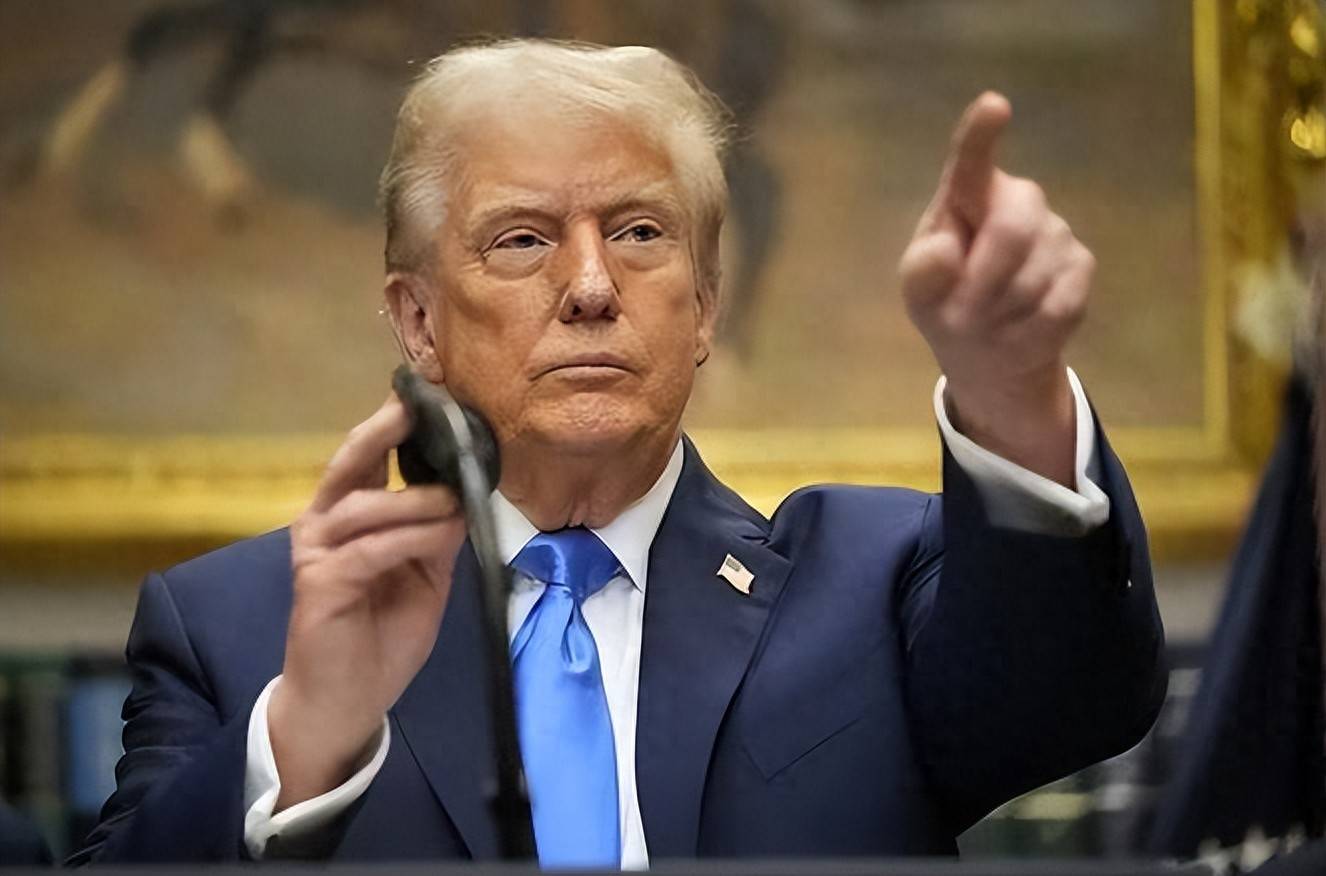
连收3大噩耗!特朗普后院失火:为证明自己,他甩出了一纸报告
Sou Hu Cai Jing· 2025-10-12 02:55
Group 1 - The article discusses the escalating tensions between the US and China, highlighting the "choke point war" where the US imposes chip regulations and tariffs while China retaliates with restrictions on rare earth exports and soybean imports [1] - Trump's initial anger over China's actions led to a significant market reaction, with major US stocks losing $5 trillion in value overnight, prompting him to reconsider his approach and seek further negotiations [1][3] - The article notes that the rapid market sell-off caught analysts off guard, indicating a renewed concern over trade war risks [3] Group 2 - The article mentions a warning from Ray Dalio, founder of Bridgewater Associates, about the US debt crisis, stating that the national debt has surpassed $37.86 trillion and is growing rapidly, creating a situation reminiscent of pre-World War II [3] - The article highlights internal dissent within Trump's camp regarding the US's agreement with Qatar to establish a military training facility, which has sparked criticism from right-wing allies [5] - Trump's recent health report, released just six months after the last one, is seen as an attempt to counter speculation about his health and maintain a strong public image during critical negotiations [6]
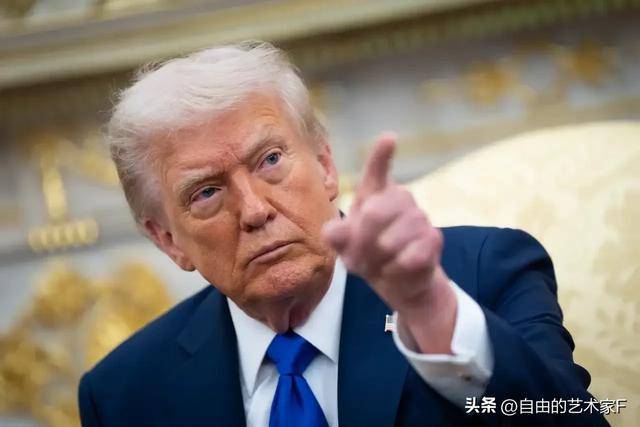
突然偷袭,特朗普这次是有备而来
Hu Xiu· 2025-10-12 01:11
纳指里的科技股自然充满了跌味:英伟达跌了4.89%,苹果跌了3.45%,特斯拉跌了5.06%…… 收盘后,特朗普意犹未尽,又发文说,自11月1日起,美国将在现有关税的基础上对华额外加征100%的 关税,还要对中国采取"所有关键软件的出口管控"。 至于大A,10月10日特朗普还没发话,就先跌为敬,下周的大跌也可以预见了——比照四月初特朗普今 年第一次大幅对华加关税,之后的第一个A股交易日是4月7日,当天盘中跌停个股超过3200只,刷新历 史纪录。 特朗普怎么又突然加关税了?他真的是破防了、崩溃了、发神经了吗? 特朗普几句话,就让美国大科技公司市值蒸发7700亿美元。 10月10日原本是个平常的日子,美股三大股指开盘走高,一切风平浪静。 美东时间还不到中午,特朗普突然发文称,考虑大幅提高对华关税,来"反击"中国对稀土出口管制措 施。 一嘴炮下去,美股立刻跳水。 道指收跌1.90%,标普500指数重挫2.71%。最惨的是纳斯达克指数,盘中原本好好的,一度还创下历史 新高,特朗普一发话,收盘大跌3.56%。 特朗普加关税,有备而来 有些人看到特朗普社交媒体愤怒的行文风格,认为特朗普肝颤了、心态崩了,才嚷嚷着要给中国加 ...


特朗普对中国加税100%,既然美国不长记性,中国可以放开手脚打了
Sou Hu Cai Jing· 2025-10-11 10:49
此外,特朗普的每一次决策,都有可能引发蝴蝶效应。在他发布加税消息后的短短时间,美股市场就迎来了严重波动。数据显示,道指下跌了1.9%,纳斯 达克则暴跌3.56%,这种反应透出了投资者的紧张情绪,他们似乎已经看到了潜在的暗黑时刻即将降临。因此,这一系列的反应不仅是市场对特朗普政策的 不信任,更是对美国经济前景的深度忧虑。 然则,特朗普的加税令并非没有留有余地。他特意设定了11月1日的生效时间,似乎在向外界传达一个信号:如果中方愿意在这段时间内妥协,一切还可以 讨论。这一策略尽管看似灵活,但也让人忍不住想问,特朗普是否已经意识到,即便如此,中方是否会轻易让步?这种种思考都映衬出中美关系的复杂性和 未来的不可预测性。 在我们回顾事件的始末前,不妨先设想一下当初的气氛。当特朗普发布新一轮关税令时,有多少人在屏幕前揣测这位总统心中的真实意图?他与中国的关 系,似乎在过去几个月中曾显得温和,但几份来自北京的反制公告,犹如一剂猛药,令他瞬间失控。从对稀土出口的管控,到各类企业的制裁,中国一揽子 措施,让特朗普的怒火直线上升。这种激烈的反应恰恰显示出美国面对中国日益增长的影响力时的焦虑。 从特朗普几条推文中,我们不仅能感受到 ...
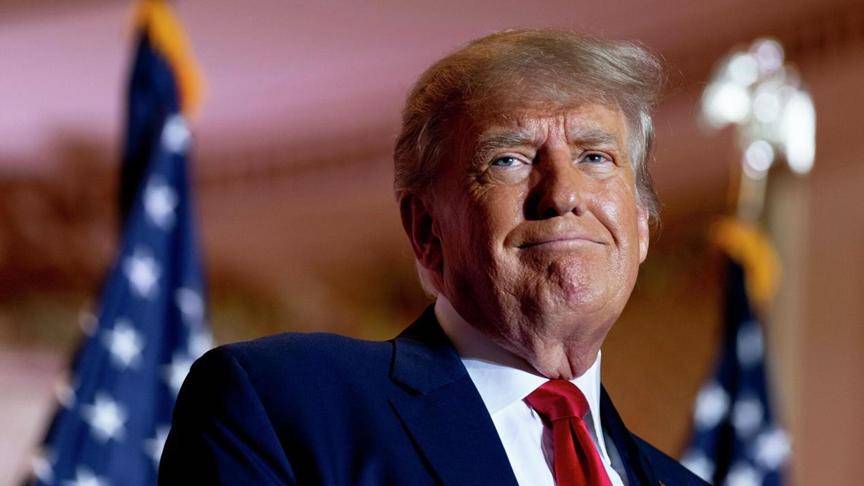
中国对美贸易战,掀起大反攻了!
Xin Lang Cai Jing· 2025-10-10 17:21
Group 1 - China has initiated an antitrust investigation against Qualcomm, highlighting its monopolistic position in the mobile chip market, where it dominates nearly all major players except for Apple, Huawei, and Samsung [2][6] - Qualcomm's business model involves charging a royalty based on the entire device price rather than just the technology used, leading to significant costs for Chinese smartphone manufacturers, which often struggle with low profit margins [4][6] - The investigation aims to address the perceived unfairness of Qualcomm profiting from the Chinese smartphone market while simultaneously benefiting from U.S. sanctions against Huawei [6] Group 2 - China has implemented comprehensive export controls on rare earth materials, mirroring U.S. strategies against Chinese chips, effectively creating a full supply chain blockade [7][11] - The export restrictions cover all aspects of rare earth production, including technology, equipment, and finished products, requiring Chinese permission for any overseas transactions [7] - This move is seen as a direct response to U.S. actions and aims to leverage China's position in the rare earth market [11] Group 3 - China has introduced a special port service fee for U.S. flagged vessels, as a retaliatory measure against similar fees imposed by the U.S. on Chinese ships, indicating a tit-for-tat approach in trade relations [9][11] - This fee applies to all U.S. registered ships docking at Chinese ports, reflecting a broader strategy of reciprocal economic measures [9] Group 4 - China's advancements in domestic chip technology, including breakthroughs in DUV lithography machines and ongoing development of EUV machines, are positioning the country to reduce reliance on foreign technology [11][12] - Chinese companies like Alibaba, Xiaomi, NIO, and XPeng are developing their own competitive chip products, indicating a significant shift in the domestic tech landscape [11] - The decreasing dependency on U.S. imports, with shifts towards other countries for energy and agricultural products, further strengthens China's negotiating position in trade [12]


Stock Markets Have Been Looking for the Next Big Risk. They May Have Found It.
Barrons· 2025-10-10 16:50
Market Overview - U.S. stocks experienced 33 trading days without a 1% pullback, indicating muted volatility and a bullish market trend leading to record highs [1] - This trend was abruptly interrupted as investors identified vulnerabilities in the market as the year-end approaches [1] Trade Relations - President Trump's threat of "massive" tariffs on China and the possibility of canceling a meeting with President Xi Jinping could escalate the ongoing trade war, impacting market stability [2] - The tariff threat is part of a series of retaliatory measures in the U.S.-China trade dispute that has persisted for several months [3]
豆粕:震荡,豆一:震荡
Guo Tai Jun An Qi Huo· 2025-10-10 07:00
Report Summary 1. Report Industry Investment Rating - No information provided 2. Core Viewpoints - On October 9, CBOT soybean futures fell after two consecutive days of gains due to long - profit taking, active technical selling, and increased concerns about Sino - US trade. The delay of the USDA's monthly supply - demand report and uncertainties in the farmer assistance plan also affected the market. There are concerns about Sino - US trade war solutions, and a weak La Nina may increase drought risks in major producing areas [1][2] 3. Summary by Relevant Catalogs 3.1 Fundamental Tracking - **Futures Prices**: DCE Bean No.1 2511 closed at 3975 yuan/ton during the day session, up 46 yuan (+1.17%), and 3960 yuan/ton at night, unchanged; DCE Soybean Meal 2601 closed at 2939 yuan/ton during the day session, up 6 yuan (+0.20%), and 2929 yuan/ton at night, down 5 yuan (-0.17%); CBOT Soybean 11 closed at 1021.75 cents/bushel, down 8.0 cents (-0.78%); CBOT Soybean Meal 12 closed at 276.6 dollars/short ton, down 1.5 dollars (-0.54%) [1] - **Spot Prices**: In Shandong, the spot price of soybean meal (43%) is 2950 - 2980 yuan/ton, up 10 yuan or unchanged compared to before the holiday, with different basis levels for different months. In East China and South China, different companies have different spot prices and basis levels for different months [1] - **Main Industry Data**: The trading volume of soybean meal was 12.35 million tons/day on the previous trading day, compared to 12.04 million tons/day two days ago; the inventory was 111.82 million tons/week [1] 3.2 Macro and Industry News - On October 9, CBOT soybean futures declined. Reasons include long - profit taking, active technical selling, and increased concerns about Sino - US trade. The USDA postponed the monthly supply - demand report due to the federal government shutdown, and the details of the 10 - 15 billion dollars farmer assistance plan are not announced. China expanded rare - earth export controls, and Sino - US leaders will meet later this month to discuss soybean purchases [1][2] 3.3 Trend Intensity - The trend intensity of soybean meal and Bean No.1 is 0, indicating a neutral situation for the day - session main - contract futures price fluctuations on the reporting day [2]
特朗普苦求中国未果,赖清德却选择接盘,为美献上100亿美元大单
Sou Hu Cai Jing· 2025-10-10 04:30
Core Viewpoint - This autumn, U.S. farmers are experiencing a bumper harvest, but they are not celebrating due to a significant drop in soybean orders from China, which has fallen to zero for the first time in nearly 30 years, primarily due to tariffs imposed by the Trump administration [1][3]. Group 1: U.S. Soybean Market - U.S. soybean imports from China have reached a historic low, with the country losing its competitive edge against Brazilian soybeans, which are 10%-15% cheaper due to tariff exemptions [1][3]. - The Taiwanese government announced plans to purchase $10 billion worth of U.S. agricultural products over the next four years, including soybeans, wheat, corn, and beef, in an effort to support U.S. farmers [1][3]. Group 2: Taiwan's Agricultural Impact - The Taiwanese agricultural sector is vulnerable due to limited arable land, and the influx of U.S. agricultural products could severely impact local farmers [3][5]. - The financial burden of the $10 billion procurement translates to nearly 4,000 New Taiwan Dollars per citizen, raising concerns among the local population about the economic implications of such a deal [3][5]. Group 3: Political Dynamics - The Taiwanese administration's decision to purchase U.S. agricultural products is seen as an attempt to curry favor with the Trump administration, hoping to gain political support against mainland China [3][5]. - The ongoing trade war has led to a significant increase in soybean imports from Brazil and Argentina, with Argentina's exports rising by 110% year-on-year [5][7]. Group 4: Public Sentiment - There is growing discontent among the Taiwanese public regarding the government's approach to U.S. relations, with calls for a reassessment of policies that prioritize U.S. interests over local welfare [7].

国泰君安期货商品研究晨报:农产品-20251010
Guo Tai Jun An Qi Huo· 2025-10-10 01:20
Report Industry Investment Ratings There is no information provided regarding the report industry investment ratings in the given content. Core Views - Palm oil: B50 road testing is advanced, and it shows relatively strong performance among varieties [2][4]. - Soybean oil: With the U.S. soybeans oscillating, it's difficult for soybean oil to reach new highs [2][4]. - Soybean meal: It is in an oscillating state [2][12]. - Soybean: It is in an oscillating state [2][11]. - Corn: Attention should be paid to the listing of new grains [2][14]. - Sugar: It is on an oscillating upward trend [2][17]. - Cotton: The transaction price of Xinjiang seed cotton has stabilized [2][21]. - Eggs: The spot market is operating weakly [2][25]. - Hogs: The spot bottom has not appeared, and the premium of near - month contracts is relatively large [2][27]. - Peanuts: Supply pressure still exists [2][31]. Summary by Related Catalogs Palm Oil and Soybean Oil - **Fundamental Data**: Palm oil's day - session closing price was 9,570 yuan/ton with a 3.71% increase, and night - session closing price was 9,596 yuan/ton with a 0.27% increase; soybean oil's day - session closing price was 8,332 yuan/ton with a 2.36% increase, and night - session closing price was 8,374 yuan/ton with a 0.50% increase [5]. - **Macro and Industry News**: Indonesia will implement the mandatory B50 biodiesel plan in the second half of 2026, which will eliminate the need for diesel imports and generate an additional 5.3 million tons of crude palm oil demand [6][7]. - **Trend Intensity**: Palm oil and soybean oil both have a trend intensity of 0 [9]. Soybean Meal and Soybean - **Fundamental Data**: DCE soybean 2511's day - session closing price was 3,975 yuan/ton with a 1.17% increase, and night - session closing price was 3,960 yuan/ton with a 0.00% increase; DCE soybean meal 2601's day - session closing price was 2,939 yuan/ton with a 0.20% increase, and night - session closing price was 2,929 yuan/ton with a 0.17% decrease [11]. - **Macro and Industry News**: On October 9, CBOT soybeans fell due to long - position profit - taking, active technical selling, and increased concerns about Sino - U.S. trade. The U.S. Department of Agriculture postponed the release of the monthly supply - demand report, and the details of the 10 - 15 billion U.S. dollars farmer assistance plan are yet to be announced. A weak La Nina weather pattern is emerging, increasing the drought risk in major producing areas [13]. - **Trend Intensity**: Both soybean meal and soybean have a trend intensity of 0 [13]. Corn - **Fundamental Data**: The price of Jinzhou's closing position was 2,180 yuan/ton, a decrease of 100 yuan/ton; C2511's day - session closing price was 2,138 yuan/ton with a 0.42% decrease, and night - session closing price was 2,133 yuan/ton with a 0.23% decrease [14]. - **Macro and Industry News**: During the National Day holiday, the price of Northeast corn declined. The price in North Ports slightly increased by 10 - 20 yuan/ton on October 6. The price in North China fluctuated with an overall downward trend [15]. - **Trend Intensity**: Corn has a trend intensity of 0 [15]. Sugar - **Fundamental Data**: The raw sugar price was 16.25 cents/pound, a decrease of 0.07 cents/pound; the mainstream spot price was 5,840 yuan/ton, an increase of 10 yuan/ton; the futures main - contract price was 5,528 yuan/ton, an increase of 35 yuan/ton [17]. - **Macro and Industry News**: Typhoon "Maideme" affected Guangdong and Guangxi, and floods occurred in the Guangxi production area. Brazil's sugar production in the first half of September increased by 16% year - on - year. Conab lowered Brazil's 25/26 sugar production forecast to 44.5 million tons. China imported 830,000 tons of sugar in August [17]. - **Trend Intensity**: Sugar has a trend intensity of 1 [19]. Cotton - **Fundamental Data**: CF2601's day - session closing price was 13,295 yuan/ton with a 0.61% increase, and night - session closing price was 13,380 yuan/ton with a 0.64% increase; ICE cotton 12 was 64.46 cents/pound, a decrease of 0.74% [21]. - **Macro and Industry News**: The procurement intention of textile enterprises for cotton spot is general. The acquisition price of Xinjiang seed cotton has stabilized. The ICE cotton futures fell due to lack of fundamental support, weak technical indicators, and the strengthening of the U.S. dollar and falling crude oil prices [22]. - **Trend Intensity**: Cotton has a trend intensity of 0 [24]. Eggs - **Fundamental Data**: Egg 2510's closing price was 2,650 yuan/500 kilograms, a decrease of 8.97; Egg 2601's closing price was 3,246 yuan/500 kilograms, a decrease of 3.19 [25]. - **Trend Intensity**: Eggs have a trend intensity of - 1 [25]. Hogs - **Fundamental Data**: The Henan spot price was 11,330 yuan/ton, a decrease of 1,100 yuan/ton; the futures price of Hog 2511 was 11,595 yuan/ton, a decrease of 700 yuan/ton [28]. - **Trend Intensity**: Hogs have a trend intensity of - 1 [29]. Peanuts - **Fundamental Data**: The price of Liaoning 308 common peanuts was 8,060 yuan/ton, a decrease of 440 yuan/ton; PK510's closing price was 7,630 yuan/ton, a decrease of 0.75% [31]. - **Spot Market Focus**: In the Henan Baisha peanut - producing area, trading has basically stopped. In the Jilin and Liaoning peanut - producing areas, the price is stable or slightly weak, and the supply is increasing. In Shandong, the supply is affected by rainy weather [32]. - **Trend Intensity**: Peanuts have a trend intensity of 0 [33].
中国还是不买美国大豆,特朗普另寻出路,却又收到了一个坏消息
Sou Hu Cai Jing· 2025-10-09 05:00
Core Insights - The U.S. has not exported any soybeans to China this year, contrary to Trump's expectations, leading him to seek alternative solutions [1][3] - China's Ministry of Commerce stated that the U.S. must take concrete actions to remove unreasonable tariffs before considering the resumption of soybean imports [3] - The ongoing trade dispute has seen Trump resort to extreme measures without any indication of tariff removal, including a new "toll" policy for Chinese ships [3][4] Group 1 - China's ability to influence the global economy is highlighted by its investments that have altered trade dynamics, such as diversifying port access in Malaysia and securing iron ore supplies in West Africa [4] - The U.S. has not adjusted its agricultural structure despite knowing China's dominance in the soybean market, leading to a lack of alternative buyers for U.S. soybeans [7] - Argentina's increased soybean exports to China and its currency swap agreements have further complicated the situation for the U.S. [7] Group 2 - Trump's potential for more aggressive actions regarding soybean exports may escalate, as indicated by his recent decision to cut diplomatic ties with Venezuela [8] - The military pressure on Venezuela may be aimed at undermining China's influence in Latin America [8]