消费升级

Search documents
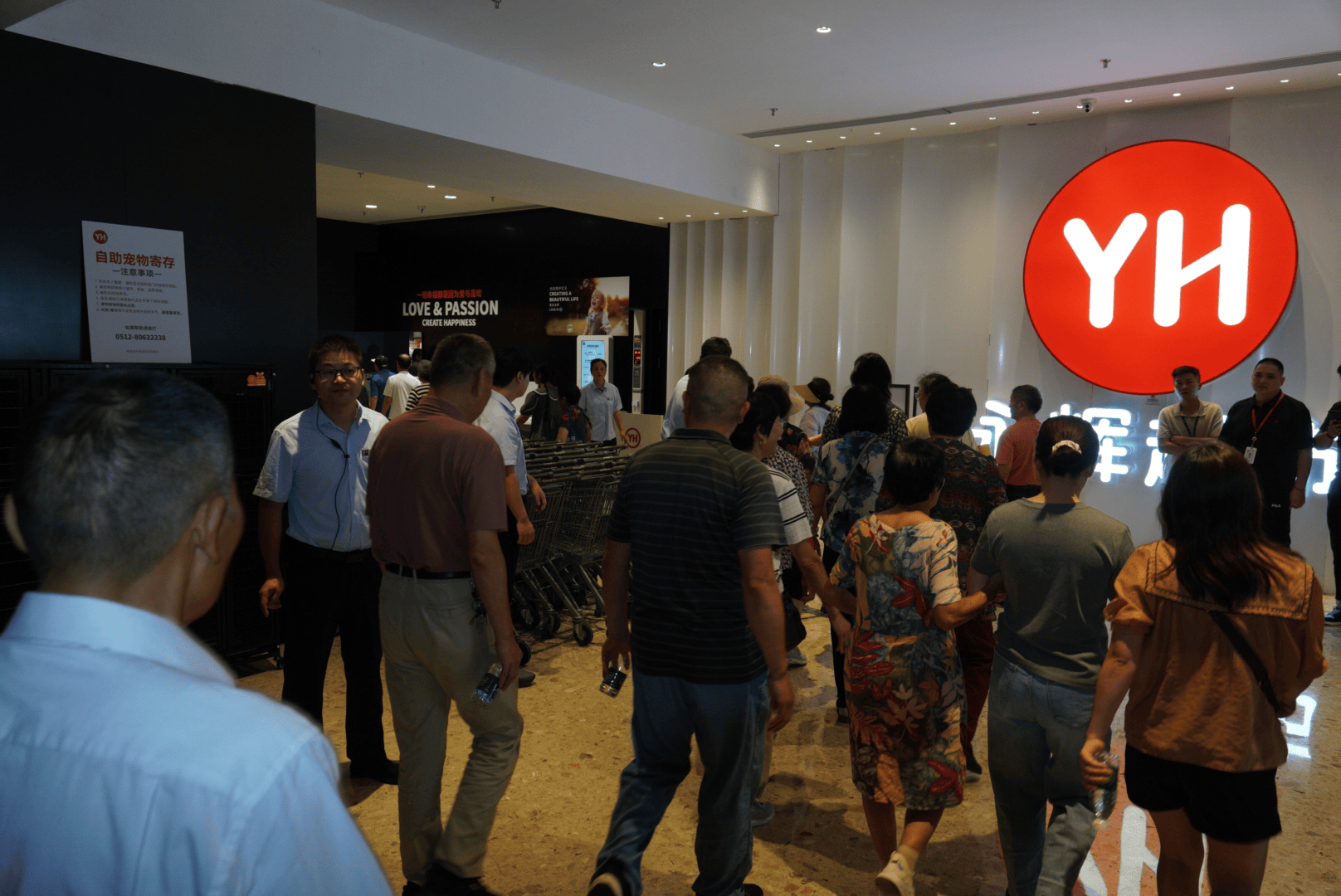
牵手华润隆地 京东MALL香港首店将落地湾仔 打造香港家场景消费新风尚
Zhong Jin Zai Xian· 2025-09-20 08:53
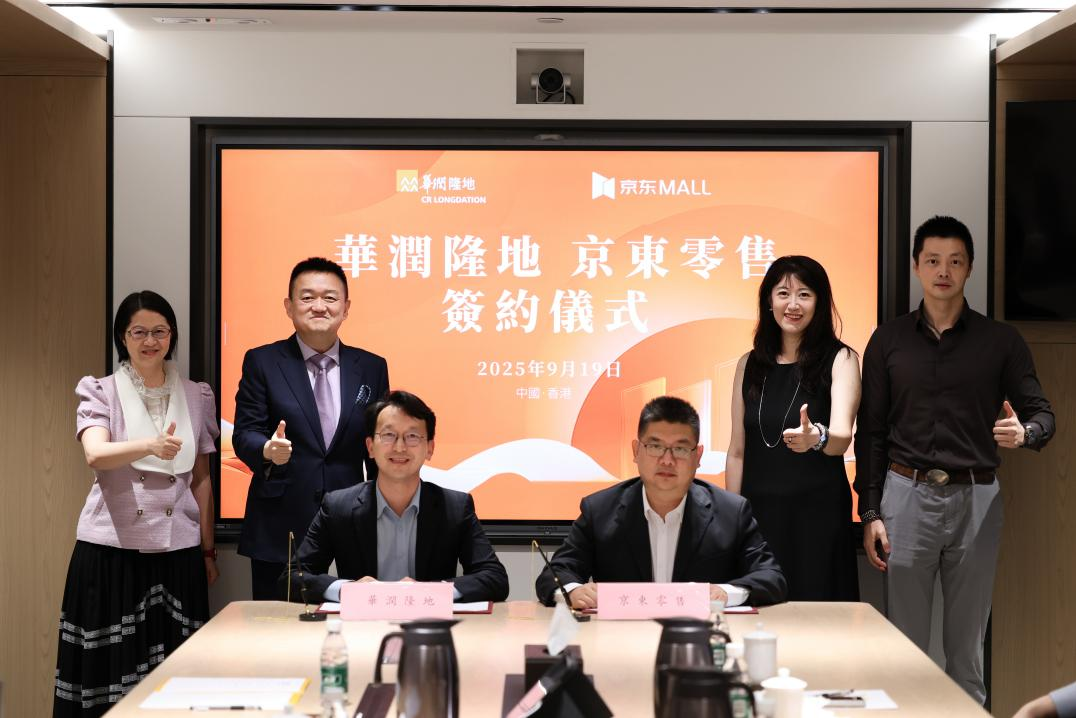
Group 1 - JD.com has officially reached a strategic cooperation with China Resources Longde, announcing the opening of JD MALL's first store in Hong Kong in the core area of Wanchai, scheduled for 2026 [1][8] - The new JD MALL store aims to provide Hong Kong residents with a one-stop shopping experience for home appliances and digital products, potentially establishing a new landmark for technology consumption in Hong Kong [1][3] - The store will feature a variety of international and Chinese tech brands, enhancing the shopping options available to consumers in Hong Kong [3][5] Group 2 - JD MALL has opened a total of 24 stores across China, focusing on first-tier cities and key provincial capitals, with over 200,000 trendy products available across various categories [5] - The store will include free experience zones for e-sports, baking coffee, and smart home products, offering an immersive and digital shopping experience [5] - In June, JD.com signed a strategic cooperation agreement with China Resources Group to expand in Hong Kong and overseas markets, covering various sectors including consumer goods and logistics [8]


新消费“黑马”闯广州:“体育外卖” 从潮流到产业
2 1 Shi Ji Jing Ji Bao Dao· 2025-09-20 00:56
Core Insights - The rise of "sports delivery" services in Guangzhou reflects a growing trend in sports consumption, driven by convenience and personalized training options [1][4][10] - The recent government policies aim to enhance sports consumption and support the development of the sports industry, providing a favorable environment for "sports delivery" to thrive [2][10] Group 1: Market Demand and Growth - "Sports delivery" services are gaining popularity among families, particularly in urban areas like Guangzhou, due to their convenience and the ability to address common pain points such as transportation and scheduling [1][3] - The demand for personalized sports training has surged, influenced by the "double reduction" policy and increasing emphasis on physical education in schools, as evidenced by the rising importance of sports scores in exams [3][4] - Guangdong province has a significant youth population, with over 20 million individuals under 16, creating a robust customer base for "sports delivery" services [6] Group 2: Industry Characteristics and Opportunities - The "sports delivery" model is characterized by its flexibility, allowing trainers to conduct sessions in community spaces, which directly addresses the limitations of traditional sports training institutions [4][5] - The industry is benefiting from a digital transformation, with online platforms facilitating the connection between trainers and clients, enhancing service customization and efficiency [4][8] - The emergence of "sports delivery" is also creating new employment opportunities for sports professionals, with many students from sports-related fields finding flexible job options in this sector [7] Group 3: Challenges and Regulatory Environment - Despite its rapid growth, "sports delivery" faces challenges related to coach qualifications, service safety, and liability issues, necessitating the establishment of industry standards and regulations [2][11] - Experts suggest implementing stricter qualification requirements for coaches and developing an insurance framework to address liability concerns, which would enhance consumer confidence in the service [11] - The government is expected to introduce more targeted policies to support the sustainable development of "sports delivery," which could further unlock the potential of sports consumption [10][11]
便民生活圈新政聚焦“一老一小” 2030年达成“百城万圈”
2 1 Shi Ji Jing Ji Bao Dao· 2025-09-19 19:56
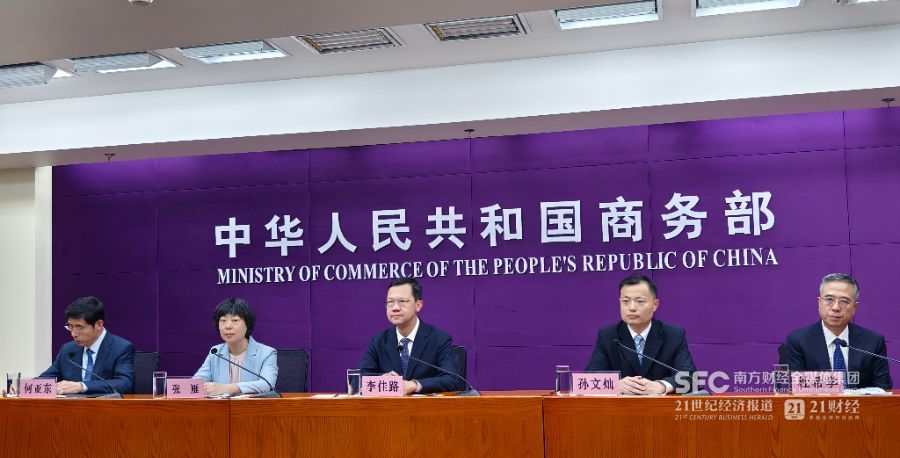
Core Viewpoint - The Ministry of Commerce and nine other departments issued a notification to enhance the construction of "15-minute convenience living circles" in urban areas, focusing on creating age-friendly living environments for both the elderly and children, thereby improving residents' quality of life and boosting economic development [1][2]. Group 1: Policy Objectives and Goals - The notification outlines 20 specific tasks aimed at expanding the coverage of convenience living circles to urban main districts and eligible county communities, with a target to achieve the "100 cities, 10,000 circles" goal by 2030 [2][3]. - By July 2025, 210 pilot areas are expected to establish 6,255 convenience living circles, serving approximately 129 million residents [2]. Group 2: Key Features of the Policy - The policy emphasizes a dual approach of "pilot + benchmark" to reduce promotion costs and address community supply issues effectively [1][2]. - It includes five main tasks: expanding coverage, optimizing facility layout, upgrading business formats, enhancing service quality, and improving management [3]. Group 3: Focus on Elderly and Children - The policy highlights the importance of services for the elderly and children, with a specific focus on integrating elderly care services into convenience living circles [6][7]. - It aims to create "Silver Streets" for elderly services and "Children's Fun Parks" to enhance the quality of life for both demographics [6][7]. Group 4: Development of New Business Formats - The notification encourages the introduction of new business formats such as specialty dining, modern bookstores, and shared spaces to meet evolving consumer demands [5][6]. - It promotes the development of community-based services, including elderly meal services and child care facilities, to cater to the needs of families [7][8]. Group 5: Implementation and Future Directions - The Ministry of Commerce plans to work with relevant departments to ensure that the construction of convenience living circles meets residents' needs and expectations [9]. - The policy aims to leverage new technologies to enhance management efficiency and service experience, ultimately benefiting both residents and related industries [9].
调研速递|星徽股份接受广发证券等6家机构调研 家居五金业务要点披露
Xin Lang Cai Jing· 2025-09-19 16:19
Group 1 - The company hosted a specific investor research and site visit event on September 18, attended by six institutions including GF Securities and Morgan Fund [1] - The main products in the company's home hardware business include slides and hinges, with applications across various industries such as custom home furnishing and household appliances [2] - The company emphasizes its core competitiveness in R&D and technological innovation, lean manufacturing, cost control, channel network, customer service, and brand premium [2] Group 2 - Domestic home hardware brands offer high cost-performance and rapid product iteration, while foreign brands are often tied to high-end cabinetry and have stable engineering channels [2] - The company's customer base is primarily industrial, with a significant portion of sales through direct sales, and it has established over 160 agency channels in key cities [2] - Future market drivers for the home hardware industry include demand for renovation and partial remodeling, consumption upgrades, and the deepening of whole-house customization [2]


北大发布新锐品牌研究,用全新“度量衡”洞察消费行业机遇
Sou Hu Cai Jing· 2025-09-19 13:50
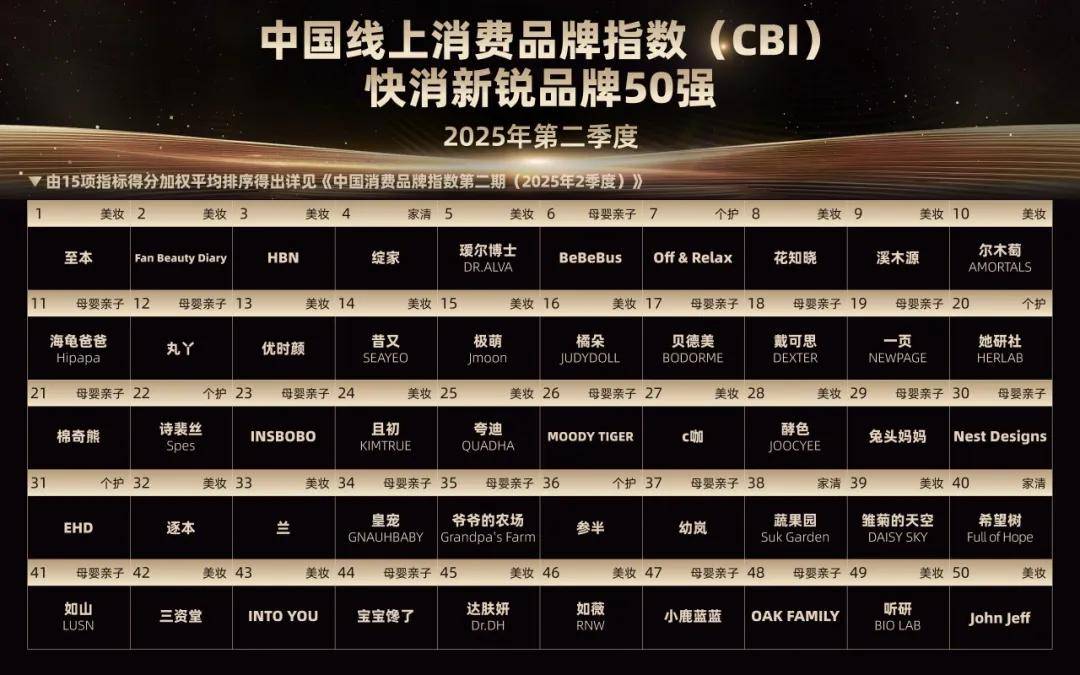
Core Insights - The current consumer goods market is experiencing both "consumption upgrading" and "consumption downgrading," necessitating a deeper analysis through big data to understand market trends [1] - The "China Online Consumption Brand Index (CBI)" report reveals significant insights into consumer behavior, indicating a shift towards brand quality and a continuous trend of consumption upgrading in China [2][3] Market Trends - The CBI index has shown a steady increase from 59.42 in Q1 2023 to 65.21 in Q2 2025, indicating a growing consumer preference for branded quality products [2] - The trend of consumers moving from lesser-known brands to those ranked within the top 500 suggests an overall upgrading in consumption rather than downgrading [3] Brand Dynamics - Recent discussions highlight a return to brand-focused purchasing, with consumers prioritizing brand experience over low prices, marking a shift from previous trends of low-cost and private label products [5][14] - The emergence of new brands in the fast-moving consumer goods (FMCG) sector is notable, with a focus on brand reputation, loyalty, and market opportunities [5][6] Consumer Behavior - Data indicates that over 200 major fast-moving consumer goods brands on Tmall have achieved double-digit growth in GMV after refunds, with over 500 new brands seeing a 40% year-on-year increase in sales [8] - The market is witnessing a "K-shaped" recovery, where new brands are capitalizing on unmet consumer needs in niche markets, leading to their rapid growth [8] Brand Innovation - Brands like "Hai Gui Ba Ba" and "Xi Mu Yuan" exemplify successful strategies in niche markets, focusing on unique consumer needs and leveraging technological advancements for product development [9][10] - The evolution of brand founders is evident, with a shift towards more versatile and hands-on leadership styles that emphasize product quality and innovation [10][11] Platform Evolution - Tmall is transitioning from a traffic distribution platform to one that emphasizes brand value creation, rewarding brands that can attract consumers through product quality rather than discounts [15][16] - The CBI index's rise reflects a broader consumer realization that low prices often compromise quality, leading to a renewed focus on brand trust and long-term consumer relationships [16]
赛事引流融合赋能:“苏超”经济助推盐城高质量发展
Yang Zi Wan Bao Wang· 2025-09-19 12:58
Group 1 - Yancheng has effectively stimulated market vitality and promoted high-quality regional economic development through the integration of culture, sports, and tourism, with a focus on the "Su Super" events [1] - The city's total retail sales of consumer goods reached 144.77 billion yuan in the first half of the year, a year-on-year increase of 7.1%, the highest growth rate in the province [1] - The event-driven economy has significantly boosted development, enhancing the city's influence and exploring a new path for consumption upgrade and economic growth [1] Group 2 - Yancheng has implemented a "fan-friendly" strategy, offering free visits to A-level scenic spots with event tickets, issuing cultural tourism consumption vouchers to students, and providing half-price hotel stays, effectively increasing visitor stay duration and consumption conversion rates [1] - During the Dragon Boat Festival, key tourist areas received 2.1966 million visitors, with overnight inbound tourists increasing by 46.8% year-on-year [1] - The "My Yancheng" app has integrated various functions to enhance online and offline engagement, achieving over 5 million clicks and driving approximately 10 million yuan in related consumption [1] Group 3 - Yancheng is innovating consumption scenarios by deeply integrating spectator experiences with local特色消费, establishing a "second venue" and launching events like "Lobster Beer Music Night" and "Fuyang Food Festival + Event Live Broadcast" to activate the night economy [2] - During the main event in early August, 17 key commercial enterprises achieved a total revenue of 445.384 million yuan, a month-on-month increase of 20.1%, with foot traffic exceeding 1.11 million, up 22.1% [2] - The "Sports+" model effectively converts event enthusiasm into actual commercial output, expanding the value chain of sports consumption and demonstrating strong economic driving force from multi-industry collaboration [2] Group 4 - The impact of the "Su Super" events has extended beyond competition, igniting a nationwide fitness craze and increasing demand for training institutions and youth football training [3] - The Yancheng government has developed a three-year action plan for football reform and development, aiming to build 100 football fields, form 100 teams, organize 100 events, and cultivate 100 clubs by 2027 [3] - This approach not only injects lasting momentum into urban development but also achieves a positive interaction between sports and socio-economic development [3] Group 5 - Yancheng has successfully implemented a development model for event economy characterized by "policy guidance + digital empowerment + scenario innovation + ecological construction," contributing to the successful completion of the 14th Five-Year Plan and providing valuable experience for high-quality regional economic development in the 15th Five-Year Plan period [3] - The event economy has become a crucial engine for Yancheng's transformation and upgrading, showcasing a new path for regional economic activation through innovation and urban development through sports [3] - Future efforts can focus on deepening this model, optimizing the policy system, enhancing digital technology applications, innovating consumption scenarios, and improving the sports ecosystem, offering replicable and promotable experiences for Jiangsu and the nation [3]
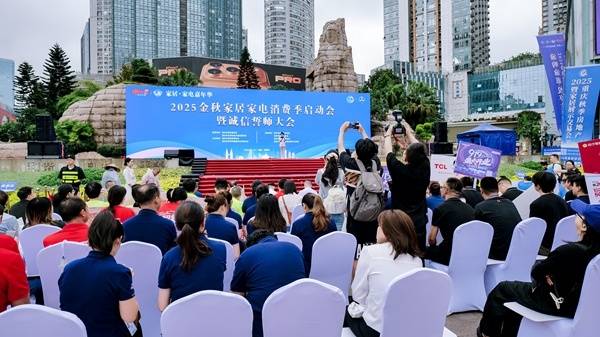
2025金秋家居家电消费季启动会暨诚信誓师大会举行
Sou Hu Cai Jing· 2025-09-19 11:57
Group 1 - The event "2025 'Buy in China · Love Chongqing' Autumn Home Appliance Consumption Season" was launched alongside the Chongqing Autumn Real Estate and Home Furnishing Exhibition, aiming to boost the home appliance market [1][3] - The initiative is guided by the Chongqing Municipal Commission of Commerce and the Chongqing Municipal Housing and Urban-Rural Development Commission, with over 100 enterprises participating and a total of over 1 billion yuan in discounts and benefits [3][5] - The event focuses on enhancing consumer experience in home appliances and furniture through government-business collaboration, promotional activities, and a commitment to integrity [3][4] Group 2 - The event aims to address consumer needs for affordable and high-quality home appliances, emphasizing the importance of quality control and integrity in business practices [4][5] - Various promotional policies will be implemented, including discounts on home appliances and home decoration products, to stimulate consumption growth in the industry [5][6] - The collaboration with China UnionPay and local banks will provide additional subsidies, creating a multi-layered discount structure for consumers [6]
小崧股份(002723) - 2025年9月19日投资者关系活动记录表
2025-09-19 10:10
Group 1: Business Development and Strategy - The company is currently in the early investment stage with Jiangxi Congguo Digital Culture Co., Ltd., which is expected to contribute a low percentage to overall revenue and is not anticipated to significantly impact business operations [2][3] - The acquisition of 51% stake in Congguo Digital Culture is aimed at exploring new business opportunities in the digital content sector [2][3] - The company plans to enhance its product offerings towards high unit price and high added value, focusing on "intelligent, healthy, and efficient" strategies in response to market demands [3][4] Group 2: Financial Performance and Market Conditions - The company experienced a decrease in product orders in the first half of the year and aims to secure more quality orders to improve capacity utilization [3] - Measures to achieve profitability include focusing on high-margin smart health appliances, reducing inefficient engineering business, enhancing R&D and cost control, and optimizing assets [3][4] Group 3: Industry Trends and Future Plans - The home appliance industry is shifting towards consumer upgrades driven by government policies and rising consumer demand for quality and smart products, while facing intensified competition [3] - The company is currently not pursuing the liquid cooling industry despite having numerous patents, indicating a cautious approach to new market entries [4]

背靠非洲人口红利,“非洲纸尿裤大王”乐舒适提交招股书
Guan Cha Zhe Wang· 2025-09-19 09:55
Group 1: Company Overview - Leshu Shih, known as the "King of Diapers in Africa," has submitted its prospectus to the Hong Kong Stock Exchange for the second time after its first submission expired due to not passing the hearing within six months [1] - The company originated from the fast-moving consumer goods division of SenDa Group, which was established in 2000 and expanded into the hygiene products sector in 2009 [2] - Leshu Shih has become a multinational company focusing on emerging markets in Africa, Latin America, and Central Asia, producing baby diapers, pull-ups, sanitary napkins, and wet wipes [2] Group 2: Market Position and Performance - According to Frost & Sullivan, Leshu Shih ranks first in the African baby diaper and sanitary napkin markets with market shares of 20.3% and 15.6%, respectively, based on 2024 sales [2] - The company achieved sales of 4,122.7 million baby diapers and 1,634.3 million sanitary napkins in 2024 [2] - Revenue increased significantly from $320 million in 2022 to $411 million in 2023, but growth is projected to slow to $454 million in 2024, reflecting a 10.5% increase [3] Group 3: Profitability and Margins - Net profit surged from $18 million in 2022 to $65 million in 2023, but the growth rate is expected to decline to 47% in 2024, reaching $95 million [3] - The gross profit margin has shown a downward trend, with margins of 23.0%, 34.9%, 35.2%, and 33.6% for the years 2022, 2023, 2024, and the first four months of 2025, respectively [3][4] Group 4: Strategic Insights - Leshu Shih's pricing power is influenced by brand recognition and market acceptance, allowing it to maintain or increase prices despite competition [4] - The company benefits from a strong supply chain network and local experience accumulated by SenDa Group over decades in Africa [4] - The ongoing population growth and rapid consumption upgrades in Africa are seen as significant growth drivers for the company [6][7] Group 5: Industry Trends - The African population is projected to grow from 1.45 billion in 2022 to 1.55 billion by 2024, creating a substantial demand market for companies [6] - The median age in Africa is 19.3 years, contributing to a youthful consumer base that drives demand for digital services and new consumption patterns [8] - Despite the opportunities, challenges such as weak infrastructure, policy fluctuations, and local competition remain significant hurdles for companies operating in Africa [8]

深耕苏城多元消费 永辉胖东来模式调改店首进苏州相城区
Sou Hu Cai Jing· 2025-09-19 09:55
Core Insights - The opening of the Suzhou High-speed Rail Wuyue Plaza store marks the third "Fat Donglai" model store for Yonghui, reinforcing its strategic layout in the Suzhou market and enhancing regional commercial service upgrades [1][9]. Store Location and Concept - The store is located at No. 3188, Xiangcheng Avenue, Suzhou High-speed Rail Wuyue Plaza, and aims to create a comfortable, convenient, and quality shopping space for consumers, particularly family customers in Xiangcheng District [2]. Product Offerings - The store features a comprehensive product renewal, including highland specialty vegetables and over 40 types of organic vegetables, all sold in packaging to save customer selection time. New ready-to-eat items such as fruit cuts, juices, and cold brew tea have been introduced, alongside partnerships with high-end fruit and vegetable brands [3]. - The prepared food section employs a professional chef team to offer a variety of dishes, including traditional items and modern snacks aimed at younger consumers. The store also includes dedicated brand zones for both Fat Donglai and Yonghui's private label products, covering a wide range of categories [5]. Shopping Environment and Services - The store has improved its shopping environment by lowering shelf heights and simplifying the layout to enhance comfort and accessibility. New customer service areas have been added, including rest zones and various amenities to cater to diverse customer needs [6]. - Food safety measures are strictly enforced, including a "468 principle" for fresh-cut fruits to ensure quality and freshness [7]. Employee Development - Yonghui has launched a "Craftsman Plan" to enhance employee skills and service awareness, aiming to cultivate a professional workforce and improve service quality in stores [8]. Strategic Vision - The Suzhou High-speed Rail Wuyue Plaza store's opening is seen as a significant milestone for Yonghui, reflecting its commitment to consumer needs and continuous improvement in product and service offerings. The company plans to further strengthen its presence in the Suzhou market [9].