
新旧动能转换

Search documents
油城变形记:新质生产力的东营样本
Feng Huang Wang Cai Jing· 2026-01-08 00:04
Core Insights - Shandong has entered the 10 trillion GDP club, with a focus on high-quality economic development, particularly in the city of Dongying, which is undergoing a significant transformation from a traditional oil-based economy to a diversified industrial base [1][2]. Group 1: Economic Transformation - Dongying, historically known for its oil production, is shifting from reliance on oil to new industries such as new materials, green electricity, and zero-carbon manufacturing [1][3]. - The petrochemical industry in Dongying achieved a revenue of 676.45 billion yuan in 2024, accounting for about 25% of the province's total, with the chemical industry now surpassing refining in terms of industrial growth [4]. Group 2: Innovation and New Industries - Dongying is witnessing a rise in new industries, with companies like Lihua Yi entering high-end new materials and Tianhong Chemical focusing on circular economy practices [4][6]. - The city has developed a significant new materials industry, with revenue growth of 108.1% during the 14th Five-Year Plan period [7]. Group 3: Government and Policy Support - The local government has implemented strategic plans to support the new materials industry and green energy initiatives, including the establishment of a CCUS demonstration project [7][11]. - Dongying's government is actively attracting high-end talent and promoting vocational education to support its industrial transformation [12]. Group 4: Future Outlook - The city aims to build a modern industrial system characterized by new quality productivity, focusing on traditional industry renewal and the growth of emerging industries [14]. - Dongying's transformation illustrates that resource-based cities can thrive by embracing new productive forces and diversifying their industrial base [15].
南京栖霞区:“十五五”期间目标经济总量年均增长5.5%
Yang Zi Wan Bao Wang· 2026-01-07 22:52
Core Insights - The report outlines the economic goals for Qixia District, aiming for a GDP exceeding 190 billion yuan by 2025, with an average annual growth rate of 5.5% during the 14th Five-Year Plan period [1][3] Economic Performance - In 2025, Qixia District's general public budget revenue is projected to reach 15.17 billion yuan, a growth of 2.3%, surpassing the city average; industrial investment is expected to be 6.2 billion yuan, a 17.1% increase, ranking third in the city [2] - The total output value of industrial enterprises above designated size is anticipated to reach 316.8 billion yuan [2] Industry Development - Qixia District is focusing on upgrading its petrochemical energy and optoelectronic display industries towards high-end, intelligent, and green development, while establishing strategic emerging industry clusters such as smart power and new energy vehicles [2] - Significant projects include the intelligent transformation of LG's new energy battery production line and the construction of the world's largest glass insulator production base [2] Innovation and Education - The district is enhancing the integration of technological and industrial innovation, with 23 projects in collaboration with local universities, resulting in 170 industry-academia cooperation projects and over 10 billion yuan in technology contract transactions [2][3] Future Development Goals - The report sets four development orientations: becoming a global logistics hub, a national demonstration area for new and old kinetic energy conversion, a key innovation source in the Yangtze River Delta, and a livable urban area [4] - Twelve implementation paths are defined, including promoting deep integration of technology and industry, expanding domestic demand, and enhancing cultural soft power [4] 2026 Work Objectives - For 2026, the district aims for GDP growth of over 5%, general public budget revenue growth of over 1%, and fixed asset investment growth of 5.5% [5][6] Urban Development and Livelihood - Qixia District plans to complete urban renewal projects, including the renovation of old residential areas and the construction of vibrant centers that integrate culture, art, and leisure [7]
“被延后”的修复
Sou Hu Cai Jing· 2026-01-06 23:57
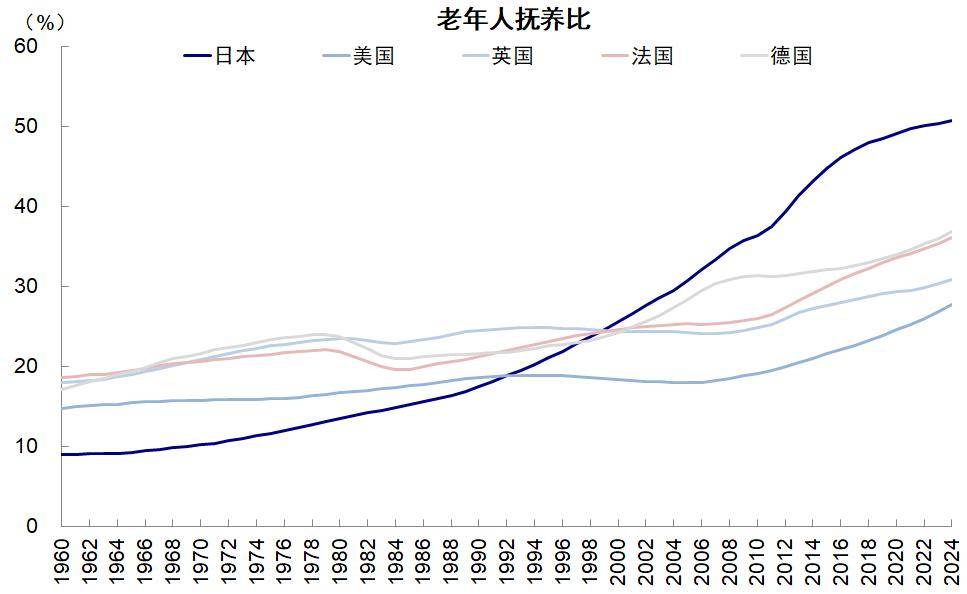
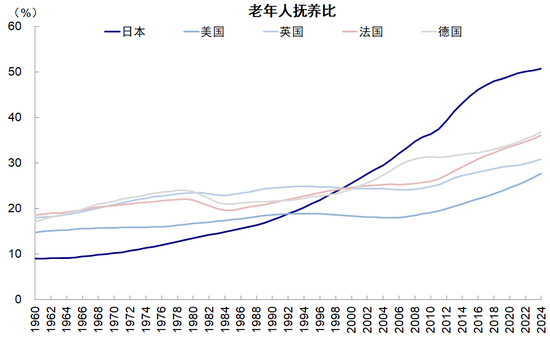
Core Viewpoint - The article discusses the potential for a sustainable revaluation of Chinese assets, drawing parallels with Japan's experience in the 1990s, emphasizing the importance of addressing structural issues alongside short-term stimulus measures [1][2]. Group 1: Japan's Structural Issues in the 1990s - Japan faced significant structural issues, including an aging population, which increased the elderly dependency ratio from 17.4% in 1990 to 25.6% in 2000, highlighting the aging problem [10]. - The public pension system was under pressure due to aging, with pension expenditures as a percentage of GDP increasing by 2.1 percentage points during the 1990s, raising concerns about sustainability [12]. - The real estate bubble burst in the early 1990s, leading to a prolonged decline in housing prices, with national residential land prices dropping by 52.8% over two decades [22]. - Employment challenges arose as the labor market faced oversupply, with university graduate employment rates falling from 81.3% in 1991 to 55.1% in 2003 [24]. - The financial system was strained as the real estate bubble's collapse weakened cash flows for real estate companies, increasing non-performing assets for banks [30]. Group 2: Policy Shortcomings in the 1990s - Japan's policies in the 1990s were inadequate, with a misalignment in technology direction and a reliance on short-term infrastructure investments, which did not lead to sustainable long-term growth [4]. - The government overly depended on quick-return infrastructure projects, which constituted nearly 20% of fiscal spending at times, delaying the resolution of structural issues [4]. - Real estate policies were slow and insufficient, with mortgage rate cuts lagging behind, leading to prolonged downward pressure on housing prices and damage to household balance sheets [53]. - The slow pace of debt resolution and a lenient approach to non-performing assets weakened the financial system's resilience, leading to higher costs during external shocks [56]. Group 3: Policy Awakening Post-2000 - After 2000, Japan shifted its policy focus towards social welfare, with social spending as a percentage of total fiscal expenditure rising from 21.4% in 2000 to 32.7% in 2015-2019 [65]. - The government implemented significant reforms to address non-performing assets, with the non-performing loan ratio dropping from 8.4% in 2001 to 2.9% in 2004, restoring bank credit functions [74]. - Technological policies became more aligned with market realities, focusing on key sectors and enhancing direct support for corporate R&D through revised tax incentives [78]. Group 4: Implications for China - China faces similar challenges with old growth drivers still weighing on the economy, particularly as real estate and domestic demand slow down [80]. - The importance of addressing old growth drivers is emphasized, as current policies like consumption subsidies may not suffice until structural issues in real estate and social welfare are resolved [82]. - The article suggests that timely and effective policy responses can mitigate the impact of external shocks and facilitate a smoother adjustment process for the economy [82].

民生福祉绘新篇!2026年康平县这些重点工作暖民心
Xin Lang Cai Jing· 2026-01-06 23:41
Core Viewpoint - The government of Kangping County has outlined its key work for 2026, focusing on industrial upgrades, ecological protection, urban renewal, and livelihood guarantees to achieve high-quality development. Group 1: Economic Development - Kangping aims to sign at least 60 projects worth over 100 million yuan each in 2026, focusing on precise investment attraction and efficient service to support economic growth [3] - The county will target major projects in infrastructure and key sectors, including a rural water supply project and a new funeral home, with 26 projects seeking inclusion in the central budget [3] - The goal is to secure over 1 billion yuan in funding, with a focus on industries such as biochemistry, new energy, and new materials [3] Group 2: Renewable Energy Initiatives - Kangping plans to ensure the full capacity grid connection of the 300,000 kW wind power project by China Resources and commence a 500,000 kW joint venture wind power project [4] - The county will also implement modifications to wind farms and develop a green liquid fuel distribution network [4] Group 3: Rural Development and Livelihood - The county aims to enhance food security and promote rural revitalization by strengthening local brands and increasing the scale of agricultural production [5] - The goal is to achieve a rural water supply rate of over 45% and improve rural infrastructure, including the construction and renovation of roads and power grids [5] Group 4: Urban Development and Infrastructure - Kangping will work towards becoming a national civilized city by enhancing urban functions, services, and ecological quality, including the construction of new parking spaces [6] - Projects include relocating the local prison, upgrading old neighborhoods, and improving public utilities [6] Group 5: Social Welfare and Public Services - The county will prioritize public welfare by implementing free preschool education and improving the quality of elderly care services [7][8] - Efforts will be made to enhance healthcare services through the expansion of the county hospital and the establishment of a county-level elderly care system [8]
打开长江经济带高质量可持续发展之窗
Ren Min Ri Bao· 2026-01-06 23:29
Core Viewpoint - The development of the Yangtze River Economic Belt is a crucial strategy for China's high-quality and sustainable development, emphasizing ecological protection and green growth as foundational principles [1][3]. Group 1: Development and Protection - The proportion of good water quality in the Yangtze River Economic Belt has increased from 67% to 96.5% over the past decade [3]. - The regional GDP share has risen from 42.2% to 47.3%, indicating significant economic growth [3]. - Per capita disposable income has increased from 23,000 yuan to 44,000 yuan, reflecting a 91% growth [3]. Group 2: Ecological and Economic Integration - The strategy emphasizes the need to balance ecological protection with economic development, advocating for high-level protection to support high-quality growth [4][5]. - The transformation of traditional industries into green and sustainable practices is highlighted, with examples of companies investing in environmental upgrades and circular economy initiatives [4][11]. Group 3: Innovation and New Growth Drivers - The focus on technological innovation is essential for transitioning to new productive forces, with an emphasis on developing advanced production capacities [6][8]. - The integration of scientific research and talent into economic development is crucial for fostering new growth areas and competitive advantages [9][10]. Group 4: Regional Coordination and Integration - The importance of regional collaboration among provinces along the Yangtze River is stressed, promoting shared development and ecological governance [15][21]. - Initiatives like the Yangtze River Delta ecological integration demonstrate the effectiveness of coordinated planning and management across administrative boundaries [16][20]. Group 5: Long-term Vision and Strategy - The overarching strategy aims for sustainable development that harmonizes economic growth with ecological preservation, ensuring the long-term viability of the Yangtze River as a vital resource for the nation [22][23].
南方基金:海外变局下,A股如何布局?
Sou Hu Cai Jing· 2026-01-06 05:27
Market Performance Review - Domestic asset performance showed divergence, with A-shares experiencing fluctuations and sectors like non-ferrous metals, petrochemicals, and telecommunications leading in gains. Bond yields remained stable, and the RMB appreciated slightly against a basket of currencies [2] - In the Hong Kong market, all benchmark indices declined, with the Hang Seng Technology and Hang Seng Small Cap indices underperforming. However, sectors such as raw materials, energy, and finance saw notable gains [2] - In the overseas market, US stocks and bonds experienced high-level fluctuations, with the S&P 500 and Nasdaq reaching historical highs before stabilizing. Following the Federal Reserve's preventive rate cuts, short-term US Treasury yields declined while long-term yields remained high. Commodity performance was mixed, with metals like gold, silver, and copper reaching historical highs, while oil prices showed weakness [3] Macroeconomic Interpretation - The macroeconomic environment for Q1 2026 is expected to be stable, with a focus on the transition of old and new economic drivers. New policies are being implemented, including a reduction in the scale of subsidies for consumer goods and adjustments to the scope and limits of subsidies for appliances and vehicles [4] - Monetary policy is anticipated to be flexible, with potential for rate cuts and reserve requirement ratio reductions. The US is expected to restart fiscal expansion, supporting its economy, while AI-related capital expenditures are likely to continue growing [5] Market Outlook - The macro strategy department maintains a strategic optimism for the equity market, considering domestic and international environments, market positioning, and valuations [7] - Within the A-share market, three styles are highlighted: small-cap stocks are expected to benefit from seasonal effects; growth stocks, despite high valuations, may still offer opportunities due to the AI wave; and dividend stocks are seen as attractive alternatives in a low-interest-rate environment [8] - For the Hong Kong market, positive domestic policies and economic stabilization, along with potential foreign capital inflows, suggest greater elasticity for Hong Kong stocks [9] - In the bond market, low yields are expected to remain stable, with limited appeal for bonds, while the focus will be on fiscal policy risks [9] - In the overseas market, US inflation expectations are not expected to be significantly impacted by short-term economic stabilization, and the high valuations in US stocks may face challenges. Additionally, commodity prices for copper and gold are expected to rise, while oil prices may remain weak [10]
中金:从“被忽略”的牛市到“被延后”的修复
Xin Lang Cai Jing· 2026-01-06 00:35
Core Insights - The article discusses the lessons learned from Japan's economic experience in the 1990s, emphasizing that despite facing multiple pressures such as deflation, real estate downturns, and debt issues, a bull market can still be stimulated through policy measures and capital inflows. However, unresolved structural problems can lead to interruptions in market recovery, as seen in Japan's case, which experienced three bull markets that were ultimately short-lived due to these underlying issues [1][7]. Group 1: Structural Issues in Japan in the 1990s - Japan faced significant structural issues during the 1990s, including a declining birth rate leading to an aging population, which increased the elderly dependency ratio from 17.4% in 1990 to 25.6% in 2000, a rise of 8.2 percentage points [9][10]. - The public pension system was under pressure due to aging demographics, with pension expenditures as a percentage of GDP increasing by 2.1 percentage points during the 1990s, raising concerns about sustainability [12][13]. - The real estate bubble burst after rapid interest rate hikes by the Bank of Japan, leading to a prolonged decline in housing prices, with national residential land prices dropping by approximately 52.8% over two decades [16][19]. - Employment challenges emerged as a result of a surplus in the labor market, with university graduate employment rates falling from 81.3% in 1991 to 55.1% in 2003, creating a competitive environment for public sector jobs [21][24]. - The financial system was strained as the real estate bubble's collapse weakened cash flows for real estate companies, increasing non-performing assets in banks [29]. Group 2: Policy Shortcomings in the 1990s - Japan's policies in the 1990s were inadequate, with a misalignment between technological investments and market realities, causing the country to miss the internet wave and lose competitiveness in the semiconductor industry [34][35]. - The government overly relied on short-term infrastructure investments, which constituted nearly 20% of fiscal spending at times, failing to address structural issues and leading to a decline in consumer demand [3][43]. - Real estate policies were slow and insufficient, with mortgage interest rates declining only marginally, resulting in prolonged downward pressure on housing prices and damage to household balance sheets [50][51]. - The slow pace of debt resolution and a lenient regulatory approach to non-performing assets weakened the financial system's resilience, leading to higher costs when external shocks occurred [54][59]. Group 3: Policy Awakening Post-2000 - After 2000, Japan shifted its policy focus towards social welfare, with public spending on social security rising from 21.4% in 2000 to 32.7% in 2015-2019, contributing to sustained income growth for residents [62][64]. - The government implemented large-scale institutional measures to address non-performing assets, significantly reducing the non-performing loan ratio from 8.4% in 2001 to 2.9% by 2004 [71][72]. - Technological policies became more aligned with market needs, with a focus on key sectors and direct support for corporate R&D, enhancing the effectiveness of government incentives [75][76]. Group 4: Implications for Current Economic Context - China currently faces challenges similar to Japan's past, with old economic drivers still weighing down growth. The fourth quarter has seen a slowdown in real estate and domestic demand, indicating potential market volatility [5][84]. - While new economic drivers and capital inflows can provide short-term boosts, addressing old economic drivers is equally crucial for sustainable recovery. Policies aimed at enhancing consumer welfare and stabilizing the real estate market are essential [5][82]. - China's economic advantages include strong government investment in AI and technology, a resilient export sector, and manageable government debt levels, providing a foundation for addressing structural challenges [80][81].
中金:“被延后”的修复
中金点睛· 2026-01-05 23:50
Core Viewpoint - The experience of Japan's three bull markets in the 1990s illustrates that even in a deflationary environment with real estate downturns and debt issues, policy stimulus and capital inflows can create bull markets. However, if structural problems remain unresolved, the effects of short-term stimulus will diminish, leading to recurring economic interruptions [2][9][10]. Group 1: Structural Issues in Japan in the 1990s - Japan faced several structural issues, including a declining birth rate leading to an aging population, which increased the elderly dependency ratio from 17.4% in 1990 to 25.6% in 2000, an increase of 8.2 percentage points [12][14]. - The public pension system faced significant fiscal pressure due to aging, with pension expenditures as a percentage of GDP rising by 2.1 percentage points during the 1990s, leading to increased public concern about sustainability [14]. - The real estate bubble burst in the early 1990s, with residential land prices declining by approximately 52.8% nationwide and 49.2% in the Tokyo area over more than 20 years [16][22]. - Employment challenges arose as the labor market faced oversupply, with the employment rate for university graduates dropping from 81.3% in 1991 to 55.1% in 2003 [24][25]. - The financial system was strained as the real estate bubble's collapse weakened cash flows for real estate companies, increasing non-performing assets in banks [30]. Group 2: Policy Shortcomings in the 1990s - Japan's policies in the 1990s were insufficient, with a misalignment in technology direction and a reliance on short-term infrastructure investments, which constituted nearly 20% of fiscal spending at one point, failing to generate sustainable long-term growth [4][36]. - The slow response to real estate policy, including gradual reductions in mortgage rates and taxes, prolonged the decline in property prices and damaged household balance sheets [4][53]. - The slow pace of debt resolution and a lenient regulatory approach to non-performing assets weakened the financial system's resilience, leading to higher costs when external shocks occurred [4][57]. Group 3: Policy Awakening After 2000 - Post-2000, Japan shifted its policy focus towards social welfare, with spending on social security rising from 21.4% in 2000 to 32.7% in 2015-2019, contributing to sustained income growth for residents [63]. - The government began to systematically address non-performing assets, with the introduction of the Financial Revitalization Law in 1998, which allowed for significant public funding to tackle the issue [70]. - Technological policies became more aligned with market realities, focusing on key sectors and enhancing direct support for corporate R&D through revised tax incentives [72]. Group 4: Implications for Current Economic Context - Current challenges in China mirror those faced by Japan, with old economic drivers still weighing down growth. The recent slowdown in real estate and domestic demand highlights the need for effective policy measures [6][76]. - The importance of addressing old economic drivers is emphasized, as policies aimed at boosting consumption and stabilizing the real estate market are crucial for long-term recovery [6][77]. - China possesses advantages such as strong government investment in AI technology and a resilient traditional manufacturing sector, which can support exports [76]. - The need for timely debt resolution is critical to avoid escalating costs and to enhance resilience against external shocks, as seen in Japan's experience [78].

信心·底气·勇气:开年看吉林高质量发展
Xin Hua Wang· 2026-01-05 02:28
Group 1 - FAW-Volkswagen has produced its 30 millionth vehicle, showcasing its growth from a single brand and model to over 30 fuel and new energy vehicles [2] - Jilin's industrial manufacturing has shown resilience, with a reported 8.4% year-on-year increase in industrial added value for the first three quarters of 2025, ranking sixth nationwide [5] - The province's strategic emerging industries and high-tech manufacturing have outpaced traditional industrial growth, with electronic manufacturing value increasing by 15% year-on-year [5] Group 2 - Jilin's agricultural output remains stable, with a total grain production of 871.6 billion jin in 2025, continuing to rise [5] - The province has seen significant growth in foreign trade, with over 40% increases in export freight volume and cross-border e-commerce management platform import-export totals in the first half of the previous year [5] - Jilin has prioritized social welfare, implementing 20 key livelihood projects to enhance the quality of life for its residents [5] Group 3 - Jilin's ecological environment supports high-quality development, maintaining air quality in the top tier nationally since the 14th Five-Year Plan [6] - The province is focusing on new energy and high-end manufacturing, transitioning from traditional industries to more advanced sectors [10] - Jilin has over 4,100 high-tech enterprises, reflecting its commitment to innovation and technological advancement [10] Group 4 - The province is addressing development challenges through targeted policies, including the establishment of an industrial transformation upgrade fund and incentives for talent retention [10][11] - Jilin is implementing a comprehensive development plan for the Changchun metropolitan area, aiming for an economic total of approximately 1.35 trillion yuan by 2030 [13] - The province is enhancing the integration of education, technology, talent, and industry to accelerate the commercialization of research outcomes [14]

PMI超预期,债市震荡偏弱——12月PMI点评
Changjiang Securities· 2026-01-05 00:51
Group 1: Report Industry Investment Rating - No relevant content provided Group 2: Core Viewpoints of the Report - In December 2025, both manufacturing and non - manufacturing PMI rebounded above the boom - bust line. The new kinetic energy is supporting the manufacturing industry, but related industries may be more vulnerable to external demand fluctuations. The pace of new - old kinetic energy conversion is an important window to observe the economic recovery [2]. - The report expects long - term interest rates to fluctuate widely, with the 10 - year Treasury yield expected to oscillate between 1.8% - 1.9% and the 30 - year Treasury yield between 2.2% - 2.4% [2][7]. Group 3: Summary by Related Catalogs Event Description - In December 2025, the manufacturing PMI rose 0.9pct to 50.1%, with the month - on - month increase expanding by 0.7pct. The non - manufacturing business activity index rebounded 0.7pct to 50.2%. The construction business activity index soared 3.2pct to 52.8%, and the service business activity index rebounded 0.2pct to 49.7% [5]. Event Comment Non - manufacturing Sector - The non - manufacturing sector's return above the boom - bust line is in line with seasonal trends, led by construction. The improvement in new orders, inventory, and employment is driven by domestic demand, while new export orders declined. The profit margin may be compressed, and the sustainability of the improvement needs further observation. In construction, seasonal factors and high - growth financial activities may support the improvement. In services, the transmission of upstream manufacturing prosperity to downstream consumption remains to be seen [7]. Manufacturing Sector - New kinetic energy supports the manufacturing industry, but related industries are more susceptible to external demand. The high - frequency indicators have weakened, but the manufacturing industry improved due to the high - level prosperity of new kinetic energy industries. The 10 - year and 30 - year Treasury yields are expected to fluctuate in specific ranges [7]. Other Aspects of Manufacturing - Manufacturing PMI continued to rise, with production, demand, and inventory all improving. External demand contributed to new orders, and the profit repair pressure may be reduced. Large and medium - sized enterprises and high - tech manufacturing showed better performance [9].