
关税政策

Search documents
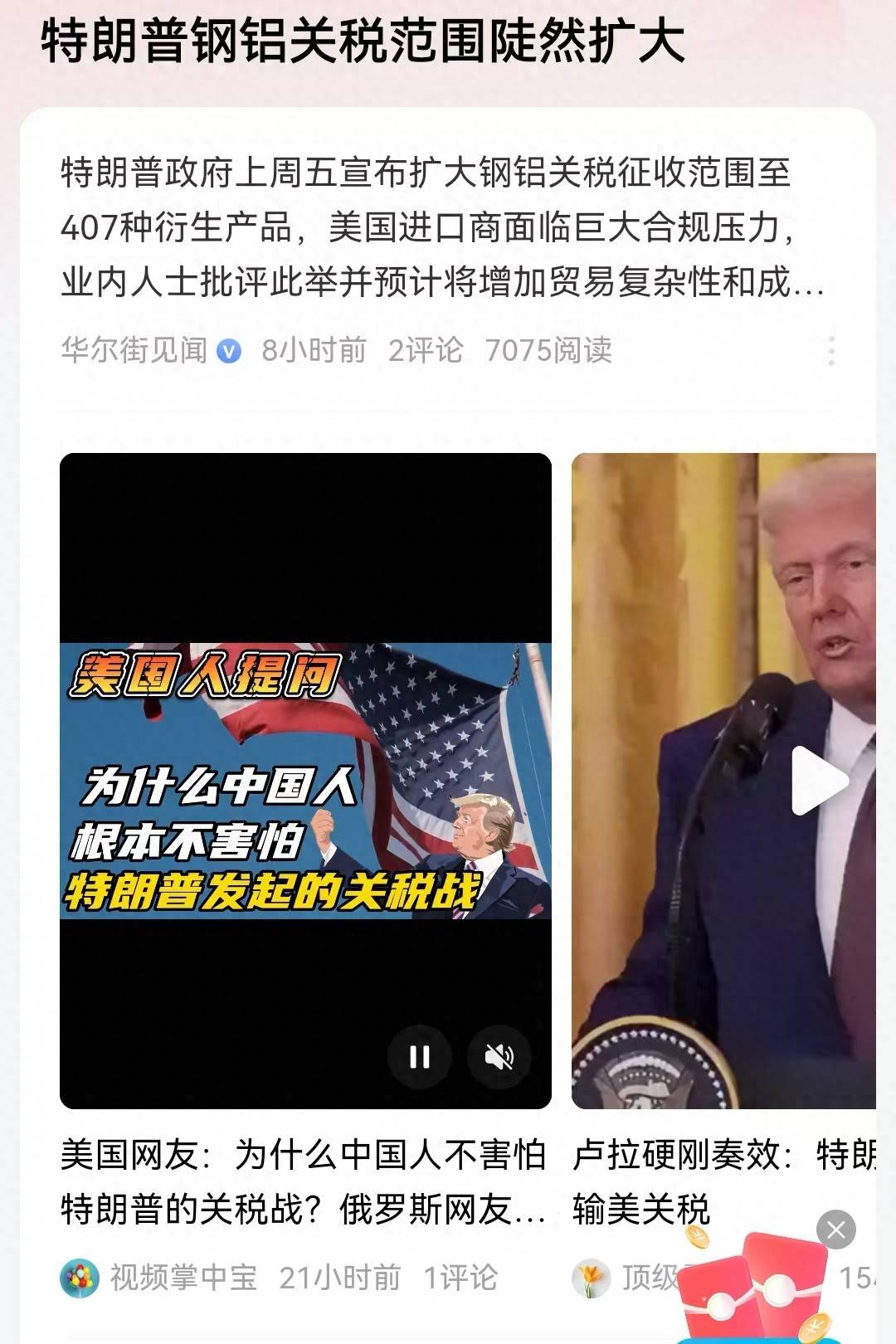
钢铝关税加征50%,对我国没啥影响,专门针对加拿大等盟国?
Sou Hu Cai Jing· 2025-09-22 09:51
Core Viewpoint - The U.S. Department of Commerce announced a new tariff policy starting August 18, imposing a 50% tariff on 407 products, primarily affecting steel and aluminum imports, indicating a more targeted approach to tariffs under the Trump administration [1][4]. Group 1: Tariff Impact on Trade - The U.S. imports approximately $147.3 billion worth of steel and aluminum products annually, with a significant trade imbalance as it primarily imports without exporting [4]. - The new tariffs will affect various manufacturing sectors, leading to increased prices for products ranging from automotive parts to household appliances [5]. - Countries like Canada, Mexico, and Brazil, which previously enjoyed tariff exemptions, are expected to face significant pressure due to the new 50% tariffs [5]. Group 2: Global Trade Dynamics - The new tariffs will disrupt trade for countries that previously benefited from exemptions, particularly affecting Vietnam, which has relied on tariff-free exports to the U.S. [4]. - The European Union, South Korea, and Japan, as traditional allies of the U.S., will also be significantly impacted, with a substantial portion of their steel and aluminum exports directed to the U.S. [5]. - The aggressive tariff strategy may lead to a shift in global economic dynamics, prompting countries to accelerate the development of alternative economic partnerships and reduce reliance on the U.S. market [6].

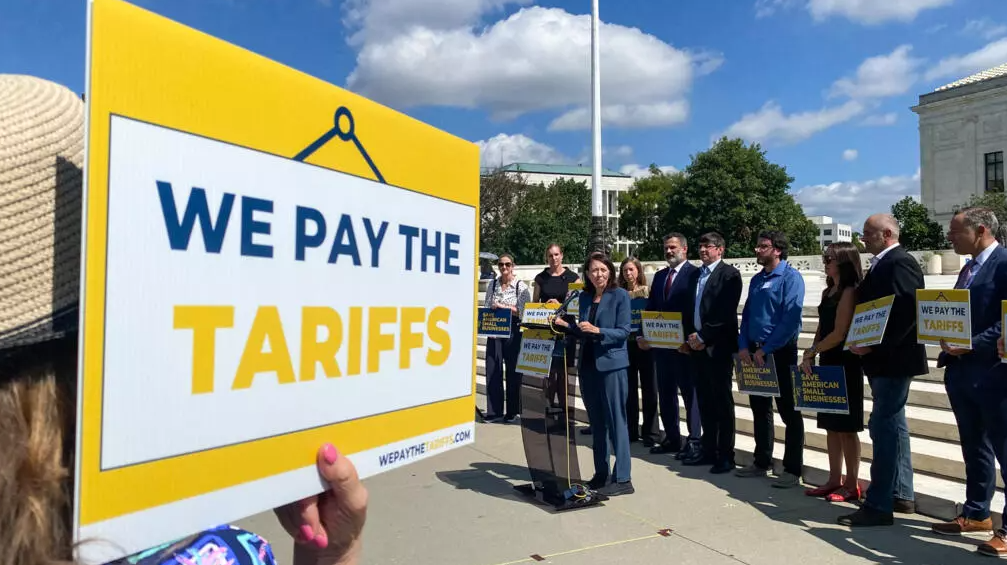
为躲税迁厂印度 转眼却遭更高关税 美小企业主叫苦连天
Yang Shi Xin Wen Ke Hu Duan· 2025-09-22 09:39
Core Points - The U.S. tariff policy is creating a crisis for small businesses, leading to increased costs, supply chain disruptions, stifled innovation, and decreased market competitiveness, forcing layoffs and potential market exit [2] - Approximately 100 small business owners gathered in Washington D.C. to express the negative impact of tariffs imposed by the Trump administration on their livelihoods [2] - Since the beginning of the year, the Trump administration has imposed a 10% comprehensive tariff on nearly all trade partners, with higher tariffs on specific economies like the EU and Vietnam, as well as on certain industries such as steel and aluminum [2] Group 1 - Small businesses are struggling to adapt to the rapidly changing policies of the Trump administration, with some shifting production from China to India only to face a 50% tariff on Indian products [2][3] - Business owners report feeling economic pressure, with some unable to continue operations due to the burden of tariffs eroding profits [3] - A Texas-based bag store owner highlighted that 17 out of the top 20 brands in her store have raised prices, adding uncertainty to business prospects and risking customer acceptance of higher retail prices [3] Group 2 - The U.S. government's tariff policy is currently facing legal challenges, with a federal appeals court upholding a lower court's ruling that the Trump administration's use of emergency economic powers to impose tariffs is overreach [2][3] - The court has allowed the tariffs to remain in place until mid-October, pending a Supreme Court hearing on the legality of the global tariffs scheduled for November 5 [3]
受美关税政策影响 5月至7月比利时对美出口下降12.1%
Yang Shi Xin Wen Ke Hu Duan· 2025-09-22 09:27
Core Viewpoint - Belgium's exports to the U.S. have significantly declined due to a 15% tariff imposed on EU goods, leading to a trade deficit for the first time in years [1] Export Performance - From May to July, Belgium's total exports to the U.S. decreased by 12.1%, with a notable drop of 13.9% in July alone [1] - The automotive sector experienced a drastic decline of 45% in exports, while the chemical and pharmaceutical industries saw reductions of 30% and 20%, respectively [1] - The diamond and technology sectors also faced negative impacts from the tariff [1] Trade Balance - In the previous year, Belgium's total exports to the U.S. amounted to €27 billion, with over half attributed to pharmaceutical products [1] - The trade balance shifted from a surplus of €600 million in 2024 to a deficit of €2.2 billion during the May to July period due to the larger decline in exports compared to imports [1] Market Sentiment - Analysts indicate that Belgian and other EU companies are in a wait-and-see mode due to the unpredictable nature of U.S. trade policies under the Trump administration [1] - Although a 15% tariff agreement was reached, the lack of clarity on exempted products has led to uncertainty among businesses [1]
集运日报:现货运价维持低位,尺长情绪仍较为悲观,盘面持续下探,不建议继续加仓,设置好止损-20250922
Xin Shi Ji Qi Huo· 2025-09-22 07:13
Freight Rates and Market Sentiment - Spot freight rates remain low, with a pessimistic market sentiment leading to continued declines, suggesting no further accumulation and the importance of setting stop-loss orders[1] - Shanghai Export Container Freight Index (SCFIS) for European routes decreased by 8.1% to 1440.24 points, while the index for US West Coast routes increased by 37.7% to 1349.84 points[2] - The overall Shanghai Export Container Freight Index (SCFI) dropped by 199.90 points to 1198.21 points, reflecting an 8.8% decrease in rates for European routes and a 31.0% decrease for US West Coast routes[2] Economic Indicators - Eurozone manufacturing PMI improved to 50.5, above the expected 49.5, indicating a slight recovery in manufacturing activity[2] - The US manufacturing PMI reached a 39-month high of 53.3, significantly above the forecast of 49.5, suggesting robust manufacturing growth[2] Trade and Tariff Developments - Ongoing delays in US-China tariff negotiations have led to a marginalization of tariff issues, with current focus shifting to spot freight rates[3] - The main contract closed at 1050.5, reflecting a 6.00% decline, with trading volume at 32,100 contracts and an increase in open interest by 542 contracts[3] Strategic Recommendations - Short-term strategy suggests maintaining a weak position in main contracts while waiting for bottoming opportunities, advising against holding positions without stop-loss measures[4] - Long-term strategy recommends taking profits on high positions and waiting for stabilization before making further directional judgments[4] Geopolitical Factors - Geopolitical tensions, extreme weather, and volatile oil prices are contributing to market instability, necessitating close monitoring of these factors[6]
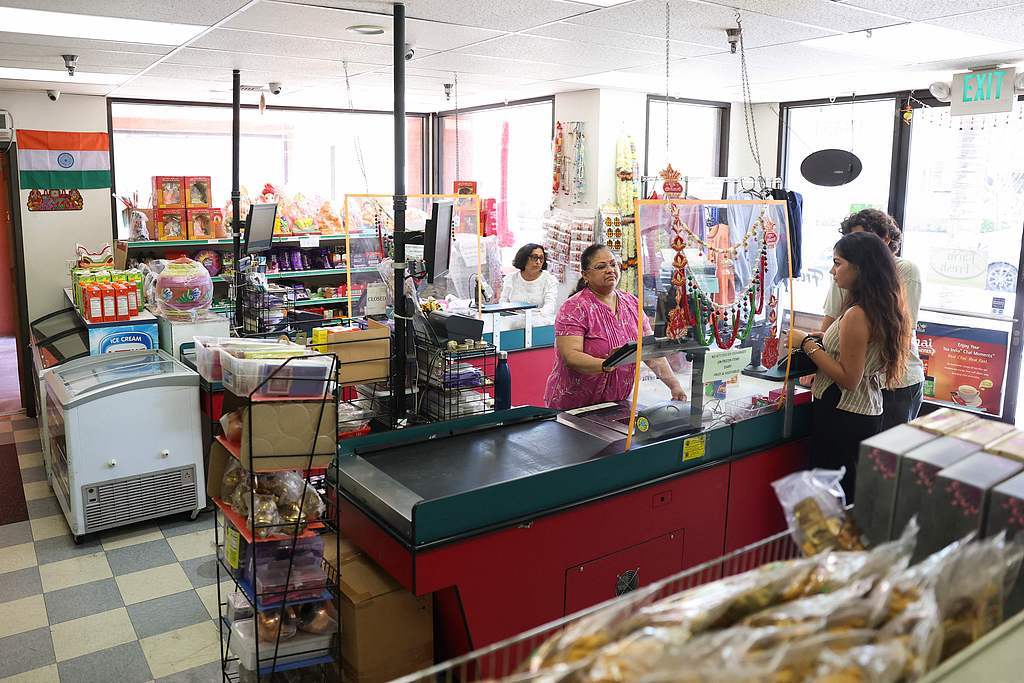
关税波动,美国小企业陷入“价格困境”
Huan Qiu Shi Bao· 2025-09-21 22:47
Core Viewpoint - The article highlights the challenges faced by small businesses in the U.S., particularly coffee shops, restaurants, and supermarkets, due to rising costs from tariffs and supply chain issues, leading to price increases that risk alienating customers [1][7]. Group 1: Impact on Small Businesses - Small businesses, such as coffee shops and restaurants, are forced to raise prices due to increased costs of raw materials and supplies, which are influenced by tariffs and transportation expenses [1][3]. - A coffee shop owner reported a price increase from $4.5 to $5 for lattes, resulting in customer complaints and concerns about losing loyal patrons [5][6]. - Restaurants are experiencing a 40% increase in food ingredient costs, leaving them with limited options: absorb the costs, raise prices, or seek non-existent domestic alternatives [3][7]. Group 2: Consumer Sensitivity - Consumers are highly sensitive to price changes, with even small increases prompting comparisons and potential loss of business for small establishments [3][5]. - A supermarket manager noted that essential items like milk and bread are kept at original prices, while non-essential items see price hikes of $0.2 to $0.5 to maintain customer loyalty [6][7]. - Customers on fixed incomes express understanding of the situation but feel the burden of rising prices, particularly for non-essential goods [6]. Group 3: Broader Economic Context - The cancellation of the small package tax exemption exacerbates the situation for small businesses, as 97% of U.S. importers are small enterprises facing increased costs due to tariffs [7]. - Larger companies can mitigate tariff impacts through inventory management and diversified suppliers, while small businesses struggle to secure necessary credit due to fluctuating trade policies [7].
全球媒体聚焦 | 美媒:众多美国CEO表示不会增加在美投资
Sou Hu Cai Jing· 2025-09-21 10:08
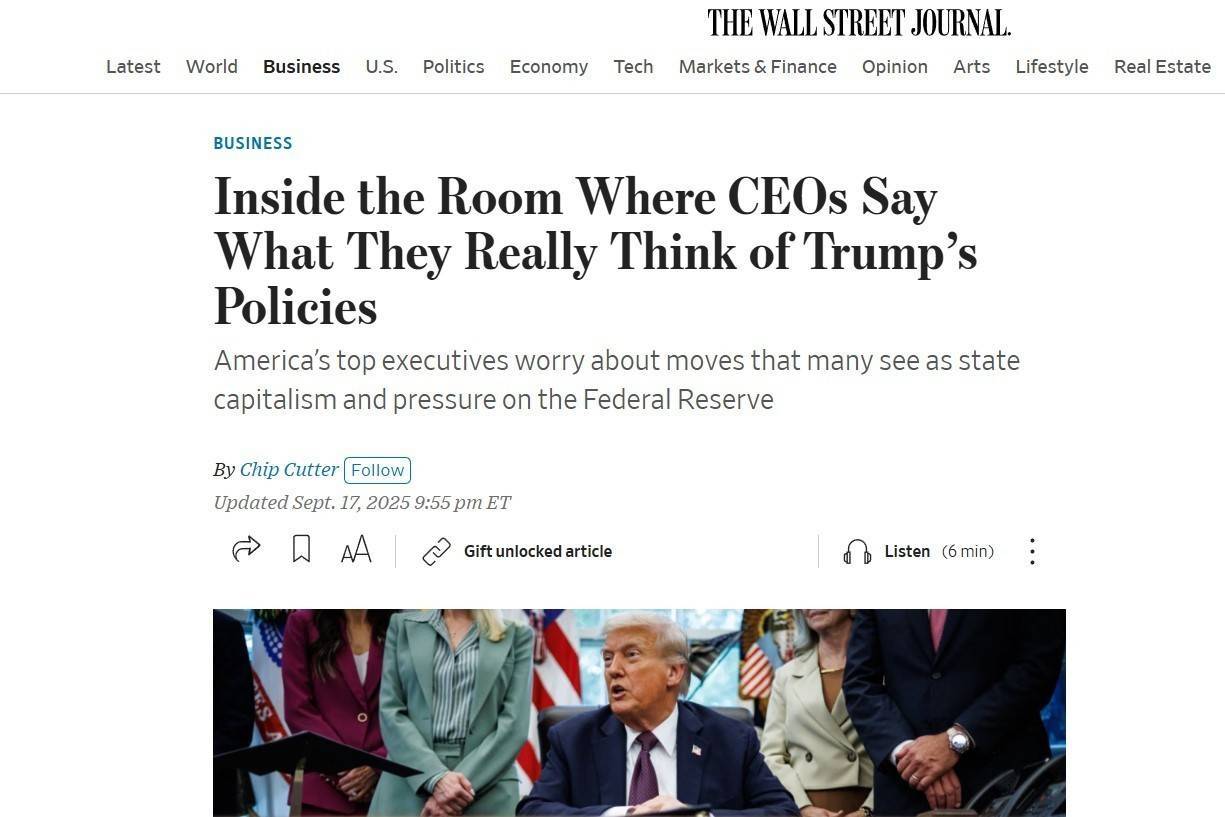
Core Viewpoint - The Trump administration's tariff policies are perceived to be detrimental to American businesses, leading to a lack of intention to increase domestic investments among corporate leaders [1][5]. Group 1: Corporate Sentiment - During a closed-door meeting organized by Yale School of Management, 62% of corporate executives indicated they have no plans to increase investments in U.S. manufacturing and infrastructure [5]. - A survey conducted by Yale revealed that 71% of senior executives believe the U.S. government's tariff policies have harmed their businesses [6]. Group 2: Impact on Consumers and Companies - Over 70% of executives stated that the costs of tariffs are ultimately borne by American consumers and domestic import companies [6]. - The recent ruling by the U.S. Court of Appeals, which deemed several "universal tariffs" implemented by the Trump administration as illegal, was supported by approximately 75% of surveyed executives [6]. Group 3: Economic Confidence - Concerns regarding tariffs, immigration policies, and overall economic conditions have created pressure on corporate leaders, resulting in a lack of confidence to pursue new investments [6]. - 71% of executives expressed that the independence of the Federal Reserve has been undermined due to pressure from the Trump administration [6].
特朗普发文怒吼,7票通过表决结果已定,美国将成为第3世界国家?
Sou Hu Cai Jing· 2025-09-21 07:36
Core Points - The U.S. Supreme Court ruled 7-4 that the global tariff policy implemented by the Trump administration was an overreach of authority, labeling it illegal [1][3][5] - The ruling signifies a significant setback for Trump's trade strategy, which relied heavily on tariffs as a tool for economic gain and international negotiation [1][9] Group 1: Legal Implications - The court's decision indicates that the President does not have the unilateral authority to adjust tariffs, rendering Trump's executive orders invalid [3][5] - The ruling highlights the legal vulnerabilities of Trump's tariff policies, which were based on the International Emergency Economic Powers Act, a law that does not explicitly grant the President the power to modify tariff rates unilaterally [5][9] Group 2: Economic Consequences - If the tariffs are deemed illegal, the federal government could face up to $90 billion in refunds, potentially exceeding $1 trillion when considering the entirety of Trump's first term [7] - The removal of tariff protections may expose U.S. manufacturing and agriculture to increased global competition, impacting their competitiveness [7][9] Group 3: Political Reactions - In response to the ruling, Trump has launched a media campaign criticizing the decision and has mobilized supporters to seek impeachment of the judges who voted in favor [9] - The situation underscores the independence of the U.S. judicial system, as lower court rulings prioritize legal principles over political affiliations [9]
苏泊尔(002032):2025年半年报点评:各项业务营收实现增长,盈利能力有所承压
Huachuang Securities· 2025-09-20 07:56
Investment Rating - The report maintains a "Recommendation" rating for the company with a target price of 55.0 yuan [2][10]. Core Views - The company achieved a revenue of 11.48 billion yuan in H1 2025, representing a year-on-year increase of 4.7%. The net profit attributable to shareholders was 0.94 billion yuan, showing a slight decrease of 0.1% year-on-year [2][10]. - The revenue for Q2 2025 was 5.69 billion yuan, with a year-on-year growth of 1.9%, while the net profit for the same period was 0.44 billion yuan, down 5.9% year-on-year [2][10]. - The company's gross margin in H1 2025 was 23.6%, a decrease of 0.8 percentage points year-on-year, primarily due to fluctuations in overseas tariffs [10]. - The net profit margin for H1 2025 was 8.2%, down 0.4 percentage points year-on-year, influenced by the decline in gross margin [10]. Financial Summary - The company is projected to have total revenue of 22.43 billion yuan in 2024, with a growth rate of 5.3%. The estimated revenue for 2025 is 23.40 billion yuan, reflecting a growth rate of 4.3% [5]. - The net profit attributable to shareholders is expected to be 2.24 billion yuan in 2024, with a growth rate of 3.0%, and 2.26 billion yuan in 2025, with a growth rate of 0.5% [5]. - The earnings per share (EPS) for 2025 is estimated at 2.82 yuan, with a price-to-earnings (P/E) ratio of 18 times [5][10]. - The company’s total assets are projected to reach 13.55 billion yuan by 2025, with a debt-to-equity ratio of 5.0% [11].

苹果CEO库克:iPhone17系列价格上涨与关税无关
Sou Hu Cai Jing· 2025-09-20 05:28
Group 1 - Apple's CEO Tim Cook stated that the high launch price of the new iPhone is not due to Trump's tariff policy, marking a rare direct response from him [1] - In September, Apple released the iPhone 17 series, increasing the starting price of the Pro model by $100 [3]


‘OUT OF CONTROL': This is one of the greatest contributors to inflation, economist explains
Youtube· 2025-09-20 04:30
Federal Reserve and Economic Perspectives - The Federal Reserve's recent decision to cut interest rates by 25 basis points has been met with mixed reactions, with some arguing that the Fed is misreading economic signals and projecting overly pessimistic growth rates of 1.6% for this year and 1.5% for next year, despite a recent GDP growth print of 3.3% [4][5] - Steven Myron's appointment to the Federal Reserve Board is seen as a positive development, bringing a fresh perspective to an institution criticized for groupthink and a fear of economic growth [6][7] - There is a belief that the Fed's primary role should be to maintain a strong and stable dollar, rather than engaging in broader economic interventions [13][14] Immigration and Labor Market - The closure of borders and a reduction in immigration are viewed as disinflationary factors, potentially alleviating shelter inflation caused by a fixed supply of housing [2][17] - The introduction of a $100,000 fee for H-1B visas aims to discourage companies from hiring foreign workers over American graduates, reflecting concerns about job replacement and labor market dynamics [17][18] - The discussion around H-1B visas includes the potential for auctioning these visas to better align with market dynamics, which could generate significant revenue [22][23] Government Spending and Inflation - There is a strong argument that cutting government spending is more critical for controlling inflation than further interest rate cuts, with current spending levels being a significant contributor to inflationary pressures [8] - The potential revenue from tariffs and visa fees raises questions about how to best utilize these funds, with suggestions including lowering tax rates rather than providing rebates [24][25]