贸易战

Search documents
中国订单暴涨300%!明明约定好互相减税,为何中国还是不买美国货
Sou Hu Cai Jing· 2025-05-18 23:50
Group 1 - The core point of the article is the unexpected outcome of the US-China trade agreement, where China significantly increased exports to the US, but did not reciprocate with increased purchases of American goods, leading to pressure on the Trump administration [3][5][10] - Following the announcement of the tariff reduction, Chinese exports to the US surged by nearly three times, with some sectors experiencing increases of 270% to 300% in orders within three days [6][8] - The overall tariff rate dropped from 145% to 30%, but concerns remain about the potential for tariffs to be reinstated after the 90-day "honeymoon period" [8][10] Group 2 - The historical context reveals that China's previous experiences with US agricultural imports have led to a cautious approach, particularly after the 2003 soybean crisis, which highlighted the risks of over-reliance on a single source [12][16][19] - China has diversified its supply chains, focusing on South America for agricultural imports, with projections indicating that by Q1 2025, 68% of China's soybean imports will come from South America, significantly outpacing imports from the US [21][23] - Investments in agricultural technology and seed development are part of China's strategy to enhance self-sufficiency and reduce dependency on US imports, with a goal of achieving self-sufficiency in major crops by 2030 [28][30] Group 3 - The article emphasizes that the current trade dynamics are not merely about whether to buy American goods, but rather about the strategic decision of whether there is a necessity to purchase them at all, given the competitive alternatives available [26][34] - The political landscape in the US complicates trade relations, as the Trump administration's policies are influenced by domestic political pressures, making them unpredictable and less appealing for long-term partnerships [32][34] - The shifting global resource allocation and the strategic adjustments by China indicate a significant transformation in trade relationships, moving away from reliance on the US towards a more independent and diversified trade network [34][35]

纯苯苯乙烯周报-20250519
Guo Tai Jun An Qi Huo· 2025-05-18 23:43
Report Summary 1. Report Industry Investment Rating No investment rating was provided in the report. 2. Core Viewpoints - In the short - term, styrene has filled the previous gap and recovered from the decline caused by the trade war. Caution is advised when chasing high prices. The weakness of pure benzene continues, and the focus is on how long the profit expansion of EB can last [3][4]. - In the medium - term, the weak trend of pure benzene has not ended. The supply - side pressure is continuously recovering, and European pure benzene may continue to arrive in July. The downstream demand for pure benzene is still in a supply - exceeding - demand situation. Pay attention to the actual new orders of end - users and the replenishment intensity of 3S factories next week [4]. 3. Summary by Related Contents Short - term Market Analysis of Styrene - Styrene's performance this week was stronger than expected due to three reasons: the release of downstream terminal demand after the easing of the trade war, the potential extreme market of port paper goods in late May, and the sudden news of the overhaul of an ethylene cracking device in a northern factory. It has filled the gap from the sharp decline during the Tomb - Sweeping Festival, and caution is needed when chasing high prices [3]. Medium - term Outlook of Pure Benzene and Styrene - The weakness of pure benzene continues. The bz - sm near - month spread has risen above 1800, and the overall valuation is relatively high. The apparent inventory of styrene remains low, and the raw material inventory of downstream factories has decreased. Pay attention to the new orders of end - users and the replenishment of 3S factories next week [4]. - The supply - side pressure of pure benzene continues to recover, and European goods may continue to arrive after July. The downstream aniline, adipic acid, and caprolactam industries' operating rates have declined this week, and it is still in a supply - exceeding - demand situation [4]. Market Conditions of Pure Benzene - Pure benzene imports have exceeded expectations, and there are also many exports of EB downstream products. The supply of hydrogenated benzene is limited [8][14]. - The profit of pure benzene downstream products shows different trends. For example, the production profit of styrene non - integrated devices, aniline, phenol, caprolactam, and adipic acid has fluctuated [23][25][26]. Market Conditions of Styrene - Styrene is currently in a situation of neutral inventory, high profit, and neutral production. The inventory, production capacity utilization rate, and production volume have shown different trends over time [51][52][55]. Aromatic Hydrocarbon Market - The logistics price difference between the US and Asia cannot be opened, and pure benzene remains in Asia. The internal price difference of aromatic hydrocarbons has returned [58][65]. Contradiction in the Second Quarter - There is a contradiction between the de - stocking of chemical products in the second quarter and the weakness of upstream oil products [67]. Downstream Product Market Conditions - ABS, PS, EPS, and other downstream products have different trends in inventory, production profit, production volume, and production capacity utilization rate [69][75][84].
美国败在哪里?白宫误判中方实力,美媒一针见血,情况不简单
Sou Hu Cai Jing· 2025-05-18 16:17
据环球时报报道援引美国《华盛顿邮报》社论表示,在美国政府对中国输美商品竖起了关税壁垒之后,中国利用这一强大的影响力来源进行了反制:对部分 中重稀土相关物项实施出口管制。因此,美国针对中国发起的贸易战已危及美国的国家安全。美国政府似乎在其挑起的贸易战中误判了双方的力量对比。当 中国是美国众多产品的唯一来源时,中国就能够以极具杀伤力的方式对美关税举措进行反制。对稀土问题的误判尤为严重,因为这直接威胁到美国的军事优 势。 特朗普(资料图) 不难看出,在被中方打痛了之后,美方会在对华态度和立场进行持续审视与调整。另外,稀土问题也很关键,特朗普估计还是不甘心,想在稀土上争取一 下,毕竟中国自从对稀土实施出口管制,直接切中了美国军工产业的命门。在中美会谈前,美方就希望中国取消对美稀土出口限制,对此,中方当时就严正 宣布:严打战略矿产走私。 美方在谈判中提出的核心要求之一,便是要求中国取消中重稀土出口的审批限制。中国对稀土出口设置审批机制,是基于国家安全、产业链控制和战略自主 的综合考量。此前,为反制美方的高关税政策,中国出台这一限制措施,精准打击了美国高科技企业的供应链,令其库存告急、生产受阻。而美国却妄图以 所谓的"条 ...
全球金融论坛| 诺贝尔经济学奖得主斯宾塞谈“关税战”:未来全球贸易或形成多边体系
Zhong Guo Jing Ying Bao· 2025-05-18 05:56
Core Viewpoint - The forum highlighted the positive changes in US-China trade negotiations, emphasizing the importance of bilateral talks and the potential for a more stable global economic environment [1][2]. Group 1: US-China Trade Relations - Michael Spence noted that the US accounts for 25% of global GDP, with 13% of its imports coming from China and 15% of China's exports going to the US, indicating significant interdependence [1]. - The ongoing trade war has negatively impacted consumer confidence in the US, which could lead to disastrous effects on the global economy if not addressed [1]. Group 2: Federal Reserve's Role - The Federal Reserve's primary tasks include managing employment and inflation, with current inflation pressures being influenced by supply and demand dynamics rather than just tariff impacts [2]. - Spence pointed out that while capital expenditures and tourism are declining, demand remains relatively stable, which could still contribute to inflationary pressures [2]. Group 3: Future of Global Trade System - Three potential scenarios for the future of the global trade system were discussed: a fragmented approach where countries act independently, a scenario where major powers exert their influence, and the most likely scenario where a multilateral system is supported by Europe, China, and other emerging markets [2]. - Despite the current US government's anti-multilateral stance, Spence believes that a multilateral system could persist and even thrive without the US, with the possibility of the US rejoining in the future [2].
“原以为美国是最大买家,结果却是中国”
Sou Hu Cai Jing· 2025-05-18 05:22
Core Insights - The Trans Mountain Expansion (TMX) pipeline has significantly increased Canada's oil exports to China, making it the largest buyer of Canadian oil, contrary to initial expectations that the U.S. would remain the primary buyer [1][2] - The TMX pipeline, which cost approximately $24.4 billion, has doubled its capacity to 890,000 barrels per day, facilitating Canada's oil expansion into the U.S. West Coast and Asian markets [1][4] - Since the expansion, Canadian oil exports to countries outside the U.S. have surged by nearly 60%, reaching a record 183,000 barrels per day by 2024 [4] Group 1: TMX Pipeline and Its Impact - The TMX pipeline began operations in May 2022, transporting oil from Alberta to British Columbia's Pacific coast [1] - The average daily export of Canadian crude oil to China has reached approximately 207,000 barrels since the TMX expansion, compared to an average of 7,000 barrels per day over the past decade [1][4] - The pipeline's operator is considering additional expansion projects to increase capacity by 200,000 to 300,000 barrels per day [4] Group 2: Trade Dynamics and Market Shifts - The trade tensions initiated by the Trump administration have led Canada to seek diversification in its oil exports, making Canadian oil more attractive to Chinese buyers [2][5] - China's imports of Canadian oil have surged, with a record 7.3 million barrels imported in March, while imports from the U.S. have plummeted from 29 million barrels to 3 million barrels per month [6] - The TMX pipeline's average utilization rate is projected to be around 77% by 2024, lower than the previously forecasted 83%, due to high tolls imposed to cover construction cost overruns [4]

翁富豪:5.18技术性回调还是趋势反转?黄金下周操作策略
Sou Hu Cai Jing· 2025-05-17 16:20
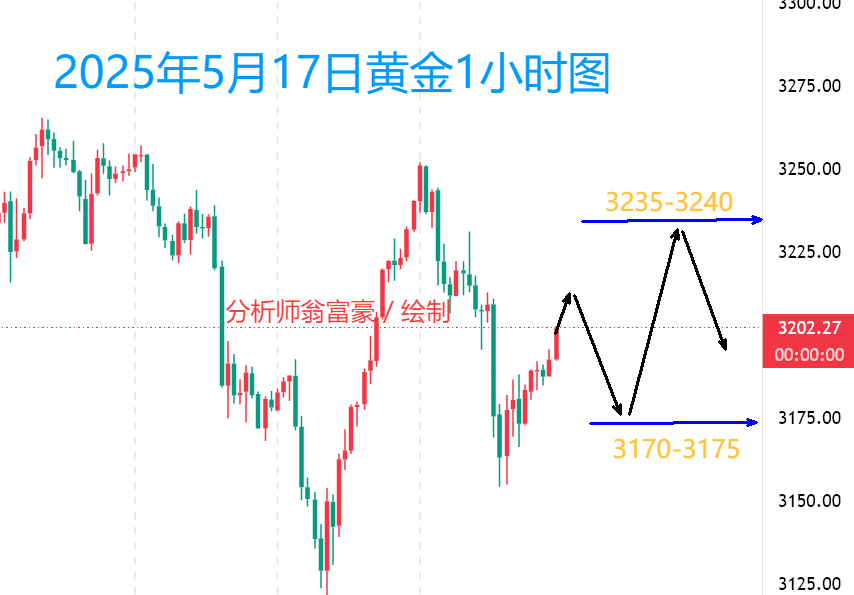
Group 1 - The international gold price experienced a decline on May 16, potentially recording the largest weekly drop in six months, primarily due to a stronger dollar and easing concerns over the US-China trade war, which diminished gold's appeal as a safe-haven asset [1] - Gold prices fell over 2% on Friday and accumulated a nearly 4% drop for the week, marking the largest weekly decline since November of the previous year, driven by increased risk appetite following trade agreement developments [1] - Market expectations for a Federal Reserve rate cut have been revised down to approximately 58 basis points by the end of the year, compared to 120 basis points during the peak of panic in April, indicating potential short-term pressure on gold prices [1] Group 2 - Despite the recent decline, gold remains in an upward trend over the long term, supported by the Federal Reserve's accommodative policies, which may continue to lower real yields [3] - The analysis suggests that while there may be short-term pullbacks, the overall trend for gold is bullish, with recommendations for trading strategies based on specific price levels [3] - Suggested trading strategies include buying on pullbacks in the 3175-3170 range with a target of 3185-3205 and selling on rebounds in the 3235-3240 range with a target of 3220-3200 [3]
半两财经|诺奖得主迈克尔·斯宾塞:贸易战是互相伤害必须纠正
Sou Hu Cai Jing· 2025-05-17 11:49
今日(5月17日),在2025清华五道口全球金融论坛上,2001年诺贝尔经济学奖得主迈克尔·斯宾塞通过视频连线 形式发表主旨演讲。他指出,全球贸易体系方面,贸易战是互相伤害,必须纠正,未来最有可能的情形是建立多 边体系,欧洲、中国及其他主要新兴经济体支持建立相对合理、可行的多边体系。 对于AI在教育方面的应用,迈克尔·斯宾塞认为,应当鼓励学生负责任地使用AI,把它作为一个学习的辅助工具, 无论是在哪个学科。 文/北京青年报记者 蔺丽爽 编辑/汪浩舟 他认为,美国发起的关税战已经削弱了消费者信心,对美国经济的负面影响开始展现,若不纠正,将对包括中美 在内的全球经济带来灾难性影响。当前特朗普政府与中国及其他国家展开的双边谈判是对先前政策的调整和纠 正,"这是个非常乐观的进展,毕竟没人希望在互相伤害的道路上走下去。" 对于美国的货币政策走向,他认为,美联储的首要任务是稳定就业、管理好通货膨胀,其货币政策会根据不同的 情况进行反应,美联储目前仍在观望之中。 技术方面,迈克尔·斯宾塞说,中美之间差距在迅速缩小,DeepSeek等一些大模型在中国出现,未来人工智能 (AI)的包容性、普惠性越来越强。 现在中国、美国的很多 ...
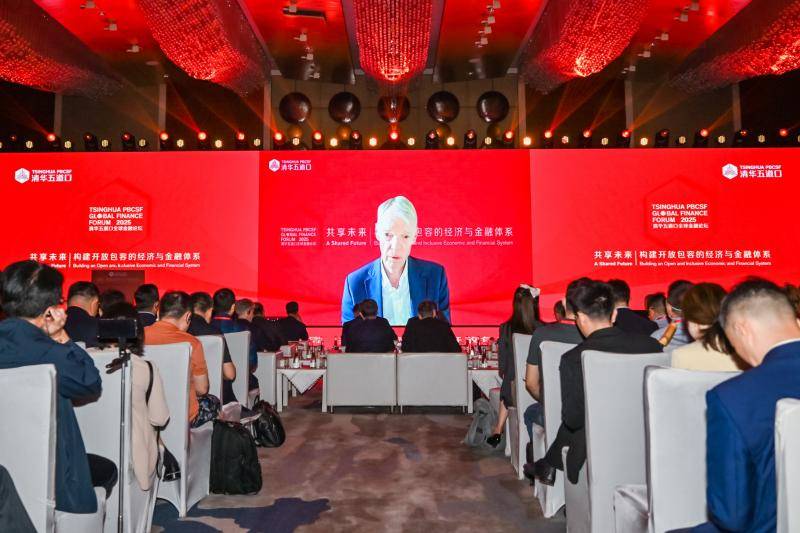
迈克尔·斯宾塞发表演讲丨2025清华五道口全球金融论坛开幕
清华金融评论· 2025-05-17 10:30
Core Viewpoint - The article emphasizes the need for a multilateral trade system supported by major economies like Europe and China, as trade wars are mutually harmful and must be corrected [1][9]. Trade War and Global Economy - Trade wars are detrimental, and the current U.S. administration's approach is primarily bilateral, particularly with China, which accounts for 13% of U.S. imports and 15% of China's exports [5][6]. - The temporary suspension of certain tariffs has positively impacted global markets, indicating a potential shift towards more cooperative trade negotiations [4][5]. - The U.S. economy, which constitutes 25% of the global economy, is experiencing negative effects from trade tensions, leading to decreased consumer confidence [5][6]. Monetary Policy and Economic Stability - The Federal Reserve's monetary policy is a source of uncertainty, with its primary focus on managing employment and inflation [5][6]. - There is a possibility of easing cost pressures through negotiations, which could help stabilize the economy and mitigate inflation concerns [6][7]. - The Fed's response to economic changes will be crucial in maintaining economic health without triggering excessive inflation [6][7]. Future of Global Trade Systems - The article outlines three potential scenarios for the future of global trade: 1. Countries acting independently, which is unlikely due to historical failures [7]. 2. Major powers exerting influence, which may not be sustainable as emerging markets prefer balanced relations with both the U.S. and China [7]. 3. A multilateral system supported by Europe, China, and other emerging markets, which is deemed the most likely outcome [7][8]. AI Development and Global Impact - The rapid advancement of AI technology is highlighted, with significant developments in both the U.S. and China, narrowing the gap between the two nations [11][12]. - The emergence of open-source AI models and smaller models is making AI more accessible and cost-effective, positively impacting global economies [11][12]. - The integration of AI in various sectors, including healthcare and environmental predictions, is expected to drive innovation and productivity [13][14]. Education and AI Integration - The article discusses the importance of incorporating AI into education, emphasizing its potential as a research tool rather than a means for academic dishonesty [15][16]. - The need for educational institutions to adapt to the evolving landscape of AI and maintain global collaborations is stressed, particularly in light of changing international relations [17][18].
2025五道口金融论坛 | 迈克尔·斯宾塞谈“关税战”:没有人希望在互相伤害的道路上走下去
Bei Jing Shang Bao· 2025-05-17 08:58
Group 1 - The core viewpoint is that a multilateral trade system is likely to emerge in the future, supported by Europe, China, and other major emerging economies, as the economic weight of emerging markets increases globally [1][5] - Michael Spence emphasized that the current U.S. administration's approach to trade negotiations is predominantly bilateral, particularly with China, which accounts for 13% of U.S. imports and 15% of China's exports [3] - The easing of the U.S.-China trade tensions is expected to allow the Federal Reserve to focus on managing employment and inflation, with hopes for negotiations to alleviate cost pressures and return to a more normal economic environment [3][4] Group 2 - Three potential scenarios for the future global trade system were discussed: a return to protectionism, a dual influence of the U.S. and China, or a stronger multilateral system supported by emerging markets [4][5] - The most likely scenario is the support for a multilateral system by major economies, despite the current U.S. government's anti-multilateral stance, indicating that a global multilateral framework could persist even without U.S. involvement [5] - The economic capacity of emerging markets has increased significantly compared to 25-30 years ago, making a globalization process excluding the U.S. more feasible, albeit potentially chaotic [5]
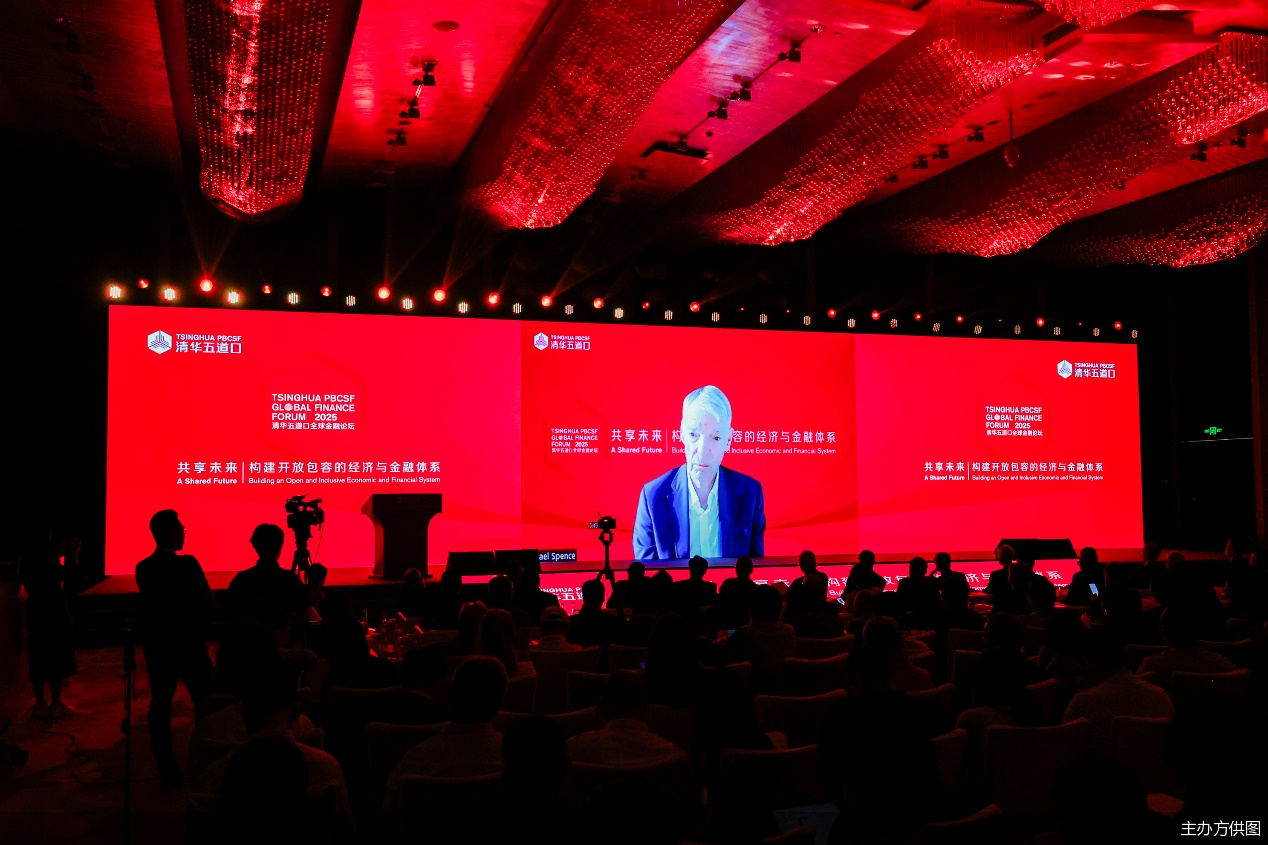
卖光伏支架零件年入7亿,一家三口8年练出“小号”成功IPO
Sou Hu Cai Jing· 2025-05-17 04:03
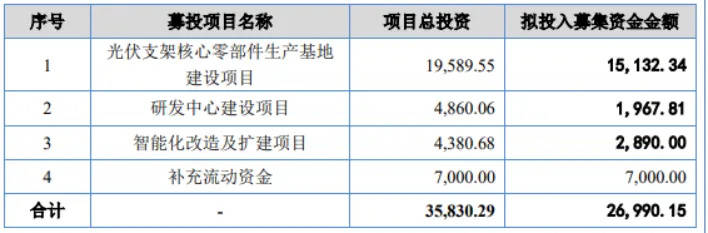
Core Viewpoint - The announcement of Jiangsu Youli Intelligent Equipment Co., Ltd.'s IPO approval by the Beijing Stock Exchange signifies the entry of another photovoltaic bracket company into the capital market, aiming to raise 270 million yuan for various projects [1][2]. Fundraising Projects - The total investment for the photovoltaic bracket core component production base project is 19.59 million yuan, with 15.13 million yuan from the raised funds [2]. - The R&D center construction project has a total investment of 4.86 million yuan, with 1.97 million yuan from the raised funds [2]. - The intelligent transformation and expansion project has a total investment of 4.38 million yuan, with 2.89 million yuan from the raised funds [2]. - The company plans to use 7 million yuan to supplement working capital [2]. - The total investment for all projects amounts to 35.83 million yuan, with 26.99 million yuan from the raised funds [2]. Company Background - Established in 2017, Youli Intelligent specializes in core components of photovoltaic brackets, including torque tubes, bearing components, installation structures, and purlins [4]. - The top three shareholders are Jiangsu Juliy Intelligent Machinery Co., Ltd. (68.19%), Li Tao (10.72%), and Yang Jun (6.82%) [4]. - The controlling shareholder, Juliy Intelligent, is owned by the Li Tao family, which holds 79.34% of its shares [4][5]. Shareholding Structure - The Li Tao family controls 81.49% of Youli Intelligent's shares through direct and indirect holdings [5]. - The management team has close ties to the controlling family, raising concerns about governance and potential conflicts of interest [5]. Customer Concentration - Youli Intelligent has a high customer concentration, with sales to the top five customers accounting for 94.90% to 96.44% of revenue from 2022 to 2024 [7]. - The company heavily relies on its largest customer, NEXTracker, which accounted for 61.67% to 80.69% of revenue during the same period [7]. - The overseas market contributes significantly to revenue, with foreign sales making up 73.06% to 88.19% of total revenue from 2022 to 2024 [7]. Financial Performance - Youli Intelligent's overall gross margin has shown significant fluctuations, increasing from 7.75% in 2021 to 18.96% in 2022, before slightly declining to 18.42% in 2024 [11][12]. - The company’s revenue for 2024 is projected at approximately 728.84 million yuan, with a net profit of around 89.86 million yuan [12]. - The asset-liability ratio improved from 53.14% in 2023 to 42.07% in 2024, indicating better financial health [12]. Material Cost Impact - The cost of raw materials, particularly steel and aluminum, significantly affects profitability, accounting for over 50% of total costs [15]. - A 1%-3% increase in raw material prices could lead to a profit decline of approximately 4.63%-13.89% for 2024 [15].