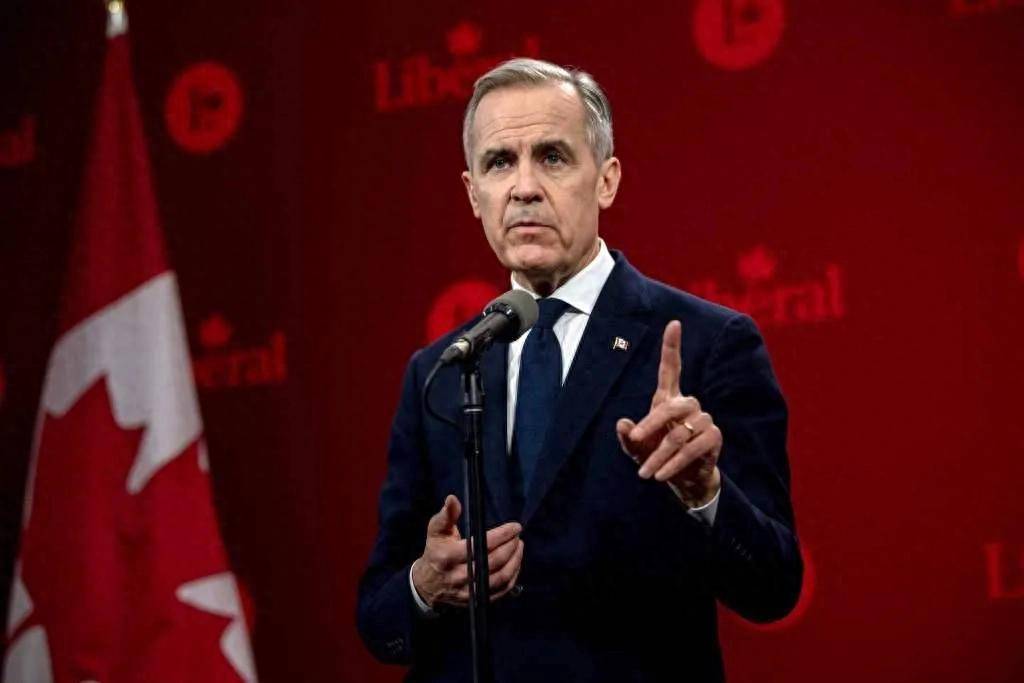
关税战

Search documents
光大证券晨会速递-20251031
EBSCN· 2025-10-31 02:04
Group 1 - The report highlights the significant advantages of Solid State Transformers (SST) over traditional transformers, indicating a shift in power distribution architecture towards SST technology to meet the increasing power demands of servers [2] - For China Petroleum & Chemical Corporation (Sinopec), the report notes a slight improvement in net profit for Q3 2025, with total revenue of 2,113.4 billion yuan, down 10.7% year-on-year, and a net profit of 30 billion yuan, down 32.2% year-on-year [3] - China Oilfield Services Limited (COSL) reported a 3.5% year-on-year increase in total revenue for Q3 2025, amounting to 34.85 billion yuan, with a net profit increase of 31.3% year-on-year to 3.21 billion yuan [4] Group 2 - Source Pet's Q3 2025 revenue reached 490 million yuan, up 26.6% year-on-year, with a net profit of 56.05 million yuan, up 22.3% year-on-year, indicating strong performance in both domestic and international sales [5] - Huali Group reported a slight decline in revenue of 0.3% year-on-year for Q3 2025, with a net profit decrease of 20.7% year-on-year, highlighting challenges in the footwear segment [6] - Agricultural Bank of China achieved a revenue of 550.9 billion yuan in Q3 2025, with a net profit of 220.9 billion yuan, reflecting a 3% year-on-year growth [10] Group 3 - The report indicates that the macroeconomic environment is affecting various sectors, with a focus on the ongoing US-China trade tensions impacting negotiations in multiple industries [8] - The bond market is experiencing a contraction in scale, with active bond funds adopting defensive strategies to mitigate risks amid a weakening market [9] - The report emphasizes the resilience of the banking sector, with several banks reporting stable growth in revenue and net profit, alongside strong risk mitigation capabilities [11][12][13]
中方给了贝森特面子,但美国丢了底子,经济学人:美国输了贸易战
Sou Hu Cai Jing· 2025-10-28 03:50
Group 1 - The core viewpoint of the article indicates that the recent US-China trade negotiations did not yield significant benefits for the US, with both sides unable to reach a substantial agreement despite ongoing discussions [1][11] - The article highlights that the US's hardline stance and attempts to pressure China have not been effective, as evidenced by the lack of positive outcomes from the negotiations [1][3] - The analysis suggests that the US's approach, characterized by tariffs and restrictions, has inadvertently strengthened China's position in the trade conflict [8][11] Group 2 - The article outlines three reasons for China's advantageous position in the trade negotiations: first, the flexibility of China's response to US actions, which has led to a perception of unpredictability in US policy [3][6] - Secondly, China's countermeasures have become increasingly targeted and impactful, directly affecting key political and economic interests in the US, such as targeting agricultural exports that are crucial for Trump's voter base [6][11] - Lastly, the trade conflict has prompted China to bolster its industrial capabilities, demonstrating the importance of self-sufficiency in the face of external economic pressures [8][11]

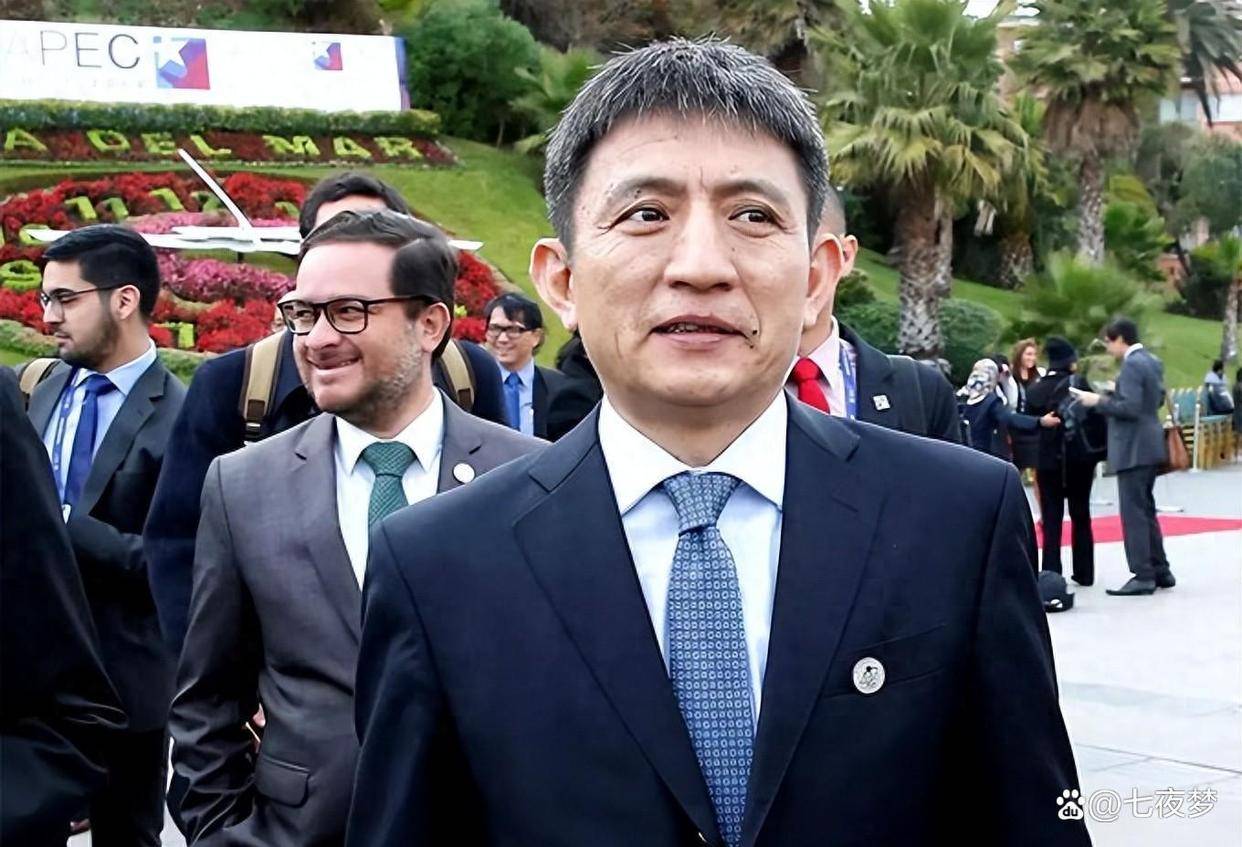
别看美国张牙舞爪,一到中国问题上,特朗普还是不敢“掀桌子”
Sou Hu Cai Jing· 2025-10-28 02:23
Core Points - Recent statements from President Trump indicate a shift towards a more conciliatory approach to China, contrasting with previous aggressive stances [1][4] - The U.S. is facing challenges in its foreign policy, particularly regarding Russia and Ukraine, which may be influencing Trump's softer tone towards China [1][2] - Trump's decision not to impose tariffs on China, despite its significant oil imports from Russia, highlights a selective approach to trade policy [2][4] Group 1: U.S.-China Relations - Trump's recent comments suggest a desire to maintain friendly relations with China, moving away from earlier threats of imposing 100% tariffs [1][4] - The U.S. has not followed through on plans to impose "secondary tariffs" on China, indicating a reluctance to escalate tensions [2][4] - Trump's cautious approach towards China is influenced by the recognition of China's strengths in key areas, particularly in rare earth resources [5][7] Group 2: Trade Dynamics - The U.S. is experiencing significant backlash from its agricultural and energy sectors due to the trade war, which has led to a reconsideration of its stance towards China [7] - Despite tensions, the U.S. remains dependent on the Chinese market, as no alternative trading partners have emerged to replace it [7] - Trump's overtures towards China may lack sincerity, as they are seen as strategic rather than genuine attempts to improve relations [7]
中美贸易战现重大转机!美国财长贝森特:不再考虑对我们加征100%关税
Sou Hu Cai Jing· 2025-10-27 17:06
Core Points - The trade tensions between the two major economies are easing, with a significant turning point marked by the U.S. decision not to impose a 100% tariff on Chinese goods [1][3] - The recent negotiations in Kuala Lumpur resulted in a preliminary consensus on various trade issues, setting the stage for potential high-level meetings [3][16] Group 1: Trade Negotiations - The U.S. and China engaged in two days of in-depth discussions, covering critical topics such as maritime logistics, shipbuilding industry measures, and agricultural trade [3][12] - The talks were characterized by a pragmatic and rational approach, contrasting with the previous escalation of tensions [1][3] Group 2: Economic Impact - The U.S. economy is facing challenges due to the trade war, with the IMF projecting a slowdown in growth by 2025 due to increased policy uncertainty and trade barriers [10] - China's economic resilience is notable, with significant growth in trade with Belt and Road Initiative countries, accounting for 51.7% of total trade [13] Group 3: Future Outlook - The successful negotiations create a positive atmosphere ahead of the upcoming APEC meeting, where the potential for a meeting between the leaders of the U.S. and China will be closely watched [16] - The discussions are nearing the final details of a trade agreement proposal, indicating progress towards a resolution [16]
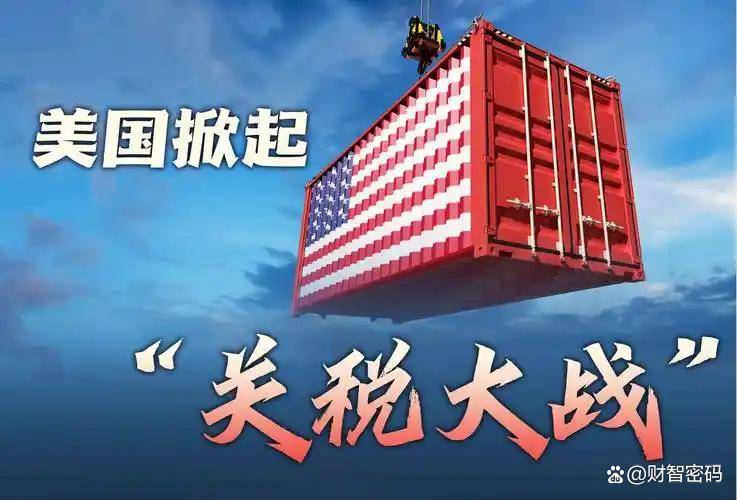
中美吉隆坡握手,跟着美国反华的国家这下脸疼了!
Sou Hu Cai Jing· 2025-10-27 16:43
Group 1 - The U.S. has decided not to consider imposing a 100% tariff after negotiations, indicating a shift in stance that may influence other countries that previously aligned with the U.S. against China [1] - Canada imposed a 100% tariff on Chinese electric vehicles to appease the U.S., resulting in an 18% drop in the stock prices of lithium mining companies [1] Group 2 - Japan faced a 13.8% margin requirement from China in rubber trade, leading to a loss of 30% market share [3] - The EU, after accusing China of unfair practices in rare earths, realized its own lack of purification technology, and 83% of EU companies are hesitant to withdraw from China despite sanctions [3] - The narrative of a "united front" against China is seen as a tactic by the U.S. to shift blame, with allies suffering losses while the U.S. acknowledges the unsustainability of the tariff war [3]
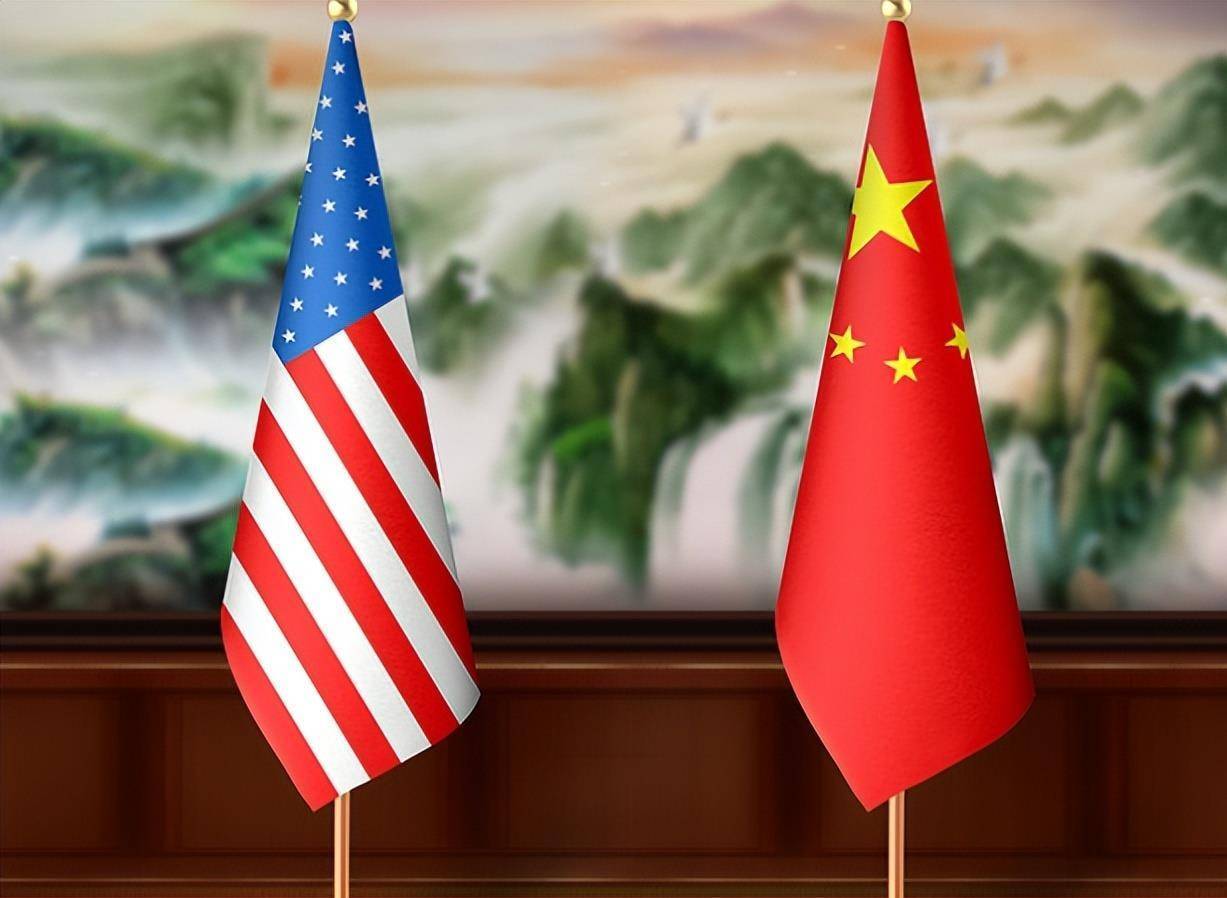
美财长:不再考虑对华加征100%关税
Sou Hu Cai Jing· 2025-10-27 12:04
Core Points - The recent two-day trade talks between China and the U.S. in Kuala Lumpur resulted in a basic consensus on key economic issues, including maritime logistics, shipbuilding, and agricultural trade [1][2][3] - Both sides emphasized the importance of mutual respect and cooperation to resolve trade disputes, highlighting the significance of the U.S.-China economic relationship on a global scale [2][5] - The discussions were described as constructive, with both parties expressing a commitment to further detail and internal approval processes for the agreements reached [1][4] Group 1 - The talks were led by China's Vice Premier He Lifeng and U.S. Treasury Secretary Steven Mnuchin, lasting over five hours on the first day [2][3] - The U.S. Treasury Secretary stated that a "very successful framework" was established during the negotiations, which could pave the way for a meeting between the two countries' leaders [3][4] - The outcome of the talks is seen as a sign of easing tensions between the two largest economies, with the current suspension of tariffs set to expire on November 10 [4][5] Group 2 - The discussions covered a wide range of topics, including export controls, the extension of tariff suspensions, and cooperation on fentanyl issues, indicating a comprehensive approach to trade relations [2][5] - Analysts noted that the timing of the talks before the APEC meeting could signal a positive development in U.S.-China relations, which is crucial for global economic stability [5][6] - The upcoming APEC meeting is expected to be influenced by the outcomes of the U.S.-China discussions, with South Korea playing a pivotal role as the host [6][7]
专访彼得森研究所杰弗里·肖特:美国关税大棒之下WTO何去何从
2 1 Shi Ji Jing Ji Bao Dao· 2025-10-27 11:34
Core Insights - The core motivation behind the U.S. government's tariff policies is domestic political considerations rather than economic efficiency [1][4][5] - Tariff policies are leading to increased costs for imported components, which suppresses competition and raises domestic production costs, ultimately weakening market demand [1][4] - The uncertainty surrounding these policies is causing stagnation in investments in key industries such as automotive and steel [6][10] Trade Policy and Economic Impact - The U.S. government aims to attract foreign investment into manufacturing and agriculture to bolster Trump's political base [1][6] - Current tariffs are expected to be passed on to consumers, which will squeeze corporate profits and reduce investment willingness, creating a vicious cycle [1][4] - The concept of "national security" has been overly extended to include ordinary commercial activities, undermining international trade rules and providing a convenient excuse for protectionist policies [2][5] Multilateral Trade System Challenges - The absence of the U.S. would make a multilateral trade system like the WTO ineffective, necessitating a combination of multilateral, regional, and bilateral trade frameworks [2][8] - The WTO's credibility is being challenged as the U.S. employs unilateral trade policies, making it less reliable as a mechanism for market openness [7][8] - Short-term strategies should focus on controlling damage to the multilateral system while allowing for the development of new effective policies [8][9] Regional Trade Agreements and Supply Chains - Regional agreements like CPTPP and RCEP are becoming new testing grounds for trade rules, with the potential to influence future multilateral frameworks [3][10] - The trend of regionalization in supply chains is particularly evident in the Asia-Pacific region, with mechanisms like RCEP reshaping supply chain dynamics [3][10] - Developing countries need to implement more productive domestic economic policies to attract international investment and avoid resource misallocation [11]
特朗普关税担忧 美元避险压制欧元
Jin Tou Wang· 2025-10-27 06:31
Group 1 - The core viewpoint of the articles indicates that the Euro/USD exchange rate is influenced by both Eurozone economic data and trade dynamics, with the current trading price around 1.1622, showing a slight decline of 0.04% from the previous day's close of 1.1627 [1] - Eurozone business activity in October has shown stronger-than-expected growth, particularly in the services sector, with the HSS PMI index exceeding market predictions, providing immediate support for the Euro [1] - Despite the weak US CPI data being favorable for the Euro, the market has already priced in the potential for Federal Reserve rate cuts, limiting the Euro's upward movement [1] Group 2 - Technical analysis of the Euro/USD indicates that the currency pair is trading above the 38.2% Fibonacci retracement level from the swing high of 1.1728 to the swing low of 1.1576, facing resistance at the 1.1650 level and the 100 simple moving average [2] - A potential breakout above the 1.1690 resistance could push the currency pair towards 1.1750, while failure to break above 1.1650 may lead to a decline, with support expected at 1.1610 and major support at 1.1540 [2] - If the price closes below the 1.1540 area, it could trigger a significant retracement towards 1.1500, with further declines potentially testing the 1.1440 level [2]
美国终于找到了反制稀土的新办法,接连出手三招,逼中方就范!
Sou Hu Cai Jing· 2025-10-27 04:41
Core Points - The ongoing US-China talks in Malaysia focus on three main issues, including China's stricter rare earth export controls, which the US fears could disrupt supply chains in critical sectors like semiconductor manufacturing and defense [3] - The US aims to pressure China into relaxing these export restrictions to ensure stable raw material supplies for industries such as electric vehicles and semiconductors [3] - The US also seeks to increase Chinese imports of agricultural products like soybeans to alleviate export barriers faced by American farmers [3] - A significant goal of these talks is to prepare for a meeting between the two countries' leaders at the upcoming APEC summit in South Korea [3] Measures Taken by the US - US Treasury Secretary Mnuchin announced that if China does not lift its rare earth controls, the US will collaborate with the G7 to impose software export restrictions on China, targeting its high-tech development [4] - The US has initiated an investigation into whether China has complied with trade agreement terms signed during Trump's first term, with potential additional sanctions if non-compliance is found [7] - Starting November 1, the US plans to impose a 100% tariff on Chinese goods, a measure linked to China's rare earth export controls, which could be used as leverage in negotiations [7] China's Response - China is portrayed as a responsible nation that has historically adhered to international agreements, contrasting with the US's inconsistent approach [9] - Despite the US's pressure tactics, China remains steadfast in its negotiation stance, having learned from past experiences where it made concessions that were not reciprocated by the US [9] - The US's traditional methods of negotiation, characterized by threats and tariffs, are viewed as ineffective against China, as evidenced by the reduction of a lengthy sanctions list during the talks [9] Conclusion - The resolution of US-China differences is suggested to require equal treatment and mutual benefit, rather than unilateral pressure and sanctions, as trade wars yield no winners [11]
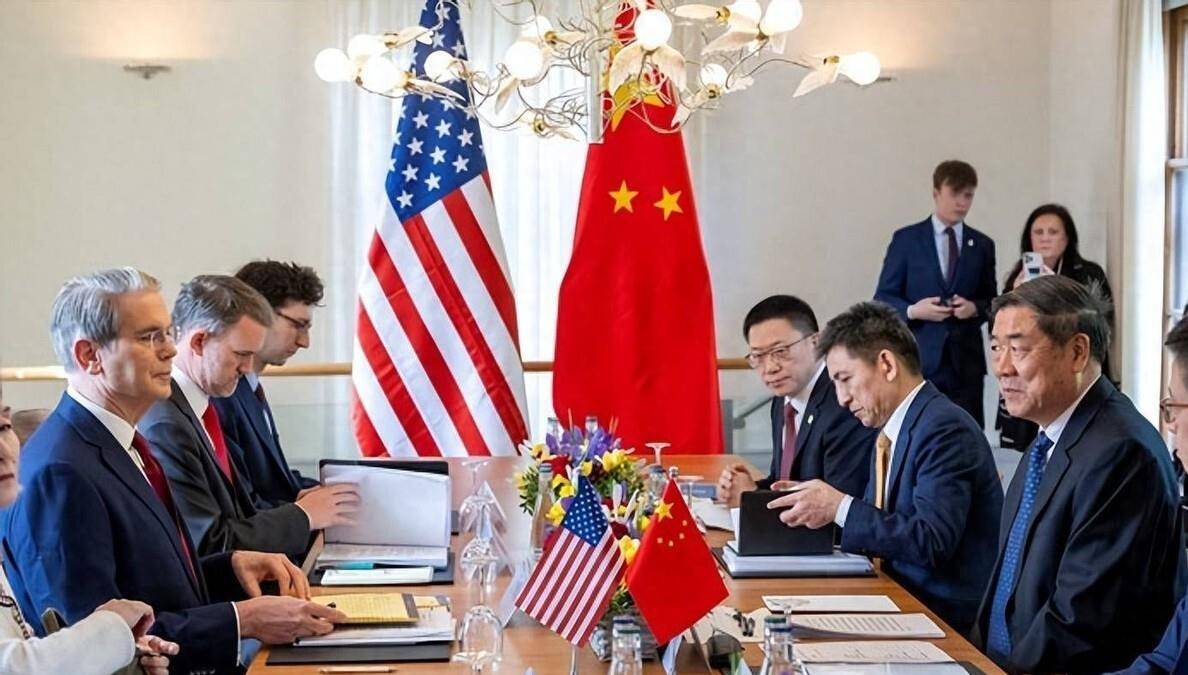
加拿大遇上硬茬,撤回反关税广告无济于事,外媒:美国总统放狠话
Sou Hu Cai Jing· 2025-10-27 03:26
Core Viewpoint - Canada, a close ally of the U.S., is facing significant economic challenges due to a trade war initiated by the U.S., particularly affecting Ontario, which plays a crucial role in Canada's economy [1][3]. Group 1: U.S.-Canada Trade Relations - Ontario has been severely impacted by the U.S. tariff war, prompting Canada to air an anti-tariff advertisement during a recent sports event, quoting former President Ronald Reagan on the negative effects of tariffs on the U.S. economy [1]. - Following the airing of the advertisement, the U.S. President expressed anger and threatened Canada, leading to Ontario's decision to withdraw the ad [1][3]. - The U.S. has imposed an additional 10% tariff on Canada, indicating a retaliatory stance and a desire for Canada to concede [3][5]. Group 2: U.S. Response and International Implications - The U.S. President's strong reaction to Canada's anti-tariff stance reflects a broader trend of the U.S. exerting pressure on its allies, including other Western nations, by imposing "reciprocal tariffs" [5]. - Canada's actions have not only angered the U.S. but have also raised concerns among other Western allies about the U.S.'s diminishing regard for its allies [5]. - The U.S. President's behavior suggests a tendency for retribution, reinforcing the notion that the U.S. maintains a dominant position in global affairs despite its rising national debt [9].