结构性货币政策工具

Search documents
央行下调各类结构性货币政策工具利率0.25个百分点,释放哪些信号?
Xin Lang Cai Jing· 2026-01-15 08:09
Core Viewpoint - The People's Bank of China (PBOC) has lowered the interest rates of various structural monetary policy tools by 0.25 percentage points, with the one-year rate for relending now at 1.25%, aimed at supporting economic transformation and optimization [1] Group 1: Monetary Policy Adjustments - The recent interest rate cut is the second reduction since May 2025, reflecting a commitment to flexible and effective monetary policy tools [1] - The rate for most structural monetary policy tools, including those for agriculture and small enterprises, has decreased from 1.50% to 1.25% [1] Group 2: Economic Support and Efficiency - The reduction in structural monetary policy tool rates is expected to lower financing costs in specific sectors, encouraging banks to lend at lower rates to small and micro enterprises, technology innovation, and green transformation [1][2] - The targeted nature of structural policy tool rate cuts allows for more precise allocation of credit resources to weak links and key areas, enhancing the efficiency of fund utilization [2] Group 3: Policy Signals and Future Directions - The interest rate cut sends a clear signal of the government's commitment to financial support for specific industries, which may boost business confidence and stabilize market expectations [4] - The PBOC's recent work meeting emphasized the importance of maintaining a moderately loose monetary policy, with a focus on stabilizing economic growth and ensuring reasonable price recovery [4] - Future monetary policy will prioritize the integration of existing policies and enhance the efficiency of current measures rather than simply increasing them [5] Group 4: Specific Measures and Support - The PBOC plans to increase the quota for agricultural and small enterprise relending by 500 billion yuan, with a separate quota of 1 trillion yuan designated for private enterprises [5] - The quota for technology innovation and technical transformation relending will be increased from 800 billion yuan to 1.2 trillion yuan, expanding the support scope to include high R&D investment private small and medium enterprises [5] - The PBOC will merge existing risk-sharing tools for technology innovation and private enterprise bonds, providing a total relending quota of 200 billion yuan [6]


央行年初放大招,除了“降息”还提到这些!
Zhong Guo Jing Ji Wang· 2026-01-15 07:50
Core Viewpoint - The People's Bank of China (PBOC) will continue to implement a moderately accommodative monetary policy through 2026, focusing on counter-cyclical and cross-cyclical adjustments to support economic growth and structural transformation [1] Summary by Sections Monetary Policy Adjustments - The PBOC will lower the interest rates of various structural monetary policy tools by 0.25 percentage points, with the one-year re-lending rate decreasing from 1.5% to 1.25% [2] - The PBOC will enhance the use of re-lending and rediscounting for agriculture and small enterprises, increasing the re-lending quota for agriculture and small enterprises by 500 billion yuan, with a separate quota of 1 trillion yuan for private enterprises [2] Support for Innovation and Technology - The quota for re-lending aimed at technological innovation and transformation will be increased from 800 billion yuan to 1.2 trillion yuan, expanding support to high R&D investment private small and medium-sized enterprises [2] - A combined risk-sharing tool for bonds related to technological innovation and private enterprises will be established, providing a total re-lending quota of 200 billion yuan [2] Environmental and Consumer Support - The PBOC will expand the support areas for carbon reduction tools to include energy-saving renovations and green upgrades, guiding banks to support comprehensive green transitions [2] - The support areas for re-lending related to service consumption and elderly care will be expanded to include the health industry, based on health industry recognition standards [2] Real Estate and Financial Services - The minimum down payment ratio for commercial property loans will be lowered to 30% to support the destocking of the commercial real estate market [3] - Financial institutions will be encouraged to enhance foreign exchange risk management services, providing cost-effective and flexible tools for managing exchange rate risks [3] Implementation and Coordination - Relevant policy documents will be released soon, and the implementation will be coordinated with fiscal policies such as interest subsidies and risk cost sharing to amplify policy effectiveness [3] - The PBOC will continue to increase liquidity and maintain ample liquidity levels, guiding overnight rates to operate near policy rate levels [3]
央行副行长邹澜:下调各类结构性货币政策工具利率0.25个百分点
Jin Rong Shi Bao· 2026-01-15 07:41
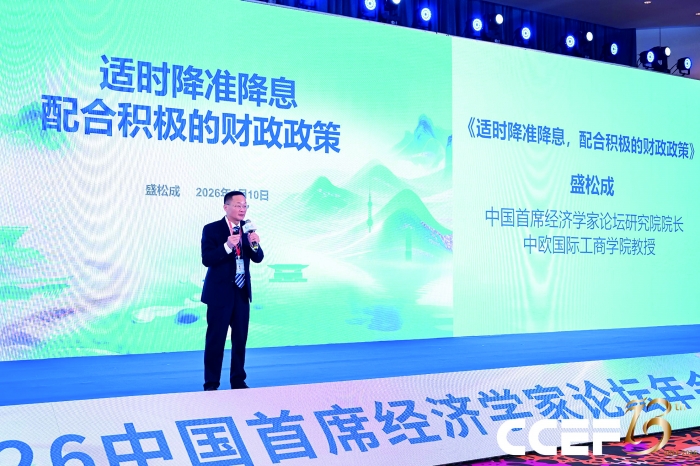
1月15日,国务院新闻办公室举行新闻发布会,中国新闻发言人、副行长邹澜表示,下调各类结构性货 币政策工具利率0.25个百分点,各类再贷款一年期利率降至1.25%,其他期限档次利率同步调整。完善 结构性工具并加大支持力度,进一步助力经济结构转型优化。 ...
利好来了!降息
中国基金报· 2026-01-15 07:35
【导读】央行降息了 中国基金报记者 泰勒 兄弟姐妹们啊,今天的市场明显降温,成交额比昨天少了一万亿元! 但是盘后央行送了一个"大礼包"!提前预告要降息了! 一起看看发生了什么事情。 央行:下调各类结构性货币政策工具利率0.25个百分点 1月15日,中国人民银行新闻发言人、副行长邹澜在国新办新闻发布会上表示, 人民银行将先行推出两方面政策措施, 下调 各类结构性货币政策工具利率,提高银行重点领域信贷投放的积极性。下调各类结构性货币政策工具利率0.25个百分点。各 类再贷款一年期利率从目前的1.5%下调到1.25%。 其他期限档次利率同步调整。 完善结构性工具并加大支持力度,进一步 助力经济结构转型优化。 邹澜表示,会同金融监管总局, 将商业用房购房贷款最低首付比例下调至30%。 另外,央行发布数据,2025年12月末,本外币贷款余额275.74万亿元,同比增长6.2%。月末人民币贷款余额271.91万亿 元,同比增长6.4%。 2025年全年人民币贷款增加16.27万亿元。分部门看,住户贷款增加4417亿元,其中,短期贷款减少8351亿元,中长期贷 款增加1.28万亿元;企(事)业单位贷款增加15.47万亿元, ...

央行宣布下调各类结构性货币政策工具利率0.25个百分点
21世纪经济报道· 2026-01-15 07:26
中国人民银行副行长邹澜1月15日在国新办举行的新闻发布会上宣布,下调各类结构性货币政 策工具利率0.25个百分点。各类再贷款一年期利率从目前的1.5%下调到1.25%,其他期限利率 同步调整。 来源丨新华社 编辑丨黎雨桐 SFC ...

央行:将下调各类结构性货币政策工具利率0.25个百分点
财联社· 2026-01-15 07:24
央行副行长邹澜1月15日在国新办新闻发布会上表示,下调各类结构性货币政策工具利率0.25个百分点,各类再贷款一年期利率降至1.25%,其他期 限档次利率同步调整。完善结构性工具并加大支持力度,进一步助力经济结构转型优化。 ...

央行:下调各类结构性货币政策工具利率0.25个百分点
第一财经· 2026-01-15 07:22
人民银行新闻发言人、副行长邹澜1月15日在国新办新闻发布会上表示,下调各类结构性货币政策工具 利率0.25个百分点,各类再贷款一年期利率降至1.25%,其他期限档次利率同步调整。完善结构性工 具并加大支持力度,进一步助力经济结构转型优化。 编辑 |瑜见 来源|证券时报 ...
央行:下调各类结构性货币政策工具利率0.25个百分点
Zheng Quan Shi Bao Wang· 2026-01-15 07:13
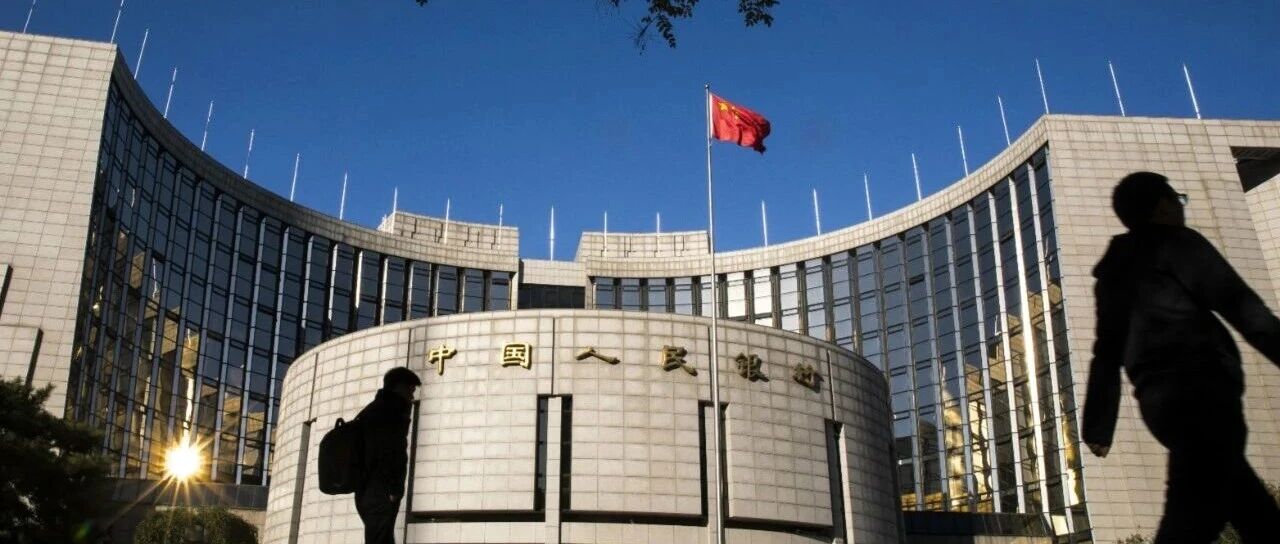
人民财讯1月15日电,人民银行新闻发言人、副行长邹澜1月15日在国新办新闻发布会上表示,下调各类 结构性货币政策工具利率0.25个百分点,各类再贷款一年期利率降至1.25%,其他期限档次利率同步调 整。完善结构性工具并加大支持力度,进一步助力经济结构转型优化。 ...
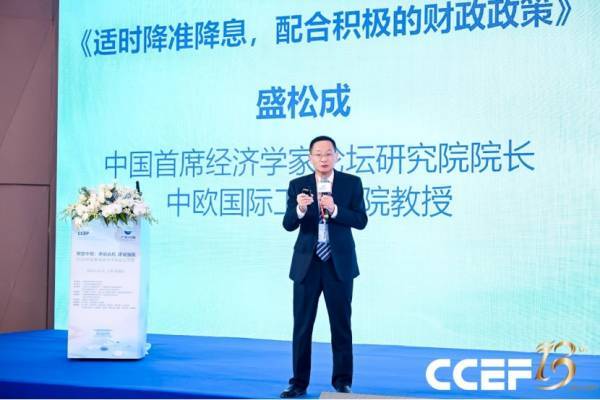
盛松成:为什么说现在降准比降息更重要?
Sou Hu Cai Jing· 2026-01-15 05:54
Core Viewpoint - The main theme of the speech is the necessity of timely reductions in reserve requirements and interest rates, complemented by proactive fiscal policies [1][3]. Group 1: Monetary Policy - The likelihood of a "small step" approach in monetary policy is high, as it requires a cautious attitude in the face of complex uncertainties [3]. - The transmission mechanism of monetary policy is complex and involves a longer path, with the central bank unable to precisely control each link in the chain [4]. - The central bank's toolbox for monetary policy is becoming increasingly rich, with various liquidity support tools and market operations being utilized to stabilize short-term market fluctuations [4][5]. Group 2: Reserve Requirement vs. Interest Rate - Reducing reserve requirements (RRR) is preferred over lowering interest rates, as RRR increases the funds available to commercial banks, aligning better with proactive fiscal policies [5][6]. - The majority of government bonds and local government debts are held by commercial banks, making RRR a more effective tool for ensuring efficient coordination between fiscal and monetary policies [5][6]. - Since 2016, the statutory reserve requirement ratio has been adjusted 23 times, all of which have been reductions, indicating a focus on liquidity release [7]. Group 3: Interest Rate Dynamics - There is still some room for interest rate reductions, but the foundation for sustained large-scale cuts is lacking due to low interest elasticity in consumption and investment [8][9]. - The current low inflation levels provide a basis for interest rate cuts, with CPI growth at 0.2% in 2024 and PPI experiencing negative growth for 39 consecutive months [9]. - The central bank's structural monetary policy tools are designed to optimize credit structure and support sectors like technology innovation and real estate, with a significant amount of funding allocated to these areas [9][10]. Group 4: Economic Outlook - The expectation is for a gradual reduction in reserve requirements and interest rates over the next two years, with the core goal being to guide the economy towards stability and improvement [10]. - The current economic situation is approaching a cyclical bottom, with prospects for gradual recovery, emphasizing the need for fiscal policy to take the lead while monetary policy supports this effort [10].
中欧国际工商学院教授盛松成:货币政策“小步走”可能性较大 降准降息仍有空间
Shang Hai Zheng Quan Bao· 2026-01-11 18:51
Monetary Policy Outlook - The possibility of a "small step" approach in monetary policy is high in the near term, with room for both reserve requirement ratio (RRR) cuts and interest rate reductions [2] - Monetary policy typically focuses on short- to medium-term goals and requires cooperation from the private sector, commercial banks, and the entire financial system for effective implementation [2] Tools and Strategies - The toolbox for monetary policy in China is becoming increasingly rich, with the central bank enhancing the role of policy rates and using various liquidity support tools and secondary market government bond transactions to manage liquidity and adjust funding costs [2] - RRR cuts are preferred over interest rate cuts, as there is still significant room for RRR reductions compared to major central banks globally [3] Banking Sector Insights - As of Q3 2025, the net interest margin for commercial banks is at a historical low of 1.42%, which may influence the preference for RRR cuts over significant interest rate reductions [3] - The low interest rate elasticity of consumption and investment means that interest rate cuts have limited effects on stimulating these areas, as businesses prioritize investment risks and profits over minor interest rate changes [3] Inflation and External Environment - Current low inflation rates lead to higher real interest rates, with CPI growth at only 0.2% in 2024 and zero growth in 2025, while PPI remains in negative territory [4] - The external environment for interest rate cuts is improving due to the appreciation of the RMB and the Federal Reserve's ongoing rate cut cycle [4] Structural Monetary Policy Tools - The central bank is innovating with a series of structural monetary policy tools to guide credit structure adjustments, which can provide both quantity and price incentives [4] - There is potential for interest rate cuts through structural tools, particularly to support technological innovation and economically weaker sectors [4]