资产证券化

Search documents
陕西首单机构间REITs项目获批
Shan Xi Ri Bao· 2025-12-08 00:36
Group 1 - The core point of the news is that the Xi'an Economic Development Innovation Industrial Park has received approval for a real estate investment trust (REITs) project, marking the first such approval for a state-owned enterprise in Shaanxi and the Northwest region, with an issuance scale of 141 million yuan [1][2] - The REITs project is a significant innovation in financial tools aimed at revitalizing existing assets and expanding effective investment, utilizing industrial parks as underlying assets for credit financing [1][2] - The project is managed by Dongwu Securities, with the issuing entity being Xi'an Economic Development Industrial Park Development Group Co., Ltd., which has total assets of 11.863 billion yuan as of the end of 2024 [1] Group 2 - Dongwu Securities' Xi'an branch aims to leverage this project approval to enhance the revitalization of quality existing assets in Shaanxi and support high-quality economic development in the region [2] - Shaanxi has been focusing on the integration of capital market reforms and the real economy, establishing a REITs project coordination mechanism to promote the securitization of quality assets across various sectors, including industrial parks and energy infrastructure [2]
王健林,赎回了一座万达广场
创业家· 2025-12-07 10:06
以下文章来源于首席品牌评论 ,作者首席品牌评论 首席品牌评论 . 热门品牌案例,专业深度评论。在这里,读懂品牌之道! 这里插播一条课程资讯: 报名 「吴世春·西安出行活动」, 1月22日-24日 , 吴世春将亲自带队 100家企业家 , 去陕 西西安线下游学 , 走进科技制造产业,打开万亿赛道蓝海。 你 在 创业路上遇到的问题和想法 , 都可以找吴老师聊聊 。 如果你是 优质的项目,吴老师 也会果断投 你。 下半年 , 吴老师预计要投出去的金额,应该不小于 15个亿。 扫码咨询报名 (翻到底部了解详情) 01 万达赎身 赎回不是终点,而是新周期的起点。 来源: 首席品牌评论 在中国商业地产的寒冬时刻,王健林做了一个令人意外的决定——赎回一座万达广场。 12月2日,烟台芝罘万达广场有限公司的股权结构发生重大调整,万达商管旗下全资子公司上 海万达锐驰企业管理有限公司接盘,新华保险旗下两大投资主体退出股东行列。 这是万达在连续出售超过40座万达广场后,首次启动资产赎回操作。 赎回烟台芝罘万达广场绝非偶然。 这座广场成立于2010年,注册资本7.08亿元,商业面积24万平方米,是万达商管的第103座 万达广场。 更关 ...


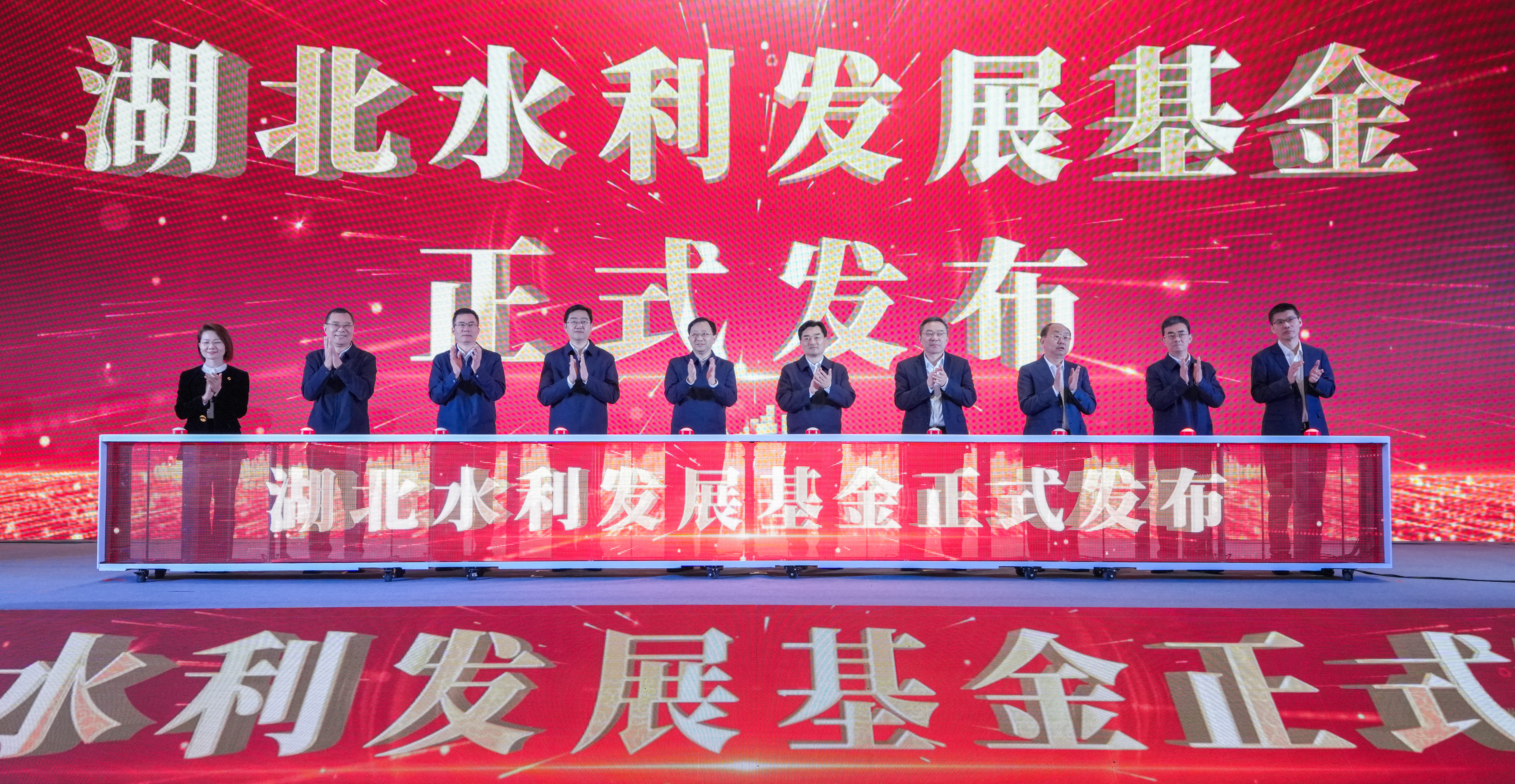
湖北首支水利产业投资基金正式发布,规模100亿元撬动千亿级投资
Zheng Quan Shi Bao Wang· 2025-12-07 09:39
Group 1 - Hubei Water Development Fund, the first water industry investment fund in Hubei, was officially launched with a scale of 10 billion yuan [1] - The fund is established by Hubei Provincial Finance and led by Hubei Water Development Group, focusing on water infrastructure construction, asset acquisition, ecological environment governance, and technology research [1] - The fund aims to enhance the construction of a resilient modern water network in Hubei and support high-quality water development [4] Group 2 - The fund will leverage financial contributions from government, state-owned assets, and social fundraising to create a synergistic effect [4] - The fund is designed with a 10-year duration to align with the project cycles of water infrastructure [5] - Hubei Water Development Group aims to strengthen its role in water infrastructure investment, construction, and management, with total assets reaching 26 billion yuan by August 2024 [5]
新能源项目纷纷试水资产证券化
经济观察报· 2025-12-06 07:34
2022年后,多支以能源设施为底层资产的公募REITs产品陆 续上市;2025年,机构间REITs也开始逐步涌现。 作者:潘俊田 封图:图虫创意 资产证券化产品正在成为新能源电站的新融资渠道。 今年11月,"太保资产—天合富家新能源基础设施碳中和绿色持有型不动产资产支持专项计划(乡 村振兴)"获批,该项目是分布式光伏领域首单"碳中和+绿色+乡村振兴"三主题持有型不动产ABS (资产支持证券,下称"机构间REITs"),拟发行规模30.45亿元。今年6月,远景能源发行了首 单清洁能源类机构间REITs。此外,碧澄能发新能源、通合新能源等公司也提交了以新能源电站为 底层资产的资产证券化工具,目前正在交易所审核中。 2022年后,多支以能源设施为底层资产的公募REITs产品陆续上市;2025年,机构间REITs也开 始逐步涌现。 广东风丽新能源董事长刘焕礼目前正在推进以光伏电站为底层资产的机构间REITs产品设计发行工 作。刘焕礼向经济观察报表示,新能源电站发行REITs产品的优势,首先是现金流稳定;其次是新 能源电站开发通常以项目公司为主体,能够满足REITs产品对主体风险隔离(主要指企业破产)的 要求;第三是新 ...
济南前首富35亿元资产“大挪移”夭折:科源制药宣布终止收购宏济堂,百年老字号的资本梦再次幻灭
Hua Xia Shi Bao· 2025-12-06 07:16
Core Viewpoint - The announcement from Koyuan Pharmaceutical regarding the termination of the acquisition of 99.42% equity in Shandong Hongjitang Pharmaceutical Group marks the end of a significant asset restructuring effort by the "Linuo System," revealing deeper challenges within the group and the pharmaceutical industry [2][9]. Group 1: Acquisition Details - Koyuan Pharmaceutical planned to acquire Hongjitang for a total consideration of 3.581 billion yuan, aiming to significantly boost its revenue from 448 million yuan to 1.745 billion yuan, representing a 276.34% increase [5]. - The acquisition was seen as a critical step for the "Linuo System" in the process of asset securitization, having undergone various regulatory approvals since its announcement in October 2024 [2][3]. Group 2: Financial Concerns - Hongjitang's financial data raised concerns, with a significant portion of its profits derived from non-operating income, indicating potential issues with its core business profitability [6]. - As of the end of 2024, Hongjitang's accounts receivable surged to 729 million yuan, a year-on-year increase of 86%, raising red flags about its asset quality and financial health [6]. Group 3: Market Environment and Challenges - The termination of the acquisition was attributed to changes in the overall market environment and the financial pressures faced by Koyuan Pharmaceutical, which saw its net profit decline by 21.54% in 2024 [7][8]. - The broader context reflects the challenges faced by traditional Chinese medicine companies in adapting to market dynamics, with Hongjitang's attempts at digital transformation not translating into sustained profitability [9]. Group 4: Management and Strategic Implications - The resignation of Koyuan's chairman, who had a long tenure at Hongjitang, further exacerbated concerns about the stability of the company's management and its operational future [8]. - The failed acquisition highlights the difficulties in aligning financial capabilities and strategic goals within the "Linuo System," as the group seeks to navigate a changing regulatory landscape and investor expectations [11].

新能源项目纷纷试水资产证券化
Jing Ji Guan Cha Wang· 2025-12-06 05:08
Core Viewpoint - Asset securitization products are emerging as a new financing channel for renewable energy power plants, with various projects being approved and launched in the sector [2][5]. Group 1: Asset Securitization Developments - The "Taibao Asset - Trina Solar Green Infrastructure Carbon Neutral Real Estate Asset Support Special Plan" has been approved, marking the first asset-backed security (ABS) in the distributed photovoltaic sector focusing on carbon neutrality, green initiatives, and rural revitalization, with a proposed issuance scale of 3.045 billion yuan [2]. - In June, Envision Energy issued the first clean energy institutional REITs, and other companies like Bicheng Energy and Tonghe New Energy are also submitting asset securitization tools based on renewable power plants for exchange review [2]. - By 2025, institutional REITs are expected to gradually emerge, expanding the scope of asset securitization in the renewable energy sector [2][5]. Group 2: Financing Challenges and Solutions - Historically, renewable energy developers primarily relied on bank credit, which favored large state-owned enterprises over private companies, making it difficult for smaller firms to secure long-term financing [3]. - Financing leasing has gained popularity as a method to meet the funding needs of private and small to medium-sized enterprises, allowing developers to use equipment while paying rent, ultimately acquiring ownership at a lower cost [4]. Group 3: Policy and Market Trends - In July 2022, the National Development and Reform Commission included clean energy projects in the pilot scope for infrastructure REITs, allowing companies with quality renewable energy assets to leverage cash flows for financing [5]. - The introduction of the "136 Document" has shifted the pricing mechanism for renewable energy plants, allowing for market competition, although the cash flow remains stable [11]. - The market for institutional REITs is expected to expand significantly by 2025, driven by stable cash flows, policy innovations, and increased long-term investment demand [9]. Group 4: Investment Opportunities and Returns - Institutional investors are increasingly interested in renewable energy power plants due to their stable cash flow and the maturity of investment return models [12][13]. - The annualized yield for previously issued clean energy REITs products is generally above 10%, indicating a favorable investment environment [12]. - Envision Energy's institutional REITs achieved a high annualized dividend rate, outperforming the average yield of other issued renewable energy institutional REITs by approximately 40% [9].
芝罘万达广场回购后次日再度易主,王健林到底想干什么?
Guan Cha Zhe Wang· 2025-12-05 11:12
Core Viewpoint - The ownership of Yantai Zhifu Wanda Plaza has changed hands multiple times, indicating a restructuring of asset ownership rather than a straightforward buyback and resale by Wanda [1][2]. Group 1: Ownership Changes - On July 5, 2024, Dalian Wanda Commercial Management Group exited as the sole shareholder of Yantai Zhifu Wanda Plaza, with new shareholders Kunhua Equity Investment Partnership and Kunyuancheng Investment Management holding approximately 99.99% and 0.01% of shares respectively [1]. - On December 2, 2025, Wanda repurchased the plaza through its subsidiary, Shanghai Wanda Ruichi, making it the sole shareholder, followed by another ownership change to Suzhou Lianshang Jiuhao Commercial Management on December 3, 2025 [1]. Group 2: Asset Securitization and New Buyer Background - Suzhou Lianshang Jiuhao is fully owned by Suzhou Xinlian Holdings, which is backed by Zhonglian Qianyuan Real Estate Fund Management, focusing on real estate financial services including REITs [3]. - Zhonglian Qianyuan has a strong track record in the REITs sector, having participated in the issuance of various REITs products, including the first community commercial REITs in China [3]. Group 3: Advantages of Yantai Zhifu Wanda Plaza - Opened on November 21, 2014, Yantai Zhifu Wanda Plaza is strategically located in a bustling commercial area, attracting a stable customer flow that supports predictable rental and operational income [5]. - The plaza features a diverse range of operations, including a centralized shopping center and IMAX cinema, which enhances operational efficiency and profitability while mitigating risks associated with market fluctuations [5]. Group 4: Industry Context and REITs - The REITs sector is currently benefiting from favorable policies, becoming a significant avenue for commercial real estate, particularly for leading property companies and holders of quality assets [6]. - REITs allow for long-term financing capabilities without losing operational control, making them an attractive option for commercial real estate operators [6].
REITs:连接资本与基建的“黄金桥梁”
Zheng Quan Ri Bao Wang· 2025-12-05 09:26
Core Viewpoint - The article emphasizes the strategic importance of optimizing infrastructure through the development of public REITs in China, which are seen as a key mechanism for activating existing assets and facilitating capital circulation, thereby supporting high-quality economic development [1][7]. Group 1: Market Development and Scale - As of November 27, 2025, China's public REITs market has reached 77 products with a total issuance scale exceeding 200 billion yuan, and a total market capitalization of over 220 billion yuan [2]. - The REITs model has proven feasible in China, contributing to the establishment of a mature institutional and ecological foundation for commercial real estate, with expectations to drive over 1 trillion yuan in new investments [2][3]. - The asset structure of REITs has diversified beyond early single-asset limitations, now including various sectors such as consumer infrastructure, clean energy, and affordable housing [2]. Group 2: Policy Support and Expansion - In November 2025, the National Development and Reform Commission expanded the scope of REITs to cover 15 major industries, including commercial office facilities and urban renewal projects [3]. - The policy framework aims to create a comprehensive support system for REITs across all infrastructure sectors, aligning with the goals of revitalizing existing assets and optimizing resource allocation [3]. Group 3: Advantages of Public REITs - Public REITs offer significant institutional advantages over traditional financing tools like CMBS, allowing investors to hold direct equity in underlying assets and benefit from both operational cash flow and asset appreciation [4]. - The long-term nature of REITs, with a potential lifespan of up to 40 years, aligns well with the long-term characteristics of infrastructure assets, addressing the challenges of high investment costs and lengthy recovery periods [4]. Group 4: Capital Flow and Market Dynamics - REITs serve as a "converter" of capital flow, effectively connecting the supply and demand sides of funding, with a mandatory dividend distribution mechanism that attracts long-term capital from sources like social security and insurance funds [5]. - The market-driven selection mechanism of REITs encourages infrastructure companies to shift focus from construction to operational efficiency, enhancing asset utilization rates [5]. Group 5: Inclusivity and Accessibility - REITs are reshaping the investment landscape by lowering entry barriers for individual investors, allowing them to participate in infrastructure investments with minimal capital [6]. - The expansion policies have amplified market effects, creating a closed-loop system of issuance, investment, and reinvestment, exemplified by successful fundraising for affordable housing projects [6]. Group 6: Challenges and Future Directions - The REITs market faces challenges such as an incomplete valuation system, unclear tax incentives for asset transfers, and insufficient market liquidity, which could hinder its effectiveness in capital allocation [6]. - To promote high-quality development of the REITs market, collaboration among government, enterprises, and the market is essential, including the establishment of unified valuation guidelines and improved regulatory frameworks [7].
标普信评带你看世界——结构融资:境外资产证券化市场回顾及热点洞察
Xin Lang Cai Jing· 2025-12-04 11:29
Market Overview - The U.S. asset-backed securities (ABS) market's issuance share of the overall fixed income market has decreased from a peak of 38% in 2021 to approximately 19% in 2024, yet it remains a significant component of the U.S. capital market [3][68]. - The total issuance of asset-backed securities in the U.S. reached $10.43 trillion, with a notable decline in 2022 due to the Federal Reserve's interest rate hikes and rising credit risks, leading to a 53% drop in issuance [5][78]. - As of the end of Q3 2025, approximately $1.7 trillion has been issued in the U.S. asset-backed securities market in 2024, indicating a recovery trend [13][78]. Market Insights - The European asset-backed securities market has shown recovery since 2023, with an estimated issuance of €2.449 trillion in 2024, reflecting a year-on-year growth of about 15% [14][85]. - By the end of Q2 2025, the total outstanding size of the European asset-backed securities market was approximately €125.3 billion, primarily composed of RMBS and CDO/CLO, which accounted for 46% and 22% respectively [14][85]. - The share of placed issuance in the European asset-backed securities market has increased from about 38% in 2015 to approximately 63% in 2025, indicating a trend towards more marketable securities [14][85]. Market Hotspots - The global issuance of asset-backed bonds reached a record high of €689 billion in 2023, driven by demand for alternative financing tools as banks shifted away from quantitative easing [35][95]. - Asset-backed bonds have demonstrated resilience even during economic turmoil, with Europe remaining the largest market for these securities, having issued over €140 billion by the end of 2024 [35][95]. - Notably, asset-backed bonds have been rated above sovereign ratings in certain cases, with examples showing ratings exceeding sovereign levels by up to 4 notches due to structural mitigants and legal frameworks [29][31][36]. Market Outlook - The asset-backed securities market is expected to continue evolving with innovative products and development trends, particularly in response to macroeconomic conditions and regulatory changes [67].
卓越指数 • 2025 物流仓储暨基础设施投资发展报告
Sou Hu Cai Jing· 2025-12-03 07:03
Core Insights - The logistics and warehousing sector in China is entering a critical phase of "refined operation and value reconstruction" by 2025, focusing on sustainable development and efficiency rather than mere scale expansion [2] - The market is experiencing "structural differentiation," with varying performance across regions, necessitating a comprehensive evaluation of outstanding enterprises and projects [2] Market Overview: Supply and Demand Balance - The overall vacancy rate for high-standard warehouses increased by 0.5 percentage points to 17.8% in Q2 2025, with average rent slightly declining by 3.6% to 29.7 CNY/m²·month [3] - Some cities are witnessing growth in leasing demand due to traditional e-commerce festivals and cross-border e-commerce expansion, leading to slight rent increases and decreased vacancy rates [3] - Regions with weaker industrial foundations are facing significant downward pressure on rental rates and occupancy [3] Regional Performance - The South China region maintains a low vacancy rate of 10.6% and high rent of 37.7 CNY/m²·month, supported by strong manufacturing and cross-border logistics demand [6] - The Central and Southwest regions show decreasing vacancy rates, with Central China at 11.6% and Southwest at 12.7%, while average rents are 25.4 CNY/m²·month and 21.7 CNY/m²·month, respectively [6] - The North and East China regions face challenges with high vacancy rates of 21.4% and 21.6%, respectively, and declining rents [7] Demand Structure Changes - The logistics market is experiencing a slowdown in demand growth, with rising vacancy rates and a dynamic adjustment phase in supply and demand relationships [8] - By Q3 2025, the non-bonded high-standard warehouse market inventory reached 17.6 million square meters, with the Yangtze River Delta region dominating at 46% [8][10] - The demand structure is shifting, with cross-border e-commerce and traditional platforms maintaining high activity levels, but immediate retail e-commerce showing limited direct demand for high-standard warehouses [10] Future Supply Outlook - An estimated 18 million square meters of new non-bonded high-standard warehouse supply is expected from Q4 2025 to 2026, with significant variations across city clusters [12] - The average effective rent for high-standard warehouses is anticipated to face downward pressure due to new supply, although the decline may narrow as supply-demand relationships adjust [12] Industry Trends - The logistics industry is gradually moving towards high-quality development, with core indices showing a recovery trend despite fluctuations [13][15] - The logistics industry is experiencing a shift from "price wars" to "value wars," supported by various policies aimed at curbing unhealthy competition [17][18] Investment and Financing - The logistics sector is witnessing active investment, with a total of 748 billion CNY raised through 33 financing events from January to October 2025 [37] - The financing structure is evolving from single equity financing to a diversified system including equity, debt, and asset-backed securities (ABS) [38][39] - Significant transactions in the warehousing and logistics asset sector are enhancing resource allocation efficiency and supporting global expansion [41]