即时零售

Search documents
商贸零售行业周报:三大平台密集调整战略,行业竞争转向效率与协同-20250629
Shenwan Hongyuan Securities· 2025-06-29 11:18
Investment Rating - The report maintains a positive outlook on the e-commerce and retail sectors, particularly focusing on the immediate retail segment and the strategic adjustments made by major platforms [4]. Core Insights - Major platforms are intensifying their strategic adjustments, shifting competition towards efficiency and collaboration [5]. - Alibaba is integrating Ele.me and Fliggy into its China e-commerce business group, marking a transition from a platform economy to a comprehensive consumer ecosystem [8]. - Meituan is scaling back its Meituan Preferred service and focusing on instant retail, reflecting a significant shift in its operational strategy [16]. - JD.com is entering the hotel and travel market with a "zero commission" strategy, leveraging its supply chain advantages to reshape the industry value chain [20]. Summary by Sections Industry Overview - The social service index rose by 4.61% from June 23 to June 27, 2025, outperforming the CSI 300 by 2.66 percentage points, ranking 8th among Shenwan's primary industries [27]. - The retail index increased by 4.56% during the same period, also surpassing the CSI 300 by 2.60 percentage points, ranking 9th [27]. Company Strategies - **Alibaba**: The integration of Ele.me and Fliggy aims to create a seamless consumer ecosystem, enhancing user retention and data integration across services [9]. - **Meituan**: The company is halting its Meituan Preferred service in 18 provinces, focusing on instant retail and optimizing its supply chain capabilities [14][16]. - **JD.com**: The company is attracting hotels with a zero-commission model, aiming to reduce operational costs and enhance efficiency in the hotel sector [20][22]. Market Performance - The top three gainers in the retail sector for the week were Cuiwei Co. (+31.80%), Times Wan Heng (+30.99%), and Yintai Co. (+17.48%) [31]. - The top three losers were Chaohongji (-2.14%), Laisentongling (-3.13%), and Gaoxin Retail (-9.06%) [31]. Valuation of Key Companies - Alibaba's market capitalization is approximately 271.9 billion yuan, with a projected PE ratio of 12 for 2025 [48]. - JD.com has a market cap of around 53 billion yuan, with a PE ratio of 8 for 2025 [48]. - Meituan's market cap stands at about 790.6 billion yuan, with a PE ratio of 15 for 2025 [48].
今年前5个月中国社会物流总额138.7万亿元
Zhong Guo Xin Wen Wang· 2025-06-29 09:59
Core Insights - The total social logistics volume in China reached 138.7 trillion yuan from January to May, showing a year-on-year growth of 5.3%, indicating a stabilization in logistics demand recovery [1] - In May, logistics operations remained generally stable, with a slight deceleration in growth but an optimization in structure, particularly in industrial goods logistics which grew by 5.6% year-on-year [1] - The logistics service prices remained stable in May, with major express companies experiencing rapid growth in express business volume, although the revenue per shipment declined year-on-year [1] Group 1: Logistics Demand and Performance - The logistics demand growth rate is stabilizing, with industrial goods logistics showing resilience and consumer logistics recovering due to policies promoting consumption [1] - The logistics revenue of key surveyed logistics companies increased by 6.5% year-on-year from January to May, indicating stable profitability among logistics entities [1] - The logistics demand for units and residential goods grew by 6.4% year-on-year, driven by policies encouraging the replacement of old goods and the holiday economy [1] Group 2: Future Outlook and Trends - The logistics demand is expected to remain stable throughout the year, supported by policies for equipment updates and consumer logistics recovery [2] - The logistics business activity expectation index has remained above 55% for three consecutive months, indicating a positive outlook for logistics markets in areas like iron-water intermodal transport and low-altitude economy [2] - There is a need for coordinated development of logistics supply and demand, with an emphasis on innovative logistics organizational models to enhance economic efficiency and strengthen logistics support for supply chains [2]
华映资本管理合伙人王维玮:消费投资“热”了,估值尚未明显变化
Jing Ji Guan Cha Wang· 2025-06-29 08:11
Core Insights - The article discusses the evolution of Pop Mart's business model and the broader changes in consumer investment trends, emphasizing the importance of long-term perspectives in investment decisions [2] Group 1: Business Model Evolution - Pop Mart's initial business model was a "store within a store" concept focused on creative products, which has evolved through multiple iterations to its current form [2] - The management partner of Huaying Capital, Wang Weiwei, highlights that investment should not only focus on the present but also consider long-term cycles [2] Group 2: Consumer Investment Trends - After a surge in consumer investment from 2021 to 2022, the sector is expected to face a downturn in 2024, with a potential recovery in 2025 as leading Hong Kong consumer stocks see significant valuation increases [2] - Huaying Capital has accelerated its investment pace this year, with total investments reaching three times that of the previous year, focusing on efficiency-driven companies and emotional consumption sectors [2] Group 3: Market Dynamics - The consumer industry faces inherent efficiency bottlenecks, with offline consumption limited by geographical constraints, creating opportunities for small and medium enterprises [3] - Wang Weiwei notes that the competitive landscape in the consumer sector is intense, requiring companies to excel in product, brand, channel, and capital operations [3] Group 4: Investment Strategy and Valuation - The valuation logic in consumer investment has shifted from price-to-sales (PS) to price-to-earnings (PE) methods, with a general cap of 10 times PE expected in 2024 [4] - Despite the changing landscape, the overall valuations of consumer projects have not shown significant changes this year [4] Group 5: Exit Strategies and M&A Opportunities - Huaying Capital is increasingly favoring Hong Kong listings for exits, as the market offers high certainty and low opportunity costs, especially with the recovery of consumer sector valuations [4] - The next five years are anticipated to witness a wave of industry consolidation, with five key M&A opportunities identified, including the scaling of small enterprises and the modernization of family business governance [5]


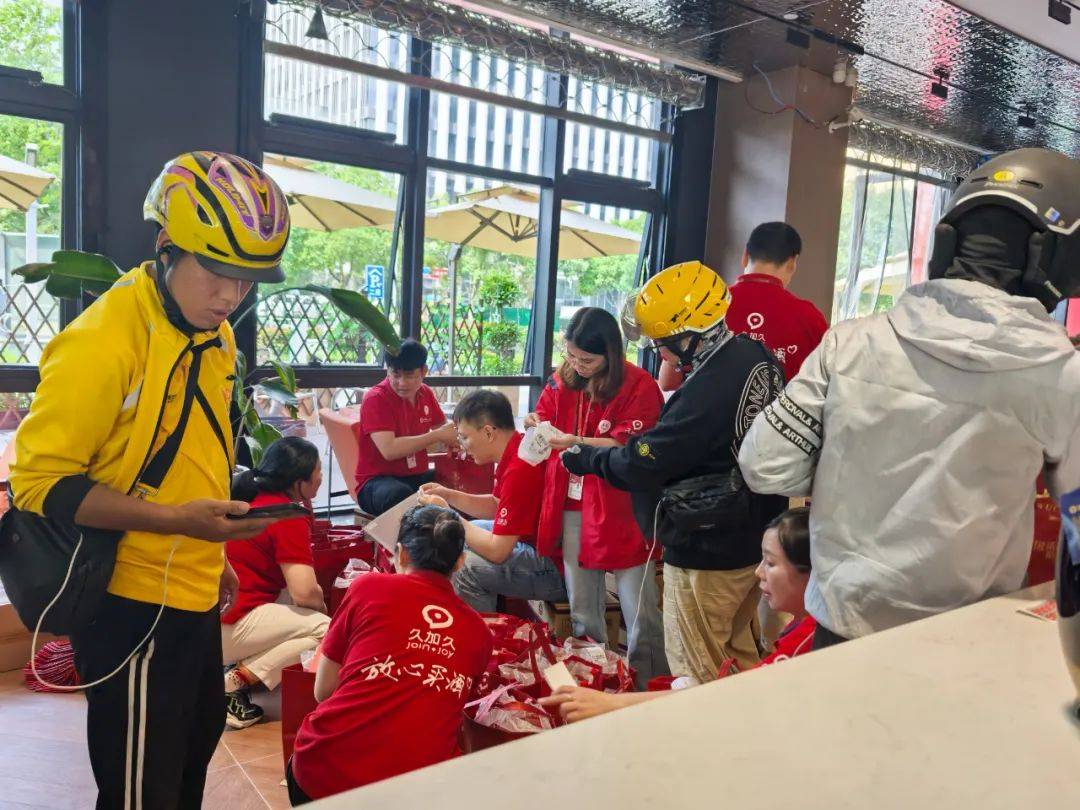
即时零售要快更要好
Jing Ji Ri Bao· 2025-06-28 21:58
Core Viewpoint - The rise of instant retail, driven by platforms like Meituan, JD, and Taobao, is creating new growth opportunities for consumer spending, but it also faces challenges related to food safety, service quality, and consumer rights [1][2]. Group 1: Instant Retail Development - Instant retail is becoming a new growth point for consumer spending due to its high delivery speed, allowing for quick access to food, medicine, and gifts [1]. - Major platforms are competing in the instant retail space, with initiatives like Meituan's "Flash Purchase," JD's "Second Delivery," and Taobao's collaboration with Ele.me [1]. Group 2: Consumer Experience Challenges - Issues such as food safety, poor service experience, and high costs of consumer rights protection are prompting platforms and merchants to reassess their service logic [1]. - The focus should not only be on speed but also on enhancing overall consumer experience, which includes product quality, fulfillment processes, customer service, and complaint handling [1]. Group 3: Service Improvement Strategies - To improve consumer experience, the industry must break away from the mindset of "just deliver, not deliver well" [1]. - Platforms should strengthen product control from the source, improve merchant entry standards, and establish clear after-sales processes to enhance service quality [1]. Group 4: Data Governance and Fair Pricing - Platforms should utilize data governance and technical capabilities to enhance consumer experience rather than solely focusing on short-term profits [2]. - Addressing consumer concerns about issues like "price discrimination" and ensuring fair pricing and transparent discount rules are essential for building user trust [2]. Group 5: Regulatory Support - The improvement of instant retail consumer experience requires standardized policies and regulatory support, with regions like Hubei and Shenzhen already exploring regulatory frameworks [2]. - Industry organizations and regulatory bodies should develop service standards and safety regulations to guide the industry's development [2].
阿里再变阵:「1+6+N」架构正在松动
Tai Mei Ti A P P· 2025-06-28 10:09
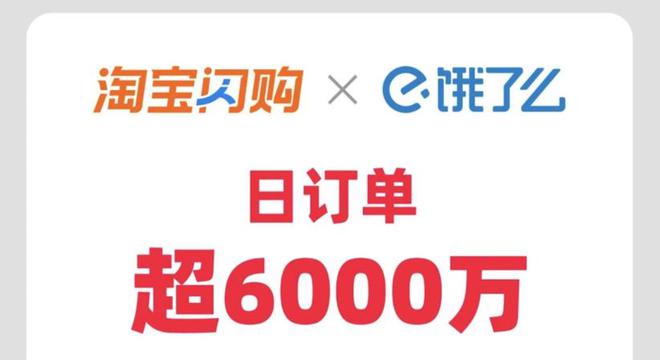
Core Insights - Alibaba is undergoing significant organizational changes, with a focus on enhancing its competitive edge in the rapidly evolving retail landscape, particularly in instant retail [4][5][11] - The role of Jiang Fan has become increasingly pivotal, as he now oversees both the core e-commerce operations and the newly integrated instant retail and travel businesses [4][13][24] Organizational Changes - On June 26, Alibaba announced its fiscal year 2025 report, revealing a reduction in its partner list to 17, the lowest since its IPO in 2014 [1] - The Alibaba Partner Committee has been updated, with Jiang Fan replacing Peng Lei, indicating a shift in leadership dynamics [1][3] - The integration of Ele.me and Fliggy into Alibaba's China e-commerce group reflects a strategic move to consolidate resources in response to intensified competition from JD.com and Meituan [5][11] Performance Metrics - The launch of "Taobao Flash Purchase" has significantly boosted order volumes, with over 10 million daily orders reported shortly after its launch [8][10] - By June 23, the combined order volume of Taobao Flash Purchase and Ele.me exceeded 60 million, with retail orders increasing by 179% year-on-year [10][11] - Jiang Fan's leadership has resulted in notable growth in Alibaba's e-commerce segments, with the international digital commerce group's growth rate at 22% for Q1 2025 [14][16] Strategic Focus - Alibaba aims to leverage instant retail as a new growth engine for its e-commerce business, enhancing user engagement and driving higher transaction frequencies [16][19] - The integration of instant retail services is expected to elevate the overall activity on the Taobao app, mirroring strategies employed by competitors [17][19] - Jiang Fan emphasized the potential of combining instant retail with e-commerce to significantly enhance user engagement and scale [19][24] Leadership Dynamics - Jiang Fan's ascent within Alibaba's hierarchy reflects his growing influence, now being positioned as a key figure next to Chairman Cai Chongxin and CEO Wu Yongming [25] - The restructuring indicates a shift away from the previously established "1 + 6 + N" organizational framework, focusing instead on core business areas of e-commerce and AI + Cloud [20][22] - The consolidation of leadership under Jiang Fan suggests a strategic pivot towards a more unified approach in managing Alibaba's diverse e-commerce operations [24][25]

阿里变阵,蒋凡执旗
经济观察报· 2025-06-28 07:14
经历风波三年,回归"内阁"短短两年的蒋凡,赫然出现在委员 会中。上述接近管理层人士直言:这位年轻少将已重回阿里的 权力中心。 作者:钱玉娟 封图:东方IC 6月26日晚,阿里巴巴集团(NYSE:BABA/09988.HK)在2025财年年报中披露,包括张勇、俞 永福、戴珊等在内的9人退出阿里合伙人名单。 一位接近阿里巴巴集团管理层的人士告诉经济观察报,除了保障企业文化和价值观的传承,阿里合 伙人更像是长期维护公司战略发展与增长的"内阁"。 经历风波三年,回归"内阁"短短两年的蒋凡,赫然出现在委员会中。上述接近管理层人士直言:这 位年轻少将已重回阿里的权力中心。 蒋凡被擢升进入最高决策层,与其辖下业务变阵后紧密衔接。 6月23日,吴泳铭的全员信宣布,饿了么、飞猪合并入阿里中国电商事业群,两家公司的CEO吴泽 明、庄卓然均向蒋凡汇报。这是继2024年11月国内、国际电商合并成为电商事业群后,阿里在核 心电商业务上的又一次变阵重组。 将近场、酒旅等电商服务业务汇入淘宝天猫、1688、闲鱼等在内的中国电商事业群,作为电商掌 舵人的蒋凡管辖范畴继续扩大。 这位曾推动淘宝实现增长神话的操盘手,再次背靠阿里的电商消费生态, ...

直击股东会 低度白酒战升级,泸州老窖研6度酒抢滩年轻市场
Nan Fang Du Shi Bao· 2025-06-28 00:40
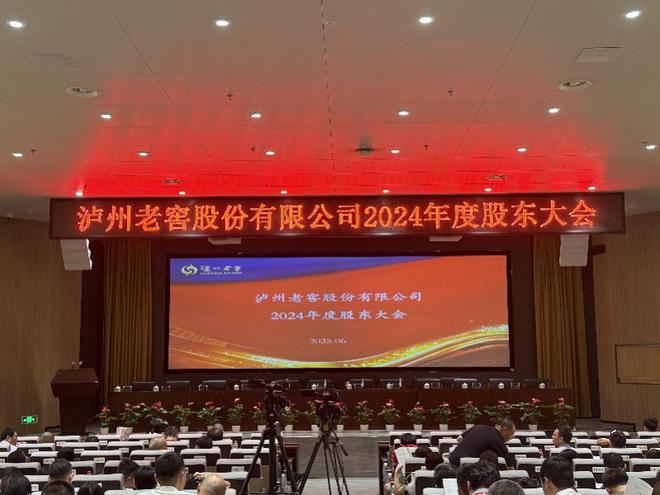
Group 1: Product Development - The company plans to launch a 28-degree Guojiao 1573 and is developing a 6-degree product to meet the demand for lower-alcohol beverages [1][3][4] - The low-alcohol Guojiao 1573 has increased its proportion from 15% to 50%, becoming a new growth driver for the company [3][4] - The company aims to capture the younger demographic, which prefers personalized, lower-alcohol, and visually appealing products [4] Group 2: Financial Performance - In 2024, the company achieved a revenue of 31.196 billion yuan, a year-on-year increase of 3.19%, and a net profit of 13.473 billion yuan, up 1.71% [4] - The Guojiao brand remains in the 20 billion yuan category, while the Luzhou Laojiao brand has surpassed 10 billion yuan [4] Group 3: Market Trends and Channels - The company noted a significant growth in instant retail, with a market size nearing 20 billion yuan and an expected penetration rate of 6% by 2027 [5][6] - E-commerce live streaming has become a core platform for new product launches, with sales figures showing explosive growth [5][6] Group 4: Industry Insights - The chairman stated that the idea of simultaneous volume and price increases is a fallacy, emphasizing that achieving one often requires sacrificing the other [10] - The company sees substantial market potential, with only 1/10 of the market share in cities and less than 1% in county-level markets [12] Group 5: Dividend Policy - The company approved a dividend plan for 2024-2026, ensuring that cash dividends will not be less than 65%, 70%, and 75% of the net profit for those years, respectively [13][15] - The proposed cash dividend for 2024 is 45.92 yuan per 10 shares, totaling approximately 6.759 billion yuan, which is about 65% of the net profit [13][15]

“前置”的阿里,为什么提出“大消费”而不是“新消费”
Tai Mei Ti A P P· 2025-06-27 12:56
Core Insights - Alibaba is undergoing significant organizational changes, merging Ele.me and Fliggy into its China e-commerce division to enhance its consumer platform strategy [1][2] - The company reported strong financial results for fiscal year 2025, with revenues reaching 996.347 billion yuan and a net profit increase of 77% to 125.976 billion yuan [1][2] - The shift towards a "big consumption platform" reflects a strategic upgrade aimed at optimizing business models and enhancing user experiences [1][9] Financial Performance - For fiscal year 2025, Alibaba's revenue was 996.347 billion yuan, with a net profit of 125.976 billion yuan, marking a 77% year-on-year increase [1][2] - Alibaba Cloud experienced double-digit revenue growth, driven by strong demand for AI-related products, which saw triple-digit year-on-year growth for seven consecutive quarters [1][2] - The international digital commerce group's revenue grew by 29% year-on-year, indicating robust performance in cross-border business [1][2] Business Adjustments - The merger of Ele.me and Fliggy into the China e-commerce division is part of a broader strategy to create a more integrated consumer experience [1][3] - The company has exited non-core assets like Hema and Intime, focusing on improving operational efficiency across its internet platforms [2][8] - A significant reduction in the number of partners from 26 to 17 reflects a shift towards a younger and more focused leadership team [2][9] Market Trends - The rise of instant retail is highlighted as a key trend, with Ele.me's integration into Alibaba's e-commerce strategy expected to enhance its competitive edge in this space [3][4] - The concept of "big consumption" emphasizes the importance of efficiently meeting existing consumer demands rather than solely pursuing new market opportunities [10][11] - The integration of online and offline channels is seen as essential for capturing consumer spending, with a focus on creating a seamless shopping experience [12][13]
互联网大厂们,想打赢半小时战争
3 6 Ke· 2025-06-27 10:49
Core Insights - The shift from community group buying to instant retail is reshaping the consumer landscape in China, with major companies like Alibaba and Meituan making strategic adjustments to capture market share [1][3][4] - Instant retail is seen as a response to the limitations of community group buying, which has struggled with profitability and market saturation [4][10] - The competition in instant retail is intensifying, with companies leveraging their supply chains and logistics to enhance service offerings [6][8][9] Company Strategies - Alibaba has integrated Ele.me and Fliggy into its e-commerce business group, emphasizing instant retail as a top priority [5][9] - Meituan is expanding its instant retail strategy by enhancing its flash purchase categories and increasing the number of small supermarkets [5][8] - JD.com is also entering the instant retail space, utilizing its existing supply chain advantages to offer services like "second delivery" [9][10] Market Dynamics - The instant retail market is characterized by a focus on speed and variety, with companies aiming to meet consumer demands for quick delivery and diverse product offerings [6][7] - High-tier cities are the primary battleground for instant retail, where consumers are less price-sensitive and more willing to pay for convenience [11][12] - The competition is fierce, with multiple players vying for market share, leading to potential saturation and price wars [11][12] Challenges - The profitability of instant retail remains uncertain, as companies must balance operational costs with competitive pricing strategies [12][13] - Companies face the challenge of convincing consumers to accept higher prices or increased delivery times in exchange for better service [13] - The rapid entry of new players into the market could lead to oversaturation, making it difficult for any single company to dominate [12][13]


从“坐等客来”到“主动触达”,商家在闪购找到增长锚点
Sou Hu Cai Jing· 2025-06-27 09:22
Core Insights - The article discusses the transformation of local retail logic driven by the rise of instant retail, particularly in the liquor industry, where offline merchants are adapting to new consumer demands for faster and more convenient purchasing options [2][3][18]. Group 1: Instant Retail Growth - Instant retail has enabled offline merchants to actively reach consumers rather than passively waiting for them to visit stores, leading to significant sales increases during events like the 618 shopping festival [2][3]. - During the 618 event, liquor sales saw explosive growth, with some brands reporting a tenfold increase in GMV compared to the previous year, despite being in a traditionally slow season [3][5]. - The overall liquor sales on the first day of the 618 event exceeded 3 billion yuan, marking a more than 200-fold increase compared to the previous year [5]. Group 2: Consumer Behavior Changes - Consumers are increasingly favoring instant retail for its convenience, with a notable shift in purchasing habits towards immediate delivery options, which is expected to continue even after promotional pricing ends [9][12]. - The demand for liquor, particularly for immediate consumption scenarios, has surged, with instant retail platforms effectively addressing the need for quick access to products [5][13]. Group 3: Market Dynamics - The instant retail sector is projected to grow significantly, with the market size expected to exceed 1 trillion yuan for liquor by 2027, indicating a strong future for this segment [19]. - Major brands are adapting to this trend by developing new products tailored for instant consumption and enhancing their collaboration with instant retail platforms like Meituan [15][20]. Group 4: Operational Efficiency - Instant retail is transforming the operational models of offline merchants, allowing them to utilize data-driven decision-making and improve supply chain efficiency [3][18]. - Meituan's instant retail platform has connected nearly 1 million offline stores, providing a robust network that supports local businesses in reaching consumers effectively [20][22].