促内需

Search documents
又见基金经理5000字走心三季报:因没持有科技股在这个阶段落后 但乐于见到其大涨!
Mei Ri Jing Ji Xin Wen· 2025-10-27 23:09
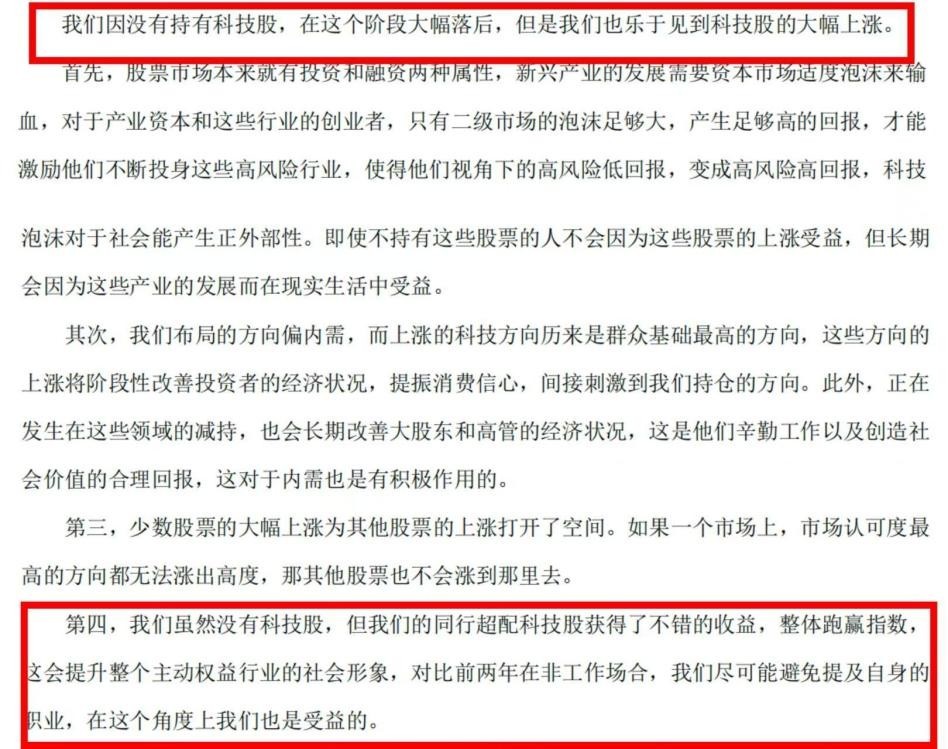
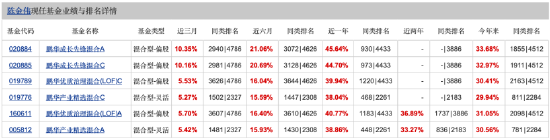
Core Viewpoint - The third-quarter report from Chen Jinwei, manager of Penghua Industrial Select Fund, has gained significant attention for its insights on the rise of technology stocks and the debunking of four misconceptions about "anti-involution" [1][2]. Group 1: Fund Performance - In the third quarter, Penghua Industrial Select Fund achieved a net value growth of 13.90%, with a year-to-date increase of 30.56%, ranking in the top 35 among 2,292 flexible allocation funds [1]. - The report highlights the importance of fund managers communicating their operational strategies and market views through financial reports, which serve as a crucial channel for investor engagement [1]. Group 2: Insights on Technology Stocks - Chen Jinwei noted that the market exhibited characteristics of a "slow bull" in the third quarter, with a significant portion of gains driven by a few technology leaders, as the top 10 stocks contributed nearly half of the gains in the CSI 300 index [3]. - Despite not holding technology stocks, Chen expressed a positive outlook on their rise, emphasizing that the development of emerging industries requires some market bubble to thrive, which ultimately benefits society [4][5]. Group 3: Debunking Misconceptions about "Anti-Involution" - Chen Jinwei addressed four misconceptions regarding "anti-involution," arguing that true market efficiency is hindered by involution, which is often perpetuated by local governments' leniency towards enterprises [8]. - He clarified that "anti-involution" encompasses both supply-side and demand-side policies, as it involves market reforms that enhance the returns on various factors of production, thus stimulating domestic demand [8][9]. - The report also suggests that "anti-involution" does not necessarily require significant capacity reduction, as controlling new increments can be effective [9]. - Chen pointed out that the disparity between leading and secondary companies has widened, indicating that only industry leaders currently possess substantial growth potential [9]. Group 4: Investment Strategy - The current focus of Penghua Industrial Select Fund is on midstream cyclical leaders, particularly in the chemical, pharmaceutical, and service consumption sectors [11]. - The fund has significantly increased its holdings in midstream cyclical leaders, with a notable emphasis on the chemical sector due to its competitive advantages and resilience against global consumption fluctuations [13]. - Chen Jinwei remains optimistic about specific segments within the pharmaceutical and consumer sectors, particularly service consumption, which is expected to benefit from easing supply and time constraints [13].

不蹭AI热点的鹏华基金经理陈金伟,三季报写了篇“科技情书”
Xin Lang Ji Jin· 2025-10-27 10:01
Core Viewpoint - The report highlights the performance of three funds managed by Chen Jinwei, showing significant returns and a focus on the chemical sector as a core investment area, while also acknowledging the importance of technology stocks for future growth [1][4][7]. Fund Performance - The total assets under management for the three funds reached 1.769 billion yuan, with quarterly returns of 13.90%, 14.09%, and 14.61% respectively [1]. - Year-to-date returns for the funds are 30.56%, 31.05%, and 33.68%, indicating a robust overall performance [1]. Investment Strategy - Chen Jinwei's investment strategy is characterized by a "50-40-10" framework, allocating 50% to good companies, 40% to undervalued stocks, and 10% to industry trends, aiming for sustainable growth with a margin of safety [4][9]. - The report emphasizes a significant allocation to the chemical sector, with leading companies like Luxi Chemical and Huafeng Chemical contributing to substantial gains [2][4]. Sector Focus - The chemical industry is highlighted as having a competitive advantage, with China holding 70%-80% of global production capacity in many sub-sectors, making it difficult for overseas replication of the supply chain [4]. - In addition to chemicals, investments in consumer and pharmaceutical sectors are also noted, with companies like Sanxia Tourism and Huaxia Airlines forming a secondary pillar of the portfolio [4]. Technology Stock Outlook - Despite a current lack of technology stock holdings, Chen Jinwei expresses a positive outlook on technology growth, particularly in artificial intelligence, semiconductors, and new energy sectors [7][8]. - The report discusses the positive externalities of technology stock appreciation, including stimulating entrepreneurship and improving investor sentiment, which can indirectly boost domestic demand [8]. Policy Insights - The report addresses the "anti-involution" policy, clarifying that it is not anti-market but aims to enhance returns on labor, land, and capital, thus serving as a direct stimulus for domestic demand [8][9]. - Observations on reduced working hours suggest a potential surge in service consumption, with a notable increase in sectors like tourism [8]. Market Perspective - Chen Jinwei's "low valuation growth" strategy stands out in a market focused on technology growth, emphasizing the importance of maintaining healthy profit cycles in hard technology sectors through anti-involution measures [9]. - The interconnectedness of industries is highlighted, suggesting that the success of one sector can positively impact others, reinforcing the idea of mutual growth [9].


9月宏观数据分析:9月数据有喜有忧,PPI、M1增速持续回升
Xi Nan Qi Huo· 2025-10-21 08:23
Report Industry Investment Rating No information provided. Core Viewpoints of the Report - The macro - data in September were mixed, and the recovery momentum needed to be strengthened. The domestic economic recovery couldn't be achieved overnight, and the economy showed a state of having a bottom but lacking upward momentum. Macroeconomic policies should increase support to boost market confidence. "Promoting domestic demand and combating involution" would be important long - term policy focuses. The financial market was in a state of "weak reality, strong expectation", and in 2025, the macro - economy and asset prices were expected to continue the upward - repair trend [3][38]. Summary by Relevant Catalogs 1. Manufacturing PMI Rebounded Month - on - Month but Remained Below the Threshold - In September, the manufacturing PMI was 49.8%, up 0.4 percentage points from the previous month. Large - scale enterprises' PMI was 51.0%, up 0.2 percentage points; medium - sized enterprises' PMI was 48.8%, down 0.1 percentage points; small - sized enterprises' PMI was 48.2%, up 1.6 percentage points. Among the 5 sub - indexes, the production index and supplier delivery time index were above the threshold, while the new order index, raw material inventory index, and employment index were below it [4]. - The non - manufacturing business activity index in September was 50.0%, down 0.3 percentage points from the previous month. The construction industry's business activity index was 49.3%, up 0.2 percentage points, and the service industry's was 50.1%, down 0.4 percentage points. Overall, the manufacturing was still below the threshold, indicating low prosperity, significant demand contraction, and insufficient economic recovery momentum [7]. 2. In September, CPI Declined 0.3% Year - on - Year and PPI Fell 2.9% Year - on - Year, Both Showing Improvement - In September 2025, the national CPI decreased 0.3% year - on - year. The average CPI from January to September was 0.1% lower than the same period last year. The CPI increased 0.1% month - on - month. Food prices decreased 4.4% year - on - year and increased 0.7% month - on - month [8][9]. - In September, the national PPI decreased 2.3% year - on - year, with the decline narrowing by 0.6 percentage points compared to the previous month, and remained flat month - on - month. The average PPI from January to September was 2.8% lower than the same period last year. Industries such as coal, ferrous metals, and petrochemicals had large year - on - year declines, dragging down the PPI [11]. 3. In September, Imports and Exports Maintained High Growth Rates - In September, China's total import and export volume was $566.68 billion, a year - on - year increase of 7.9%. Exports were $328.57 billion, up 8.3% year - on - year, and imports were $238.12 billion, up 7.4% year - on - year. The trade surplus was $90.45 billion, an increase of $8.69 billion compared to the same period last year [13]. - In terms of countries, in September, China's exports to the US were $34.308 billion, with a year - on - year growth rate of - 16.1%; exports to the EU were $49.22 billion, with a growth rate of 7.6%; exports to ASEAN countries were $58.235 billion, up 16.9% year - on - year; and exports to Japan were $13.435 billion, with a year - on - year growth rate of 6.6%. Exports to ASEAN were gradually replacing those to the US [15]. - Since the second quarter, exports have been stronger than expected, showing strong resilience. In 2025, exports were likely to remain strong. The real risk for China's foreign trade was the potential decline in demand due to the increased risk of a US economic recession and the slowdown of the global economy [16]. 4. Credit Demand was Weak, and the Growth Rates of M1 and M2 Further Increased - At the end of September 2025, the stock of social financing scale was 437.08 trillion yuan, a year - on - year increase of 8.7%. The balance of RMB loans to the real economy was 267.03 trillion yuan, up 6.4% year - on - year. The balance of foreign - currency loans to the real economy was 1.18 trillion yuan, down 18% year - on - year [18]. - In the first three quarters of 2025, the cumulative increase in social financing scale was 30.09 trillion yuan, 4.42 trillion yuan more than the same period last year. The increase in RMB loans to the real economy was 14.54 trillion yuan, 851.2 billion yuan less than the same period last year [18]. - In terms of residents' credit in September, short - term loans increased by 142.1 billion yuan, 127.9 billion yuan less than the same period last year; medium - and long - term loans increased by 250 billion yuan, 20 billion yuan more than the same period last year. In terms of enterprises' credit, short - term loans increased by 710 billion yuan, 250 billion yuan more than the same period last year; medium - and long - term loans increased by 910 billion yuan, 50 billion yuan less than the same period last year; bill financing decreased by 402.6 billion yuan, 471.2 billion yuan less than the same period last year [19][21]. - At the end of September, the balance of broad - money (M2) was 335.38 trillion yuan, a year - on - year increase of 8.4%. The balance of narrow - money (M1) was 113.15 trillion yuan, a year - on - year increase of 7.2%. The M1 - M2 gap narrowed to - 1.2%, indicating an improvement in macro - liquidity [22]. 5. Industrial Production Accelerated, while Consumption and Investment Growth Rates Continued to Decline - In September, the value - added of industrial enterprises above the designated size increased by 6.5% year - on - year, and 0.64% month - on - month. From January to September, it increased by 6.2% year - on - year [25]. - In September, the total retail sales of consumer goods were 4,197.1 billion yuan, a year - on - year increase of 3.0%. From January to September, the total retail sales of consumer goods were 36,587.7 billion yuan, a year - on - year increase of 4.5%. The consumption growth rate further declined in September, affected by policies and subsidy withdrawal, as well as the drop in oil prices [25][26]. - From January to September 2025, the national fixed - asset investment (excluding rural households) was 37,153.5 billion yuan, a year - on - year decrease of 0.5%. Private fixed - asset investment decreased by 3.1% year - on - year. The growth rates of manufacturing investment, infrastructure investment, and real - estate development investment continued to decline [28]. 6. The Growth Rate of Real - Estate Sales Continued to Decline and was Moving Towards Stabilization - From January to September, the sales area of newly - built commercial housing was 658.35 million square meters, a year - on - year decrease of 5.5%; the sales volume was 6,304 billion yuan, a year - on - year decrease of 7.9%. In September, the growth rates of real - estate sales volume and area continued to decline, and the real - estate market was still in the adjustment stage [30]. - From January to September, the construction area of real - estate development enterprises was 6.4858 billion square meters, a year - on - year decrease of 9.4%. The new - construction area was 453.99 million square meters, a year - on - year decrease of 18.9%. The completed area was 311.29 million square meters, a year - on - year decrease of 15.3% [32]. - In September, the real - estate market continued the downward trend since the second and third quarters. However, the year - on - year decline in the sales area and volume of commercial housing was narrowing, and the inventory - reduction effect was emerging. The real - estate market was moving towards stabilization. The year - on - year decline in the sales area and volume of commercial housing would further narrow as the base decreased [34]. - At the end of September, the unsold area of commercial housing was 759.28 million square meters, 2.41 million square meters less than at the end of August. The real - estate development climate index in September was 92.78, showing a slight decline month - on - month. There was still room for further strengthening of real - estate policies, and the "market bottom" of this real - estate downward cycle was emerging. The first half of 2026 was expected to be a critical period for the real - estate market to stabilize [35][36][37].
盘中速递 | 同类规模最大的自由现金流ETF(159201)成交额率先突破2.4亿元
Mei Ri Jing Ji Xin Wen· 2025-09-25 06:29
Core Viewpoint - The Guozheng Free Cash Flow Index has shown a slight increase, with significant gains in constituent stocks, indicating a positive trend in the market for free cash flow-focused investments [1] Group 1: Market Performance - As of September 25, 2025, the Guozheng Free Cash Flow Index rose by 0.05%, with notable gains in stocks such as Lianxu Electronics, Tailong Co., Shanghai Electric, Luoyang Molybdenum, and Lingyun Co. [1] - The largest free cash flow ETF (159201) followed the index's upward movement, achieving a trading volume of 240 million yuan during the session [1] - The average daily trading volume of the free cash flow ETF over the past month reached 327 million yuan, ranking it first among comparable funds [1] Group 2: Investment Strategy - Nanjing Securities highlighted that the growth sector is experiencing volatility, while sectors with strong policy expectations, such as "anti-involution" and "promoting domestic demand," remain relatively undervalued, presenting high cost-performance for medium to long-term allocation [1] - The free cash flow ETF (159201) closely tracks the Guozheng Free Cash Flow Index, addressing the limitations of traditional dividend strategies in terms of industry coverage and future performance predictions, focusing on internal growth capacity and financial health [1] - The fund management fee is set at an annual rate of 0.15%, and the custody fee at 0.05%, both of which are among the lowest in the market, maximizing benefits for investors [1]
现金流ETF(159399)盘中净流入超千万份,近10日净流入近2亿元,资金积极布局,关注现金流防御价值
Mei Ri Jing Ji Xin Wen· 2025-09-10 06:22
Group 1 - The core viewpoint of the articles emphasizes the increasing interest in cash flow ETFs, particularly the cash flow ETF (159399), which has seen a net inflow of 14 million units, indicating strong demand for cash flow assets [1] - Nanjing Securities highlights that growth sectors are experiencing volatility, while sectors with strong policy expectations, such as "anti-involution" and "promoting domestic demand," remain at relatively low levels, suggesting a high cost-performance ratio for medium to long-term allocation [1] - The FTSE Cash Flow Index, which the cash flow ETF (159399) tracks, has outperformed the CSI Dividend Index and the CSI 300 Index for nine consecutive years from 2016 to 2024, indicating its strong market performance [1] Group 2 - The cash flow ETF (159399) focuses on large and mid-cap stocks, with a higher proportion of central state-owned enterprises compared to similar cash flow indices, and has distributed dividends for six consecutive months since its launch [1] - Investors without stock accounts are encouraged to consider the Guotai FTSE China A-Share Free Cash Flow Focused ETF Initiated Link A (023919) and Link C (023920) as alternative investment options [1]
现金流ETF(159399)5日吸金超2亿元,多空博弈背景下,现金流防御属性突出
Mei Ri Jing Ji Xin Wen· 2025-09-01 06:20
Core Insights - The market is experiencing heightened volatility, leading to increased attention on the stable attributes of dividends, particularly through the cash flow ETF (159399), which attracted over 200 million yuan in investments on the 5th [1] - Nanjing Securities indicates that the growth sector carries significant trading risks, while sectors with strong policy expectations, such as "anti-involution" and "promoting domestic demand," remain relatively undervalued, presenting better long-term investment opportunities [1] - The cash flow ETF (159399) utilizes free cash flow as a stock selection factor, closely tracking the FTSE China A-Share Free Cash Flow Index, excluding financial and real estate sectors, and selecting the top 50 stocks with the highest free cash flow rates [1] Index Characteristics - The cash flow index focuses on large and mid-cap stocks, exhibiting strong defensive attributes and higher dividend yields, which may help mitigate market fluctuations [2] - The cash flow ETF (159399) has consistently distributed dividends for six consecutive months as of the end of August since its launch [2]
姜凌波:继续关注“促内需”“反内卷”方向
Sou Hu Cai Jing· 2025-08-27 01:11
Market Overview - The A-share market experienced fluctuations with the Shanghai Composite Index closing down 0.39% at 3868.38 points, while the Shenzhen Component Index rose 0.26% to 12473.17 points, and the ChiNext Index fell 0.75% to 2742.13 points, with total trading volume at 2.68 trillion, significantly lower than the previous day's over 3 trillion [1] Sector Performance - The "promoting consumption" and "anti-involution" sectors led the gains, with agriculture, beauty, chemicals, media, and retail sectors showing notable increases, confirming previous insights on market rotation and rebound opportunities [1] - Conversely, the pharmaceutical and non-bank financial sectors were the biggest losers, indicating a cooling off in growth styles [1] Technical Analysis - The market formed a small doji candlestick, suggesting a potential weakening of upward momentum, although bears have not gained a significant advantage, indicating a possible short-term pullback to the 5-day moving average [1] - The absence of a clear market top signal, coupled with a lack of significant volume release during the pullback, suggests that some funds remain reluctant to sell, allowing for cautious optimism in the short term [1] Future Outlook - Following the Jackson Hole meeting, market expectations for a September rate cut have risen to 90%, although the Fed retains some policy flexibility due to rising inflation levels [2] - The A-share market sentiment has cooled after reaching high levels, with a significant drop in trading volume, indicating a potential peak in market enthusiasm [3] - Institutional funds are still actively buying leading stocks, suggesting a continued interest in high-quality assets despite the overall market cooling [3] - The potential for policy support remains, with the domestic market expected to maintain liquidity regardless of the Fed's decisions [2][3]
民生银行首席经济学家温彬:年内再度降准降息的时点可能后移,LPR报价下调时点也会相应延后
Sou Hu Cai Jing· 2025-08-21 01:32
Core Viewpoint - The chief economist and director of the research institute, Wen Bin, indicates that recent data shows a certain setback in the recovery of the real economy since July, necessitating continued macro policy support [1] Economic Indicators - Several indicators since July have shown a decline in retail sales growth, ongoing pressure on real estate investment, and a need for increased credit demand [1] - External demand faces uncertainties that have not yet been fully resolved, suggesting the need for further macroeconomic policy adjustments [1] Policy Recommendations - The necessity for maintaining a stable and continuous policy approach is emphasized, with monetary policy expected to remain supportive [1] - Wen Bin suggests that structural policies can more effectively target issues, avoid fund misallocation, and enhance the activation of deposits [1] Interest Rate Outlook - The timing for potential further reductions in reserve requirement ratios (RRR) and interest rates may be postponed, along with the timing for adjustments to the Loan Prime Rate (LPR) [1]

二季度货币政策执行报告 释放了三大信号
Zheng Quan Ri Bao· 2025-08-17 23:54
Core Viewpoint - The People's Bank of China (PBOC) emphasizes the implementation of a moderately accommodative monetary policy to support high-quality economic development and create a favorable financial environment for sustained economic recovery [1][2]. Monetary Policy Focus - The report shifts from "implementing moderately accommodative monetary policy" to "implementing and refining moderately accommodative monetary policy," indicating a focus on effective execution and tracking the impact of previous policies [2]. - Experts suggest that the emphasis on "implementation and refinement" reflects a positive assessment of the first half of the year and indicates a greater focus on policy execution effectiveness in the second half [2][3]. Credit Support and Financial Stability - The report indicates a change in credit guidance from "increasing credit supply" to "stabilizing credit support," suggesting a shift towards quality over quantity in credit provision [4]. - The focus will be on observing broader indicators like social financing scale and M2, rather than just loan amounts, to adapt to market trends and reduce competitive pressures [4][5]. Structural Optimization of Credit - The report highlights ongoing efforts to optimize credit structure, directing more resources towards key economic strategies and sectors, with loans to new growth areas and domestic demand maintaining rapid growth [6][7]. - The proportion of loans directed towards the "Five Major Articles" has increased to about 70%, indicating a significant shift from traditional sectors like real estate and infrastructure [6]. Support for Specific Economic Areas - The report outlines initiatives to enhance financial services for small and micro enterprises, support technological innovation, and improve high-quality service consumption supply [6][7]. - Future efforts will focus on increasing the accessibility and sustainability of inclusive finance, particularly for technology-driven small and medium enterprises, and fostering a supportive financial ecosystem for innovation [7].
国泰海通|有色:“反内卷”预期拉扯,步入承接验证期
国泰海通证券研究· 2025-07-28 10:04
Group 1 - The core viewpoint of the article suggests that the upcoming Federal Reserve meeting may signal a rate cut in September, which could support gold prices due to expectations of increased liquidity [1][2] - The article highlights that as trade negotiations between the US and multiple countries progress, tariff risks are diminishing, which may positively impact market sentiment and industrial metal prices [1][2] - It notes that the macroeconomic environment is expected to influence industrial metal prices significantly, especially with key domestic meetings and trade talks scheduled for July [1][2] Group 2 - In the precious metals sector, the anticipation of a Federal Reserve rate cut is likely to support gold prices, especially with ongoing trade negotiations and potential tariff adjustments [2] - The industrial metals market is currently experiencing a seasonal slowdown, with weak demand and pressure on processing rates for metals like copper and aluminum, although macroeconomic factors may provide some support [2] - The article emphasizes that if domestic policies aimed at stabilizing growth and promoting internal demand continue to be effective, alongside positive developments in trade negotiations and signals from the Federal Reserve, industrial metal prices could see significant support [2]