
全球资本流动

Search documents
所有人速看,年内首次,下调25个基点,房贷利率下周马上降?
Sou Hu Cai Jing· 2025-09-20 16:33
Core Viewpoint - The Federal Reserve has quietly lowered the federal funds rate by 25 basis points to a target range of 4.25% to 4.50%, marking the first interest rate cut since December 2024, driven by persistent weakness in U.S. employment data and a focus on maximizing employment over price stability [1][3]. Group 1: Impact on Global Financial Markets - The Fed's rate cut is interpreted as a "preventive rate cut," indicating a cautious outlook on future economic growth [3]. - The decision is expected to influence global capital flows and the value of the Chinese yuan, potentially leading to reduced depreciation pressure on the yuan and affecting the attractiveness of dollar-denominated Chinese assets [5][13]. - Historical data shows that adjustments in China's Loan Prime Rate (LPR) typically lag behind Fed policy changes by 3-6 months, although recent actions have demonstrated the People's Bank of China's flexibility in responding to global monetary policy shifts [5][7]. Group 2: Differences in Mortgage Systems - The U.S. mortgage market primarily features 30-year fixed-rate loans, meaning the Fed's rate cut will directly benefit new homebuyers by locking in lower monthly payments [6]. - In contrast, China's housing credit system relies on floating rates based on LPR, which means existing mortgage rates will not be immediately affected by the Fed's actions and will only adjust at the beginning of the following year [6][12]. Group 3: Potential Effects on Chinese Housing Market - The anticipated reduction in LPR could significantly lower mortgage costs, thereby boosting market confidence and stimulating housing demand [13][15]. - A specific example illustrates that a 25 basis point reduction in LPR could save a borrower approximately 9 million yuan in interest over 30 years, highlighting the importance of such adjustments for household financial planning [16][20]. Group 4: Market Expectations and Future Outlook - There is a growing expectation for a downward adjustment in LPR, driven by recent policy signals indicating a shift towards a more accommodative monetary policy [14][15]. - The upcoming LPR announcement on September 22 is highly anticipated, with predictions that some cities may see first-time home loan rates drop below 3% [15].


从狂抛800亿到猛增416亿!一年内,外资对中国债券180度大反转
Sou Hu Cai Jing· 2025-09-20 14:26
Core Insights - The article discusses the ongoing shifts in global capital markets, particularly the contrasting behaviors of foreign investments in U.S. and Chinese bonds, highlighting a financial battle without direct confrontation [1][2]. Group 1: U.S. Treasury Bonds - U.S. Treasury yields have reached 5.5%-5.7%, significantly higher than China's three-year government bond yield of 2.35%, attracting global capital to the U.S. [5][6]. - In the first half of 2023, foreign holdings of Chinese government bonds decreased by approximately 80 billion yuan, with some of this capital flowing into U.S. bonds [7][11]. - The U.S. faced a potential debt default in June 2023, which heightened market fears but did not deter capital inflow due to the allure of high yields [10][15]. Group 2: Chinese Bonds - In 2024, foreign net inflows into the Chinese bond market reached 41.6 billion USD, indicating a recovery in global confidence in the Chinese economy [11]. - By the end of 2024, foreign institutions held 4.3983 trillion yuan in Chinese interbank market bonds, reflecting a growing interest despite previous reductions in holdings [11][14]. - The Chinese government is diversifying its foreign exchange reserves and reducing reliance on single assets, which is part of a broader strategy to enhance stability and predictability in its financial markets [14][19]. Group 3: Market Dynamics - The article emphasizes the importance of three key factors: interest rates, stability, and expectations, which influence investment decisions in the context of geopolitical risks [14]. - The financial landscape is characterized by a continuous flow of capital, with the potential for shifts in investment strategies as conditions evolve [18][19]. - The future of global capital markets will depend on the ability of economies to maintain resilience and achieve mutual benefits through openness [19][20].

今晚降多少?
Sou Hu Cai Jing· 2025-09-17 13:56
Group 1 - The core viewpoint is that the Federal Reserve is expected to lower interest rates in its upcoming meeting, with a 96% probability of a 25 basis point cut and a 4% chance of a 50 basis point cut [1][2] - The labor market data shows a significant slowdown, with only 22,000 jobs added in August 2025, far below the expected 75,000, and the unemployment rate rising to 4.3%, the highest in nearly four years [2][4] - The Federal Reserve's interest rate adjustments are seen as a tool for global economic influence, rather than solely responding to domestic inflation and employment metrics [6][7] Group 2 - The anticipated interest rate cut is viewed as a necessary measure to alleviate market pressures and is expected to impact various sectors, including housing and exports [13][10] - A potential 50 basis point cut could indicate the Fed's awareness of undisclosed systemic risks in the economy [12] - The global economic landscape is under significant stress, with emerging markets and Europe showing reduced resilience, suggesting that the Fed's actions will have far-reaching implications for global asset prices [9][10][14]
用投资视角洞见企业,用企业视角理解投资
Sou Hu Cai Jing· 2025-08-28 10:38
Group 1 - Recent focus on Chinese assets, with A-shares showing resilience and the Hang Seng China Enterprises Index performing notably well, linked to global macro policy shifts [1] - Market sentiment changes are closely tied to expectations of a Federal Reserve interest rate cut, with the probability of a September rate cut rising from 80% to 90%, leading to a significant jump in the Hong Kong market [1][2] - The recent appreciation of the RMB from 7.18 to around 7.15 suggests international capital inflow into Chinese assets [2] Group 2 - Historical trends show that foreign capital has shifted towards Chinese bonds due to higher yields compared to US bonds, but recent Fed rate hikes have led to capital withdrawal from China [2][3] - Domestic interest rates in China have been on a downward trend, prompting local investors to seek opportunities in Hong Kong stocks, particularly high-dividend, low-valuation assets [3] - The potential return of foreign capital to China is expected to favor equities, particularly high-quality companies with stable cash flows and higher dividend yields compared to US stocks [5][6] Group 3 - The investment philosophy is shifting towards a "deep well" investment mindset, focusing on long-term value and sustainable returns rather than short-term market fluctuations [6][7] - The emphasis is on holding quality assets to share in corporate growth, moving away from a zero-sum game mentality in investing [7] - With the Fed's policy shift and increased attractiveness of Chinese assets, the likelihood of foreign capital returning to the Chinese market is rising, suggesting a need for an asset-based allocation approach [7]

全球资本为何必然涌入中国?孙加滢:除了便宜 还有三大关键理由
Xin Lang Ji Jin· 2025-08-27 10:07
Group 1 - The core logic behind the recent A-share market reaching 3800 points is a global capital reallocation trend, which has become increasingly evident [1] - Warren Buffett has been reducing his US stock holdings and shifting towards other markets, indicating a macro allocation strategy that investors should recognize [1] - There is a significant valuation disparity between global markets, with the Dow Jones at a P/E ratio of 9, Nasdaq at 7, while the Shanghai Composite and CSI 300 are only at 1.3 [1] Group 2 - China is highlighted as one of the lowest-valued assets globally, with advantages such as a safe living environment, high economic growth, robust infrastructure, and strong industrial capabilities [1] - The influx of global capital into China is anticipated once undervalued assets begin to trend upwards, as evidenced by recent capital inflows into the Hong Kong market [1] - The notion that geopolitical factors like financial wars and political sanctions deter capital flow is deemed inappropriate, as capital is primarily driven by profit motives [1]

如果美联储降息,将如何影响全球资本市场? | 一财号每周思想荟(第30期)
Sou Hu Cai Jing· 2025-08-08 08:52
Group 1 - The introduction of free preschool education policy is expected to trigger a structural adjustment in the education industry supply [1][2] - Public kindergartens are expanding, with cities like Beijing and Shenzhen initiating reforms to link fees to services, while the government ensures financial support for public kindergarten teachers [1] - Private kindergartens are facing pressure to transform, with high-end institutions needing to de-capitalize and affordable private kindergartens encouraged to specialize and differentiate [1] Group 2 - The free preschool education policy aims to lower family childcare costs and fundamentally reshape the human capital accumulation mechanism [2] Group 3 - The potential impact of the Federal Reserve's interest rate cuts on global capital markets hinges on upcoming U.S. economic data [4] - A scenario where the U.S. labor market deteriorates while inflation remains high could lead to significant market corrections, particularly affecting U.S. assets, while benefiting markets like Hong Kong and A-shares [4] - If the U.S. employment data remains stable, a 25 basis point rate cut in September is likely, which would improve global liquidity and support a mild uptrend in U.S. stocks [4] Group 4 - The U.S. monetary policy decisions will profoundly influence global asset pricing, with potential declines in the U.S. dollar index if interest rates are cut significantly [5] - The persistence of inflation remains a critical variable, as rising energy prices could further elevate inflation levels [5] Group 5 - The end of negative interest rate policies by the European Central Bank may lead to a narrowing interest rate differential between the Eurozone and the U.S., prompting international investors to reduce their holdings in U.S. assets [7] Group 6 - The global trade landscape is shifting from a focus on efficiency and cost to a more complex process of trust reconstruction, indicating a new era of trade dynamics [8] - The current global trade environment emphasizes relationships and political ties over mere pricing, suggesting a need for a balance between trust and efficiency [8]
《看懂美联储》
Sou Hu Cai Jing· 2025-07-31 12:25
Core Viewpoint - The Federal Reserve's independence is rooted in its strict institutional design, which prevents political and interest group interference in its decision-making process [4] Group 1: Federal Reserve Structure and Independence - The Federal Reserve was established in 1913, with Jewish capital accounting for only 7% of the shares among the seven major financial groups [4] - Shareholders do not have decision-making power and can only receive a fixed dividend of no more than 6% [4] - This structure allows the Federal Reserve to base its policy decisions on economic data, ensuring professionalism and transparency [4] Group 2: Impact of Federal Reserve's Monetary Policy - As the world's most influential central bank, the Federal Reserve's monetary policy not only determines the direction of the U.S. economy but also affects global capital flows and market sentiment [4] - There is a widespread market expectation that the Federal Reserve may lower interest rates twice in the second half of the year, which would reduce global financing costs [4] - Such a reduction in rates is anticipated to drive the U.S. stock market to new highs and transmit effects to the Chinese A-share market through Hong Kong [4] Group 3: Opportunities for China - For China, the Federal Reserve's potential rate cuts represent not only an external opportunity but also a chance to deepen financial reforms and optimize the market environment [4] - Maintaining a commitment to reform and opening up will enable China's capital markets to leverage this situation, showcasing greater resilience and vitality [4]

美联储的鲍威尔你怎么收场?为了收割到东方大国,美联储就是不降息,宁可每年支付1.5万亿的债务利息也不降
Sou Hu Cai Jing· 2025-07-30 14:59
Core Viewpoint - The article discusses the unusual volatility in the U.S. market over the past two months, highlighting the Federal Reserve's reluctance to lower interest rates despite declining inflation indicators and increasing fiscal pressures [3][5][9]. Group 1: Federal Reserve's Stance - The Federal Reserve has maintained a steady interest rate policy despite a decrease in core PCE inflation to 2.6% in June, the lowest since 2021 [3]. - The Fed's strategy appears to be aimed at preventing capital from flowing to Eastern markets, with high interest rates intended to keep funds within U.S. Treasury bonds [5][12]. - Market speculation is growing regarding potential interest rate cuts, with a significant portion of traders betting on at least one rate cut by September [11][12]. Group 2: Market Reactions - The U.S. stock market has shown signs of volatility, with the S&P 500 experiencing fluctuations and debates over interest rate direction intensifying [6][12]. - Former President Trump has publicly called for interest rate cuts, indicating a shift in sentiment as the market struggles with high debt interest payments [6][9]. - Analysts from Goldman Sachs predict two rate cuts within the year, each by 25 basis points, reflecting a growing belief that the Fed may need to adjust its stance [12]. Group 3: Global Context - The article notes that Eastern markets, particularly China, are not following the Fed's lead, maintaining a stable exchange rate for the yuan against the dollar [6][15]. - China's export growth remains robust, with a year-on-year increase of 8.6% in June, indicating resilience despite global economic pressures [6]. - The attractiveness of Chinese assets is gaining attention, with reports highlighting the stability of China's bond market compared to U.S. Treasuries [15]. Group 4: Future Considerations - The Fed faces a dilemma: whether to lower rates to support the market or maintain its current stance, risking further fiscal strain and potential political fallout in an election year [9][17]. - The outcome of this situation may hinge on the Fed's ability to balance market confidence with economic realities, as global investors reassess where to allocate their capital [15][17].
Juno markets:投资者目前认为做空美元是当前最拥挤的交易
Sou Hu Cai Jing· 2025-07-17 02:54
Core Viewpoint - The recent global fund manager survey indicates that shorting the US dollar has become the most crowded trade, with approximately 34% of respondents holding this view, reflecting a significant shift in market sentiment towards the dollar [1][3]. Group 1: Market Sentiment and Positioning - The survey marks the first time in its history that shorting the dollar has replaced going long on gold as the most crowded trade, indicating a heightened bearish sentiment towards the dollar [3]. - Investor positioning shows a low allocation to the dollar, aligning with the conclusion that shorting the dollar is the most crowded trade. Additionally, US stocks, energy, and consumer staples are also underweighted, reflecting a cautious attitude towards multiple sectors in the US market [3][4]. - 47% of investors believe the dollar is overvalued, down from 61% in June, suggesting that while the perception of overvaluation has decreased, it still holds significant weight in the market [4]. Group 2: Risks and Influencing Factors - 14% of investors view a potential dollar crash due to capital outflows as a significant tail risk, which correlates with the crowded short position on the dollar. A sudden dollar rebound could trigger a wave of short covering, increasing market volatility [4][5]. - The Federal Reserve's monetary policy is a key variable influencing the dollar's trajectory. A potential rate cut by the Fed, while other economies maintain or raise rates, could diminish the dollar's appeal [5]. - Global capital flows are crucial; declining confidence in the US market may lead investors to seek better opportunities elsewhere, potentially exacerbating downward pressure on the dollar [5][6]. Group 3: Global Financial Landscape - The trend of shorting the dollar reflects subtle changes in the global monetary system, as emerging economies rise and the global economy becomes more multipolar. While the dollar's dominance is unlikely to be challenged in the short term, increasing bearish sentiment may encourage countries to diversify away from the dollar in international trade and reserves [6].

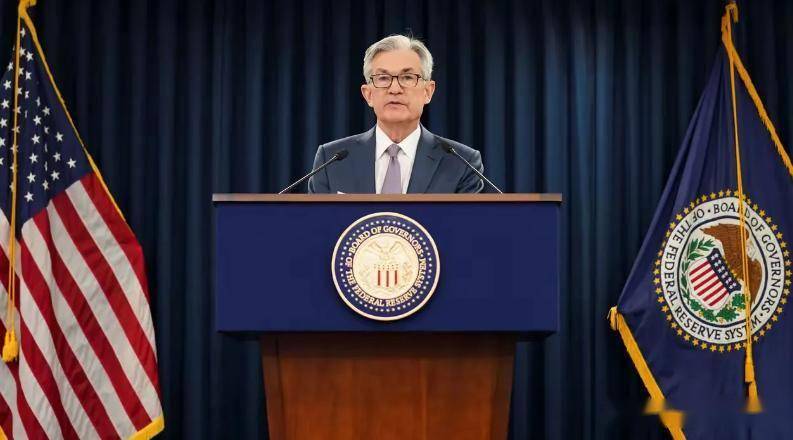
美财长:下一任美联储主席候选人“遴选程序已正式启动”
Huan Qiu Wang· 2025-07-16 23:42
Group 1 - U.S. Treasury Secretary Mnuchin suggests that Powell should resign from the Federal Reserve Board after his term ends in May 2026, and the selection process for the next Fed Chair has officially begun [1] - Potential candidates for the next Fed Chair include Mnuchin himself, National Economic Council Director Kevin Hassett, and former Fed Governor Kevin Walsh, with Christopher Waller also being considered as a dark horse [1] - Hassett has publicly criticized the Fed's decisions, indicating that the Fed's independence should not shield it from presidential scrutiny, especially regarding interest rate policies [1][2] Group 2 - There is increasing criticism of Powell from the Trump administration, with calls for a 3% interest rate cut, which could save the government $1 trillion annually [2] - Concerns are raised about the potential impact of political pressure on the Fed's credibility, with industry leaders emphasizing the importance of the Fed's independence for maintaining stable inflation and economic growth [2][3] - Analysts warn that any perceived weakening of the Fed's independence could lead to significant volatility in financial markets, including potential sell-offs of U.S. Treasury bonds [3]