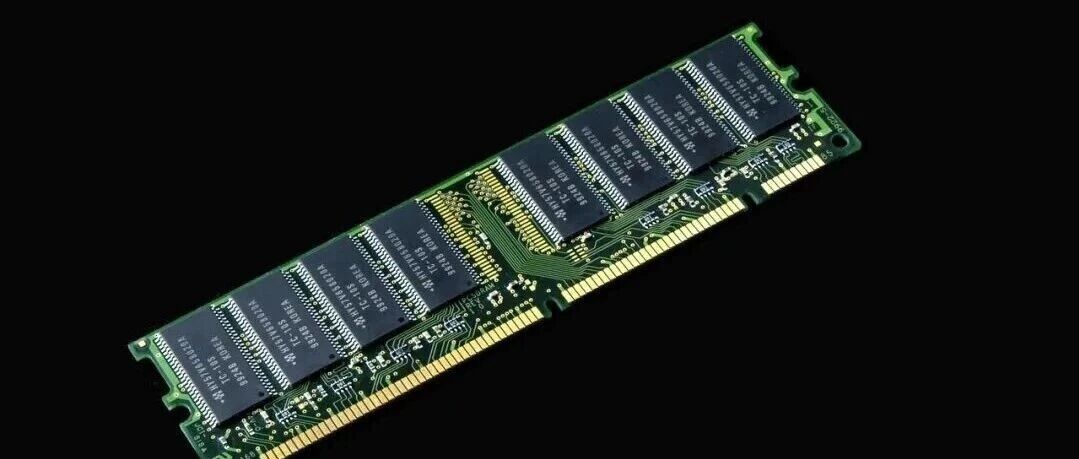
内存短缺

Search documents
索尼上调全年经营利润预期,股价大涨6%
Sou Hu Cai Jing· 2026-02-05 05:12
Core Insights - Sony Group reported a significant increase in operating profit for Q3 FY2025, reaching 515 billion yen (approximately 22.84 billion RMB), a 22% year-on-year growth, exceeding analyst expectations [1] - The net profit for the same period was 377.3 billion yen (approximately 16.73 billion RMB), reflecting an 11% year-on-year increase [1] - Total sales grew by 1% to 3.71 trillion yen (approximately 164.5 billion RMB) [1] - The company raised its full-year operating profit forecast to 1.54 trillion yen from a previous estimate of 1.43 trillion yen [1] Group Performance - Following the earnings report, Sony's stock price surged by up to 6% in Tokyo, marking the largest increase since November of the previous year [3] - The PlayStation business benefited from the release of major titles such as "Battlefield 6" and "Call of Duty: Black Ops 7," with game software sales reaching 97.2 million units and PlayStation 5 sales hitting 8 million units during the quarter [3] - Despite the growth, the gaming and network services division faced profitability challenges due to hardware costs [3] Revenue Streams - Sony's music streaming revenue and related live performance activities provided strong support for overall revenue [3] - The image sensor division saw a year-on-year revenue increase of approximately 20%, driven by growth in mobile product sales [3] - However, the outlook for this division is clouded by global memory shortages, which are prompting smartphone manufacturers to lower sales forecasts or adjust product specifications [3] Strategic Direction - Sony is focused on reducing reliance on low-margin hardware businesses, with CEO Kenichiro Yoshida indicating potential further restructuring of the business portfolio [4] - Recently, the company announced a deal to spin off its television business, including the Bravia brand, into a joint venture controlled by Hong Kong's TCL Electronics starting in April next year [4]

高通电话会全文&详解:AI数据中心“抽干”DRAM产能,内存短缺将决定今年手机市场规模
美股IPO· 2026-02-05 04:02
Core Viewpoint - Qualcomm issued a severe warning for Q2, indicating that the competition for HBM capacity in AI data centers is impacting traditional DRAM supply, leading to significant shortages and forcing smartphone manufacturers to cut orders, with Q2 mobile chip revenue guidance reduced to $6 billion. The CEO emphasized that the overall mobile market size for the fiscal year will directly depend on memory supply availability [1][5][8]. Group 1: Financial Performance - Qualcomm achieved record revenue of $12.3 billion in Q1 of fiscal 2026, with a non-GAAP EPS of $3.50. The QCT (chip business) revenue reached a record $10.6 billion, and automotive revenue grew 15% year-over-year to $1.1 billion, also a historical high [5][28]. - The QCT mobile revenue reached a record $7.8 billion, driven by strong performance from flagship smartphones [38]. - Qualcomm returned $3.6 billion to shareholders, including $2.6 billion in stock buybacks and $949 million in dividends [39]. Group 2: Memory Supply Issues - The memory crisis is attributed to HBM taking precedence over DRAM, leading to industry-wide shortages and price increases that may define the overall mobile industry scale for the fiscal year [6][7][28]. - Qualcomm's CFO noted that several smartphone OEMs are adopting a cautious approach, reducing chip inventory to align with scaled-back production plans due to memory supply constraints [7][39]. - The CEO stated that the entire fiscal year's mobile market size will be determined by memory availability, despite strong end-user demand [8][28]. Group 3: Market Position and Strategy - Qualcomm maintains a solid position in the high-end market, expecting to retain approximately 75% market share for Samsung's upcoming flagship devices [10][12]. - The introduction of ByteDance's AI smartphone is seen as a significant milestone towards "AI-native smartphones," indicating a shift in market dynamics [11][12]. - High-end and ultra-high-end market demand has exceeded expectations, with OEMs likely prioritizing high-margin models in a constrained memory environment [12][28]. Group 4: Diversification and Future Growth - Qualcomm's automotive business is projected to accelerate with an estimated growth rate exceeding 35% in Q2, supported by a long-term supply agreement with Volkswagen Group [13][39]. - In the PC sector, Qualcomm is advancing the Windows on ARM ecosystem, with the Snapdragon X2 Plus platform launched and 150 Snapdragon-powered PCs expected to enter commercial use this year [15][30]. - Qualcomm is making significant strides in the robotics sector, launching the Dragonwing IQ10 series chips aimed at accelerating the commercialization of home, industrial, and humanoid robots [16][33]. Group 5: Data Center Ambitions - Qualcomm reiterated its ambitions in the data center market, focusing on providing specialized inference chips for disaggregated data centers, with substantial revenue expected to materialize by 2027 [18][20]. - The company is executing a dual-line strategy with CPUs based on Oryon and RISC-V architectures, bolstered by the acquisition of Ventana Microsystems [19][34]. - Recent industry developments validate Qualcomm's view that specialized and energy-efficient AI platforms are crucial as inference becomes a key growth driver for data centers [20][34].


Wednesday's Final Takeaways: No Hire, No Fire & Nintendo's 52-Week Low
Youtube· 2026-02-04 22:30
Labor Market - Private sector employers added only 22,000 jobs in January, significantly below expectations and a sharp decline from December [2] - The government shutdown delayed the jobs report, indicating a cooling labor market that may influence the Federal Reserve's policy decisions [3] Housing Market - Mortgage demand decreased sharply last week, with loan applications dropping due to adverse weather conditions [4] - Despite a slight week-to-week decline, refinancing activity remains above last year's levels, indicating continued interest in lower borrowing costs [5] Semiconductor Industry - The memory chip sector is experiencing significant challenges, with companies like AMD facing double-digit stock declines amid a broader chip selloff [7] - Intel's CEO indicated that the memory chip shortage is expected to persist for at least two more years, with no relief anticipated until 2028 [8] Corporate Earnings - Amazon is expected to report an EPS of $1.96 on revenue of $211.5 billion, reflecting a 5% increase in EPS and a 13% increase in revenue [11] - The AWS segment is projected to generate $34.9 billion in sales, marking a 21% year-over-year increase [12] Economic Indicators - The delayed JOLTS report is expected to show a continued softening in the job market, with job openings projected to dip to around 7.1 million, marking the second consecutive month of decline [13]



美股盘前要点 | 避险情绪持续升温,金银价格双双创新高!三大股指期货均跌超1%
Ge Long Hui· 2026-01-20 12:37
Group 1 - Major U.S. stock index futures are all down, with Nasdaq futures falling by 1.74%, S&P 500 futures down by 1.42%, and Dow futures decreasing by 1.32% [1] - European stock indices collectively declined, with Germany's DAX index down by 1.5%, UK's FTSE 100 down by 1.05%, France's CAC index down by 1.18%, and the Euro Stoxx 50 index down by 1.3% [1] - Micron Technology reported an unprecedented memory shortage, reiterating that supply tightness will persist beyond this year [3] - Samsung Electronics and SK Hynix are reportedly reducing NAND flash wafer production, which may exacerbate supply shortages [3] - 3M Company reported Q4 sales of $6.1 billion, a year-on-year increase of 2.1%, with adjusted EPS of $1.83, up by 9% [3] - Pfizer and Bristol-Myers Squibb have threatened to stop supplying new drugs or delay their launch if Europe does not raise prices [3] - Capitalwatch has short-sold AppLovin, claiming that its core shareholder structure poses systemic compliance risks and significant financial crimes [3] - AstraZeneca plans to delist from Nasdaq and intends to complete a direct listing of its common stock and bonds on the New York Stock Exchange [3] - ISS recommends shareholders support Kimberly-Clark's acquisition plan of Kenvue, the maker of Tylenol [3]
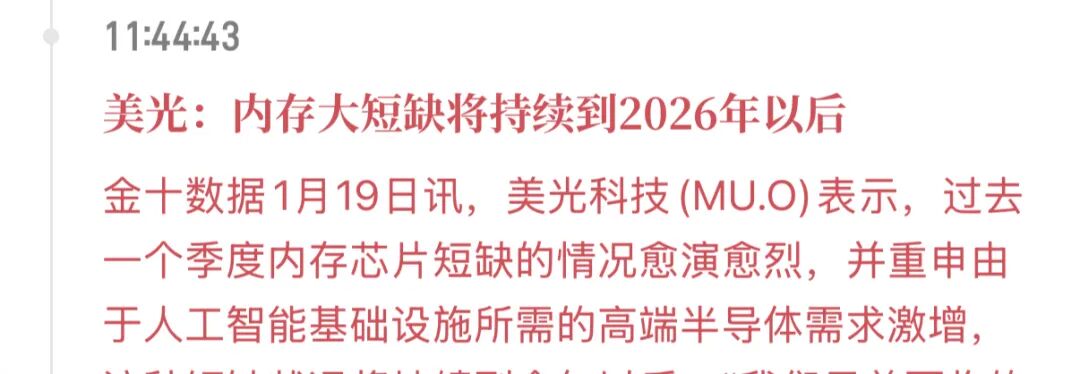
美光确认内存短缺将延续至2026年以后,HBM侵占所有产能
Zhong Guo Jing Ji Wang· 2026-01-19 04:57
Group 1 - The memory industry is entering a new cycle, as indicated by the latest statements from Samsung and SK Hynix [2] - The core issue revolves around HBM (High Bandwidth Memory), with AI accelerators driving exponential demand for HBM, which in turn significantly squeezes supply in traditional markets like PCs, smartphones, and servers [3] - Micron's CEO stated that the aggregate industry supply will remain substantially short of demand for the foreseeable future [3] Group 2 - Server DRAM prices are projected to surge by 55-60% quarter-on-quarter in Q1 2026, with Samsung and SK Hynix quoting price increases of up to 70% to major clients like Microsoft and Google [3] - The two South Korean giants have refused to sign long-term contracts, opting for quarterly pricing, indicating that the price increase trend is far from over [3] - Supply relief is not expected until at least 2027, with Micron building new fabs in Idaho expected to come online in 2027 and 2028, while a new facility in New York will not contribute until 2030 [4] Group 3 - OpenAI's Stargate project has secured an agreement with Samsung and SK Hynix for a monthly supply of 900,000 DRAM wafers, which exceeds the current global HBM production capacity [4] - The impact on end markets is becoming evident, with IDC adjusting its 2026 PC market forecast from a decline of 2.5% to a potential contraction of 5-9%, and smartphone BOM costs are also under significant pressure [4] - NVIDIA plans to cut the production of its GeForce RTX50 series graphics cards by 30-40% due to GDDR7 shortages, highlighting the shift of memory from a commodity to a strategic asset [4]

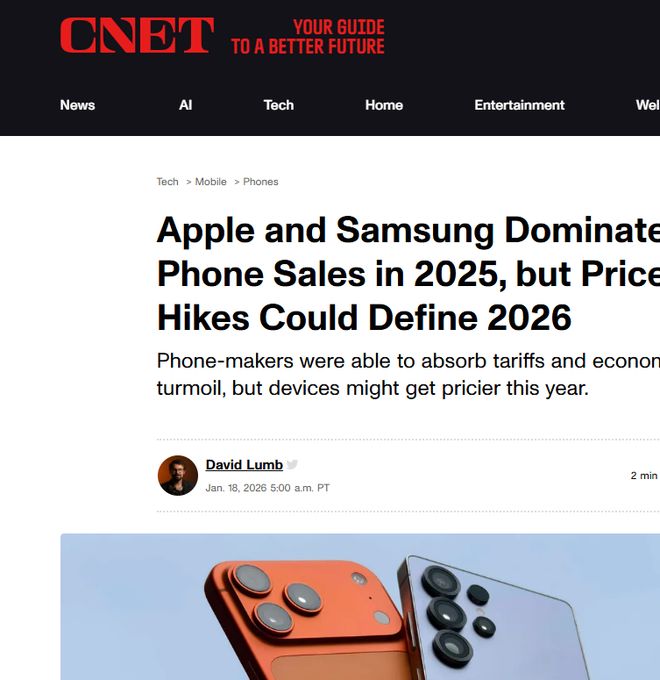
苹果三星领跑2025手机市场,2026年涨价或成定局
Huan Qiu Wang Zi Xun· 2026-01-19 02:28
Group 1 - The global smartphone market is expected to achieve a 1.9% year-on-year growth in 2025 despite challenges such as tariff disruptions, economic turmoil, and limited consumer spending [1] - High-end models (priced at $800 and above) are showing strong sales performance, with Apple and Samsung leading the industry in shipment growth, collectively increasing their market share to 39%, up 2 percentage points from 2024 [1] Group 2 - The growth momentum may not continue into 2026, as the industry faces a drastically different outlook due to an unprecedented shortage of RAM affecting the home PC market, which could lead to a contraction in the smartphone market [4] - The duration of the memory shortage will determine the extent of market shrinkage, with rising component costs due to tight memory supply putting pressure on average smartphone prices for consumers [4] - Manufacturers may respond to weak consumer demand by concealing price increases, delaying price adjustments, and adjusting configurations to control costs, particularly impacting mid-range and low-end models [4] - High-end models, such as foldable phones averaging around $2000, face less resistance to price adjustments, allowing manufacturers to increase prices or absorb lower profit margins, while mid-range and low-end models are also likely to experience price hikes [4]

美光:存储将缺到2028
半导体行业观察· 2026-01-12 01:31
Core Viewpoint - Micron is a leading memory manufacturer facing a significant demand surge in DRAM memory due to the rise of artificial intelligence, which has led to a supply shortage affecting both consumer and data center markets [1][2][3]. Group 1: Market Dynamics - The Total Addressable Market (TAM) for data centers is rapidly expanding, with the potential market size increasing from 30%-35% to 50%-60%, indicating a substantial demand for memory products [2]. - Micron's OEM consumer channel plays a crucial role in its market share, supplying major PC brands like Dell and Asus, which helps maintain its presence in the consumer market despite the exit from the "Crucial" brand [2][3]. - The current supply shortage is not solely a Micron issue but a broader industry challenge, with all manufacturers struggling to meet the increasing demand across various segments [3]. Group 2: Production Challenges - The sudden spike in DRAM demand has made it difficult for Micron to adjust its supply chain effectively, leading to production constraints [5]. - Capacity expansion is complex and involves more than just adding new machines; it requires addressing the differentiation in memory module capacities, which complicates production efficiency [5][6]. - Micron is working to stabilize demand and production by reducing the variety of chips produced, which is essential for maximizing output [6]. Group 3: Future Outlook - Micron's factory expansion plans are expected to yield significant results only by 2028 due to the lengthy process of construction, customer certification, and technology validation [7][8]. - The memory shortage is likely to persist until the demand from the AI sector begins to decline, as manufacturers are cautious about rapidly increasing production capacity due to past market volatility [9][11]. - The competitive landscape is evolving, with Chinese memory suppliers potentially filling market gaps, but Micron welcomes competition as it drives improvement and innovation [8][9]. Group 4: Financial Implications - The current memory shortage has led to increased prices, significantly boosting revenues and profits for memory manufacturers like Micron, which reported record quarterly earnings [11][14]. - Analysts predict that high prices for memory chips and hard drives will continue to support the market's elevated value, although the industry remains wary of cyclical downturns [14][18]. - Major tech companies are driving capital expenditures to unprecedented levels, which could sustain the demand for memory products for several years [15].
存储短缺,日本人开始求购二手电脑了
芯世相· 2026-01-09 06:18
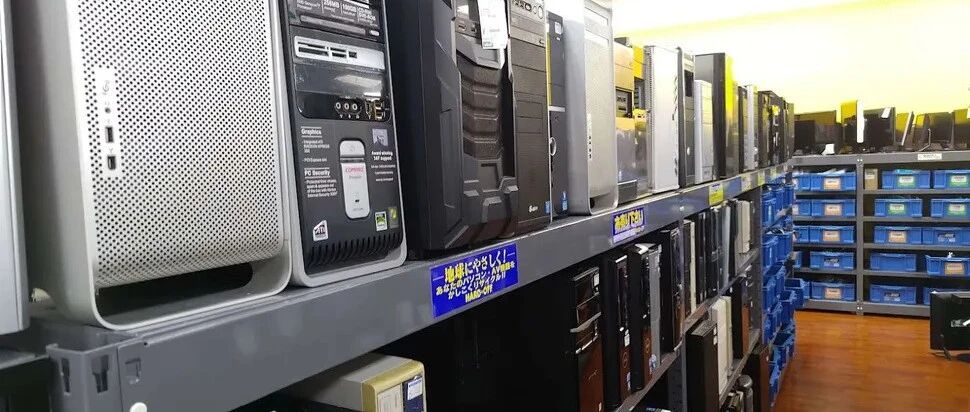
Core Viewpoint - The article discusses the current shortage of PC components, particularly memory, and how this has led to a surge in demand for second-hand computers and components in Japan, highlighting the challenges faced by retailers in meeting consumer needs [3][5][7]. Group 1: Current Market Situation - A major PC and electronics retailer in Japan, Sofmap, is urging customers to sell their old computers due to a severe shortage of second-hand gaming PCs [3][5]. - The retailer's shelves are nearly empty, indicating a significant supply issue in the market [3][5]. - The shortage is attributed to the high demand for memory from AI data center manufacturers, which has caused price fluctuations in the PC memory market [7]. Group 2: Price Changes and Consumer Impact - The price of DDR5 memory has skyrocketed, with a specific example showing a 3.5 times increase from $66 to $235 for a 16GB kit over the past year [7]. - Despite the high prices for DDR5, DDR4 memory may provide some relief for PC assembly due to existing stock and upgrades from users [7]. - The overall price of complete PCs is expected to rise as GPU supply tightens, with reports of delays in the release of new generation GPUs [7]. Group 3: Second-hand Market Dynamics - Retailers like Sofmap are primarily interested in acquiring DDR4 platform devices that meet minimum hardware specifications for resale [8]. - There is a niche market for vintage computers, which have seen price increases over time, indicating a different demand dynamic compared to modern PCs [8][10]. - The article expresses hope that vintage computers will remain affordable and available for collectors and DIY enthusiasts [10].
业内预测:今年手机、电脑将迎来涨价
Mei Ri Shang Bao· 2026-01-05 23:21
Group 1 - The core viewpoint of the articles highlights a significant increase in the prices of storage products, particularly memory modules and solid-state drives, driven by the growing demand in the market due to the AI boom [1][4]. - The price of memory modules has seen a dramatic rise, with reports indicating that prices have surged from around 200 yuan to over 700 yuan within three years, leading to consumers delaying purchases [2][3]. - Major manufacturers like ASUS, Lenovo, and Dell are adjusting their product prices due to structural fluctuations in the global supply chain and rising costs of key components, with 2026 predicted to be a challenging year for memory shortages [3][5]. Group 2 - The prices of mobile solid-state drives have also increased significantly, with a 1TB SanDisk drive rising from over 300 yuan to nearly 700 yuan in a year, and many brands experiencing similar price hikes [4]. - Online platforms are facing stock shortages for 1TB and larger mobile solid-state drives, with prices for some brands reaching as high as 1200 yuan, comparable to the prices of 2TB drives [4]. - The rising costs of storage products are impacting the pricing strategies of consumer electronics, with brands like Xiaomi and Vivo increasing their product prices by 500-700 yuan and 200-300 yuan respectively due to higher memory costs [5].
256G 比 5090 显卡还贵!内存一年暴涨 3 倍,全球为奥特曼豪赌买单
程序员的那些事· 2026-01-03 00:49
Core Viewpoint - The article discusses a significant surge in memory prices, driven primarily by the increasing demand from AI applications, leading to a global memory shortage that affects various sectors, including PCs and gaming [2][3][30]. Group 1: Memory Price Surge - Memory prices have skyrocketed, with a 64GB memory stick that cost $350 two months ago now priced at $2,500 [4][12]. - The price of DDR5 contract memory has increased by 123% from the beginning of the year [21]. - The price of 12GB LPDDR5X memory chips for Apple's iPhone 17 series has risen to approximately $70, compared to $25-$29 a year ago, indicating a 2-3 times increase [14][15]. Group 2: AI's Impact on Memory Demand - AI servers require significantly more memory, with DRAM needs being about eight times that of standard servers [34]. - Major companies like OpenAI are securing large quantities of DRAM, locking in 40% of monthly production capacity from suppliers like Samsung and SK Hynix [36][38]. - The shift in demand towards AI products has led memory manufacturers to prioritize high-margin products, resulting in reduced availability of traditional memory for consumer electronics [46][48]. Group 3: Supply Chain and Market Dynamics - Major PC manufacturers, including Lenovo and HP, are preemptively signing procurement agreements with memory suppliers to secure future supplies [20]. - The transition of production lines from traditional DDR4 to high-bandwidth memory (HBM) and DDR5 is causing a significant reduction in the availability of mid-range memory [49][53]. - The memory shortage is expected to persist until at least 2026, with AI consuming 20% of global DRAM wafer capacity [53]. Group 4: Broader Market Implications - The memory crisis is reshaping the smartphone and PC markets, with manufacturers facing tough choices between raising prices or reducing specifications [82][84]. - The cost of memory components is becoming a critical factor in the pricing structure of smartphones, where memory can account for 10%-20% of the bill of materials [82]. - The article suggests that 2026 may see a significant increase in technology product prices due to the ongoing memory shortage driven by AI data centers [86].