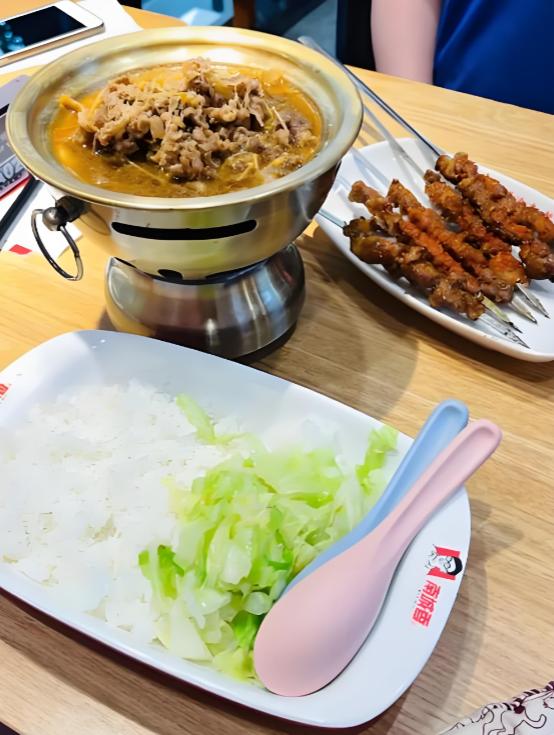
性价比

Search documents
「抠出」极致性价比的萨莉亚,为何今天在中国市场也难赚钱了? | 声动早咖啡
声动活泼· 2026-02-02 09:06
Core Viewpoint - The article discusses the challenges faced by Salia, a popular low-cost Western restaurant chain in China, as it experiences a slowdown in growth despite its historical success and cost-cutting strategies [3][6][11]. Group 1: Company Background and Growth - Salia was founded in the late 1960s in Japan, initially struggling with high prices and low customer traffic until it adopted a low-cost model, which became its brand identity [4]. - The company expanded into China in 2003, quickly growing its presence in major cities like Shanghai and Beijing, capitalizing on the demand for affordable Western dining [5][6]. - In the 2023 fiscal year, Salia reported a nearly 30% increase in overall revenue, with the Chinese market contributing about 80% of its overseas earnings [6]. Group 2: Recent Challenges - Despite previous growth, Salia's revenue in China only increased by 6.3% in the 2025 fiscal year, with significant profit declines in major cities like Beijing, Shanghai, and Guangzhou [6][9]. - The company has faced rising operational costs, leading to price increases on menu items, which have eroded its competitive pricing advantage [7][8]. - The saturation of the market in first-tier cities has resulted in intense competition among Salia's own stores, negatively impacting profitability [9][11]. Group 3: Market Dynamics - The Chinese restaurant industry is experiencing a slowdown, with the market size expected to grow only 3.5% by 2025, significantly lower than previous years [10]. - Salia's reliance on external suppliers in China contrasts with its successful vertical supply chain in Japan, limiting its ability to control costs and quality [10]. - The rise of new competitors offering similar value propositions has intensified the competitive landscape, challenging Salia's market position [11].

“网红”电动车,谁能跨过“斩杀线”
创业邦· 2026-02-02 03:36
Core Viewpoint - The article discusses the evolving landscape of the electric vehicle (EV) market, emphasizing the need for sustainable sales strategies beyond initial hype and the importance of establishing a strong value proposition for long-term success [6][54]. Group 1: Market Dynamics - The EV market has seen a surge in new models, but success is often measured by initial sales figures and year-end rankings, which can be misleading [6][7]. - Traditional "internet celebrity cars" tend to follow a parabolic sales curve, peaking shortly after launch and then declining, relying on short-term marketing and product appeal [11][12]. - The article identifies three new models that have successfully navigated the market, showcasing different strategies for sustained sales [12]. Group 2: Case Studies of Successful Models - **Xiaomi SU7**: Achieved peak sales of nearly 30,000 units in March 2025, supported by Xiaomi's extensive user base and effective marketing. However, it faces the challenge of maintaining interest beyond initial hype [15][16]. - **Xpeng MONA M03**: Launched in August 2024, it quickly reached over 10,000 units in sales within three months and maintained monthly sales between 10,000 and 16,000 units, capitalizing on a key price segment and offering advanced features [18][20]. - **AITO M8**: Experienced a "deep squat and jump" sales pattern, stabilizing at over 20,000 units monthly by summer 2025, benefiting from Huawei's technology integration and brand recognition [23][24]. Group 3: Challenges and Market Positioning - The article highlights the importance of establishing a "value anchor" in consumers' minds to ensure long-term sales, as seen with models like Li Auto L6, which despite a decline, remains a top seller due to its defined market position [28][29]. - Models in the competitive 200,000 to 300,000 yuan price range face significant challenges, with many struggling to differentiate themselves in a crowded market [31][32]. - The **智界 R7** and **享界 S9** illustrate the difficulties faced by models that fail to establish a unique market position, leading to declining sales despite technological backing [34]. Group 4: The Importance of Sustainable Sales - The article emphasizes the existence of "low-profile long runners" that, while not flashy, maintain steady sales through balanced product offerings and precise market positioning [36][38]. - Models like **零跑 C10** and **腾势 D9** demonstrate the effectiveness of a stable sales strategy, contributing significantly to their brands' overall performance [41][43]. - The need for a healthy product matrix is highlighted, as brands that rely solely on a single "hit" model face increased risks in a competitive environment [51]. Group 5: Emerging Market Rules - The article outlines new market rules where "smart equality" becomes a baseline requirement, and the importance of a comprehensive product matrix is emphasized for risk mitigation [51][52]. - The concept of "value for money" has evolved to include total ownership costs, making it a critical factor in consumer decision-making [51]. - The success of models like AITO is attributed to deep collaboration between technology providers and manufacturers, contrasting with less effective loose partnerships [52].







成都市中高档餐饮“消费降级”调查
Sou Hu Cai Jing· 2026-01-29 14:20
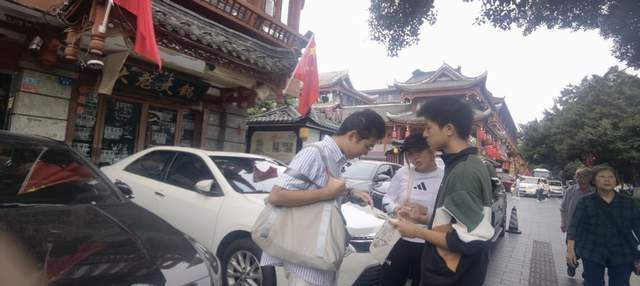
冯小唐 周佳妮 李彬蔚 严欣琪 "烟火气"是成都这座美食之都最鲜明的标签,其餐饮市场不仅承载着市民的日常生活需求,更折射出城 市经济的活力与城市的丰富多元。近年来,"消费降级"成为社会热词。2025年国庆"黄金周"期间,我们 分别从京、宁返回成都度假的成都七中林荫校区毕业的几位同学组成调研组,就"成都餐饮消费降级"这 个话题进行了专门调研。调研发现,当前成都的餐饮消费市场正经历着一场深刻而复杂的结构性演变。 演变背后本质上是一场消费价值观的重塑与市场格局的洗牌,选择背后,是收入预期下降后的理性考虑 与情感需求的双重作用。 图1:成都琴台路走访门店并发放问卷 一、消费现状 近1—2年,成都餐饮市场整体规模仍保持增长,但增速较疫情前明显放缓,且呈现"两极分化"特征—— 中高档餐饮(原人均100-300元以上)增速下滑明显。成都商务局提供的数据显示,2023年成都餐饮市 场总规模突破1200亿元,同比增长5.8%;但中高档餐饮(含火锅、中餐、西餐)贡献的市场份额从 2021年的32%降至2023年的25%,增速仅1.2%,远低于大众餐饮(人均50元以下)8.5%的增速。 图2:访谈成都火锅协会秘书长李剑峰 2025 ...
火锅界的萨莉亚,悄悄亏麻了
36氪· 2026-01-28 09:28
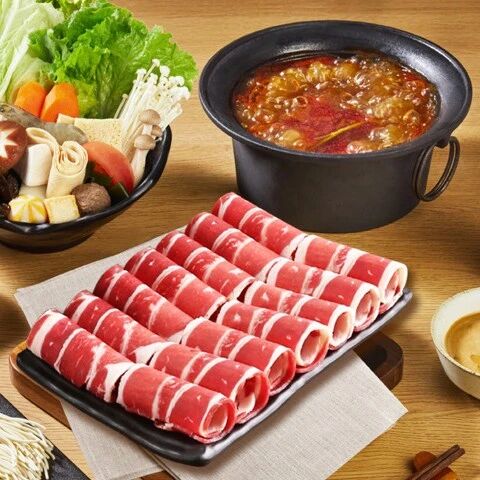
Core Viewpoint - The article discusses the decline of the hot pot brand "Xiabuxiabu" and its high-end sub-brand "Coucou," highlighting the challenges faced due to changing consumer preferences and increased competition in the hot pot industry [3][4][14]. Group 1: Brand Performance and Market Trends - "Xiabuxiabu" has seen a significant drop in customer traffic, attributed to rising prices and perceived decline in food quality [4][5][11]. - The hot pot industry is undergoing structural changes, with a higher closure rate of stores compared to openings, indicating a challenging market environment [14]. - The brand's transition to a high-end market has not resonated well with consumers, leading to a mismatch between price increases and service quality [66][71]. Group 2: Historical Context and Consumer Sentiment - "Xiabuxiabu" was once synonymous with value, attracting young consumers with affordable prices around 20-30 yuan per meal [7][9][25]. - The brand's initial success was driven by its unique "one person, one pot" model, which catered to health-conscious and convenience-seeking consumers [21][22][28]. - Nostalgia for the brand remains strong among consumers, who recall it as a staple of their youth, but many have since moved on due to dissatisfaction with recent changes [16][102]. Group 3: Financial Performance and Strategic Shifts - Since 2017, "Xiabuxiabu" has faced a profit decline, with net profits dropping significantly, including a staggering -99.4% in one year [50][51]. - The company has accumulated losses of 1.246 billion yuan from 2021 to 2024, indicating a prolonged period of financial struggle [51]. - In response to declining sales, the company has implemented its largest price reduction in a decade, aiming to regain lost customers by lowering meal prices to the 50 yuan range [78][81]. Group 4: Competitive Landscape - The small hot pot segment is highly competitive, with many brands offering lower prices, making it difficult for "Xiabuxiabu" to maintain its market position [84][89]. - Consumer sensitivity to pricing is evident, with a significant portion preferring meals priced between 20-40 yuan, which contrasts sharply with "Xiabuxiabu's" recent price increases [92][94]. - The brand's attempts to pivot towards high-end offerings have not yielded the expected results, as competitors continue to thrive in the more affordable segment [70][68].
东北夫妻开餐厅一年低调赚了11.47亿,开店387家,准备上市了
创业家· 2026-01-27 11:04
Core Viewpoint - The article discusses the rise of a local pizza brand, Big Pizza, which is set to become the first self-service pizza stock in Hong Kong, leveraging its competitive pricing strategy to attract young consumers and disrupt the market dominated by international giants [7][8][9]. Group 1: Company Overview - Big Pizza, founded by a couple from Northeast China, has grown from a small store near Beijing Zoo to over 300 locations nationwide, achieving annual revenues exceeding 2 billion RMB [13][14]. - The brand's unique selling proposition is its self-service model priced around 39 RMB, significantly lower than competitors like Pizza Hut, which charges 50-100 RMB per pizza [21][24]. - As of September 30, 2025, Big Pizza has expanded to 387 restaurants across 127 cities, establishing a presence in all provincial capitals [30][32]. Group 2: Product Strategy - Big Pizza employs a "7+2+1" product structure, offering 70% core Western dishes (pizzas, pastas), 20% Chinese dishes (rice, stir-fried dishes), and 10% regional specialties to cater to diverse consumer preferences [35][36]. - The brand adapts its menu based on regional tastes, offering fruit-flavored pizzas in southern cities and meat-heavy options in northern areas, maintaining around 130-140 SKUs per location [40][41]. Group 3: Financial Performance - Big Pizza's revenue for 2023, 2024, and the first nine months of 2025 reached 944.5 million RMB, 1.15 billion RMB, and 1.39 billion RMB respectively, with a self-operated restaurant profit margin exceeding 10% [84][85]. - The company plans to open 610-790 new stores between 2026 and 2028, aiming for rapid expansion while managing supply chain pressures and quality control [95]. Group 4: Market Position and Challenges - The self-service restaurant market is projected to grow, with an expected market size of 1.29 billion RMB in 2024, and Big Pizza is positioned as a leading brand in this segment [79][82]. - However, the company faces challenges such as increasing competition in the self-service market, particularly from hot pot and barbecue brands, and the pressure of higher costs in first-tier cities [89][90]. - The trend of declining average spending in the restaurant industry poses a risk to Big Pizza's business model, which relies on high turnover rates [92].

第四季度市场消费意愿稳定,消费者对商品降价存惯性期待
Jing Ji Wang· 2026-01-27 10:04
Core Insights - The report indicates that consumer demand in China for Q4 2025 shows a stable immediate willingness but a diversified structure, with consumers expressing expectations for income growth, job stability, and improved social security while being highly sensitive to prices [1][2] Consumer Sentiment - Nearly 60% of consumers believe that current market prices are high, which has increased compared to the previous quarter, indicating a general expectation for price reductions [2] - Consumer satisfaction with current household economic conditions has been gradually rising over the past two quarters, but weak consumption willingness is primarily due to a lack of confidence in future income improvements [1][2] Spending Patterns - Consumers are primarily allocating surplus funds from daily expenses towards savings, children's education, travel, mortgage repayments, and healthcare, with a rising willingness to save [2] - In the context of a recovering stock market, over 20% of consumers are considering investing surplus funds in capital markets, suggesting potential growth in this area [2] Sector-Specific Insights - In tourism, there is a noted decline in budget for travel expenses, with personalized travel options like self-driving tours becoming more popular [2] - In the automotive sector, the penetration rate of new energy vehicles continues to grow, but the pace has slowed, with consumers increasingly oscillating between choosing gasoline and electric vehicles [2] - In health consumption, there is a strong preference for food and services related to health, with nearly 60% of consumers willing to pay a premium for high-end health products, although trust and payment capability remain barriers [3] Real Estate Trends - Over 70% of households prefer to hold onto their properties for self-use rather than renting or selling, with some consumers reluctant to sell due to current prices being below expectations, aligning with the trend of shrinking second-hand property transactions [3] Recommendations - The report suggests implementing measures focused on stabilizing expectations and promoting income growth, reforming social security systems, creating a market ecosystem that discourages price wars, and initiating actions to stabilize the real estate market to prevent negative cycles in the economy [3]
与争议网红合作 骆驼营销翻车
Bei Jing Shang Bao· 2026-01-26 16:37
Core Viewpoint - The outdoor clothing brand Camel recently issued an apology due to inappropriate actions by its staff, which led to dissatisfaction among fans and consumers, highlighting the risks associated with marketing strategies [1][3]. Group 1: Apology Incident - Camel's internal staff collaborated with a social media influencer who mimicked the brand's global ambassador, Wang Junkai, leading to inappropriate comments on the official account [3]. - The brand publicly apologized, acknowledging management failures and promising to rectify the situation by contacting Wang's team, punishing involved staff, and improving oversight mechanisms [3][4]. - Despite the apology, many fans remained dissatisfied, indicating a lack of acceptance [4]. Group 2: Brand Management Issues - The incident revealed significant shortcomings in Camel's brand management and protection of ambassador rights, reflecting internal coordination failures and ineffective review processes [4]. - Experts noted that Camel's marketing failure is a common issue among brands, which often lack crisis management awareness and professional response capabilities [4]. Group 3: Market Performance and Positioning - Camel has established itself as a leading brand in the outdoor apparel market, with retail sales exceeding 5 billion yuan in 2024 and a market share of 43.75% for its jackets on Tmall [6][7]. - The brand's positioning focuses on casual outdoor and mass-market consumption, appealing to consumers seeking high cost-performance products [6][7]. - Camel's pricing strategy, significantly lower than international brands, has contributed to its perception as a "high cost-performance alternative" [7][9]. Group 4: Consumer Sentiment and Product Quality - There is a growing trend among consumers towards rational spending, with a focus on value for money, which has benefited Camel's sales [7]. - However, some outdoor enthusiasts express concerns about the dilution of Camel's professional image, preferring specialized outdoor gear over its products [8][9]. - Reports of product quality issues, such as inadequate waterproofing, have led to consumer dissatisfaction and returns [8][9]. Group 5: Future Development Strategies - Experts suggest that Camel should focus on maintaining its position as a cost-effective outdoor brand, particularly in lower-tier markets, rather than pursuing high-end branding [10]. - The brand's strategy may involve balancing upward brand development while still catering to a broad consumer base with affordable products [10].

与争议网红合作,骆驼营销“翻车”
Bei Jing Shang Bao· 2026-01-26 14:10
Core Viewpoint - The outdoor clothing brand Camel issued an apology due to inappropriate actions by its staff, which involved collaborating with a social media influencer imitating its global ambassador, Wang Junkai, leading to consumer dissatisfaction [2][3]. Group 1: Incident Details - Camel's internal staff collaborated with a social media influencer who mimicked Wang Junkai, leading to inappropriate comments on the official account [3]. - The brand's apology highlighted management failures and a lack of oversight, which negatively impacted its reputation and trust with fans [3]. - Camel outlined corrective measures, including direct apologies to Wang Junkai's team, removal of controversial videos, and stricter internal oversight [3]. Group 2: Brand Management Issues - The incident revealed significant shortcomings in Camel's brand management and protection of ambassador rights, indicating a failure in internal coordination and review processes [4]. - Experts noted that the marketing failure reflects a broader issue among brands lacking crisis management awareness and professional response capabilities [5]. Group 3: Brand Performance and Market Position - Camel has seen significant success, with retail sales exceeding 5 billion yuan in 2024 and a market share of 43.75% for its jackets on Tmall [8]. - The brand's positioning focuses on outdoor and leisure products, appealing to consumers seeking high cost-performance ratios [9]. - Camel's pricing strategy, with jackets priced between 200-400 yuan, positions it as a cost-effective alternative to higher-priced international brands [12]. Group 4: Consumer Perception and Product Quality - Despite its popularity, some outdoor enthusiasts express concerns about the quality of Camel's jackets, particularly regarding their waterproof capabilities [10]. - Consumer feedback indicates dissatisfaction with product performance, leading to returns and negative perceptions of the brand [10]. Group 5: Future Development Strategies - Experts suggest that Camel should focus on maintaining its cost-effective brand identity while exploring upward brand development to enhance its market positioning [12]. - The brand's strategy of targeting the mass market is seen as a viable path for growth, especially as many brands seek to move upscale [12].

比格比萨推出49.9元环卫工人套餐被指作秀!背后东北夫妇年入11亿冲IPO
Xin Lang Cai Jing· 2026-01-26 04:51
客单价从70.9元跌至62.8元。 作者|刘俊群 编辑|刘钦文 来源:风云IPO 一张海报引发的争议,让比格比萨陷入"公益作秀"的质疑漩涡。 2026年初,这家连锁披萨品牌推出环卫工人"福利日"活动,凭工作证可享49.9元自助餐。然而网友很快 发现,这个所谓的"福利价"与餐厅常规的周一老人优惠价完全一致。更关键的是,对于月收入多在 3000-4000元的环卫工人而言,49.9元意味着近半天的劳动所得。 图源:公众号截图 就在舆论持续发酵之际,比格正悄然叩响资本市场的大门。近日,其母公司北京比格餐饮管理有限责任 公司(下称"比格")已向港交所递交《招股书》,正式冲刺港股IPO。 凭借"79.99元吃到饱"的极致性价比,比格不仅坐拥930万会员、年营收突破11亿元,更一举跃升为中国 本土最大的比萨及自助餐厅品牌。然而,亮眼高增长的背后,却暗藏净利润率持续下滑、资产负债率居 高不下的发展隐忧。 公司背后是一对东北夫妻,从台球厅起家到开出387家门店,如今能否带领比格顺利登上资本市场呢? 01# 靠榴莲比萨等爆款年入超11亿 披萨界"性价比卷王"赴港IPO "进门先别喝可乐,那是气体占肚子;沙拉区只拿水果,别碰土豆泥 ...
南城香背叛南城香
3 6 Ke· 2026-01-26 03:46
Core Insights - Nanchengxiang, a fast-food chain in Beijing, initially thrived on its high-cost performance breakfast and popular lunch and dinner items, achieving significant revenue and profit levels in 2023 [1][2] - However, by 2024, the company faced increased competition and declining sales, leading to a reduction in store openings and closures [2] - In 2025, Nanchengxiang's founder reported a remarkable 101% increase in net profit, attributed to a strategic shift towards stir-fried dishes and significant cost-cutting measures [3][29] Group 1: Business Performance - Nanchengxiang's revenue peaked at over 1 billion yuan in 2023, with daily sales reaching 50,000 to 60,000 yuan per store, significantly higher than competitors [9][29] - In 2024, the company experienced a 14% decline in single-store revenue and a 35% drop in net profit, with plans to open 60 new stores resulting in only 23 openings and 12 closures [2][29] - By 2025, the number of stores increased to 190, with a slight sales decline of 0.95% but a net profit surge of 101% [29] Group 2: Strategic Changes - Nanchengxiang shifted from its original model of not offering stir-fried dishes to embracing a new strategy that includes stir-frying, aiming to enhance product variety and customer appeal [20][21] - The company introduced a new model called 3.0, focusing on stir-fried dishes, self-service weighing, and competitive pricing to attract customers [20][21] - Significant organizational changes were made, including a 30% turnover rate in headquarters staff and an 80% turnover rate in the operations team, to adapt to the new cooking model [26][29] Group 3: Competitive Landscape - Nanchengxiang faces fierce competition from brands like Chao Yixing and Xiangcunji, which offer lower prices and more diverse menu options, challenging its market position [12][16] - The company’s previous advantages in efficiency and cost management are being undermined by competitors who have successfully adopted stir-frying and local market strategies [17][19] - The shift in consumer preferences towards fresh, stir-fried meals has forced Nanchengxiang to adapt its business model significantly to remain relevant in a saturated market [17][19]