收入分配改革

Search documents
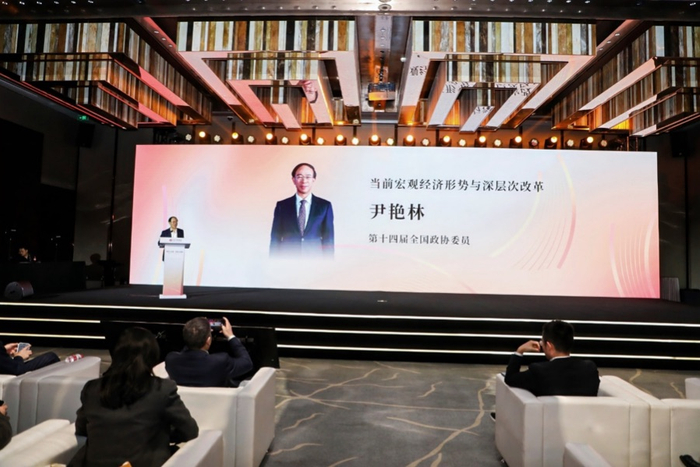
尹艳林:制定实施城乡居民增收计划,需配套推进收入分配改革
2 1 Shi Ji Jing Ji Bao Dao· 2026-01-12 09:27
Economic Overview - The GDP growth for the first three quarters of 2025 is 5.2%, an increase of 0.4 percentage points compared to the same period last year, with an expected annual growth rate of around 5% and a total economic output projected to reach 140 trillion yuan [3][5][6] - The industrial structure is continuously optimizing, with emerging industries such as artificial intelligence, biomedicine, and robotics flourishing and ranking among the world's leaders [6][8] Challenges in the Economy - There are significant issues such as insufficient effective demand, low price levels, difficulties faced by some enterprises, pressure on employment and resident income growth, and low growth rates in fiscal revenue and expenditure [7][8] - Investment has shown negative growth for several months, and overall consumption remains weak [7] - The Consumer Price Index (CPI) has fluctuated around 0 for two consecutive years, while the Producer Price Index (PPI) has experienced negative growth for three years [7] Policy Recommendations - The government is urged to implement more proactive macroeconomic policies, including maintaining necessary fiscal deficits and total debt levels, and increasing central budget investments to support infrastructure projects [9][10] - A focus on income distribution reform is necessary, including increasing basic pensions for urban and rural residents, optimizing personal income tax policies, and improving the salaries of public sector employees to boost overall income [10][11] Financial Sector Reforms - Enhancing the vitality of the capital market requires reforms, including the establishment of a financial system that aligns with technological innovation [4][11] - Commercial banks are encouraged to better serve innovation by exploring pilot programs for investment and loan linkage, which involves deep adjustments to the financial system [4][11]

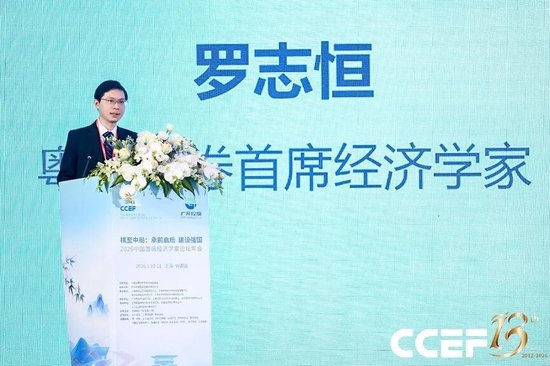
罗志恒:优化国民收入分配的思考——如何提高居民收入
Xin Lang Cai Jing· 2026-01-12 00:06
Core Viewpoint - The speech emphasizes the importance of optimizing national income distribution to enhance residents' income, addressing the current economic challenges of strong supply and weak demand, particularly in the context of consumption stagnation [3][38]. Group 1: Economic Background - The current economic situation is characterized by "strong supply and weak demand," with the core issue being weak consumption [3][38]. - The government has implemented measures such as consumer incentives and fiscal subsidies to stimulate consumption, which have shown positive results [3][38]. - To fundamentally resolve consumption issues, income distribution reform is essential, focusing on improving consumption capacity, willingness, and supply-demand adaptability [3][38]. Group 2: Characteristics of National Income Distribution - China's national income distribution exhibits four main characteristics: 1. Residents have the highest income share among the three sectors, followed by enterprises, with the government having the lowest share [6][21]. 2. The share of residents' income is moderately low compared to international standards, primarily due to low property income [12][21]. 3. The enterprise sector's income share is relatively high, ranking fifth among 20 sample economies, influenced by the high proportion of state-owned enterprises [13][21]. 4. The government sector has a low income share and weak redistributive capacity, with a significant reliance on indirect taxes [15][21]. Group 3: Factors Influencing Income Distribution - The income distribution structure is determined by development stages, resource endowments, and industrial structures [22][30]. - The transition from a supply-shortage to a demand-shortage economy necessitates a shift in the income distribution model towards labor compensation [22][30]. - The relationship between industrial structure and income distribution indicates that labor-intensive sectors tend to have higher resident income shares, while capital-intensive sectors do not [22][30]. Group 4: Recommendations for Optimizing Income Distribution - To address the imbalance of low resident income share and high enterprise share, two main strategies are proposed: 1. Increase state-owned enterprise contributions to the fiscal budget to enhance social security benefits for residents [25][30]. 2. Encourage listed companies to increase dividends and implement equity incentives to boost residents' property income [25][30]. - Establish a long-term wage growth mechanism to stabilize employment and promote wage increases through fiscal support for companies that raise salaries [26][30]. - Enhance the direct tax system to improve its redistributive function, including optimizing personal income tax deductions and introducing property taxes [28][30].
专访东北证券上海证券研究咨询分公司总经理李冠英:锚定战略之举 解锁扩大内需深层密码
Zheng Quan Ri Bao Wang· 2025-12-21 13:51
Core Viewpoint - The expansion of domestic demand is crucial for economic stability and security, representing a long-term strategic initiative for China as it transitions towards modernization during the "14th Five-Year Plan" period [1] Group 1: Strategic Importance of Domestic Demand - Expanding domestic demand is not merely a short-term economic stimulus but a fundamental strategic adjustment in response to changing external environments and a shift from reliance on exports and investment to a demand-driven growth model [1][2] - The current focus on domestic demand is essential for ensuring the long-term stability and sustainability of China's economy, acting as a "bulwark" against external economic fluctuations [2] Group 2: Market Resource Utilization - The market resources in China, which include not only the large population but also various industrial and digital resources, must be fully leveraged to support the new development pattern [2] - Breaking down barriers and establishing a unified national market is critical for the efficient allocation and flow of resources, which will drive the internal circulation of the economy [2] Group 3: Consumer Market Expansion - The contribution of final consumption to GDP growth reached 53.5% in the first three quarters of 2025, indicating a significant shift towards a domestic demand-driven growth model [3] - The middle-income group is identified as the most active segment in the consumer market, driving demand for services, green products, and smart technologies, which are essential for high-quality economic development [3] Group 4: Income Distribution and Policy Impact - Expanding domestic demand is fundamentally linked to income distribution reform and social security upgrades, with policies aimed at increasing the size of the middle-income group [4] - The national subsidy policy has effectively stimulated the consumption market, with 1.5 billion yuan issued in 2024, doubling to 3 billion yuan in 2025, and projected to exceed 5 billion yuan in 2026, significantly impacting consumer spending and benefiting over 360 million people [4]

消费券后下轮“补贴”该补哪?消费提振如何实现投资于人?专家:收入分配改革是关键
Sou Hu Cai Jing· 2025-12-21 04:32
Core Viewpoint - Improving income distribution is crucial for breaking the current constraints on consumer demand and driving economic growth [1][9] Group 1: Economic Context - The current economic situation in China is characterized by a "strong supply and weak demand" dynamic, with insufficient domestic demand being a significant barrier to high-quality development [5] - The Consumer Price Index (CPI) is hovering around zero, and the Producer Price Index (PPI) has experienced negative growth for 27 consecutive quarters, leading to structural deflationary pressures [5] - The gap between actual economic growth (approximately 5%) and nominal growth indicates a persistent issue that requires targeted measures across various sectors [5][9] Group 2: Income Distribution Issues - Experts identify the slowdown in income growth and the need for optimization in income distribution as the core issues behind weak domestic demand [9][10] - The current Gini coefficient is approximately 0.465, indicating a need for improvement in income distribution fairness, with a target of reducing it to around 0.4 by 2030 [10] - The urban-rural income ratio stands between 2.3 and 2.4, which is still considered high compared to international standards, with a goal to reduce it below 2 during the 14th Five-Year Plan [10] Group 3: Recommendations for Income Growth - Implementing proactive employment and human capital investment policies is essential, including extending compulsory education and reallocating educational resources for lifelong training [13][14] - Strengthening redistributive measures through progressive taxation and increasing government spending on social welfare is crucial for improving income distribution [14] - Stabilizing and enhancing residents' property income is vital, with a focus on maintaining stability in the real estate and capital markets [15] Group 4: Consumer Demand Enhancement - Experts suggest moving beyond traditional short-term stimulus measures to enhance consumer demand, advocating for investment in service consumption and areas that promote human development [17][18] - Expanding consumption scenarios and optimizing the consumption environment are key, including promoting the silver economy and reducing unreasonable consumption restrictions [18] Group 5: Long-term Support for Domestic Demand - Expanding domestic demand requires effective investment coordination and deep institutional reforms [20] - Addressing local government investment capacity and promoting long-term sustainable fiscal development through tax reform and the reallocation of fiscal powers are necessary [20] - Fostering technological innovation and industrial upgrading is fundamental for increasing income and creating high-quality employment, ultimately supporting long-term consumption growth [20]
全方位扩内需空间大潜力足
Xin Lang Cai Jing· 2025-12-19 22:31
Group 1 - The core viewpoint emphasizes that expanding domestic demand is a profound transformation from external dependence to endogenous driving, essential for China's economic maturity and resilience against external challenges [2][4] - Insufficient domestic demand is identified as a major issue facing China's economic operation, with consumer and investment growth remaining weak despite efforts to stimulate demand over the past five years [2][3] - The Central Committee of the Communist Party has prioritized expanding domestic demand as a strategic focus, highlighting its importance and urgency in recent economic meetings [2][3] Group 2 - The low household consumption rate in China, projected at 39.9% for 2024, indicates a significant gap of 10 to 30 percentage points compared to developed countries, suggesting potential for growth [3] - There is substantial potential for consumption upgrades as China develops the world's largest middle-income group, with service consumption expected to rise significantly once GDP per capita exceeds $10,000 [3] - Effective investment opportunities remain broad, with a high overall savings rate and ample macro policy tools available to stimulate investment [3] Group 3 - A systemic structural reform is necessary for expanding domestic demand, moving beyond simple stimulus policies to address income distribution and effective supply [4][5] - Income distribution reform is crucial to ensure that wealth flows to lower and middle-income groups, thereby unlocking consumption potential [5] - Rebuilding confidence and expectations is essential, as weak expectations currently hinder domestic demand expansion, necessitating stable income and market confidence to foster consumption and investment [5]
消费券后,下轮“补贴”该补哪?专家建议:转向“投资于人”
Sou Hu Cai Jing· 2025-12-19 09:15
Core Viewpoint - Improving income distribution is crucial for breaking the current constraints on consumer demand and driving economic growth, as highlighted by experts at the "2026: Forecast and Strategy" conference [1]. Group 1: Economic Context - China's economy is currently characterized by a "strong supply and weak demand" dynamic, with insufficient domestic demand being a significant barrier to high-quality development [4]. - The Consumer Price Index (CPI) is hovering around zero, and the Producer Price Index (PPI) has experienced 27 consecutive quarters of negative growth, leading to structural deflationary pressures that weaken investment and job creation [4]. - The gap between actual economic growth (approximately 5%) and nominal growth indicates a persistent issue where statistical data does not align with public sentiment [4]. Group 2: Consumer Dynamics - Consumption, accounting for about 60% of GDP, is critical for economic stability, yet its growth has slowed from previous double-digit rates, indicating an urgent need for intervention [5]. - Experts attribute the core issue of weak domestic demand to the slowdown in income growth and the need for optimization in income distribution [8]. Group 3: Income Distribution Analysis - The Gini coefficient, a measure of income distribution fairness, is approximately 0.465, with a target of reducing it to below 0.4 by 2030 being proposed [8]. - The urban-rural income ratio stands between 2.3 and 2.4, which is still considered high compared to international standards, with a goal to reduce it below 2 during the 14th Five-Year Plan [8]. - The share of labor income in primary distribution and the share of residents' income in national income have shown potential for significant improvement [8]. Group 4: Recommendations for Income Growth - Experts suggest implementing proactive employment policies and investing in human capital to address structural employment issues exacerbated by technological changes [11]. - Recommendations include enhancing social security systems and fiscal policies to improve income redistribution, particularly for low- and middle-income groups [12]. Group 5: Consumer Confidence and Spending - The decline in various income types, including operational, wage, property, and transfer incomes, has directly suppressed consumer confidence and spending ability [9]. - To stimulate consumption, experts propose moving beyond traditional short-term stimulus measures to focus on long-term investments in human development and service consumption [13]. Group 6: Investment and Structural Reforms - Expanding domestic demand requires effective investment coordination and deep systemic reforms, with a focus on stabilizing real estate and capital markets [15]. - Long-term economic growth is tied to technological innovation and industrial upgrades, which are essential for increasing income and creating high-quality jobs [15].
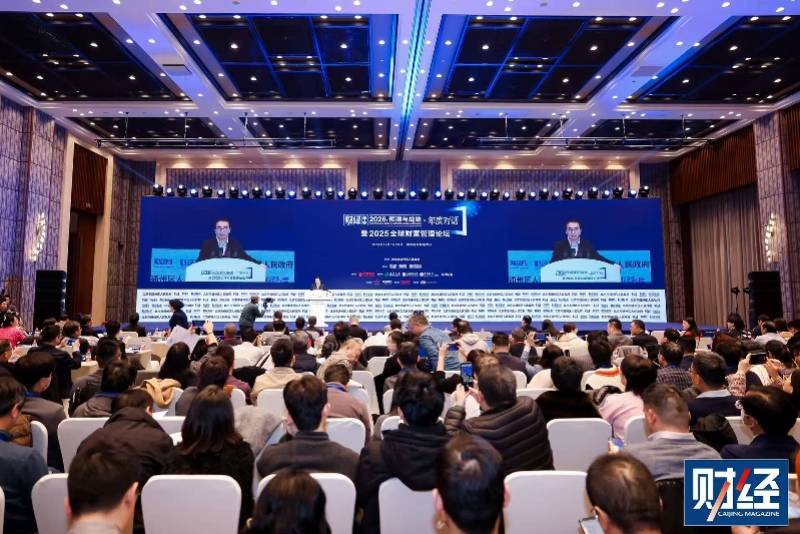
罗志恒:提振消费需要政府企业和居民共同推进,消费是目的而非手段
Zhong Guo Xin Wen Wang· 2025-12-16 15:44
Core Viewpoint - The increase in consumer spending in China is a collective effort involving the government, enterprises, and residents, rather than just a result of individual behavior [1][3]. Group 1: Consumer Spending Insights - The gap in consumer spending rates between China and other developed countries is primarily due to underutilized service consumption, including high-end healthcare, elder care, cultural tourism, and domestic services [1][3]. - The current urbanization level of the floating population in China is insufficient, and issues such as inadequate supply of high-quality service products and long working hours limit the potential for service consumption [1][3]. Group 2: Strategies for Increasing Consumer Spending - To enhance consumer spending capacity, it is essential to create an environment that encourages residents to consume, which includes reforming local government assessment and fiscal incentive systems [3][4]. - Enterprises should focus on providing higher quality goods and services to better meet consumer demand, and market access should be relaxed to foster healthy competition among businesses [3][4]. Group 3: Income Distribution and Social Security Reforms - The core of increasing consumer spending rates lies in reforms of income distribution and social security systems, aiming to raise the proportion of residents' income in national income distribution [4]. - Strategies to improve income distribution include stabilizing the real estate and stock markets, increasing minimum wages, and enhancing the property tax system to ensure fair income and wealth distribution [4]. - Social security reforms should involve linking state-owned assets to fiscal policies for social security funding and transitioning to a universal minimum pension system supported by central and local finances [4].
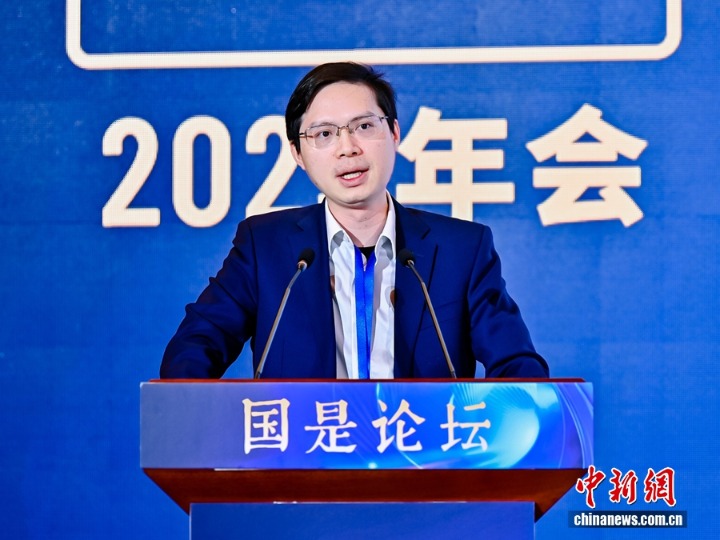
专访中国社会科学院学部委员蔡昉:“十五五”时期需破解人口转型与就业结构困局 投资重心应从“物”转向“人”
Zheng Quan Ri Bao Wang· 2025-12-04 13:48
Core Viewpoint - The "14th Five-Year Plan" period is crucial for China's high-quality development, facing multiple challenges such as macroeconomic changes, demographic shifts, and employment issues, necessitating systematic responses from institutional design and resource allocation [4] Group 1: Macroeconomic Trends - Current macroeconomic patterns show a "failure of traditional rules," where short-term shocks and long-term structural factors interact, complicating the relationship between inflation and unemployment [5] - The aging population is a long-term factor that suppresses inflation, raising concerns about its impact on economic vitality [5] Group 2: Competition and Economic Efficiency - "Involution" in competition leads to a decline in potential growth rates, slowing productivity growth and reducing investment returns, resulting in a contraction of market size [6] - Over-investment in traditional sectors delays the transition to new growth drivers, causing a series of negative effects including weak CPI and declining employment quality [6] Group 3: Demographic Challenges - The dual pressures of low birth rates and rapid aging are significant challenges during the "14th Five-Year Plan" period, with the total fertility rate falling below replacement levels since 1992 [8] - The aging population increases the old-age dependency ratio, straining pension fund sustainability and creating a demand for elderly care that the current supply system struggles to meet [8] Group 4: Consumption Dynamics - The demographic structure negatively impacts consumption potential, with younger populations decreasing and older individuals having limited consumption capacity due to low labor participation and insufficient social security [9] Group 5: Employment Market Characteristics - The employment market is characterized by new forms of employment, with 310 million individuals in urban self-employment and private sectors, and 200 million in flexible employment as of 2023 [10] - Labor mobility is becoming more localized, which may hinder overall productivity growth [10] Group 6: Policy Recommendations - The focus should shift from merely expanding the economy to improving income distribution, addressing urban-rural income disparities, and enhancing social equity [13] - Investment should transition from physical assets to human capital, emphasizing education and health to foster sustainable economic growth [14]

迟福林:如何让大家愿消费、敢消费、能消费?
和讯· 2025-11-24 09:49
Core Viewpoint - The article emphasizes the importance of enhancing social security and public services to boost consumer confidence and spending in China, particularly in the context of achieving common prosperity and addressing income distribution reform [3][4][5]. Group 1: Social Security and Consumer Confidence - The experience of observing full restaurants in Australia led to the realization of the importance of a legally confirmed social security net, which enhances consumer confidence [3][20]. - There has been significant investment in basic social security in China, resulting in noticeable growth in guaranteed income, but further legal confirmation of social security is necessary to stabilize consumer expectations [3][20]. - The need for a robust social security system is highlighted as a foundation for increasing consumer spending and ensuring a sense of safety among the populace [9][20]. Group 2: Income Distribution Reform - The "two-fold doubling plan" proposed by the National Committee aims to double national income and the middle-income group, which is seen as crucial for achieving common prosperity [3][4]. - The article discusses the necessity of narrowing the income gap between urban and rural residents, with recent improvements noted in rural income levels [16][17]. - Future reforms should focus on increasing the proportion of labor remuneration in national income, targeting a rise from 50% to 60% over the next decade [17]. Group 3: Economic Growth and Consumption - The article suggests that increasing the service consumption ratio from 46.1% to 60% could generate an additional 40 trillion yuan in consumer demand, indicating a significant opportunity for economic growth [8]. - The current economic model is criticized for being overly reliant on traditional investment, with a call for a shift towards a consumption-driven economy [9][10]. - The importance of investing in human capital, particularly in education, healthcare, and elder care, is emphasized as a means to stimulate service consumption and improve quality of life [11][12]. Group 4: Public Services and Urbanization - The "15th Five-Year Plan" aims to enhance the equality of basic public services, which is essential for urbanization and addressing the needs of a growing population [4][19]. - The article stresses the need for a balanced approach to investment in both physical infrastructure and human services to meet the evolving demands of society [10][14]. - Achieving basic public service equality is seen as a long-term goal that requires sustained effort and legal frameworks to ensure fairness and security for all citizens [19][21].

关键词读懂“十五五”丨@所有人 你关心的都在规划里!
Yang Guang Wang· 2025-10-30 14:03
Core Viewpoint - The Central Committee of the Communist Party of China has released recommendations for the 15th Five-Year Plan, focusing on various measures to enhance employment, income, education, and social security in the realm of public welfare [1]. Employment Strategies - Implementation of an employment-first strategy and improvement of employment promotion mechanisms [5]. - Active cultivation of new professions and job positions, supporting enterprises in stabilizing and expanding jobs [6]. - Establishment of a lifelong vocational skills training system [6]. - Focus on stabilizing and expanding employment for key groups such as college graduates, migrant workers, and veterans [6][7]. - Promotion of flexible employment and healthy development of new employment forms [6]. Income Distribution - Increase the proportion of residents' income in national income distribution [10]. - Enhance labor remuneration in the primary distribution of income [10]. - Improve the mechanism for determining initial distribution based on market evaluation of contributions [10]. - Implement a plan to increase income for urban and rural residents [10]. Education Improvements - Expand educational resources for the net inflow of school-age population into urban areas [15]. - Gradually expand the scope of free education and explore extending the duration of compulsory education [15]. - Enhance the capacity of vocational schools and build distinctive higher vocational colleges [15]. Social Security Enhancements - Improve and implement a nationwide basic pension insurance system [17]. - Accelerate the development of a multi-level, multi-pillar pension insurance system [17]. - Optimize the medical insurance payment and drug procurement policies [17]. Housing Policies - Optimize the supply of affordable housing to meet the basic housing needs of urban wage earners and low-income families [22]. - Implement housing quality improvement projects and enhance property service quality [22]. - Establish a safety management system for the entire lifecycle of housing [22]. Health and Family Support - Optimize fertility support policies and incentives, effectively reducing family upbringing costs [27]. - Implement a maternity leave system and enhance the maternity insurance system [30]. - Develop integrated services for childcare and early education [30].