新兴科技

Search documents
东兴证券晨报-20260203
Dongxing Securities· 2026-02-03 08:52
Core Insights - The report highlights the strategic development of Beijing Lier (002392.SZ) through a planned private placement to raise up to 1.034 billion yuan for projects in composite zirconia and aerospace materials, as well as for an innovation research center and a production base in Vietnam [7][8][9] Company Overview - Beijing Lier aims to enhance its traditional refractory materials business while simultaneously driving growth in emerging technologies, establishing a dual-engine growth strategy [8] - The company has invested in promising sectors, including silicon-carbon anode materials and AI chip companies, indicating a commitment to diversifying its portfolio [8][9] - The new production line for composite zirconia is projected to have an internal rate of return of 29.35% and a payback period of 4.89 years, showcasing the financial viability of the investment [9][11] Emerging Business Opportunities - The composite zirconia and zirconium-based materials can be utilized in high-end refractory materials, solid-state battery electrolytes, and aerospace applications, indicating a broad market potential [9] - The establishment of a production line in Vietnam is part of the company's strategy to expand its overseas operations, particularly in Southeast Asia, where steel production is rapidly increasing [10] - The report emphasizes the importance of integrating R&D in China with manufacturing in Southeast Asia and global distribution, which could enhance operational efficiency and market reach [10] Financial Projections - The company forecasts net profits of 459 million yuan, 669 million yuan, and 929 million yuan for the years 2025 to 2027, respectively, with corresponding earnings per share (EPS) of 0.39, 0.56, and 0.78 yuan [11] - The traditional refractory materials business is expected to maintain a strong competitive advantage, while the new and overseas business ventures are anticipated to provide additional growth avenues [11]

未知机构:国泰海通策略的看法沃什降息立场更为鸽派和确定中国政策重心正转向内需主-20260203
未知机构· 2026-02-03 01:45
国泰海通策略的看法: 沃什降息立场更为鸽派和确定;中国政策重心正转向内需主导,并列为2026年首要任务。 沃什降息立场更为鸽派和确定;中国政策重心正转向内需主导,并列为2026年首要任务。 大跌后,良机就在眼前,市场有望企稳,在春节前重拾升势。 新兴科技是主线,价值也会有春天。 大跌后,良机就在眼前,市场有望企稳,在春节前重拾升势。 新兴科技是主线,价值也会有春天。 国泰海通策略的看法: ...
A股开盘速递 | A股集体高开 沪指涨0.7% 存储芯片等板块涨幅居前
智通财经网· 2026-02-03 01:44
A股三大股指集体高开,沪指涨0.7%,创业板指涨1.65%。盘面上,存储芯片、半导体、光伏设备、 CPO等板块涨幅居前。 东方证券:2月科创类产业催化将会更加密集,短期仍建议以科创主线权益为主 华泰证券:周一调整更多是技术性和情绪上,待技术性指标企稳后有望继续上行 东方证券表示,从技术走势来看,沪综指已将1月份涨幅几乎回吐殆尽,考虑到前期沪综指"17连阳"走 势分为二段走势,元旦后快速上行和目前的快速下跌形成明显的对称走势,预计短期沪综指会在3950- 3980附近区域获得支撑。配置方面,2月后业绩将不是影响市场主要因素,科创类产业催化将会更加密 集,短期仍建议以科创主线权益为主,也可以关注有色等周期板块企稳后的反弹。 华泰证券表示,周一A股及港股均明显回调,上周五"沃什交易"引发全球风险资产Risk off,且在周一触 发一定流动性压力,体现为大宗商品及亚洲股市的全面下跌。但我们认为此次调整更多是技术性和情绪 上的,中期视角下中国资产面临的流动性及基本面向好趋势不变,待技术性指标企稳后有望重拾上行趋 势。 本文转载自"腾讯自选股",智通财经编辑:冯秋怡。 国泰海通:大跌后良机就在眼前,市场有望企稳,新兴科技 ...



国泰海通·策略前瞻丨大跌之后:良机就在眼前——2月2日中国A股市场大跌快评
国泰海通证券研究· 2026-02-03 00:06
核心观点 : 沃什降息立场更为鸽派和确定;中国政策重心正转向内需主导,并列为 2026 年首要任务。大跌后,良机就在眼前,市场有望企稳。新 兴科技是主线,价值也会有春天。 | | | 摘要 ▶ 大跌之后:市场有望逐步企稳,投资良机就在眼前。 近期中国市场波动较大,全A平均股价调整达到6%,上证指数跌至临近4000点,并在午后出现 恐慌性抛售。市场下跌由多因素耦合:1)预期层面,市场正快速评估新提名美联储主席凯文·沃什的政策主张,其"降息+缩表"的倾向引起金融条件紧 缩的担心;2)微观交易,黄金/白银等商品价格剧烈波动,以及前期A股权重ETF持续被抛售,叠加临近春节长假观望情绪升温,内外交织之下中国市 场出现大跌。 国泰海通策略认为,大跌之后,市场有望逐步企稳,在春节前重拾上升势头,坚定看好中国股市:第一, 全球市场正快速计入美联储潜 在的鹰派货币立场,但从路径角度沃什的降息立场更鸽派和确定; 第二, 中国政府的政策重心正转向内需主导,并作为首要任务,有望提振中国经济 前景与资产回报; 第三, 中国证监会近期再次强调"全力巩固资本市场稳中向好势头",并推出中长期资金入市新政。 市场的无差别恐慌抛售令交易加 快出 ...


长城基金汪立:外部扰动起,关注节前低点布局机会
Xin Lang Cai Jing· 2026-02-02 09:41
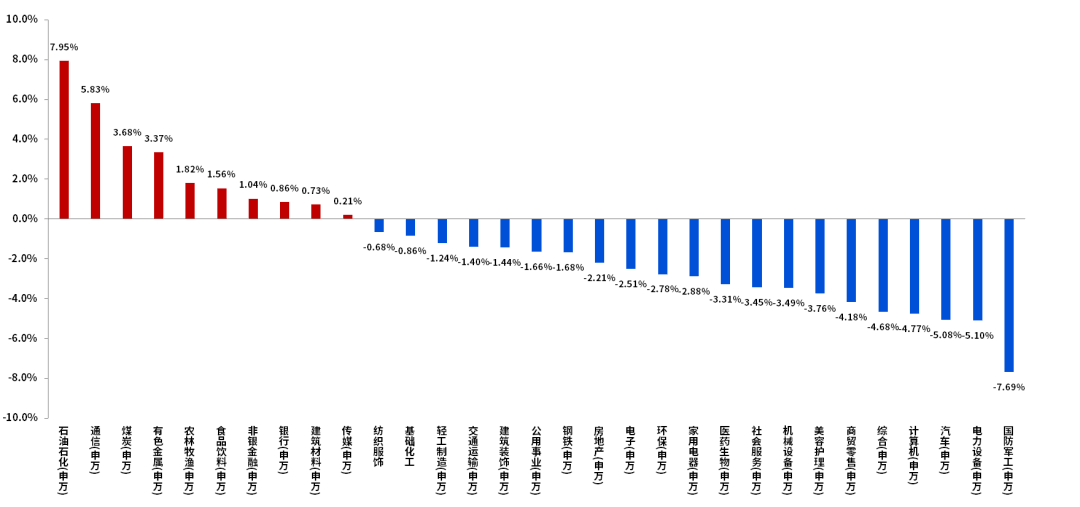
Group 1: Market Overview - The A-share market exhibited a structural differentiation pattern last week, with cyclical and financial sectors leading gains while military and power equipment sectors declined [1][7] - Industries such as petroleum, coal, and non-ferrous metals continued to rise on a month-on-month basis, while military, power equipment, automotive, and computer sectors experienced significant declines [1][7] Group 2: Macroeconomic Analysis - In January, the manufacturing PMI in China fell to 49.3%, a decrease of 0.8 percentage points from the previous month, indicating a seasonal decline and below the average level for recent years [2][8] - The price index showed a notable rebound due to rising commodity prices, while the service sector remained stable and the construction industry required policy support [2][8] - The U.S. Federal Reserve's recent decision to pause interest rate cuts aligns with market expectations, but the appointment of Kevin Walsh as the new Fed Chair may introduce uncertainties into monetary policy [3][9] Group 3: Investment Strategy - The current phase of A-share earnings disclosures is expected to reveal a shift towards new economic growth, with a notable rise in the new economy's growth center, particularly in AI and overseas expansion [4][10] - The market is anticipated to stabilize, with a focus on leading companies in specific sectors and the A500 index, as regulatory measures have suppressed short-term speculative trading [4][10] - External disturbances may lead to corrections in previously popular sectors, creating potential opportunities for policy support in heavily pressured indices like the CSI 300 [4][10] Group 4: Investment Directions - Emerging technology remains a primary focus, with value stocks also showing potential; attention should be given to leading companies and the A500 index [5][11] - In the technology growth sector, global demand for AI computing power is driving rapid growth in semiconductor equipment demand, leading to price increases across the entire supply chain [5][11] - In the cyclical sector, low valuations and improving economic conditions suggest opportunities in food, retail, tourism services, and commodities like oil and non-ferrous metals [5][11]
长城投研速递:宏观波动加剧,市场或迎来节前配置窗口期
Sou Hu Cai Jing· 2026-02-02 07:47
摘要 政策风向:城市更新顶层设计持续强化,各地城市更新实践持续深入。自然资源部、住建部发布《关于进一步支持城市更新行动若干措施的通知》,对拟 实施城市更新区域的详细规划进行评估、优化。2024年全国城市更新项目数量60015个,完成总投资额2.9万亿元。城镇老旧小区改造、城中村改造及地下 管网改造等是城市更新重要内容。 境内宏观:2026年1月份,制造业PMI为49.3%,比上月下降0.8个百分点,不及近年同期平均水平,降幅强于季节性。展望2026年,财政部表态确保总体 支出力度"只增不减"、重点领域保障"只强不弱",预计宏观政策更加积极有为,托底总需求。 境外宏观:凯文·沃什被提名为下一任美联储主席,他主张是"降息+缩表",认为美联储需要为通胀负责。他的政策主张在维持美联储独立性和向特朗普表 衷心之间能够实现更好的平衡。1月美联储按兵不动符合预期,预计2026年或仍有2-3次降息。1月FOMC会议美联储对经济、就业和通胀都表现出了更乐 观的态度,这为重启降息增加了不确定性。 城市更新顶层设计持续强化 观点: 城市更新顶层设计持续强化,各地城市更新实践持续深入,有望成为着力稳定房地产市场和扩大内需的重要抓手。 ...
长城基金汪立:市场趋稳,成长与价值轮动
Xin Lang Cai Jing· 2026-01-28 01:29
上周A股市场呈现结构性分化格局,宽基指数涨跌不一,资金偏好显著向中小盘、热门成长赛道倾斜。 行业上,建筑材料、地产、军工转强,化工、有色行情强化,银行、非银与通信指数回落。 近期中央汇金大额减持ETF稳定了权重指数,价值股走势偏弱,但市场交易热度不减,科技成长方向加 速轮动,实现了稳指数又不打压市场热度。 我们认为,资本市场监管越严格、审慎,反而有助于提高中国市场的可投资性,也更有助于中国资本市 场走的更长远,利于更多投资人分享转型发展与改革红利。无风险收益下沉、资本市场改革、经济结构 转型仍是构成转型行情的三大关键动力。 投资方向上,新兴科技是主线,价值股也有春天,关注细分龙头与A500指数。具体来看:1)科技成长 方向:全球AI算力需求仍处于需求旺盛上升期,推动半导体设备需求快速增长,全产业链迎来涨价 潮,可关注港股互联网/电子半导体/通信/军工,以及具备全球竞争优势的制造业出海(电力设备/机械 设备/汽车及零部件)等。2)非银金融方向:受益居民存款搬家与财富管理需求增长,资本市场改革提 振市场风险偏好,可关注保险/券商等。3)顺周期方向:估值与持仓处于低位,景气底部边际改善,受 益扩内需政策部署,可关注 ...
A股行情带火分析师招聘,AI应用、新兴科技等多赛道“抢人大战”同步打响
Xin Lang Cai Jing· 2026-01-20 02:48
Group 1 - The A-share media sector has experienced a significant surge since the beginning of 2026, driven by the strong catalyst of Generative Engine Optimization (GEO), with the Shenwan Media Industry Index rising over 15% from January 1 to 16, outperforming the CSI 300 Index during the same period [1] - The rapid increase in market interest has led to a surge in demand for analysts in the media sector, prompting several brokerages to initiate recruitment drives for media industry analysts due to previous reductions in research team sizes [1][2] - Major brokerages, including Guosheng Securities and Dongwu Securities, have publicly announced recruitment for chief analysts and analysts specializing in media and internet sectors, indicating a competitive talent acquisition landscape [2] Group 2 - The turnover of high-end talent in the media industry has accelerated, with notable cases of core analysts switching firms, reflecting the industry's recovery and renewed interest from investors [2] - The resurgence of the media sector began in 2023, fueled by the AI technology wave, which has revitalized the industry and created new investment opportunities, leading to a significant increase in the media sector's performance [2] - Brokerages are not only focusing on the media sector but are also actively recruiting analysts in emerging fields such as AI applications, advanced manufacturing, and other high-growth areas, indicating a broader trend in talent acquisition across various sectors [3][4] Group 3 - Guojin Securities has established a chief analyst position specifically for the embodied intelligence sector, focusing on humanoid robots and intelligent equipment, showcasing a targeted approach to emerging technologies [3] - Traditional sectors like pharmaceuticals and cyclical industries are also seeing high demand for talent, with brokerages seeking to balance their recruitment efforts between new and established fields [3] - The urgency for high-end talent acquisition is reflected in the increasing trend of brokerages "poaching" analysts from competitors, highlighting the competitive nature of the current job market in the financial services industry [3][4]
国泰海通|策略:新兴科技景气延续,周期资源价格上涨
国泰海通证券研究· 2026-01-14 12:25
Core Viewpoint - The article highlights a mixed economic outlook, with strong performance in technology hardware and electric vehicles driven by increased AI penetration and export trends, while real estate and durable goods remain under pressure [1]. Group 1: Economic Performance - The economic performance shows divergence, with emerging technologies benefiting from rising AI penetration and export trends, leading to a high growth rate in domestic semiconductor sales [1]. - Prices of cyclical resources are increasing due to supply constraints and improved downstream demand, notably lithium carbonate prices rising significantly [1]. - Service consumption is supported by policy, with tourism continuing to perform well and food prices showing slight improvements [1]. Group 2: Downstream Consumption - Tourism continues to improve, with Shanghai Disneyland's crowd index increasing by 10.9% week-on-week and Hainan's tourism price index rising by 11.7% due to seasonal demand [2]. - Real estate remains under pressure, with a 38.9% year-on-year decline in transaction volume across 30 major cities, particularly in first, second, and third-tier cities [2]. - Durable goods, particularly passenger vehicle retail, saw a 14.0% year-on-year decline, while new energy vehicle retail increased by 2.6% with a penetration rate of 59.1% [2]. Group 3: Technology and Manufacturing - The AI industry continues to show high prosperity, with semiconductor sales in November 2025 increasing by 22.9% year-on-year, and prices for high-performance memory rising significantly [3]. - Construction demand remains low, with steel and building material prices fluctuating at low levels [3]. - Electric new material prices are rising, with lithium carbonate prices increasing by 17.2% due to supply clearing and improved demand expectations [3]. Group 4: Logistics and Transportation - Passenger transport volume in major cities decreased by 5.5% week-on-week, indicating a post-holiday drop in travel demand [4]. - Freight logistics demand rebounded after the holiday, with significant increases in truck traffic and railway freight volume [4]. - Shipping prices have decreased, but port throughput for goods and containers has improved, indicating marginal improvements in export conditions [4].

2026年旅行,你的星座正召唤你去往这里
3 6 Ke· 2026-01-14 02:39
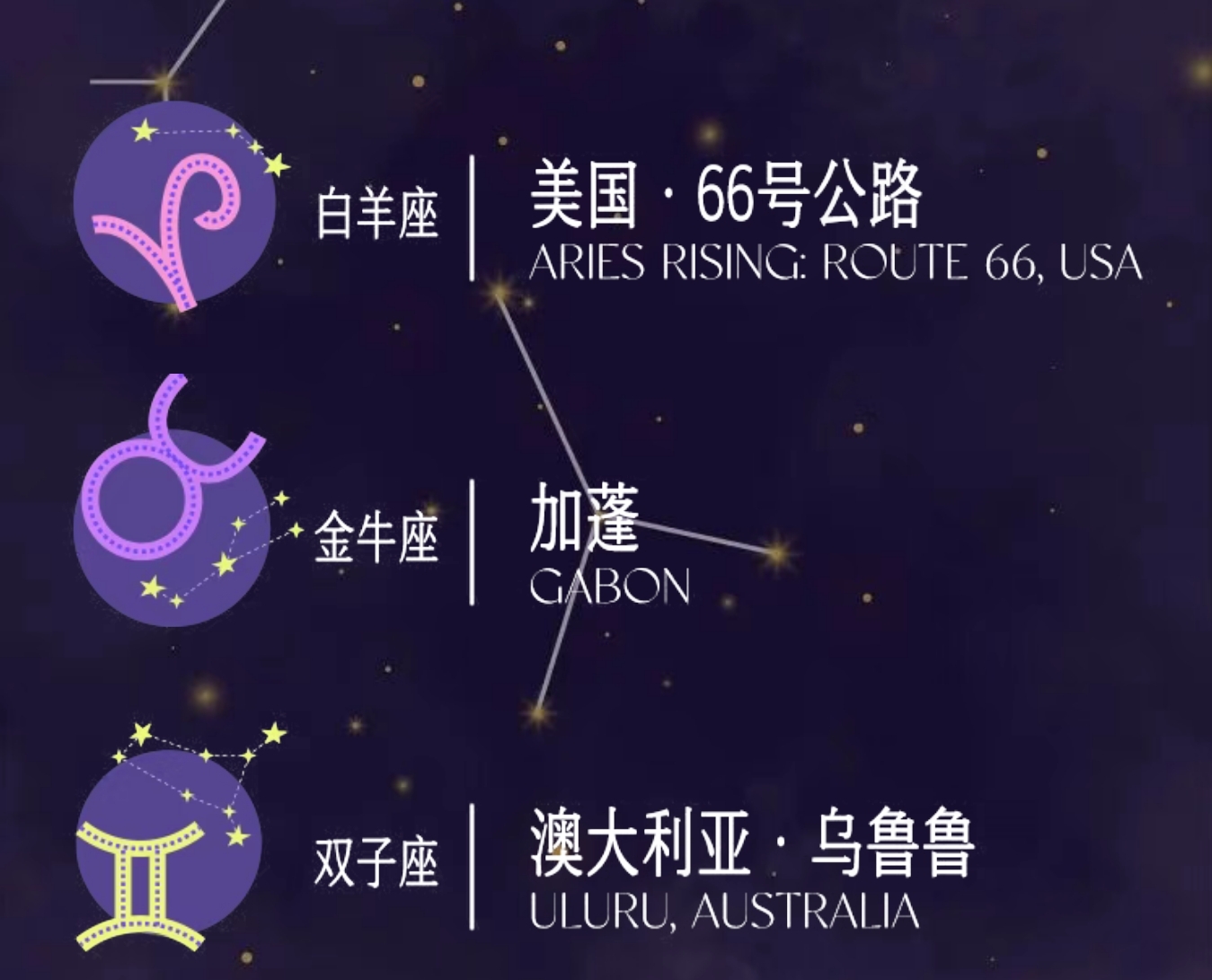
Core Insights - The article emphasizes that 2026 will be a year of significant change and action, driven by astrological influences that encourage personal growth and exploration [1][2][3] - Travel in 2026 is framed as a tool for recalibrating life direction rather than just a routine break, highlighting the importance of new experiences [3] Astrological Influences - Major planetary shifts, including Saturn and Neptune entering Aries, and Jupiter entering Leo, signal a transition into a new world where action is necessary [2] - The year will demand courage, creativity, and a willingness to embrace failure as part of the journey [3] Timing for Travel - Early months of 2026, particularly February and March, may bring chaos due to lunar eclipses and planetary alignments, suggesting that significant travel should be avoided during this period [4] - Mercury retrograde periods (February 26 – March 20, June 29 – July 23, October 24 – November 13) indicate the need for flexible travel plans and patience with potential disruptions [4] Recommended Travel Destinations - The article suggests specific travel destinations based on astrological signs, indicating that the best times to travel will vary depending on one's rising sign [5] - Notable destinations include Route 66 for Aries, Gabon for Taurus, and Uluru in Australia for Gemini, among others [6][8][10][11][12]