本土化创新

Search documents
【独家专访】芋泥蛋糕“鼻祖”,杭州甜品的“定海神针”!「Foamy Foamy」主理人:热爱比流量更重要
东京烘焙职业人· 2026-01-19 08:33
Core Viewpoint - "Foamy Foamy" has established itself as a unique brand in the competitive dessert market of Hangzhou by focusing on individuality and quality rather than following trends, demonstrating a successful alternative approach to business in a fast-paced environment [2][33]. Group 1: Brand Development - "Foamy Foamy" started as a small studio and has grown into a flagship store of 500 square meters, showcasing the founder's vision and commitment to product development [4][6]. - The brand has maintained a loyal customer base, including long-time fans and new university students, which is crucial for its sustained popularity [8][33]. - The founder, Dany, emphasizes the importance of creativity and uniqueness in desserts, opting for local ingredients and innovative flavor combinations [8][26]. Group 2: Product Philosophy - The product line is intentionally limited to around ten SKUs to ensure quality and creativity, with a focus on clear flavor profiles [10][19]. - Classic products like "Li Pu Taro" and "Great Britain" have been continuously optimized over the years, reflecting the brand's commitment to quality and customer feedback [12][17]. - Dany has decided to retire some classic products to create space for new innovations, indicating a strategy of continuous evolution rather than complacency [19][20]. Group 3: Market Positioning - The brand's approach to flavor includes incorporating unconventional ingredients like black pepper and miso, which have gained acceptance in the market, showcasing a willingness to challenge traditional dessert norms [20][22]. - "Foamy Foamy" has successfully tapped into the growing consumer preference for sour flavors, creating products that balance acidity with sweetness [22][23]. - The founder's dedication to using high-quality, consistent ingredients while also exploring local alternatives has contributed to the brand's reputation for excellence [26][30]. Group 4: Long-term Strategy - The brand's longevity in a market where dessert shops typically have short lifespans is attributed to a passion for the craft and a commitment to continuous learning and innovation [33][35]. - Dany's clear understanding of the market dynamics, recognizing that desserts are not essential goods, allows the brand to focus on quality over rapid expansion [35][36]. - The brand aims to create lasting connections with customers by offering products that are not just fleeting trends but rather timeless classics [35].


浙江首家宜家商场即将停业,消费者需要一个新答案
Sou Hu Cai Jing· 2026-01-10 08:27
Core Insights - IKEA is closing its Ningbo store on February 2, marking the seventh closure in China, reflecting market changes and operational adjustments [1][7] - The shift in consumer shopping habits towards online platforms and IKEA's lag in digital transformation have contributed to its declining competitiveness [8][9] Group 1: Market Dynamics - The rise of local brands with better cost-performance ratios has significantly squeezed IKEA's market share [3] - Consumers now have a wider array of choices, and brand loyalty is no longer the primary consideration [10] - The operational costs of physical stores are high, and foot traffic is decreasing, leading to increased pressure on offline retail [9] Group 2: Consumer Preferences - There is a growing demand for localized innovation and enhanced services that cater to the rapidly changing needs of Chinese consumers [11] - IKEA's product design and pricing have not been sufficiently localized, making it difficult to meet the diverse demands of Chinese consumers [2][11] - The perception of IKEA's furniture quality and pricing is misaligned with consumer expectations, particularly for those frequently moving or renting [10] Group 3: Strategic Recommendations - IKEA needs to accelerate innovation and service upgrades to adapt to the fast-changing Chinese market [4] - The company should explore more flexible, smaller store formats to improve operational efficiency and adapt to changing consumer behaviors [9] - Embracing change and aligning with the characteristics of the Chinese market is essential for IKEA to remain relevant and appealing to consumers [12]

五千亿赛道争夺战:中式汉堡如何实现弯道超车?
Xin Jing Bao· 2026-01-09 12:23
Core Insights - The Chinese hamburger market is undergoing a transformation, with local brands like Tasting challenging the dominance of international players such as KFC and McDonald's as they enter the "ten-thousand store club" by 2025 [1] - The competition is not just about the number of stores but also involves product innovation, supply chain efficiency, and digital capabilities [1] Market Overview - The Chinese Western fast food market is projected to grow from 499.65 billion yuan in 2025 to 587.09 billion yuan by 2027, indicating a significant expansion opportunity for local hamburger brands [2] - Local brands have transitioned from "marginal penetration" to "close combat" in the market, initially targeting lower-tier cities with competitive pricing strategies [2] Product Innovation - Local brands like Tasting are focusing on product innovation rather than engaging in price wars, incorporating Chinese culinary techniques into their hamburger offerings [3] - Tasting has introduced unique flavors inspired by Chinese cuisine, such as Peking duck and spicy boiled water, appealing to younger consumers' desire for personalization and cultural identity [3] Industry Dynamics - The rise of local brands is challenging the traditional fast food model established by international brands, which relied on standardized quality and efficiency [4] - Tasting has become the third-largest Western fast food brand in China, surpassing McDonald's in store count, with 11,124 locations as of November 2025 [4] Competitive Response - International brands are adapting to local tastes, with McDonald's and KFC introducing localized menu items and rethinking product forms to compete effectively [5] - The competition has shifted from local brands challenging international giants to a mutual adaptation of strategies and offerings [5] Food Safety and Digitalization - Food safety management is becoming crucial for brand longevity, with international brands leveraging established systems for transparency and risk management [6] - Local brands are enhancing their operational capabilities through technology, such as Tasting's digital platform for quality control and AI-driven monitoring systems [7] Supply Chain Innovation - Local hamburger brands are exploring new supply chain strategies to balance the demands of fresh production with the stability required for large-scale operations [8] - The integration of data-driven decision-making and system empowerment is providing local brands with the operational support needed to compete with international giants [8] Cultural Impact - The competition between local and international brands is not only a business rivalry but also a reflection of cultural confidence, with local brands redefining hamburgers to better suit Chinese tastes [8] - This dual competition is expected to enhance both efficiency and quality in the Chinese fast food industry, benefiting consumers with more diverse product choices and improved experiences [8]
海尔三筒洗衣机在法国获四项满分测评
Jin Tou Wang· 2026-01-04 08:26
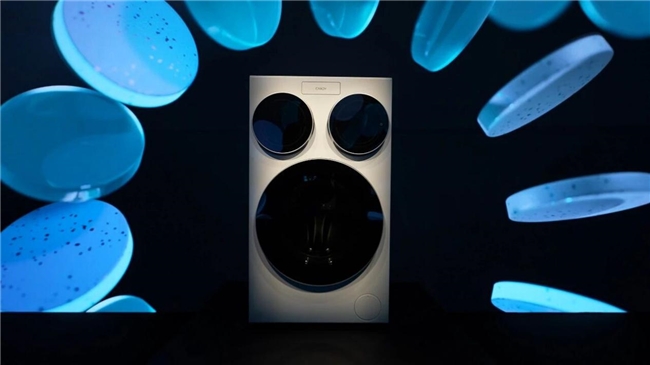
Core Insights - Haier's three-tub washing machine received five-star ratings in convenience, water and electricity consumption, repairability, and durability from the authoritative French media Les Numériques, showcasing its strong product capabilities and high-end quality [1][3] Group 1: Product Performance - The three-tub washing machine's success in the French evaluation is attributed to its localized and differentiated innovation, addressing the urgent needs of European households for health-conscious laundry solutions [3] - The innovative design features a "10KG large tub + dual 1KG small tubs," allowing for separate washing of underwear, outerwear, and baby clothes, which enhances washing efficiency by 50% and eliminates cross-contamination risks [3] - The product achieves an A-35% high energy efficiency rating, aligning perfectly with the mainstream green consumption trends in the European market [3] Group 2: Market Impact - Following its pre-sale launch in France, the three-tub washing machine quickly gained traction in the market, receiving significant orders from leading local channels even before its arrival [3] - Haier's localized innovation is reflected in its overall success in the European market, with the X11 series washing machine, which consumes 70% less energy than A-rated appliances, achieving over 800,000 units sold across more than 20 countries [5] - The brand's commitment to understanding local user needs and global energy trends has resulted in Haier maintaining the top market share in categories such as ultra-thin washing machines and washer-dryer combos in France [5]

中德合作的“千万”答卷
Zhong Guo Qi Che Bao Wang· 2025-12-30 08:20
Core Insights - FAW Audi has achieved a historic milestone by reaching 10 million users, becoming the first joint venture luxury car brand in the Chinese market to do so, reflecting its deep integration into the Chinese automotive landscape over nearly 38 years [1][10][15] Group 1: Historical Context and Development - The partnership between FAW and Audi began in 1988, marking the start of luxury brand localization in China, which has since evolved into a model of successful Sino-German cooperation [3][4] - FAW Audi has consistently adapted to key historical moments in China, such as the reform and opening-up, WTO accession, and the shift towards electric vehicles, demonstrating a commitment to local innovation [4][10] Group 2: Product Innovation and Market Adaptation - FAW Audi pioneered the "local adaptation" concept, developing models like the fifth-generation Audi A6 (C5) with extended wheelbases to meet Chinese consumer preferences [6][8] - The introduction of the Audi A6L in 2005, with its extended design, captured significant market share in the high-end business vehicle segment, influencing competitors to adopt similar strategies [8][11] Group 3: Technological Advancements and Sustainability - FAW Audi has embraced electric and intelligent vehicle technologies, launching the Audi e-tron series in 2018 and establishing a dual-platform strategy for hybrid and electric vehicles [10][12] - The collaboration with Huawei to introduce the world's first luxury fuel vehicle equipped with Huawei's advanced driving technology exemplifies FAW Audi's commitment to innovation [12][18] Group 4: Economic and Social Contributions - FAW Audi's success has contributed significantly to the Chinese automotive industry's value chain, creating nearly 500,000 jobs and generating over 740 billion yuan in taxes by the end of 2025 [16][18] - The brand has played a vital role in enhancing the perception of luxury vehicles in China, driving competition and improving service levels across the industry [14][15]

又是首个出海,海尔三筒洗衣机亮相马来西亚
Jin Tou Wang· 2025-12-19 01:59
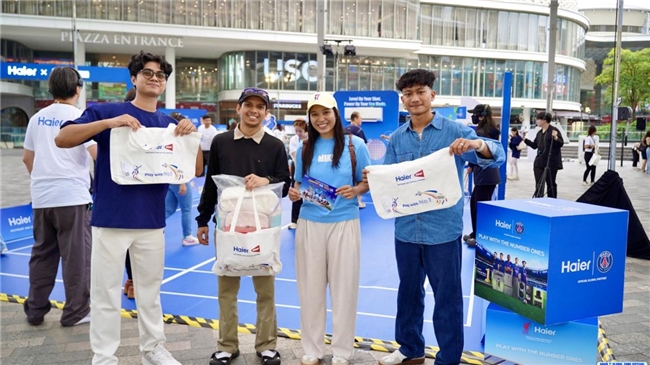
Core Viewpoint - Haier's launch of the three-tub washing machine at the Global Fan Festival in Malaysia highlights the company's strategic expansion in the Southeast Asian market, addressing the growing demand for segmented laundry solutions [1][5]. Group 1: Event Highlights - The Global Fan Festival in Malaysia features a five-day immersive experience, showcasing Haier's innovative products, including the three-tub washing machine, set to launch in January [1]. - The event targets football enthusiasts and Haier fans, offering interactive experiences and opportunities to win limited edition Liverpool FC jerseys [3]. Group 2: Market Opportunity - The introduction of the three-tub washing machine addresses a significant gap in the Southeast Asian market, where over 60% of the population is under 35, leading to an increased demand for quality living solutions [5]. - The unique design of the three-tub washing machine allows for the physical separation of different types of laundry, reducing the risk of cross-contamination and saving 50% of washing time compared to traditional machines [5]. Group 3: Product Innovation - Haier's washing machines, including the three-tub model, are tailored to local lifestyles, with features that integrate seamlessly into various home designs and address common laundry challenges [7]. - The company's commitment to localized innovation is evident in its product offerings, which are developed based on thorough research of regional living habits and consumer needs [9]. Group 4: Business Performance - Haier's washing machine retail sales in Malaysia increased by 31% year-on-year from January to October, outpacing industry growth and reflecting a rising share in the mid-to-high-end market segment [9].
界面新闻揭晓2025年度跨国公司中国区CEO榜单:巴斯夫、菲婷丝、赛诺菲等10位大中华区/中国区CEO上榜
Xin Lang Cai Jing· 2025-12-16 08:08
Core Insights - The article highlights the 2025 Super CEO list, which recognizes outstanding leaders across various industries who drive financial growth and shareholder returns while maintaining personal reputation [1] - China's actual foreign investment utilization is projected to decline to $116.24 billion in 2024, a 28.8% decrease year-on-year, marking the second consecutive year of decline after reaching a peak in 2022 [2] - Despite the decline, China remains the fourth-largest recipient of foreign direct investment globally, accounting for 7.7% of total global FDI in 2024 [2] Group 1: Foreign Investment Trends - The decline in China's foreign investment is attributed to a combination of global economic conditions, policy adjustments, domestic economic transformation, and changes in international competition [2] - The number of newly established foreign-invested enterprises in China is expected to reach 59,080 in 2024, a 9.9% increase year-on-year, indicating a positive trend despite the drop in investment amount [2] Group 2: Government Initiatives - The Chinese government is actively promoting policies to expand openness, including the "2025 Action Plan for Stabilizing Foreign Investment," which outlines 20 measures to enhance investment promotion and support foreign enterprises [3] - The 8th China International Import Expo showcased 4,108 companies from 138 countries, with an intention to transact $83.49 billion, a 4.4% increase from the previous year, highlighting China's commitment to global economic integration [3] Group 3: CEO Highlights - The article features notable CEOs leading multinational companies in China, such as: - Lou Jianfeng from BASF, who emphasizes green transformation and local investment despite a slight decline in sales [20] - Seto Onobu from FineToday, focusing on local innovation and sustainable practices, contributing to 40% of the company's global sales [21] - Dong Wei from Nike, who is steering the brand through challenges with a focus on local innovation and community engagement [22] - Schwann from Sanofi, who is enhancing local production capabilities with a significant investment in a new insulin production facility [23] - Yin Zheng from Schneider Electric, who is driving technological innovation and sustainable practices in response to market challenges [24] - Zhu Xiaotong from Tesla, who is adapting sales strategies to penetrate lower-tier markets [25] - Zhu Xiaojing from Walmart, who has successfully transformed the company into a leading omnichannel retailer in China [26] - Xiao Song from Siemens, who is implementing a "China Accelerate 2.0" strategy to enhance local R&D and production [27] - Liu Wenjuan from Starbucks, who is leveraging local insights to drive growth and enhance customer engagement [28] - Yang Xiaoping from Charoen Pokphand Group, who is focusing on green transformation and digitalization in the Chinese market [29]



破局东方-全球品牌的中国发展| 36氪 WISE2025 商业之王大会
3 6 Ke· 2025-12-12 08:08
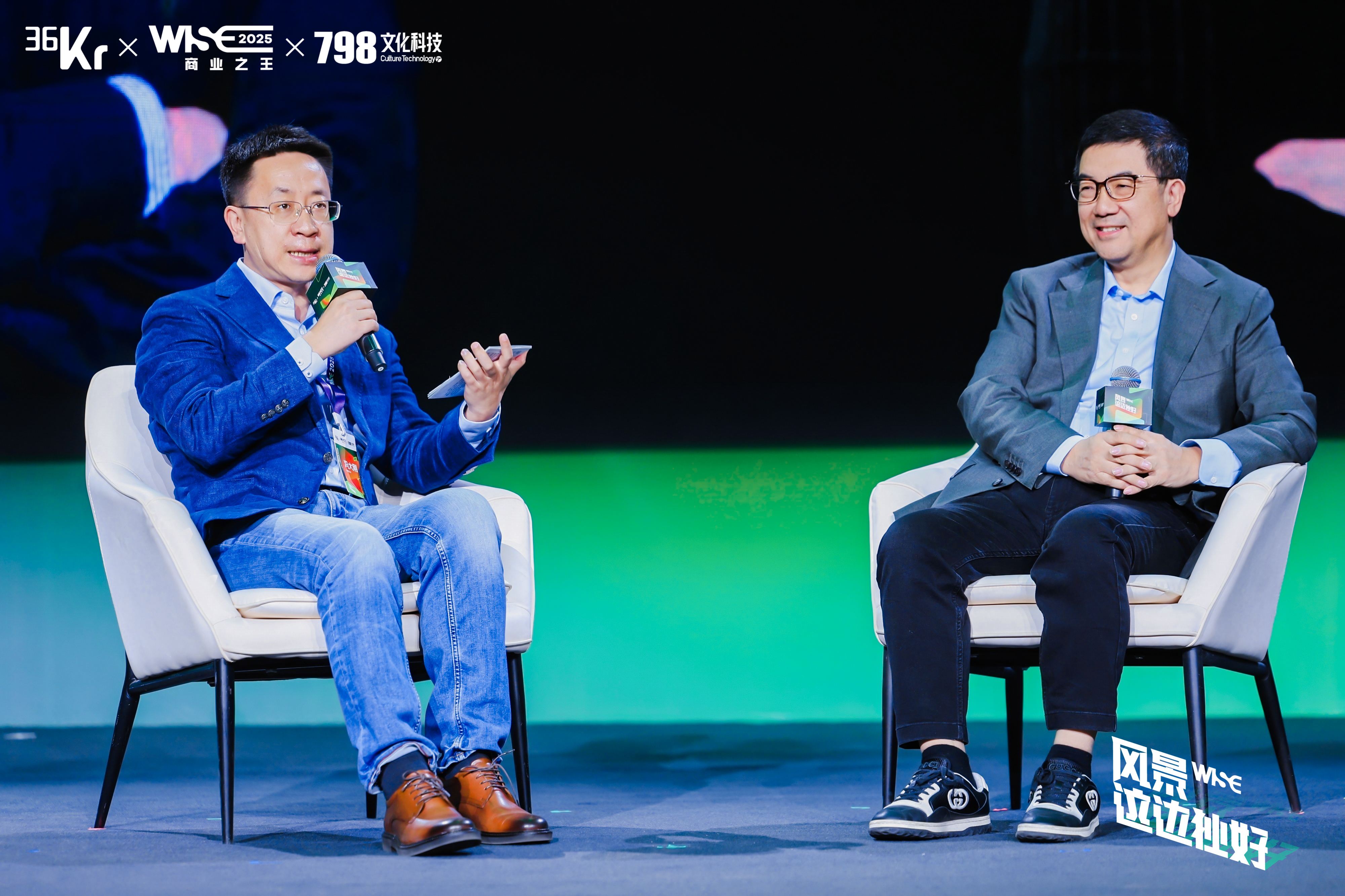
Core Insights - The WISE 2025 conference in Beijing emphasizes an immersive experience showcasing trends in technology and business, focusing on the intersection of AI, globalization, and traditional industries [1] - OATLY, a foreign brand, has successfully navigated the Chinese market, achieving significant growth despite challenges faced by other foreign brands [3][4] Company Performance - OATLY reported a 28.8% year-on-year growth in Q3, with a notable 40% growth in August, indicating resilience and upward momentum in a challenging market [5][6] - The introduction of innovative products like "OATLY PLUS" and turmeric oat milk has resonated well with health-conscious consumers, contributing to strong sales [5][6] Market Strategy - OATLY's success is attributed to a combination of localized innovation and global brand principles, allowing it to meet local consumer demands effectively [6][7] - The company has shifted its focus from coffee shop sales to retail, capitalizing on its established brand recognition in the coffee sector to penetrate the retail market [9][10] Competitive Landscape - OATLY has established itself as a leader in the plant-based beverage market, with a strong association between the brand and oat milk in consumers' minds, benefiting from the overall growth of the category [13][14] - The company emphasizes quality and sustainability, which are key factors in maintaining consumer trust and loyalty amidst competition [12][14] Future Outlook - OATLY plans to continue expanding its retail presence, leveraging its established brand equity and consumer awareness to drive future growth [9][10] - The company aims to maintain its commitment to quality and innovation while adapting to local cultural preferences, ensuring its long-term viability in the market [16][17]

可口可乐选定新CEO
Bei Jing Shang Bao· 2025-12-11 15:29
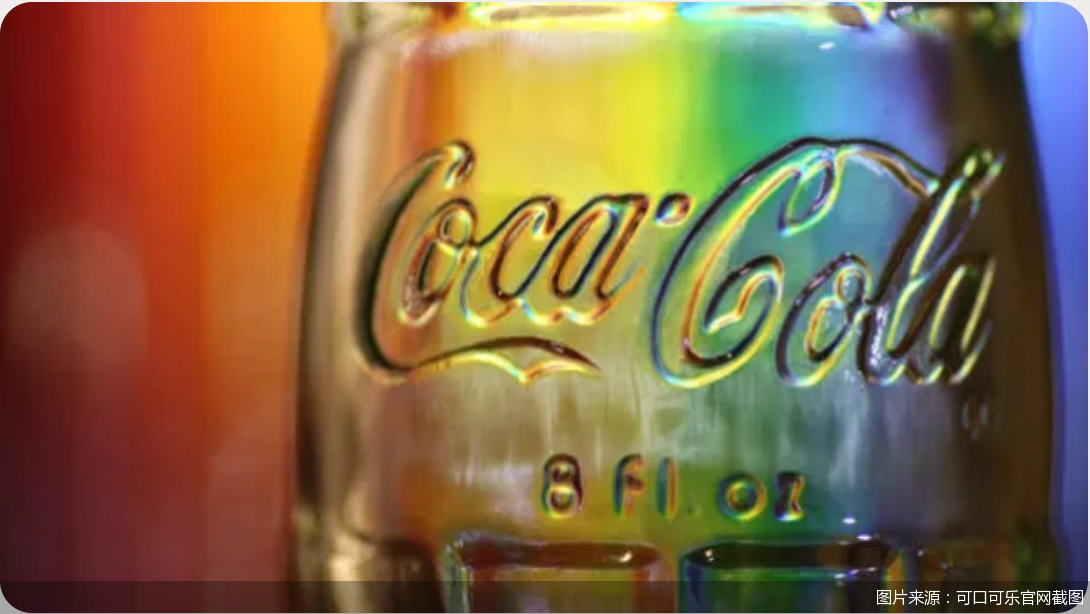
Core Insights - Coca-Cola has appointed Henrique Braun as the new CEO, effective March 31, 2026, succeeding James Quincey, who will become the executive chairman after nearly nine years as CEO [1] - Braun has extensive experience within Coca-Cola, having joined in 1996 and held various positions across different regions, including a significant role in the Greater China and Korean markets [1][2] - Under Quincey's leadership, Coca-Cola optimized its brand portfolio by eliminating over 200 underperforming brands and introducing more than 10 billion-dollar brands, resulting in a total of 30 billion-dollar brands currently [2] Company Strategy and Market Position - Coca-Cola is focusing on the Chinese market, which is its third-largest globally, and Braun's familiarity with this market may lead to continued emphasis on local innovation [2][3] - The company reported a 1% increase in global case volume and a 5% revenue growth to $12.455 billion in Q3, with a net profit of $3.683 billion, reflecting a 29% increase [3] - Despite overall growth, Coca-Cola faces challenges in the Asia-Pacific region, where case volumes have declined due to weakened consumer spending and increased competition [3][4] Challenges in the Chinese Market - Coca-Cola's Costa Coffee has seen a significant reduction in store numbers, dropping to approximately 334 locations, with only 11 new stores planned for 2025, far below the previously set target of 1,000 stores by 2025 [3] - The brand's market share in China is projected to be only 12.3% in 2024, less than half of Starbucks' share, indicating intense competition from local brands and other beverage categories [3][4] - Analysts suggest that despite Coca-Cola's investments in production capacity and product innovation, the current product offerings and marketing strategies have not yet effectively driven sales growth in the face of changing consumer preferences and competition [4]

可口可乐换帅
Bei Jing Shang Bao· 2025-12-11 12:56
Core Viewpoint - Coca-Cola has announced the appointment of Henrique Braun as the new CEO, effective March 31, 2026, succeeding James Quincey, who will transition to the role of Executive Chairman after a nine-year tenure as CEO. The company faces challenges such as intensified industry competition and declining sales in the Asia-Pacific market [1][3]. Leadership Transition - The board of directors has elected Henrique Braun as the new CEO, with his term starting on March 31, 2026. James Quincey will become the Executive Chairman after serving as CEO for nine years [3]. - Braun has been with Coca-Cola since 1996, holding various positions across North America, Europe, Latin America, and Asia. He has been the Chief Operating Officer since January 1, 2023, overseeing all global operations [3]. - During his tenure, Quincey optimized the brand and product portfolio, eliminating over 200 underperforming sub-brands and introducing more than 10 billion-dollar brands, bringing the total to 30 [4]. Market Challenges - China is Coca-Cola's third-largest market globally, following the U.S. and Mexico. In Q3, Coca-Cola reported a 1% increase in global case volume and a 5% revenue growth to $12.455 billion, with a net profit of $3.683 billion, up 29% [5]. - However, the Asia-Pacific market saw a decline in sales due to weakened consumer spending and poor industry performance. For instance, the number of COSTA stores in China has significantly decreased, with only 334 stores remaining as of December 11, 2023, and new store openings dropping from 92 in 2023 to just 11 planned for 2025 [5][6]. - The competitive landscape is intensifying, with local beverage brands gaining market share and competition in ready-to-drink tea and coffee segments becoming fierce [5][6]. Strategic Initiatives - In response to market pressures, Coca-Cola has increased investments and launched new products in China. Collaborations with bottlers have led to the establishment of new production facilities, and the company has introduced health-oriented products like prebiotic sparkling water [6]. - Despite these efforts, the decline in sales in the Asia-Pacific region indicates that existing product innovations and marketing strategies have not yet fully stimulated growth, with price adjustments becoming a more significant factor [7]. - Braun's experience in the Greater China region is expected to help him understand market complexities and consumer needs, potentially accelerating localized product innovation and digital operations to address the sales decline [7].