
汽车补贴政策

Search documents
乘用车与重卡以旧换新政策解读及2026年车市展望
2025-12-31 16:02
Summary of Conference Call on Automotive Industry and Policies Industry Overview - The conference call discusses the automotive industry, specifically focusing on passenger vehicles and commercial trucks, with an emphasis on the 2026 automotive subsidy policies and market outlook [1][2][3]. Key Points on 2026 Automotive Subsidy Policies - **Total Subsidy Amount**: The total subsidy for 2026 is set at 300 billion, with approximately 150 billion allocated to the automotive sector. Funds will be distributed more evenly across quarters to avoid issues seen in 2025 [1][3]. - **Subsidy Structure Changes**: The subsidy method will shift from fixed amounts to a percentage of the vehicle price, favoring models priced above 150,000 yuan. For electric vehicles, the scrappage subsidy is 12% (up to 20,000 yuan), while for fuel vehicles, it is 10% (up to 1,500 yuan) [1][3]. - **Incentives for New Energy Vehicles (NEVs)**: NEVs will receive higher scrappage and replacement subsidies compared to fuel vehicles, indicating a strong policy push towards electric mobility [1][4]. Market Outlook for 2026 - **Passenger Vehicle Market**: The overall expectation for the passenger vehicle market in 2026 is positive, with a forecasted wholesale volume of approximately 30 million units, remaining stable compared to 2025. Domestic demand is expected to decline slightly by 2%, while exports are projected to grow by 10% to 6 million units [2][8]. - **Commercial Vehicle Market**: The commercial vehicle sector, particularly heavy-duty trucks, is expected to see a slight decline or stabilization in domestic sales, estimated at around 750,000 units. However, the penetration rate of new energy vehicles in this segment is anticipated to rise to 32%-35% [2][15]. Investment Opportunities - **Valuation and Investment Timing**: The current valuation of the automotive sector is considered low, at the 60th percentile of the past five years. The new policies and positive January data are expected to drive a significant upward trend in the first quarter [2][9]. - **Focus on Specific Brands**: Brands such as Geely, BYD, and Leap Motor are highlighted as having beta attributes that may benefit from the new policies. Additionally, companies like XPeng Motors and Changan Automobile are recommended for their potential in self-driving and international expansion [2][10]. Regulatory and Market Dynamics - **Regulatory Changes**: Stricter regulations to prevent subsidy fraud are expected to enhance consumer confidence and promote healthy market growth. The government aims to ensure that subsidies effectively reach consumers [5][6]. - **Impact of Economic Conditions**: Despite uncertainties in the overall economic environment, the demand for high-end NEVs is expected to continue growing, supported by consumer upgrade trends [5]. Commercial Vehicle Specifics - **Subsidy Impact on Heavy-Duty Trucks**: The scrappage and replacement subsidies for commercial vehicles are more substantial than anticipated, with diesel and natural gas vehicles receiving over 25% and NEVs up to 30% in subsidies [2][13]. - **Export Market Growth**: The export market for heavy-duty trucks is projected to benefit from infrastructure development in Africa and Southeast Asia, with an expected growth rate of 15% or higher in 2026 [2][17][18]. Conclusion - The automotive industry is poised for a transformative year in 2026, driven by favorable subsidy policies, a shift towards new energy vehicles, and a stable market outlook for both passenger and commercial vehicles. Investment opportunities are emerging, particularly in brands that align with the new regulatory environment and consumer trends.
汽车-财政释放信心-2026政策及车市展望
2025-12-29 15:51
Summary of Automotive Industry Conference Call Industry Overview - The automotive market in 2025 is expected to benefit from scrapping and replacement subsidy policies, leading to significant sales growth, particularly in A00 and A0 level electric vehicles, with sales increases of 60% and 80% respectively, and over 11 million subsidized vehicles, including approximately 4 million from scrapping and 6 million from replacement [1][2][3] - The wholesale sales growth in Q4 2025, although slowing, remains positive with September growth at 14%, October at 8.8%, and November at approximately 3%, indicating market resilience [1][4] Key Policy Insights - The government will continue the scrapping and replacement subsidy policies into 2026, with potential increases in subsidy amounts and a shift to proportional subsidies based on vehicle price to achieve a high-level dynamic balance of supply and demand, with specific plans expected to be announced soon [1][5] - The total subsidy budget for 2025 increased from 150 billion to 300 billion yuan, with expectations for continued support in 2026 despite predictions of negative growth in the domestic automotive market [2][10] Market Dynamics - The penetration rate of new energy vehicles (NEVs) is projected to exceed 50% for the first time in 2025, with expectations to stabilize above 50% in 2026, potentially reaching around 1.9 million units sold, although a bottleneck may occur around 70% penetration [2][11][12] - The government has implemented measures to curb excessive competition in the automotive market, including price guidelines and regulations on second-hand vehicle exports, which are expected to prevent malicious price competition in 2026 [9][10] Consumer Behavior and Preferences - There is a notable generational preference for vehicle types, with older generations favoring traditional fuel vehicles while younger consumers lean towards electric vehicles, influencing market dynamics [12][13] - The high-end market (vehicles priced above 300,000 yuan) is less sensitive to price, while low-end models (around 150,000 yuan) are more competitive due to lower operating costs of plug-in hybrid vehicles compared to fuel vehicles [14] Future Outlook - Despite general pessimism regarding the automotive market's growth in 2026, there is an optimistic outlook for a potential positive growth rate of around 3%, supported by favorable international relations and government policies aimed at stimulating domestic demand [10][15] - The continuation of subsidy policies into the first quarter of 2026 is expected to have a mixed impact on sales, with potential fluctuations due to the timing of the Chinese New Year [15][16]
年末车市未见翘尾行情:部分消费者开始观望,业内期待补贴接续
Xin Lang Cai Jing· 2025-12-25 05:27
Core Insights - The automotive market is experiencing a quiet end to the year, with consumers showing a strong wait-and-see attitude, contrasting sharply with the usual year-end rush [1][9] - The decline in consumer activity is attributed to changes in policy, particularly the phasing out of various subsidies and the upcoming adjustment of the new energy vehicle purchase tax [2][12] - Industry experts predict a significant drop in December retail sales, with an expected year-on-year decrease of 12.7% [2][12] Consumer Behavior - Consumers are hesitant to make purchases, anticipating the continuation of national subsidies in the coming year and expecting new models with enhanced features at lower prices [2][12] - The automotive market saw its first year-on-year decline in sales in November, with approximately 2.701 million vehicles sold, a 4.4% decrease compared to the previous year [2][12] - Many consumers are waiting for the release of popular new models expected in 2026, contributing to the current market stagnation [2][12][13] Market Dynamics - The pace of new product iterations is accelerating, leading to increased consumer indecision as many wait for better deals [3][13] - The automotive price war has cooled, with many dealerships adopting a more subdued approach to sales, lacking the usual festive promotions [6][14] - The National Market Supervision Administration has issued guidelines to prevent irrational price competition, which has further impacted sales strategies [7][15] Future Outlook - The automotive industry is expected to face growth challenges in 2026, with many analysts predicting a mere 2% increase in sales, totaling around 28.2 million vehicles [8][16] - There is a consensus that consumer-side policies will need to be supported to stimulate demand, with expectations for new subsidy policies to be introduced [8][16][17] - The "two new" policies have shown significant effects, with over 2.5 trillion yuan in sales driven by trade-in programs, benefiting over 360 million people [8][16]

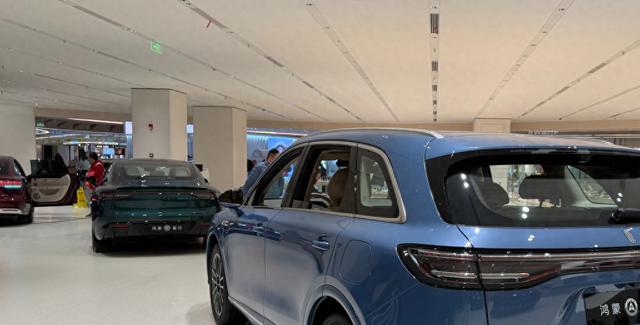
2026年汽车行业景气度展望
2025-11-16 15:36
Summary of the Automotive Industry Conference Call Industry Overview - The automotive industry in China is projected to experience a decline in retail sales by 1% in 2026, with sales expected to drop from 24.54 million units in 2025 to 24.31 million units due to overconsumption in 2025 and reduced vehicle purchase tax incentives [1][2][3] - Market demand is anticipated to shift towards mid to low-priced models, particularly in the 50,000 to 100,000 yuan price range, which is expected to grow by 4% [1][2][3] Key Policy Changes - Significant policy changes are expected in 2026, particularly regarding the scrappage and trade-in subsidies, with 21 cities suspending trade-in subsidies and 16 provinces halting scrappage subsidies [2][4] - Recommendations include maintaining the trade-in and scrappage policies but controlling the subsidy budget between 140 billion to 150 billion yuan, while keeping the vehicle purchase tax reduction at 5% to stabilize the market [5][6] Market Dynamics - The automotive sales structure is expected to adjust, with a longer pre-festival sales period due to the late Spring Festival, typically resulting in 40% higher sales compared to post-festival [3] - The export of Chinese automobiles continues to grow, with passenger car exports accounting for 20% of total exports, despite a decline in the Russian market [3][14] Price Segment Performance - In 2025, the 50,000 to 100,000 yuan and 100,000 to 150,000 yuan price segments performed well, with the former growing from 16% to 20% [6][7] - The market for vehicles priced below 400,000 yuan is experiencing a downward trend, with the segment below 400,000 yuan declining by 3 percentage points [7][8] New Energy Vehicles (NEVs) - NEVs are becoming increasingly competitive in the 100,000 to 150,000 yuan market, with penetration rates rising [9][20] - The high-end electric vehicle segment faces challenges due to new energy consumption standards and tax pressures, while high-end fuel vehicles are seeing significant declines in sales [9][10] Regional Sales Trends - Northern and central-western regions are experiencing faster sales growth, with the northeastern region achieving a 15% growth rate [11][12] - Automotive manufacturers are focusing on lower-tier cities for expansion, as first-tier cities show slower growth [12] Export and International Strategy - Chinese automotive exports are expected to continue growing, with a projected increase of 30-40% in NEV exports [20][21] - Companies are adopting diverse strategies for overseas markets, including establishing CKD factories to mitigate trade barriers [15] Competitive Landscape - The competitive landscape is shifting, with leading private enterprises like BYD gaining strength, while traditional state-owned enterprises are expected to play a significant role in mergers and acquisitions [17][18] - New entrants and established brands are expected to intensify competition, particularly in the NEV sector, with companies like Xiaomi and Huawei increasing their market presence [24][25] Future Outlook - The automotive industry is expected to face challenges from policy changes, market dynamics, and competitive pressures, but opportunities for growth remain, particularly in the NEV segment and lower-tier markets [22][23]

汽车风向标:整车行业近期跟踪
2025-11-05 01:29
Summary of Automotive Industry Conference Call Industry Overview - The automotive industry is experiencing significant changes due to the cessation of subsidy policies in late October 2025, impacting sales dynamics for brands like BYD and Geely, which continue to launch new products to stimulate demand [1][2] - The transition to a new subsidy framework is expected to create a policy vacuum until after the Chinese New Year in 2026, with potential negative growth in the automotive market projected between 4% to 15% in Q1 2026 [1][7] Key Points and Arguments Subsidy Policies - The 2024 vehicle replacement policy is expected to generate approximately 3 million scrapped vehicles, with total subsidies nearing 100 billion yuan [1] - By 2025, applications for new subsidies have reached 10 million vehicles, with total subsidies estimated at 150 billion yuan, but a 30% reduction in subsidies is anticipated for 2026 [1][6] - The maximum subsidy per vehicle is expected to decrease to below 12,000 yuan in 2026 [6] Market Dynamics - The automotive market is currently in a "high open low walk" phase, with a surge in demand during the National Day holiday, followed by a decline in orders due to the end of national subsidies [2] - New energy vehicles (NEVs) are expected to face pressure in the sub-150,000 yuan segment, necessitating improvements in product lines and dealership efficiency [3][11] Sales Projections - Q1 2026 is projected to require a year-on-year growth rate of over 15% to compensate for January's sales gap, with a monthly growth rate of 10% needed [9][10] - The overall market is expected to face significant pressure in the first half of 2026, requiring a strategic focus on product supply and policy support to avoid year-on-year declines [10] Competitive Landscape - The competition in the automotive market is expected to remain intense, influenced by factors such as channel efficiency and the timing of new product launches [13] - Domestic brands like Geely and BYD are expected to maintain a strong position, particularly in the high-end market, leveraging their technological and supply chain advantages [13][19] New Energy Vehicle Trends - The penetration rate of NEVs is projected to slow down, with an expected increase of around 5 percentage points in 2026, while electric vehicles will begin to incur purchase taxes [22] - The overall price range of vehicles is likely to increase, with a significant impact on the economy segment due to reduced subsidies and increased purchase taxes [22][23] Brand-Specific Insights - Geely's new models, including the Galaxy series, are set to launch in 2026, with plans to expand sales channels from 1,300 to 2,500 stores, aiming for a 20% or higher year-on-year growth [20] - Great Wall Motors is focusing on expanding its dealer network and launching new models, including the Ora brand, to enhance competitiveness and achieve steady growth [22][24] Additional Important Insights - The high-end market for NEVs is facing pressure from economic uncertainties, with a potential decline in market share for high-end brands [14] - The automotive industry is expected to see a shift in focus from price competition to enhancing product quality and operational capabilities [15][16] This summary encapsulates the key insights and projections regarding the automotive industry, highlighting the impact of subsidy policies, market dynamics, competitive landscape, and brand-specific strategies.

新势力品牌国庆卖得怎么样?5位一线销售聊聊实际情况
车fans· 2025-10-10 00:30
Group 1 - The overall customer flow during the National Day holiday was high, with some brands experiencing better sales compared to the previous months, although there was a decline compared to the same period last year due to new store openings in the same city [2][11][16] - The most popular models included the AITO M7, Yu7, and i6, with customers particularly focused on delivery times and vehicle features [2][7][11][22] - Promotional activities included test drive incentives and tax rebate policies, which helped boost consumer confidence, especially for newly launched models [2][11][17] Group 2 - Some brands did not implement any additional promotional activities during the holiday, maintaining a consistent policy from the previous month [8][9][12] - Local auto shows were held, but their effectiveness in attracting customers was considered limited, with some brands opting for external exhibitions instead [13][19][24] - The impact of subsidy reductions was noted, with some brands offering trade-in subsidies to encourage purchases before the changes took effect [12][23]
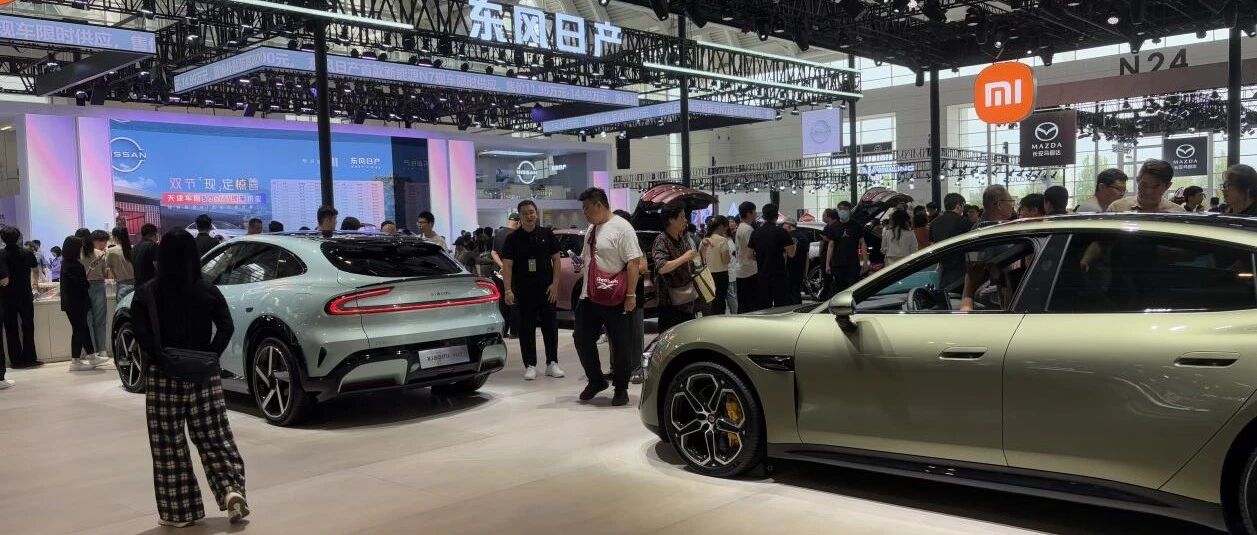
实探!沧州车市促销力度明显减弱,销售催促搭乘“政策末班车”丨华夏双节观察
Hua Xia Shi Bao· 2025-10-09 01:20
Core Insights - The automotive market in Cangzhou has seen a significant reduction in promotional discounts during the National Day and Mid-Autumn Festival compared to previous years, indicating the effectiveness of measures against "involution" competition [2][5] - There is a notable increase in demand for new energy vehicles (NEVs) in Cangzhou, with sales of specific models like the Haobo HL and Geely Xingyuan rising during the holiday period [5][6] Promotional Strategies - Several automotive brands, including Li Auto and Xpeng, announced special promotional policies for the National Day, offering cash subsidies and trade-in incentives, but actual consumer savings were only around 2,000 to 3,000 yuan [5][6] - Sales personnel have shifted their focus from price discounts to emphasizing policy changes, such as the expiration of tax exemptions and adjustments in national subsidies, encouraging consumers to purchase vehicles before these changes take effect [6][7] New Energy Vehicle Demand - The demand for NEVs has surged in Cangzhou, with sales personnel reporting increased interest and sales without significant discounts, relying instead on manufacturer policies like free charging and maintenance [5][6] - The sales strategy has adapted to highlight the urgency of purchasing NEVs before the potential increase in costs due to policy changes, such as the end of full exemption from vehicle purchase tax [6][7] Policy Changes and Consumer Behavior - The vehicle purchase tax exemption for NEVs is set to continue until the end of 2027, with specific conditions for tax reductions in subsequent years [7] - Consumers are encouraged to act quickly to secure government subsidies through a "first come, first served" model, with limited availability of qualification vouchers for trade-ins [10][11] - Recent changes in the application process for vehicle scrapping and trade-in subsidies have been implemented, requiring consumers to obtain qualifications before applying for subsidies [12]
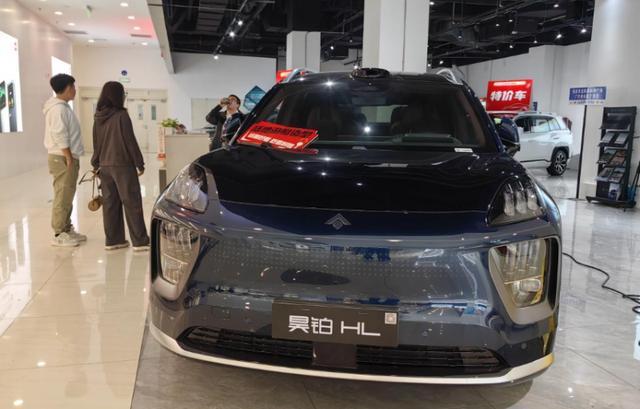
车市的“银十”,劝人买车更难了
Xin Lang Cai Jing· 2025-10-07 03:57
Core Insights - The automotive industry is experiencing a surge in new car launches, particularly in the electric vehicle (EV) segment, as companies rush to capitalize on government subsidies before they expire [1][5][19] - The demand for new cars has been robust, with several manufacturers reporting record sales in September, indicating a strong consumer interest in purchasing vehicles during the holiday season [1][6][19] - However, some brands are facing challenges, with lower foot traffic and sales during the National Day holiday, suggesting a mixed market response [12][15][19] New Car Launches - Nearly 80 new car models were launched in September, averaging two new cars per day, with a significant proportion being SUVs and electric vehicles [1] - Notable new models include the Li Auto i6, NIO ES8, and Zeekr 9X, which have attracted considerable consumer interest [1] Sales Performance - Several companies reported record sales in September, including Leap Motor exceeding 60,000 deliveries, and NIO maintaining over 30,000 monthly deliveries [1][6] - During the National Day holiday, some dealerships experienced high customer engagement, with significant interest in models like the Aito M7 and Zeekr 9X [6][9] Consumer Behavior - Consumers are increasingly motivated to purchase vehicles before subsidy programs end, leading to a rush in sales [10][19] - Some customers are opting to wait for better deals or are hesitant to purchase due to the uncertainty surrounding subsidy policies [10][19] Market Dynamics - The market is shifting from a "price war" to a "value war," with consumers becoming more discerning and focused on product quality rather than just price [19][21] - Companies are introducing tax rebate policies to attract buyers, indicating a strategic shift in response to changing consumer expectations [19][21] Regional Variations - Sales performance varies significantly by region, with some areas experiencing high demand while others, like certain Audi and Lantu dealerships, report low customer turnout [12][15] - Local subsidy policies are influencing consumer decisions, with some regions having already suspended or adjusted their vehicle replacement subsidies [10][19]


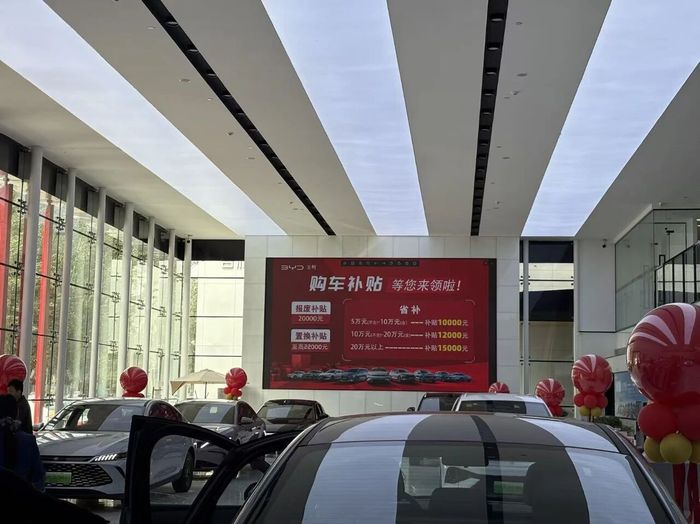
“国补”重启利好汽车消费 专家预计将带来10%销量增长
Di Yi Cai Jing· 2025-09-05 01:47
Group 1 - The overall performance of the automotive market in August was stable, with passenger car sales expected to reach around 2 million units, exceeding expectations [1] - Despite the seasonal transition in the automotive market and extreme weather conditions, there was a noticeable improvement in market demand and daily sales compared to July [1] - The resumption of "national subsidies" in various regions, along with changes in the application process for vehicle replacement subsidies, has impacted sales at dealerships, with over 75% of stores reporting significant negative effects [1] Group 2 - The implementation of the central government's interest subsidy policy began on September 1, and the "two new" policies are expected to support consumer demand throughout the year [2] - The automotive market is anticipated to enter a traditional sales peak in September, driven by the "two new" policies, upcoming auto shows, and increased consumer interest due to holidays [2] - The government is expected to invest over 180 billion yuan in vehicle replacement subsidies this year, which is projected to drive a 10% increase in sales [2]
车企8月成绩单出炉!新势力名次生变
Zheng Quan Shi Bao· 2025-09-02 04:30
Group 1: Sales Performance of New Energy Vehicle Manufacturers - Leap Motor achieved a delivery volume of 57,066 units in August, marking a year-on-year growth of over 88% and setting a new historical high, making it the top seller among new energy vehicle manufacturers [2] - Hongmeng Zhixing delivered 44,579 units in August, with a cumulative delivery exceeding 900,000 units, and an average transaction price of 380,000 yuan, leading among new energy manufacturers [2] - Xiaopeng Motors delivered 37,709 units in August, a year-on-year increase of 169%, driven by the launch of the new Xiaopeng P7 [2] - NIO delivered 31,305 units in August, a year-on-year increase of 55.2%, achieving historical highs across its various brands [2] - Xiaomi Motors surpassed 30,000 units in August, marking the second time it achieved this milestone in a single month [3] Group 2: Traditional Automakers' Performance - BYD continued to lead the new energy vehicle market with sales of 373,600 units in August, remaining stable compared to the previous year, while cumulative sales for the first eight months reached 2,863,900 units, a year-on-year increase of 23% [4] - SAIC Group reported total vehicle sales of 363,400 units in August, with new energy vehicle sales reaching 129,800 units, a year-on-year growth of 49.89% [4] - Geely's total sales in August were 250,200 units, a year-on-year increase of 38%, with significant growth in its electric vehicle segment [4][5] Group 3: Market Conditions and Challenges - The overall automotive market is facing high inventory levels, with the inventory warning index at 57.0% in August, indicating increased sales pressure [7] - The macroeconomic environment continues to exert pressure on automotive dealers, leading to prolonged purchase cycles and lower-than-expected transaction conversions [7] - Despite challenges, the market is expected to improve in September due to traditional peak season effects and the rollout of subsidy policies [7]


